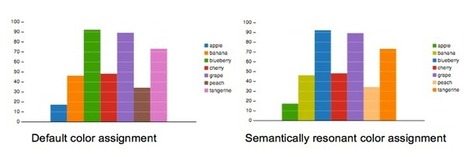
Using existing color-concept relationships leads to faster analysis.
Teaching visual communication in a business communication course: an online magazine by Bovee and Thill, authors of the leading textbooks in business communication and business writing, published by Pearson, featuring resources about visual communication, data visualization, graphic design, photography, and presentations. For more information about Bovee and Thill's texts and their coverage of visual communication, visit https://blog.businesscommunicationnetwork.com. For instructor examination copies, go to https://blog.businesscommunicationnetwork.com/texts/. To find your local sales representative, go to https://www.pearson.com/en-us/help-and-support/contact-us/find-a-rep. To contact the authors, use this form: https://businesscommunicationnetwork.com/contact-us/. To get a free Comprehensive Guide to Business Communication Instructional Resources, visit https://blog.businesscommunicationnetwork.com/resources/. Subscribe to a free weekly newsletter of new posts to all 11 of Bovee and Thill's Online Magazines: https://sco.lt/8kgeVV.
Your new post is loading...

|
|
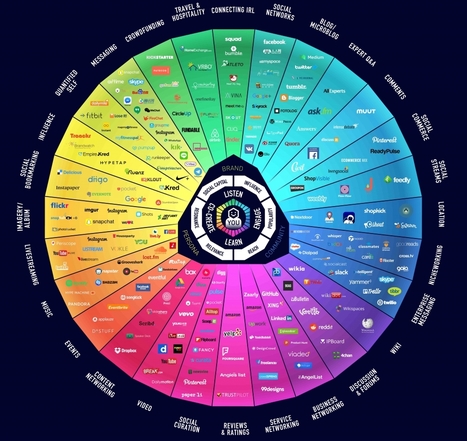
"What is the color of money? Of love? Of the ocean? In the United States, most people respond that money is green, love is red and the ocean is blue.
"Many concepts evoke related colors — whether due to physical appearance, common metaphors, or cultural conventions. When colors are paired with the concepts that evoke them, we call these “semantically resonant color choices.” . . .