 Your new post is loading...

|
Scooped by
Gilbert C FAURE
December 15, 2013 11:27 AM
|
RHUMATOLOGIE - RHEUMATOLOGY
|
|
Scooped by
Gilbert C FAURE
September 24, 4:18 AM
|
Objectives To evaluate temporal changes in rheumatoid arthritis (RA) synovial histopathology across treatment periods using the Rooney score in a surgical cohort. Methods This retrospective study included 1770 synovial specimens from 1150 patients who underwent orthopaedic surgery between 2011 and 2025. Specimens were classified into early biological disease-modifying antirheumatic drug (bDMARD) (2011–2013), established bDMARD (2014–2018) and contemporary targeted therapy (2019–2025) periods. Mixed-effects models included patient-level random intercepts. Sensitivity analyses used calendar year, 3-year intervals, specimen-count-based tertiles and operated-joint power Doppler (PD) grade. Results The median total Rooney scores were 29 (IQR 20–36), 24 (19.25–34) and 23 (20–32) across the periods (p for trend <0.001), driven by lower lymphocytic infiltration. The combined lymphocytic infiltration score decreased from 11 (0–20; early period) to 2 (0–11; contemporary period). After full adjustment, the contemporary period remained associated with a lower Rooney score than the early period (β –1.61, 95% CI –2.74 to –0.48; p=0.005). Tertile analyses were consistent, whereas adding operated-joint PD grade attenuated period estimates. Janus kinase (JAK) inhibitor-treated specimens did not have lower scores than bDMARD-treated specimens without JAK inhibitor exposure. Residual lymphocytic infiltration remained detectable despite clinical or imaging remission. Conclusions RA synovial histopathology evolved across treatment periods, with lower Rooney scores and marked reductions in lymphocytic infiltration. These changes appear to reflect broader contemporary RA management rather than a JAK inhibitor-specific effect, although tissue-level inflammation may persist despite clinical or imaging remission.
|
|
Scooped by
Gilbert C FAURE
August 23, 5:43 AM
|
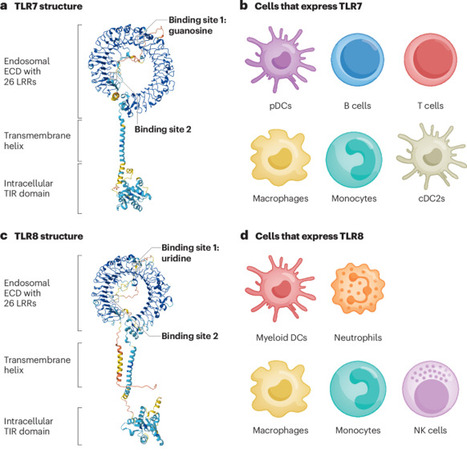
Systemic lupus erythematosus (SLE) is a disease with considerable unmet treatment needs. Endosomal nucleic acid sensing by Toll-like receptor 7 (TLR7) is emerging as a key pathogenic pathway. Gain-of-function mutations in the genes encoding TLR7 and its chaperone UNC93B1 can cause monogenic childhood-onset SLE; rare variants in proteins that regulate ligand availability or downstream signalling proteins also contribute to disease. TLR7 variants can increase the affinity of this receptor for its ligands and can alter binding to endogenous antagonists. Both self RNA–protein complexes and viruses have been implicated in TLR7 activation. Key pathogenic mechanisms include breakdown in B cell tolerance and autoantibody production and type I interferon secretion. Although current therapies such as B cell-depleting chimeric antigen receptor (CAR) T cells and anifrolumab (anti-type I interferon receptor) offer benefit, they are limited by high costs and lack of oral options. In this context, TLR7 has emerged as a promising therapeutic target. Phase II trials of an oral dual TLR7–TLR8 antagonist show durable suppression of the interferon signature in all patients, indicating that TLR7 and TLR8 drive this signature in SLE. This treatment has shown clinical benefit for SLE and cutaneous lupus erythematosus, although the primary endpoint (a dose–response effect) was only met in cutaneous lupus erythematosus. Thus, TLR7–TLR8 antagonists might reshape SLE treatment, alone or in combination with other drugs. Targeting Toll-like receptor 7 (TLR7) represents a promising therapeutic strategy for the treatment of systemic lupus erythematosus (SLE). This Review provides mechanistic insights into the roles of TLR7 and its associated agonistic and antagonistic ligands in SLE and highlights emerging clinical data on therapeutics that target TLR7 for the treatment of SLE.
|
|
Scooped by
Gilbert C FAURE
July 15, 8:36 AM
|
"A Finnish study followed patients for 10 years after they had a popular knee surgery. For many, the pain continued or even worsened."
Elisabeth Rosenthal
|
|
Scooped by
Gilbert C FAURE
June 28, 7:55 AM
|
Giant cell arteritis (GCA) and polymyalgia rheumatica (PMR) are closely related chronic inflammatory conditions. Glucocorticoids remain the cornerstone of treatment for both conditions, as they rapidly control inflammation and also reduce the risk of ischaemic complications in GCA. However, glucocorticoid therapy is often prolonged and associated with substantial treatment-related morbidity. In addition, many patients experience relapses during glucocorticoid maintenance therapy and can accrue vascular damage. Advances in understanding the immunopathology of GCA and PMR have led to the development of targeted therapies, particularly agents inhibiting the IL-6 pathway and, more recently, Janus kinase (JAK) signalling. IL-6 receptor inhibitors reduce the risk of disease relapse and allow for reduction in glucocorticoid use in both GCA and PMR, and JAK inhibition enables glucocorticoid sparing and lowers the risk of relapse in GCA. Optimal management of GCA and PMR requires close monitoring, careful assessment of disease activity and treatment-related toxicity, as well as individualized therapeutic strategies. Ongoing research continues to refine treatment algorithms and could help to define therapeutic targets across GCA and PMR. Emerging therapeutic options and evolving treatment algorithms reflect the dynamic and patient-centred nature of advancements in GCA and PMR management. In this Review, the authors provide an overview of current and emerging therapeutic strategies for giant cell arteritis and polymyalgia rheumatica, including glucocorticoids and glucocorticoid-sparing approaches, and also discuss challenges including monitoring disease activity, defining treatment targets and managing relapse.
|
|
Scooped by
Gilbert C FAURE
June 21, 2:21 AM
|
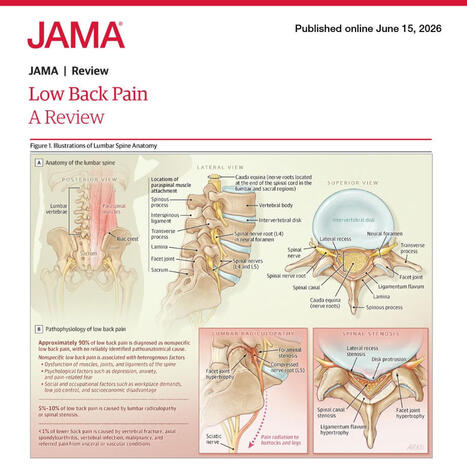
Low back pain is defined as pain located below the costal margin and above the inferior gluteal folds, with or without leg pain and is the leading cause of years lived with #disability worldwide, affecting people of all ages.
Approximately 1 in 4 US workers report low back pain, with mean lifetime prevalence of approximately 40% in adults. Approximately 90% of cases presenting in clinical settings are classified as nonspecific low back pain, with no identified pathoanatomical cause. Initial management emphasizes advice, education, and continued activity.
For acute nonspecific low back pain, first-line therapies include nonpharmacological treatments such as heat application, spinal manipulation, massage, and acupuncture, along with nonsteroidal anti-inflammatory drugs (NSAIDs) and skeletal muscle relaxants.
Chronic nonspecific low back pain is less likely to resolve but is managed with exercise, psychological therapies (such as cognitive behavioral therapy), and multidisciplinary approaches, with NSAIDs considered as second-line therapy.
📝This JAMA Review summarizes the epidemiology, pathophysiology, clinical evaluation, prognosis, and treatment of nonspecific low back pain in the outpatient setting.
https://ja.ma/4oC1znS | 11 comments on LinkedIn
|
|
Scooped by
Gilbert C FAURE
April 7, 11:40 AM
|
This Review examines fertility, pregnancy and lactation in SLE, highlighting the bidirectional effects of pregnancy and disease and summarizing evidence-based approaches to counselling, risk stratification, monitoring and medication safety throughout the reproductive journey.
|
|
Scooped by
Gilbert C FAURE
March 29, 3:59 AM
|
For colleagues fond of crystals
|
|
Scooped by
Gilbert C FAURE
March 14, 2:14 PM
|
Synovial inflammation is a central feature of knee osteoarthritis (OA), linking systemic and local pathogenic pathways with clinical outcomes. This re…
|
|
Scooped by
Gilbert C FAURE
February 27, 4:06 AM
|
Researchers at Stanford University School of Medicine have made an exciting discovery that could change how we treat joint pain. - WHAT is the drug called ??
They found that by blocking a specific protein related to aging, called 15-PGDH, they can actually regrow knee cartilage and prevent osteoarthritis.
What makes this treatment special is that it does not use stem cells. Instead, it works by "reprogramming" the cartilage cells already in your body to act young again.
This is a major breakthrough because it treats the actual cause of the disease rather than just dulling the pain.
The best news is that this medicine might come in the form of a simple pill.
A version of this drug has already passed early safety tests in humans for treating muscle weakness.
Scientists hope that this new approach will eventually mean people no longer need to have difficult joint replacement surgeries.
This could help millions of people stay active and move without pain as they get older.
ANYONE got more on this …..? | 25 comments on LinkedIn
|
|
Scooped by
Gilbert C FAURE
February 10, 4:14 AM
|
Intervertebral disc (IVD) degeneration is a naturally occurring process that is a consequence of biological ageing and exposure to normal physiological loading over a lifetime and is characterized by loss of IVD tissue structural integrity. The nucleus pulposus changes with loss of pressurization, decreased collagen concentration and loss of distinction from annulus fibrosus. The annulus fibrosus and cartilaginous endplate suffer delamination, tears, fractures and clefts of their respective extracellular matrix at both microscopic and macroscopic scales. This loss of structural integrity generally follows a predictable pattern of degeneration, and it predisposes the IVD to pathological states. As the disc degenerates, the likelihood of functional failure to protect the neural elements and/or to provide stable spine motion and support increases. Functional failure takes the degenerated IVD to a state of disc pathology that has various phenotypes: the most common forms are disc herniation, mechanical instability, spinal stenosis, degenerative spondylolisthesis and degenerative scoliosis. IVD pathology is commonly self-limited and non-operative treatment remains the mainstay of treatment in most patients. For patients with refractory disease, surgical intervention focuses on neural decompression and, when indicated, motion segment stabilization. Future therapies for prevention of disc degeneration, targeted disc regeneration and biological modification of the degenerative cascade might prevent or reverse pathological changes across all spinal regions. Intervertebral disc degeneration is a natural consequence of ageing and involves a loss of tissue structural integrity, which can lead to various pathological states. In this Primer, Hammoor et al. review the epidemiology, pathophysiology, diagnosis and treatment of the various pathologies. They also discuss the effects of disc pathology on patient quality of life and highlight emerging and future therapies to improve outcomes.
|
|
Scooped by
Gilbert C FAURE
January 4, 3:53 AM
|
Rheumatoid arthritis is an autoimmune disease that affects ~1% of the global population and leads to joint inflammation, local bone erosions and systemic bone loss. The disability and immobility caused by inflammatory bone loss, joint destruction and fractures in rheumatoid arthritis present a clinical challenge and impose a considerable socioeconomical burden. Osteoclasts have the unique ability to resorb bone and cause bone loss. A comprehensive understanding of the regulatory mechanisms of osteoclasts and their crosstalk with stromal cells, such as osteoblasts, or immune cells during inflammation is essential for the development of targeted therapies to prevent and treat bone loss. The objective of this Review is to present a comprehensive overview of the current knowledge of osteoclast regulation at different levels: from systemic pathways to changes in the bone microenvironment, including the involvement of local cells, to osteoclast-intrinsic regulation such as metabolic adaptations. We also discuss some of the current and emerging therapies that can counteract inflammatory bone loss. The factors and mechanisms that regulate osteoclast-induced inflammatory bone loss are complex. The authors of this Review provide an overview of osteoclast regulation in the context of inflammatory bone loss and rheumatoid arthritis and provide insights into potential treatment strategies.
|
|
Scooped by
Gilbert C FAURE
December 9, 2025 6:18 AM
|
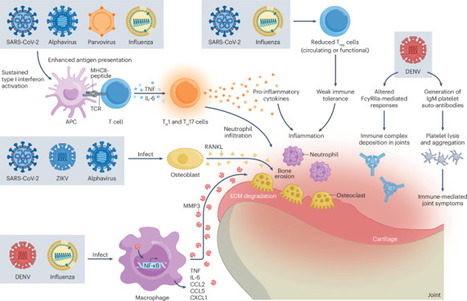
In this Review, the authors summarize the potential role of emerging viruses in autoimmune rheumatic diseases (AIRDs). They describe the association between viruses and AIRD flare ups, the putative mechanisms linking AIRD to viral infections and hormone modulation of viral pathogenesis and...
|
|
|
Scooped by
Gilbert C FAURE
September 27, 4:59 AM
|
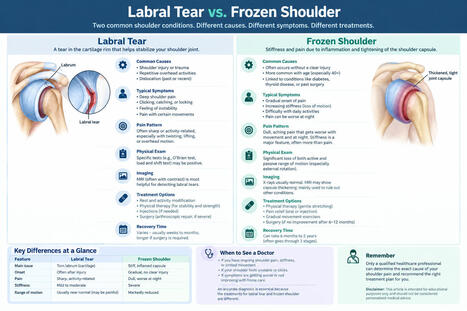
A labral tear and frozen shoulder can both cause shoulder pain, stiffness, and difficulty using the arm, but they are different problems.For example, you may...
|
|
Scooped by
Gilbert C FAURE
August 25, 8:11 AM
|
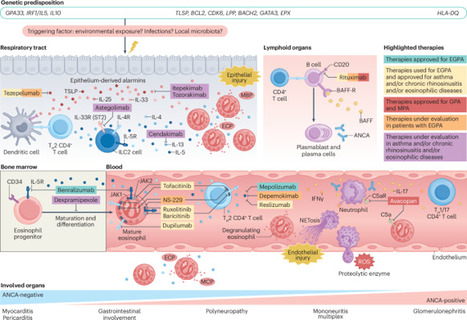
New review on advances in the treatment of EGPA in Nature Reviews Rhematology
Congratulations to Adrien Cottu and all the international colleagues
|
|
Scooped by
Gilbert C FAURE
August 9, 3:23 AM
|
Outcomes in rheumatoid arthritis (RA) have improved considerably with the advent of new therapeutic modalities, improved therapeutic strategies and greater recognition of the need to manage comorbidities. Nevertheless, unmet needs remain. Sustained remission is achieved by only a minority of patients, in part owing to delays in diagnosis, imprecise risk stratification and suboptimal treatment selection. A pressing need therefore exists for robust diagnostic and prognostic tools to support clinical decision making. Advances in genetic, protein, imaging and multi-omics biomarkers offer opportunities to refine RA diagnosis, predict disease course and guide therapeutic choices. Parallel progress in biomarker discovery is also shaping understanding of major RA-associated comorbidities, including cardiovascular disease, interstitial lung disease, osteoporosis and malignancy. Together, clinical introduction of such biomarkers could enable earlier intervention, more precise therapy and improved outcomes for patients with RA. This Review examines emerging laboratory, imaging and multi-omics biomarkers in rheumatoid arthritis, highlighting roles in diagnosis, prognosis, treatment selection and comorbidity management, and emphasizing challenges and opportunities for translating biomarker advances into routine clinical practice and improved patient outcomes.
|
|
Scooped by
Gilbert C FAURE
July 1, 7:23 AM
|
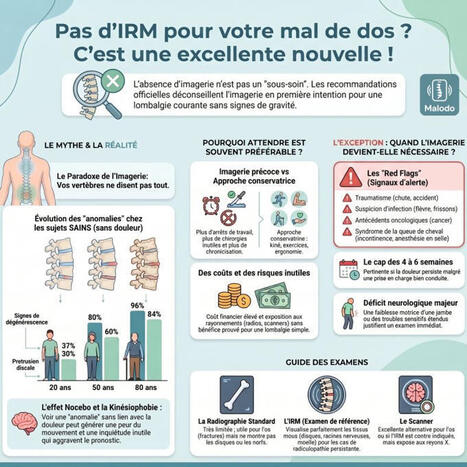
« Mon médecin n'a pas voulu me prescrire d'IRM. C'est normal ? »
Phrase entendue régulièrement, et qui révèle un décalage massif entre la croyance populaire (« plus on en sait, mieux c'est ») et les recommandations cliniques actuelles sur l'imagerie en lombalgie.
Position des sociétés savantes (HAS, NICE, Choosing Wisely) : ne pas prescrire d'imagerie en première intention pour une lombalgie commune sans red flags.
Pourquoi cette position contre-intuitive ?
➡️ Les anomalies dégénératives sont fréquentes chez les sujets asymptomatiques (Brinjikji et al. 2015 : 30% de protrusions discales chez les 30 ans asymptomatiques, 84% chez les 80 ans, hernies, arthrose facettaire, etc.)
🛫 Voir des « anomalies » sur une imagerie ne signifie pas qu'elles expliquent les symptômes
🤡 L'imagerie précoce est associée paradoxalement à plus de chronicisation, plus d'arrêts de travail prolongés, plus de chirurgies, sans bénéfice clinique
😱 Les patients informés d'« anomalies » développent plus facilement la kinésiophobie et le catastrophisme
💲 Coût et exposition aux rayonnements (pour les radio/scanner) sans bénéfice prouvé en première intention
Indications validées de l'imagerie en lombalgie :
📛 Présence de red flags (suspicion d'urgence, pathologie spécifique)
📛 Lombalgie persistante au-delà de 4-6 semaines malgré prise en charge bien conduite
❌ Suspicion clinique précise (radiculopathie avec déficit, suspicion inflammatoire, antécédents oncologiques)
❌ Échec de la prise en charge conservatrice avec discussion d'une intervention
*️⃣ Hiérarchie des examens :
✔️ Radio standard : très limitée en lombalgie (montre os mais peu utile dans la plupart des situations)
✔️ IRM : examen de référence pour évaluation des structures (disque, racines, moelle, ligaments)
✔️ Scanner : utile pour la pathologie osseuse précise, examen radiculaire si IRM contre-indiquée
✔️ Scintigraphie, EMG : indications très spécifiques
L'éducation du patient sur ce sujet est cruciale. 🧠
Beaucoup arrivent en consultation persuadés qu'« il faut bien voir ».
Expliquer que l'absence d'imagerie n'est pas un sous-soin mais conforme aux recommandations, c'est un travail pédagogique récurrent. 🖖
Les délais sont tellement rallongés pour les prises de rdv bilan initial chez le kiné parce qu'il faut "attendre d'avoir l'IRM" sans raison particulière... que de temps perdu chez vous aussi? 😐
|
|
Scooped by
Gilbert C FAURE
June 21, 9:46 AM
|
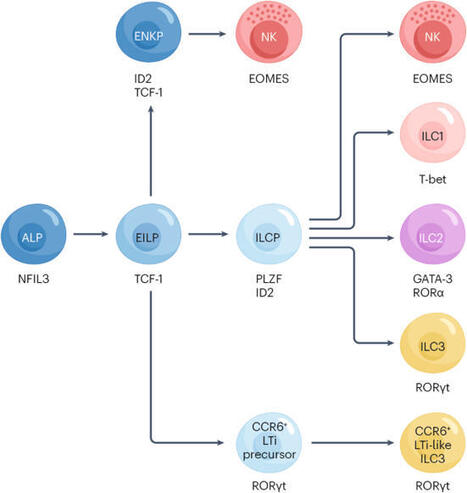
Innate lymphoid cells (ILCs) are emerging as critical modulators of inflammation in rheumatoid arthritis, contributing to both disease pathology and resolution. Group 3 ILCs (ILC3s) mirror TH17 cells in their production of IL-17A and IL-22, promoting fibroblast activation, neutrophil recruitment and synovial inflammatory cascades. By contrast, group 2 ILCs (ILC2s) engage reparative and immunoregulatory pathways via secretion of IL-9, IL-13 and IL-10. Lymphoid tissue inducer (LTi) ILCs contribute to ectopic lymphoid tissue neogenesis and stromal remodelling in early disease. Clinically, alterations in ILC subset composition correlate with disease activity, therapeutic responsiveness and inflammatory burden. Advances in high-dimensional immunophenotyping, spatial transcriptomics and single-cell multi-omics now enable precise mapping of ILC subsets and their effector programmes across peripheral blood and synovial tissue, supporting their use in biomarker discovery and treatment pipelines. Furthermore, modulation of ILCs by targeting upstream cytokines, signalling pathways or the use of microbiota-derived metabolites is a potential therapeutic strategy. Finally, cell-based avenues include IL-10-producing ILC2s (ILC210) and engineered chimeric antigen receptor (CAR)-ILC2s for targeted, tissue-resident immune modulation. Although still in the preclinical stages, these approaches highlight the translational potential of ILCs as biomarkers and therapeutic targets in rheumatoid arthritis. Innate lymphoid cells (ILCs) influence rheumatoid arthritis by amplifying inflammatory circuits through ILC3 activity and promoting immune regulation via ILC2 responses. These context-dependent functions position ILC subsets as emerging biomarkers and targets for innovative therapies.
|
|
Scooped by
Gilbert C FAURE
June 11, 9:58 AM
|
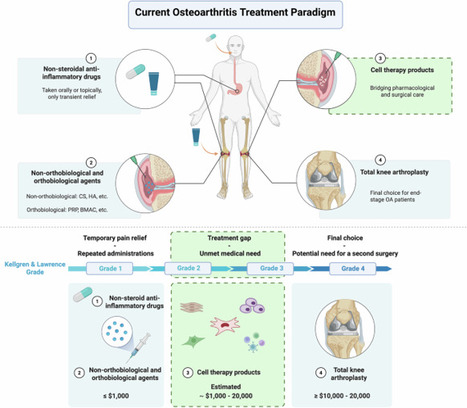
Osteoarthritis (OA) remains a major cause of disability worldwide; however, current non-surgical treatments offer transient symptom relief without altering disease course. This leaves a therapeutic gap for patients with early-to-moderate disease who are not candidates for surgery but continue to experience pain and functional limitation. Intra-articular interventions such as non-steroidal anti-inflammatory drugs, hyaluronic acid, and platelet-rich plasma may ease symptoms, but do not modify disease progression. By contrast, cell therapy products hold promise as regenerative approaches that may both alleviate pain and influence disease trajectory. Cell therapy products for knee OA exert multimodal effects through paracrine and immunomodulatory mechanisms, including modulation of synovial inflammation, attenuation of senescence-associated pathways, and support of extracellular matrix production. Despite encouraging preclinical and clinical signals, only a few cell therapy products have been approved globally, and most remain in development. However, substantial translational challenges remain, including variability in cell source and potency, limited persistence in joint environment, small clinical trial sizes, and regulatory and manufacturing hurdles. To achieve broader adoption, it will be essential to demonstrate superiority to minimally manipulated orthobiologics, clarify redosing strategies, and generate robust long-term evidence. This Review discusses recent clinical trial data, mechanistic insights, regulatory considerations, and operational challenges shaping the evolving role of cell therapy products for OA as next-generation candidates to bridge the gap between pharmacological and surgical interventions. In addition, this Review is written to support regulatory agencies as well as academics and clinicians involved in the development and evaluation of cell therapy products. Osteoarthritis is a leading cause of pain and disability, affecting more than 600 million adults globally, with its prevalence rising due to aging and obesity. This Review explores the potential of cell-based orthobiological regenerative therapies, particularly mesenchymal stem cells (MSCs), which may provide durable benefits by modulating inflammation and supporting endogenous tissue repair. MSCs, despite rapid clearance from the knee joint, exhibit multifactorial mechanisms, including immunomodulation and chondroprotection, which could offer broader therapeutic effects than currently available treatments. However, clinical evidence for their superiority remains limited, highlighting the need for further mechanistic studies and stratified clinical trials. This Review emphasizes the importance of developing standardized manufacturing processes and regulatory frameworks to advance these therapies. Future directions include exploring cell-free approaches and enhancing MSC durability in the osteoarthritis environment, aiming for long-term clinical benefits and potential disease modification. This summary was initially drafted using artificial intelligence, then revised and fact-checked by the author.
|
|
Scooped by
Gilbert C FAURE
April 6, 11:34 AM
|
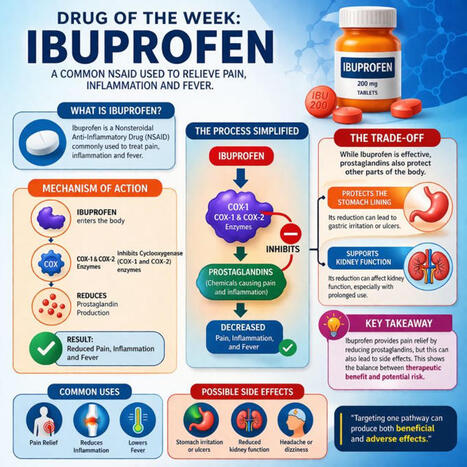
💊 Drug of the Week: Ibuprofen
Ibuprofen is one of the most widely used nonsteroidal anti-inflammatory drugs (NSAIDs) — commonly taken for pain, inflammation, and fever.
But what makes it effective?
🔬 Mechanism of action:
Ibuprofen inhibits cyclooxygenase (COX-1 and COX-2) enzymes → reducing the production of prostaglandins
🧠 Why this matters:
Prostaglandins are responsible for pain, inflammation, and fever
So reducing them leads to symptom relief
⚠️ The trade-off:
Prostaglandins also play protective roles in the body
📌 Their inhibition can lead to:
- Gastric irritation or ulcers (reduced stomach protection)
- Altered kidney function (especially with prolonged use)
This highlights a key concept in Pharmacology and Toxicology:
👉 Targeting one pathway can produce both beneficial and adverse effects
It’s a reminder that even commonly used drugs require careful consideration of dose and duration.
#DrugOfTheWeek #Pharmacology #NSAIDs #DrugSafety #Toxicology
|
|
Scooped by
Gilbert C FAURE
March 18, 5:07 AM
|
🤔 DOULEUR et gêne pour MARCHER, notre rhumatologue nous dit quand opérer (+ce qui fonctionne vraiment)
interview par le Professeur Boris Hansel
https://lnkd.in/dur6JWFp
14 mars 2026
👉 RETROUVER UNE VIE NORMALE malgré l'arthrose de la hanche, c'est l'objectif de la prothèse totale de hanche, l'une des interventions les plus réussies de la chirurgie moderne. Des alternatives existent, selon ce qu'on peut lire un peu partout sur les réseaux sociaux.
Dans cette émission PUMS, on décrypte les contradictions que l'on trouve sur Internet concernant l'opération de la hanche. Pourquoi certains sont-ils ravis et d'autres déçus ? Quand le cartilage disparaît et que le "pincement" articulaire devient insupportable, quelles sont les étapes avant d'envisager le bloc opératoire ?
Avec le Pr francis berenbaum, #rhumatologue et expert mondial de l'arthrose, on explique les mécanismes de la douleur, du pli de l'aine jusqu'à la cuisse. On fait le point sur les traitements médicaux : comment utiliser intelligemment les anti-inflammatoires ? Les infiltrations sont-elles vraiment dangereuses pour le cartilage ou est-ce une idée reçue ?
Découvrez l'indice de Lequesne, cet outil pratique qui permet d'évaluer votre #handicap réel et de savoir si c'est le bon moment pour sauter le pas. Nous abordons aussi la question de la "prothèse oubliée", de la rééducation (souvent plus simple qu'on ne le pense) et de la reprise du sport. Peut-on encore skier ou courir avec une hanche artificielle ?
🎥 Pour découvrir toutes nos vidéos, abonnez-vous : @PUMS
https://lnkd.in/dEqqr5_P
Une vidéo indispensable pour tous ceux qui souffrent de la hanche, pour comprendre le rapport bénéfice/risque de la chirurgie et reprendre le contrôle sur sa mobilité.
PUMS (Pour une meilleure santé)
#arthrose #hanche #prothesedehanche
|
|
Scooped by
Gilbert C FAURE
March 11, 9:07 AM
|
Un grand merci maxime dougados pour ce très bel hommage au Pr Bernard Amor.
Un grand Monsieur effectivement qui a été à mes côtés dans mes débuts professionnels et un ami de 30 ans avec Magali, son épouse.
Qu'il était beau notre premier voyage tous les trois à Montréal en 1995 ! Que de bons souvenirs.
Aujourd'hui, tu dois avoir aménager un box de consultation au paradis pour soigner les anges...
Bernard, tu me manques, tu nous manques.
|
|
Scooped by
Gilbert C FAURE
February 22, 4:10 AM
|
|
|
Scooped by
Gilbert C FAURE
January 28, 5:52 AM
|
Le Livre blanc de la rhumatologue en France est disponible ! Important pour les tutelles et autres décideurs.
Notre Ministre de la santé et rhumatologue, la Dre Stephanie RIST saura apprécier.
|
|
Scooped by
Gilbert C FAURE
December 15, 2025 6:14 AM
|
Takayasu arteritis (TAK) is a rare, chronic, large-vessel vasculitis that primarily targets the aorta and its major branches, leading to vascular stenosis, occlusion and aneurysm formation. TAK, which is characterized by granulomatous inflammation of the arterial wall, predominantly affects women, with peak onset typically occurring between 20 and 40 years of age. The disease exhibits substantial geographic variability in prevalence, with emerging evidence suggesting that these differences are partly owing to variations in genetic susceptibility loci, particularly within immune-related genes; however, the role of environmental factors in the disease aetiology remains poorly understood. Non-invasive imaging techniques have become central to both diagnosis and disease monitoring. Furthermore, the development of biomarkers holds promise for more accurate assessment of disease activity. The management of TAK is evolving, driven by an improved understanding of disease pathogenesis. The growing use of biologic agents is providing new treatment options, particularly for patients with refractory or relapsing disease. By integrating these developments, this Review is aimed at serving as a comprehensive resource for clinicians and researchers dedicated to improving the understanding and management of TAK. This Review article provides an update on the pathophysiology, diagnosis and treatment of Takayasu arteritis. The authors emphasize the need for a multidisciplinary approach to the diagnosis and management of this complex disease.
|
|
Scooped by
Gilbert C FAURE
December 9, 2025 4:01 AM
|
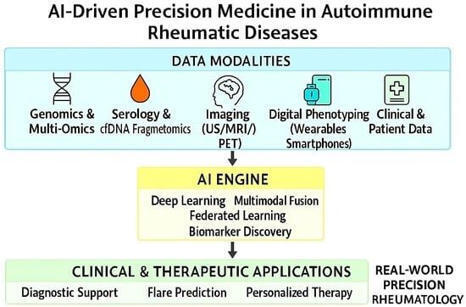
🔥Don't miss this #FeaturePaper by Moawiah Naffaa, PhD and Ola A. Al-Ewaidat.
Emerging AI- and Biomarker-Driven Precision Medicine in Autoimmune Rheumatic Diseases: From Diagnostics to Therapeutic Decision-Making
🔗More details: https://brnw.ch/21wY2dx
#OpenAccess #AutoimmuneRheumaticDiseases #ArtificialIntelligence #Biomarkers #DigitalHealth
|


 Scoop.it!















acide