Your new post is loading...

|
Scooped by
Jean-Michel Ané
February 22, 2018 11:08 PM
|
Fungi and bacteria are found living together in a wide variety of environments. Their interactions are significant drivers of many ecosystem functions and are important for the health of plants and animals. A large number of fungal and bacterial families are engaged in complex interactions that lead to critical behavioural shifts of the microorganisms ranging from mutualism to pathogenicity. The importance of bacterial-fungal interactions (BFI) in environmental science, medicine and biotechnology has led to the emergence of a dynamic and multidisciplinary research field that combines highly diverse approaches including molecular biology, genomics, geochemistry, chemical and microbial ecology, biophysics and ecological modelling. In this review, we discuss most recent advances that underscore the roles of BFI across relevant habitats and ecosystems. A particular focus is placed on the understanding of BFI within complex microbial communities and in regards of the metaorganism concept. We also discuss recent discoveries that clarify the (molecular) mechanisms involved in bacterial-fungal relationships, and the contribution of new technologies to decipher generic principles of BFI in terms of physical associations and molecular dialogues. Finally, we discuss future directions for researches in order to catalyse a synergy within the BFI research area and to resolve outstanding questions.
|
|
Scooped by
Jean-Michel Ané
February 21, 2018 5:35 PM
|
Plants are key contributors to ecosystem services delivered by green roofs in cities including stormwater capture, temperature regulation, and wildlife habitat. As a result, current research has primarily focused on their growth in relationship to extensive green roof (e.g., substrates <15 cm depth) ecosystem services. Green roofs are exposed to a variety of harsh abiotic factors such as intense solar radiation, wind, and isolation from ground-level habitats, making survival exceedingly difficult. Plants in natural habitats benefit from a variety of interactions with fungi and bacteria. These plant-microbial interactions improve mechanisms of survival and productivity; however, many green roof substrates are sterilized prior to installation and lack microbial communities with unstudied consequences for green roof plant health and subsequent survival and performance. In this paper, we present six hypotheses on the positive role of microbes in green roof applications. In natural and experimental systems, microbial interactions have been linked to plant (1) drought tolerance, (2) pathogen protection, (3) nutrient availability, (4) salt tolerance, (5) phytohormone production, and (6) substrate stabilization, all of which are desirable properties of green roof ecosystems. As few studies exist that directly examine these relationships on green roofs, we explore the existing ecological literature on these topics to unravel the mechanisms that could support more complex green roof ecosystem and lead to new insight into the design, performance, and broader applications in green infrastructure.
|
|
Scooped by
Jean-Michel Ané
February 21, 2018 5:31 PM
|
Assays to accurately estimate relative fitness of bacteria growing in multistrain communities can advance our understanding of how selection shapes diversity within a lineage. Here, we present a variant of the “evolve and resequence” approach both to estimate relative fitness and to identify genetic variants responsible for fitness variation of symbiotic bacteria in free-living and host environments. We demonstrate the utility of this approach by characterizing selection by two plant hosts and in two free-living environments (sterilized soil and liquid media) acting on synthetic communities of the facultatively symbiotic bacterium Ensifer meliloti. We find (i) selection that hosts exert on rhizobial communities depends on competition among strains, (ii) selection is stronger inside hosts than in either free-living environment, and (iii) a positive host-dependent relationship between relative strain fitness in multistrain communities and host benefits provided by strains in single-strain experiments. The greatest changes in allele frequencies in response to plant hosts are in genes associated with motility, regulation of nitrogen fixation, and host/rhizobia signaling. The approach we present provides a powerful complement to experimental evolution and forward genetic screens for characterizing selection in bacterial populations, identifying gene function, and surveying the functional importance of naturally occurring genomic variation.
|
|
Scooped by
Jean-Michel Ané
February 21, 2018 5:25 PM
|
Future climate scenarios predict changes in rainfall regimes. These changes are expected to affect plants via effects on the expression of root traits associated with water and nutrient uptake. Associated microorganisms may also respond to these new precipitation regimes, either directly in response to changes in the soil environment or indirectly in response to altered root trait expression. We characterised arbuscular mycorrhizal (AM) fungal communities in an Australian grassland exposed to experimentally altered rainfall regimes. We used Illumina sequencing to assess the responses of AM fungal communities associated with four plant species sampled in different watering treatments and evaluated the extent to which shifts were associated with changes in root traits. We observed that altered rainfall regimes affected the composition but not the richness of the AM fungal communities, and we found distinctive communities in the increased rainfall treatment. We found no evidence of altered rainfall regime effects via changes in host physiology because none of the studied traits were affected by changes in rainfall. However, specific root length was observed to correlate with AM fungal richness, while concentrations of phosphorus and calcium in root tissue and the proportion of root length allocated to fine roots were correlated to community composition. Our study provides evidence that climate change and its effects on rainfall may influence AM fungal community assembly, as do plant traits related to plant nutrition and water uptake. We did not find evidence that host responses to altered rainfall drive AM fungal community assembly in this grassland ecosystem.
|
|
Scooped by
Jean-Michel Ané
February 20, 2018 11:00 PM
|
Legumes can preferentially select beneficial rhizobial symbionts and sanction ineffective strains that fail to fix nitrogen. Yet paradoxically, rhizobial populations vary from highly beneficial to ineffective in natural and agricultural soils. Classic models of symbiosis focus on the single dimension of symbiont cost-benefit to sympatric hosts, but fail to explain the widespread persistence of ineffective rhizobia. Here we test a novel framework predicting that spatio-temporal and community dynamics can maintain ineffective strains in rhizobial populations. We used clonal and multistrain inoculations and quantitative culturing to investigate the relative fitness of four focal Bradyrhizobium strains varying from effective to ineffective on Acmispon strigosus. We found that an ineffective Bradyrhizobium strain can be sanctioned by its native A. strigosus host across the host's range, forming fewer and smaller nodules compared to beneficial strains. But the same ineffective Bradyrhizobium strain exhibits a nearly opposite pattern on the broadly sympatric host A. wrangelianus, forming large nodules in both clonal and multistrain inoculations. These data suggest that community-level effects could favor the persistence of ineffective rhizobia and contribute to variation in symbiotic nitrogen fixation.
|
|
Scooped by
Jean-Michel Ané
February 20, 2018 10:25 PM
|
The formation of nitrogen fixing root nodules by Medicago truncatula and Sinorhizobium meliloti requires communication between both organisms and coordinated differentiation of plant and bacterial cells. After an initial signal exchange, the bacteria invade the tissue of the growing nodule via plant-derived tubular structures, called infection threads. The bacteria are released from the infection threads into invasion-competent plant cells, where they differentiate into nitrogen-fixing bacteroids. Both organisms undergo dramatic transcriptional, metabolic and morphological changes during nodule development. To identify plant processes that are essential for the formation of nitrogen fixing nodules after nodule development has been initiated, large scale mutageneses have been conducted to discover underlying plant symbiosis genes. Such screens yield numerous uncharacterized plant lines with nitrogen fixation deficient nodules. In this study, we report construction of a S. meliloti strain carrying four distinct reporter constructs to reveal stages of root nodule development. The strain contains a constitutively expressed lacZ reporter construct; a PexoY-mTFP fusion that is expressed in infection threads but not in differentiated bacteroids; a PbacA-mcherry construct that is expressed in infection threads and during bacteroid differentiation; and a PnifH-uidA construct that is expressed during nitrogen fixation. We used this strain together with fluorescence microscopy to study nodule development over time in wild type nodules and to characterize eight plant mutants from a fast neutron bombardment screen. Based on the signal intensity and the localization patterns of the reporter genes, we grouped mutants with similar phenotypes and placed them in a developmental context.
|
|
Scooped by
Jean-Michel Ané
February 20, 2018 10:14 PM
|
Legumes are very important plants both ecologically and agriculturally because they are able to interact symbiotically with rhizobia for biological nitrogen fixation and soil fertilization. Medicago truncatula Gaertn. is an important model legume rich in protein. Salinity represents, today, the major cause of land degradation and crop productivity limitation around the world and affects physiology and metabolism in legumes. In this study, we analyzed the physiological and biochemical responses of rootlets in two contrasting ecotypes of Medicago truncatula (Tru 131, tolerant and Jemalong, sensitive) to different level of NaCl, (68, 102 and 137 mM). Results showed that the tolerant ecotype has a lower water potential than Jemalong. Root protein content of Tru 131 was decreased than Jemalong, this can be explained by accumulation of protein oxidation in the sensitive genotype. Moreover, NaCl increased guaiacol peroxidase activity GPX in rootlets of Tru 131, this enzyme has a protective role against the molecules ROS accumulated during oxidative stress. On the other hand, under salt stress the total content of ascorbate (ASC + DHA) and Glutathione (GSH + GSSG) was increased in the tolerant genotype Tru 131 compared to Jemalong. These results show how the tolerant genotype activate the antioxidative defense system at root level against damages caused by oxidative stress under salinity.
|
|
Scooped by
Jean-Michel Ané
February 20, 2018 10:10 PM
|
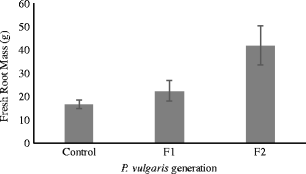
Azospirillum brasilense is a plant growth-promoting bacterium that is utilized as a bio-fertilizer worldwide. Inoculation of crops with A. brasilense can lead to a substantial boost in crop yield, although this enhancement is variable. Sometimes crop production is enhanced as much as 70% and other times enhancement does not occur at all. To solve this problem, a greater understanding of A. brasilense – plant interactions is needed. While the root/rhizosphere ecology of A. brasilense has been studied extensively there are no significant studies that address whether A. brasilense populates above ground plant tissues. In this study, we use a combination of qPCR, transcriptomics, confocal microscopy, and culturing techniques to map the in-planta distribution of a GFP-expressing A. brasilense in Phaseolus vulgaris (common bush bean). We show that A. brasilense constitute part of the plant bacterial microflora well above the root system. During P. vulgaris development A. brasilense was shown to actively move to developing bean seeds where it forms a significant intercellular population. GFP-expressing A. brasilense was shown to vertically transmit to successive plant generations demonstrating that A. brasilense in the seed constitute an effective inoculum. The ability of A. brasilense to not only colonize roots but to also actively migrate to developing seeds indicates the existence of a more complex symbiotic relationship than previously understood.
|
|
Scooped by
Jean-Michel Ané
February 20, 2018 10:06 PM
|
Aims
Arabidopsis thaliana is the model plant that is mainly used in studying cellulose and hemicellulose (CH) biosynthesis. Unfortunately, A. thaliana does not associate with mycorrhiza and as a result there are only rare reports on the role of arbuscular mycorrhiza (AM) fungi on CH biosynthesis. This study aims to investigate the effects of AM fungi on changing the CH content in mycorrhizal plant.
Methods
Three AM fungi, Glomus aggregatum, Rhizophagus intraradices and Funneliformis mosseae, were inoculated to vetiver grass (Chrysopogon zizanioides) and grown for 12 months. Roots were harvested, and the proportions of CH, lignin, lipids and hydrosoluble content were analysed. The corresponding root tensile strength (positively correlated with the proportion of CH) was measured to counter check the CH content.
Results
Plants inoculated with AM showed a higher proportion of CH (P < 0.05) compared with uninoculated ones. This increase was coupled to a 40–60% enhancement in tensile strength. Potential mechanisms for this phenomenon are discussed.
Conclusions
This is the first study showing that the proportion of CH and tensile strength of plant root could be significantly affected by AM symbiosis. It is thus desirable that future research on CH biosynthesis uses mycorrhizal-associating plants, such as medic (Medicago truncatula) and rice (Oryza sativa).
|
|
Scooped by
Jean-Michel Ané
February 20, 2018 10:00 PM
|
The distribution of mycorrhizal associations across biomes parallels a distinct gradient of soil carbon (C) and nitrogen (N) stocks, raising the question of how mycorrhizal traits relate to ecosystem properties. Arbuscular mycorrhizal (AM) and ectomycorrhizal (EM) hosts and fungi employ contrasting strategies for N acquisition, which may manifest in differences in soil C and N pools and/or soil C:N. However, cross-biome comparisons are confounded with climatic and edaphic gradients as well as phylogenetic and functional trait distributions of component plant species. Here, we test emerging hypotheses that soil C, N and C:N are related to the dominance of EM trees within a temperate forest region where AM and EM trees largely coexist but vary in local abundance.
To determine the importance of mycorrhizal type on soil C and N, we analysed data from c. 1,000 forest inventory plots in the eastern United States. For each plot, we quantified the dominance of trees with different mycorrhizal associations and accounted for potentially confounding variables including phylogeny (angiosperm or gymnosperm), leaf N, soil clay content and climate. We used hierarchical Bayesian models to determine how these variables explained the patterns of soil C and N in the forest floor and mineral soil layers.
Increasing EM dominance was associated with higher C:N across all soil layers. This relationship remained even after accounting for tree phylogeny, leaf N content, soil clay content, temperature and precipitation, which were all important for explaining soil C:N. However, this mycorrhizal pattern of soil C:N was not related to increases in soil C content; rather, increasing EM dominance was associated with reductions in soil N.
Synthesis. Our findings are consistent with the proposition that mycorrhizal associations are related to terrestrial ecosystem properties. The mycorrhizal effect on soil C:N may result from differences in how arbuscular mycorrhizal and ectomycorrhizal plants interact with their fungal symbionts, decomposers and organic matter, to sustain differential cycling of C and N. Alternatively, these patterns could arise from differential success of the two mycorrhizal types in contrasting soil conditions; both processes may occur simultaneously, leading to a self-reinforcing positive feedback.
|
|
Scooped by
Jean-Michel Ané
February 19, 2018 10:55 PM
|
We have land plants to thank for the oxygen we breathe. And now we have a better idea of when they took to land in the first place. While the oldest known fossils of land plants are 420 million years old, researchers have now determined that pond scum first made landfall almost 100 million years earlier.
“[This] study has important global implications, because we know early plants cooled the climate and increased the oxygen level in the Earth’s atmosphere,” conditions that supported the expansion of terrestrial animal life, says Tim Lenton, an earth system scientist at the University of Exeter, United Kingdom who was not involved with the work.
For decades biologists have been trying to come up with a reliable birth date for land plants. Lacking backbones and hard shells, plants leave relatively little behind in the fossil record, so researchers suspect even the oldest plant fossils don't represent the first flora.
|
|
Scooped by
Jean-Michel Ané
February 17, 2018 2:45 PM
|
Plant–bacteria interactions are important for agricultural production and plant conservation due to their profound effects on plant growth and productivity. Plant-associated genes that evolved in bacteria over hundreds of millions of years of adaptation are important for such interactions. However, these genes remain poorly understood. Using a comparative genomics approach, Asaf Levy, from the US Department of Energy Joint Genome Institute, Isai Salas Gonzalez, from the University of North Carolina at Chapel Hill, and their colleagues identified plant-associated (and root-associated) genes and tried to characterize their functions.
The roots of most terrestrial plants are colonized by mycorrhizal fungi. They play a key role in terrestrial environments influencing soil structure and ecosystem functionality. Around them a peculiar region, the mycorrhizosphere, develops. This is a very dynamic environment where plants, soil and microorganisms interact. Interest in this fascinating environment has increased over the years. For a long period the knowledge of the microbial populations in the rhizosphere has been limited, because they have always been studied by traditional culture-based techniques. These methods, which only allow the study of cultured microorganisms, do not allow the characterization of most organisms existing in nature. The introduction in the last few years of methodologies that are independent of culture techniques has bypassed this limitation. This together with the development of high-throughput molecular tools has given new insights into the biology, evolution, and biodiversity of mycorrhizal associations, as well as, the molecular dialog between plants and fungi. The genomes of many mycorrhizal fungal species have been sequenced so far allowing to better understanding the lifestyle of these fungi, their sexual reproduction modalities and metabolic functions. The possibility to detect the mycelium and the mycorrhizae of heterothallic fungi has also allowed to follow the spatial and temporal distributional patterns of strains of different mating types. On the other hand, the availability of the genome sequencing from several mycorrhizal fungi with a different lifestyle, or belonging to different groups, allowed to verify the common feature of the mycorrhizal symbiosis as well as the differences on how different mycorrhizal species interact and dialog with the plant. Here, we will consider the aspects described before, mainly focusing on ectomycorrhizal fungi and their interactions with plants and other soil microorganisms.
Via Francis Martin
|
Author summary Symbiotic microbes influence host development and health, but predicting which microbes or groups of microbes will have a helpful or harmful effect is a major challenge in microbiome research. In this article, we describe a new method to design and predict bacterial communities that alter the plant host response to phosphate starvation. The method uses plant–bacterium binary-association assays to define groups of bacteria that elicit similar effects on the host plant. By constructing partially overlapping bacterial communities, we demonstrated that it is possible to modify phosphate accumulation in the plant shoot and the induction of plant phosphate starvation genes in a controlled manner. We found that bacterial colonization of the plant root does not predict the capacity to produce this phenotype. We evaluated the predictive performance of different statistical models and identified one best able to predict the behavior of untested communities. Our work demonstrates that studying a subset of all possible bacterial communities is sufficient to anticipate the outcome of novel bacterial combinations, and we establish that it is possible to deduce causality between microbiome composition and host phenotypes in complex systems.
Via Tatsuya Nobori
|
|
Scooped by
Jean-Michel Ané
February 21, 2018 5:33 PM
|
The alfalfa endosymbiont Ensifer meliloti strain1021 is known to be an incomplete denitrifier due to its inability to grow anoxically using nitrate as respiratory substrate to produce ATP and grow under anoxic conditions. Although this bacterium contains and expresses the complete set of denitrification genes napEFDABC, nirK, norECBQD and nosRZDFYLX encoding the periplasmic nitrate reductase (Nap), Cu-containing nitrite reductase (NirK), c-type nitric oxide (cNor) and nitrous oxide reductase (Nos), respectively, the reasons of its inability to grow under anoxic conditions are still very poorly understood. In the present study, we have constructed an E. meliloti strain over-expressing napEFDABC genes (Nap+) and demonstrated that this strain is able to grow through anaerobic nitrate respiration. Furthermore, Nap+ showed increased NapC levels as well as Nap, Nir, and cNor activities and higher capacity to produce NO and N2O compared to wild-type cells. These results suggest that the inability of E. meliloti to grow under anaerobic conditions using nitrate as electron acceptor is attributable to a limitation in the expression of the periplasmic nitrate reductase.
|
|
Scooped by
Jean-Michel Ané
February 21, 2018 5:30 PM
|
Root endosymbioses are mutualistic interactions between plants and the soil microorganisms (Fungus, Frankia or Rhizobium) that lead to the formation of nitrogen-fixing root nodules and/or arbuscular mycorrhiza. These interactions enable many species to survive in different marginal lands to overcome the nitrogen-and/or phosphorus deficient environment and can potentially reduce the chemical fertilizers used in agriculture which gives them an economic, social and environmental importance. The formation and the development of these structures require the mediation of specific gene products among which the transcription factors play a key role. Three of these transcription factors, viz., CYCLOPS, NSP1 and NSP2 are well conserved between actinorhizal, legume, non-legume and mycorrhizal symbioses. They interact with DELLA proteins to induce the expression of NIN in nitrogen fixing symbiosis or RAM1 in mycorrhizal symbiosis. Recently, the small non coding RNA including micro RNAs (miRNAs) have emerged as major regulators of root endosymbioses. Among them, miRNA171 targets NSP2, a TF conserved in actinorhizal, legume, non-legume and mycorrhizal symbioses. This review will also focus on the recent advances carried out on the biological function of others transcription factors during the root pre-infection/pre-contact, infection or colonization. Their role in nodule formation and AM development will also be described.
|
|
Scooped by
Jean-Michel Ané
February 21, 2018 9:20 AM
|
A Gram-positive, fast-growing, endophytic bacterium was isolated from root nodules of Medicago polymorpha and identified as Bacillus megaterium. The isolate, named NMp082, co-inhabited nodules with the symbiotic rhizobium Ensifer medicae. B. megaterium NMp082 contained nifH and nodD genes that were 100% identical to those of Ensifer meliloti, an unusual event that suggested previous lateral gene transfer from a different rhizobial species. Despite the presence of nodulation and nitrogen fixation genes, the endophyte was not able to form effective nodules; however, it induced nodule-like unorganised structures in alfalfa roots. Axenic inoculation promoted plant growth in M. polymorpha, Medicago lupulina, Medicago truncatula and Medicago sativa, and co-inoculation with E. medicae enhanced growth and nodulation of Medicago spp. plants compared with inoculation with either bacterium alone. B. megaterium NMp082 also induced tolerance to salt stress in alfalfa and Arabidopsis plants. The ability to produce indole acetic acid (IAA) and the 1-aminocyclopropane-1-carboxylate (ACC) deaminase activity displayed by the endophyte in vitro might explain the observed plant growth promotion and salt stress alleviation. The isolate was also highly tolerant to salt stress, water deficit and to the presence of different heavy metals. The newly characterised endophytic bacterium possessed specific characteristics that point at potential applications to sustain plant growth and nodulation under abiotic stress.
|
|
Scooped by
Jean-Michel Ané
February 20, 2018 10:58 PM
|
Arbuscular mycorrhiza (AM) is an ancient symbiosis between land plants and fungi of the glomeromycotina that is wide-spread in the plant kingdom. AM improves plant nutrition, stress resistance and general plant performance, and thus represents a promising addition to sustainable agricultural practices. In return for delivering mineral nutrients, the obligate biotrophic AM fungi receive up to 20% of the photosynthetically fixed carbon from the plant. AM fungi colonize the inside of roots and form highly branched tree-shaped structures, called arbuscules, in cortex cells. The pair of the arbuscule and its host cell is considered the central functional unit of the symbiosis as it mediates the bidirectional nutrient exchange between the symbionts. The development and spread of AM fungi within the root is predominantly under the control of the host plant and depends on its developmental and physiological status. Intracellular accommodation of fungal structures is enabled by the remarkable plasticity of plant cells, which undergo drastic subcellular rearrangements. These are promoted and accompanied by cell-autonomous transcriptional reprogramming. AM development can be dissected into distinct stages using plant mutants. Progress in the application of laser dissection technology has allowed the assignment of transcriptional responses to specific-stages and cell-types. The first transcription factors controlling AM-specific gene expression and AM development have been discovered and cis-elements required for AM-responsive promoter activity have been identified. An understanding of their connectivity and elucidation of transcriptional networks orchestrating AM development can be expected in the near future.
|
|
Scooped by
Jean-Michel Ané
February 20, 2018 10:19 PM
|
The development of endophyte inoculants for agricultural crops has been bedevilled by the twin problems of a lack of reliability and consistency, with a consequent lack of belief among end users in the efficacy of such treatments. We have developed a successful research pipeline for the production of a reliable, consistent and environmentally targeted fungal endophyte seed-delivered inoculant for barley cultivars. Our approach was developed de novo from an initial concept to source candidate endophyte inoculants from a wild relative of barley, Hordeum murinum (wall barley). A careful screening and selection procedure and extensive controlled environment testing of fungal endophyte strains, followed by multi-year field trials has resulted in the validation of an endophyte consortium suitable for barley crops grown on relatively dry sites. Our approach can be adapted for any crop or environment, provided that the set of first principles we have developed is followed. Here, we report how we developed the successful pipeline for the production of an economically viable fungal endophyte inoculant for barley cultivars.
|
|
Scooped by
Jean-Michel Ané
February 20, 2018 10:12 PM
|
Soybean (Glycine max) is considered one of the most economically important agricultural crops in Brazil. Due to the high protein content of its grains, this crop demands a greater amount of nitrogen (N) for production. In general, for soybean, nitrogen fertilization costs through chemical fertilizers are considered high. However, the biological nitrogen fixation (BNF) through the use of biological inoculants, such as the strains of Bradyrhizobium genus, a rhyzobacterium, represents a viable alternative for soybean crops in Brazil and dismisses nitrogen fertilization. Because of the need to constantly increase soybean crop productivity, it is necessary to find more efficient Bradyrhizobium genus strains for BNF. Genes related to soybean BNF have been utilized as molecular markers in selection programs that aim to obtain more efficient bacterial strains in this process. Therefore, this study aimed to characterize the gens related to BNF efficiency (nopP, aapP, ilvD and bll3106) by PCR-RFLP in Bradyrhizobium japonicum strains. The nopP and aapP genes were sequenced and submitted to similarity analysis with genes deposited on the Genbank (NCBI). The results showed the presence of highly conservative sequences in nopP and aapP genes between the analyzed B. japonicum strains. The occurrence of these preserved nucleotide sequences can be related to the adaptive function that they can have during the evolutionary process of plant growth promoting rhizobacteria.
|
|
Scooped by
Jean-Michel Ané
February 20, 2018 10:08 PM
|
Mycorrhizal fungal necromass is increasingly recognized as an important contributor to soil organic carbon pools, particularly in forest ecosystems. While its decomposition rate is primarily determined by biochemical composition, how traits such as melanin content affect the structure of necromass decomposer communities remains poorly understood.
To assess the role of biochemical traits on microbial decomposer community composition and functioning, we incubated melanized and non-melanized necromass of the mycorrhizal fungus Meliniomyces bicolor in Pinus- and Quercus-dominated forests in Minnesota, USA and then assessed the associated fungal and bacterial decomposer communities after 1, 2 and 3 months using high-throughput sequencing.
Melanized necromass decomposed significantly slower than non-melanized necromass in both forests. The structure of the microbial decomposer communities depended significantly on necromass melanin content, although the effect was stronger for fungi than bacteria. On non-melanized necromass, fungal communities were dominated by r-selected ascomycete and mucoromycete microfungi early and then replaced by basidiomycete ectomycorrhizal fungi, while on melanized necromass these groups were co-dominant throughout the incubation. Bacterial communities were dominated by both specialist mycophageous and generalist taxa.
Synthesis. Our results indicate that necromass biochemistry not only strongly affects rates of decomposition but also the structure of the associated decomposer communities. Furthermore, the observed colonization patterns suggest that fungi, and particularly ectomycorrhizal fungi, may play a more important role in necromass decomposition than previously recognized.
|
|
Scooped by
Jean-Michel Ané
February 20, 2018 10:04 PM
|
Polyamines (PAs) are ubiquitous polycations derived from basic l-amino acids whose physiological roles are still being defined. Their biosynthesis and functions in nitrogen-fixing rhizobia such as Sinorhizobium meliloti have not been extensively investigated. Thin layer chromatographic and mass spectrometric analyses showed that S. meliloti Rm8530 produces the PAs, putrescine (Put), spermidine (Spd) and homospermidine (HSpd), in their free forms and norspermidine (NSpd) in a form bound to macromolecules. The S. meliloti genome encodes two putative ornithine decarboxylases (ODC) for Put synthesis. Activity assays with the purified enzymes showed that ODC2 (SMc02983) decarboxylates both ornithine and lysine. ODC1 (SMa0680) decarboxylates only ornithine. An odc1 mutant was similar to the wild-type in ODC activity, PA production and growth. In comparison to the wild-type, an odc2 mutant had 45 % as much ODC activity and its growth rates were reduced by 42, 14 and 44 % under non-stress, salt stress or acid stress conditions, respectively. The odc2 mutant produced only trace levels of Put, Spd and HSpd. Wild-type phenotypes were restored when the mutant was grown in cultures supplemented with 1 mM Put or Spd or when the odc2 gene was introduced in trans. odc2 gene expression was increased under acid stress and reduced under salt stress and with exogenous Put or Spd. An odc1 odc2 double mutant had phenotypes similar to the odc2 mutant. These results indicate that ODC2 is the major enzyme for Put synthesis in S. meliloti and that PAs are required for normal growth in vitro.
Soil microorganisms carry out important processes, including support of plant growth and cycling of carbon and other nutrients. However, the majority of soil microbes have not yet been isolated and their functions are largely unknown. Although metagenomic sequencing reveals microbial identities and functional gene information, it includes DNA from microbes with vastly varying physiological states. Therefore, metagenomics is only predictive of community functional potential. We posit that the next frontier lies in understanding the metaphenome, the product of the combined genetic potential of the microbiome and available resources. Here we describe examples of opportunities towards gaining understanding of the soil metaphenome.
Via Jim Alfano
|
|
Rescooped by
Jean-Michel Ané
from Plant Sciences
February 19, 2018 10:47 AM
|
|
|
Scooped by
Jean-Michel Ané
February 16, 2018 10:25 AM
|
The evolutionary emergence of land plant body plans transformed the planet. However, our understanding of this formative episode is mired in the uncertainty associated with the phylogenetic relationships among bryophytes (hornworts, liverworts, and mosses) and tracheophytes (vascular plants). Here we attempt to clarify this problem by analyzing a large transcriptomic dataset with models that allow for compositional heterogeneity between sites. Zygnematophyceae is resolved as sister to land plants, but we obtain several distinct relationships between bryophytes and tracheophytes. Concatenated sequence analyses that can explicitly accommodate site-specific compositional heterogeneity give more support for a mosses-liverworts clade, “Setaphyta,” as the sister to all other land plants, and weak support for hornworts as the sister to all other land plants. Bryophyte monophyly is supported by gene concatenation analyses using models explicitly accommodating lineage-specific compositional heterogeneity and analyses of gene trees. Both maximum-likelihood analyses that compare the fit of each gene tree to proposed species trees and Bayesian supertree estimation based on gene trees support bryophyte monophyly. Of the 15 distinct rooted relationships for embryophytes, we reject all but three hypotheses, which differ only in the position of hornworts. Our results imply that the ancestral embryophyte was more complex than has been envisaged based on topologies recognizing liverworts as the sister lineage to all other embryophytes. This requires many phenotypic character losses and transformations in the liverwort lineage, diminishes inconsistency between phylogeny and the fossil record, and prompts re-evaluation of the phylogenetic affinity of early land plant fossils, the majority of which are considered stem tracheophytes.
|


 Scoop.it!