Your new post is loading...

|
Scooped by
Gilbert C FAURE
January 19, 2015 1:33 PM
|
Ophthalmology | CHICAGO — Nearly 60% of patients with multiple sclerosis and uveitis were diagnosed with each disease within a 5-year period, according to data presented here at the American Academy of Ophthalmology meeting.Researchers included 24...
|
|
Scooped by
Gilbert C FAURE
January 17, 2015 2:21 PM
|
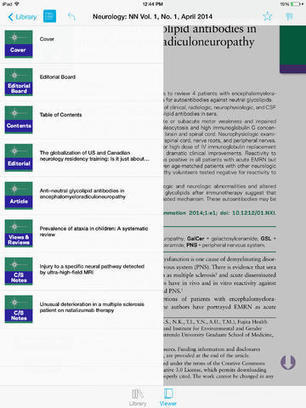
Get Neurology® Neuroimmunology & Neuroinflammation on the App Store. See screenshots and ratings, and read customer reviews.
|
|
Scooped by
Gilbert C FAURE
January 17, 2015 2:14 PM
|
Article Abstract: Experimental autoimmune encephalomyelitis (EAE), the animal model of multiple sclerosis (MS), results from an autoimmune attack of the central nervous system (CNS) by effector T helper (Th) 1 and Th17 cells.
|
|
Scooped by
Gilbert C FAURE
from AUTOIMMUNITY
January 15, 2015 3:24 AM
|
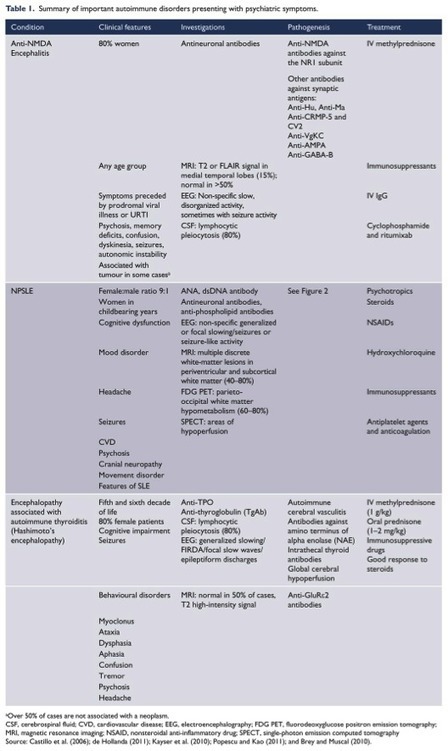
Autoimmune diseases result in the production of antibodies that can attack the brain to produce psychiatric symptoms. It is important to diagnose these disorders accurately.
|
|
Scooped by
Gilbert C FAURE
January 14, 2015 1:21 PM
|
by So Young Jang, Yoon Kyung Shin, So Young Park, Joo Youn Park, Seo-Hee Rha, Jong Kuk Kim, Hye Jeong Lee, Hwan Tae Park
Peripheral nerve myelination involves dynamic changes in Schwann cell morphology and membrane structure.
Abstract Alzheimer's disease (AD) is devastating and leads to permanent losses of memory and other cognitive functions. Although recent genetic evidences strongly argue for a causative role of Aβ in AD onset and progression (Jonsson et al., 2012), its role in AD etiology remains a matter of debate. However, even if not the sole culprit or pathological trigger, genetic and anatomical evidences in conjunction with numerous pharmacological studies, suggest that Aβ peptides, at least contribute to the disease. How Aβ contributes to memory loss remains largely unknown. Soluble Aβ species referred to as Aβ oligomers have been shown to be neurotoxic and induce network failure and cognitive deficits in animal models of the disease. In recent years, several proteins were described as potential Aβ oligomers receptors, amongst which are the receptor tyrosine kinases of Eph family. These receptors together with their natural ligands referred to as ephrins have been involved in a plethora of physiological and pathological processes, including embryonic neurogenesis, learning and memory, diabetes, cancers and anxiety. Here we review recent discoveries on Eph receptors-mediated protection against Aβ oligomers neurotoxicity as well as their potential as therapeutic targets in AD pathogenesis.
Via Krishan Maggon
Abstract Alzheimer's disease acknowledged as progressive multifarious neurodegenerative disorder, is the leading cause of dementia in late adult life. Pathologically it is characterized by intracellular neurofibrillary tangles and extracellular amyloidal protein deposits contributing to senile plaques. Over the last two decades, advances in the field of pathogenesis have inspired the researchers for the investigation of novel pharmacological therapeutics centered more towards the pathophysiological events of the disease. Currently available treatments i.e. acetylcholinesterase inhibitors (rivastigmine, galantamine, donepezil) and N-methyl D-aspartate receptor antagonist (memantine) contribute minimal impact on the disease and target late aspects of the disease. These drugs decelerate the progression of the disease, provide symptomatic relief but fail to achieve a definite cure. While the neuropathological features of Alzheimer's disease are recognized but the intricacies of the mechanism have not been clearly defined. This lack of understanding regarding the pathogenic process may be the likely reason for the non-availability of effective treatment which can prevent onset and progression of the disease. Owing to the important progress in the field of pathophysiology in the last couple of years, new therapeutic targets are available that should render the underlying disease process to be tackled directly. In this review, authors will discusses the different aspects of pathophysiological mechanisms behind Alzheimer's disease and its management through conventional drug therapy, including modern investigational therapeutic strategies, recently completed and ongoing.
Via Krishan Maggon
|
|
Scooped by
Gilbert C FAURE
January 10, 2015 2:47 PM
|
PLoS One. 2014 Feb 21;9(2):e88604. doi: 10.1371/journal.pone.0088604. eCollection 2014.
|
|
Scooped by
Gilbert C FAURE
January 10, 2015 4:38 AM
|
The Oncologist is a journal devoted to medical and practice issues for surgical, radiation, and medical oncologists.
|
|
Scooped by
Gilbert C FAURE
January 9, 2015 2:45 PM
|
by Anne Waschbisch, Nicholas Sanderson, Markus Krumbholz, George Vlad, Diethilde Theil, Stefan Schwab, Mathias Mäurer, Tobias Derfuss
Immunoglobulin-like transcript (ILT) 3 and 4 are inhibitory receptors that modulate immune responses.
|
|
Scooped by
Gilbert C FAURE
January 9, 2015 10:52 AM
|
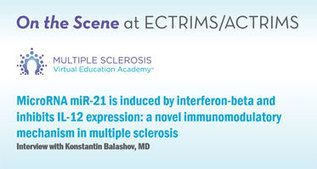
Mscmeacademy - Sitecore | Dr. Balashov discusses the effect of interferon beta on interleukin-12 in controlling multiple sclerosis symptoms
|
|
Scooped by
Gilbert C FAURE
January 6, 2015 3:03 PM
|
RT @GavinGiovannoni: I've just posted on my Blog about: Interleukin-34 affects blood brain barrier http://t.co/bwL3BiTb3G
PLOS ONE: an inclusive, peer-reviewed, open-access resource from the PUBLIC LIBRARY OF SCIENCE. Reports of well-performed scientific studies from all disciplines freely available to the whole world.
Via BigField GEG Tech
|
|
|
Scooped by
Gilbert C FAURE
January 18, 2015 12:01 PM
|
J Parkinsons Dis. 2015 Jan 7. [Epub ahead of print]
|
|
Scooped by
Gilbert C FAURE
January 17, 2015 2:20 PM
|
Be on the lookout for discordance in populations of patients with anti-NMDAR-syndrome, anti-AQP4 antibodies, and anti-MOG antibodies. Here's why.
|
|
Scooped by
Gilbert C FAURE
January 15, 2015 2:55 PM
|
A Step Toward Multiple Sclerosis Treatment? Read About How Phase 2 ANTI-LINGO-1 Results Were Recently Announced, and What That Means for MS Patients.
|
|
Scooped by
Gilbert C FAURE
January 14, 2015 1:22 PM
|
by So Young Jang, Yoon Kyung Shin, So Young Park, Joo Youn Park, Seo-Hee Rha, Jong Kuk Kim, Hye Jeong Lee, Hwan Tae Park
Peripheral nerve myelination involves dynamic changes in Schwann cell morphology and membrane structure.
|
|
Scooped by
Gilbert C FAURE
January 14, 2015 6:30 AM
|
Dendritic cells (DCs) are professional antigen-presenting cells that control the generation of adaptive immunity. Consequently, DCs have a central role in the induction of protective immunity to pathogens and also in the pathogenic immune response responsible for the development and progression of autoimmune disorders. Thus the study of the molecular pathways that control DC development and function is likely to result in new strategies for the therapeutic manipulation of the immune response. In this review, we discuss the role and therapeutic value of DCs in autoimmune diseases, with a special focus on multiple sclerosis.
|
|
Scooped by
Gilbert C FAURE
January 13, 2015 2:06 PM
|
Article Abstract: from Cell Death and Differentiation - Issue - nature.com science feedsClick Here To Read Full Article Visit Cell Death and Differentiation - Issue - nature.com science feeds for more great articles.
|
|
Scooped by
Gilbert C FAURE
January 11, 2015 1:53 PM
|
"The blood-brain barrier in neuroimmunology: Tales of separation and assimilation" http://t.co/GTxaPKoePZ #immunesystem #nervoussystem
|
|
Scooped by
Gilbert C FAURE
January 10, 2015 2:43 PM
|
by Susanta Mondal, Kalipada Pahan
Upregulation and/or maintenance of regulatory T cells (Tregs) during an autoimmune insult may have therapeutic efficacy in autoimmune diseases.
|
|
Scooped by
Gilbert C FAURE
January 10, 2015 2:55 AM
|
Research from JAMA Neurology — High-Dose Immunosuppressive Therapy and Autologous Hematopoietic Cell Transplantation for Relapsing-Remitting Multiple Sclerosis (HALT-MS) — A 3-Year Interim Report
|
|
Scooped by
Gilbert C FAURE
January 9, 2015 10:54 AM
|
Clin Exp Immunol. 2015 Jan 7. doi: 10.1111/cei.12580. [Epub ahead of print]
|
|
Scooped by
Gilbert C FAURE
January 7, 2015 2:52 PM
|
Dendritic cells (DCs)—although absent from the healthy CNS parenchyma—rapidly accumulate within brain and spinal cord tissue during neuroinflammation associated with experimental autoimmune encephalomyelitis (EAE; a mouse model of multiple...
|
|
Scooped by
Gilbert C FAURE
January 4, 2015 11:46 AM
|
Grandson of Irish dramatist has unearthed medical evidence in private family letters which points to likely cause of death
|