Mucosal Immunity
27.6K views | +7 today
Follow
 
Scooped by Gilbert C FAURE
onto Mucosal Immunity
December 9, 2020 9:09 AM
Scoop.it!

Maternal gatekeepers: How maternal antibody Fc characteristics influence passive transfer and infant protection

Maternal gatekeepers: How maternal antibody Fc characteristics influence passive transfer and infant protection | Mucosal Immunity | Scoop.it
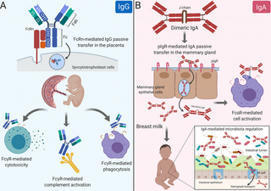
Citation: Langel SN, Otero CE, Martinez DR, Permar SR (2020) Maternal gatekeepers: How maternal antibody Fc characteristics influence passive transfer and infant protection. PLoS Pathog 16(3): e1008303. https://doi.org/10.1371/journal.ppat.1008303 Editor: Matthew J. Evans, Mount Sinai School of Medicine, UNITED STATES Published: March 26, 2020 Copyright: © 2020 Langel et al. This is an open access article distributed under the terms of the Creative Commons Attribution License, which permits unrestricted use, distribution, and reproduction in any medium, provided the original author and source are credited. Funding: SNL is supported by an NIH National Institute of Allergy and Infectious Diseases (NIAID: https://www.niaid.nih.gov) Ruth L. Kirschstein National Research Service Award T32 AI007392. CEO is supported by an NIH NIAID Ruth L. Kirschstein National Research Service Award T32 CA009111. DRM is supported by an NIH NIAID Ruth L. Kirschstein National Research Service Award T32 AI007151 and a Burroughs Wellcome Postdoctoral Enrichment Award (www.bwfund.org). SRP is supported by NIH NIAID R01 AI122909, P01 AI129859, and P01 AI117915. The funders had no role in study design, data collection, analysis, decision to publish, or preparation of the manuscript. The content is solely the view of the authors and does not necessarily represent the official views of the National Institutes of Health. Competing interests: I have read the journal's policy and have the following conflicts: SRP serves as a consultant for Pfizer, Sanofi, Moderna, and Merck vaccines and has a sponsored program on preclinical cytomegalovirus vaccine development with Merck and Moderna. All other authors declare no competing interests. Introduction Maternal antibodies (MatAbs) passively transferred across the placenta and into breast milk are critical for protection against infectious disease and immune development during the first year of life [1]. Passive transfer in the placenta and mammary gland (MG) is dependent on MatAbs binding to crystallizable fragment (Fc) receptors (FcRs) on polarized epithelial cells. For example, immunoglobulin G (IgG) transfers through the placenta by Fc domain binding to the Fc receptor neonatal (FcRn) on syncytiotrophoblasts [2], providing the fetus with a systemic source of protective IgG antibodies [3]. Additionally, maternal dimeric immunoglobulin A (dIgA) antibodies transfer into breast milk by binding to the polymeric immunoglobulin receptor (pIgR) on MG epithelial cells through the antibody joining chain (J-chain) [4] and provide immune protection in the gut while shaping microbiota colonization [4,5]. Yet MatAbs can interfere with the neonatal immune response, particularly after vaccination [6]. This Pearl explores the role of monomeric IgG, the only antibody isotype to cross the placenta, and polymeric IgA, the major antibody species in breast milk, and their Fc domain characteristics on passive transfer to and functional activity in the newborn. The IgG Fc domain and its effector functions in the context of MatAb passive transfer Antibodies contain 2 domains that exert a wide range of effector functions. The antigen-binding fragment (Fab) domain binds foreign antigens and drives antibody diversity [7], whereas the Fc is responsible for initiating innate immune cell activation and passive antibody transfer [8]. The classical FcRn-driven IgG transport mechanism is responsible for shuttling IgG within acidified endosomes across the syncytiotrophoblast cell barrier from maternal to fetal circulation (Fig 1A) [2]. Once in the neonate, the IgG Fc domain can engage classical type I Fc gamma (Fcγ) receptors (activating [FcγRI, FcγRIIa, FcγRIIc, FcγRIIIa, FcγRIIIb]; inhibitory [FcγRIIb]) or complement to mediate nonneutralizing functions like antibody-dependent cell-mediated cytotoxicity (ADCC) and antibody-dependent cellular phagocytosis (ADCP), or complement-dependent cytotoxicity (CDC), respectively (Fig 1A) [9]. Nonclassical type II FcRs are C-type lectin receptors, including CD209 (DC-SIGN) and CD23, which bind IgG to facilitate immune complex formation [9]. Considering each family of Fc receptors initiates distinct effector functions, the diversity of the Fc domain allows tailoring of nonneutralizing Fc-mediated activity to protect against viruses like HIV, influenza, and cytomegalovirus [10–12]. Alternatively, pathogens such as dengue virus utilize complement and FcR pathways for antibody-dependent enhancement of disease [13]. Download: PPT PowerPoint slide PNG larger image TIFF original image Fig 1. Maternal antibody passive transfer and functional activity in the neonate. (A) IgG passive transfer in the placenta influences FcγR-mediated cell cytotoxicity, phagocytosis, and complement activation in the developing fetus/newborn. (B) IgA passive transfer in the mammary gland results in FcαR- and IgA-mediated cell activation and microbiota regulation, respectively. Fab, antigen-binding fragment; Fc, crystallizable fragment; FcαR, Fc alpha receptor; FcRn, Fc receptor neonatal; FcγR, Fc gamma receptor; IgA, immunoglobulin A; IgG, immunoglobulin G; J-chain, joining chain; pIgR, polymeric immunoglobulin receptor. https://doi.org/10.1371/journal.ppat.1008303.g001 The IgG Fc domain mediates considerable heterogeneity of its effector functions depending on the subclass and glycan profile. For example, each IgG subclass (IgG1-4) has one N-glycosylation site in each CH2 domain, an important binding site for FcγRs (Fig 2). Interestingly, there are up to 36 possible antibody glycan profiles that could theoretically be present on each CH2 domain. This allows for combinatorial diversity of the Fc region with 144 different potential functional states for the 4 IgG subclasses [14]. This is relevant in the context of maternal–fetal immunity, as FcRn has different binding affinities to each IgG subclass, which may reflect their placental transfer efficiency [15]. Additionally, recent data suggest that Fc glycan profiles create antibody transfer hierarchies in the placenta of both healthy and HIV-infected pregnant women. For example, in healthy pregnant women, there is a shift toward IgG galactosylated antibodies, which have higher FcRn-binding affinity, are more efficiently transferred across the placenta, and enhance natural killer (NK) cell degranulation and chemokine secretion [16]. Additionally, binding of tetanus toxoid–specific IgG to placental FcγRIIa H131, FcγRIIa R131, and FcγRIIIa F158 (but not canonical FcRn) was positively associated with placental IgG transfer efficiency in HIV-infected women, suggesting that noncanonical placental FcRs may also play a role in IgG placental transfer [17,18]. Fc-mediated differential selection of IgG antibodies in the placenta is likely an adaptive evolutionary mechanism to passively transfer the most effective antibodies to the infant, which can be altered by disease status. Download: PPT PowerPoint slide PNG larger image TIFF original image Fig 2. Schematic representation of IgA and IgG glycosylation. N-linked glycosylation is depicted as yellow circles, whereas O-linked glycosylation is depicted as green stars. IgA, immunoglobulin A; IgG, immunoglobulin G; sIgA2, secretory IgA. https://doi.org/10.1371/journal.ppat.1008303.g002 Do IgA Fc region characteristics influence IgA passive transfer or effector function in breast milk? IgA antibodies bind their own unique Fc receptors that facilitate epithelial cell transcytosis and innate immune cell activation. dIgA antibodies are composed of 2 monomers, linked by a 15-kDa J-chain. Transport of dIgA into breast milk is dependent on C-terminal binding of the J-chain to a portion of pIgR, known as the secretory component, on the basolateral surface of MG epithelial cells [19]. Without the J-chain, IgA antibodies are secreted as monomers and are not actively transported across the mucosal epithelium [20]. After transport of the J-chain/pIgR complex to the apical portion of the cell, pIgR is cleaved, releasing secretory IgA (sIgA) into breast milk and other mucosal fluids (Fig 1B) [21]. IgA also binds to Fc alpha receptor (FcαR) [22] on the surface of myeloid cells. Monomeric serum IgA induces inhibitory signals, whereas IgA immune complexes have increased avidity to and cross-link FcαRI, resulting in proinflammatory responses [23]. The dominant immunoglobulin class in breast milk sIgA has decreased affinity for FcαRI likely due to steric hindrance from the attached secretory component [24]. Although the opsonic activity of sIgA is poor compared with monomeric and dIgA [25], sIgA can initiate macrophage phagocytosis and neutrophil respiratory burst [26,27]. Further defining the anti- and proinflammatory effects of IgA subclass–FcR interactions would allow fine tuning of breast milk immunity and may represent an attractive therapeutic strategy. Considering breast milk sIgA protects from pathogenic insult and facilitates maturation of the microbiota in early life [28], understanding breast milk antibody Fc–mediated effector functions is integral to neonatal intestinal health (Fig 1B). This is further supported by the fact that bacteria have evolved mechanisms to block IgA and FcαR interactions [29]. Additionally, it is likely that the more complex and extensive glycosylation pattern of IgA antibodies (Fig 2) impacts effector function in milk. Indeed, mucosal secretions, including breast milk, contain mostly IgA2 [30], which has 2 [IgA2m(1)] or 3 [IgA2m(2)] additional conserved N-glycans compared with IgA1 [31], which dominates in serum [32]. Recent evidence demonstrates that IgA glycan–bacteria interactions regulate gut microbiota composition and metabolism as well as retrograde transport of sIgA immune complexes back to the lamina propria independent of antibody–epitope interactions [33–35]. Additionally, the sialic acid in IgA antibody’s C-terminal tail competes with receptor binding to some viruses, providing an innate line of defense against infection [36]. This is relevant to breast milk IgA passive transfer, considering that the leading causes of severe pediatric gastroenteritis worldwide (rotavirus and norovirus) both utilize sialic acid receptors for intestinal infection [37,38]. Studies are needed to define the mechanisms of Fc-mediated IgA effector functions in breast milk, including their interactions with the developing infant microbiome and protection against intestinal viral infections. MatAb interference is influenced by MatAb Fc domain–receptor interactions Despite the well-documented benefits of MatAbs on early life immunity [3], a mounting body of evidence indicates that MatAbs can inhibit immune responses to certain infant vaccinations [6,39]. A recent meta-analysis demonstrated that MatAbs acquired transplacentally inhibited antibody responses to priming vaccinations and these effects were not overcome by administration of a booster dose [40]. This highlights the “window of susceptibility” that exists for infants when MatAbs are not high enough for seroprotection yet still interfere with infant vaccine responses. Multiple mechanisms have been proposed to describe both Fab- and Fc-mediated MatAb interference. These include live virus vaccine neutralization, inhibition of B-cell responses by epitope masking [39], and IgG Fc binding to FcγRIIB [41]. Kim and colleagues demonstrated that B-cell responses to a live attenuated measles vaccine were inhibited by passively transferred measles-specific IgG antibodies in a FcγRIIB-dependent manner, suggesting that IgG Fc region characteristics contribute to suppression of the immune response [41]. Additionally, removing the glycans from IgG2b abolished its immunosuppressive activity both in vitro and in vivo [42,43]. Considering that the mechanisms of MatAb interference likely differ depending on vaccine type (live attenuated, inactivated, subunit), route of delivery (oral, subcutaneous [SQ], intramuscular [IM]), and adjuvant formulation, defining glycan-dependent passive transfer of maternal IgG antibody subclasses in the placenta is crucial for developing effective maternal immunization strategies. Although less studied, IgA antibodies in breast milk may also contribute to interference of immune responses to oral infant vaccines such as rotavirus and poliovirus [44,45]. Indeed, the 2 oral rotavirus vaccines Rotarix and Rotateq demonstrate lower efficacy and immunogenicity in infants from some low- and middle-income countries (LMICs) [46,47] where women tend to have higher titers of antirotavirus IgA antibodies and neutralizing activity in milk [48,49]. The high rotavirus neutralizing activity in breast milk of women from LMICs may partially explain the decrease in rotavirus vaccine efficacy; however, IgA MatAb interference is not well defined [49]. Although infant CD4+ T-cell responses are mostly unaffected by MatAb interference [6,39], recent work demonstrated that MatAbs dampen mucosal T-cell responses against commensal bacteria [50] and limit the expansion of T follicular helper (TFH) cells in the germinal center (GC) [39]. The premature decline in GC TFH cells resulted in the reduction or prevention of plasma cell and memory B-cell generation in a MatAb- and antigen dose–dependent manner [39]. Interestingly, at low or intermediate titers, MatAbs did not prevent the induction of memory B cells, suggesting a gradient effect of MatAbs on infant immune responses [39]. Defining the functional consequences of MatAb gradients will be essential for infant vaccine design and immunization timing. For example, and in addition to previously discussed mechanisms, there is evidence that preexisting antibodies can promote higher affinity antibody responses due to competitive binding in the GC [51] and increased uptake and antigen presentation through immune complexes (ICs) [52] in a Fc glycosylation–dependent manner [53,54]. However, more research is needed to determine the effects of these mechanisms in the setting of passively transferred MatAbs and infant GC responses. Harnessing MatAb Fc region characteristics and receptor interactions to fine-tune maternal immunizations that maximize infant protection Passive transfer of MatAbs is central to pathogen protection and immune system development in early life. However, MatAb-mediated interference dampens antibody responses to vaccinations, leaving children more susceptible to infections while increasing transmission rates to unvaccinated cohorts. Recent work demonstrated that maternal IgG antibodies are differentially transferred across the placenta in an Fc glycan–dependent manner [16,17]. Considering vaccination strategies could direct antigen-specific antibody glycosylation [55], defining MatAb glycan profiles represents an adaptable and powerful mechanism to fine-tune maternal immunizations that maximize infant protection while limiting MatAb interference. Future studies are needed to determine (1) how maternal vaccination and their distinct adjuvant mixtures alter IgG Fc domain glycosylation and whether certain glycan profiles are associated with IgG Fc-mediated MatAb interference and (2) whether or not the IgA Fc domain regulates passive transfer in the MG or effector function in breast milk. Defining the molecular mechanisms of Fc-mediated functional activity at the maternal–fetal/neonatal interface is critical for developing next-generation maternal vaccines and antibody-based therapeutics to improve the health of the mother–neonatal dyad. References 1. Hurley WL, Theil PK. Perspectives on immunoglobulins in colostrum and milk. Nutrients. 2011 Apr;3(4): 442–474. pmid:22254105; PubMed Central PMCID: PMC3257684. View Article PubMed/NCBI Google Scholar 2. Simister NE, Story CM, Chen HL, Hunt JS. An IgG-transporting Fc receptor expressed in the syncytiotrophoblast of human placenta. Eur J Immunol. 1996 July;26(7): 1527–1531. pmid:8766556 View Article PubMed/NCBI Google Scholar 3. Fouda GG, Martinez DR, Swamy GK, Permar SR. The Impact of IgG transplacental transfer on early life immunity. Immunohorizons. 2018 Jan 1;2(1): 14–25. pmid:29457151 View Article PubMed/NCBI Google Scholar 4. Rogier EW, Frantz AL, Bruno MEC, Wedlund L, Cohen DA, Stromberg AJ, et al. Secretory antibodies in breast milk promote long-term intestinal homeostasis by regulating the gut microbiota and host gene expression. Proc Natl Acad Sci U S A. 2014 Feb 25;111(8):3074–3079. pmid:24569806 View Article PubMed/NCBI Google Scholar 5. Sadeharju K, Knip M, Virtanen SM, Savilahti E, Tauriainen S, Koskela P, et al. Maternal antibodies in breast milk protect the child from enterovirus infections. Pediatrics. 2007 May;119: 941–946. pmid:17473095. View Article PubMed/NCBI Google Scholar 6. Niewiesk S. Maternal antibodies: clinical significance, mechanism of interference with immune responses, and possible vaccination strategies. Front Immunol. 2014 Sep 16;5: 446. pmid:25278941; PubMed Central PMCID: PMC4165321. View Article PubMed/NCBI Google Scholar 7. Li Z, Woo CJ, Iglesias-Ussel MD, Ronai D, Scharff MD. The generation of antibody diversity through somatic hypermutation and class switch recombination. Genes Dev. 2014 Jan 1;18(1): 1–11. pmid:14724175. View Article PubMed/NCBI Google Scholar 8. Lu LL, Suscovich TJ, Fortune SM, Alter G. Beyond binding: antibody effector functions in infectious diseases. Nat Rev Immunol. 2018 Jan;18(1):46–61. pmid:29063907 View Article PubMed/NCBI Google Scholar 9. Pincetic A, Bournazos S, DiLillo DJ, Maamary J, Wang TT, Dahan R, et al. Type I and type II Fc receptors regulate innate and adaptive immunity. Nat Immunol. 2014 Aug;15(8):707–16. pmid:25045879 View Article PubMed/NCBI Google Scholar 10. Horwitz JA, Bar-On Y, Lu CL, Fera D, Lockhart AAK, Lorenzi JCC, et al. Non-neutralizing Antibodies Alter the Course of HIV-1 Infection In Vivo. Cell. 2017 Aug 10;170(4):637–648.e10. pmid:28757252 View Article PubMed/NCBI Google Scholar 11. Henry Dunand CJ, Leon PE, Huang M, Choi A, Chromikova V, Ho IY, et al. Both Neutralizing and Non-Neutralizing Human H7N9 Influenza Vaccine-Induced Monoclonal Antibodies Confer Protection. Cell Host Microbe. 2016 Jun 8;19(6):800–813. pmid:27281570 View Article PubMed/NCBI Google Scholar 12. Nelson CS, Huffman T, Jenks JA, Cisneros de la Rosa E, Xie G, Vandergrift N, et al. HCMV glycoprotein B subunit vaccine efficacy mediated by nonneutralizing antibody effector functions. Proc Natl Acad Sci U S A. 2018 Jun 12;115(24):6267–6272. pmid:29712861 View Article PubMed/NCBI Google Scholar 13. Katzelnick LC, Gresh L, Halloran ME, Mercado JC, Kuan G, Gordon A, et al. Antibody-dependent enhancement of severe dengue disease in humans. 2017 Nov 17;358(6365):929–932. pmid:29097492 View Article PubMed/NCBI Google Scholar 14. Jennewein MF, Alter G. The Immunoregulatory Roles of Antibody Glycosylation. Trends Immunol. 2017 May;38(5):358–372. pmid:28385520. View Article PubMed/NCBI Google Scholar 15. Palmeira P, Quinello C, Silveira-Lessa AL, Zago CA, Carneiro-Sampaio M (2012) IgG placental transfer in healthy and pathological pregnancies. Clin Dev Immunol. 2012;2012: 985646. pmid:22235228; PubMed Central PMCID: PMC3251916. View Article PubMed/NCBI Google Scholar 16. Jennewein MF, Goldfarb I, Dolatshahi S, Cosgrove C, Noelette FJ, Krykbaeva M, et al. Fc Glycan-Mediated Regulation of Placental Antibody Transfer. Cell. 2019 Jun 27;178(1):202–215.e14. pmid:31204102; PubMed Central PMCID: PMC6741440. View Article PubMed/NCBI Google Scholar 17. Martinez DR, Fong Y, Li SH, Yang F, Jennewein MF, Weiner JA, et al. Fc Characteristics Mediate Selective Placental Transfer of IgG in HIV-Infected Women. Cell. 2019 Jun 27;178(1):190–201.e11. pmid:31204101; PubMed Central PMCID: PMC6727200. View Article PubMed/NCBI Google Scholar 18. Martinez DR, Fouda GG, Peng X, Ackerman ME, Permar SR. Noncanonical placental Fc receptors: What is their role in modulating transplacental transfer of maternal IgG? PLoS Pathog. 2018 Aug 30;14(8):e1007161. pmid:30161231; PubMed Central PMCID: PMC6117057. View Article PubMed/NCBI Google Scholar 19. Johansen FE, Kaetzel CS. Regulation of the polymeric immunoglobulin receptor and IgA transport: new advances in environmental factors that stimulate pIgR expression and its role in mucosal immunity. Mucosal Immunol. 2011 Nov;4(6):598–602. pmid:21956244; PubMed Central PMCID: PMC3196803. View Article PubMed/NCBI Google Scholar 20. Johansen FE, Braathen R, Brandtzaeg P. Role of J chain in secretory immunoglobulin formation. Scand J Immunol. 2000 Sep;52(3): 240–248. pmid:10972899 View Article PubMed/NCBI Google Scholar 21. Johansen F-E, Braathen R, Brandtzaeg P. The J Chain Is Essential for Polymeric Ig Receptor-Mediated Epithelial Transport of IgA. J Immunol. 2001 Nov 1;167(9):5185–5192. pmid:11673531. View Article PubMed/NCBI Google Scholar 22. Aleyd E, Heineke MH, van Egmond M. The era of the immunoglobulin A Fc receptor FcalphaRI; its function and potential as target in disease. Immunol Rev. 2015 Nov;268(1):123–138. pmid:26497517. View Article PubMed/NCBI Google Scholar 23. Hansen IS, Baeten DLP, den Dunnen J. The inflammatory function of human IgA. Cell Mol Life Sci. 2019 Mar;76(6):1041–1055. pmid:30498997; PubMed Central PMCID: PMC6513800 View Article PubMed/NCBI Google Scholar 24. Bonner A, Furtado PB, Almogren A, Kerr MA, Perkins SJ (2008) Implications of the near-planar solution structure of human myeloma dimeric IgA1 for mucosal immunity and IgA nephropathy. J Immunol. 2008 Jan 15;180(2):1008–1018. pmid:18178841. View Article PubMed/NCBI Google Scholar 25. Bakema JE, van Egmond M. Immunoglobulin A: A next generation of therapeutic antibodies? mAbs. 2011 Jul 1;3(4): 352–361. pmid:21691145 View Article PubMed/NCBI Google Scholar 26. Stewart WW, Kerr MA. The specificity of the human neutrophil IgA receptor (Fc alpha R) determined by measurement of chemiluminescence induced by serum or secretory IgA1 or IgA2. Immunology. 1990 Nov;71(3): 328–334. pmid:2269470; PubMed Central PMCID: PMC1384427. View Article PubMed/NCBI Google Scholar 27. Gorter A, Hiemstra PS, Leijh PC, van der Sluys ME, van den Barselaar MT, van Es LA, et al. IgA- and secretory IgA-opsonized S. aureus induce a respiratory burst and phagocytosis by polymorphonuclear leucocytes. Immunology. 1987 Jul; 61(3): 303–309. pmid:3610212; PubMed Central PMCID: PMC1453393. View Article PubMed/NCBI Google Scholar 28. Fadlallah J, El Kafsi H, Sterlin D, Juste C, Parizot C, Dorham, K, et al. Microbial ecology perturbation in human IgA deficiency. Sci Transl Med. 2018 May 2;10(439): eaan1217. pmid:29720448 View Article PubMed/NCBI Google Scholar 29. Woof JM. The human IgA-Fc alpha receptor interaction and its blockade by streptococcal IgA-binding proteins. Biochem Soc Trans. 2002 Aug;30(4):491–494. pmid:12196121. View Article PubMed/NCBI Google Scholar 30. Kett K, Brandtzaeg P, Radl J, Haaijman JJ. Different subclass distribution of IgA-producing cells in human lymphoid organs and various secretory tissues. J Immunol. 1986 May 15;136(10):3631–3635. pmid:3517160. View Article PubMed/NCBI Google Scholar 31. Mattu TS, Pleass RJ, Willis AC, Kilian M, Wormald MR, Lellouch AC, et al. The glycosylation and structure of human serum IgA1, Fab, and Fc regions and the role of N-glycosylation on Fcα receptor interactions. J Biol Chem. 1998 Jan 23;273(4):2260–2272. pmid:9442070. View Article PubMed/NCBI Google Scholar 32. Delacroix DL, Dive C, Rambaud JC, Vaerman JP. IgA subclasses in various secretions and in serum. Immunology. 1982 Oct;47(2):383–375. pmid:7118169; PubMed Central PMCID: PMC1555453. View Article PubMed/NCBI Google Scholar 33. Nakajima A, Vogelzang A, Maruya M, Miyajima M, Murata M, Son A, et al. IgA regulates the composition and metabolic function of gut microbiota by promoting symbiosis between bacteria. J Exp Med. 2018 Aug 6;215(8):2019–2034. pmid:30042191; PubMed Central PMCID: PMC6080902. View Article PubMed/NCBI Google Scholar 34. Rochereau N, Drocourt D, Perouzel E, Pavot V, Redelinghuys P, et al. Dectin-1 is essential for reverse transcytosis of glycosylated SIgA-antigen complexes by intestinal M cells. PLoS Biol. 2013 Sep;11(9):e1001658. pmid:24068891; PubMed Central PMCID: PMC3775721. View Article PubMed/NCBI Google Scholar 35. Mathias A, Corthesy B. Recognition of gram-positive intestinal bacteria by hybridoma- and colostrum-derived secretory immunoglobulin A is mediated by carbohydrates. J Biol Chem. 2011 May 13;286(19):17239–17247. pmid:21454510; PMCID: PMC3089566. View Article PubMed/NCBI Google Scholar 36. Maurer MA, Meyer L, Bianchi M, Turner HL, Le NPL, et al. Glycosylation of Human IgA Directly Inhibits Influenza A and Other Sialic-Acid-Binding Viruses. Cell Rep. 2018 Apr 3;23(1):90–99. pmid:29617676; PMCID: PMC5905402. View Article PubMed/NCBI Google Scholar 37. Graziano VR, Wei J, Wilen CB (2019) Norovirus Attachment and Entry. Viruses. 2019 May 30;11(6). pii: E495. pmid:31151248; PMCID: PMC6630345. View Article PubMed/NCBI Google Scholar 38. Stencel-Baerenwald JE, Reiss K, Reiter DM, Stehle T, Dermody TS. The sweet spot: defining virus-sialic acid interactions. Nat Rev Microbiol. 2014 Nov;12(11):739–749. pmid:25263223; PMCID: PMC4791167. View Article PubMed/NCBI Google Scholar 39. Vono M, Eberhardt CS, Auderset F, Mastelic-Gavillet B, Lemeille S, Christensen D, et al. Maternal Antibodies Inhibit Neonatal and Infant Responses to Vaccination by Shaping the Early-Life B Cell Repertoire within Germinal Centers. Cell Rep. 2019 Aug 13;28(7):1773–1784.e5. pmid:31412246. View Article PubMed/NCBI Google Scholar 40. Voysey M, Kelly DF, Fanshawe TR, Sadarangani M, O'Brien KL, Perera R, et al. The Influence of Maternally Derived Antibody and Infant Age at Vaccination on Infant Vaccine Responses: An Individual Participant Meta-analysis. JAMA Pediatr. 2017 Jul 1;171(7):637–646. pmid:28505244; PMCID: PMC5710349. View Article PubMed/NCBI Google Scholar 41. Kim D, Huey D, Oglesbee M, Niewiesk S. Insights into the regulatory mechanism controlling the inhibition of vaccine-induced seroconversion by maternal antibodies. 2011 Jun 9;117(23):6143–51. pmid:21357766; PMCID: PMC3122939. View Article PubMed/NCBI Google Scholar 42. Heyman B, Nose M, Weigle WO. Carbohydrate chains on IgG2b: a requirement for efficient feedback immunosuppression. J Immunol. 1985 Jun;134(6):4018–4023. pmid:3872908. View Article PubMed/NCBI Google Scholar 43. Heyman B, Wigzell H. Immunoregulation by monoclonal sheep erythrocyte-specific IgG antibodies: suppression is correlated to level of antigen binding and not to isotype. J Immunol. 1984 Mar;132(3):1136–1143. pmid:6363534. View Article PubMed/NCBI Google Scholar 44. Chan J, Nirwati H, Triasih R, Bogdanovic-Sakran N, Soenarto Y, Hakimi M, et al. Maternal antibodies to rotavirus: could they interfere with live rotavirus vaccines in developing countries? Vaccine. 2011 Feb 1;29(6):1242–1247. pmid:21147127. View Article PubMed/NCBI Google Scholar 45. Plotkin SA, Katz M, Brown RE, Pagano JS. Oral poliovirus vaccination in newborn African infants. The inhibitory effect of breast feeding. Am J Dis Child. 1966 Jan;111(1):27–30. pmid:5900282. View Article PubMed/NCBI Google Scholar 46. Ruiz-Palacios GM, Perez-Schael I, Velazquez FR, Abate H, Breuer T, Clemens SC, et al. Safety and efficacy of an attenuated vaccine against severe rotavirus gastroenteritis. N Engl J Med. 2006 Jan 5;354(1):11–22. pmid:16394298. View Article PubMed/NCBI Google Scholar 47. Vesikari T, Uhari M, Renko M, Hemming M, Salminen M, et al. Impact and effectiveness of RotaTeq(R) vaccine based on 3 years of surveillance following introduction of a rotavirus immunization program in Finland. Pediatr Infect Dis J. 2013 Dec;32(12):1365–1373. pmid:24051998. View Article PubMed/NCBI Google Scholar 48. Moon SS, Tate JE, Ray P, Dennehy PH, Archary D, Coutsoudis A, et al. Differential profiles and inhibitory effect on rotavirus vaccines of nonantibody components in breast milk from mothers in developing and developed countries. Pediatr Infect Dis J. 2013 Aug;32(8):863–870. pmid:23584581; PMCID: PMC4610365. View Article PubMed/NCBI Google Scholar 49. Moon SS, Wang Y, Shane AL, Nguyen T, Ray P, Dennehy P, et al. Inhibitory effect of breast milk on infectivity of live oral rotavirus vaccines. Pediatr Infect Dis J. 2010 Oct;29(10):919–23. pmid:20442687; PMCID: PMC3704726. View Article PubMed/NCBI Google Scholar 50. Koch MA, Reiner GL, Lugo KA, Kreuk LS, Stanbery AG, Ansaldo E, et al. Maternal IgG and IgA Antibodies Dampen Mucosal T Helper Cell Responses in Early Life. Cell. 2016 May 5;165(4):827–41. pmid:27153495; PMCID: PMC4866587. View Article PubMed/NCBI Google Scholar 51. Zhang Y, Meyer-Hermann M, George LA, Figge MT, Khan M, et al. Germinal center B cells govern their own fate via antibody feedback. J Exp Med. 2013 Mar 11;210(3):457–464. pmid:23420879; PMCID: PMC3600904. View Article PubMed/NCBI Google Scholar 52. Garg AK, Desikan R, Dixit NM. Preferential Presentation of High-Affinity Immune Complexes in Germinal Centers Can Explain How Passive Immunization Improves the Humoral Response. Cell Rep. 2019 Dec 17;29(12):3946–3957.e5. pmid:31851925. View Article PubMed/NCBI Google Scholar 53. Heesters Balthasar A, Chatterjee P, Kim Y-A, Gonzalez Santiago F, Kuligowski Michael P, et al. Endocytosis and Recycling of Immune Complexes by Follicular Dendritic Cells Enhances B Cell Antigen Binding and Activation. Immunity. 2013 Jun 27;38(6):1164–75. pmid:23770227; PMCID: PMC3773956. View Article PubMed/NCBI Google Scholar 54. Lofano G, Gorman MJ, Yousif AS, Yu W-H, Fox JM, Dugast AS, et al. Antigen-specific antibody Fc glycosylation enhances humoral immunity via the recruitment of complement. Sci Immunol. 2018 Aug 17;3(26). pii: eaat7796. pmid:30120121; PMCID: PMC6298214. View Article PubMed/NCBI Google Scholar 55. Mahan AE, Jennewein MF, Suscovich T, Dionne K, Tedesco J, et al. Antigen-Specific Antibody Glycosylation Is Regulated via Vaccination. PLoS Pathog. 2016 Mar 16;12(3):e1005456. pmid:26982805; PMCID: PMC4794126. View Article PubMed/NCBI Google Scholar
No comment yet.
Mucosal Immunity
The largest immune tissue in the body
Your new post is loading...
Scooped by Gilbert C FAURE
December 27, 2013 10:35 AM
Scoop.it!

Mucosal Immunity

is the most recent part of Immunology!

It appeared less than 40 years ago, while systemic immunity exploded 60  years ago.

It is still a minor part of Immunology teaching and research, while the mucosal immune system is at the frontline of encounters with germs, antigens... in other words the environment.


major keywords:

> 450 posts IgA http://www.scoop.it/t/mucosal-immunity?q=IgA

> 125 posts tolerance http://www.scoop.it/t/mucosal-immunity?q=tolerance

> 400 posts : microbiome http://www.scoop.it/t/mucosal-immunity?q=microbiome


july 2015: almost 2100 scoops, >1700 visitors, >3900 views

november 2017 >10K views of >3300 scoops

june 2020 >17.6K views, >5.5K visitors,  >4.5K scoops

may 2024 >22K views, >6.9 visitors,  >5.2 scoops

Gilbert C FAURE's insight:

This topic complements the more general Immunology topic.

 http://www.scoop.it/t/immunology


It includes also reproductive immunology (#100posts) searchable on

http://www.scoop.it/t/mucosal-immunity?q=reproductive

https://www.scoop.it/t/mucosal-immunity/?&tag=REPRODUCTION


and  also covers lung immunology (>350 posts)

http://www.scoop.it/t/mucosal-immunity?q=lung


Covid (>200 posts) can be found on 

https://www.scoop.it/topic/mucosal-immunity?q=covid


Vaccines (>250 posts) are available on

https://www.scoop.it/topic/mucosal-immunity?q=vaccines


No comment yet.
Scooped by Gilbert C FAURE
March 27, 5:10 AM
Scoop.it!

Lancet | Madhukar Pai, MD, PhD

Lancet | Madhukar Pai, MD, PhD | Mucosal Immunity | Scoop.it
World TB Day is a great time to pick up John Green's new book "Everything is Tuberculosis"!

My review of his book in The Lancet Group 👇

https://lnkd.in/gq2eMvPA
No comment yet.
Scooped by Gilbert C FAURE
March 22, 6:31 AM
Scoop.it!

#immunology #immunity #systemsimmunology #vaccines #spatialtranscriptomics #singlecell #multiomics | Matthieu Pesant

#immunology #immunity #systemsimmunology #vaccines #spatialtranscriptomics #singlecell #multiomics | Matthieu Pesant | Mucosal Immunity | Scoop.it
🧬 Programming lung immunity through mucosal vaccination

A new Science Magazine study shows how intranasal vaccination can induce broad protection against diverse respiratory threats in mice.

Using an intranasal liposomal formulation combining TLR4 and TLR7/8 agonists with antigen, the authors demonstrate durable protection against multiple viral and bacterial respiratory infections, as well as allergic airway inflammation.

Multi-omic profiling of lung tissue reveals several key features of this response:

🔹 Durable tissue-resident T cell immunity
Intranasal vaccination induces persistent antigen-specific CD4⁺ and CD8⁺ tissue-resident memory T cells (TRM) in the lung that remain detectable for months.

🔹 Epigenetic reprogramming of alveolar macrophages
Single-cell transcriptomic and chromatin accessibility analyses reveal sustained transcriptional and epigenomic remodeling of alveolar macrophages, enhancing antigen presentation, phagocytosis, and antiviral responses.

🔹 T cell–innate cell cross-talk via RANKL signaling
Memory T cells imprint macrophage function through RANKL-mediated signaling, establishing a feed-forward circuit between adaptive and innate immunity within lung tissue.

🔹 Rapid spatial immune organization upon infection
Following challenge, vaccinated lungs rapidly form tertiary lymphoid structures, enabling accelerated pathogen-specific T- and B-cell responses.

These findings support the concept of “integrated organ immunity” - a coordinated network of tissue-resident immune and structural cells that can provide broad protection against diverse respiratory threats.

💡 The study also highlights how integrating spatial transcriptomics, single-cell RNA-seq, and chromatin accessibility profiling enables detailed mapping of immune programming directly within lung tissue microenvironments.

📄 Zhang et al., Science (2026)
Mucosal vaccination in mice provides protection from diverse respiratory threats

👉 Read the full study here:
https://lnkd.in/d4uzxQCD

📊 Graphical abstract adapted from the article.

#Immunology #Immunity #SystemsImmunology #Vaccines #SpatialTranscriptomics #SingleCell #Multiomics
No comment yet.
Scooped by Gilbert C FAURE
March 13, 8:25 AM
Scoop.it!

Mucosal glycans: key drivers of the development of inflammatory bowel disease and a potential new therapeutic target | Nature Reviews Gastroenterology & Hepatology

Mucosal glycans: key drivers of the development of inflammatory bowel disease and a potential new therapeutic target | Nature Reviews Gastroenterology & Hepatology | Mucosal Immunity | Scoop.it
Glycans are essential components of homeostatic networks, acting as fine tuners of immunological responses, and are therefore promising targets for manipulating immune tolerance. Glycans shield the entire gut mucosa surface, contributing to epithelial barrier integrity. Moreover, most microorganisms expose glycoconjugates on their surfaces, making glycans essential molecules in the crosstalk between host immune response and the gut microbiota. The vast amount of biological information encoded by mucosal glycans is deciphered by a variety of glycan-binding proteins that translate glycan recognition into either pro-inflammatory or anti-inflammatory responses. Current evidence from inflammatory bowel disease (IBD) has highlighted the prominent role of glycans in establishing and regulating key cellular and molecular pathways underlying the transition from health to intestinal inflammation, with implications for understanding IBD immunopathogenesis and for IBD prediction and prevention. In this Review, we discuss current advances, emerging challenges and future prospects in exploiting the power of the mucosal glycocalyx and the glycome as master coordinators of the immunoregulatory networks in IBD from the preclinical phase to established diagnosis. We discuss the clinical utility of the glycome as a serological biomarker with diagnostic, prognostic and predictive value, and as a potential new target for preventive intervention strategies in IBD. Glycans are essential components of the gut mucosa that modulate epithelial barrier integrity, host–microbiota interactions and gut immune response. This Review discusses the role of mucosal glycans in gut homeostasis, in intestinal inflammation and their therapeutic potential for inflammatory bowel disease.
No comment yet.
Scooped by Gilbert C FAURE
March 2, 4:11 AM
Scoop.it!

#microbiote #biologiemédicale #biomarqueurs #sfm #ebm #métagénomique #micmac | Société Française de Microbiologie

#microbiote #biologiemédicale #biomarqueurs #sfm #ebm #métagénomique #micmac | Société Française de Microbiologie | Mucosal Immunity | Scoop.it
Un grand merci à Biologiste365 d’avoir permis un débat ouvert et utile autour de “Microbiote intestinal : de la recherche à la clinique”.
Les échanges (et le replay) sont ici : https://lnkd.in/ev3hj_HC
Pour la Société Française de Microbiologie et son GT MicMaC, le message reste constant, déjà porté dans notre tribune (Le Monde, 2023 – https://lnkd.in/ekh2EgXC) : oui à la recherche encadrée sur le microbiote, mais non aux raccourcis, potentiellement dangereux pour les patients.
L’étude portée par MicMaC (Pichon et al., Gut 2025 – https://lnkd.in/eYCweCfW) l’a objectivé : à partir d’un même échantillon de selles standardisé, des offres d’analyse du microbiote “en libre accès” auprès des particuliers produisent à l’heure actuelle des résultats et des interprétations très variables, donc non fiables, et d’aucune utilité. Quand le rendu dépend du laboratoire, ce n’est pas un biomarqueur clinique, et cela ne doit pas guider des décisions de santé.
Ce que nous défendons est simple et pragmatique :
·      standardiser (pré-analytique, analytique, bioinformatique)
·      valider (recherche clinique, cohortes, réplication, impact clinique)
·      encadrer l’interprétation (s’appuyer sur des connaissances médicales et le dialogue clinico-biologique, pas de sur-promesses)
La SFM continuera à pousser une approche exigeante, transparente et centrée sur le patient, pour faire du microbiote un vrai progrès clinique.

Geneviève HÉRY-ARNAUD
#Microbiote #BiologieMédicale #Biomarqueurs #SFM #EBM #Métagénomique #MicMaC
No comment yet.
Scooped by Gilbert C FAURE
February 21, 4:02 AM
Scoop.it!

Mucosal vaccination in mice provides protection from diverse respiratory threats

No comment yet.
Scooped by Gilbert C FAURE
February 17, 12:55 PM
Scoop.it!

#vaccines #influenza #covid19 #rsv #hmpv #hpiv #health #globalhealth #publichealth #medicine #biotechnology #medicine #pharmaceuticals #fda #cdc #who #ecdc | Juan Lama

#vaccines #influenza #covid19 #rsv #hmpv #hpiv #health #globalhealth #publichealth #medicine #biotechnology #medicine #pharmaceuticals #fda #cdc #who #ecdc | Juan Lama | Mucosal Immunity | Scoop.it
Harnessing Mucosal Immunity for Protective Vaccines -

A thorough review on mucosal immunity, the type of responses elicited, the unique anatomical and immunological features of the mucosal surfaces of the body, and the challenges associated with the generation of protective immunity via mucosal vaccines.

https://sco.lt/8hqDuy

#vaccines #influenza #Covid19 #RSV #HMPV #HPIV #health #globalhealth #publichealth #medicine #biotechnology #medicine #pharmaceuticals #FDA #CDC #WHO #ECDC
No comment yet.
Scooped by Gilbert C FAURE
February 15, 1:39 PM
Scoop.it!

WastewaterSCAN Dashboard | Emily Mosites

WastewaterSCAN Dashboard | Emily Mosites | Mucosal Immunity | Scoop.it
What does it mean if we find measles virus in a SEWER? I’m a few weeks into my new role as Vermont’s State Epidemiologist for Infectious Diseases and last week we detected measles virus in wastewater in the state, even though our team hadn’t found any cases of measles since last spring.

Measles virus isn’t usually in wastewater, so finding it there means that someone had measles in the area. They might have been a resident or someone traveling through (and who wouldn’t want to travel through Vermont??).

Fortunately, our epidemiology team has many “streams” of data (get it?). So, a few days later, we were able to identify a case of measles in a person living in the same area. Our epidemiologists connected with the patient to help prevent further spread.

We now know that wastewater is working for us as an early detection system. With rising measles throughout the United States, we will be keeping a close eye on it.

https://lnkd.in/gRQguCwB
No comment yet.
Scooped by Gilbert C FAURE
February 4, 6:43 AM
Scoop.it!

Genomics Reveals How Saharan Dust Impacts Portuguese Agriculture | MGI

Genomics Reveals How Saharan Dust Impacts Portuguese Agriculture | MGI | Mucosal Immunity | Scoop.it
Each year, vast clouds of dust journey from the Sahara to Europe. But they don't travel alone. They carry a hidden cargo of millions of microbes.

Now, a team from the University of Lisbon, powered by MGI's sequencing tools, is investigating how this invisible migration is reshaping Portuguese agriculture. Their discovery during Storm Célia—a bacterial genus with potential as a powerful bio-fertilizer—turns an environmental phenomenon into a beacon of biotechnological hope.
No comment yet.
Scooped by Gilbert C FAURE
February 1, 12:53 PM
Scoop.it!

Intranasal Bird Flu Vaccine Protects Against Highly Pathogenic Strains in Rodents

Intranasal Bird Flu Vaccine Protects Against Highly Pathogenic Strains in Rodents | Mucosal Immunity | Scoop.it
Prior seasonal influenza virus immunity did not impair antibody responses or protection conferred by the intranasal H5N1 vaccine.
Scooped by Gilbert C FAURE
January 14, 7:48 AM
Scoop.it!

GUT MICROBIOTA IN EARLY CHILDHOOD DEPENDS ON THE MICROBIOTA OF BREAST'S MILK The establishment of the gut microbiome in early life is critical for healthy infant development. Mother's milk is… |...

GUT MICROBIOTA IN EARLY CHILDHOOD DEPENDS ON THE MICROBIOTA OF BREAST'S MILK The establishment of the gut microbiome in early life is critical for healthy infant development. Mother's milk is… |... | Mucosal Immunity | Scoop.it
GUT MICROBIOTA IN EARLY CHILDHOOD DEPENDS ON THE MICROBIOTA OF BREAST'S MILK

The establishment of the gut microbiome in early life is critical for healthy infant development.

Mother's milk is crucial for shaping the infant gut microbiome by delivering beneficial bacteria, prebiotics, antibodies, and immune cells, fostering the growth of helpful microbes like Bifidobacterium and reducing pathogens, which is vital for immune development, nutrient absorption, and protection against chronic diseases.

This maternal transfer, via a gut-milk-infant pathway, helps establish a stable, healthy gut ecosystem that supports long-term health.

In an Open Access paper in Nature Communications, the results of an important study on the relationship between intestinal microbiota and breast milk in early childhood.

In this study, the authors quantified the similarity between the maternal milk and the infant gut microbiomes.

They used 507 metagenomic samples collected from 195 mother-infant pairs at one, three, and six months postpartum.

Microbial taxonomic overlap between milk and the infant gut was driven by Bifidobacterium longum, and infant microbiomes dominated by B. longum showed greater temporal stability than those dominated by other species.

They also identified numerous instances of strain sharing between milk and the infant gut, involving both commensal (e.g. B. longum) and pathobiont species (e.g. K. pneumoniae).

Shared strains also included typically oral species such as S. salivarius and V. parvula, suggesting possible transmission from the infant’s oral cavity to the mother’s milk.

At one month, the infant gut microbiome was enriched in biosynthetic pathways, suggesting that early colonisers might be more metabolically independent than those present at six months.

Lastly, they observed significant overlap in antimicrobial resistance gene carriage within mother-infant pairs.

Together, these results suggest that the human milk microbiome has an important role in the assembly, composition, and stability of the infant gut microbiome.

Ferretti, P., Allert, M., Johnson, K.E. et al. Nat Commun 16, 11536 (2025). https://lnkd.in/eD92fRkM
Scooped by Gilbert C FAURE
January 12, 8:57 AM
Scoop.it!

Deux études parues dans « Nature Cancer » décrivent comment des niveaux élevés de bactéries infiltrant les tumeurs affaiblissent la réponse immunitaire, favorisant une résistance à l’immunothérapie...

Deux études parues dans « Nature Cancer » décrivent comment des niveaux élevés de bactéries infiltrant les tumeurs affaiblissent la réponse immunitaire, favorisant une résistance à l’immunothérapie... | Mucosal Immunity | Scoop.it
Deux études parues dans « Nature Cancer » décrivent comment des niveaux élevés de bactéries infiltrant les tumeurs affaiblissent la réponse immunitaire, favorisant une résistance à l’immunothérapie dans les cancers de la tête et du cou.
No comment yet.
Scooped by Gilbert C FAURE
January 7, 4:45 AM
Scoop.it!

#bacteria #toxins #inflammation #alcohol #neutrophils #dna #microbes #gastroenterology #hepatology | Melvin Sanicas

#bacteria #toxins #inflammation #alcohol #neutrophils #dna #microbes #gastroenterology #hepatology | Melvin Sanicas | Mucosal Immunity | Scoop.it
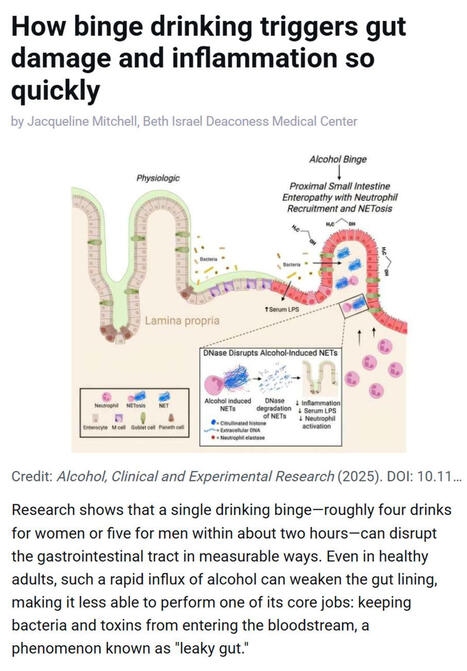
Research shows that even a single episode of binge drinking - about four drinks for women or five for men within two hours - can weaken the gut barrier, allowing #bacteria and #toxins to enter the bloodstream and trigger #inflammation, a process often referred to as “leaky gut.”

▫️ Investigators at Beth Israel Deaconess Medical Center (BIDMC), in work published in Alcohol: Clinical and Experimental Research, found that short bursts of high-dose #alcohol recruit immune cells called #neutrophils to the upper small intestine, where they release damaging structures known as NETs that disrupt the gut lining.

▫️ NETs stands for Neutrophil Extracellular Traps. They are web-like structures made of #DNA, histones, and antimicrobial proteins that are released by neutrophils to trap and kill #microbes. While NETs are part of the body’s innate immune defense, they can also damage surrounding tissues when produced excessively or inappropriately - such as after binge alcohol exposure - by disrupting barriers like the gut lining, promoting inflammation, and allowing bacteria or toxins to leak into the bloodstream.

▫️ The study, led by Scott Minchenberg, MD, PhD, a clinical fellow in #gastroenterology and #hepatology at BIDMC, showed that breaking down these NETs with an enzyme reduced gut damage and bacterial leakage.

▫️ As noted by senior author Gyongyi Szabo MD, PhD, Chief Academic Officer at BIDMC and Beth Israel Lahey Health, these findings highlight an early inflammatory pathway linking binge drinking to gut and liver injury.

🗃️ See comments section for reference.
No comment yet.
Scooped by Gilbert C FAURE
March 27, 5:16 AM
Scoop.it!

Asthme : prévention, vaccination… et entretien pharmaceutique On parle souvent des risques infectieux chez les patients asthmatiques — grippe, pneumocoque — et de l’importance de la vaccination po...

Asthme : prévention, vaccination… et entretien pharmaceutique On parle souvent des risques infectieux chez les patients asthmatiques — grippe, pneumocoque — et de l’importance de la vaccination po... | Mucosal Immunity | Scoop.it
Asthme : prévention, vaccination… et entretien pharmaceutique

On parle souvent des risques infectieux chez les patients asthmatiques — grippe, pneumocoque — et de l’importance de la vaccination pour éviter des exacerbations sévères.

Mais un levier reste encore sous-exploité : l’entretien asthme.
👉 Un moment clé pour évaluer le contrôle de la maladie
👉 Un espace pour vérifier l’observance et la bonne utilisation des dispositifs
👉 Une opportunité pour sensibiliser à la prévention, notamment vaccinale
👉 Un point de contact régulier dans le parcours de soins

C’est un dispositif puissant… à condition qu’il soit réellement activé.
Aujourd’hui, le défi n’est plus seulement d’informer, mais de structurer et de systématiser ces interactions.

C’est là que la technologie peut faire la différence.

Chez Apodis, nous travaillons à :
✔️ Identifier les patients éligibles à l’entretien asthme
✔️ Aider les pharmaciens à structurer leurs interventions
✔️ Intégrer la prévention vaccinale dans chaque échange
✔️ Suivre l’impact dans le temps

L’entretien asthme ne doit plus être une opportunité ponctuelle, mais un véritable outil de pilotage du parcours patient.

Et si chaque passage en pharmacie devenait un point d’activation de la prévention ?
No comment yet.
Scooped by Gilbert C FAURE
March 26, 4:12 AM
Scoop.it!

#immunology #scienceswitzerland #science #education #research #innovation | Science-Switzerland

#immunology #scienceswitzerland #science #education #research #innovation | Science-Switzerland | Mucosal Immunity | Scoop.it
#Immunology | 𝗧 𝗖𝗲𝗹𝗹𝘀 𝗣𝗼𝘀𝗶𝘁𝗶𝗼𝗻 𝗧𝗵𝗲𝗺𝘀𝗲𝗹𝘃𝗲𝘀 𝗶𝗻 𝗟𝗼𝘄-𝗢𝘅𝘆𝗴𝗲𝗻 𝗭𝗼𝗻𝗲𝘀 𝘁𝗼 𝗖𝗼𝗺𝗺𝗮𝗻𝗱 𝗟𝘂𝗻𝗴 𝗗𝗲𝗳𝗲𝗻𝘀𝗲 | University of Basel researchers led by Jean de Lima found that specialized helper T cells migrate to oxygen-scarce edges of immune hubs during lung infection. There, they produce the so-called HIF-1α protein and release interleukin-21, directing macrophages, B cells, and natural killer cells into coordinated responses against respiratory pathogens. Using advanced imaging in influenza-infected mice and inducible knockout models, the team mapped how these cells position at hub boundaries to orchestrate defense networks.

The findings show tissue-resident immune hubs function as command centers for on-site protection rather than antibody factories. Professor Carolyn King's group validated the mechanism across secondary influenza infections and lung cancer models, showing broad therapeutic potential. This breakthrough enables design of inhalable vaccines that build immune defense directly in airways where viruses enter, potentially transforming respiratory disease prevention. The spatial coordination strategy also opens perspectives for tissue-targeted therapies that use the body's natural positioning systems to strengthen local immune responses at infection sites.

👇 Learn more & read the original publication: link in the comments 👇

🇨🇭 Follow #ScienceSwitzerland for the latest news and emerging trends on Swiss science, technology, education, and innovation >> swissinnovation.org
Follow us >> Science-Switzerland
#Science | #Education | #Research | #Innovation
No comment yet.
Scooped by Gilbert C FAURE
March 18, 6:49 AM
Scoop.it!

Pre-eclampsia linked to immune imbalance and vascular failure | Vejon Health Ltd posted on the topic

Pre-eclampsia linked to immune imbalance and vascular failure | Vejon Health Ltd posted on the topic | Mucosal Immunity | Scoop.it
Pre-eclampsia is often described as a disease of the placenta, but at its core it is also a disease of immune balance. When the maternal immune system becomes overactivated, the delicate vascular architecture of the placenta can begin to fail.

Recent data showing rising pre-eclampsia rates after the pandemic has prompted renewed interest in immune-vascular triggers. If spike protein interacts with macrophages and endothelial cells in the placenta, understanding that mechanism could become a crucial piece of the puzzle in protecting maternal and fetal health.

========================================================
Your Gut Readiness Assessment
https://lnkd.in/ezPm4wht
========================================================

You can also find us Here:

Substack: https://lnkd.in/ejXM5s68
Videos: https://lnkd.in/g3vJ8uXx
Courses: https://lnkd.in/ecmtMKhz
Rumble: https://lnkd.in/gG_HmbdN

#covid #medicine #research
Gilbert C FAURE's insight:

caution! from an anti-vax activist

No comment yet.
Scooped by Gilbert C FAURE
March 9, 5:19 AM
Scoop.it!

#biotechnology #vaccines #oralvaccines #pharmaceuticalindustry #infectiousdiseases #drugdevelopment #biotechinnovation #globalhealth #healthcareinnovation #clinicalresearch #lifesciences… | Justin Ma

#biotechnology #vaccines #oralvaccines #pharmaceuticalindustry #infectiousdiseases #drugdevelopment #biotechinnovation #globalhealth #healthcareinnovation #clinicalresearch #lifesciences… | Justin Ma | Mucosal Immunity | Scoop.it
Oral Vaccines Are Moving From Research to Reality

The global vaccine landscape may be entering a new phase — and oral vaccines are quickly becoming one of the most discussed innovations in infectious disease prevention.
In recent industry conversations across biotech and pharmaceutical research communities in the U.S., more attention is shifting toward oral vaccine platforms. Unlike traditional injections, oral vaccines could simplify distribution, improve patient compliance, and make large-scale immunization campaigns far more accessible — especially in regions where healthcare infrastructure is limited.
Several biotechnology companies are now accelerating research around oral delivery systems, mucosal immunity, and next-generation vaccine platforms. The idea is not only to prevent disease more effectively, but also to rethink how vaccines are manufactured, distributed, and administered globally.
For pharmaceutical companies and healthcare systems, this shift could represent more than just a scientific breakthrough. It may reshape public health logistics, vaccine accessibility, and global pandemic preparedness in the coming decade.
The question many people in the industry are asking now is:
If oral vaccines become widely scalable, could they fundamentally change the way the world approaches infectious disease prevention?
Curious to hear perspectives from people working across biotech, healthcare, and public health.

#Biotechnology #Vaccines #OralVaccines #PharmaceuticalIndustry #InfectiousDiseases
#DrugDevelopment #BiotechInnovation #GlobalHealth #HealthcareInnovation #ClinicalResearch
#LifeSciences #PublicHealth #BiotechInvesting #FutureOfMedicine #MedicalInnovation
No comment yet.
Scooped by Gilbert C FAURE
February 23, 4:27 AM
Scoop.it!

Boosting Mucosal Immunity in Next-Gen Vaccine Development | Stéphane Pillet posted on the topic | LinkedIn

Boosting Mucosal Immunity in Next-Gen Vaccine Development | Stéphane Pillet posted on the topic | LinkedIn | Mucosal Immunity | Scoop.it
A very insightful review from the Akiko Iwasaki's group on the potential to harness mucosal immunity in next-generation vaccine development.
While the rapid deployment of intramuscular mRNA vaccines was a landmark achievement in preventing severe COVID-19, intramuscular shots often fall short of providing sterilizing immunity.
Mucosal immunity represents a particularly promising avenue for improving vaccines against respiratory viruses, as it enables immune protection to be established directly at the site of viral entry and early replication.
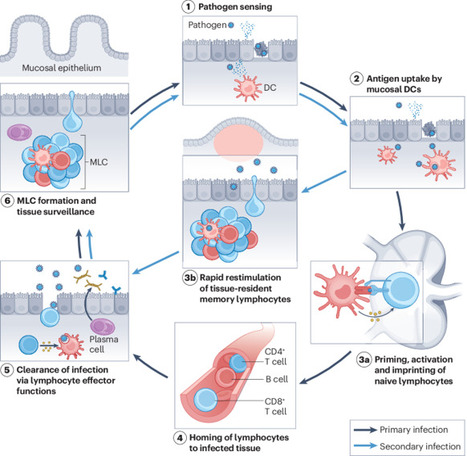
Mucosal tissues, such as the respiratory tract, host locally regulated specialized immune cells that are functionally and spatially distinct. Reduction of infection and transmission requires engaging the mucosal immune response: a coordinated process beginning with epithelial pathogen sensing and culminating in the establishment of tissue-resident memory T (TRM) and B (BRM) cells, alongside robust local secretory IgA (SIgA) production. Unlike systemic IgG, nasal SIgA has demonstrated superior virus-neutralizing activity and greater breadth against antigenically drifted variants.
A promising strategy for advancing vaccine design is the heterologous prime-boost approach. Research suggests that intramuscular priming (to establish peripheral memory pools) followed by an intranasal boost can effectively "pull" memory cells to the respiratory mucosa.
However, the so-called 'mucosal' vaccines requires navigating complex physiological constraints, such as the mucociliary clearance system and the anionic mucus layer.
Moreover, the regulatory path for mucosal vaccines is primarily hindered by the lack of validated correlates of protection, making it difficult to predict efficacy and guide clinical trial designs. Additionally, the anatomical proximity of the nasal mucosa to the central nervous system necessitates rigorous safety evaluations to prevent neuro-olfactory spillover or unintended neuro-inflammation.
https://lnkd.in/eb5ZUMY4
No comment yet.
Scooped by Gilbert C FAURE
February 20, 3:00 AM
Scoop.it!

Nasal spray vaccine could ‘replace multiple jabs every year’

Nasal spray vaccine could ‘replace multiple jabs every year’ | Mucosal Immunity | Scoop.it
Nasal spray vaccine could ‘replace multiple jabs every year’Bookmark popoverRemoved from bookmarksClose popoverScientists at Stanford Medicine have developed a universal vaccine formula, tested on mice, that offers broad protection against various respiratory threats. The vaccine, delivered as a nasal spray, could protect against cold, flu, Covid, allergies, respiratory viruses, sepsis-causing bacteria, and even house dust mites. It works by mimicking the signals immune cells use to communicate during an infection, rather than targeting specific parts of a pathogen. If developed for humans, this vaccine could replace multiple annual jabs for winter respiratory infections and potentially protect against new pandemic bugs. While lead author Dr Bali Pulendran estimates human availability within five to seven years, other experts caution that a truly universal vaccine is still some way off due to safety considerations and the diversity of the human population.
No comment yet.
Scooped by Gilbert C FAURE
February 16, 6:27 AM
Scoop.it!

Une avancée importante en recherche vaccinale pour les 6 mois à 5 ans Une équipe dirigée par Guy Boivin, professeur au Département de pédiatrie et chercheur au Centre de recherche du CHU de Québec...

Une avancée importante en recherche vaccinale pour les 6 mois à 5 ans Une équipe dirigée par Guy Boivin, professeur au Département de pédiatrie et chercheur au Centre de recherche du CHU de Québec... | Mucosal Immunity | Scoop.it
Une avancée importante en recherche vaccinale pour les 6 mois à 5 ans

Une équipe dirigée par Guy Boivin, professeur au Département de pédiatrie et chercheur au Centre de recherche du CHU de Québec – Université Laval, a développé un vaccin expérimental administré par voie intranasale afin de protéger les jeunes enfants contre deux virus respiratoires majeurs : le métapneumovirus humain et le virus respiratoire syncytial (VRS). Ces deux agents infectieux sont responsables chaque année de nombreuses bronchiolites et pneumonies chez les jeunes enfants.

Les premières études menées sur des modèles animaux montrent des résultats très encourageants.
Cette avancée repose sur une plateforme vaccinale qui permet d’intégrer rapidement des éléments de différents virus pour créer de nouveaux candidats vaccins.
Découvrez tous les détails :
No comment yet.
Scooped by Gilbert C FAURE
February 10, 4:48 AM
Scoop.it!

Single-cell profiling reveals diverse γδ T cell subsets in ulcerative colitis

Scooped by Gilbert C FAURE
February 4, 6:39 AM
Scoop.it!

#mianpetsandvets #veterinarymedicine #felinehealth #vetmed #catvaccination #veterinaryeducation #catsoflinkedin | Mian Pets and Vets Clinic

#mianpetsandvets #veterinarymedicine #felinehealth #vetmed #catvaccination #veterinaryeducation #catsoflinkedin | Mian Pets and Vets Clinic | Mucosal Immunity | Scoop.it
Ever had a client ask: "Why does my kitten need to come TWO times for vaccines? Can't we just do it all at once?"

Let me break down the science in a way that might change how it act

🧬 The "Goldilocks Problem" of Maternal Immunity
Kittens are born with almost NO immunity from their mother during pregnancy. Unlike humans, cats have a special type of placenta that blocks antibody transfer before birth. Instead, 90-95% of protective antibodies come through colostrum in those critical first 16 hours of life (Claus et al., 2006).¹

But here's where it gets tricky...
These maternal antibodies are both a blessing and a curse:
✅ They protect vulnerable kittens from deadly diseases
❌ But they ALSO attack vaccine antigens, preventing the kitten from building their own immunity

This creates what scientists call the "window of susceptibility", a period where kittens are:
-Too vulnerable to fight off real infections
-Yet unable to respond to vaccines

Consider these exposure risks for "indoor-only" cats:
-Panleukopenia virus survives for YEARS in the environment and can be tracked indoors on shoes and clothing
-Multi-cat households where ONE cat goes outside creates risk for ALL cats

Here's what evidence-based feline vaccination looks like in #2026:
For Kittens: → Start at 6-8 weeks, continue every 2-4 weeks until 16-20 weeks → Core vaccines: FPV, FHV-1, FCV → FeLV for ALL kittens (remember that age-resistance curve!) → Rabies at 12-16 weeks → yearly booster
For Adult High-Risk Cats: → Annual booster of Core and Rabies

What challenges do you face while Vaccination?

#mianpetsandvets #VeterinaryMedicine #FelineHealth #VetMed #CatVaccination #VeterinaryEducation #CatsOfLinkedIn
No comment yet.
Scooped by Gilbert C FAURE
January 24, 7:33 AM
Scoop.it!

See Stéphane Paul’s activity on LinkedIn

See Stéphane Paul’s activity on LinkedIn | Mucosal Immunity | Scoop.it
Sign in or join now to see posts like this one and more.
No comment yet.
Scooped by Gilbert C FAURE
January 12, 9:07 AM
Scoop.it!

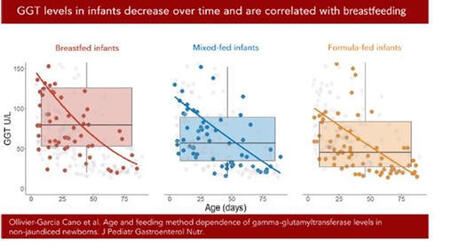
Une belle façon de démarrer 2026 ! Notre étude sur les taux de gamma-GT sanguins chez les nourrissons allaités vient d’être publiée dans le Journal of Pediatric Gastroenterology and Nutrition (JPGN...

Une belle façon de démarrer 2026 ! Notre étude sur les taux de gamma-GT sanguins chez les nourrissons allaités vient d’être publiée dans le Journal of Pediatric Gastroenterology and Nutrition (JPGN... | Mucosal Immunity | Scoop.it
Une belle façon de démarrer 2026 ! Notre étude sur les taux de gamma-GT sanguins chez les nourrissons allaités vient d’être publiée dans le Journal of Pediatric Gastroenterology and Nutrition (JPGN). Ce travail, issu de la thèse d’Audrey Ollivier-Garcia Cano, a été mené en collaboration avec Marion Marlinge, Paul Guerry et Aurélie MORAND .

En médecine vétérinaire, le taux de gamma-GT est utilisé comme marqueur du transfert d’immunoglobulines via le colostrum chez les bovins (les IgG ne passant pas la barrière placentaire). Certaines études suggéraient par ailleurs que le lait maternel est riche en gamma-GT. Nous avons donc mené une étude rétrospective chez des nourrissons ayant eu un bilan hépatique et consultant aux urgences pédiatriques, en excluant ceux présentant une infection ou un ictère.

Les gamma-GT sériques étaient significativement plus élevées chez les enfants allaités (101 UI/l) que chez les non-allaités (64 UI/l), avec un niveau intermédiaire (77 UI/l) pour l’allaitement mixte. Nous avons également confirmé la diminution des gamma-GT avec l’âge.

Ces résultats soulignent l’importance d’interpréter les dosages de gamma-GT en fonction du mode d’allaitement. Ils rappellent aussi la richesse des approches pluridisciplinaires.


https://lnkd.in/dEnBgETK
Scooped by Gilbert C FAURE
January 8, 1:43 PM
Scoop.it!

Gut virome dynamics: from commensal to critical player in health and disease | Nature Reviews Gastroenterology & Hepatology

Gut virome dynamics: from commensal to critical player in health and disease | Nature Reviews Gastroenterology & Hepatology | Mucosal Immunity | Scoop.it
The gut virome is a complex ecosystem characterized by the interplay of diverse viral entities, predominantly bacteriophages and eukaryotic viruses. The gut virome has a critical role in human health by shaping microbial community profiles, modulating host immunity and influencing metabolic processes. Different viral metagenomics approaches have revealed the remarkable diversity of the gut virome, showing individual-specific patterns that evolve over time and adapt dynamically to environmental factors. Perturbations in this community are increasingly associated with chronic immune and inflammatory conditions, metabolic disorders and neurological conditions, highlighting its potential as a diagnostic biomarker and therapeutic target. The early-life gut virome is particularly influential in establishing lifelong health trajectories through its interactions with diet, immune pathways and others, thereby contributing to inflammatory and metabolic regulation. This Review synthesizes current knowledge of gut virome composition, dynamics and functional relevance, critically evaluating evidence distinguishing causal from correlative roles in disease pathogenesis. The interactions of the virome with other microbiome components and host immunity are examined, and emerging translational applications, including phage therapy and biomarker development, are discussed. Integrating these insights while acknowledging methodological challenges provides a comprehensive framework for understanding the complex roles of the gut virome in health and disease. The gut virome is a complex ecosystem and has a critical role in human health. This Review outlines gut virome composition and functional relevance, and its role in human health and disease. Methodological challenges in advancing our knowledge of the gut virome are also discussed.
Scooped by Gilbert C FAURE
January 5, 4:21 AM
Scoop.it!

IgA-driven neutrophil activation underlies severe dengue disease after primary Zika virus infection in humans - Nature Immunology | Stéphane Paul

IgA-driven neutrophil activation underlies severe dengue disease after primary Zika virus infection in humans - Nature Immunology | Stéphane Paul | Mucosal Immunity | Scoop.it
IgA friends at mucossl level and foes at systemic level… a new proof…
No comment yet.