


Rev Med Virol. 2015 May;25(3):187-201. doi: 10.1002/rmv.1836. Epub 2015 Apr 1. Research Support, Non-U.S. Gov't; Review

 Your new post is loading...
 Scoop.it! Rev Med Virol. 2015 May;25(3):187-201. doi: 10.1002/rmv.1836. Epub 2015 Apr 1. Research Support, Non-U.S. Gov't; Review 
No comment yet.
Sign up to comment
Scoop.it!
Viral infection activates danger signals that are transmitted via the retinoic acid–inducible gene 1–like receptor (RLR), nucleotide-binding oligomerization domain-like receptor (NLR), and Toll-like receptor (TLR) protein signaling...
Gilbert C FAURE's insight:
This places host cells in an antiviral posture by up-regulating antiviral cytokines including type-I interferon (IFN-I). Ubiquitin modifications and cross-talk between proteins within these signaling cascades potentiate IFN-I expression, and inversely, a growing number of viruses are found to weaponize the ubiquitin modification system to suppress IFN-I. Here we review how host- and virus-directed ubiquitin modification of proteins in the RLR, NLR, and TLR antiviral signaling cascades modulate IFN-I expression.
Scoop.it!

Ion channels can affect the activation of immune cells and their cytotoxicity against cancer cells. Novel cancer therapies could be found with pharmacology agents ion channel target specific. Via Krishan Maggon
Gilbert C FAURE's insight:
Anti Orai1: a Rabbit Polyclonal Antibody to Orai 1 to study Ion Channels SOCsAnti Kir1.1 antibody: a Rabbit Polyclonal antibody to Kir1.1 / ROMKAnti TRPC6: a Rabbit Polyclonal antibody to TRPC6 to study Ion Channel TRPAnti TRPA1: a Rabbit Polyclonal antibody to TRPA1 for TRP Ion ChannelAnti TRPV1: a Rabbit Polyclonal antibody to TRPV1 for TRP Ion Channel
Scoop.it!
Maelig G. Morvan& Lewis L. LanierAffiliationsCorresponding authorNature Reviews Cancer 16, 7–19 (2016) doi:10.1038/nrc.2015.5Published online 23 December 2015
Gilbert C FAURE's insight:
Natural killer (NK) cells are the prototype innate lymphoid cells endowed with potent cytolytic function that provide host defence against microbial infection and tumours. Here, we review evidence for the role of NK cells in immune surveillance against cancer and highlight new therapeutic approaches for targeting NK cells in the treatment of cancer.
Scoop.it!

Limited Neandertal DNA introgression: higher rate for immunity genes than in the rest of the coding genome
Gilbert C FAURE's insight:
Human genes governing innate immunity provide a valuable tool for the study of the selective pressure imposed by microorganisms on host genomes. A comprehensive, genome-wide study of how selective constraints and adaptations have driven the evolution of innate immunity genes is missing. Using full-genome sequence variation from the 1000 Genomes Project, we first show that innate immunity genes have globally evolved under stronger purifying selection than the remainder of protein-coding genes. We identify a gene set under the strongest selective constraints, mutations in which are likely to predispose individuals to life-threatening disease, as illustrated by STAT1 and TRAF3. We then evaluate the occurrence of local adaptation and detect 57 high-scoring signals of positive selection at innate immunity genes, variation in which has been associated with susceptibility to common infectious or autoimmune diseases. Furthermore, we show that most adaptations targeting coding variation have occurred in the last 6,000–13,000 years, the period at which populations shifted from hunting and gathering to farming. Finally, we show that innate immunity genes present higher Neandertal introgression than the remainder of the coding genome. Notably, among the genes presenting the highest Neandertal ancestry, we find the TLR6-TLR1-TLR10 cluster, which also contains functional adaptive variation in Europeans. This study identifies highly constrained genes that fulfill essential, non-redundant functions in host survival and reveals others that are more permissive to change—containing variation acquired from archaic hominins or adaptive variants in specific populations—improving our understanding of the relative biological importance of innate immunity pathways in natural conditions.
Scoop.it!

Figure 2 : Mast-cell responses to pathogens : Nature Reviews Immunology https://t.co/WEforqdlF6
Gilbert C FAURE's insight:
a figure from a 2004 paper emerges from the cloud

Gilbert C FAURE's curator insight,
January 7, 2016 9:19 AM
Mast cells have mainly been studied in the setting of allergic disease, but the importance of mast cells for host defence against several pathogens has now been well established. The location of mast cells, which are found closely associated with blood vessels, allows them to have a crucial sentinel role in host defence. The mast cell has a unique 'armamentarium' of receptor systems and mediators for responding to pathogen-associated signals. Studies of this intriguing immune-effector cell provide important insights into the complex mechanisms by which appropriate innate and acquired immune responses are initiated. a review from 2004 focusing on immunological role of mast cells
Scoop.it!

RT @MaverakisLab: Modifying glycans (sugars) control antibody function.
Scoop.it!
We have previously shown that complement component 3 (C3) is secreted by malignant epithelial cells.
Gilbert C FAURE's insight:
We have previously shown that complement component 3 (C3) is secreted by malignant epithelial cells. To understand the mechanism of upregulation of C3 expression in tumor cells, we studied the C3 promoter and identified that twist basic helix–loop–helix transcription factor 1 (TWIST1) binds to the C3 promoter and enhances its expression. Because TWIST1 mediates epithelial–mesenchymal transition (EMT), we studied the effect of C3 on EMT and found that C3 decreased E-cadherin expression on cancer cells and promoted EMT. We showed that C3-induced reduction in E-cadherin expression in ovarian cancer cells was mediated by C3a and is Krüppel-like factor 5 dependent. We investigated the association between TWIST1 and C3 in malignant tumors and in murine embryos. TWIST1 and C3 colocalized at the invasive tumor edges, and in the neural crest and limb buds of mouse embryos. Our results identified TWIST1 as a transcription factor that regulates C3 expression during pathologic and physiologic EMT.
Scoop.it!
Defensins as one of the most abundant classes of antimicrobial peptides are an essential part of the innate immunity that has evolved in most living organisms from lower organisms to humans.
Scoop.it!
Lastest from current issue of @ImmunityCP #STEM #Immunology Interleukin-23-Induced Transcription Factor Blimp-1... https://t.co/7qE5y3awML
Gilbert C FAURE's insight:
Highlights
•IL-23-dependent Blimp-1 enhances Th17 pathogenic factors including GM-CSF and IFN-γ•Distal Lck-Cre-mediated Blimp-1 deletion in peripheral T cells ameliorates EAE•Blimp-1 co-localizes with RORγt and STAT-3 at Il23r, Il17a, and Csf2 enhancer sites•Blimp-1 also represses Il2 and Bcl6, which destabilize the Th17 inflammatory program
Scoop.it!
From
aai

Apply to the AAI Tft Program to learn a new research technique!
Scoop.it!
Highlights
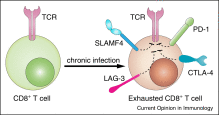
• SLAM family receptors, associated with SAP adaptors, play key roles in immunity. • SLAM receptors can be either activating or inhibitory, depending on the context. • The SLAM family has been implicated in a wide range of human diseases. • One SLAM family receptor, SLAMF7, is a drug target in multiple myeloma.
The signaling lymphocytic activation molecule (SLAM) family is a group of six receptors restricted to hematopoietic cells. Most of these receptors are self-ligands, and thus are triggered in the context of interactions between hematopoietic cells. By way of their cytoplasmic domain, SLAM-related receptors associate with the SLAM-associated protein (SAP) family of adaptors, which control the signals and functions of SLAM family receptors. Recent findings have provided new insights into the key roles of SLAM family receptors in normal immunity, their involvement in human diseases and their usefulness as drug targets to treat human malignancies. These data are reviewed herein. Via Krishan Maggon
Gilbert C FAURE's insight:
SLAM receptors CD150...

Krishan Maggon 's curator insight,
December 28, 2015 8:15 AM
Current Opinion in Immunology Volume 38, February 2016, Pages 45–51 Innate immunity
Scoop.it!
The human complement system is the frontline defense mechanism against invading pathogens. The coexistence of humans and microbes throughout evolution has produced ingenious molecular mechanisms by which microorganisms escape complement attack.
|
Scoop.it!
Salvatore Valitutti, Molecular dynamics of lymphocyte interaction section, INSERM U1043, INSERM, Toulouse, FRANCE speaks on "Human T cell immunological synap...
Gilbert C FAURE's insight:
TRIESTE 2013 but worth seeing
Scoop.it!
Clock is ticking! Submit your #immunology abstract/award forms for #AAI2016 by Jan.
Gilbert C FAURE's insight:
Seattle 2016
Scoop.it!
The serum proteins factor H (FH), consisting of 20 complement control protein modules (CCPs), and its splice product FH-like protein 1 (FHL-1; consisting of CCPs 1–7) are major regulators of the alternative pathway (AP) of complement...
Gilbert C FAURE's insight:
..... activation. The engineered version of FH, miniFH, contains only the N- and C-terminal portions of FH linked by an optimized peptide and shows ∼10-fold higher ex vivo potency. We explored the hypothesis that regulatory potency is enhanced by unmasking of a ligand-binding site in the C-terminal CCPs 19–20 that is cryptic in full-length native FH. Therefore, we produced an FH variant lacking the central domains 10–15 (FHΔ10–15). To explore how avidity affects regulatory strength, we generated a duplicated version of miniFH, termed midiFH. We compared activities of FHΔ10–15 and midiFH to miniFH, FH, and FHL-1. Relative to FH, FHΔ10–15 exhibited an altered binding profile toward C3 activation products and a 5-fold-enhanced complement regulation on a paroxysmal nocturnal hemoglobinuria patient’s erythrocytes. Contrary to dogma, FHL-1 and FH exhibited equal regulatory activity, suggesting that the role of FHL-1 in AP regulation has been underestimated. Unexpectedly, a substantially increased avidity for complement opsonins, as seen in midiFH, did not potentiate the inhibitory potential on host cells. In conclusion, comparisons of engineered and native FH-based regulators have identified features that determine high AP regulatory activity on host cells. Unrestricted availability of FH CCPs 19–20 and an optimal spatial orientation between the N- and C-terminal FH regions are key.
Scoop.it!

Neutrophils secrete the secondary chemoattractant leukotriene B 4 through the release of exosomes, which allows the sustained emission of chemical signals that would otherwise be susceptible to harsh extracellular environments.
Gilbert C FAURE's insight:
Abstract
Leukotriene B4 (LTB4) is secreted by chemotactic neutrophils, forming a secondary gradient that amplifies the reach of primary chemoattractants. This strategy increases the recruitment range for neutrophils and is important during inflammation. Here, we show that LTB4 and its synthesizing enzymes localize to intracellular multivesicular bodies that, upon stimulation, release their content as exosomes. Purified exosomes can activate resting neutrophils and elicit chemotactic activity in a LTB4 receptor-dependent manner. Inhibition of exosome release leads to loss of directional motility with concomitant loss of LTB4 release. Our findings establish that the exosomal pool of LTB4 acts in an autocrine fashion to sensitize neutrophils towards the primary chemoattractant, and in a paracrine fashion to mediate the recruitment of neighboring neutrophils in trans. We envision that this mechanism is used by other signals to foster communication between cells in harsh extracellular environments.
Scoop.it!
Human Ab-secreting cell (ASC) populations in circulation are not well studied.
Gilbert C FAURE's insight:
Human Ab-secreting cell (ASC) populations in circulation are not well studied. In addition to B-1 (CD20+CD27+CD38lo/intCD43+) cell and conventional plasmablast (PB) (CD20-CD27hiCD38hi) cell populations, in this study, we identified a novel B cell population termed 20+38hi B cells (CD20+CD27hiCD38hi) that spontaneously secretes Ab. At steady-state, 20+38hi B cells are distinct from PBs on the basis of CD20 expression, amount of Ab production, frequency of mutation, and diversity of BCR repertoire. However, cytokine treatment of 20+38hi B cells induces loss of CD20 and acquisition of CD138, suggesting that 20+38hi B cells are precursors to PBs or pre-PBs. We then evaluated similarities and differences among CD20+CD27+CD38lo/intCD43+ B-1 cells, CD20+CD27hiCD38hi 20+38hi B cells, CD20−CD27hiCD38hi PBs, and CD20+CD27+CD38lo/intCD43− memory B cells. We found that B-1 cells differ from 20+38hi B cells and PBs in a number of ways, including Ag expression, morphological appearance, transcriptional profiling, Ab skewing, Ab repertoire, and secretory response to stimulation. In terms of gene expression, B-1 cells align more closely with memory B cells than with 20+38hi B cells or PBs, but differ in that memory B cells do not express Ab secretion-related genes. We found that B-1 cell Abs use Vh4-34, which is often associated with autoreactivity, 3- to 6-fold more often than other B cell populations. Along with selective production of IgM anti–phosphoryl choline, these data suggest that human B-1 cells might be preferentially selected for autoreactivity/natural specificity. In summary, our results indicate that human healthy adult peripheral blood at steady-state consists of three distinct ASC populations.
Scoop.it!
In keeping with its mission to advance scientific progress and innovation, the world's largest general scientific organization — the American Association for the Advancement of Science (AAAS) — today announced plans for two new...
Gilbert C FAURE's insight:
Science Immunology will encompass all aspects of immunology, featuring studies of the immune system in all organisms, including human and cancer immunology. "Its focus will be primarily on basic research, through preclinical studies and appropriate Phase I trials," Anderson explained.
Scoop.it!
|

|
Scooped by
Gilbert C FAURE
December 31, 2015 9:39 AM
|
Scoop.it!

Antibody-based techniques are applied in the field of conservation science to identify and localize the various kinds of proteins used in objects of cultural heritage, revealing insights into materials and techniques used by artists and craftspeople.
Since Paul Ehrlich's discovery of antibodies through experimentation with colored dyes, immunological research has once again progressed with the recent application of antibody-based methods for the identification of protein materials in artworks. Further development and optimization of ELISA and Immuno-SERS methods promise significant contributions in the field of conservation science, most notably in the unambiguous identification of specific organic binding media in complex sample mixtures. Moreover, the capability to perform such experiments at low costs to museum laboratories heightens the attractiveness of these methods for active researchers.
In the future, research in the conservation sciences will greatly benefit from focused study of how antibodies interact with organic media found in artworks over time. With further research, the ELISA method may be used to investigate specific effects of aging, such as the loss of signal responsiveness in different paints over time. With respect to the Immuno-SERS method, progress will be made towards characterization of novel Raman-active reporting systems and the reliable fabrication of SERS nanoparticles of various shapes. Antibody-based methods carry the potential to revolutionize not only the practices of researchers working in laboratories or in the field, but of the technical and interpretive appreciation of artworks in general.
|
|
Scooped by
Gilbert C FAURE
December 31, 2015 2:36 AM
|
Scoop.it!
J Exp Med. 2015 Dec 28. pii: jem.20151531. [Epub ahead of print] REVIEW
Viral infection activates danger signals that are transmitted via the retinoic acid-inducible gene 1-like receptor (RLR), nucleotide-binding oligomerization domain-like receptor (NLR), and Toll-like receptor (TLR) protein signaling cascades. This places host cells in an antiviral posture by up-regulating antiviral cytokines including type-I interferon (IFN-I). Ubiquitin modifications and cross-talk between proteins within these signaling cascades potentiate IFN-I expression, and inversely, a growing number of viruses are found to weaponize the ubiquitin modification system to suppress IFN-I. Here we review how host- and virus-directed ubiquitin modification of proteins in the RLR, NLR, and TLR antiviral signaling cascades modulate IFN-I expression.
|
|
Scooped by
Gilbert C FAURE
December 29, 2015 4:21 AM
|
Scoop.it!

The trafficking of T-lymphocytes to peripheral draining lymph nodes is crucial for mounting an adaptive immune response. The role of chemokines in the activation of integrins via Ras-related small GTPases has been well established.
The trafficking of T-lymphocytes to peripheral draining lymph nodes is crucial for mounting an adaptive immune response. The role of chemokines in the activation of integrins via Ras-related small GTPases has been well established. R-Ras is a member of the Ras-subfamily of small guanosine-5’-triphosphate-binding proteins and its role in T cell trafficking has been investigated in R-Ras null mice (Rras−/−). An examination of the lymphoid organs of Rras−/−mice revealed a 40% reduction in the cellularity of the peripheral lymph nodes. Morphologically, the high endothelial venules of Rras−/− mice were more disorganized and less mature than those of wild-type mice. Furthermore, CD4+ and CD8+ T cells from Rras−/− mice had approximately 42% lower surface expression of L-selectin/CD62L. These aberrant peripheral lymph node phenotypes were associated with proliferative and trafficking defects in Rras−/− T cells. Furthermore, R-Ras could be activated by the chemokine, CCL21. Indeed, Rras−/− T cells had approximately 14.5% attenuation in binding to intercellular adhesion molecule 1 upon CCL21 stimulation. Finally, in a graft-versus host disease model, recipient mice that were transfused with Rras−/− T cells showed a significant reduction in disease severity when compared with mice transplanted with wild-type T cells. These findings implicate a role for R-Ras in T cell trafficking in the high endothelial venules during an effective immune response.
|
|
Scooped by
Gilbert C FAURE
December 28, 2015 9:12 AM
|
Scoop.it!
In Science and Medicine, knowledge increases at very fast pace, leading to infobesity and raising problems for learning and teaching and also challenges for students training.
Content Curation tools help collecting, elevating and sharing information available on the web. Among them, Scoop.it is well designed for knowledge management of “serious” information. It has been used through an education plan during the past 4 years by teachers, researchers and PhD students individually and in networks to cover scientific information in various immunology areas, either fundamental or clinical.
The topics gathering around 20K highly selected scoops over 40 months, compared to 200K or 400K results found with Pubmed or Google Scholar respectively. The scoops deal with published (classical or OPEN) and grey literature (blogs, websites, social networks, press releases) allowing rapid access to recently published relevant information. The audience is steadily increasing.
Immunological Basic Science, Biotechnologies, BioTherapies are focused through following subjects Immunology (http://www.scoop.it/t/immunology ) the most successful with a large and steadily increasing audience, followed by From flow cytometry to Cytomics, Immunology and Biotherapies, Mucosal Immunity and more recently History of immunology. Immuno-Pathology is covered through topics: Autoimmunity, Allergy, Neuroimmunology
Immunology 5331
Cytomics 3543
Immunology and Biotherapies 5077
Mucosal immunity 2387
Neuroimmunology 1121
Allergy 1723
Autoimmunity 1996
History 356
Total 21534
|
|
Rescooped by
Gilbert C FAURE
from Cancer Immunotherapy Review and Collection
December 28, 2015 3:48 AM
|
Scoop.it!

Highlights
•
Tumors exaggerate and exploit natural immunosuppressive and tolerogenic mechanisms.
•
This milieu favors angiogenesis and tissue remodeling but is suppressive for T cells.
•
T cell activation in tumors may paradoxically elicit counter-regulatory suppression.
Effective immunotherapy, whether by checkpoint blockade or adoptive cell therapy, is limited in most patients by a key barrier: the immunosuppressive tumor microenvironment. Suppression of tumor-specific T cells is orchestrated by the activity of a variety of stromal myeloid and lymphoid cells. These often display inducible suppressive mechanisms that are triggered by the same anti-tumor inflammatory response that the immunotherapy intends to create. Therefore, a more comprehensive understanding of how the immunosuppressive milieu develops and persists is critical in order to harness the full power of immunotherapy of cancer.
Volume 39, April 2016, Pages 1–6
Lymphocyte development and activation * Tumour immunology
Volume 39, April 2016, Pages 1–6
Lymphocyte development and activation * Tumour immunology






Type I-interferon (IFN-I) induction pathway is one of the most commonly stimulated signaling pathways in response to viral infection. During viral infection this pathway is stimulated by various pattern-recognition receptors, which recognize different pathogen-associated molecular patterns. The pathways stimulated by different pattern-recognition receptors merge into common transcription factors IRF3 and IRF7, lead to the production of IFN-I. The secreted IFN-I stimulates JAK-STAT pathway leading to induction of interferon-stimulated genes (ISGs). The ISGs along with IFN-I create antiviral state to eliminate the virus from host. HHV infection enhances IFN-I-mediated innate antiviral response during both de novo infection and lytic reactivation from latency. However, HHV developed various molecular strategies to evade the sudden upsurge of the IFN-I and IFN-I-mediated antiviral response to establish a successful infection. Here, we focus on IFN-I induction and signaling pathways induced by three representative HHVs from each sub-family of HHV and strategies acquired by these HHVs to subvert the induction of IFN-I and ISGs to evade the host innate immunity. These fundamental understanding provides the clue for viral targets for pharmacological manipulation to develop potential therapeutics for broad subtypes of HHVs.