Your new post is loading...

|
Scooped by
Gilbert C FAURE
December 16, 2013 2:45 AM
|
Resources for DIU Immunologie et Biothérapies
DIU Immunologie et Biotherapies is a french diploma associating french universities and immunology laboratories. It is dedicated to the involvement of immunology in new biotherapies, either molecular or cellular.
|
|
Scooped by
Gilbert C FAURE
March 14, 8:33 AM
|
Butantan Dengue Vaccine 81% Effective Against Severe Disease for 5 years -
The results of a phase 3 clinical trial of the Butanan vaccine are now published in Nature Medicine. The single-dose tetravalent dengue vaccine developed by Brazil’s Butantan Institute is 80.5% effective against hospitalization for the mosquito-borne disease for at least five years.
The double-blind, placebo-controlled trial included 10,259 vaccinated individuals and 5,976 in the placebo control.
Over five years, no vaccinated participants were hospitalized. VE against symptomatic dengue was 65.0%. VE was 77.1% in previously infected participants, 58.9% in dengue-naive participants, 73.0% against DENV-1, and 55.7% against DENV-2. Cases of DENV-3 and DENV-4 weren’t observed.
https://lnkd.in/eAUyiYs8
#dengue #vaccines #Brazil #takeda #sanofi #health #globalhealth #publichealth #medicine #biotechnology #medicine #pharmaceuticals #FDA #CDC #WHO #ECDC #NIAID #clinicaltrials #immunology
|
|
Scooped by
Gilbert C FAURE
March 12, 1:50 PM
|
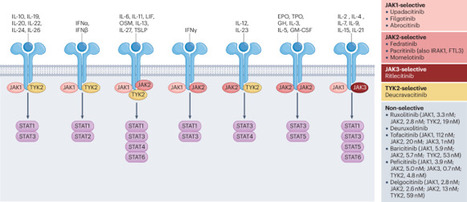
JAK inhibitors target a large group of cytokines that signal through the JAK–STAT pathway and are typically used clinically as immunosuppressive agents. However, recent work has demonstrated the paradoxical ability of JAK inhibitors to enhance antitumour and antiviral immune responses and established their synergy with immune checkpoint inhibitors in early-stage clinical trials. In this Perspective, we consider why JAK inhibitors, which are typically used as immunosuppressive drugs, can have immune-enhancing effects, exploring the potential mechanistic basis and the opportunities to harness this effect to improve cancer immunotherapy. JAK inhibitors are typically used to suppress the immune system but have also been shown to enhance antitumour and antiviral immune responses. In this Perspective, Zak and Teijaro explore the basis of the immune-enhancing properties of JAK inhibitors and consider whether we can exploit these properties for cancer therapy.
|
|
Scooped by
Gilbert C FAURE
March 10, 2:46 PM
|
TWiV 1303: Overachieving vaccines 〰️ TWiV reviews an association between shingles vaccination and slower biological aging, and how mucosal immunization in mice provides protection against disease caused by diverse viruses and bacteria. Hosts: Vincent Racaniello, Alan Dove, Rich Condit, and Brianne Barker. 📺 bit.ly/4lgWW0w
|
|
Scooped by
Gilbert C FAURE
February 25, 3:29 AM
|
𝗔𝗗𝗖𝘀, 𝗮 𝗿𝗲𝘃𝗶𝗲𝘄
🧠 𝗔 𝗽𝗮𝗽𝗲𝗿 𝗮 𝗱𝗮𝘆 𝗸𝗲𝗲𝗽𝘀 𝗯𝗿𝗮𝗶𝗻 𝗱𝗲𝗰𝗮𝘆 𝗮𝘄𝗮𝘆 🧠
Monday, 23 February 2026
𝘈𝘯𝘵𝘪𝘣𝘰𝘥𝘺–𝘥𝘳𝘶𝘨 𝘤𝘰𝘯𝘫𝘶𝘨𝘢𝘵𝘦 𝘱𝘦𝘳𝘧𝘰𝘳𝘮𝘢𝘯𝘤𝘦 𝘪𝘴 𝘳𝘢𝘳𝘦𝘭𝘺 𝘢𝘣𝘰𝘶𝘵 𝘵𝘩𝘦 𝘢𝘯𝘵𝘪𝘣𝘰𝘥𝘺 𝘢𝘭𝘰𝘯𝘦: 𝘭𝘪𝘯𝘬𝘦𝘳 𝘤𝘩𝘦𝘮𝘪𝘴𝘵𝘳𝘺, 𝘱𝘢𝘺𝘭𝘰𝘢𝘥 𝘤𝘭𝘢𝘴𝘴, 𝘢𝘯𝘥 𝘥𝘳𝘶𝘨-𝘵𝘰-𝘢𝘯𝘵𝘪𝘣𝘰𝘥𝘺 𝘳𝘢𝘵𝘪𝘰 𝘥𝘦𝘧𝘪𝘯𝘦 𝘵𝘩𝘦 𝘵𝘩𝘦𝘳𝘢𝘱𝘦𝘶𝘵𝘪𝘤 𝘪𝘯𝘥𝘦𝘹.
💡𝗧𝗮𝗸𝗲 𝗵𝗼𝗺𝗲 𝗺𝗲𝘀𝘀𝗮𝗴𝗲
• Wang et al. detail antibody selection constraints: antigen density/internalization, Fc effector balance, and affinity-driven “binding-site barrier” effects on tumor penetration.
• Linker chemistry defines therapeutic index: cleavable (pH, disulfide, protease, glycosidase) versus non-cleavable designs govern stability and intracellular payload release.
• Payload classes center on tubulin inhibitors and topoisomerase-I poisons; drug-to-antibody ratio control remains a key manufacturability and pharmacology challenge.
🔥𝗜𝗺𝗽𝗮𝗰𝘁
• The review positions linker and payload engineering, alongside drug-to-antibody ratio control, as central levers for next-generation antibody–drug conjugate design.
❓𝗢𝗽𝗲𝗻 𝗾𝘂𝗲𝘀𝘁𝗶𝗼𝗻𝘀
• Can drug-to-antibody ratio heterogeneity be standardized analytically across diverse conjugation chemistries and payload scaffolds?
• Which linker architectures optimize bystander killing while minimizing systemic payload leakage in heterogeneous tumor microenvironments?
• How should Fc effector function be tuned when combining antibody–drug conjugates with immunotherapies to avoid additive toxicity?
𝗔𝗻𝘁𝗶𝗯𝗼𝗱𝘆–𝗗𝗿𝘂𝗴 𝗖𝗼𝗻𝗷𝘂𝗴𝗮𝘁𝗲𝘀 (𝗔𝗗𝗖𝘀): 𝗰𝘂𝗿𝗿𝗲𝗻𝘁 𝗮𝗻𝗱 𝗳𝘂𝘁𝘂𝗿𝗲 𝗯𝗶𝗼𝗽𝗵𝗮𝗿𝗺𝗮𝗰𝗲𝘂𝘁𝗶𝗰𝗮𝗹𝘀
Ruili Wang et al
Journal of Hematology & Oncology, April 2025
Corresponding author(s): Chen Fu, Minjie Wei, Lifeng Yu
🔗 𝘓𝘪𝘯𝘬 𝘵𝘰 𝘵𝘩𝘦 𝘱𝘶𝘣𝘭𝘪𝘤𝘢𝘵𝘪𝘰𝘯 𝘪𝘯 𝘤𝘰𝘮𝘮𝘦𝘯𝘵𝘴
𝘛𝘩𝘦 𝘰𝘱𝘪𝘯𝘪𝘰𝘯𝘴 𝘴𝘩𝘢𝘳𝘦𝘥 𝘰𝘯 𝘓𝘪𝘯𝘬𝘦𝘥𝘐𝘯 𝘢𝘳𝘦 𝘮𝘺 𝘰𝘸𝘯.
|
|
Scooped by
Gilbert C FAURE
February 19, 3:44 AM
|
Mpox is the topic for this week’s VEC Vaccine Notes episode. Check out this clip for a reminder of when and where monkeypox virus was discovered — and who was the first person diagnosed with mpox.
Find out more about the disease and vaccine in the full episode.
https://lnkd.in/ebQu7f4h
|
|
Scooped by
Gilbert C FAURE
January 31, 11:31 AM
|
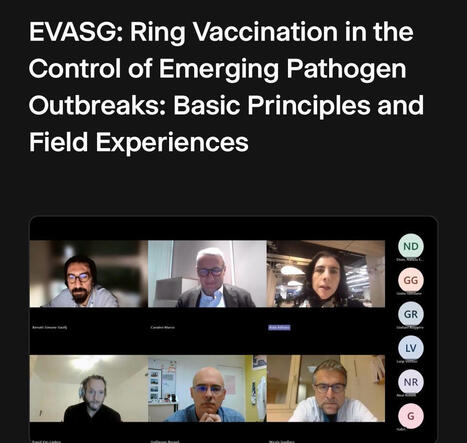
Ring vaccination strategies- a tribute to legendary Dr. William Foege who recently passed away.
His pioneering work that led to the eradication of smallpox remains a model to look at, when considering ring vaccination strategies.
Ring vaccination, which means vaccination of contacts and contacts of contacts around infected cases, has been successfully used during the Ebola outbreak in 2014-2105 in the #CaSuffit! clinical trial in Guinea, emphasizing its suitability for fast-acting vaccines and localized transmission settings.
The Ebola vaccine #Ervebo has been approved based on the pivotal evidence from the #CaSuffit! clinical trial, a milestone in clinical trial and regulatory innovation.
If you are interested to know more about ring vaccination please have a look at this ESCMID - European Society of Clinical Microbiology and Infectious Diseases #EVASG webinar:
Ring Vaccination in the Control of Emerging Pathogen Outbreaks: Basic Principles and Field Experiences,
to which I contributed together with Simone Benatti Guillaume Beraud Giulia Giordano David Van Laeken Muyembe Jean-Jacques Ruggero Giuliani
https://lnkd.in/egxkNjHw
|
|
Scooped by
Gilbert C FAURE
January 19, 4:50 AM
|
Polysaccharide conjugate vaccines: From historical milestones to future strategies.
CPSs serve as highly effective antigens in polysaccharide-based vaccines. The advent of polysaccharide-protein conjugate vaccines has marked a major public health breakthrough, saving millions of lives by eliciting robust immunity and enabling herd protection.
https://lnkd.in/eV7cCwXg
|
|
Scooped by
Gilbert C FAURE
January 15, 4:17 AM
|
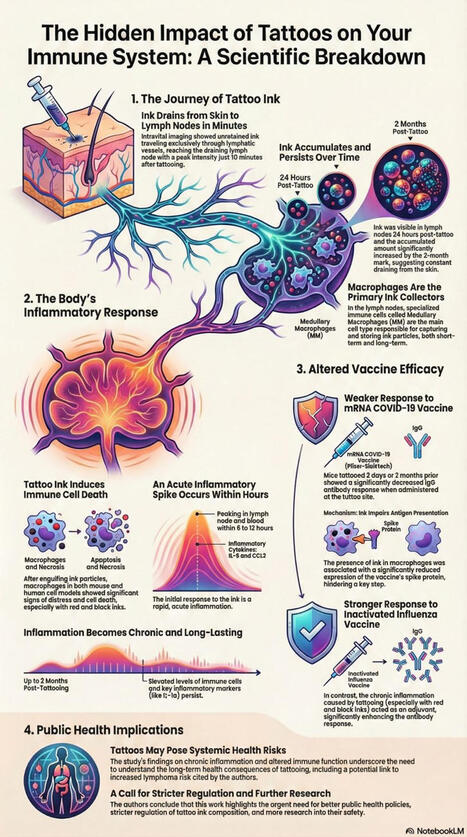
🧬 Can tattoos influence vaccine trial outcomes?
A recent PNAS (Nov, 2025) study shows that tattoo ink migrates to lymph nodes, persists for months, and alters immune function. In mouse and human immune-cell models, ink-loaded macrophages showed chronic inflammation and impaired antigen presentation.
What’s striking is the vaccine effect:
• mRNA COVID-19 vaccine → lower antibody responses
• UV-inactivated influenza vaccine → equal or even enhanced responses
So tattoos don’t just “interfere” — they shift immune behavior in a vaccine-specific way.
This raises a practical trial-design question:
Should tattoo status (location, size, or timing) be recorded—or even controlled—for—in vaccine clinical trials?
Especially for mRNA and other cell-dependent platforms, this could be a previously overlooked source of variability.
I’m curious how clinical trialists, immunologists, and biostatisticians see this.
Would this warrant stratification, exclusion, or is it noise in the real world?
#ClinicalTrials #Vaccines #Immunology #mRNA #PNAS #TattooScience #NovotechLab
Original Reference:
https://lnkd.in/gnahq4BQ
|
|
Scooped by
Gilbert C FAURE
January 12, 9:00 AM
|
|
|
Scooped by
Gilbert C FAURE
January 6, 11:25 AM
|
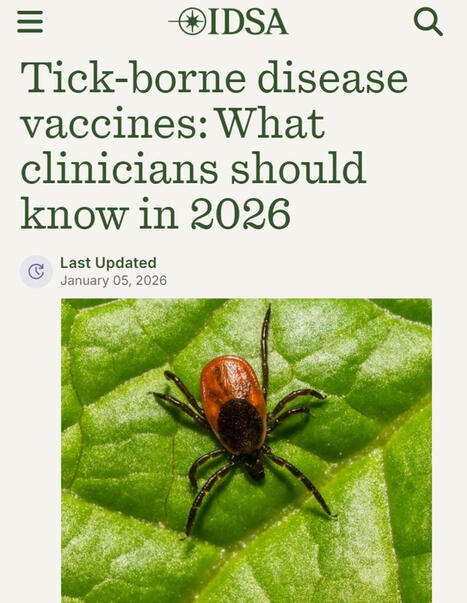
Check out my latest #ScienceSpeaks blog at Infectious Diseases Society of America #IDSA. #Tick-borne diseases like #Lyme are rising and spreading to more places, so clinicians and the public need to stay alert. I break down what’s in the #vaccine pipeline, especially the progress of late-stage #Lyme vaccine development, and what that could mean for prevention in the near future. I also highlight what we can do right now, including practical prevention such as avoiding bites, prompt tick removal, and timely evaluation and treatment.
The key message is that while better tools are coming, reducing risk today still depends on awareness, prevention, and early action.
📑 See comments section for link.
|
|
Scooped by
Gilbert C FAURE
January 6, 4:57 AM
|
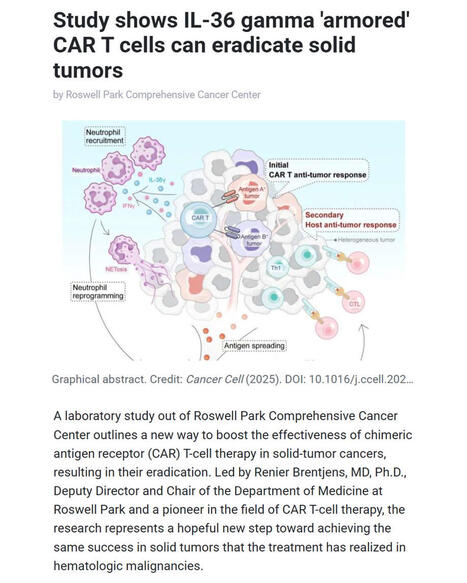
🚀 Breakthrough in CAR T-cell therapy for solid tumors
Researchers at Roswell Park Comprehensive Cancer Center report a major advance in overcoming one of #cancer #immunotherapy’s biggest challenges: treating solid #tumors with #CARTcells.
▪️ Led by Renier Brentjens, MD, PhD (Deputy Director and Chair of Medicine at Roswell Park), the team demonstrates that IL-36γ–armored CAR #Tcells can eradicate solid tumors in preclinical models by reprogramming #neutrophils to mount a powerful innate and adaptive anti-tumor #immuneresponse.
▪️ The study - published in Cancer Cell - was led by Yihan Zuo, PhD (first author) with Scott Abrams, PhD (Jacobs Family Endowed Chair of Immunology). The work shows that IL-36γ CAR T cells not only attack tumor cells directly but also drive antigen spreading, overcome tumor heterogeneity, and bypass the need for lymphodepletion, preserving neutrophils as key immune allies.
🧬 This approach offers a promising path toward extending the transformative success of CAR T-cell therapy from hematologic malignancies to solid tumors, where curative options remain limited.
🗃️ See comments for reference.
|
|
Scooped by
Gilbert C FAURE
January 4, 12:58 PM
|
Researchers at Texas Biologics, The University of Texas at Austin with international collaborators from the The University of Freiburg and Cardiff University / Prifysgol Caerdydd, have developed a novel engineered #antibody that prevents human #cytomegalovirus HMCV from hiding from the #immunesystem.
▪️ HCMV infects over 80% of the global population and, according to the Centers for Disease Control and Prevention (CDC), is the leading infectious cause of birth defects in the United States. Despite this, there is NO approved #vaccine, and current #antivirals can be toxic and prone to resistance.
▪️ Led by Prof. Jennifer Maynard with key contributions from Ahlam Qerqez and Prof. Jason McLellan, the team redesigned IgG1 #antibodies so they evade viral Fc receptors (vFcγRs) used by #HCMV to neutralize #immuneresponses while still activating natural killer (NK) cells to eliminate infected cells.
💡 Why this study is important: This work represents a paradigm shift in antiviral therapy - moving beyond targeting the #virus alone to empowering the immune system to clear infected cells. The approach could transform HCMV treatment for newborns, transplant recipients, cancer patients, and other immunocompromised populations, and may be applicable to other herpesviruses and pathogens with similar immune-evasion strategies.
🗃️ See comments section for reference.
|
|
|
Scooped by
Gilbert C FAURE
Today, 5:49 AM
|
🔬 Recent Trends in Vaccine Delivery Systems: Transforming Modern Immunization
Vaccines remain one of the most powerful tools in preventive medicine, protecting millions of lives each year.
While traditional vaccines have been highly effective, modern science is now focusing on innovative vaccine delivery systems to improve immunogenicity, stability, and targeted immune responses.
Here are some important advancements shaping the future of vaccination:
🧬 1. Subunit and Recombinant Vaccines
Instead of using whole pathogens, these vaccines use specific antigenic components such as proteins or polysaccharides.
✔ Higher safety profile
✔ Targeted immune response
✔ Reduced adverse reactions
However, these vaccines often require adjuvants to enhance immune stimulation.
💉 2. Advanced Vaccine Delivery Platforms
Modern delivery systems are being designed to optimize antigen presentation and immune activation.
Key technologies include:
• Liposomes – Lipid-based vesicles that encapsulate antigens and improve immune recognition
• Microparticles / Nanoparticles – Controlled release systems that enhance antigen stability
• ISCOMs (Immune Stimulating Complexes) – Improve antigen uptake by antigen-presenting cells
• Emulsion-based delivery systems – Facilitate sustained antigen release
These technologies help ensure better immune activation with lower antigen doses.
🧪 3. Role of Adjuvants
Adjuvants play a critical role in vaccine effectiveness by:
✔ Enhancing immune response
✔ Promoting long-lasting immunity
✔ Reducing the amount of antigen required
They function by stimulating pattern recognition receptors (PRRs) of the innate immune system, thereby strengthening adaptive immune responses.
🌍 Why This Matters
The development of advanced vaccine delivery systems is critical for:
• Emerging infectious diseases
• Pandemic preparedness
• Cancer immunotherapy
• Chronic viral infections such as hepatitis
These innovations are helping us move toward safer, more effective, and more targeted immunization strategies.
💡 Key Takeaway
The future of vaccination is not just about the antigen itself, but also about how it is delivered to the immune system.
Modern delivery platforms and adjuvants are revolutionizing vaccine science and opening new possibilities for global disease prevention.
🔗 Let’s continue advancing collaborative research in microbiology, immunology, and pharmaceutical sciences to strengthen global health security.
#Vaccines #Immunology #Microbiology #PharmaceuticalScience #PublicHealth #DrugDelivery #BiomedicalResearch #InfectiousDiseases #HealthcareInnovation
|
|
Scooped by
Gilbert C FAURE
March 14, 6:02 AM
|
Gostaria de compartilhar o artigo “A segurança e a inovação de vacinas no Brasil”, publicado na seção Tendências/Debates, na edição de 1° de março no jornal “Folha de S. Paulo", do qual sou co-autor.
O texto discute um ponto central para o futuro da saúde no país: como equilibrar proteção regulatória, ética e agilidade para permitir que a inovação nacional floresça.
Embora o Brasil possua instituições regulatórias sólidas, ainda enfrentamos desafios estruturais que impactam diretamente a competitividade científica e tecnológica. A morosidade e a assimetria regulatória acabam favorecendo grandes players internacionais e dificultando o avanço de vacinas concebidas e desenvolvidas no país.
A pandemia deixou clara a importância da soberania tecnológica em saúde. Fortalecer o ecossistema nacional de inovação exige não apenas financiamento, mas também um ambiente regulatório moderno, previsível e adaptativo.
A recente Lei 14.874/2025 e iniciativas de acompanhamento regulatório representam passos importantes. O desafio agora é transformar expectativa em implementação efetiva.
Seguimos trabalhando para que ciência, ética e desenvolvimento caminhem juntos — com protagonismo brasileiro.
https://lnkd.in/dhJ7cJg2
#Inovação #Vacinas #SaúdePública #SoberaniaTecnológica #Regulação #CiênciaBrasileira
|
|
Scooped by
Gilbert C FAURE
March 12, 5:05 AM
|
Researchers at Virginia Tech are developing a new class of #vaccines designed to block #opioids from reaching the #brain - an approach that could help address the ongoing #overdose crisis in the United States.
▫️ In a study published in the Journal of Controlled Release, a team led by Chenming Zhang , professor and Turner Faculty Fellow in the Department of Biological Systems Engineering, created a hybrid lipid-polymer #nanoparticle #vaccine that triggered stronger #immuneresponses and improved protection against #oxycodone in mice. The work was supported by The National Institutes of Health and involved contributions from undergraduate researcher Kari Cochran from the Virginia Tech College of Engineering.
▫️The vaccine uses biodegradable nanoparticles that mimic viruses in size and structure, prompting the #immunesystem to produce #antibodies that bind to opioid molecules such as oxycodone or #fentanyl. By preventing these drugs from crossing the blood–brain barrier, the approach blocks the euphoric effects that drive addiction while still allowing other medical treatments to function normally.
▫️Early findings suggest the antibodies remain active for months and could potentially be optimized to provide year-long protection. While not intended for general vaccination, the strategy could be used for individuals with opioid use disorder or those at high risk of exposure.
💡 If successful, this research could open a new frontier where vaccines are used not only to prevent #infectiousdiseases but also to address chronic conditions like #addiction, potentially reducing overdose deaths and supporting recovery.
🗃️ See comments for reference.
|
|
Scooped by
Gilbert C FAURE
March 9, 5:47 AM
|
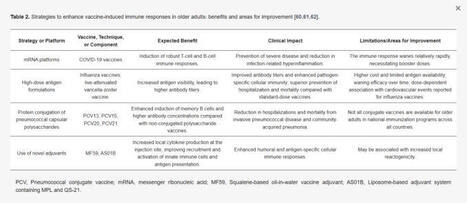
The remodeling of the immune system with age has significant implications for public health. Vaccines that are highly effective in children and young adults often elicit weaker responses in older adults, resulting in reduced protection. This challenge has spurred the development of new strategies, including high-dose formulations, vaccines with novel adjuvants that enhance antigen presentation, and antigen conjugation technologies that improve immunogenicity.
https://lnkd.in/dybunHnu
|
|
Scooped by
Gilbert C FAURE
February 20, 2:02 AM
|
𝗧𝗿𝗶𝗸𝗶𝗻𝗲𝘀: 𝗔𝗡𝗗-𝗴𝗮𝘁𝗲𝗱 𝗰𝘆𝘁𝗼𝗸𝗶𝗻𝗲𝘀 𝘁𝗼 𝗿𝗲𝗽𝗿𝗼𝗴𝗿𝗮𝗺 𝗦𝗧𝗔𝗧 𝘀𝗶𝗴𝗻𝗮𝗹𝗶𝗻𝗴
🧠 𝗔 𝗽𝗮𝗽𝗲𝗿 𝗮 𝗱𝗮𝘆 𝗸𝗲𝗲𝗽𝘀 𝗯𝗿𝗮𝗶𝗻 𝗱𝗲𝗰𝗮𝘆 𝗮𝘄𝗮𝘆 🧠
Friday 20 February 2026
𝘛𝘳𝘪𝘬𝘪𝘯𝘦𝘴 𝘢𝘳𝘦 𝘦𝘯𝘨𝘪𝘯𝘦𝘦𝘳𝘦𝘥 𝘤𝘺𝘵𝘰𝘬𝘪𝘯𝘦𝘴 𝘵𝘩𝘢𝘵 𝘧𝘰𝘳𝘤𝘦 𝘵𝘩𝘳𝘦𝘦-𝘤𝘩𝘢𝘪𝘯 𝘳𝘦𝘤𝘦𝘱𝘵𝘰𝘳 𝘢𝘴𝘴𝘦𝘮𝘣𝘭𝘺 𝘵𝘰 𝘤𝘳𝘦𝘢𝘵𝘦 𝘈𝘕𝘋-𝘨𝘢𝘵𝘦𝘥, 𝘯𝘰𝘯-𝘯𝘢𝘵𝘶𝘳𝘢𝘭 𝘚𝘛𝘈𝘛 𝘴𝘪𝘨𝘯𝘢𝘭𝘪𝘯𝘨 𝘱𝘳𝘰𝘨𝘳𝘢𝘮𝘴 𝘸𝘪𝘵𝘩𝘪𝘯 𝘴𝘪𝘯𝘨𝘭𝘦 𝘤𝘦𝘭𝘭𝘴, 𝘦𝘯𝘢𝘣𝘭𝘪𝘯𝘨 𝘱𝘳𝘦𝘤𝘪𝘴𝘦 𝘪𝘮𝘮𝘶𝘯𝘦 𝘢𝘤𝘵𝘪𝘷𝘢𝘵𝘪𝘰𝘯 𝘸𝘩𝘪𝘭𝘦 𝘱𝘳𝘦𝘴𝘦𝘳𝘷𝘪𝘯𝘨 𝘛-𝘤𝘦𝘭𝘭 𝘴𝘵𝘦𝘮𝘯𝘦𝘴𝘴 𝘢𝘯𝘥 𝘳𝘦𝘥𝘶𝘤𝘪𝘯𝘨 𝘴𝘺𝘴𝘵𝘦𝘮𝘪𝘤 𝘵𝘰𝘹𝘪𝘤𝘪𝘵𝘺 𝘸𝘪𝘵𝘩𝘰𝘶𝘵 𝘨𝘦𝘯𝘦𝘵𝘪𝘤 𝘦𝘯𝘨𝘪𝘯𝘦𝘦𝘳𝘪𝘯𝘨.
💡𝗧𝗮𝗸𝗲 𝗵𝗼𝗺𝗲 𝗺𝗲𝘀𝘀𝗮𝗴𝗲
• IL-2/21 and IL-10/2 Trikines fuse a cytokine with a receptor-binding module to recruit a third receptor chain in cis, forming tri-receptor complexes that reprogram intracellular STAT signaling within the same cell.
• IL-2/21 Trikine enforces IL-2Rβ/γc and IL-21Rα co-engagement, generating pSTAT5 with IL-21-like pSTAT3, preserving stem-like CD8 T cells, limiting exhaustion, enhancing tumor control, and avoiding IL-2–driven NK toxicity.
• IL-10/2 Trikine adds IL-2Rβ–STAT5 signaling to IL-10–driven STAT3, boosting tumor infiltration and, with PD-1 blockade, expanding cycling TILs to suppress refractory lung and pancreatic tumors.
🔥𝗜𝗺𝗽𝗮𝗰𝘁
• AND-gated Trikines could replace cytokine cocktails and cell engineering, delivering tunable STAT programs with reduced systemic toxicity to overcome immunosuppression in solid tumors.
❓𝗢𝗽𝗲𝗻 𝗾𝘂𝗲𝘀𝘁𝗶𝗼𝗻𝘀
• Which receptor-density thresholds best predict Trikine responsiveness across exhausted, stem-like, and regulatory T-cell states?
• Can modular Trikine architectures successfully decouple and exploit other pleiotropic profiles like STAT1/STAT4 pathways?
• Will human-reactive Trikines mirror murine pharmacokinetics and sustain patient TIL stemness during clinical translation
𝗥𝗲𝘄𝗶𝗿𝗶𝗻𝗴 𝗦𝗧𝗔𝗧 𝘀𝗶𝗴𝗻𝗮𝗹𝗶𝗻𝗴 𝗳𝗿𝗼𝗺 𝘁𝗵𝗲 𝗰𝗲𝗹𝗹 𝘀𝘂𝗿𝗳𝗮𝗰𝗲 𝘄𝗶𝘁𝗵 𝗧𝗿𝗶𝗸𝗶𝗻𝗲 𝗶𝗺𝗺𝘂𝗻𝗼𝘁𝗵𝗲𝗿𝗮𝗽𝗲𝘂𝘁𝗶𝗰𝘀
Grayson E. Rodriguez, Yang Zhao et al
Science, February 2026
Corresponding author: K. Christopher Garcia
🔗 𝘓𝘪𝘯𝘬 𝘵𝘰 𝘵𝘩𝘦 𝘱𝘶𝘣𝘭𝘪𝘤𝘢𝘵𝘪𝘰𝘯 𝘪𝘯 𝘤𝘰𝘮𝘮𝘦𝘯𝘵𝘴
𝘐𝘭𝘭𝘶𝘴𝘵𝘳𝘢𝘵𝘪𝘰𝘯 𝘢𝘥𝘢𝘱𝘵𝘦𝘥 𝘧𝘳𝘰𝘮 𝘵𝘩𝘦 𝘢𝘳𝘵𝘪𝘤𝘭𝘦.
𝘛𝘩𝘦 𝘰𝘱𝘪𝘯𝘪𝘰𝘯𝘴 𝘴𝘩𝘢𝘳𝘦𝘥 𝘰𝘯 𝘓𝘪𝘯𝘬𝘦𝘥𝘐𝘯 𝘢𝘳𝘦 𝘮𝘺 𝘰𝘸𝘯.
|
|
Scooped by
Gilbert C FAURE
February 16, 2:05 AM
|
End-stage organ failure requires the transplantation of a new organ. However, the number of patients awaiting donor organs exceeds the number of available organs. To address this organ shortage, solid organs, such as the kidneys, liver, heart and lungs, can be engineered based on decellularized human and non-human tissues. These decellularized scaffolds can then be recellularized with autologous or allogeneic cells and modified to ensure engraftment and function following transplantation. In this Review, we discuss the creation of decellularized neo-solid organs, including animal donor considerations, pre-decellularization processes, decellularization protocols, post-decellularization characterization, sterilization and storage conditions. We highlight various cell seeding and modification strategies and examine bioreactor culture conditions to grow functional solid organs. Finally, we outline mechanisms of transplant-recipient crosstalk and discuss challenges and opportunities for the clinical translation of engineered solid organs. New organs can be engineered based on decellularized human and animal tissues to address the global shortage of donor organs. This Review discusses design principles for the engineering of new organs using decellularized animal-derived tissues, including decellularization, functionalization and characterization protocols.
|
|
Scooped by
Gilbert C FAURE
January 22, 4:12 AM
|
How does BCG help the immune system fight cancer?
For decades, BCG immunotherapy has been a cornerstone treatment for high-risk non–muscle-invasive bladder cancer. Delivered directly into the bladder, it reduces tumor recurrence — yet what happens immunologically inside the patient has remained only partially understood.
In our new study, we show that :
- BCG activates BCG-specific CD4⁺ T cells,
- expands them systemically,
- and recruits them locally to the bladder, where they may contribute to tumor control.
- Remarkably, these immune cells can be detected in urine, opening new perspectives for non-invasive immune monitoring during treatment.
Pre-proof version of the article here 👇 :
https://lnkd.in/eeD_qP7N
Extremely grateful to an outstanding team, Paul Rollin, Benjamin Pluskwa, Emilie Artru, Tristan Le Vaslot, Daria Kartasheva (Ebertz), Diane Biron, Margaux Bossis, Fanny Onodi, Evanguelos Xylinas
and collaborators Joel LeMaoult, Nathalie Rouas-Freiss, Mathieu F. Chevalier, Cecilia Lindestam Arlehamn, Alessandro Sette, Dr.Biol.Sci., Alexandra Masson-Lecomte, François Desgrandchamps
#BladderCancer #Immunotherapy #BCG #CancerResearch #TranslationalImmunology Institut de Recherche Saint-Louis (IRSL/UMR 1342) Canceropôle Île-de-France, Association Francaise Urologie, Ligue contre le cancer, INSERM, UFR de Médecine Université Paris Cité
|
|
Scooped by
Gilbert C FAURE
January 16, 6:29 AM
|
|
|
Scooped by
Gilbert C FAURE
January 13, 12:30 PM
|
|
|
Scooped by
Gilbert C FAURE
January 8, 7:32 AM
|
🦠rHVT IBD
🐔Protection of the "Immune Engine" (Bursa of Fabricius)-
The Bursa of Fabricius is the primary organ where a chicken’s B-lymphocytes (cells that produce antibodies) develop.Infectious Bursal Disease (IBD or Gumboro) targets and destroys these cells, leading to permanent immunosuppression.
The HVT-IBD Role: Because it uses a non-pathogenic HVT vector, the vaccine does not cause bursal atrophy or lesions.By preventing the IBD virus from damaging the bursa, the vaccine preserves the bird’s "immune engine," allowing it to produce antibodies effectively against all other diseases.
📊Overcoming the "Immunity Gap"-
One of the biggest challenges in young chicks is Maternally Derived Antibodies (MDA). In traditional vaccination, high levels of MDA can neutralize a live vaccine, leaving a "gap" where the chick is unprotected once maternal immunity fades but before vaccine immunity kicks in.[3]
The HVT-IBD Role: The HVT vector is not neutralized by IBD maternal antibodies.This allows the vaccine to be administered in the hatchery (either in ovo or at day-old), ensuring that active immunity begins to develop immediately.[1][5] This "closes the gap" and provides a seamless transition from maternal protection to vaccine-induced protection.
🐣💪Early and Lifelong Foundation-
The "immune foundation" must be established as early as possible to protect the bird during its most vulnerable stage.
Early Onset: Immunity against IBD typically begins as early as 12–14 days of age.[6]
Lifelong Duration: The HVT virus stays in the bird's system for life, continuously expressing the IBD antigen (VP2 protein). This provides a permanent immune memory without the need for repeated boosters in the field, which can be stressful and costly.
💉 Enabling "Vaccine Take" for Other Diseases-
A bird with a compromised immune foundation (due to subclinical IBD) will respond poorly to other essential vaccinations, such as those for Newcastle Disease (ND) or Infectious Bronchitis (IB). The HVT-IBD Role: By preventing immunosuppression, the HVT-IBD vaccine ensures that the bird’s immune system is "primed" and healthy enough to respond vigorously to subsequent vaccines.[5] This improves the overall "take" and efficacy of the entire vaccination program.
🪬Broad Spectrum Protection-
Field strains of IBDV are constantly evolving into variant and very virulent (vvIBDV) forms.The HVT-IBD Role: Recombinant HVT-IBD vaccines provide broad protection against a wide range of strains, including classic, variant, and very virulent strains.This ensures the immune foundation is robust enough to withstand diverse environmental challenges.
🥔Reduction of Viral Shedding-
By establishing a strong immunity early, vaccinated birds shed significantly less of the field virus into the environment. This reduces the "infection pressure" in the poultry house, protecting future flocks and further stabilizing the health foundation of the entire farm.
|
|
Scooped by
Gilbert C FAURE
January 6, 11:21 AM
|
⚠️ Reduced childhood vaccination policies will likely cause spikes in preventable diseases AND may reduce uptake of recommended vaccines....
👉 Reduced coverage of Diphtheria toxoid vaccine has resulted in a resurgence in cases with a high case-fatality rate in young children and treatment relying on antitoxin (DAT) ☝ most countries lack stockpiles!
It's therefore incredibly topical and important to see this study now out in Emerging Infectious Diseases highlighting the current challenges in DAT production and procurement.
🔊 https://lnkd.in/eh3Y6jzZ
Market, Manufacturing, Procurement and Stockpiling challenges (akin to those of antivenoms), threaten global health security!
We highlight an urgent need for improved coordination, financing, and innovation in DAT supply.
⏩ A transition to monoclonal antibody therapies offers a best-in-class solution to many of these challenges........ But remains neglected!
Caroline Marshall Erin Sparrow Julien Potet World Health Organization Wellcome Trust
|
|
Scooped by
Gilbert C FAURE
January 5, 4:14 AM
|
Therapeutic T cell products and immunotherapies that target T cells require the manipulation of T cells ex vivo or in situ. Endogenous T cell functions are guided by their physical and biological interactions with other cells and tissues, occurring at the T cell membrane. Such T cell interfaces can be recapitulated using nanotechnologies and microtechnologies to precisely modulate and control T cell function. In this Review, we first discuss the structural and biochemical features of T cell interfaces at the cell and tissue levels, outlining how these interfaces dictate T cell function and fate. We then examine how T cell interfaces can be engineered at the nanoscale and microscale to create models for mechanistic studies, as well as scalable platforms for identifying, engineering, screening and sorting therapeutic T cells. Finally, we highlight key challenges and opportunities in the scaling and translation of these platforms for their integration into T cell therapy manufacturing processes. The function and fate of T cells are dictated by their various dynamic interactions with cells and tissues. This Review discusses the recreation of key T cell interfaces using nanotechnologies and microtechnologies for the mechanistic study of T cell biology, as well as the manufacturing and sorting of T cell products.
|
|
Scooped by
Gilbert C FAURE
January 4, 8:56 AM
|
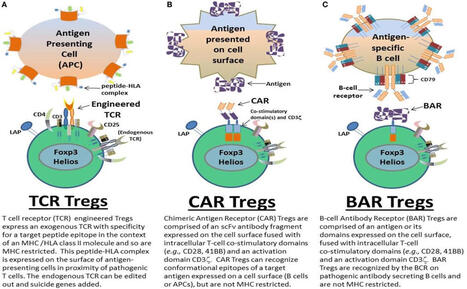
BAR T cells (B-cell Antibody Receptor T cells)
BAR T cells are engineered Regulatory T cells (Tregs) designed to treat autoimmune diseases by targeting specific antibody-producing B cells.
BAR T cells (B-cell Antibody Receptor T cells) are a type of engineered regulatory T cell (Treg) a specific receptor designed to recognize and target B-cell antigens,
notably in autoimmune diseases like hemophilia A. They function by suppressing B-cells that produce inhibitory antibodies, offering a therapeutic approach for treating harmful immune responses.
Targeting Mechanism: Similar to Chimeric Antigen Receptor (CAR) T cells, BAR T cells are engineered to bind specific pathogenic B-cell receptors (BCRs) rather than tumor antigens, allowing for highly precise, targeted immunotherapy.
BAR T cells utilize specific antigen domains (e.g., FVIII C2 domain) to bind to and suppress B-cells, often reducing the production of unwanted autoantibodies.
Process
Researchers use B-cell antibody components to create a custom receptor that allows the T-cell to bind directly to a specific autoantibody on a B-cell, rather than requiring traditional MHC antigen presentation.
The engineered BAR T cells are grown in large numbers in a laboratory, ensuring a high concentration of cells that can specifically target the disease-causing B cells.
The expanded BAR T cells are infused back into the patient.
Mechanism of action
Unlike CAR T cells that kill target cells, BAR T cells act as "living drugs" that suppress the immune response.
Upon binding the target antigen, the engineered receptor activates the regulatory T cell, which then suppresses the targeted B-cell antibody formation and immune response.
Clinical Applications
Applications: Besides hemophilia, this technology is being investigated for managing various autoimmune diseases, allergies, and other conditions involving B-cell dysfunction.
This approach is advantageous because it provides a more specific and potent alternative to broad immunosuppression, potentially leading to long-term remission in autoimmune disease patients.
Disclaimer: The information above is for informational purposes based on research studies and does not constitute medical advice.
https://lnkd.in/guctEiAc.
|