Immunology and Biotherapies
41.2K views | +1 today
Follow
 
Scooped by Gilbert C FAURE
onto Immunology and Biotherapies
July 29, 3:02 AM
Scoop.it!

Our new research has validated the MAPVac scale, a tool to measure how adults perceive microarray patches (MAPs) for vaccination! | Matthew Berger

Our new research has validated the MAPVac scale, a tool to measure how adults perceive microarray patches (MAPs) for vaccination! | Matthew Berger | Immunology and Biotherapies | Scoop.it
Our new research has validated the MAPVac scale, a tool to measure how adults perceive microarray patches (MAPs) for vaccination!
MAPs are a needle-free, less painful, and easier-to-administer method for delivering vaccines.
The MAPVac scale showed strong reliability and measures attitudes toward MAP safety, ease of use, and acceptability.
Read more: https://lnkd.in/gR3c5Xnc
Thank you to my incredible team, Dr Erin Mathieu, Dr Yu Sun Bin, Dr Cristyn Davies, Josh Harmer-Ross, Professor Ramon Z. Shaban Dr Shopna Bag, and Prof Rachel Skinner.
Sydney Infectious Diseases Institute, Medicine and Health - University of Sydney, Western Sydney Local Health District
No comment yet.
Immunology and Biotherapies
Page Ressources et Actualités du DIU immunologie et biothérapies
Your new post is loading...
Scooped by Gilbert C FAURE
December 16, 2013 2:45 AM
Scoop.it!

Resources for DIU Immunologie et Biothérapies

DIU Immunologie et Biotherapies is a french diploma associating french universities and immunology laboratories. It is dedicated to the involvement of immunology in new biotherapies, either molecular or cellular.

Gilbert C FAURE's insight:

We use Scoop.it as preferred curation tool to collect, select, comment informations flowing on the web in this rapidly evolving theme to keep teachers abreast of scientific knowledge and help students surf the wave...                                                            Feel free to be a follower!


If you are interested

in Immunology also use http://www.scoop.it/t/immunology

in Mucosal Immunity http://www.scoop.it/t/mucosal-immunity

in Flow Cytometry and Cytomics http://www.scoop.it/t/from-flow-cytometry-to-cytomics

in Allergy an Clinical Immunology http://www.scoop.it/t/allergy-and-clinical-immunology

in Autoimmunity http://www.scoop.it/t/autoimmunity


For further information on Immune monitoring of Immune therapies, 

http://www.scoop.it/t/immune-monitoring-1     by MdC


Looking for cancer applications inside this topic, use

http://www.scoop.it/t/immunology-and-biotherapies?q=cancer


Looking for cytokines and chemokines, use

http://www.scoop.it/t/cytokines-et-chimiokines


Thanks to K Maggon for joining us. @Krishan Maggon


No comment yet.
Scooped by Gilbert C FAURE
December 12, 4:06 AM
Scoop.it!

#unitc #unitc #unitc | Consortium national de recherche sur les thérapies cellulaires et géniques (UNITC)

#unitc #unitc #unitc | Consortium national de recherche sur les thérapies cellulaires et géniques (UNITC) | Immunology and Biotherapies | Scoop.it
🚀 Découvrez ou redécouvrez le site internet #UNITC : www.unitc.fr

🥇 1er Consortium national de recherche sur les thérapies cellulaires et géniques (UNITC)
Labellisé par l’Institut national du cancer et créé en 2024, #UNITC réunit tous les acteurs de l’écosystème français des thérapies cellulaires et géniques en cancérologie. #UNITC favorise la complémentarité, la transversalité et les synergies pour relever les plus grands défis actuels de la recherche et de l’accès des thérapies innovantes aux patients.

FITC - Société Française d'Immuno-Thérapie du Cancer Institut Carnot CALYM Institut Carnot OPALE SFI Société Française d'Immunologie Société Francophone de Greffe de Moelle et Thérapie Cellulaire (SFGM-TC) DESCAR-T Caroline Le Dour Magalhaes Caroline DREUILLET, PhD Roch Houot André Baruchel Emmanuel Donnadieu Romain LOYON Karin Tarte Vincent Allain Sophie Caillat-Zucman Christophe FERRAND jeremie martinet Nicolas Boissel Bertrand Arnulf Carole-Anne Brugere Pascal Deschaseaux Marion Alcantara Cécile Alanio Frédéric VILLE
No comment yet.
Scooped by Gilbert C FAURE
December 12, 3:52 AM
Scoop.it!

Durable Vaccine Immunity: mRNA and Protein-Based Platforms | Javier Casellas MD PID PhD posted on the topic | LinkedIn

Durable Vaccine Immunity: mRNA and Protein-Based Platforms | Javier Casellas MD PID PhD posted on the topic | LinkedIn | Immunology and Biotherapies | Scoop.it
#VAXVOICE Javier Casellas MD PID PhD @vaxvoice.org
LONG-LASTING VACCINE IMMNUNITY
"This review covers three topics. First, we describe the immunological foundations of durable response and its determinants (e.g., vaccine design, host, and pathogen factors). Second, we summarize the current evidence regarding the durable immune responses conferred by mRNA- and adjuvanted protein-based vaccine platforms. Lastly, we discuss the challenges in developing durable mRNA vaccines and outline future considerations."
https://lnkd.in/d78SapnH
No comment yet.
Scooped by Gilbert C FAURE
December 10, 10:18 AM
Scoop.it!

🟥 “ Hunter et al. report a gene-delivery system to generate CAR-T cells in vivo by dosing of a CD8-targeted lipid nanoparticle carrying anti-CD19 CAR mRNA . 🟥 In autoimmune models, temporary de...

🟥 “ Hunter et al. report a gene-delivery system to generate CAR-T cells in vivo by dosing of a CD8-targeted lipid nanoparticle carrying anti-CD19 CAR mRNA . 🟥 In autoimmune models, temporary de... | Immunology and Biotherapies | Scoop.it
🟥 “ Hunter et al. report a gene-delivery system to generate CAR-T cells in vivo by dosing of a CD8-targeted lipid nanoparticle carrying anti-CD19 CAR mRNA .

🟥 In autoimmune models, temporary deep B cell depletion in nonhuman primate (NHP)  led to an “immune reset,” offering a scalable, off-the-shelf, nonviral alternative to ex vivo CAR-T therapy.

🟥Researchers present an in vivo engineering strategy using targeted lipid nanoparticles (tLNPs) for messenger RNA delivery to specific T cell subsets.”

They present an in vivo engineering strategy using targeted lipid nanoparticles (tLNPs) for messenger RNA delivery to specific T cell subsets.

🟥 tLNPs reprogrammed CD8+ T cells in human and autoimmune samples, controlled tumors in mice, and depleted B cells in monkeys, with B cell recovery indicating immune reset.

🟥 By eliminating the requirements for complex ex vivo manufacturing, this tLNP platform holds the potential to make CAR T cell therapies more accessible and applicable across additional clinical indications.
No comment yet.
Scooped by Gilbert C FAURE
December 10, 10:12 AM
Scoop.it!

#car #mrna #lnp #innovation #biotech #cell #therapy | Byterna Therapeutics

#car #mrna #lnp #innovation #biotech #cell #therapy | Byterna Therapeutics | Immunology and Biotherapies | Scoop.it
🚀 Chimeric antigen receptor T cell (CAR-T) therapy has emerged as a highly efficacious treatment for refractory and relapsed hematological malignancies in recent years. However, the complex manufacturing procedures, stringent logistical requirements, and protracted production timelines associated with autologous ex vivo CAR-T cells render them costly and inaccessible to many patients.
💡 In contrast, in vivo CAR-T therapy directly delivers CAR-encoding transgenes to endogenous T cells, reprogramming them in situ. This approach obviates the need for apheresis, ex vivo cell manufacturing, and lymphodepleting chemotherapy inherent in conventional CAR-T therapy. Consequently, in vivo CAR-T represents a more efficient and economical paradigm, transforming CAR-T from individualized cellular products towards truly "ready-to-use" therapeutics.
🧬 This review from Huazhong University of Science and Technology summarizes the latest research progress in in vivo CAR cell therapies, spanning from bench to bedside, to provide insights for advancing their clinical translation.

🔗 https://lnkd.in/gK6vFpdx

⭐️ At Byterna Therapeutics, we are developing a novel class of cmRNA therapeutics to achieve "Safe, Effective, Accessible, Affordable (SEAA)" CAR-based cell therapies for global patients. For more information, please refer to https://lnkd.in/e7uBAMci

#CAR #mRNA #LNP #Innovation #Biotech #Cell #Therapy
No comment yet.
Scooped by Gilbert C FAURE
December 9, 3:36 AM
Scoop.it!

Genentech Study: RNA-LPX Vaccination for Advanced Tumors | Justin Gibson, PhD posted on the topic | LinkedIn

Genentech Study: RNA-LPX Vaccination for Advanced Tumors | Justin Gibson, PhD posted on the topic | LinkedIn | Immunology and Biotherapies | Scoop.it
🔬 New pre-print alert: I'm thrilled to share the latest findings from our group at Genentech, now live on bioRxiv!

"Recurrent RNA-lipoplex vaccination is required to sustain functional tumor-infiltrating neoantigen-specific CD8 T cells and therapeutic efficacy"

❓ The Challenge: Limited vaccine activity in established tumors
While neoantigen vaccines show promising clinical benefit in the adjuvant setting following surgical resection, their efficacy has been limited in patients with advanced solid tumors. Our pre-clinical study sought to understand why vaccine-induced T cells fail to eliminate established tumors.

🛠️ Our Approach: Tracking vaccine-induced CD8 T cells in the tumor microenvironment
Using histology, flow cytometry, and single cell RNA and TCR sequencing, we monitored the fate of RNA-lipoplex vaccine-induced CD8 TILs and changes to the TME following neoantigen vaccination.

💡 Key Findings: Vaccine-induced CD8 T cells are short-lived in the TME
- TME remodeling: Neoantigen RNA-LPX vaccination remodeled the TME, driving robust T cell infiltration and promoting a pro-inflammatory myeloid compartment. This was effective at eliminating small, immature tumors, but only delayed growth in larger, established tumors.
- Rapid T cell loss: While vaccine-induced CD8 T cells were long-lived in the blood, intratumoral T cells rapidly declined in abundance and diversity shortly after the last vaccination.
- Transcriptional signatures of dysfunction: scRNA-seq revealed that this T cell contraction was associated with a pro-apoptotic program, and the surviving TILs showed transcriptional signatures of cellular stress and impaired activation, reverting to a pre-vaccination-like state.
- Recurrent vaccination drives activity: Crucially, implementing a recurrent vaccination schedule effectively replenished the pool of proliferative and cytotoxic neoantigen-specific CD8 TILs in the tumor, leading to enhanced therapeutic efficacy and better tumor growth control.

🔗 Read the full pre-print on bioRxiv: https://lnkd.in/gYq_fB2h
No comment yet.
Scooped by Gilbert C FAURE
December 7, 4:15 AM
Scoop.it!

DENV mRNA-LNP Vaccine Development for All Serotypes | Javier Casellas MD PID PhD posted on the topic | LinkedIn

DENV mRNA-LNP Vaccine Development for All Serotypes | Javier Casellas MD PID PhD posted on the topic | LinkedIn | Immunology and Biotherapies | Scoop.it
#VAXVOICE Javier Casellas MD PID PhD @vaxvoice.org
mRNA-LNP DENV VACCINES
"We previously demonstrated that a mRNA-LNP encoding for DENV-1 prM and Envelope proteins generates homotypic neutralizing immune responses and protects against a lethal challenge. The DENV-1 vaccine avoided ADE by eliminating the fusion loop (FL), one of the dominant ADE epitopes. Using a similar design methodology, here we present mRNA-LNP prM-E vaccines for DENV 2, 3, and 4. These vaccines maintained the ∆FL modifications, but encode a chimeric E protein to improve VLP expression and stability. All three vaccines elicited neutralizing titers of serotype specific antibodies mice and protected against a lethal homotypic DENV challenge. Mutation of the FL lowered ADE in vaccinated mouse sera. We formulated monotypic vaccines into a tetravalent vaccine and evaluated for immunogenicity and protection in mice. The tetravalent vaccine elicited neutralizing humoral responses against all DENV serotypes and protected against lethal challenges. Cumulatively, our monovalent DENV mRNA-LNP vaccines against all DENV serotypes generate protective immunity and lower the potential for ADE, leading to the development of a first-generation ADE-altered tetravalent DENV vaccine. "
https://lnkd.in/dbqUWtXn
Eduardo Eugênio Bittencourt de Gomensoro
Rebecca C. Christofferson
No comment yet.
Scooped by Gilbert C FAURE
December 5, 10:23 AM
Scoop.it!

How multispecific molecules are transforming pharmacotherapy | Nature Reviews Drug Discovery

How multispecific molecules are transforming pharmacotherapy | Nature Reviews Drug Discovery | Immunology and Biotherapies | Scoop.it
Over the past several decades, the pharmaceutical industry has progressed from identifying small-molecule natural products with favourable pharmacological properties mediated by unknown molecular mechanisms, to deliberate engineering of chemical compounds and macro-molecules that alter the activities of prespecified targets in predefined ways. The past quarter century has seen the emergence of an entirely new drug category: multispecific molecular drugs that are prospectively designed to engage two or more entities to exert their pharmacological effect. This design elicits emergent properties that endow the drugs with capabilities that are inaccessible to monospecific therapies. Furthermore, these properties enable multispecific drugs to circumvent biological barriers to pharmacology, including rapid clearance, functional redundancy, on-target/off-tissue toxicity, and lack of druggable features. Here, I describe how a new wave of approved multispecific drugs is recalibrating expectations of what can be achieved through pharmacotherapy. Multispecific drugs are designed to engage two or more entities to exert their pharmacological effect. This Perspective discusses how a new wave of FDA-approved multispecific molecules have been transformative in overcoming barriers to drug development such as toxicity, rapid clearance, undruggable protein features, and functional redundancy.
No comment yet.
Scooped by Gilbert C FAURE
December 2, 4:30 AM
Scoop.it!

‘They don’t have symptoms’: CAR-T therapies send autoimmune diseases into remission | Prof. David Simon

‘They don’t have symptoms’: CAR-T therapies send autoimmune diseases into remission | Prof. David Simon | Immunology and Biotherapies | Scoop.it
Encouraging to see the rapidly evolving translational landscape of CAR-T cell therapy in autoimmune diseases highlighted in Nature. The field is progressing from first-in-human studies in lupus toward phase I/II trials in rheumatoid arthritis, systemic sclerosis, and myositis - including our ongoing efforts at Charité. These developments point toward a potential shift from continuous immunosuppression to time-limited immune reset with the prospect of sustained, treatment-free remission.

Nature: “They don’t have symptoms”: CAR-T therapies send autoimmune diseases into remission
https://lnkd.in/dc2QEThC #AutoimmuneDiseases #Rheumatology #TranslationalMedicine #Immunotherapy
No comment yet.
Scooped by Gilbert C FAURE
November 30, 4:51 AM
Scoop.it!

CAR T Cells and T-Cell Therapies for Cancer A Translational Science Review

No comment yet.
Scooped by Gilbert C FAURE
November 29, 10:06 AM
Scoop.it!

CAR-T therapy, which engineers a patient’s own immune cells, is showing promising potential to recalibrate dysregulated immunity in autoimmune disease. Early studies report reduced pathogenic B-cel...

CAR-T therapy, which engineers a patient’s own immune cells, is showing promising potential to recalibrate dysregulated immunity in autoimmune disease. Early studies report reduced pathogenic B-cel... | Immunology and Biotherapies | Scoop.it
CAR-T therapy, which engineers a patient’s own immune cells, is showing promising potential to recalibrate dysregulated immunity in autoimmune disease. Early studies report reduced pathogenic B-cell activity and sustained remission in systemic lupus erythematosus and rheumatoid arthritis. By selectively targeting autoreactive pathways rather than broadly suppressing the immune system, CAR-T introduces a more precise, disease-modifying strategy that may ultimately transform current approaches to autoimmune treatment.
No comment yet.
Scooped by Gilbert C FAURE
November 27, 3:30 AM
Scoop.it!

🎉 NEW PAPER PUBLISHED 🔬 Over a century after its introduction, the BCG vaccine continues to surprise us. Despite being given to billions of people, we still know remarkably little about what… | ...

🎉 NEW PAPER PUBLISHED 🔬 Over a century after its introduction, the BCG vaccine continues to surprise us. Despite being given to billions of people, we still know remarkably little about what… | ... | Immunology and Biotherapies | Scoop.it
🎉 NEW PAPER PUBLISHED 🔬

Over a century after its introduction, the BCG vaccine continues to surprise us. Despite being given to billions of people, we still know remarkably little about what actually happens in the skin and blood in the hours and days right after intradermal BCG vaccination. Our team set out to change that.
In this study, conducted in Guinea-Bissau, we developed and validated a completely new experimental pipeline—bringing cutting-edge “omics” technologies into a difficult low-resource setting—to map the local (skin) and systemic (blood) immunological events following BCG.

Here are some of the most exciting methodological advances:
✨ 1. Spatial transcriptomics on 2 mm skin punch biopsies from healthy volunteers with and without a BCG scar
Using Nature’s 2020 Method of the Year, we assessed gene expression within the actual tissue architecture of the skin. For the first time, we could identify which cell types in the epidermis, dermis, and hypodermis respond to BCG, and how.

✨ 2. Liquid biopsy: Cell-free RNA (cfRNA) Profiling
By capturing cell-free RNA from plasma, we non-invasively traced molecular signals released from the skin into the bloodstream. This offers the prospect of blood-based biomarkers that reflect tissue-level vaccine responses—a major step toward scalable immune monitoring.

✨ 3. Multiomics integration
We combined spatial transcriptomics, whole-blood transcriptomics, epigenetics, proteomics, metabolomics, & advanced computer-vision analysis of dermatoscopic images.

✨ 4. Precision study in a low-resource setting
From dermatoscopic imaging (using a smartphone-based system) to standardized storage/processing workflows (see Fig. 2 in the paper), we demonstrated that highly advanced immunology is possible in West Africa—opening the door for larger trials in populations where BCG’s effects matter most.

✨ 5. Capturing early immune events never previously characterized
By sampling on day 1, 7, & 14, and stratifying participants by presence/absence of pre-existing BCG scars, this project may shed light on why BCG given at birth has such profound survival benefits—and why revaccination responses differ.

Why this matters:
Most new TB vaccines build on BCG, yet the early steps of how BCG “trains” the immune system have never been fully mapped. Understanding these local and systemic events may be important for designing better vaccines—not only against TB, but potentially against a wide range of infections where BCG has shown non-specific (heterologous) benefits.

A huge thank you to our incredible collaborators across Guinea-Bissau, Denmark and Canada. And especially to the participants in Bissau who made this study possible.

If you’re interested in immunology, systems biology, vaccine innovation or (of course) vaccine epidemiology, let me hear your thoughts and/or connect with me here on LinkedIn.

📄 The full paper is available open access (link in comments) - & we have more interesting to come from this project.
Gilbert C FAURE's insight:

https://www.scoop.it/topic/immunology-and-biotherapies?q=bcg


No comment yet.
Scooped by Gilbert C FAURE
November 23, 5:07 AM
Scoop.it!

Structure and Dynamics Guiding Design of Antibody Therapeutics and Vaccines

No comment yet.
Scooped by Gilbert C FAURE
December 13, 9:41 AM
Scoop.it!

#celltherapy #autoimmunity #immunology #cart | Nicola Ferrari

#celltherapy #autoimmunity #immunology #cart | Nicola Ferrari | Immunology and Biotherapies | Scoop.it
CAR-T therapies send autoimmune diseases into remission

- CAR-T-cell therapy has been used to successfully treat people with a range of debilitating autoimmune conditions, such as ulcerative colitis, rheumatoid arthritis and lupus.

- Researchers say positive results from around a dozen studies over the past three years suggest CAR-T-cell therapy could eventually be used to treat multiple diseases in which the immune system attacks the body.

- The use of the therapy for immune conditions has exploded since 2021, when a 20-year-old woman in Germany with severe lupus became the first person with an autoimmune disorder to be treated with CAR T cells.

- CAR-T therapies have since entered phase I and II clinical trials for autoimmune conditions including systemic sclerosis, myositis and rheumatoid arthritis.

-  CAR T cells may become a more common therapy over the next few years for multiple chronic autoimmune diseases. However, while many patients have achieved remission after CAR‑T therapy, more data are needed to determine whether it offers a permanent cure and for what proportion of patients.

https://lnkd.in/evESsfec

#celltherapy #autoimmunity #immunology #CART
No comment yet.
Scooped by Gilbert C FAURE
December 12, 3:56 AM
Scoop.it!

| Alain Marrot

| Alain Marrot | Immunology and Biotherapies | Scoop.it
Sign in or join now to see posts like this one and more.
No comment yet.
Scooped by Gilbert C FAURE
December 10, 10:16 AM
Scoop.it!

#md_immunol #car #therapy #solid #tumors #immunosuppressive #tumor #microenvironment | Maryam Diba | 13 comments

#md_immunol #car #therapy #solid #tumors #immunosuppressive #tumor #microenvironment | Maryam Diba | 13 comments | Immunology and Biotherapies | Scoop.it
🟧🟪 𝑪𝑨𝑹-𝑻 𝒕𝒉𝒆𝒓𝒂𝒑𝒚 𝒊𝒏 𝒔𝒐𝒍𝒊𝒅 𝒕𝒖𝒎𝒐𝒓𝒔

#MD_immunol

https://lnkd.in/dkrCJqGe

🟣 #CAR-T #therapy is highly effective in blood cancers but faces significant hurdles in #solid #tumors due to tumor antigen diversity and an #immunosuppressive #tumor #microenvironment (TME) that limits CAR-T cell trafficking, persistence, and activity.

🟣 Researchers developed CAR-T cells targeting PD-L1 to overcome tumor immune suppression, showing strong tumor reduction in breast, lung, melanoma, and glioblastoma models.

🟣 A major breakthrough is the engineering of CAR-T cells to deliver a dual protein therapy combining IL-12 (which boosts immune activation) and a PD-L1 blocker (an immune checkpoint inhibitor). This fusion protein targets tumors locally, enhancing efficacy and safety by concentrating immune activation at the tumor site, reducing systemic toxicity

🟣 This strategy has shown promising results in preclinical models of prostate and ovarian cancers and is being explored for pancreatic, colorectal, and brain tumors.

🟣 Another exciting development is the creation of CAR-T therapies targeting PD-L1, which not only helps attack tumor cells but also modifies the immunosuppressive TME to enhance CAR-T cell infiltration and activity.

🟣 Key strategies to improve CAR-T efficacy in solid tumors include
🔶️ enhancing T cell persistence

🔶️targeting multiple tumor antigens simultaneously (dual- or multi-antigen targeting)

🔶️and the development of allogeneic ("off-the-shelf") CAR-T cells to improve accessibility and reduce costs.

🟣 Combining CAR-T therapy with immune checkpoint inhibitors and other immunotherapies is being explored to further counteract the suppressive TME.

🟣 Nanotechnology applications, such as
🔶️ mRNA lipid nanoparticles (mRNA-LNPs)

🔶️ nanocarriers, and nanobackpacks,

🔶️ improve CAR-T engineering,

🔶️tumor targeting,

🔶️ precision in activation and cytokine profiling;
however, safety management of nanomedicine is crucial for clinical use.

🟣 Structural CAR-T innovations like cytokine-armored and protease-regulated CARs improve tumor penetration and function in tough TME .

🟣 Novel manufacturing methods (e.g., Sleeping Beauty transposon system, mRNA-based CAR transfection, in vivo CAR-T production) offer scalable, faster, and potentially less expensive production of CAR-T cells.

🟣 Administering multiple doses of short-lived CAR-T cells can prevent T cell exhaustion and maintain effective immune responses.

🟣 Clinical trials for solid tumors show limited success due to poor CAR-T cell trafficking and infiltration caused by lack of chemokines, inflammatory signals, and physical tumor barriers like dense extracellular matrix.

🟣 Despite challenges, growing clinical experience and ongoing innovations are moving CAR-T therapy for solid tumors closer to becoming an effective treatment with promising future potential.

👉🔶️See the graphical abstract for more information. | 13 comments on LinkedIn
No comment yet.
Scooped by Gilbert C FAURE
December 10, 9:48 AM
Scoop.it!

ce nouveau vaccin ferait durer les anticorps trois fois plus longtemps que les anciens - France | République française

ce nouveau vaccin ferait durer les anticorps trois fois plus longtemps que les anciens - France | République française | Immunology and Biotherapies | Scoop.it
Il n’est pas sorti hier, mais en vaccinologie, un vaccin qui souffle tout juste ses deux bougies est encore considéré comme neuf.En effet, il s’agit de la...
No comment yet.
Scooped by Gilbert C FAURE
December 8, 6:29 AM
Scoop.it!

In a 2025 experimental study published in Nature, researchers demonstrated that aspirin suppresses cancer metastasis by blocking a platelet-derived molecule called thromboxane A2 (TXA2), which… | C...

In a 2025 experimental study published in Nature, researchers demonstrated that aspirin suppresses cancer metastasis by blocking a platelet-derived molecule called thromboxane A2 (TXA2), which… | C... | Immunology and Biotherapies | Scoop.it
In a 2025 experimental study published in Nature, researchers demonstrated that aspirin suppresses cancer metastasis by blocking a platelet-derived molecule called thromboxane A2 (TXA2), which normally shuts down anti-tumor T-cell activity. The study showed that platelets release TXA2 into the circulation, where it binds to receptors on CD8+ T cells and activates an intracellular suppressor protein called ARHGEF1. This signaling pathway directly weakens T-cell receptor kinase activation, reduces cytokine release, and suppresses the ability of T cells to recognize and kill circulating tumor cells during the metastatic phase.

Using multiple mouse models of melanoma and lung cancer, the researchers showed that genetic deletion of ARHGEF1 in T cells caused a dramatic increase in T-cell activation at metastatic sites and led to immune-mediated rejection of lung and liver metastases. When aspirin or selective COX-1 inhibitors were given, platelet COX-1 activity was irreversibly blocked, TXA2 production fell sharply, and T-cell suppression was lifted. This restored cytotoxic T-cell function and resulted in a major reduction in metastatic burden—but only in animals with intact T-cell immunity, proving the effect is immune-driven rather than a direct tumor-killing action of aspirin.

Crucially, the anti-metastatic effect of aspirin completely disappeared in animals lacking functional T cells or in models where ARHGEF1 signaling could not be engaged, confirming that aspirin works by releasing T cells from platelet-mediated immune paralysis. The study provides a precise biological explanation for decades of clinical observations linking low-dose aspirin to reduced cancer spread and mortality. It also establishes the platelet TXA2–COX-1–ARHGEF1 axis as a newly validated immune-suppressive checkpoint that could be targeted to enhance future anti-metastatic immunotherapies.
No comment yet.
Scooped by Gilbert C FAURE
December 7, 4:12 AM
Scoop.it!

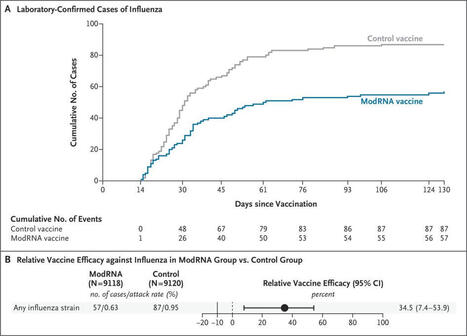
#influenza #flu #fluvaccine #mrna | Jennifer Dowd

#influenza #flu #fluvaccine #mrna | Jennifer Dowd | Immunology and Biotherapies | Scoop.it
mRNA flu vaccine coming in hot! Look at the separation of those curves 🤩
Bonus points for not needing to be grown in eggs....

https://lnkd.in/eSTKsddY
#influenza #flu #fluvaccine #mRNA
No comment yet.
Scooped by Gilbert C FAURE
December 5, 9:53 AM
Scoop.it!

Antibodies MDPI - Read the Article now➡️ Immune-Related...

Antibodies MDPI - Read the Article now➡️ Immune-Related... | Immunology and Biotherapies | Scoop.it
Read the Article now➡️
Immune-Related Adverse Events Associated with Atezolizumab: Insights from Real-World Pharmacovigilance Data
By Connor Frey and Mahyar Etminan
The link: https://bit.ly/4ar94bW
No comment yet.
Scooped by Gilbert C FAURE
November 30, 7:38 AM
Scoop.it!

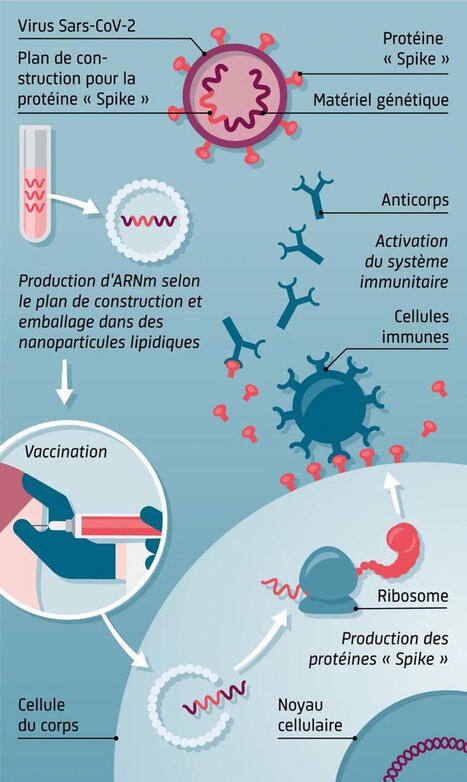
Cette illustration explique le principe des vaccins à ARNm, une technologie innovante qui a joué un rôle majeur dans la réponse contre le SARS-CoV-2. 1. Identifier la cible : la protéine Spike Le…...

Cette illustration explique le principe des vaccins à ARNm, une technologie innovante qui a joué un rôle majeur dans la réponse contre le SARS-CoV-2. 1. Identifier la cible : la protéine Spike Le…... | Immunology and Biotherapies | Scoop.it
Cette illustration explique le principe des vaccins à ARNm, une technologie innovante qui a joué un rôle majeur dans la réponse contre le SARS-CoV-2.
1. Identifier la cible : la protéine Spike
Le virus SARS-CoV-2 porte une protéine appelée Spike, essentielle pour infecter les cellules humaines.
Les scientifiques récupèrent uniquement le plan génétique permettant de fabriquer cette protéine.
2. Production de l’ARN messager
Ce plan est utilisé pour fabriquer en laboratoire un ARN messager (ARNm) synthétique.
Cet ARNm est ensuite protégé et transporté par des nanoparticules lipidiques.
3. Vaccination
Lors de l’injection, les nanoparticules déposent l’ARNm dans nos cellules.
➡️ l’ARNm ne pénètre pas dans le noyau et ne modifie pas l’ADN.
4. Production de la protéine Spike
Les ribosomes de nos cellules lisent cet ARNm et produisent temporairement la protéine Spike.
Cette protéine seule est inoffensive, mais elle sert d’entraînement au système immunitaire.
5. Activation du système immunitaire
Les cellules immunitaires reconnaissent cette protéine comme étrangère et fabriquent : des anticorps et des lymphocytes mémoire.
Résultat : une protection rapide et efficace
En cas de contact ultérieur avec le vrai virus, le système immunitaire réagit immédiatement, empêchant l’infection ou réduisant sa gravité.
No comment yet.
Scooped by Gilbert C FAURE
November 30, 3:31 AM
Scoop.it!

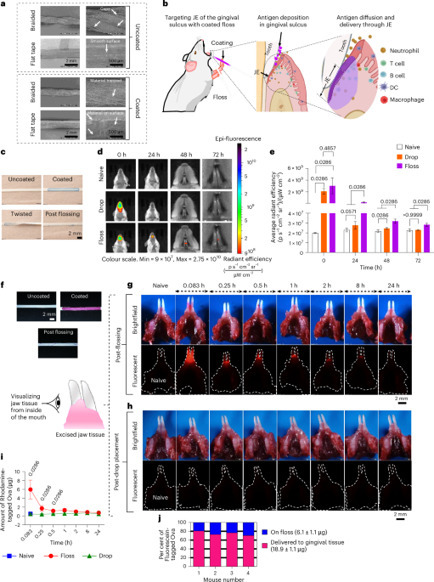
Floss-based vaccination targets the gingival sulcus for mucosal and systemic immunization - Nature Biomedical Engineering | IFRO Odontologie

Floss-based vaccination targets the gingival sulcus for mucosal and systemic immunization - Nature Biomedical Engineering | IFRO Odontologie | Immunology and Biotherapies | Scoop.it
Un vaccin sans aiguille, grâce à du fil dentaire ? C’est possible !
➡️ Une étude récemment publiée dans le journal Nature Biomedical Engineering (Impact Factor 26,6) a montré qu’un fil dentaire enduit d’antigènes pouvait délivrer un vaccin via l’épithélium jonctionnel, induisant une réponse immunitaire forte et durable contre le virus de la grippe. Son efficacité est comparable à la vaccination intranasale.
💡 Pourquoi c’est une révolution ? Vaccination orale, simple, sans aiguille, sans douleur, potentiellement réalisable chez le dentiste ou à la maison. 
🔗 L’étude complète ici : https://lnkd.in/dp3a5VUT
No comment yet.
Scooped by Gilbert C FAURE
November 29, 5:02 AM
Scoop.it!

#carnkt #celltherapy #immunotherapy #biotech #futureofmedicine #cancerresearch #innovation #nextgentherapies | Michel Frank Ferrazo

#carnkt #celltherapy #immunotherapy #biotech #futureofmedicine #cancerresearch #innovation #nextgentherapies | Michel Frank Ferrazo | Immunology and Biotherapies | Scoop.it
✨ Can a new type of immune cell help us fight cancer more safely? Meet CAR-NKT cells.
In November 2024, researchers published a landmark study in Nature Biotechnology introducing a powerful new approach to engineer CAR-NKT cells a next-generation immune therapy designed to target cancer more precisely and with fewer side effects.
🧬 What makes CAR-NKT cells different?
Unlike CAR-T cells, which rely on a strong adaptive immune response, NKT cells are hybrid players part innate, part adaptive. This gives them a unique “dual identity”:
• ⚡ Rapid response to tumors
• 🎯 More targeted killing
• 🛡️ Lower risk of graft-versus-host disease
• 🌐 Potential for “off-the-shelf” manufacturing
The 2024 study demonstrated a new way to produce AlloCAR-NKT cells at scale with high purity, strong tumor control, and sustained activity in preclinical models. This brings us one step closer to universal cell therapies that don’t require personalized manufacturing.
💡 Why should the general public care?
Because this technology could eventually lead to:
• More accessible cell therapies
• Fewer side effects
• Broader applications even beyond cancer
• Faster, more affordable treatment options
We’re not there yet but the progress is real, and the momentum is strong.
The future of cell therapy might not just be smarter… it might finally become accessible to everyone.
What’s your impression of this new wave of immune-engineered therapies?
👇 Let’s talk in the comments.
Li Y-R, Zhou K, Lee D, Zhu Y, Halladay T, Yu J, et al.
Generation of allogeneic CAR-NKT cells from hematopoietic stem and progenitor cells using a clinically guided culture method for cancer immunotherapy.
Nature Biotechnology. 2024; publicado em 14 maio 2024. 
#CARNKT #CellTherapy #Immunotherapy #Biotech #FutureOfMedicine #CancerResearch #Innovation #NextGenTherapies
No comment yet.
Scooped by Gilbert C FAURE
November 26, 4:21 AM
Scoop.it!

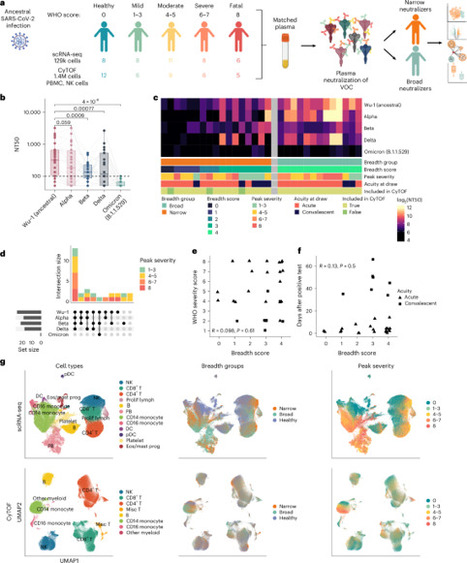
Interferon-mediated NK cell activation increases cytolytic activity against T follicular helper cells and limits antibody response to SARS-CoV-2 - Nature Immunology | Jean Daniel Lelièvre

Interferon-mediated NK cell activation increases cytolytic activity against T follicular helper cells and limits antibody response to SARS-CoV-2 - Nature Immunology | Jean Daniel Lelièvre | Immunology and Biotherapies | Scoop.it
HOW NK CELLS IMPACT ANTIBODY RESPONSE AFTER VACCINATION

Natural killer (NK) cells play a central role in innate immunity, yet their role in the vaccine response has long been marginalized. Several studies have demonstrated NK cell activation following vaccination against influenza, tuberculosis, yellow fever, malaria, and COVID-19. Beyond their cytotoxic function, NK cells are likely to impact the response to vaccination by modulating the adaptive response, in particular by negatively affecting the T-cell response. The present Nature Immunology article also discusses their deleterious effect on the antibody response.

The authors explain how due to different activation of NK cell populations some people develop broad, variant-cross-neutralizing antibodies after SARS-CoV-2 infection — and why others don’t. They showed that

In individuals with poor antibody breadth:
--> NK cells were more abundant and strongly IFN-activated
--> They expressed high levels of ISGs, NKG2D, NKp30, and cytotoxic molecules
--> These NK cells more effectively killed TFH cells, which are essential for affinity maturation

In individuals with broad antibody breadth:
--> NK cells were fewer, less cytotoxic, and showed an immature/proliferative phenotype
--> TFH cells were preserved

The accompanying News & Views emphasizes that high inflammation and IFN drive NK cells into “super-killer” mode, undermining the development of broad antibodies.

#NKcells #Vaccin #COVID19

https://lnkd.in/eCrbwNvv
No comment yet.
Scooped by Gilbert C FAURE
November 22, 2:51 AM
Scoop.it!

Sci Hub China - Chinese scientists have announced a major...

Sci Hub China - Chinese scientists have announced a major... | Immunology and Biotherapies | Scoop.it
No comment yet.