



Unintended consequences
In the social sciences, unintended consequences (sometimes unanticipated consequences or unforeseen consequences) are outcomes that are not the ones intended by a purposeful action. The term was popularised in the 20th century by American sociologist Robert K. Merton. Unintended consequences can be roughly grouped into three types: A positive, unexpected benefit (usually referred to as luck, serendipity or a windfall).

- A positive, unexpected benefit (usually referred to as luck, serendipity or a windfall).
- A negative, unexpected detriment occurring in addition to the desired effect of the policy (e.g., while irrigation schemes provide people with water for agriculture, they can increase waterborne diseases that have devastating health effects, such as schistosomiasis).
- A perverse effect contrary to what was originally intended (when an intended solution makes a problem worse)


 Your new post is loading...
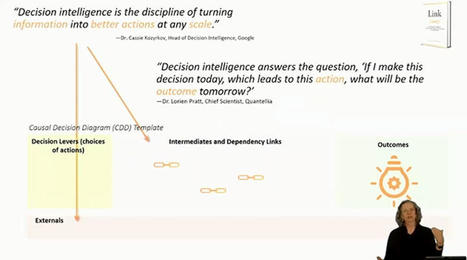

























A good place to start to understand unintended consequences patterns.