



From
hbr
"As organizations gain more intelligence from AI, leaders risk losing the judgment needed to challenge, contextualize, and ultimately improve decisions."


 Your new post is loading...
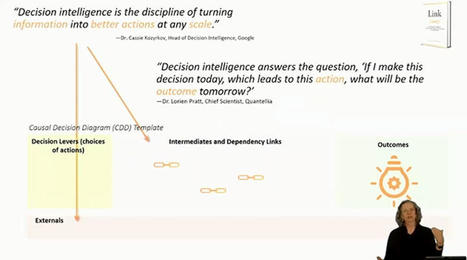








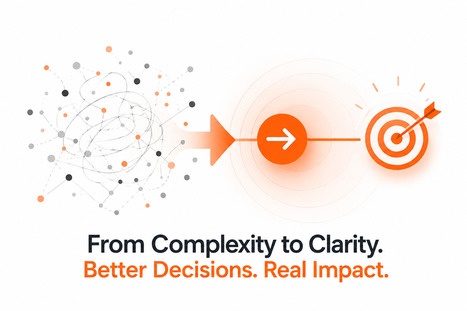









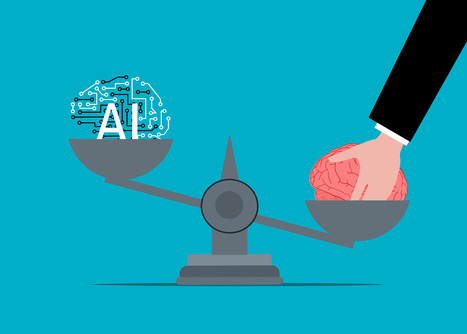






This article highlights the risk that sophisticated decision-support systems are training leaders to defer to systems rather than exercising their own judgment. As organizations embed AI into more decision-making processes, there is a growing risk that human judgment becomes passive, with leaders accepting persuasive-sounding recommendations without sufficient challenge or contextual reasoning due to cognitive offloading and automation bias. This reinforces the importance of designing decision systems that preserve human judgement, make reasoning transparent, and ensure AI augments, rather than replaces, sound judgment. Contributor: Michael Redford.