


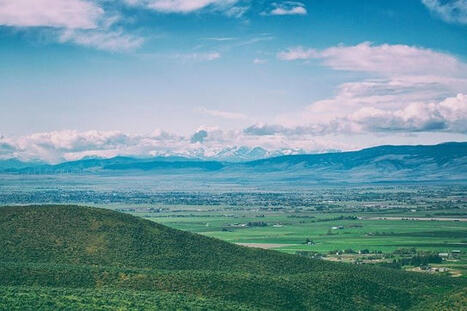

"Three consecutive drought years have tested every assumption built into the [Yakima River Basin's] governance framework. A fourth drought year in 2026 has just been declared.
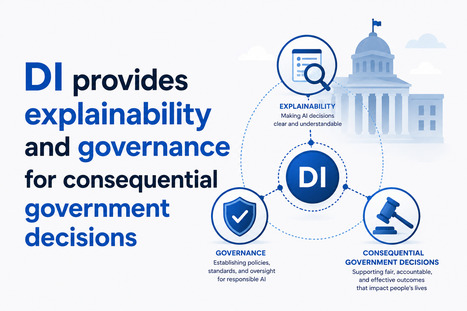
Against this backdrop, decision intelligence (DI) has a specific and urgent role to play.
...
We will build a DI design through the construction of a causal decision diagram (CDD), which shows factors that cause different outcomes, variables that can be controlled, and where models or data feed into the decision process."


 Your new post is loading...
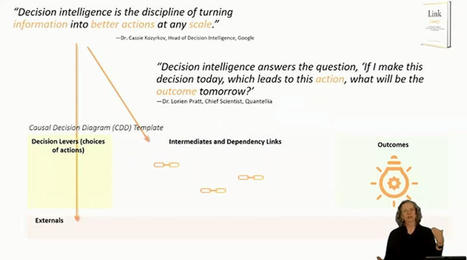





























This applies DI to a real-world decision with complex ecological and humanitarian ramifications by walking through the process of building a CDD for the decision. It's especially useful as an example that carefully considers and clearly communicates areas where existing models, datasets, constraints, and metrics naturally fit into the decision model being built. DI is powerful as a connective tissue between people, data, actions, and outcomes, backed by solid engineering at every step, and Lagally demonstrates that here. Contributor: Isaac Kellogg.