


"One of DI's most important contributions is that it insists that good decisions rest on causal understanding, not just statistical association. I assert that this insistence is what makes a decision-making process ethical
...
But why is causal inference crucial to ethical decision-making? The ecological fallacy points to this answer. The ecological fallacy is the mistaken assumption that an effect measured on average across a group applies equally to every member of that group (or, conversely, that an effect observed in a few individuals will scale up to the whole population). Picture a pond full of frogs..."


 Your new post is loading...
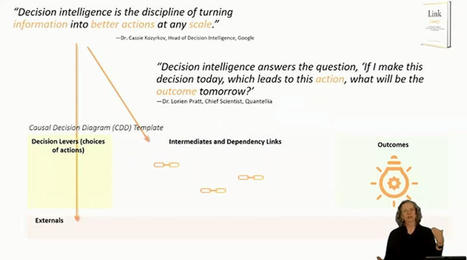











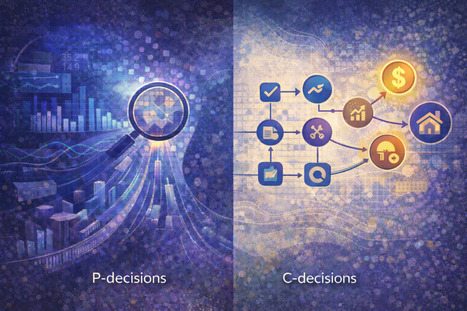

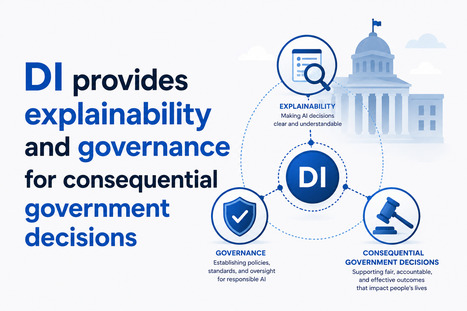












Lagally puts the interdisciplinary value of Decision Intelligence into practice by considering one of its fundamental tools, the causal decision model, within the broader context of decision ethics, grounded in realistic examples of ecological policy and intervention. What are the ethical implications of statistical estimation vs. causal inference? What makes a decision ethical in the first place? Lagally navigates these questions and presents a concise argument with an eye for concrete outcomes, relevant examples, and realistic limitations. Contributor: Isaac Kellogg.