


What happens when predictive analytics tell us which students are at risk, but not what will prevent them from failing? Research led by Bernadette Howlett, PhD, of HTD Data Services, explored what may be one of the first documented applications of Decision Intelligence (DI) in higher education. Presented at EDUCAUSE 2026, the faculty-led ecosystem moved beyond prediction to connect insights with targeted interventions, measure what works, and continuously improve decisions. Using AI-enabled, closed-loop systems, the approach enabled faculty to test strategies, optimize interventions in real time, and scale evidence-based practices, positioning prediction not as the endpoint of analytics, but as the beginning of an action-and-learning cycle. Among 2,583 first-term, undergraduate, students, the cumulative course pass rate across 13 different courses was 6.9% higher for students receiving the Decision Intelligence intervention compared with matched controls (p < .001).


 Your new post is loading...
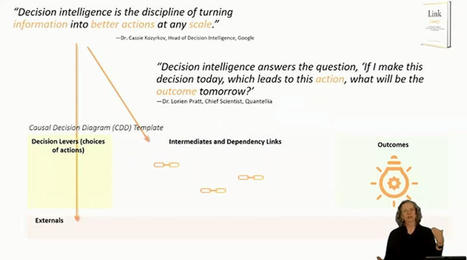


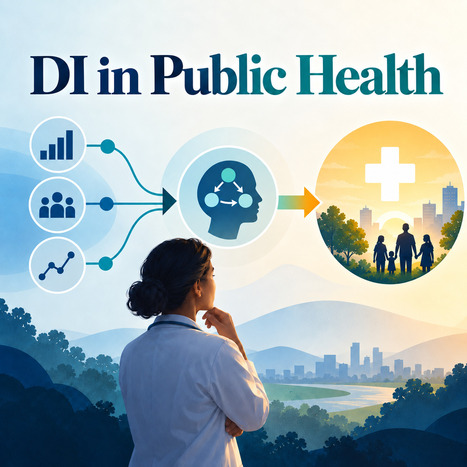






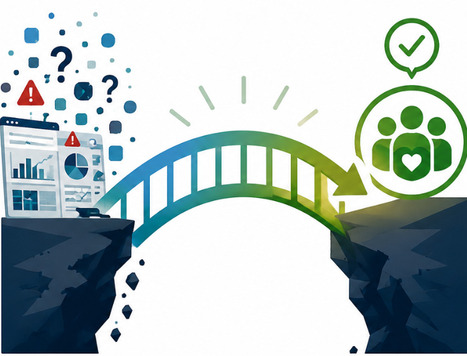


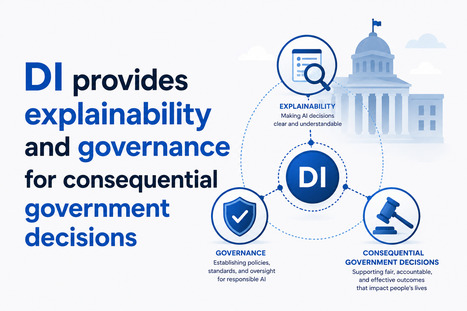





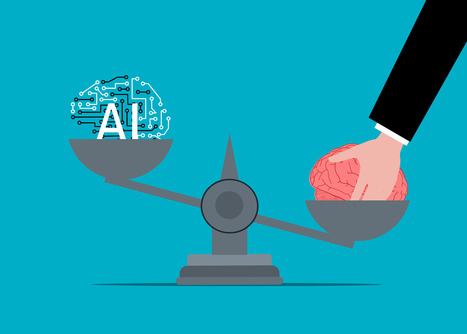






Early course failure can have consequences far beyond a single assessment, particularly for first-term students attempting their first objective assessment. Students who fail their first objective exam often leave college with debt but no degree, particularly students who are also first-generation college attenders and/or who come from under-resourced circumstances. Furthermore, faculty members lack time to search through student records and formulate effective proactive outreach. Too often students are not supported until after they have failed. Decision Intelligence helps close this critical gap between identifying risk and taking effective action, giving faculty timely, evidence-informed options to support students when intervention matters most. And most importantly... keeping humans at the center and in control. Contributor: Bernadette Howlett