




“Despite advances in clinical care, technology, and health system infrastructure, maternal deaths [in the United States] remain higher than in most other high-income nations… Black women, in particular, continue to experience maternal mortality rates that far exceed those of their White counterparts, even after adjusting for socioeconomic status and education.” The authors further explained, “While advances in machine learning have improved the prediction of obstetric complications, these models rarely translate into actionable operational decisions.” As such, “Gradient boosting models were used to predict postpartum hemorrhage risk and short-term resource demand. These predictions were then incorporated into a reinforcement learning–based optimization system to guide dynamic resource allocation.” And the results indicated important positive outcomes: “Causal analysis indicated that adequate resource availability was associated with a 21% reduction in severe maternal morbidity (ARR = 0.79; 95% CI: 0.72–0.87), with stronger effects in structurally vulnerable populations.”


 Your new post is loading...
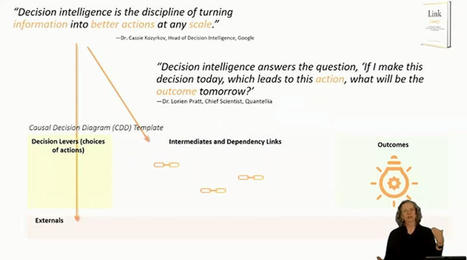


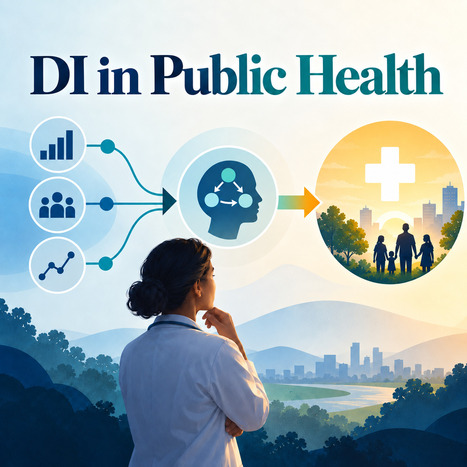







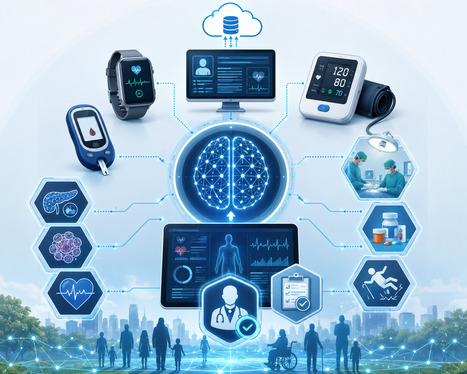













Decision intelligence can be used to improve operational readiness in hospitals (and perhaps other settings), which is often overlooked as an intervention. Important positive impacts can be achieved on serious health problems, including maternal morbidity and mortality. As the authors stated, hospitals “do not act on probabilities alone. They act on resources – what is available, what is not, and what can be mobilized in time. A model that predicts hemorrhage risk without informing resource allocation risks becoming, in a sense, informationally rich but operationally incomplete.” This study demonstrated the wisdom of using decision intelligence to translate data and technology to the operational reality of a hospital, and the harm prevention that can be achieved by doing so. Contributor: Bernadette Howlett.