Giant planets like Uranus and Neptune may contain much less free hydrogen than previously assumed. Researchers from the German Helmholtz-Zentrum Dresden-Rossendorf (HZDR) drove shock waves through two different types of plastic to reach the same temperatures and pressures present inside such planets, and observed the behavior using ultra-strong X-ray laser pulses. Unexpectedly, one of these plastics kept its crystalline structure even at the most extreme pressures reached. Since the icy giant interiors are made up of the same components as the plastic, planetary models may need to be partially reconsidered, as reported in the journal Scientific Reports (doi: 10.1038/s41598-019-40782-5).
Carbon and hydrogen are among the most abundant elements in the universe, and are a major constituent of icy giant planets such as Uranus and Neptune. In the outer atmosphere, these atoms are found in the form of methane gas, but deeper inside the high pressure can lead to more complex hydrocarbon structures. Predicting the phases and structures that material takes at these conditions is one of the big questions of planetary research.
In order to better understand the structure of the ice giants, an international team led by the two HZDR researchers Dr. Nicholas Hartley and Dr. Dominik Kraus investigated two types of plastic in a laboratory experiment: polystyrene and polyethylene. These materials are similar in chemistry to the hydrocarbon inside the planets. At the SLAC National Accelerator Laboratory in the US, the scientists exposed the samples to conditions predicted to be present around ten thousand kilometers below the surface of Neptune and Uranus. At this depth, the pressure is almost as high as in the core of the earth and two million times higher than the atmospheric pressure on the earth's surface.
At such high pressures and temperatures, the only possible structure that the researchers expected was diamond, or that the samples would be melted. Instead, they observed stable hydrocarbon structures up to the highest pressures reached, but only for the polyethylene samples. “We were very surprised by this result,” says Hartley. “We did not expect the different initial state to make such a big difference at such extreme conditions. It’s only recently, with the development of brighter X-ray sources, that we’re able to study these materials. We were the first to think that it might be possible – and it was.”
Brown dwarfs are stars less massive than the sun and unable to burn hydrogen. They comprise (at least in mass) a bridge between planets and stars, and astronomers think that they form and evolve in ways different from either planets or stars. Gravitational microlensing is an excellent method for detecting them because it does not depend on their light, which is dim, but rather their mass. When the path of light from a star passes by a brown dwarf acting as a lens, it is magnified into a distorted image, like an object seen through the stem of a wineglass, allowing the detection and characterization of the lensing object. Thirty-two brown dwarfs have been detected by microlensing so far. Five are in isolation, but most are in binary systems, companions to faint M-dwarf stars. They provide important constraints on brown dwarf formation scenarios.
The critical parameter of a brown dwarf is its mass, but it is difficult to measure the mass of a lens using microlensing. Using this method, one measures the magnified and distorted stellar image as it changed in time (it varies as the Earth's vantage point moves), but the technique offers no handle on the distance, and the larger the distance, the larger is the mass needed to generate the same-sized distortion. Recognizing this problem, scientists had predicted that if it ever became possible to observe a microlensing flash from two well-separated vantage points, a parallax measurement (the apparent angular difference between the positions of the star as seen from the two separated sites) would determine the distance of the dark object.
The Spitzer Space Telescope circles the Sun in an Earth-trailing orbit, and is currently 1.66 astronomical units away from Earth (one AU is the average distance of the Earth from the Sun). Spitzer is unique in this capability, and it has in fact been used successfully to measure the parallax distance for hundreds of microlensing events, thereby helping to determine the masses of the lenses.
CfA astronomers Jennifer Yee and In-Gu Shin were members of a large team of microlensing astronomers who used Spitzer together with ground-based telescopes to study an unusual microlensing event. The object, MOA-2016-BLG-231, is located 9400 light-years away in the disk of our galaxy. The shape of its distorted light curve reveals it probably to be a pair of brown dwarfs of masses approximately twenty-one and nine Jupiter-masses, respectively (the smaller one is right at the lower mass limit for being a brown dwarf rather than a giant planet). This is only the fifth brown dwarf binary system discovered in which both objects are brown dwarfs; improved statistics enable astronomers to address the formation mechanisms needed.
Drug combinations, offering increased therapeutic efficacy and reduced toxicity, play an important role in treating multiple complex diseases. Yet, our ability to identify and validate effective combinations is limited by a combinatorial explosion, driven by both the large number of drug pairs as well as dosage combinations.
Scientists now propose a network-based methodology to identify clinically efficacious drug combinations for specific diseases. By quantifying the network-based relationship between drug targets and disease proteins in the human protein–protein interactome, they are able to show the existence of six distinct classes of drug–drug–disease combinations. Relying on approved drug combinations for hypertension and cancer, they find that only one of the six classes correlates with therapeutic effects: if the targets of the drugs both hit disease module, but target separate neighborhoods. This finding allows now to identify and validate antihypertensive combinations, offering a generic, powerful network methodology to identify efficacious combination therapies in drug development.
Reference: Network-based prediction of drug combinations Feixiong Cheng, István A. Kovács & Albert-László Barabási Nature Communications volume 10, Article number: 1197 (2019).
All descriptions of change are a unique blend of chance and determinism, according to the sweeping mathematical proof of the “weak Pinsker conjecture.
Iagine a garden filled with every variety of flower in the world — delicate orchids, towering sunflowers, the waxy blossoms of the saguaro cactus and the corpse flower’s putrid eruptions. Now imagine that all that floral diversity reduced to just two varieties, and that by crossbreeding those two you could produce all the rest.
That is the nature of one of the most sweeping results in mathematics in recent years. It’s a proof by Tim Austin, a mathematician at the University of California, Los Angeles. Instead of flowers, Austin’s work has to do with some of the most-studied objects in mathematics: the mathematical descriptions of change. These descriptions, known as dynamical systems, apply to everything from the motion of the planets to fluctuations of the stock market. Wherever dynamical systems occur, mathematicians want to understand basic facts about them. And one of the most basic facts of all is whether dynamical systems, no matter how complex, can be broken up into random and deterministic elements.
This question is the subject of the “weak Pinsker conjecture,” which was first posed in the 1970s. Austin’s proof of the conjecture provides an elegantly intuitive lens through which to think about all manner of bewildering phenomena. He showed that at their heart, each of these dynamical systems is its own blend of chance and determinism.
Hepatitis C, a disease characterized by damaging liver inflammation due to chronic infection with the Hepatitis C Virus (HCV), affects more than 71 million people worldwide and represents a major burden on global health. While antiviral agents are capable of curing HCV infection in most patients, the high cost of medications and the risk of generating drug-resistant mutants warrants the production of an effective vaccine against the virus.
Researchers from Madrid, Spain and Stockholm, Sweden recently demonstrated that an HCV vaccine harnessing a new delivery approach is capable of inducing a potent antiviral immune response in mice. The vaccine strategy involved initial immunization with a viral vector optimized to trigger and amplify HCV-specific responses by a branch of white blood cells known as T cells, followed by booster immunizations with a different viral vector intended to strengthen and extend the antiviral immune response.
The vaccine also promoted the production of antibody against the virus. T cell- and antibody-mediated antiviral immunity were found to be significantly stronger than that generated by existing vaccine candidates.
The development of an effective and affordable HCV vaccine will enable the prevention and resolution of infection by this destructive virus worldwide.
Marin MQ, Perez P, Ljungberg K, et al. (2019) Potent Anti-hepatitis C Virus (HCV) T Cell Immune Responses Induced in Mice Vaccinated with DNA-Launched RNA Replicons and Modified Vaccinia Virus Ankara-HCV.
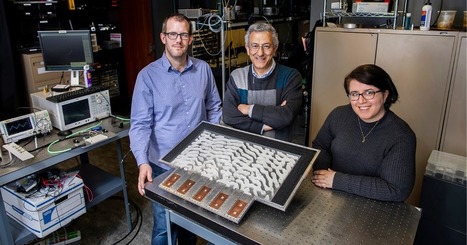
Engineering professor Nader Engheta and his team have demonstrated a metamaterial device that can function as an analog computer, validating an earlier theory.
For Nader Engheta of the School of Engineering and Applied Science, one of the loftier goals in this field has been to design metamaterials that can solve equations. This “photonic calculus” would work by encoding parameters into the properties of an incoming electromagnetic wave and sending it through a metamaterial device; once inside, the device’s unique structure would manipulate the wave in such a way that it would exit encoded with the solution to a pre-set integral equation for that arbitrary input.
Their proof-of-concept experiment was conducted with microwaves, as the long wavelengths allowed for an easier-to-construct macro-scale device. The principles behind their findings, however, can be scaled down to light waves, eventually fitting onto a microchip.
Such metamaterial devices would function as analog computers that operate with light, rather than electricity. They could solve integral equations—ubiquitous problems in every branch of science and engineering—orders of magnitude faster than their digital counterparts, while using less power.
Engheta, the H. Nedwill Ramsey Professor in the Department of Electrical and Systems Engineering, conducted the study along with lab members Nasim Mohammadi Estakhri and Brian Edwards. This approach has its roots in analog computing. The first analog computers solved mathematical problems using physical elements, such as slide-rules and sets of gears, that were manipulated in precise ways to arrive at a solution. In the mid-20th century, electronic analog computers replaced the mechanical ones, with series of resistors, capacitors, inductors, and amplifiers replacing their predecessors’ clockworks.
Such computers were state-of-the-art, as they could solve large tables of information all at once, but were limited to the class of problems they were pre-designed to handle. The advent of reconfigurable, programmable digital computers, starting with ENIAC, constructed at Penn in 1945, made them obsolete.
As the field of metamaterials developed, Engheta and his team devised a way of bringing the concepts behind analog computing into the 21stcentury. Publishing a theoretical outline for “photonic calculus” in Science in 2014, they showed how a carefully designed metamaterial could perform mathematical operations on the profile of a wave passing thought it, such as finding its first or second derivative.
When we think about clothes, they are usually formed with textiles and have to be both wearable and washable for daily use; however, smart clothing has had a problem with its power sources and moisture permeability, which causes the devices to malfunction. This problem has now been overcome by a KAIST research team, who developed a textile-based wearable display module technology that is washable and does not require an external power source.
To ease out the problem of external power sources and enhance the practicability of wearable displays, Professor Kyung Cheol Choi from the School of Electrical Engineering and his team fabricated their wearing display modules on real textiles that integrated polymer solar cells (PSCs) with organic light emitting diodes (OLEDs).
PSCs have been one of the most promising candidates for a next-generation power source, especially for wearable and optoelectronic applications because they can provide stable power without an external power source, while OLEDs can be driven with milliwatts. However, the problem was that they are both very vulnerable to external moisture and oxygen. The encapsulation barrier is essential for their reliability.
The conventional encapsulation barrier is sufficient for normal environments; however, it loses its characteristics in aqueous environments, such as water. It limits the commercialization of wearing displays that must operate even on rainy days or after washing.
To tackle this issue, the team employed a washable encapsulation barrier that can protect the device without losing its characteristics after washing through atomic layer deposition (ALD) and spin coating. With this encapsulation technology, the team confirmed that textile-based wearing display modules including PSCs, OLEDs, and the proposed encapsulation barrier exhibited little change in characteristics even after 20 washings with 10-minute cycles. Moreover, the encapsulated device operated stably with a low curvature radius of 3mm and boasted high reliability.
Finally, it exhibited no deterioration in properties over 30 days even after being subjected to both bending stress and washing. Since it uses a less stressful textile, compared to conventional wearable electronic devices that use traditional plastic substrates, this technology can accelerate the commercialization of wearing electronic devices. Importantly, this wearable electronic device in daily life can save energy through a self-powered system.
Prof. Choi said, "I could say that this research realized a truly washable wearable electronic module in the sense that it uses daily wearable textiles instead of the plastic used in conventional wearable electronic devices. Saving energy with PSCs, it can be self-powered, using nature-friendly solar energy, and washed. I believe that it has paved the way for a 'true-meaning wearable display' that can be formed on textile, beyond the attachable form of wearable technology."
In the past, traditional diagnostic methods include detailed clinical interview and administration of questionnaires to assess thinking processes. However, with medical advancements such as an amyloid Positron Emission Tomography (PET) tracer recently made available in Singapore, Associate Professor Nagaendran has been able to combine radiopharmaceuticals and technology to provide his patients with a clearer diagnosis, earlier.
Amyloid is a key bio-marker for Alzheimer’s disease. Accumulation of insoluble amyloid results in loss of brain cells in the areas of the brain that regulate memory, calculation and other thinking processes. Unfortunately, before the availability of amyloid PET scans in Singapore, amyloid levels could only be measured after death.
“The techniques now enable quantification of amyloid in a living person, so a more precise understanding of the exact changes in the brain of patients with cognitive symptoms can be obtained,” says Associate Professor Nagaendran.
The PET scan is done with a radiopharmaceutical tracer injected into a patient about to undergo the scanning process and the tracer binds to the beta-amyloid plaques in the brain, appearing brightly on the scan. When the results of the female patient’s scan showed up as positive, Associate Professor Nagaendran confirmed that she had pre-dementia due to Alzheimer’s disease. According to NNI, 50% of people with pre-dementia eventually develop dementia. The news was initially devastating, but the patient knew she needed to remain positive about her options.
These days, both Associate Professor Nagaendran and his patient are contributing to the quest to understand Alzheimer’s disease, with the hope of one day finding a cure. NNI is one of the few centres in the world where patients have undergone the necessary pre-requisite tests to be confirmed as pre-dementia cases, giving them access to anti-amyloid clinical trial options.
Associate Professor Nagaendran continues to champion a better understanding of Alzheimer’s and disease-modifying treatments and his patient is enrolled in a clinical trial with an anti-amyloid intervention at NNI. She is now taking anti-amyloid medication, which is supposed to slow down the decline in memory and general function by reducing further build-up of amyloid in the brain.
DNA computers have to date only been able to run one algorithm, but a new design shows how these machines can be made more flexible—and useful.
DNA is suppose to rescue us from a computing rut. With advances using silicon petering out, DNA-based computershold the promise of massive parallel computing architectures that are impossible today. But there’s a problem: The molecular circuitsbuilt so farhave no flexibility at all. Today, using DNA to compute is “like having to build a new computer out of new hardware just to run a new piece of software,” says computer scientist David Doty. So Doty, a professor at the University of California, Davis, and his colleagues set out to see what it would take to implement a DNA computer that was in fact reprogrammable.
As detailed in a paper published recently in Nature, Doty and his colleagues from Caltech and Maynooth University demonstrated just that. They showed it’s possible to use a simple trigger to coax the same basic set of DNA molecules into implementing numerous different algorithms. Although this research is still exploratory, reprogrammable molecular algorithms could be used in the future to program DNA robots, which have already successfully delivered drugs to cancerous cells. “This is one of the landmark papers in the field,” says Thorsten-Lars Schmidt, an assistant professor for experimental biophysics at Kent State University who was not involved in the research. “There was algorithmic self-assembly before, but not to this degree of complexity.”
In electronic computers like the one you’re using to read this article, bits are the binary units of information that tell a computer what to do. They represent the discrete physical state of the underlying hardware, usually the presence or absence of an electrical current. These bits, or rather the electrical signals implementing them, are passed through circuits made up of logic gates, which perform an operation on one or more input bits and produce one bit as an output.
By combining these simple building blocks over and over, computers are able to run remarkably sophisticated programs. The idea behind DNA computing is to substitute chemical bonds for electrical signals and nucleic acids for silicon to create biomolecular software. According to Erik Winfree, a computer scientist at Caltech and a co-author of the paper, molecular algorithms leverage the natural information processing capacity baked into DNA, but rather than letting nature take the reins, he says, “computation controls the growth process.”
Researchers recently resolved a long-standing question in quantum physics, about how long it takes a single atom to tunnel through a barrier.
At the subatomic level, particles can fly through seemingly impassable barriers like ghosts. For decades, physicists have wondered just how long this so-called quantum tunneling takes. Now, after a three-year investigation, an international team of theoretical physicists has an answer. They measured a tunneling electron from a hydrogen atom and found that its passage was practically instantaneous, according to a new study [see 18 Times Quantum Particles Blow Our Minds].
Particles can pass through solid objects not because they're very small (though they are), but because the rules of physics are different at the quantum level. Imagine a ball rolling down a valley toward a slope as tall as Mount Everest; without a boost from a jetpack, the ball would never have enough energy to clear the hill. But a subatomic particle doesn't need to go over the hill to get to the other side.
Particles are also waves, which extend infinitely in space. According to the so-called wave equation, this means that a particle may be found in any position on the wave. Now picture the wave hitting a barrier; it continues on through but loses energy, and its amplitude (the height of the peak) dips way down. But if the obstacle is thin enough, the wave's amplitude doesn't decay down to zero. As long as there's still some energy left in the flattened wave, there's some chance — albeit a small one — that a particle may fly through the hill and out the other side.
Conducting experiments that captured this elusive activity at the quantum level was "very challenging" to say the least, study co-author Robert Sang, an experimental quantum physicist and a professor at Griffith University in Australia, told Live Science in an email. "You need to combine very complicated laser systems, a reaction microscope and a hydrogen atomic beam system to work all at the same time," Sang said. Their setup established three important reference points: the start of their interaction with the atom; the time that a freed electron was expected to emerge from behind a barrier; and the time when it actually appeared, Sang said in a video.
The researchers then used an optical timekeeping device called an attoclock — ultrashort, polarized light pulses capable of measuring electrons' movements to the attosecond, or a billionth of a billionth of a second. Their attoclock bathed hydrogen atoms in light at a rate of 1,000 pulses per second, which ionized the atoms so that their electrons could escape through the barrier, the researchers reported. A reaction microscope on the other side of a barrier measured the electron's momentum when it emerged. The reaction microscope detects energy levels in a charged particle after it interacts with the light pulse from the attoclock, "and from that we can infer the time it took to go through the barrier," Sang told Live Science.
"The precision that we could measure this to was 1.8 attoseconds," Sang said. "We were able to conclude that the tunneling must be less than 1.8 attoseconds — nearly instantly", he added.
A team of researchers at Université Paris Diderot has found evidence that suggests humans are able to detect via smell which partners are genetically preferable. In their paper published in Proceedings of the Royal Society B, the group describes their study of the major histocompatibility complex (MHC) in people, and the ability to detect it via smell.
Prior research has shown that animals, including humans, are more successful from a genetic perspective when they mate with a partner that is genetically dissimilar in key ways. One of those differences is the makeup of their MHC—a cluster of genes that plays an important role in immune function. When two people with dissimilar clusters mate, their offspring gain the benefits of both parents.
In recent years, medical researchers have suspected that people are able to "sense" the makeup of a potential mate's MHC, and that people tend to find those with dissimilarities more attractive. It was assumed that if this were the case, that the olfactory system was responsible. The researchers with this new effort note that several studies have been conducted that were designed to determine if such theories were correct, but the results have varied widely. To find out once and for all, they conducted a larger, more thorough study.
The work involved analyzing data from the Database of Genotypes and Phenotypes managed by NIH. The researchers report that they were able to use genome-wide data from over 800 couples living in Europe and the Middle East (Israel)—more specifically, they were able to see how similar their MHCs were. The researchers report that on average, the MHCs between couples in Europe were dissimilar—more so than could be accounted for by randomness. They also noted that such differences were the most pronounced in couples living in the Netherlands. But they also report that they found no such degree of dissimilarity for couples living in Israel.
The researchers suggest their findings provide strong evidence of a human ability to smell MHC in other humans and to prefer mates with dissimilarities. They suggest such a preference can be overridden by cultural practices, however, such as those found in Israel, where mate choice is limited due to social standing or family practices.
A look at the pathway to a compact fusion facility equipped with high-temperature superconducting magnets.
Can tokamak fusion facilities, the most widely used devices for harvesting on Earth the fusion reactions that power the sun and stars, be developed more quickly to produce safe, clean, and virtually limitless energy for generating electricity? Physicist Jon Menard of the U.S. Department of Energy's (DOE) Princeton Plasma Physics Laboratory (PPPL) has examined that question in a detailed look at the concept of a compact tokamak equipped with high temperature superconducting (HTS) magnets. Such magnets can produce higher magnetic fields -- necessary to produce and sustain fusion reactions -- than would otherwise be possible in a compact facility.
Menard first presented the paper, now published in Philosophical Transactions of the Royal Society A, to a Royal Society workshop in London that explored accelerating the development of tokamak-produced fusion power with compact tokamaks. "This is the first paper that quantitatively documents how the new superconductors can interplay with the high pressure that compact tokamaks produce to influence how tokamaks are optimized in the future," Menard said. "What we tried to develop were some simple models that capture important aspects of an integrated design."
"Very significant" findings
The findings are "very significant," said Steve Cowley, director of PPPL. Cowley noted that "Jon's arguments in this and the previous paper have been very influential in the recent National Academies of Sciences report," which calls for a U.S. program to develop a compact fusion pilot plant to generate electricity at the lowest possible cost. "Jon has really outlined the technical aspects for much smaller tokamaks using high-temperature magnets," Cowley said.
Compact tokamaks, which can include spherical facilities such as the National Spherical Torus Experiment-Upgrade (NSTX-U) that is under repair at PPPL and the Mega Ampere Spherical Tokamak (MAST) in Britain, provide some advantageous features. The devices, shaped like cored apples rather than doughnut-like conventional tokamaks, can produce high-pressure plasmas that are essential for fusion reactions with relatively low and cost-effective magnetic fields.
Such reactions fuse light elements in the form of plasma -- the hot, charged state of matter composed of free electrons and atomic nuclei -- to release energy. Scientists seek to replicate this process and essentially create a star on Earth to generate abundant electricity for homes, farms, and industries around the world. Fusion could last millions of years with little risk and without generating greenhouse gases.
Extends previous examination
Menard's study extends his previous examination of a spherical design that could develop materials and components for a fusion reactor and serve as a pilot plant to produce electric power. The current paper provides a detailed analysis of the complex tradeoffs that future experiments will need to explore when it comes to integrating compact tokamaks with HTS magnets. "We realize that there's no single innovation that can be counted on to lead to some breakthrough for making devices more compact or economical," Menard said. "You have to look at an entire integrated system to know if you are getting benefits from higher magnetic fields."
The paper focuses key issues on the size of the hole, defined as the "aspect ratio," in the center of the tokamak that holds and shapes the plasma. In spherical tokamaks, this hole can be half the size of the hole in conventional tokamaks, corresponding to the cored apple-like shape of the compact design. While physicists believe that lower aspect ratios can improve plasma stability and plasma confinement, "we won't know on the confinement side until we run experiments on the NSXT-U and the MAST upgrades," Menard said.
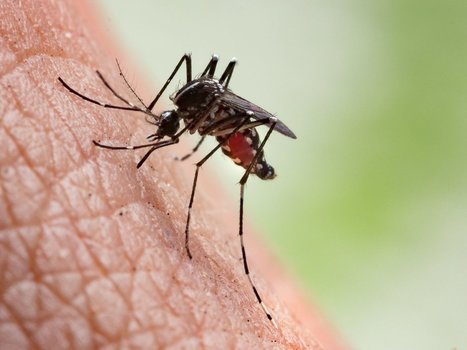
A drug which poisons mosquitoes when they feed on it could provide a powerful new avenue for tackling malaria. Trials showed it reduced cases among children in rural Burkina Faso by 20 per cent. Treating adults and children with the drug ivermectin helped to control the spread of malaria without causing harmful side-effects, the research led by a team at the Colorado State University found. They concluded that the new approach in combination with drugs to tackle the infections could slow down the creature's ability to resist the disease.
Currently, conventional insecticides and anti-malarials and hampering the eradication effort. “Ivermectin reduces new cases of malaria by making a person’s blood lethal to the mosquitoes who bite them, killing mosquitoes and therefore reducing the likelihood of infection of others,” said Dr Brian Foy, author of the study published in The Lancet.
Malaria’s life cycle is split between humans and its host mosquitos, the parasite is passed into the blood with a bite where it matures and multiplies and then waits to be transmitted on to the next mosquito to reproduce. Ivermectin is already used to treat other parasites causing river blindness and scabies, but its effects on malaria transmission haven’t been studied in a large trial.
Physicists in the United States, Austria and Brazil have shown that shaking ultracold Bose-Einstein condensates (BECs) can cause them to either divide into uniform segments or shatter into unpredictable splinters, depending on the frequency of the shaking.
"It's remarkable that the same quantum system can give rise to such different phenomena," said Rice University physicist Randy Hulet, co-author of a study about the work published online today in the journal Physical Review X. Hulet's lab conducted the study's experiments using lithium BECs, tiny clouds of ultracold atoms that march in lockstep as if they are a single entity, or matter wave.
"The relationship between these states can teach us a great deal about complex quantum many-body phenomena."
The research was conducted in collaboration with physicists at Austria's Vienna University of Technology (TU Wien) and Brazil's University of São Paulo at São Carlos.
Fireflies, heart cells, clocks, and power grids all do it—they can spontaneously sync up, sending signals out in unison. For centuries, scientists have been perplexed by this self-organizing behavior, coming up with theories and experiments that make up the science of sync. But despite progress being made in the field, mysteries still persist—in particular how networks of completely identical elements can fall out of sync.
Now, in a new study in the March 8, 2019 issue of Science, Caltech researchers have shown experimentally how a simple network of identical synchronized nanomachines can give rise to out-of-sync, complex states. Imagine a line of Rockette dancers: When they are all kicking at the same time, they are in sync. One of the complex states observed to arise from the simple network would be akin to the Rockette dancers kicking their legs "out of phase" with each other, where every other dancer is kicking a leg up, while the dancers in between have just finished a kick.
The findings experimentally demonstrate that even simple networks can lead to complexity, and this knowledge, in turn, may ultimately lead to new tools for controlling those networks. For example, by better understanding how heart cells or power grids display complexity in seemingly uniform networks, researchers may be able to develop new tools for pushing those networks back into rhythm.
"We want to learn how we can just tickle, or gently push, a system in the right direction to set it back into a synced state," says Michael L. Roukes, the Frank J. Roshek Professor of Physics, Applied Physics, and Bioengineering at Caltech, and principal investigator of the new Science study. "This could perhaps engender a form of new, less harsh defibrillators, for example, for shocking the heart back into rhythm."
The design principles behind the new prototype, which changes color as it charges, could also be applied to existing battery technologies to create new devices for energy storage, biological sensing, and smart color-changing materials.
The most widely used batteries currently are lithium-ion batteries, which have a relatively high capacity (they hold a large amount of charge) but do not discharge or recharge their energy quickly. They also contain organic electrolytes and other materials that can be hazardous and flammable, meaning they require careful handling and disposal.
The new battery prototype, developed by a team of researchers from the departments of Physics and Chemistry at Imperial College London, uses thin films of specially designed plastics and simple salt water instead. While it can hold less charge than conventional lithium-ion batteries, the prototype, which is made from polymers – long chains of molecules that make up plastics – can charge and discharge in a matter of seconds. As an added benefit of the materials it uses, it also changes colour as it charges, giving users an easy way to read out the state of charge of the battery.
The prototype, the details of which were published in Energy & Environmental Science, could pave the way for improving the charging rate and toxicity of existing batteries, or provide a route for making entirely new kinds of batteries.
In recent years, paleontologists have been revising the scientific consensus about how T. rex looked, sounded, and ate. "Everyone's preconceived ideas of what T. rex acted like and looked like are going to be heavily modified," Mark Norell, a curator at the American Museum of Natural History, told Business Insider. The museum just opened an exhibit devoted to the dino, called "T. rex: The Ultimate Predator."
The exhibit showcases the latest research on the prehistoric animal. And as it turns out, these predators started their lives as fuzzy, turkey-sized hatchlings. They also had excellent vision, with forward-facing eyes like a hawk for superior depth perception.
While the T. rex emerged about 68 million years ago, its tyrannosaur ancestors were 100 million years older than that. The Tyrannosauroidea superfamily consists of two dozen species spanning more than 100 million years of evolution. For earlier tyrannosaur relatives with smaller bodies, these tiny arms were long enough to grasp prey or pull food into their mouth.
"The earliest tyrannosaur species had arms that were perfectly proportioned," Erickson said. T. rex's puny arms were vestigial — a body part or organ that no longer serves a function but is nevertheless retained (kind of like a human's appendix or wisdom teeth).
"T. rex was a head hunter," Norell said. The predator had the rare ability to bite through solid bone and digest it. Paleontologists know this from the dinosaur's fossilized poop; they've discovered T. rex feces containing tiny chunks of bone eroded by stomach acid.
An adult T. rex had a long stride, helping it reach speeds of 10 to 25 mph. But the dinosaur never reached a suspended gait, since it always had at least one leg on the ground at all times.
Juvenile T. rexes, which weighed less than an adult, could run.
T. rex had a bite force of 7,800 pounds, equivalent to the crushing weight of about three Mini Cooper cars.No other known animal that ever lived could bite with such force, according to museum paleontologists. By comparison, the massive saltwater crocodile of northern Australia — which grows to 17 feet and can weigh more than a ton — chomps down with 3,700 pounds of force.
Scientists are pretty sure that T. rex ate members of its own species, but they don't know whether the dinosaurs killed one another or just ate ones that were already dead.
Paleontologists know that the dinosaur had some of the largest eyes of any land animal ever. About the size of oranges, T. rex eyes faced forward like a hawk's and were spread farther apart on its face than most other dinosaurs' eyes, giving it superior depth perception during a hunt.
A 2016 study suggested that T. rex probably didn't roar, but most likely cooed, hooted, and made deep-throated booming sounds like the modern-day emu.
We all mark days with clocks and calendars, but perhaps no timepiece is more immediate than a mirror. The changes we notice over the years vividly illustrate science's "arrow of time" -- the likely progression from order to disorder. We cannot reverse this arrow any more than we can erase all our wrinkles or restore a shattered teacup to its original form. Or can we?
An international team of scientists led by the U.S. Department of Energy's (DOE) Argonne National Laboratory explored this question in a first-of-its-kind experiment, managing to return a computer briefly to the past. The results, published March 13 in the journal Scientific Reports, suggest new paths for exploring the backward flow of time in quantum systems. They also open new possibilities for quantum computer program testing and error correction.
To achieve the time reversal, the research team developed an algorithm for IBM's public quantum computer that simulates the scattering of a particle. In classical physics, this might appear as a billiard ball struck by a cue, traveling in a line. But in the quantum world, one scattered particle takes on a fractured quality, spreading in multiple directions. To reverse its quantum evolution is like reversing the rings created when a stone is thrown into a pond.
In nature, restoring this particle back to its original state -- in essence, putting the broken teacup back together -- is impossible.
The main problem is that you would need a "supersystem," or external force, to manipulate the particle's quantum waves at every point. But, the researchers note, the timeline required for this supersystem to spontaneously appear and properly manipulate the quantum waves would extend longer than that of the universe itself.
Undeterred, the team set out to determine how this complexity might be overcome, at least in principle. Their algorithm simulated an electron scattering by a two-level quantum system, "impersonated" by a quantum computer qubit -- the basic unit of quantum information -- and its related evolution in time. The electron goes from a localized, or "seen," state, to a scattered one. Then the algorithm throws the process in reverse, and the particle returns to its initial state -- in other words, it moves back in time, if only by a tiny fraction of a second.
Given that quantum mechanics is governed by probability rather than certainty, the odds for achieving this time-travel feat were pretty good: The algorithm delivered the same result 85 percent of the time in a two-qubit quantum computer. "We did what was considered impossible before," said Argonne senior scientist Valerii Vinokur, who led the research.
The result deepens our understanding of how the second law of thermodynamics -- that a system will always move from order to entropy and not the other way around -- acts in the quantum world. The researchers demonstrated in previous work that, by teleporting information, a local violation of the second law was possible in a quantum system separated into remote parts that could balance each other out.
"The results also give a nod to the idea that irreversibility results from measurement, highlighting the role that the concept of 'measurement' plays in the very foundation of quantum physics," said article coauthor Gordey Lesovik of the Moscow Institute of Physics and Technology. This is the same notion Austrian physicist Erwin Schrödinger captured with his famous thought experiment, in which a cat sealed in a box might remain both dead and alive until its status is monitored somehow. The researchers suspended their particle in this superposition, or form of quantum limbo, by limiting their measurements.
"This was the essential part of our algorithm," Vinokur said. "We measured the state of the system in the very beginning and at the very end, but did not interfere in the middle."
The 2016 Kaikoura earthquake (magnitude 7.8) on the South Island of New Zealand is among the most intriguing and best-documented seismic events anywhere in the world – and one of the most complex. The earthquake exhibited a number of unusual features, and the underlying geophysical processes have since been the subject of controversy.
LMU geophysicists Thomas Ulrich and Dr. Alice-Agnes Gabriel, in cooperation with researchers based at the Université Côte d'Azur in Valbonne and at Hong Kong Polytechnic University, have now simulated the course of the earthquake with an unprecedented degree of realism. Their model, which was run on the Bavarian Academy of Science’s supercomputer SuperMUC at the Leibniz Computing Center (LRZ) in Munich, elucidates dynamic reasons for such uncommon multi-segment earthquake.
This is an important step towards improving the accuracy of earthquake hazard assessments in other parts of the world. Their findings are being published in Nature Communications.
Astronomers from Japan, Taiwan and Princeton University have discovered 83 quasars powered by supermassive black holes in the distant universe, from a time when the universe was only 5 percent of its present age.
"It is remarkable that such massive dense objects were able to form so soon after the Big Bang," said Michael Strauss, a professor of astrophysical sciences at Princeton University who is one of the co-authors of the study. "Understanding how black holes can form in the early universe, and just how common they are, is a challenge for our cosmological models."
This finding increases the number of black holes known at that epoch considerably, and reveals, for the first time, how common they are early in the universe's history. In addition, it provides new insight into the effect of black holes on the physical state of gas in the early universe in its first billion years. The research appears in a series of five papers published in The Astrophysical Journal and the Publications of the Astronomical Observatory of Japan.
Supermassive black holes, found at the centers of galaxies, can be millions or even billions of times more massive than the sun. While they are prevalent today, it is unclear when they first formed, and how many existed in the distant early universe. A supermassive black hole becomes visible when gas accretes onto it, causing it to shine as a "quasar." Previous studies have been sensitive only to the very rare, most luminous quasars, and thus the most massive black holes. The new discoveries probe the population of fainter quasars, powered by black holes with masses comparable to most black holes seen in the present-day universe.
The research team used data taken with a cutting-edge instrument, "Hyper Suprime-Cam" (HSC), mounted on the Subaru Telescope of the National Astronomical Observatory of Japan, which is located on the summit of Maunakea in Hawaii. HSC has a gigantic field-of-view -- 1.77 degrees across, or seven times the area of the full moon -- mounted on one of the largest telescopes in the world. The HSC team is surveying the sky over the course of 300 nights of telescope time, spread over five years.
The team selected distant quasar candidates from the sensitive HSC survey data. They then carried out an intensive observational campaign to obtain spectra of those candidates, using three telescopes: the Subaru Telescope; the Gran Telescopio Canarias on the island of La Palma in the Canaries, Spain; and the Gemini South Telescope in Chile. The survey has revealed 83 previously unknown very distant quasars. Together with 17 quasars already known in the survey region, the researchers found that there is roughly one supermassive black hole per cubic giga-light-year -- in other words, if you chunked the universe into imaginary cubes that are a billion light-years on a side, each would hold one supermassive black hole.
The sample of quasars in this study are about 13 billion light-years away from the Earth; in other words, we are seeing them as they existed 13 billion years ago. As the Big Bang took place 13.8 billion years ago, we are effectively looking back in time, seeing these quasars and supermassive black holes as they appeared only about 800 million years after the creation of the (known) universe.
It is widely accepted that the hydrogen in the universe was once neutral, but was "reionized" -- split into its component protons and electrons -- around the time when the first generation of stars, galaxies and supermassive black holes were born, in the first few hundred million years after the Big Bang. This is a milestone of cosmic history, but astronomers still don't know what provided the incredible amount of energy required to cause the reionization. A compelling hypothesis suggests that there were many more quasars in the early universe than detected previously, and it is their integrated radiation that reionized the universe.
"However, the number of quasars we observed shows that this is not the case," explained Robert Lupton, a 1985 Princeton Ph.D. alumnus who is a senior research scientist in astrophysical sciences. "The number of quasars seen is significantly less than needed to explain the reionization." Reionization was therefore caused by another energy source, most likely numerous galaxies that started to form in the young universe.
Nearly one in two children with cancer are never diagnosed and may die untreated, according to a a new model proposed in a study published in The Lancet Oncology by Zachary Ward and colleagues from Harvard University T.H. Chan School of Public Health.
In fact, the model estimates that there were 397.000 childhood cancer cases globally in 2015, while only 224,000 had been previously recorded as diagnosed that year, leading ultimately the researchers to say that over 43% of childhood cancer cases were undiagnosed. But there was substantial regional variation: it ranges from 3% in both Western Europe (120 undiagnosed cases out of 4,300 total new cases) and North America (300 of 10,900 cases), to 57% (43,000 of 76,000 new cases) in Western Africa. With such path, at current levels of health system performances, If no improvements are made, the study authors estimated that nearly three million out of 6.7 million total cases will be missed between 2015 and 2030.
Accounting for underestimation is vital: accurate estimates of incidence are important for policy makers, however, many countries do not have cancer registries that quantify that incidence (and often even if they do have, cases might be incorrectly classified). “As the hidden incidence of childhood cancer starts to come to the fore, stronger health systems are needed for timely diagnosis, referral and treatment,” says Ward. “Expanding cancer registration will be important so that progress can be tracked.”
Although in most regions of the world the number of new childhood cancer cases is declining or stable, authors estimate that more than 90% of all new cases occur in low and middle-income countries. “Health systems in low-income and middle-income countries are clearly failing to meet the needs of children with cancer. Universal health coverage, a target of United Nations Sustainable Development Goals, must include cancer in children as a priority to prevent needless deaths,” says senior author Professor Rifat Atun, Harvard University, USA.
MIT researchers have developed a neural architecture search (NAS) algorithm that designs optimized machine-learning models called convolutional neural networks on ImageNet 200 times faster than Google’s algorithm.
A new area in artificial intelligence involves using algorithms to automatically design machine-learning systems known as neural networks, which are more accurate and efficient than those developed by human engineers. But this so-called neural architecture search (NAS) technique is computationally expensive.
One of the state-of-the-art NAS algorithms recently developed by Google took 48,000 hours of work by a squad of graphical processing units (GPUs) to produce a single convolutional neural network, used for image classification and identification tasks. Google has the wherewithal to run hundreds of GPUs and other specialized circuits in parallel, but that's out of reach for many others.
In a new paper being presented at the International Conference on Learning Representations in May, MIT researchers describe an NAS algorithm that can directly learn specialized convolutional neural networks (CNNs) for target hardware platforms -- when run on a massive image dataset -- in only 200 GPU hours, which could enable far broader use of these types of algorithms. Resource-strapped researchers and companies could benefit from the time- and cost-saving algorithm, the researchers say. The broad goal is "to democratize AI," says co-author Song Han, an assistant professor of electrical engineering and computer science and a researcher in the Microsystems Technology Laboratories at MIT. "We want to enable both AI experts and non-experts to efficiently design neural network architectures with a push-button solution that runs fast on a specific hardware."
Han adds that such NAS algorithms will never replace human engineers. "The aim is to offload the repetitive and tedious work that comes with designing and refining neural network architectures," says Han, who is joined on the paper by two researchers in his group, Han Cai and Ligeng Zhu.
"Path-level" binarization and pruning
In their work, the researchers developed ways to delete unnecessary neural network design components, to cut computing times and use only a fraction of hardware memory to run a NAS algorithm. An additional innovation ensures each outputted CNN runs more efficiently on specific hardware platforms -- CPUs, GPUs, and mobile devices -- than those designed by traditional approaches. In tests, the researchers' CNNs were 1.8 times faster measured on a mobile phone than traditional gold-standard models with similar accuracy.
A CNN's architecture consists of layers of computation with adjustable parameters, called "filters," and the possible connections between those filters. Filters process image pixels in grids of squares -- such as 3x3, 5x5, or 7x7 -- with each filter covering one square. The filters essentially move across the image and combine all the colors of their covered grid of pixels into a single pixel. Different layers may have different-sized filters, and connect to share data in different ways. The output is a condensed image -- from the combined information from all the filters -- that can be more easily analyzed by a computer.
From interaction with bacteria, propulsion based on cells, in vivo medical applications to even intracellular applications, the rapidly expanding development of micro- and nanomachines with sizes comparable to or even smaller than mammalian cells, has led this field to advance from understanding of basic motion mechanisms to applications in living biosystems.
The field of nanomachines has developed rapidly over the last few years, with several groups exploring new methods of navigation and demonstrating their potential benefits as therapeutic tools. In the future, these nanomachines could be used in a clinical environment, where they are injected close to a specific diseased site and they are navigated to a deep location of a tissue in a completely untethered and safe manner. The nanomachines can then perform tasks like sensing or therapy at the particular site, without affecting the functionality of adjoining cells and tissues.
The authors, professors Hong Wang (China University of Mining and Technology) and Martin Pumera (Nanyang Technological University), review the applications of micro/nanomachines in living biosystems from two aspects: their interaction with other microscopic organisms or biological units, and the efforts toward their application in the human body. They discuss four key application areas of micro- and nanomachines in living biosystems. Regarding the first aspect: interaction with bacteria and propulsion based on cells. Regarding the second aspect: in vivoapplications and intracellular applications.
Projection mapping is one of the most recent visual technologies that so far has been out of reach for consumers. The company Lightform is hoping to change that with its projector-mounted scanner and software. We get our hands on the Lightform device to see how it maps objects and environments in front of it--like a replica movie prop--and go through the software to learn how to create striking augmented visuals on top of the real world.
Electronics rule our world, but electrons rule our electronics.
A research team at The Ohio State University has discovered a way to simplify how electronic devices use those electrons—using a material that can serve dual roles in electronics, where historically multiple materials have been necessary. The team published its findings today, March 18, in the journal Nature Materials.
“We have essentially found a dual-personality material,” said Joseph Heremans, co-author of the study, professor of mechanical and aerospace engineering and Ohio Eminent Scholar in Nanotechnology at Ohio State. “It is a concept that did not exist before.” Their findings could mean a revamp of the way engineers create all different kinds of electronic devices. This includes everything from solar cells, to the light-emitting diodes in your television, to the transistors in your laptop, and to the light sensors in your smartphone camera.
Those devices are the building blocks of electricity: Each electron has a negative charge and can radiate or absorb energy depending on how it is manipulated. Holes—essentially, the absence of an electron—have a positive charge. Electronic devices work by moving electrons and holes—essentially conducting electricity. But historically, each part of the electronic device could only act as electron-holder or a hole-holder, not both. That meant that electronics needed multiple layers—and multiple materials—to perform.
But the Ohio State researchers found a material—NaSn2As2, a crystal that can be both electron-holder and hole-holder—potentially eliminating the need for multiple layers. “It is this dogma in science, that you have electrons or you have holes, but you don’t have both. But our findings flip that upside down,” said Wolfgang Windl, a professor of materials science and engineering at Ohio State, and co-author of the study. “And it’s not that an electron becomes a hole, because it’s the same assembly of particles. Here, if you look at the material one way, it looks like an electron, but if you look another way, it looks like a hole.”
The finding could simplify our electronics, perhaps creating more efficient systems that operate more quickly and break down less often.
To get content containing either thought or leadership enter:
To get content containing both thought and leadership enter:
To get content containing the expression thought leadership enter:
You can enter several keywords and you can refine them whenever you want. Our suggestion engine uses more signals but entering a few keywords here will rapidly give you great content to curate.


 Your new post is loading...