Your new post is loading...

|
Scooped by
Dr. Stefan Gruenwald
March 20, 2019 8:14 PM
|
The comparison of 2 atomic clocks has confirmed their excellent accuracy as well as a fundamental hypothesis of the theory of relativity. According to Einstein the speed of light is always the same. But according to theoretical models of quantum gravitation, this uniformity of space-time does not apply to particles. Physicists have now tried to detect a change in the uniformity of space-time using two optical Ytterbium clocks. Their results are published in the current issue of Nature. In his Special Theory of Relativity, Einstein formulated the hypothesis according to which the speed of light is always the same, no matter what the conditions are. It may, however, be possible that -- according to theoretical models of quantum gravitation -- this uniformity of space-time does not apply to particles. Physicists have now tested this hypothesis with a first long-term comparison of two optical ytterbium clocks at the Physikalisch-Technische Bundesanstalt (PTB). With these clocks, whose error amounts to only one second in ten billion years, it should be possible to measure even extremely small deviations of the movement of the electrons in ytterbium. But the scientists did not detect any change when the clocks were oriented differently in space. Due to this result, the current limit for testing the space-time symmetry by means of experiments has been drastically improved by a factor of 100. In addition to this, the extremely small systematic measurement uncertainty of the optical ytterbium clocks of less than 4 × 10E-18 has been confirmed. The team consisting of physicists from PTB and from the University of Delaware has published its results in the current issue of Nature. It is one of the most famous physics experiments in history: As early as 1887, Michelson and Morley demonstrated what Einstein later expressed in the form of a theory. With the aid of a rotating interferometer, they compared the speed of light along two optical axes running vertically to each other. The result of this experiment became one of the fundamental statements of Einstein's Special Theory of Relativity: The speed of light is the same in all directions of space. Now one could ask: Does this symmetry of space (which was named after Hendrik Antoon Lorentz) also apply to the motion of material particles? Or are there any directions along which these particles move faster or more slowly although the energy remains the same? Especially for high energies of the particles, theoretical models of quantum gravitation predict a violation of the Lorentz symmetry. Now an experiment has been carried out with two atomic clocks in order to investigate this question with high accuracy. The frequencies of these atomic clocks are each controlled by the resonance frequency of a single Yb+ ion that is stored in a trap. While the electrons of the Yb+ ions have a spherically symmetric distribution in the ground state, in the excited state they exhibit a distinctly elongated wave function and therefore move mainly along one spatial direction. The orientation of the wave function is determined by a magnetic field applied inside the clock. The field orientation was chosen to be approximately at right angles in the two clocks. The clocks are firmly mounted in a laboratory and rotate together with the Earth once a day (more exactly: once in 23.9345 hours) relative to the fixed stars. If the electrons' speed depended on the orientation in space, this would thus result in a frequency difference between the two atomic clocks that would occur periodically, together with the Earth's rotation. To be able to differentiate such an effect clearly from any possible technical influences, the frequencies of the Yb+ clocks were compared for more than 1000 hours. During the experiment, no change between the two clocks was observed for the accessible range of period durations from a few minutes up to 80 hours. For the theoretical interpretation and calculations concerning the atomic structure of the Yb+ ion, PTB's team worked in collaboration with theoreticians from the University of Delaware (USA). The results that have now been obtained have improved the limits set in 2015 by researchers from the University of California, Berkeley with Ca+ ions drastically by a factor of 100. Averaged over the total measuring time, both clocks exhibited a relative frequency deviation of less than 3 × 10E-18. This confirms the combined uncertainty of the clock that had previously been estimated to be 4 × 10E-18. Furthermore, it is an important step in the characterization of optical atomic clocks at this level of accuracy. Only after roughly ten billion years would these clocks potentially deviate from each other by one second.
|
|
Scooped by
Dr. Stefan Gruenwald
March 20, 2019 8:07 PM
|
The concept of the laser can be time-reversed: the perfect light source then becomes the perfect light absorber. Scientists at TU Wien have found a way to build such an anti-laser, based on random scattering. Experimental setup of the random anti-laser: a waveguide contains a disordered medium consisting of a set of randomly placed Teflon cylinders, at which incoming microwave signals are scattered in a complex manner. In the top plate of the waveguide (moved aside for illustrative purposes) a central antenna is installed, which absorbs the microwaves. In order to achieve perfect absorption, both the frequency of the incoming signal and the absorption strength of the central antenna have to be accurately tuned. Moreover, the wavefront of the microwave signal fed into the system through the external antennas (see blue cables) needs to be controlled precisely. The laser is the perfect light source: when being provided with energy, it generates light of a specific, well-defined color. It is also possible, however, to create the exact opposite – an object that perfectly absorbs light of a particular color and dissipates the energy almost completely.
At TU Wien (Vienna), a method has now been developed to make use of this effect, even in very complicated systems in which light waves are randomly scattered in all directions. The method was developed by the team in Vienna with the help of computer simulations, and confirmed by experiments in cooperation with the University of Nice. This opens up new possibilities for all areas in science and engineering where wave phenomena play an important role. The new method has now been published in the journal "Nature".
"Waves that are being scattered in a complex way are really all around us - think about a mobile phone signal that is reflected several times before it reaches your cell phone," says Prof. Stefan Rotter from the Institute for Theoretical Physics of TU Wien. "This multiple scattering is made practical use of in so-called random lasers. Such exotic lasers are based on a disordered medium with a random internal structure that can trap light and emit a very complicated, system-specific laser field when supplied with energy."
With mathematical calculations and computer simulations, Rotter's team could show that this process can also be reversed in time. Instead of a light source that emits a specific wave depending on its random inner structure, it is also possible to build the perfect absorber, which completely dissipates an incoming wave with the right colour and spatial pattern in accordance with its characteristic internal structure. The easiest way to think about this process is in terms of a movie showing a conventional laser sending out laser light, which is played backwards. "Because of this time-reversal analogy to a laser, such absorbers are called anti-lasers," says Stefan Rotter. "So far, anti-lasers have only been realized in one-dimensional structures onto which laser light was directed from opposite sides. Our approach is much more general: we were able to show that even arbitrarily complicated structures in two or three dimensions can perfectly absorb a suitably tailored wave. In this way, this novel concept can also be used for a much wider range of applications."
|
|
Scooped by
Dr. Stefan Gruenwald
March 20, 2019 7:10 PM
|
Nanotechnology is becoming a crucial driving force behind innovation in medicine and healthcare, with a range of advances including nanoscale therapeutics, biosensors, implantable devices, drug delivery systems, and imaging technologies. This article provides a comprehensive overview of healthcare advances that may be possible through nanotechnology, ranging from fitness monitoring, prevention, diagnosis to therapy, and everything in between. In therapy, nanotechnology is at the forefront of both targeted drug delivery and intrinsic therapies. For instance, nanoparticles can be used as tumor-destroying hyperthermia agents that are injected into the tumor and then be activated to produce heat and destroy cancer cells locally either by magnetic fields, X-Rays or light. Sneaking existing chemotherapy drugs or genes into tumor cells via nanomaterials allows much more localized delivery both reducing significantly the quantity of drugs absorbed by the patient for equal impact and the side effects on healthy tissues in the body. Coupling both modes of action has also been achieved with gold nanorods carrying chemotherapy drugs and locally excited in the tumor by infrared light. The induced heat both releases the encapsulated drug and helps destroying the cancer cells, resulting in a combined effect of enhanced delivery and intrinsic therapy. Smart cancer theranostics – a combination of the words therapeutics and diagnostics – describes a treatment platform that combines a diagnostic test with targeted therapy based on the test results, i.e. a step towards personalized medicine. In one recent study, targeted biodegradable nano 'drones' delivered a special type of drug that promotes healing successfully restructured atherosclerotic plaques in mice to make them more stable. This remodeling of the plaque environment would be predicted in humans to block plaque rupture and thrombosis and thereby prevent heart attacks and strokes. In another study, researchers developed a new therapy to treat atherosclerosis and prevent heart failure with a new biomedical nanopolymer that reduces arterial plaque and inflammation in the cardiovascular system. Painful insulin injections could become a thing of the past for diabetes sufferers when smart insulin patches start replacing injections for diabetes. Scientists even are working on a Type 1 diabetes vaccine by using liposomes that imitate cells in the process of natural death. Nano- and microcarriers of drug substances can solve the problems with the drug delivery in the ocular tissues and nanoparticle drug delivery systems show great promise for related applications. There are even contact lens sensors for diabetic and glaucoma diagnosis under development that some day could include (for instance glaucoma) drug reservoirs that could be released by a smart system whenever needed. Already, researchers have developed bioactive nanoengineered hydrogels for bone tissue engineering; designed 3D nanofiber scaffolding constructs for neural tissue engineering using stem cells; or demonstrated the fabrication of precise, biocompatible micro- and nanoscale architectures of silk proteins. And just recently, graphene foam has been demonstrated as a scaffold for growing functional muscle tissue. The emergence of superbugs has made it imperative to search for novel methods, which can combat the microbial resistance. For this reason, the application of nanotechnology in pharmaceuticals and microbiology is gaining importance to prevent the catastrophic consequences of antibiotic resistance. Nanotechnology based approaches to combat superbugs are advantageous to improve various preventive measures such as coatings and filtration. Similarly, diagnosis using efficient nanosensors or probes can speed up the treatment process at an early stage of disease. Nano-based drug carriers for existing antibiotics enhance their bioavailability and make them more targets specific. Also the combination of nanoparticles along with antibiotics makes them more lethal for micro-organisms. Going one step further, there are efforts to replace antibiotics altogether with rapidly adaptable nanotherapeutics. They argue that recent advances in nanomaterials, genome sequencing, nucleotide synthesis, and bioinformatics could converge in nanotherapeutics with tailored sequence, specificity, and function that can overcome earlier challenges with small molecule-based approaches. Nanosurgery tools hold the promise of studying or manipulating and repairing individual cells without damaging the cell. For instance, nanosurgery could remove or replace certain sections of a damaged gene inside a chromosome; sever axons to study the growth of nerve cells; or destroying an individual cell without affecting the neighboring cells. Nanosurgical methods have been developed to target the cell’s internal organelles, the cell membrane, and the structural protein filaments within the cell (known as the “cytoskeleton”). Among the nanomanipulation techniques which exist, the atomic force microscope (AFM) is capable of imaging and working with extremely small structures with very high precision.
|
|
Scooped by
Dr. Stefan Gruenwald
March 20, 2019 4:59 PM
|
Ionic conductors are a class of materials with key roles in energy storage, solar energy conversion, sensors, and electronic devices. In their quest towards eco-friendly alternatives for the current type of ionic conductors, researchers have developed an alternative green option based on organic silk and inorganic green laponite for the display and wearables industry via flexible and eco-friendly ionics. This could ultimately enable a wide range of applications within the field of flexible and wearable electronics. In their paper in Advanced Science ("A Protein-Based, Water-Insoluble, and Bendable Polymer with Ionic Conductivity: A Roadmap for Flexible and Green Electronics") they demonstrate how to transform a natural polymer into an ionic material with stable performance in both aqueous and chemically active environments. "Materials scientists have long loved silk for its exceptional mechanical properties; it competes with steel in terms of the breaking strength, and spider webs are only stronger options when it comes to bending and stretching," Alireza Dolatshahi-Pirouz, an Assistant Professor in the Department of Micro- and Nanotechnology at Technical University of Denmark, tells Nanowerk. "However, silk by itself is not a stable electrical conductor and that's why we have designed our new material silk-laponite (SiPo) and shown that this property is achieved through the interaction of silk with laponite." By embedding laponite (a nanoclay) into silk-based thin films, the researchers generated an ionic conductor that exhibits a host of highly desirable properties: good crystallinity; transparency; mechanical strength'; recyclability; optical transparency; electrical sensitivity; as well as chemical, thermal, and dimensional stability. SiPo is readily recyclable and can be recycled again and again; it is sustainable and maintains its high electrical sensitivity even after 2,000 bending cycles. SiPo could, therefore, be used in a number of devices in which high sensitivity is needed. Another promising aspect of this technology is its low-cost (US$0.62 per unit) and scalable manufacturing process. This could potentially make these sensors suitable for mass production without compromising the environment. To demonstrate the practical applicability of their technology, the researchers developed a flexible touchscreen as well as a human motion sensor that readily conforms to the curvatures of the body can measure motions from any part of the human body without any discomfort to the user. "Currently, we are developing a glove equipped with these flexible motion sensors," notes Dolatshahi-Pirouz. "Supported by DTU's Proof of Concept funding, in 10 months we will be ready with the first prototype of our E-glove, which would help surgeons to perform better in operations, translate sign language or even help the golfers improve their technique." Other application areas for wearable sensors could be to gather biological information from athletes during games; soldiers during missions; and musicians to improve their performances by helping them to gain the needed mastery of their subtle motions during strenuous activities. "Protein-based electronics still require additional consideration to enable them to resist the many demanding phenomena in nature and within the human body," cautions Dolatshahi-Pirouz. "Most of them quickly disintegrate in liquids and in response to various chemical and thermal stimuli. We will need to overcome these challenges before we could see their wide-spread use in daily life."
|
|
Scooped by
Dr. Stefan Gruenwald
March 20, 2019 4:54 PM
|
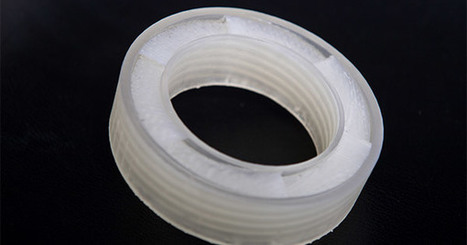
Boston University researchers, Xin Zhang, a professor at the College of Engineering, and Reza Ghaffarivardavagh, a Ph.D. student in the Department of Mechanical Engineering, released a paper in Physical Review B demonstrating it's possible to silence noise using an open, ringlike structure, created to mathematically perfect specifications, for cutting out sounds while maintaining airflow. "Today's sound barriers are literally thick heavy walls," says Ghaffarivardavagh. Although noise-mitigating barricades, called sound baffles, can help drown out the whoosh of rush hour traffic or contain the symphony of music within concert hall walls, they are a clunky approach not well suited to situations where airflow is also critical. Imagine barricading a jet engine's exhaust vent -- the plane would never leave the ground. Instead, workers on the tarmac wear earplugs to protect their hearing from the deafening roar. Ghaffarivardavagh and Zhang let mathematics -- a shared passion that has buoyed both of their engineering careers and made them well-suited research partners -- guide them toward a workable design for what the acoustic metamaterial would look like. They calculated the dimensions and specifications that the metamaterial would need to have in order to interfere with the transmitted sound waves, preventing sound -- but not air -- from being radiated through the open structure. The basic premise is that the metamaterial needs to be shaped in such a way that it sends incoming sounds back to where they came from, they say. As a test case, they decided to create a structure that could silence sound from a loudspeaker. Based on their calculations, they modeled the physical dimensions that would most effectively silence noises. Bringing those models to life, they used 3D printing to materialize an open, noise-canceling structure made of plastic. Trying it out in the lab, the researchers sealed the loudspeaker into one end of a PVC pipe. On the other end, the tailor-made acoustic metamaterial was fastened into the opening. With the hit of the play button, the experimental loudspeaker set-up came oh-so-quietly to life in the lab. Standing in the room, based on your sense of hearing alone, you'd never know that the loudspeaker was blasting an irritatingly high-pitched note. If, however, you peered into the PVC pipe, you would see the loudspeaker's subwoofers thrumming away. The metamaterial, ringing around the internal perimeter of the pipe's mouth, worked like a mute button incarnate until the moment when Ghaffarivardavagh reached down and pulled it free. The lab suddenly echoed with the screeching of the loudspeaker's tune. "The moment we first placed and removed the silencer...was literally night and day," says Jacob Nikolajczyk, who in addition to being a study co author and former undergraduate researcher in Zhang's lab is a passionate vocal performer. "We had been seeing these sorts of results in our computer modeling for months -- but it is one thing to see modeled sound pressure levels on a computer, and another to hear its impact yourself."
|
|
Scooped by
Dr. Stefan Gruenwald
March 20, 2019 4:47 PM
|
Single gene insertion restores light sensitivity in mice with inherited retinal degeneration, pointing to potential human treatment within three years It was surprisingly simple. University of California, Berkeley, scientists inserted a gene for a green-light receptor into the eyes of blind mice and, a month later, they were navigating around obstacles as easily as mice with no vision problems. They were able to see motion, brightness changes over a thousandfold range and fine detail on an iPad sufficient to distinguish letters. The researchers say that, within as little as three years, the gene therapy -- delivered via an inactivated virus -- could be tried in humans who've lost sight because of retinal degeneration, ideally giving them enough vision to move around and potentially restoring their ability to read or watch video. "You would inject this virus into a person's eye and, a couple months later, they'd be seeing something," said Ehud Isacoff, a UC Berkeley professor of molecular and cell biology and director of the Helen Wills Neuroscience Institute. "With neurodegenerative diseases of the retina, often all people try to do is halt or slow further degeneration. But something that restores an image in a few months -- it is an amazing thing to think about." About 170 million people worldwide live with age-related macular degeneration, which strikes one in 10 people over the age of 55, while 1.7 million people worldwide have the most common form of inherited blindness, retinitis pigmentosa, which typically leaves people blind by the age of 40. "I have friends with no light perception, and their lifestyle is heart-wrenching," said John Flannery, a UC Berkeley professor of molecular and cell biology who is on the School of Optometry faculty. "They have to consider what sighted people take for granted. For example, every time they go to a hotel, each room layout is a little different, and they need somebody to walk them around the room while they build a 3D map in their head. Everyday objects, like a low coffee table, can be a falling hazard. The burden of disease is enormous among people with severe, disabling vision loss, and they may be the first candidates for this kind of therapy." Currently, options for such patients are limited to an electronic eye implant hooked to a video camera that sits on a pair of glasses -- an awkward, invasive and expensive setup that produces an image on the retina that is equivalent, currently, to a few hundred pixels. Normal, sharp vision involves millions of pixels.
|
|
Scooped by
Dr. Stefan Gruenwald
March 20, 2019 4:38 PM
|
A one trillion ton iceberg -- one of the biggest ever recorded -- has calved away from the Larsen C Ice Shelf in Antarctica, after a rift in the ice, monitored by the Swansea University-led MIDAS project, finally completed its path through the ice. The calving occurred sometime between Monday 10th July and Wednesday 12th July, 2017 when a 5,800 square km section of Larsen C finally broke away. The final breakthrough was detected in data from NASA's Aqua MODIS satellite instrument, which images in the thermal infrared at a resolution of 1km. - The iceberg, which is likely to be named A68, weighs more than a trillion tonnes.
- Its volume is twice that of Lake Erie, one of the Great Lakes.
The iceberg weighs more than a trillion tons (1,000,000,000,000 metric tons), but it was already floating before it calved away so has no immediate impact on sea level. The calving of this iceberg leaves the Larsen C Ice Shelf reduced in area by more than 12%, and the landscape of the Antarctic Peninsula changed forever. The development of the rift over 2016-2017 was monitored using data from the European Space Agency Sentinel-1 satellites -- part of the European Copernicus Space Component. Sentinel-1 is a radar imaging system capable of acquiring images regardless of cloud cover, and throughout the current winter period of polar darkness. The detachment of the iceberg was first revealed in a thermal infrared image from NASA's MODIS instrument, which is also able to acquire data in the Antarctic winter when cloud cover permits. Although the remaining ice shelf will continue naturally to regrow, Swansea researchers have previously shown that the new configuration is potentially less stable than it was prior to the rift. There is a risk that Larsen C may eventually follow the example of its neighbour, Larsen B, which disintegrated in 2002 following a similar rift-induced calving event in 1995. Professor Adrian Luckman of Swansea University, lead investigator of the MIDAS project, said: - "We have been anticipating this event for months, and have been surprised how long it took for the rift to break through the final few kilometers of ice. We will continue to monitor both the impact of this calving event on the Larsen C Ice Shelf, and the fate of this huge iceberg. The iceberg is one of the largest recorded and its future progress is difficult to predict. It may remain in one piece but is more likely to break into fragments. Some of the ice may remain in the area for decades, while parts of the iceberg may drift north into warmer waters. Advanced satellite systems such as Sentinel-1 and MODIS has vastly improved our ability to monitor events such as this."
The Larsen C Ice Shelf, which has a thickness of between 200 and 600 metres, floats on the ocean at the edge of The Antarctic Peninsula, holding back the flow of glaciers that feed into it. Researchers from the MIDAS Project have been monitoring the rift in Larsen C for many years, following the collapse of the Larsen A ice shelf in 1995 and the sudden break-up of the Larsen B shelf in 2002. They reported rapid advances of the rift in January, May and June, which increased its length to over 200 km and left the iceberg hanging on by a thread of ice just 4.5 km (2.8 miles) wide. The team monitored the earlier development of the rift using a technique called satellite radar interferometry (SRI) applied to ESA Sentinel-1 images. While the rift is only visible in radar images when it is more than 50m wide, by combining pairs of images, SRI allows the impact of very small changes in ice shelf geometry to be detected, and the rift tip to be monitored precisely.
|
|
Scooped by
Dr. Stefan Gruenwald
March 20, 2019 4:22 PM
|
Researchers at UC Berkeley develop much smaller CasX protein as alternative to Cas9/Cas12 for repairing defective DNA. The RNA-guided CRISPR-associated (Cas) proteins Cas9 and Cas12a provide adaptive immunity against invading nucleic acids, and function as powerful tools for genome editing in a wide range of organisms. Scientists now reveal the underlying mechanisms of a third, fundamentally distinct RNA-guided genome-editing platform named CRISPR–CasX, which uses unique structures for programmable double-stranded DNA binding and cleavage. Biochemical and in vivo data demonstrate that CasX is active for E. coli and human genome modification. Eight cryo-electron microscopy structures of CasX in different states of assembly with its guide RNA and double-stranded DNA substrates reveal an extensive RNA scaffold and a domain required for DNA unwinding. These data demonstrate how CasX activity arose through convergent evolution to establish an enzyme family that is functionally separate from both Cas9 and Cas12a. Jennifer Doudna, who first published the seminal work on CRISPR/Cas9, is co-discoverer along with colleague, Jill Banfield, of CasX. Describing the protein as nimble refers to its size, 40% smaller than other Cas proteins. Why does that matter? Because when you are trying to edit genetic material, you want your tool to be as small as possible so that it can be inserted into a target cell or organ easily. Another advantage of CasX is that it is derived from a bacterium that is not found in humans. That is not the case for Cas9 and is one of the reasons that in some clinical trials, patients have had negative immune reactions to CRISPR therapy employing the latter protein. Something else about CasX makes it an attractive alternative to its predecessors. It appears to have learned on its own to cut both strands of DNA’s double helix. The plan is to engineer CasX to make it even more efficient as a gene editor for a range of therapeutic applications. And when you consider that 5% of all babies born in this world suffer from a genetic disorder, CRISPR/CasX may prove to be the penultimate tool for ending these afflictions. The latest research on CasX was published this week in the journal Nature.
|
|
Scooped by
Dr. Stefan Gruenwald
March 19, 2019 10:34 AM
|
For the first time, researchers have evidence that fibromyalgia can be reliably detected in blood samples – work they hope will pave the way for a simple, fast diagnosis. In a recent study published in the Journal of Biological Chemistry, researchers from The Ohio State University report success in identifying biomarkers of fibromyalgia and differentiating it from a handful of other related diseases. The discovery could be an important turning point in care of patients with a disease that is frequently misdiagnosed or undiagnosed, leaving them without proper care and advice on managing their chronic pain and fatigue, said lead researcher Kevin Hackshaw, an associate professor in Ohio State’s College of Medicine and a rheumatologist at the university’s Wexner Medical Center.
|
|
Scooped by
Dr. Stefan Gruenwald
March 19, 2019 10:30 AM
|
Scientists have grown a miniature brain in a dish with a spinal cord and muscles attached, an advance that promises to accelerate the study of conditions such as motor neurone disease. The lentil-sized grey blob of human brain cells were seen to spontaneously send out tendril-like connections to link up with the spinal cord and muscle tissue, which was taken from a mouse. The muscles were then seen to visibly contract under the control of the so-called brain organoid. The research is the latest in a series of increasingly sophisticated approximations of the human brain grown in the laboratory – this time with something approaching a central nervous system attached. Madeline Lancaster, who led the work at the Medical Research Council’s Laboratory of Molecular Biology in Cambridge, said: “We like to think of them as mini-brains on the move.” The scientists used a new method to grow the miniature brain from human stem cells, which allowed the organoid to reach a more sophisticated stage of development than previous experiments. The latest blob shows similarities, in terms of the variety of neurons and their organization, to the human fetal brain at 12-16 weeks of pregnancy. However, the scientists said the structure was still too small and primitive to have anything approaching thoughts, feelings or consciousness.
|
|
Scooped by
Dr. Stefan Gruenwald
March 12, 2019 4:39 PM
|
Researchers at Delft University of Technology have created a quantum circuit to listen to the weakest radio signal allowed by quantum mechanics. This new quantum circuit opens the door to possible future applications in areas such as radio astronomy and medicine (MRI). It also enables experiments to shed light on the interplay between quantum mechanics and gravity. The results have been published in Science. The usual solution to a weak radio signal is to find a bigger signal, for instance, by picking a different radio station or by moving to the other side of the room. However, what if we could just listen more carefully? Weak radio signals are not just a challenge for people trying to find their favourite radio station, but also for magnetic resonance imaging (MRI) scanners at hospitals, as well as for the telescopes scientists use to peer into space. In a quantum leap in radio frequency detection, researchers in the group of Prof. Gary Steele in Delft demonstrated the detection of photons or quanta of energy, the weakest signals allowed by the theory of quantum mechanics. One of the strange predictions of quantum mechanics is that energy comes in tiny little chunks called quanta. What does this mean? "Say I am pushing a kid on a swing," says lead researcher Mario Gely. "In the classical theory of physics, if I want the kid to go a little bit faster I can give them a small push, giving them more speed and more energy. Quantum mechanics says something different: I can only increase the kid's energy one 'quantum step' at a time. Pushing by half of that amount is not possible."
|
|
Scooped by
Dr. Stefan Gruenwald
March 12, 2019 1:20 PM
|
Two recent studies report discoveries of dust rings in the inner solar system: a dust ring at Mercury's orbit, and a group of never-before-detected asteroids co-orbiting with Venus, supplying the dust in Venus' orbit. Just as dust gathers in corners and along bookshelves in our homes, dust piles up in space too. But when the dust settles in the solar system, it’s often in rings. Several dust rings circle the Sun. The rings trace the orbits of planets, whose gravity tugs dust into place around the Sun, as it drifts by on its way to the center of the solar system. The dust consists of crushed-up remains from the formation of the solar system, some 4.6 billion years ago — rubble from asteroid collisions or crumbs from blazing comets. Dust is dispersed throughout the entire solar system, but it collects at grainy rings overlying the orbits of Earth and Venus, rings that can be seen with telescopes on Earth. By studying this dust — what it’s made of, where it comes from, and how it moves through space — scientists seek clues to understanding the birth of planets and the composition of all that we see in the solar system. Two recent studies report new discoveries of dust rings in the inner solar system. One study uses NASA data to outline evidence for a dust ring around the Sun at Mercury’s orbit. A second study from NASA identifies the likely source of the dust ring at Venus’ orbit: a group of never-before-detected asteroids co-orbiting with the planet. “It’s not every day you get to discover something new in the inner solar system,” said Marc Kuchner, an author on the Venus study and astrophysicist at NASA’s Goddard Space Flight Center in Greenbelt, Maryland. “This is right in our neighborhood.”
|
|
Scooped by
Dr. Stefan Gruenwald
March 11, 2019 11:54 PM
|
Demonstration of scrambling in quantum computer suggests a way to resurrect ‘lost’ information from inside a black hole Physicists have used a seven-qubit quantum computer to simulate the scrambling of information inside a black hole, heralding a future in which entangled quantum bits might be used to probe the mysterious interiors of these bizarre objects. Scrambling is what happens when matter disappears inside a black hole. The information attached to that matter -- the identities of all its constituents, down to the energy and momentum of its most elementary particles -- is chaotically mixed with all the other matter and information inside, seemingly making it impossible to retrieve. This leads to a so-called "black hole information paradox," since quantum mechanics says that information is never lost, even when that information disappears inside a black hole. So, while some physicists claim that information falling through the event horizon of a black hole is lost forever, others argue that this information can be reconstructed, but only after waiting an inordinate amount of time -- until the black hole has shrunk to nearly half its original size. Black holes shrink because they emit Hawking radiation, which is caused by quantum mechanical fluctuations at the very edge of the black hole and is named after the late physicist Stephen Hawking. Unfortunately, a black hole the mass of our sun would take about 10^67 years to evaporate -- far, far longer than the age of the universe. However, there is a loophole -- or rather, a wormhole -- out of this black hole. It may be possible to retrieve this infalling information significantly faster by measuring subtle entanglements between the black hole and the Hawking radiation it emits. Two bits of information -- like the quantum bits, or qubits, in a quantum computer -- are entangled when they are so closely linked that the quantum state of one automatically determines the state of the other, no matter how far apart they are. Physicists sometimes refer to this as "spooky action at a distance," and measurements of entangled qubits can lead to the "teleportation" of quantum information from one qubit to another. "One can recover the information dropped into the black hole by doing a massive quantum calculation on these outgoing Hawking photons," said Norman Yao, a UC Berkeley assistant professor of physics. "This is expected to be really, really hard, but if quantum mechanics is to be believed, it should, in principle, be possible. That's exactly what we are doing here, but for a tiny three-qubit `black hole' inside a seven-qubit quantum computer."
|
|
|
Scooped by
Dr. Stefan Gruenwald
March 20, 2019 8:10 PM
|
A team of researchers has discovered the strongest topological conductor yet – in thin crystal samples with a spiral staircase structure. The realization of so-called topological materials -- which exhibit exotic, defect-resistant properties and are expected to have applications in electronics, optics, quantum computing, and other fields -- has opened up a new realm in materials discovery. Several of the hotly studied topological materials to date are known as topological insulators. Their surfaces are expected to conduct electricity with very little resistance, somewhat akin to superconductors but without the need for incredibly chilly temperatures, while their interiors -- the so-called "bulk" of the material -- do not conduct current. Now, a team of researchers working at the Department of Energy's Lawrence Berkeley National Laboratory (Berkeley Lab) has discovered the strongest topological conductor yet, in the form of thin crystal samples that have a spiral-staircase structure. The team's study of crystals, dubbed topological chiral crystals, is reported in the March 20 edition of the journal Nature. The DNA-like spiraling structure, or helicoid, in the crystal sample that was the focus of the latest study exhibits a chirality or "handedness" -- as a person can be either left-handed or right-handed, and the left hand is a mirror image of the right hand. Chiral properties in some cases can be flipped, like a left-handed person becoming a right-handed person. "In this new work we are essentially proving that this is a new state of quantum matter, which is also exhibiting nearly ideal topological surface properties that emerge as a consequence of the chirality of crystal structure," said M. Zahid Hasan, a topological materials pioneer who led the materials theory and experiments as a visiting faculty scientist in the Materials Sciences Division at Berkeley Lab. Hasan is also the Eugene Higgins Professor of Physics at Princeton University. A property that defines topological conductivity -- which is related to the electrical conductivity of the material's surface -- was measured to be about 100 times larger than that observed in previously identified topological metals.
|
|
Scooped by
Dr. Stefan Gruenwald
March 20, 2019 8:03 PM
|
Enzymatic biofuel cells (EBFCs) are bioelectronic devices that utilize enzymes as the electrocatalysts to catalyze the oxidation of fuel and/or the reduction of oxygen or peroxide for energy conversion to electricity. EBFCs have already been demonstrated as wearable epidermal tattoo biosensors and in new work, researchers report the fabrication flexible EBFCs with flexible nanoporous gold electrodes that were modified with lactate oxidase and bilirubin oxidase for use as a lactate/O2 biofuel cell. EBFCs have been demonstrated as wearable epidermal tattoo biosensors to harvest energy from lactate present in human sweat during physical exercise (for more details see: Electroanalysis, "Tattoo-Based Wearable Electrochemical Devices: A Review"). Already in 2012, researchers demonstrated a biofuel cell as a power source for electronic contact lenses. In this new work (ACS Applied Materials & Interfaces, "Nanoporous Gold-Based Biofuel Cells on Contact Lenses"), researchers report the fabrication of flexible nanoporous gold electrodes that were modified with lactate oxidase and bilirubin oxidase for use as a lactate/O2 biofuel cell.
|
|
Scooped by
Dr. Stefan Gruenwald
March 20, 2019 5:07 PM
|
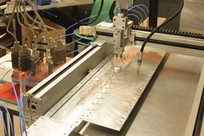
Scientists at the Wake Forest Institute for Regenerative Medicine have invented a mobile system for bio-printing skin to do on-site treatments of wounds. The technology mixes skin cells with a hydrogel for the printer’s ink and then applying the mixture to a wound providing a boost to natural healing. In a Scientific Reports paper published on February 12th 2019 entitled “In Situ Bioprinting of Autologous Skin Cells Accelerates Wound Healing of Extensive Excisional Full-Thickness Wounds,” the authors at the Wake Forest School of Medicine describe how over 7 million patients in the United States experience chronic and episodic wounds leading to $25 billion in annual expenses. Chronic wounds include diabetic, venous, and pressure ulcers. Episodic wounds come from burns and other external non-disease sources. They note that “full thickness” skin injuries are a major source of morbidity and mortality. More than 500,000 Americans annually suffer from burns requiring in-hospital treatment including skin grafts, and for the U.S. military, between 10 and 30% of combat casualties are a result of burn injuries. The earlier skin wounds get treated leads to greater survivability from burn-related injuries. Currently, skin grafts are the gold standard but getting healthy donor grafts is fraught with potential challenges both in availability and in terms of immune rejection risks. Synthetic materials represent a substitute for grafts but they are costly and cosmetically produce less than desirable results. A number of other types of technologies have been attempted to heal wounds and accelerate healing. These include spraying or applying liquids with skin cell tissue on wound sites to seed the healing process. The bioprinter takes the above processes several steps further. The bioprinter consists of a handheld 3D scanner and print head with 8 nozzles each driven by its own dispensing motor. Its full reach extends to 127 centimeters (more than 4 feet) which makes it flexible to cover the entire torso of a patient. At the same time, the bioprinter form factor is small enough to easily be transported to almost any site. You can maneuver through doorframes easily. And once in position, it can be locked in place on an operating table to deliver bioprinting with high accuracy. To ensure the skin constructed is an exact fit with a patient’s wound, the bioprinter uses a real-time 3D laser scanner. In initial comparisons with cell spraying and liquid application therapies, the bioprinter results show more rapid wound closure, reduced skin contraction, and faster healing. Human clinical trials are planned in the near future.
|
|
Scooped by
Dr. Stefan Gruenwald
March 20, 2019 4:55 PM
|
Researchers at Caltech have designed a way to levitate and propel objects using only light, by creating specific nanoscale patterning on the objects' surfaces. Though still theoretical, the work is a step toward developing a spacecraft that could reach the nearest planet outside of our solar system in 20 years, powered and accelerated only by light. A paper describing the research appears online in the March 18 issue of the journal Nature Photonics. The research was done in the laboratory of Harry Atwater, Howard Hughes Professor of Applied Physics and Materials Science in Caltech's Division of Engineering and Applied Science. Decades ago, the development of so-called optical tweezers enabled scientists to move and manipulate tiny objects, like nanoparticles, using the radiative pressure from a sharply focused beam of laser light. This work formed the basis for the 2018 Nobel Prize in Physics. However, optical tweezers are only able to manipulate very small objects and only at very short distances. Ognjen Ilic, postdoctoral scholar and the study's first author, gives an analogy: "One can levitate a ping pong ball using a steady stream of air from a hair dryer. But it wouldn't work if the ping pong ball were too big, or if it were too far away from the hair dryer, and so on." With this new research, objects of many different shapes and sizes -- from micrometers to meters -- could be manipulated with a light beam. The key is to create specific nanoscale patterns on an object's surface. This patterning interacts with light in such a way that the object can right itself when perturbed, creating a restoring torque to keep it in the light beam. Thus, rather than requiring highly focused laser beams, the objects' patterning is designed to "encode" their own stability. The light source can also be millions of miles away. "We have come up with a method that could levitate macroscopic objects," says Atwater, who is also the director of the Joint Center for Artificial Photosynthesis. "There is an audaciously interesting application to use this technique as a means for propulsion of a new generation of spacecraft. We're a long way from actually doing that, but we are in the process of testing out the principles."
|
|
Scooped by
Dr. Stefan Gruenwald
March 20, 2019 4:51 PM
|
The concept of “gray goo,” a robot comprised of billions of nanoparticles, has fascinated science fiction fans for decades. But most researchers have dismissed it as just a wild theory. Current robots are usually self-contained entities made of interdependent subcomponents, each with a specific function. If one part fails, the robot stops working. In robotic swarms, each robot is an independently functioning machine. In a new study published today in Nature, researchers at Columbia Engineering and MIT Computer Science & Artificial Intelligence Lab (CSAIL) demonstrate for the first time a way to make a robot composed of many loosely coupled components, or “particles.” Unlike swarm or modular robots, each component is simple and has no individual address or identity. In their system, which the researchers call a “particle robot,” each particle can perform only uniform volumetric oscillations (slightly expanding and contracting), but cannot move independently. The team, led by Hod Lipson, professor of mechanical engineering at Columbia Engineering, and CSAIL Director Daniela Rus, discovered that when they grouped thousands of these particles together in a “sticky” cluster and made them oscillate in reaction to a light source, the entire particle robot slowly began to move forward, towards the light. Particle robots are composed of loosely coupled components, or particles, that lack an individual identity or addressable position. They are capable of only a simple motion—expansion and contraction. However, when a group of particles is coordinated to move as a collective, interesting behavior is observed. Even in amorphous configurations, particle robots exploit statistical mechanics phenomena to produce locomotion. The particle motion can be phase-modulated by an environmental stimulus, such as a light source. Here, we show a particle robot in which each component measures its light intensity, broadcasts its value to the group, and receives the intensity values of its neighbors to determine its phase delay. This produces undulating motion, with net movement towards the light source. “You can think of our new robot as the proverbial ‘Gray Goo,’” says Lipson. “Our robot has no single point of failure and no centralized control. It’s still fairly primitive, but now we know that this fundamental robot paradigm is actually possible. We think it may even explain how groups of cells can move together, even though individual cells cannot.” Researchers have been building autonomous robots for more than a century, but these have been non-biological machines that cannot grow, heal, or recover from damage. The Columbia Engineering/MIT team has been focused on developing robust, scalable robots that can function even when individual components fail. “We’ve been trying to fundamentally rethink our approach to robotics, to discover if there is a way to make robots differently,” says Lipson, who directs the Creative Machines lab. “Not just make a robot look like a biological creature but actually construct it like a biological system, to create something that is vast in complexity and abilities yet composed of fundamentally simple parts.” Rus, who is at MIT, adds, “All creatures in nature are made of cells that combine in different ways to make organisms. In developing particle robots, the question we ask is, can we have robotic cells that can be composed in different ways to make different robots? The robot could have the best shape required by the task—a snake to crawl through a tunnel or a three-handed machine for a factory floor. We could even give these particle robots the ability to make themselves. Suppose, for example, that a robot needs a screw driver from the table—the screw driver is too far to reach. What if the robot could reshuffle its cells to grow an extra long arm? As its goals change, its body can change too.”
|
|
Scooped by
Dr. Stefan Gruenwald
March 20, 2019 4:44 PM
|
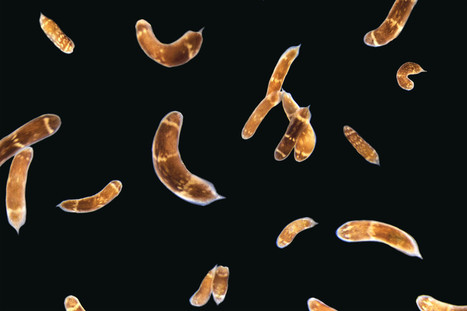
When it comes to regeneration, some animals are capable of amazing feats. If you cut off a salamander’s leg, it will grow back. When threatened, some geckos drop their tails to distract their predator, only to regrow them later. Other animals take the process even further. Planarian worms, jellyfish, and sea anemones can actually regenerate their bodies after being cut in half. Led by Assistant Professor of Organismic and Evolutionary Biology Mansi Srivastava, a team of researchers is shedding new light on how animals pull off the feat, along the way uncovering a number of DNA switches that appear to control genes for whole-body regeneration. The study is described in a recent paper in Science. Using three-banded panther worms to test the process, Srivastava and Andrew Gehrke, a postdoctoral fellow working in her lab, found that a section of noncoding DNA controls the activation of a “master control gene” called early growth response, or EGR. Once active, EGR controls a number of other processes by switching other genes on or off. “What we found is that this one master gene comes on [and activates] genes that are turning on during regeneration,” Gehrke said. “Basically, what’s going on is the noncoding regions are telling the coding regions to turn on or off, so a good way to think of it is as though they are switches.” For that process to work, Gehrke said, the DNA in the worms’ cells, which normally is tightly folded and compacted, has to change, making new areas available for activation. “A lot of those very tightly packed portions of the genome actually physically become more open,” he said, “because there are regulatory switches in there that have to turn genes on or off. So one of the big findings in this paper is that the genome is very dynamic and really changes during regeneration as different parts are opening and closing.” Before Gehrke and Srivastava could understand the dynamic nature of the worm’s genome, they had to assemble its sequence — no simple feat in itself. “That’s a big part of this paper,” Srivastava said. “We’re releasing the genome of this species, which is important because it’s the first from this phylum. Until now there had been no full genome sequence available. It’s also noteworthy, she added, because the three-banded panther worm represents a new model system for studying regeneration. “Previous work on other species helped us learn many things about regeneration,” she said. “But there are some reasons to work with these new worms.” For one thing, they’re in an important phylogenetic position. “So the way they’re related to other animals … allows us to make statements about evolution.” The other reason, she said, is, “They’re really great lab rats. I collected them in the field in Bermuda a number of years ago during my postdoc, and since we’ve brought them into the lab they’re amenable to a lot more tools than some other systems.” While those tools can demonstrate the dynamic nature of the genome during regeneration — Gehrke was able to identify as many as 18,000 regions that change — what’s important, Srivastava said, is how much meaning he was able to derive from studying them. She said the results show that EGR acts like a power switch for regeneration — once it is turned on, other processes can take place, but without it, nothing happens. “We were able to decrease the activity of this gene and we found that if you don’t have EGR, nothing happens,” Srivastava said. “The animals just can’t regenerate. All those downstream genes won’t turn on, so the other switches don’t work, and the whole house goes dark, basically.” While the study reveals new information about how the process works in worms, it also may help explain why it doesn’t work in humans.
|
|
Scooped by
Dr. Stefan Gruenwald
March 20, 2019 4:25 PM
|
The idea of terraforming Mars – aka "Earth's Twin" – is a fascinating idea. Between melting the polar ice caps, slowly creating an atmosphere, and then engineering the environment to have foliage, rivers, and standing bodies of water, there's enough there to inspire just about anyone! But just how long would such an endeavor take, what would it cost us, and is it really an effective use of our time and energy? Such were the questions dealt with by two papers presented at NASA's "Planetary Science Vision 2050 Workshop" last week (Mon. Feb. 27th – Wed. Mar. 1st). The first, titled "The Terraforming Timeline", presents an abstract plan for turning the Red Planet into something green and habitable. The second, titled "Mars Terraforming – the Wrong Way", rejects the idea of terraforming altogether and presents an alternative. The former paper was produced by Aaron Berliner from the University of California, Berkeley, and Chris McKay from the Space Sciences Division at NASA Ames Research Center. In their paper, the two researchers present a timeline for the terraforming of Mars that includes a Warming Phase and an Oxygenation Phase, as well as all the necessary steps that would precede and follow. As they state in their paper's Introduction: "Terraforming Mars can be divided into two phases. The first phase is warming the planet from the present average surface temperature of -60° C to a value close to Earth's average temperature to +15° C, and recreating a thick CO² atmosphere. This warming phase is relatively easy and quick, and could take ~100 years. The second phase is producing levels of O² in the atmosphere that would allow humans and other large mammals to breath normally. This oxygenation phase is relatively difficult and would take 100,000 years or more, unless one postulates a technological breakthrough."
|
|
Scooped by
Dr. Stefan Gruenwald
March 20, 2019 2:45 PM
|
A new study has demonstrated mathematically that algorithms based on deep neural networks can be applied to better understand the world of quantum physics, as well. Under the direction of Mobileye founder Amnon Shashua, a research group at Hebrew University of Jerusalem's School of Engineering and Computer Science has proven that artificial intelligence (AI) can help us understand the world on an infinitesimally small scale called quantum physics phenomena. Quantum physics phenomena is one of the hottest topics in contemporary physics. It looks at how particles in nature "come together" and bring along their unique properties, such as electrical conductivity or magnetism. However, it has been almost impossible for even the most seasoned researchers to get more than a glimpse of these complex phenomena. This is because of the enormous number of particles these phenomena contain (over one billion billions in each gram) and the enormous number of interactions between them. At least not until now. A new study published in Physical Review Letters by Prof. Shashua's computer science doctoral students at Hebrew University -- Yoav Levin, Or Sharir and Nadav Cohen -- has demonstrated mathematically that algorithms based on deep neural networks can be applied to better understand the world of quantum physics, as well. These algorithms, the very same ones that gave our computers facial- and voice-recognition capabilities, can now be harnessed to enhance our understanding of the quantum behavior of nature. As lead author Shashua shared, "what we have here is nothing short of extraordinary: a leading physics journal publishing computer science research. This cross-pollination has created a new and important tool that will help us understand the quantum nature of the world around us." Like the technological revolutions of the 20th century, gaining a deeper understanding of quantum physics through artificial intelligence has the potential to revolutionize all aspects of our lives, from computing and energy to transportation.
|
|
Scooped by
Dr. Stefan Gruenwald
March 19, 2019 10:33 AM
|
Stanford researchers have devised a way to generate hydrogen fuel using solar power, electrodes and saltwater from San Francisco Bay. Hongjie Dai and his research lab at Stanford University have developed a prototype that can generate hydrogen fuel from seawater. The findings, published March 18 2019 issue in Proceedings of the National Academy of Sciences (USA), demonstrate a new way of separating hydrogen and oxygen gas from seawater via electricity. Existing water-splitting methods rely on highly purified water, which is a precious resource and costly to produce. Theoretically, to power cities and cars, “you need so much hydrogen it is not conceivable to use purified water,” said Hongjie Dai, J.G. Jackson and C.J. Wood professor in chemistry in Stanford’s School of Humanities and Sciences and co-senior author on the paper. “We barely have enough water for our current needs in California.” Hydrogen is an appealing option for fuel because it doesn’t emit carbon dioxide, Dai said. Burning hydrogen produces only water and should ease worsening climate change problems. Dai said his lab showed proof-of-concept with a demo, but the researchers will leave it up to manufacturers to scale and mass produce the design.
|
|
Scooped by
Dr. Stefan Gruenwald
March 14, 2019 12:58 AM
|
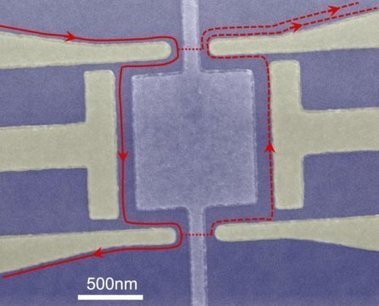
Researchers have created a new device that allows them to probe the interference of quasiparticles, potentially paving the way for the development of topological qubits. Qubits, the units used to encode information in quantum computing, are not all created equal. Some researchers believe that topological qubits, which are tougher and less susceptible to environmental noise than other kinds, may be the best medium for pushing quantum computing forward. Quantum physics deals with how fundamental particles interact and sometimes come together to form new particles called quasiparticles. Quasiparticles appear in fancy theoretical models, but observing and measuring them experimentally has been a challenge. With the creation of a new device that allows researchers to probe interference of quasiparticles, we may be one giant leap closer. The findings were published Monday in Nature Physics. "We're able to probe these particles by making them interfere," said Michael Manfra, the Bill and Dee O'Brian Chair Professor of Physics and Astronomy at Purdue University. "People have been trying to do this for a long time, but there have been major technical challenges." To study particles this small, Manfra's group builds teeny, tiny devices using a crystal growth technique that builds atomic layer by atomic layer, called molecular beam epitaxy. The devices are so small that they confine electrons to two dimensions. Like a marble rolling around on a tabletop, they can't move up or down. If the device, or "tabletop," is clean and smooth enough, what dominates the physics of the experiment is not electrons' individual actions, but how they interact with each other. To minimize the individual energy of particles, Manfra's team cooled them down to extremely low temperatures -- around -460 degrees Fahrenheit. Additionally, the electrons were subjected to a large magnetic field. Under these three conditions: extremely cold temperatures, confined to two dimensions, and exposed to a magnetic field, really strange physics starts to happen. Physicists call this the fractional quantum hall regime. "In these exotic conditions, electrons can arrange themselves so that the basic object looks like it carries one-third of an electron charge," said Manfra, who is also a professor of materials engineering, and electrical and computer engineering. "We think of elementary particles as either bosons or fermions, depending on the spin of the particle, but our quasiparticles have a much more complex behavior as they evolve around each other. Determining the charge and statistical properties of these states is a long-standing challenge in quantum physics." To make the particles interfere, Manfra's group built an interferometer: a device that merges two or more sources of quasiparticles to create an interference pattern. If you threw two stones into a pond, and their waves intersected at some point, this is where they would generate interference and the patterns would change. But replicating these effects on a much smaller scale is extremely difficult. In such a cramped space, electrons tend to repel each other, so it costs additional energy to fit another electron into the space. This tends to mess up the interference effects so researchers can't see them clearly. The Purdue interferometer overcomes this challenge by adding metallic plates only 25 nanometers away from the interfering quasiparticles. The metallic plates screen out the repulsive interactions, reducing energy cost and allowing interference to occur. The new device has identical walls on each side and metal gates, somewhat like a pinball machine. But unlike a pinball, which scatters around chaotically, the electrons in this device follow a very strict pattern. "The magic of the quantum hall effect is that all of the current will travel on the edge of the sample, not through the middle," said James Nakamura, Ph.D. candidate at Purdue and lead author of the paper. "When quasiparticles are tunneled across the beam splitter, they're split in half, in a quantum mechanical sense. That happens twice, at two beam splitters, and interference occurs between the two different paths." In such a bizarre realm of physics, it can be difficult for researchers to know if what they think they're seeing is what they're actually seeing. But these results show that, potentially for the first time, researchers have witnessed the quantum mechanical interference of quasiparticles.
|
|
Scooped by
Dr. Stefan Gruenwald
March 12, 2019 3:48 PM
|
Related to severe health problems, air pollution is a serious issue that millions of people all over the planet face on a daily basis. The Copernicus Atmosphere Monitoring Service (CAMS), implemented by the European Centre for Medium-Range Weather Forecasts (ECMWF) on behalf of the European Union, helps to mitigate the effects of air pollution and supports work to reduce toxic elements in the air that we breathe - about 143 m (or 17 kg) per day and per person. In a recent article published by the BBC, Richard Engelen, Deputy Head of CAMS, explained how we can spot emissions hotspots and how pollution travels across country borders. The animation below, for example, shows the movement of nitrogen dioxide across Europe. Nitrogen dioxide, which is produced by combustion processes, is an important pollutant because it causes respiratory problems and contributes to the formation of smog.
|
|
Scooped by
Dr. Stefan Gruenwald
March 12, 2019 11:34 AM
|
Astronomers build on the Drake Equation to probe the chance that humans will find existing aliens. The answer: Not likely. If signals from an alien civilization ever reach Earth, odds are the aliens will already be dead. In an effort to update the 1961 Drake Equation, which estimates the number of detectable, intelligent civilizations in the Milky Way, physicist Claudio Grimaldi and colleagues calculated the area of the galaxy that should be filled with alien signals at a given time. The team, which includes Frank Drake (now a professor emeritus at the SETI Institute in Mountain View, Calif., and the University of California, Santa Cruz), assumed technologically savvy civilizations are born and die at a constant rate. When a civilization dies out and stops broadcasting, the signals it had sent continue traveling like concentric ripples on a pond. Part of the Milky Way should be filled with these ghost signals. If a civilization lasted less than 100,000 years — roughly the time it takes light to cross the galaxy — then the odds of the signals reaching Earth while the civilization is still broadcasting are vanishingly small, the researchers report February 27, 2019 in arXiv.org. Humans, for example, have been transmitting radio waves for only about 80 years, so our radio waves cover less than 0.001 percent of the Milky Way. “If the civilization emitted from the other side of the galaxy, when the signal arrives here, the civilization will already be gone long time ago,” says Grimaldi, of the Federal Polytechnical School of Lausanne in Switzerland. Surprisingly, the team also calculated that the average number of E.T. signals crossing Earth at a given time should equal the number of civilizations currently transmitting — even if the civilizations we hear from aren’t the same ones presently broadcasting. Grimaldi is now working on a paper about what it means that we’ve found none so far.
|