To mount a successful defense against invading organisms, the immune system must quickly and accurately identify which cells belong in the body and which do not. That might seem straightforward enough, but it’s not such an easy feat to achieve. The responsibility falls largely on the shoulders of T-cells, white blood cells with specialized receptors embedded in their surface that allow them to bind uniquely to diverse peptide fragments. Once bound, the T-cells can then initiate a focused attack against the target.
“It’s an amazing needle in a haystack that they’re trying to identify,” said Orion Weiner, a biochemist at the University of California, San Francisco. “Being able to find that incredibly rare [foreign] peptide in a sea of quite similar self-peptides is an amazing challenge. It requires a degree of both specificity and sensitivity that’s really at the limits of what’s physically possible.” But there’s a problem: During development, millions of T-cells with distinctive receptors are produced randomly — the immune system’s way of covering all its bases, of preparing for the astronomical diversity of peptides it might encounter. Many of those peptides, however, are inevitably parts of proteins that belong in the body. While most of the T-cells that react to such “self” molecules are eliminated as development progresses, some of them continue to circulate throughout life, protecting against infected and abnormal cells without harming the body. Something keeps them in check.
How these T-cells are able to make the distinction between self and non-self, between something that should be left alone and something that shouldn’t be, has been one of the central questions driving immunology research.
Now, researchers seem prepared to hand down a definitive answer. A pair of studies, published in eLifein April, have experimentally confirmed a theory that has enjoyed growing support since the 1990s. The key lies in the timing of things: Substances that bind to T-cell receptors for less than about five seconds are deemed safe, while longer-binding molecules are slated to be destroyed. “The cell could have some way of taking very, very tiny differences in the duration of the receptor binding,” said Weiner, an author of one of the papers, “and amplifying that to a much larger cellular response.”
Elon Musk’s new project Neuralink has been making headlines recently, but very little is known about this mysterious company so far. So, what is Neuralink?
Back in 2015, Professor Pedram Mohseni and Rudolph J. Nudo created a startup called ‘NeuraLink’. These pair of neurotech researchers had developed a device that could potentially help people suffering from brain injuries. Investors didn’t show a great deal of interest, but in 2016 a mysterious unknown investor came along with an offer to purchase the rights to the name, Neuralink, for tens of thousands of dollars. They sold, and that investor later turned out to be multi billionaire, Elon Musk.
Fast forward to the 27th of March 2017 and Musk announces that he will be backing a new brain-computer interface venture, Neuralink. The ultimate goal of this new company is to merge man with machine, fusing human intelligence with artificial intelligence to bring humanity up to a higher level of cognitive reasoning. Without this technology, Musk argues that humans will be unable to keep pace with advances in artificial intelligence, and that humans will become the intellectual equivalent of the house cat.
So far, Musk has been calling this brain-computer interface technology ‘neural lace’. In essence, a neural lace is an ultra-thin mesh that is implanted in the skull, and forms a body of electrodes which are able to monitor brain function. It’s not entirely clear at this time how far along the technology is in its development phase. But eventually, neural lace should enable humans to upload or download information directly from a computer. Just like Neo from The Matrix, in a matter of minutes you too could proclaim, “I know Kung Fu”.
In order to insert neural lace, a tiny needle which contains the rolled up mesh is placed inside the skull, whereby the mesh is then injected. The mesh unravels upon injection, encompassing the brain. Gradually, the neural lace will integrate itself with the human brain, creating a perfect symbiosis between man and machine.
So far, neural lace has been tested on live mice. Upon autopsy, researchers found little negative consequences associated with the insertion of this mesh-like structure.
This technology sounds amazing. The ability to hook up our brains with machines and thereby enhance human intelligence could open up whole new worlds of possibilities for our species. It could even be the catalyst for the almost mythical technological Singularity. However, some critics are raising concerns about the ethical and real world implications and consequences of this technology. For example, in a world where everyone’s thoughts are connected to the internet, how would this affect our personal privacy? Would authoritarian governments seize upon the opportunity to spy on us or even take control of our minds? And what about computer hackers? Would they be able to exploit vulnerabilities in the software of our minds, or inject viruses directly into our consciousness? All of this remains to be seen. Until then, let’s just be content that Musk’s Neuralink may be able to help the disabled and those suffering from brain injuries to lead more productive and happier lives in the not too distant future.
African mole rats are insensitive to many kinds of pain. As an international research team led by the MDC's Gary Lewin reports in Science, this characteristic has allowed mole rats to populate new habitats. Thanks to a genetic change, the highveld mole rat is able to live alongside venomous ants with painful stings that other mole rats avoid.
Pain alerts our bodies that something is amiss and typically we stop the pain-causing activity. Numerous species of plants and prey animals take advantage of this response by producing pain-causing substances that are released during predation attempts. In turn, species that encounter these substances often evolve ways of turning off the pain-producing mechanism. Eigenbrod et al. searched RNA transcripts in eight species of subterranean rodents related to pain-resistant naked mole-rats. They found multiple changes to ion channels involved in pain across the different species. Understanding such adaptations could elucidate pain mechanisms and help us develop approaches for pain relief.
Noxious substances, called algogens, cause pain and are used as defensive weapons by plants and stinging insects. The researchers identified four previously unknown instances of algogen-insensitivity by screening eight African rodent species related to the naked mole-rat with the painful substances capsaicin, acid (hydrogen chloride, pH 3.5), and allyl isothiocyanate (AITC). Using RNA sequencing, they traced the emergence of sequence variants in transduction channels, like transient receptor potential channel TRPA1 and voltage-gated sodium channel Nav1.7, that accompany algogen insensitivity. In addition, the AITC-insensitive highveld mole-rat exhibited overexpression of the leak channel NALCN (sodium leak channel, nonselective), ablating AITC detection by nociceptors. These molecular changes likely rendered highveld mole-rats immune to the stings of the Natal droptail ant. This study reveals how evolution can be used as a discovery tool to find molecular mechanisms that shut down pain.
The validity of the superposition principle and of Born’s rule are well-accepted tenants of quantum mechanics. Surprisingly, it has been predicted that the intensity pattern formed in a three-slit experiment is seemingly in contradiction with the most conventional form of the superposition principle when exotic looped trajectories are taken into account. However, the probability of observing such paths is typically very small, thus rendering them extremely difficult to measure. Scientists were able to confirm the validity of Born’s rule and presented the first experimental observation of exotic trajectories as additional paths for the light by directly measuring their contribution to the formation of optical interference fringes. They accomplished this by enhancing the electromagnetic near-fields in the vicinity of the slits through the excitation of surface plasmons. This process increases the probability of occurrence of these exotic trajectories, demonstrating that they are related to the near-field component of the photon’s wave-function.
Distant water exoplanets might have oceans thousands of miles deep. That's in contrast to Earth's ocean, which is about 6.8 miles (about 11 km) deep at its deepest point.
Water worlds – planets or moons with global oceans – used to be considered part of science fiction, but we are starting to learn now that, not only do they exist, they might actually be fairly common.
In our own solar system, the moons Europa, Enceladus, Titan and Ganymede are known or suspected to have such oceans beneath their outer ice crust. Even Pluto is now thought to have one!
Perhaps other worlds in our solar system have water we haven’t found yet. Scientists also think they’re getting closer to finding exoplanets – planets orbiting distant stars – that are water worlds as well, including planets with global or near-global oceans on their surfaces.
Now, a new study suggests that some exoplanet water worlds could have oceans much deeper than any in our solar system. Unfathomably deep, even, as in hundreds or thousands of miles deep. The new research was published in the Proceedings of the National Academy of Sciences (PNAS) on April 29, 2019, by Harvard University astronomer Li Zeng and his colleagues. Zeng explained that, according to the team’s computer simulations, some planets may have incredibly deep oceans:
Earth’s oceans are nowhere near as deep. The average ocean depth on Earth is about about 2.2 miles (3.5 km). The maximum depth is 6.8 miles (about 11 km) at the bottom of the Mariana Trench.
The data the team gathered from their computer simulations suggests that water worlds are probably common in our galaxy, particularly in sub-Neptune-sized planets – or mini-Neptunes – that have radii two to four times that of Earth but are smaller than Neptune. These planets are most likely to have deep global oceans, rather than thick atmospheres like gas dwarfs, ice giants or gas giants. Moons like Europa and Enceladus have deep subsurface oceans, for their size, but those are still not nearly as deep as the oceans that would exist on sub-Neptune worlds.
Researchers at the Donnelly Centre in Toronto have found that dozens of genes, previously thought to have similar roles across different organisms, are in fact unique to humans and could help explain how our species came to exist.
These genes code for a class of proteins known as transcription factors, or TFs, which control gene activity. TFs recognize specific snippets of the DNA code called motifs, and use them as landing sites to bind the DNA and turn genes on or off. Previous research had suggested that TFs which look similar across different organisms also bind similar motifs, even in species as diverse as fruit flies and humans. But a new study from Professor Timothy Hughes' lab, at the Donnelly Centre for Cellular and Biomolecular Research, shows that this is not always the case.
Writing in the journal Nature Genetics, the researchers describe a new computational method which allowed them to more accurately predict motif sequences each TF binds in many different species. The findings reveal that some sub-classes of TFs are much more functionally diverse than previously thought.
"Even between closely related species there's a non-negligible portion of TFs that are likely to bind new sequences," says Sam Lambert, former graduate student in Hughes' lab who did most of the work on the paper and has since moved to the University of Cambridge for a postdoctoral stint. "This means they are likely to have novel functions by regulating different genes, which may be important for species differences," he says.
Even between chimps and humans, whose genomes are 99 per cent identical, there are dozens of TFs which recognize diverse motifs between the two species in a way that would affect expression of hundreds of different genes. "We think these molecular differences could be driving some of the differences between chimps and humans," says Lambert, who won the Jennifer Dorrington Graduate Research Award for outstanding doctoral research at U of T's Faculty of Medicine.
To reanalyze motif sequences, Lambert developed new software which looks for structural similarities between the TFs' DNA binding regions that relate to their ability to bind the same or different DNA motifs. If two TFs, from different species, have a similar composition of amino-acids, building blocks of proteins, they probably bind similar motifs. But unlike older methods, which compare these regions as a whole, Lambert's automatically assigns greater value to those amino-acids -- a fraction of the entire region -- which directly contact the DNA. In this case, two TFs may look similar overall, but if they differ in the position of these key amino-acids, they are more likely to bind different motifs.
When Lambert compared all TFs across different species and matched to all available motif sequence data, he found that many human TFs recognize different sequences -- and therefore regulate different genes -- than versions of the same proteins in other animals.
The finding contradicts earlier research, which stated that almost all of human and fruit fly TFs bind the same motif sequences, and is a call for caution to scientists hoping to draw insights about human TFs by only studying their counterparts in simpler organisms.
Scientists have discovered a new type of water cycle on Mars, which is a bit surprising given the generally severe lack of water on the planet. According to a new study, water vapor rises from the lower atmosphere to Mars’ upper atmosphere, and some of it even escapes into space, but this can only happen under very limited conditions. This finding may also help explain how Mars lost most of its water billions of years ago.
The intriguing new results were published in the current issue of the peer-reviewed journal Geophysical Research Letters on April 16, 2019, by researchers from the Moscow Institute of Physics and Technology (MIPT) and the Max Planck Institute for Solar System Research (MPS) in Germany.
Computer simulations showed that, surprisingly, water vapor can rise from the lower atmosphere and pass through the colder middle atmosphere into the upper atmosphere, but only under certain circumstances. This unique movement of water vapor occurs about every two years, during summer in the southern hemisphere. Some of the water vapor is carried by winds to the north pole, while the rest of it decays and escapes into space. This could be how Mars lost most of its water vapor in the distant past, as well.
Scientists in Sweden have found that some viruses can increase the buildup of protein ‘plaques’ linked to Alzheimer’s disease, a discovery that could lead to new vaccines treating the condition.
According to Kariem Ezzat, one of the lead researchers based in Stockholm University, the group is looking for industrial collaborators to develop vaccines against viruses linked with Alzheimer’s disease, including herpes simplex virus type 1. These vaccines could especially help elderly patients with a high risk of the neurodegenerative condition.
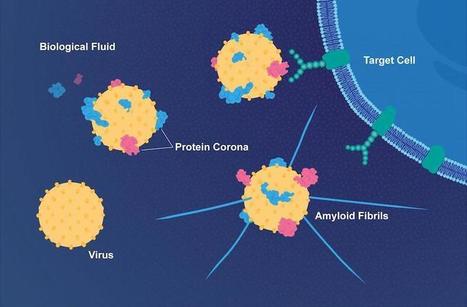
The research, published in Nature Communications, revealed that some viruses are linked to Alzheimer’s because the viruses are ‘sticky’ — their surface is able to interact with human proteins in the blood and other fluids. According to the study, the viruses can accelerate the progression of Alzheimer’s disease in mice by making the protein amyloid beta more likely to aggregate into ‘plaques’, which are widely considered a major hallmark of the disease.
Alzheimer’s disease has always been a fiendishly difficult condition to treat. Although there were over 400 clinical trials carried out for the condition between 2002 and 2012, available treatments are still unable to stop or delay its progression. Many late-stage clinical programs targeting amyloid beta have failed, the most recent being a phase III trial abandoned by Biogen back in March, 2019.
Viruses, the most abundant biological entities on earth, are a scourge on humanity, causing both chronic infections and global pandemics that can kill millions. Yet, the true extent of viruses that infect humans remains completely unknown. Some newly discovered viruses are recognized because of the sudden appearance of a new disease, such as SARS in 2003, or even HIV/AIDS in the early 1980s.
New techniques, however, now enable scientists to identify viruses by directly studying RNA or DNA sequences in genetic material associated with humans, enabling detection of whole populations of viruses—termed the virome—including those that may not cause acutely recognizable disease. However, identifying novel types of viruses is difficult as their genetic sequences may have little in common with already known viral genomes that are available in reference databases.
Researchers in the Perelman School of Medicine at the University of Pennsylvania, have now identified a previously unknown viral family, which turns out to be the second-most common DNA virus in human lung and mouth specimens, where it is associated with severe critical illness and gum disease, respectively. The team published their findings today in Cell Host Microbe. Senior authors Frederic D. Bushman, Ph.D., chair of the department of Microbiology, and Ronald G. Collman, MD, a professor of Pulmonary, Allergy and Critical Care, lead the team that discovered this new virus, which they dubbed Redondoviridae.
"New sequencing techniques have helped us uncover a world of new viruses," said Bushman. "However, the majority of the sequence data we have so far remains unclassified, leaving us much work to do in order to better understand the human virome and how these new species may be associated with illness."
The team analyzed samples from human lungs to sequence RNA and DNA in free-floating viral particles. Using this wide-ranging survey of viral sequences as a starting point to compare samples with known viral sequences in public databases, the team, including first authors Arwa A. Abbas and Louis J. Taylor, both graduate students working with Bushman and Collman, identified short sequences that were similar to a type of virus found in domesticated pig stool. From there, they identified whole genomes in the sample, which they recognized as a completely new human virus.
A new invention uses magnets to record computer data which consume virtually zero energy, solving the dilemma of how to create faster data processing speeds without high energy costs.
Superfast data processing using light pulses instead of electricity has been created by scientists. The invention uses magnets to record computer data which consume virtually zero energy, solving the dilemma of how to create faster data processing speeds without the accompanying high energy costs.
Today's data centre servers consume between 2 to 5% of global electricity consumption, producing heat which in turn requires more power to cool the servers. The problem is so acute that Microsoft has even submerged hundreds of its data centre services in the ocean in an effort to keep them cool and cut costs.
Most data are encoded as binary information (0 or 1 respectively) through the orientation of tiny magnets, called spins, in magnetic hard-drives. The magnetic read/write head is used to set or retrieve information using electrical currents which dissipate huge amounts of energy.
Now an international team publishing in Nature has solved the problem by replacing electricity with extremely short pulses of light -- the duration of one trillionth of a second -- concentrated by special antennas on top of a magnet. This new method is superfast but so energy efficient that the temperature of the magnet does not increase at all.
The team includes Dr Rostislav Mikhaylovskiy, formerly at Radboud University and now Lancaster University, Stefan Schlauderer, Dr Christoph Lange and Professor Rupert Huber from Regensburg University, Professor Alexey Kimel from Radboud University and Professor Anatoly Zvezdin from the Russian Academy of Sciences. They demonstrated this new method by pulsing a magnet with ultrashort light bursts (the duration of a millionth of a millionth of a second) at frequencies in the far infrared, the so called terahertz spectral range.
However, even the strongest existing sources of the terahertz light did not provide strong enough pulses to switch the orientation of a magnet to date. The breakthrough was achieved by utilizing the efficient interaction mechanism of coupling between spins and terahertz electric field, which was discovered by the same team.
The scientists then developed and fabricated a very small antenna on top of the magnet to concentrate and thereby enhance the electric field of light. This strongest local electric field was sufficient to navigate the magnetization of the magnet to its new orientation in just one trillionth of a second. The temperature of the magnet did not increase at all as this process requires energy of only one quantum of the terahertz light -- a photon -- per spin. Dr Mikhaylovskiy said: "The record-low energy loss makes this approach scalable.
Green monkeys' alarm calls allow conclusions about the evolution of language
Human language and communication skills are unique in the animal kingdom. How they developed in the course of evolution is being researched, among other things, using the alarm call system of vervet monkeys. East African vervet monkeys warn their conspecifics against predators with special alarm calls that mean "leopard," "eagle" or "snake."
In a recently published study, scientists from the German Primate Center (DPZ) -- Leibniz Institute for Primate Research have investigated how the closely related West African green monkeys react to unknown sounds. To do this, they flew a drone over a group of West African green monkeys and later played them a sound recording of the drone noise. From the reactions of the animals, the researchers were able to conclude that the animals learn very quickly what the drone noise means. However, the monkeys did not create a new alarm call, but used a call that the East African vervet monkey uses to warn against aerial predators like eagles. This suggests that the call structure is conserved and was determined long ago in the course of evolution (Nature Ecology & Evolution).
There are three main predators that pose a threat to East African vervet monkeys: leopards, eagles and snakes. For each of these predators, the monkeys have developed special alarm calls to which the animals respond with appropriate strategies: When the call for "leopard" is uttered, they climb a tree, when they hear the call for "eagle," they search the sky and hide and when the call for "snake" is uttered, they stand on two legs and remain motionless.
The closely related West African green monkeys also emit alarm calls for leopards and snakes, however none for aerial predators. With these animals, the team around behavioral scientist Julia Fischer from the German Primate Center has now carried out a playback experiment in order to investigate the evolution of the alarm call system and ultimately to draw conclusions about the development of language.
A pair of researchers, one at the Massachusetts Institute of Technology (MIT) and another at California Institute of Technology (Caltech) and the University of Tokyo, have recently investigated a set of old conjectures about symmetries in quantum gravity. The specific conjectures of focus: (1) Quantum gravity does not allow for global symmetries; (2) For gauge symmetry, all possible charges must be realized; (3) Internal gauge groups must be compact. Their paper, published inPhysical Review Letters, shows that these old assumptions hold within the anti-de Sitter/conformal field theory (AdS-CFT) correspondence.
"Historically, the concept of symmetry has played important roles in physics, both in identifying and formulating fundamental laws of nature, and in using these laws to understand and predict natural phenomena such as dynamics and phases of matters," Hirosi Ooguri, one of the researchers who carried out the study, told Phys.org. "However, there has been theoretical evidence to suggest that, once we combine gravity and quantum mechanics (the two fundamental ideas in modern physics), all global symmetries are gone."
In physics, symmetries can be of two kinds: gauge and global. For several decades, researchers have proposed the idea that global symmetries should not be possible in quantum gravity, as the unified theory of gravity and quantum mechanics would not allow for any symmetry. This is a profound claim with important consequences. For instance, it predicts that a proton would not be stable against decaying into other particles.
"The standard model of particle physics has both kinds of symmetries, so we are predicting that the global ones must only be approximate," Daniel Harlow, the other researcher involved in the study, told Phys.org. "So far, this idea has had some circumstantial support, but there was no convincing argument. In our paper, we gave what we think is a rather convincing argument in the special case of the AdS/CFT correspondence. This correspondence gives our best-understood theories of quantum gravity, and we were able to show that it does not allow global symmetries."
A new study from Western University posits proof to the possibility that an oncoming swarm of meteors—likened to the Loch Ness Monster and Bigfoot by some extraterrestrial experts—may indeed pose an existential risk for Earth and its inhabitants. (That's us.)
When considering catalysts for catastrophic collision, there are two main sources Near Earth Objects (NEOs) like asteroids and meteoroids and interlopers from the outer solar system, which are typically comets. Over the past few decades, a great deal of effort has been expended in cataloging more than 90 percent of the potentially hazardous NEOs, and work is ongoing to detect, catalog and track greater numbers and smaller sizes of these objects. Interlopers from the outer solar system are much harder to chart but again, much work is underway.
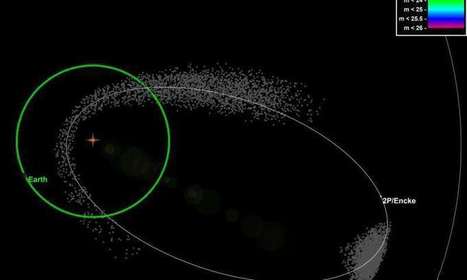
The Taurid swarm is a third potential source of risk that changes the probabilities of possible catastrophic impacts. The Tunguska (Russia) explosion of 1908 is considered a one-in-1000-year event, assuming a random distribution of events over time. But the Taurid swarm, a dense cluster within the Taurid meteoroid stream, and through which the Earth periodically passes, changes the odds significantly and gives a possible reason for the unlikely occurrence that a once per 1000-year event occurred just over a century ago. If the hypothesized might of the Taurid swarm is successfully proven, this also heightens the possibility of a cluster of large impacts over a short period of time.
Major project to reproduce controversial claims of bench-top nuclear fusion kindles debate about when high-risk research is worthwhile.
Thirty years ago, claims of ‘cold fusion’ hit the headlines, promising a solution to the apparently impossible dream of producing cheap and clean energy using little more than standard bench-top apparatus. From the outset, it sounded too good to be true.
Fusion of atomic nuclei is typically associated with high-energy astrophysical environments (the Sun, for example). So when researchers at the University of Utah in Salt Lake City asserted in early 1989 that they had induced the process by passing an electric current through a simple electrochemical cell, it drew skepticism straight away. The phenomenon — even if real — seemed ephemeral and had little to no theoretical basis. Many groups failed to repeat the findings. The episode is now largely remembered as a case study in confirmation bias. Discussions of the phenomenon are relegated to the fringes of mainstream scientific discourse, and for years it has received little serious attention.
Until 2015, that is, when Google convened and funded a group of around 30 researchers spanning several laboratories to take another look. After all, absence of evidence is not the same as evidence of absence. Society’s need for cheaper and cleaner sources of energy is more pressing than ever, and, if cold fusion were possible, it could be a disruptive technology with a world-changing pay-off. The goals of the Google team were simple to state, but challenging to execute: to develop a series of rigorous experiments and reproducible protocols that would tightly constrain the conditions under which cold fusion can be realized; and, if the team could detect the phenomenon, to develop a definitive reference experiment that would benchmark it for the wider academic community to scrutinize and verify. The program is described for the first time in a Perspective, a technical opinion piece.
The team found no evidence whatsoever of cold fusion.
Is that the final nail in the cold-fusion coffin? Not quite. The group was unable to attain the material conditions speculated to be most conducive to cold fusion. Indeed, it seems extremely difficult to do so using current experimental set-ups — although the team hasn’t excluded such a possibility. So the fusion trail, although cooling, is not yet cold, leaving a few straws for optimists to clutch on to.
The question now is whether it is even worth continuing this research. Here, the message is more nuanced. The project has produced materials, tools and insights — such as calorimeters that operate reliably under extreme conditions, and techniques for producing and characterizing highly hydrided metals — that could benefit other areas of energy and fusion research. But whether the spin-off benefits alone justify continued efforts and investment in pursuit of a probable pipe dream is another matter. Opinions are split.
Order sometimes emerges from chaos in turbulent fluid flow. We may finally have a mathematical explanation for why.
While order often devolves to chaos, sometimes the reverse is true. Turbulent fluid, for example, has a tendency to spontaneously form a tidy pattern: parallel stripes. Though physicists had observed this phenomenon experimentally, they can now explain why this happens using fundamental fluid dynamics equations, bringing them a step closer to understanding why particles behave in this way.
In the lab, when a fluid is placed in between two parallel plates that are moving in opposite directions from each other, its flow becomes turbulent. But after a little while, the turbulence starts to smooth out in a striped pattern. What results is a canvas of smooth and turbulent lines running at an angle to the flow (imagine slight wind-created waves in a river). "You get structure and clear order out of the chaotic motion of turbulence," said senior author Tobias Schnieder, an assistant professor in the school of engineering at the Swiss Federal Institute of Technology Lausanne. This "kind of weird and very obscure" behavior has "fascinated scientists for a long, long time."
Physicist Richard Feynman predicted that the explanation must be hidden in fundamental equations of fluid dynamics, called the Navier-Stokes equations. But these equations are very difficult to solve and analyze, Schnieder told Live Science. (Showing that the Navier-Stokes equations even have a smooth solution at every point for a 3D fluid is one of the $1 million Millennium Prize problems.) So up until this point, no one knew how the equations predicted this pattern-forming behaviors. Schnieder and his team used a combination of methods, including computer simulations and theoretical calculations to find a set of "very special solutions" to these equations that mathematically describe each step of the transition from chaos to order. In other words, they broke the chaotic behavior down into its non-chaotic building blocks and found solutions for each small chunk.
"The behavior that we observe is not mysterious physics," Schnieder said. "It's somehow hidden in standard equations that describe fluid flow." This pattern is important to understand because it shows how the turbulent and the calm, otherwise known as "laminar flow," compete with each other to determine its final state, according to a statement. When this pattern occurs, the turbulent and laminar flows are equal in strength — with no side winning the tug-of-war.
But this pattern isn't really seen in natural systems, such as turbulence in the air. Schneider notes that a pattern like this would actually "be pretty bad" for the plane because it would have to fly through a scaffold of bumpy turbulent and not turbulent lines. Rather, the major goal of this experiment was to understand the fundamental physics of fluids in a controlled environment, he said. Only by understanding the very simple motions of fluids can we begin to understand the more complex systems of turbulence that exist everywhere around us, from the air flow around airplanes to the inside of pipelines, he added.
The researchers published their findings May 23 in the journal Nature Communications.
An international team of scientists is getting closer to perfecting molecule-sized motors that drill through the surface of cancer cells, killing them in an instant.
An international team of scientists is getting closer to perfecting molecule-sized motors that drill through the surface of cancer cells, killing them in an instant.
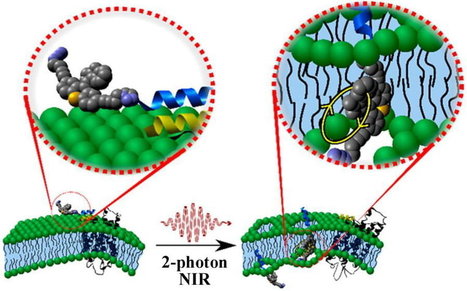
Researchers at Rice University, Durham (U.K.) University and North Carolina State University reported their success at activating the motors with precise two-photon excitation via near-infrared light. Unlike the ultraviolet light they first used to drive the motors, the new technique does not damage adjacent, healthy cells. The team's results appear in the American Chemical Society journal ACS Nano.
The research led by chemists James Tour of Rice, Robert Pal of Durham and Gufeng Wang of North Carolina may be best applied to skin, oral and gastrointestinal cancercells that can be reached for treatment with a laser.
In a 2017 Nature paper, the same team reported the development of molecular motors enhanced with small proteins that target specific cancer cells. Once in place and activated with light, the paddlelike motors spin up to 3 million times a second, allowing the molecules to drill through the cells' protective membranes and killing them in minutes.
Since then, researchers have worked on a way to eliminate the use of damaging ultraviolet light. In two-photon absorption, a phenomenon predicted in 1931 and confirmed 30 years later with the advent of lasers, the motors absorb photons in two frequencies and move to a higher energy state, triggering the paddles.
Cornell engineers have constructed a DNA material with capabilities of metabolism, in addition to self-assembly and organization – three key traits of life.
As a genetic material, DNA is responsible for all known life. But DNA is also a polymer. Tapping into the unique nature of the molecule, Cornell engineers have created simple machines constructed of biomaterials with properties of living things.
Using what they call DASH (DNA-based Assembly and Synthesis of Hierarchical) materials, Cornell engineers constructed a DNA material with capabilities of metabolism, in addition to self-assembly and organization – three key traits of life.
“We are introducing a brand-new, lifelike material concept powered by its very own artificial metabolism. We are not making something that’s alive, but we are creating materials that are much more lifelike than have ever been seen before,” said Dan Luo, professor of biological and environmental engineering in the College of Agriculture and Life Sciences.
Astronomers discovered Haumea in 2004. It’s classified as a trans-Neptunian object (TNO), a group of dwarf planets and other small rocky bodies that all orbit beyond the orbit of Neptune. It is so far away, it has a bone-chilling surface temperature of about -369 degrees Fahrenheit (-223 degrees Celsius). At about 905 miles (1,456 km) long, it isn’t big enough to have a nice spherical shape, so it looks more like an egg or American football.
It rotates faster than any other known equilibrium body in the solar system, completing one rotation in less than four hours. It is thought to be composed mostly of rock, with a thin layer of surface ice. Haumea was officially classified as a dwarf planet in 2008, and is named after the Hawaiian goddess of fertility and childbirth.
Not long after its discovery, Haumea had another surprise for astronomers as well … two moons! Astronomers using one of the W. M. Keck Observatory telescopes on Mauna Kea in Hawaii found Haumea’s moons in 2005. The moons, Namaka and Hi’iaka, are named after Haumea’s daughters in Hawaiian mythology. Hi’iaka is the larger moon, with a diameter of about 193 miles (310 km), while Namaka is about 106 miles (170 km) across. Scientists think they formed from a collision between Haumea and another rocky body in the distant past. This collision would also account for Haumea’s fast spin rate. It might also account for the rings.
At one time, Saturn was the only body in the solar system known to have rings. And spectacular rings, at that. But since then, we’ve learned that Jupiter, Uranus and Neptune all have ring systems as well. So all the gas and ice giants in our solar system have rings, although none of the others are as dazzling as Saturn’s. Even a couple of asteroids – Chariklo and Chiron– are now known or suspected to have rings.
And, of course, Haumea has been known since 2017 to have its own system of rings. Although Haumea’s ring is very difficult to study from Earth, scientists are managing to study it. The new study from Brazil should help scientists understand how Haumea’s ring formed and what keeps it in a stable circular orbit around such a small planetary body.
An exoplanet smaller than Neptune with its own atmosphere has been discovered in the Neptunian Desert around its star by an international collaboration of astronomers, with the University of Warwick taking a leading role. The rogue planet was identified in the new research, led by Dr Richard West including Professor Peter Wheatley, Dr Daniel Bayliss and Dr James McCormac from the Astronomy and Astrophysics Group at the University of Warwick.
NGTS is situated at the European Southern Observatory's Paranal Observatory in the heart of the Atacama Desert, Chile. It is a collaboration between UK Universities Warwick, Leicester, Cambridge, and Queen's University Belfast, together with Observatoire de Genève, DLR Berlin and Universidad de Chile.
NGTS-4b, also nick-named 'The Forbidden Planet' by researchers, is a planet smaller than Neptune but three times the size of Earth.
It has a mass of 20 Earth masses, and a radius 20% smaller than Neptune, and is 1000 degrees Celsius. It orbits around the star in only 1.3 days -- the equivalent of Earth's orbit around the sun of one year. It is the first exoplanet of its kind to have been found in the Neptunian Desert.
The Neptunian Desert is the region close to stars where no Neptune-sized planets are found. This area receives strong irradiation from the star, meaning the planets do not retain their gaseous atmosphere as they evaporate leaving just a rocky core. However NGTS-4b still has its atmosphere of gas.
When looking for new planets astronomers look for a dip in the light of a star -- this the planet orbiting it and blocking the light. Usually only dips of 1% and more are picked up by ground-based searches, but the NGTS telescopes can pick up a dip of just 0.2%
Researchers believe the planet may have moved into the Neptunian Desert recently, in the last one million years, or it was very big and the atmosphere is still evaporating.
A century ago, on May 29, 1919, the universe was momentarily perturbed, and Albert Einstein became famous.
On Wednesday at the Institute for Advanced Study, Einstein’s intellectual home from 1932 until his death in 1955, scholars celebrated the centenary with an afternoon symposium titled “The Universe Speaks in Numbers.”
The premise: that nature reveals itself through patterns, which can be described with numbers and probed through problems posed by mathematicians and physicists alike. The event’s name was borrowed from the title of a new book by Graham Farmelo, who gave the introductory talk.
“This is actually a good story,” said Helmut Hofer, a mathematician at the Institute, sitting in his office. Behind him, on the wall, hung an axiom that his wife and found and framed: “Mathematics is such a drama queen. It can’t seriously have that many problems.”
Having the right mathematicians in the company of the right physicists can be quite helpful in solving problems, said Dr. Hofer.
Einstein himself apparently had no special plans for what he knew could be a momentous day. He was home in Berlin. He wrote a letter admitting a “blunder” in an ongoing debate with Theodor Kaluza, a German mathematician with a new notion of space-time that required five dimensions.
He betrayed no jitters about the fact that, on that day in May, two scientific expeditions were finally putting his theory of general relativity to the test. In Sobral, Brazil, and on Príncipe Island, off the western coast of Africa, two teams were viewing a total solar eclipse; in measuring the deflection of starlight by the sun’s gravitational field, they proved Einstein right.
Einstein first received word of their preliminary results in September, and wrote his mother with the “happy news.” The confirmation was officially announced in November at the Royal Astronomical Society in London, triggering headlines about the ensuing excitement. (“Men of Science More or Less Agog Over Results of Eclipse Observations,” one headline in The Times noted.) Einstein bought himself a congratulatory violin.
Hostility toward health workers continued to hamper efforts to contain the second-deadliest outbreak of the virus.
More than 1,000 people have died from Ebola in eastern Congo since August, the country’s health minister said on Friday, the second-worst outbreak of the disease in history behind the West African one in 2014-16 that killed more than 11,300.
The toll came as hostility toward health workers continued to hamper efforts to contain the virus. Health Minister Oly Ilunga said that four deaths in the outbreak’s center, Katwa, had helped push the death toll to 1,008. Two more deaths were reported in the city of Butembo. The outbreak was declared almost nine months ago.
A volatile security situation and deep community mistrust have hampered efforts to control the spread of the disease in eastern Congo. Ebola treatment centers have been repeatedly attacked, leaving government health officials to run clinics in the hot spots like Butembo and Katwa.
International aid organizations stopped working in the two communities because of the violence. A Cameroonian epidemiologist working with the World Health Organization was killed last month during an assault on a hospital in Butembo.
A newly released image from the Hubble Space Telescope shows the irregular galaxy NGC 4485, which has been warped and twisted for millions of years by a much larger galaxy nearby.
A new photograph from the Hubble Space Telescope shows the spectacular consequences when two galaxies collide. The newly released image from Hubble shows the galaxy NGC 4485, which has been warped and twisted for millions of years by a much larger galaxy nearby. According to a statement from Hubble, the image reveals the complex shapes formed by gravity within that galaxy. The picture also shows the long streams of bright stars, gas and dust torn from NGC 4485 by the nearby galaxy NGC 4490, which is not shown.
Both galaxies are about 30 million light-years from Earth, located in the northern constellation Canes Venatici, the hunting dogs, near the Great Bear constellation, Ursa Major. Together, the two galaxies form a pair known as Arp 269.
Hubble researchers said in the statement that the new photograph shows two distinct regions around the stricken galaxy; one, on the left side, is the remains of the galaxy's previous spiral structure, which was once evolving as a normal galaxy. And the right side of the image shows how the stars, gas, dust and bright star-forming regions from NGC 4485 have been ripped away by the gravity of the larger galactic neighbor. The image provides "further insights into the complex and mysterious field of galaxy evolution," researchers said in the statement.
The Hubble Space Telescope continues to produce spectacular photographs from the far reaches of space, although the observatory is already 29 years old and was expected to last for only 10. This latest image is the second released by Hubble of this tortured galaxy; a photograph of NGC 4485 released in 2014 showed the galaxy in more-limited wavelengths of light, and with far less detail.
A new study from the University of Eastern Finland shows that a moderately high intake of dietary cholesterol or consumption of up to one egg per day is not associated with an elevated risk of stroke. Furthermore, no association was found in carriers of the apolipoprotein E phenotype 4 (APOE4), which affects cholesterol metabolism and is remarkably common among the Finnish population. The findings were published in theAmerican Journal of Clinical Nutrition.
Findings from earlier studies addressing the association of dietary cholesterol or egg intake with the risk of stroke have been contradictory. Some studies have found an association between high dietary cholesterol intake and an increased risk of stroke, while others have associated the consumption of eggs, which are high in cholesterol, with a reduced risk of stroke. For most people, dietary cholesterol plays a very small role in affecting their serum cholesterol levels. However, in carriers of APOE4 -- which significantly impacts cholesterol metabolism -- the effect of dietary cholesterol on serum cholesterol levels is greater.
In Finland, the prevalence of APOE4, which is a hereditary variant, is exceptionally high, with approximately one third of the population presenting as carriers. Yet, research data on the association between a high intake of dietary cholesterol and the risk of stroke in this population group has not been available until now.
The dietary habits of 1,950 men aged between 42 and 60 years with no baseline diagnosis of a cardiovascular disease were assessed at the onset the Kuopio Ischaemic Heart Disease Risk Factor Study, KIHD, in 1984-1989 at the University of Eastern Finland. APOE phenotype data were available for 1,015 of the men participating in the study. Of those, 32% were known carriers of APOE4.
During a follow-up of 21 years, 217 men were diagnosed with stroke. The study found that neither dietary cholesterol nor egg consumption was associated with the risk of stroke -- not even in carriers of APOE4.
Researchers have discovered evidence that reversing the conventional shape of the plasma in a tokamak chamber can create a more stable environment for nuclear fusion to occur. The work was co-led by Alessandro Marinoni of the MIT Plasma Science and Fusion Center.
Trying to duplicate the power of the sun for energy production on earth has challenged fusion researchers for decades. One path to endless carbon-free energy has focused on heating and confining plasma fuel in tokamaks, which use magnetic fields to keep the turbulent plasma circulating within a doughnut-shaped vacuum chamber and away from the walls. Fusion researchers have favored contouring these tokamak plasmas into a triangular or D shape, with the curvature of the D stretching away from the center of the doughnut, which allows plasma to withstand the intense pressures inside the device better than a circular shape.
Led by research scientists Alessandro Marinoni of MIT's Plasma Science and Fusion Center (PSFC) and Max Austin, of the University of Texas at Austin, researchers at the DIII-D National Fusion Facility have discovered promising evidence that reversing the conventional shape of the plasma in the tokamak chamber can create a more stable environment for fusion to occur, even under high pressure. The results were recently published in Physical Review Letters and Physics of Plasmas.
Marinoni first experimented with the “reverse-D” shape, also known as “negative triangularity,” while pursuing his PhD on the TCV tokamak at Ecole Polytechnique Fédérale de Lausanne, Switzerland. The TCV team was able to show that negative triangularity helps to reduce plasma turbulence, thus increasing confinement, a key to sustaining fusion reactions.
“Unfortunately, at that time, TCV was not equipped to operate at high plasma pressures with the ion temperature being close to that of electrons,” notes Marinoni, “so we couldn’t investigate regimes that are directly relevant to fusion plasma conditions.”
Growing up outside Milan, Marinoni developed an interest in fusion through an early passion for astrophysical phenomena, hooked in preschool by the compelling mysteries of black holes. “It was fascinating because black holes can trap light. At that time I was just a little kid. As such, I couldn’t figure out why the light could be trapped by the gravitational force exerted by black holes, given that on Earth nothing like that ever happens.”
Astronomers have discovered a star they believe has come back from the dead. The star, located in a hazy nebula in the constellation Cassiopeia, is unlike most other stars. It shows no signs of hydrogen or helium — the two lightest elements in the universe and the final source of fuel for the nuclear reactions that power the hearts of stars. Despite this, it glows tens of thousands of times brighter than Earth's sun, and howls with a stellar wind that seems to have the strength of two stars.
Perhaps, write the authors of a new study published May 20, 2019, in the journal Nature, that's because this oddball star once was two stars — and two dead ones, at that. After some careful analysis of the star and the gassy nebula that surrounds it, the study authors determined that the star's unusual properties can be best explained by a rare phenomenon known as a double white dwarf merger. Essentially, two burnt-out stars got too close and collided, accumulated enough combined mass to start forging heavy elements again, and reignited.
To get content containing either thought or leadership enter:
To get content containing both thought and leadership enter:
To get content containing the expression thought leadership enter:
You can enter several keywords and you can refine them whenever you want. Our suggestion engine uses more signals but entering a few keywords here will rapidly give you great content to curate.


 Your new post is loading...