Your new post is loading...

|
Scooped by
Dr. Stefan Gruenwald
June 14, 2019 1:52 PM
|
As mysterious as the Italian scientist for which it is named, the Majorana particle is one of the most compelling quests in physics. Its fame stems from its strange properties—it is the only particle that is its own antiparticle—and from its potential to be harnessed for future quantum computing. In recent years, a handful of groups including a team at Princeton have reported finding the Majorana in various materials, but the challenge is how to manipulate it for quantum computation. In a new study published this week, the Princeton team reports a way to control Majorana quasiparticles in a setting that also makes them more robust. The setting—which combines a superconductor and an exotic material called a topological insulator—makes Majoranas especially resilient against destruction by heat or vibrations from the outside environment. What is more, the team demonstrated a way to turn on or off the Majorana using small magnets integrated into the device. The report appeared in the journal Science. "With this new study we now have a new way to engineer Majorana quasiparticles in materials," said Ali Yazdani, Class of 1909 Professor of Physics and senior author on the study. "We can verify their existence by imaging them and we can characterize their predicted properties." The Majorana is named for physicist Ettore Majorana, who predicted the existence of the particle in 1937 just a year before mysteriously disappearing during a ferry trip off the Italian coast. Building on the same logic with which physicist Paul Dirac predicted in 1928 that the electron must have an antiparticle, later identified as the positron, Majorana theorized the existence of a particle that is its own antiparticle. Typically when matter and antimatter come together, they annihilate each other in a violent release of energy, but the Majoranas, when they appear as pairs each at either end of specially designed wires, can be relatively stable and interact weakly with their environment. The pairs enable the storing of quantum information at two distinct locations, making them relatively robust against disturbance because to change the quantum state requires operations at both ends of the wire at the same time.
|
|
Scooped by
Dr. Stefan Gruenwald
June 14, 2019 11:39 AM
|
The health of the gut microbiome has been linked with numerous diseases from depression to multiple sclerosis and even cancer and response to cancer drugs including immunotherapies. Earlier this year, an ambitious $25 million project was launched to determine the role of the microbiome in colorectal cancer, but perhaps more surprisingly, a new study in mice has linked the health of the gut microbiome to the spread of breast cancer. The work published today in Cancer Research used mouse models of hormone receptor positive (HR+) breast cancer, the most common type in people, representing two-thirds of all cases. The mice were treated with antibiotics to disrupt the microbiome before testing for the spread of the mouse breast cancer cells as well as inflammation. "When we disrupted the microbiome equilibrium in mice by chronically treating them antibiotics, it resulted in inflammation systemically and within the mammary tissue," said Melanie Rutkowski, PhD from the University of Virginia's Department of Microbiology, Immunology and Cancer Biology and lead author of the paper. "In this inflamed environment, tumor cells were much more able to disseminate from the tissue into the blood and to the lungs, which is a major site for hormone receptor-positive breast cancer to metastasize," she said. In addition to the antibiotics, the researchers also performed fecal transplants from mice with disrupted microbiomes, finding a similar effect on the spread of the breast cancer cells in the mice that received the transplants. Several chemotherapy agents are well-known to cause disruption of the normal gut bacteria and as many people who have had breast cancer will know, gastrointestinal symptoms are not uncommon. A main question which comes from this research appears to be whether dysbiosis (an imbalance of the microbiome) and hence the proposed increased risk of cancer spreading is present before the cancer diagnosis or is a result of the cancer and treatments.
|
|
Scooped by
Dr. Stefan Gruenwald
June 13, 2019 9:32 PM
|
Atmospheric carbon dioxide continued its rapid rise in 2019, with the average for May peaking at 414.7 parts per million (ppm) at NOAA's Mauna Loa Atmospheric Baseline Observatory. The measurement is the highest seasonal peak recorded in 61 years of observations on top of Hawaii's largest volcano and the seventh consecutive year of steep global increases in concentrations of carbon dioxide (CO2), according to data published today by NOAA and Scripps Institution of Oceanography. The 2019 peak value was 3.5 ppm higher than the 411.2 ppm peak in May 2018 and marks the second-highest annual jump on record. Monthly CO2 values at Mauna Loa first breached the 400 ppm threshold in 2014. "It's critically important to have these accurate, long-term measurements of CO2 in order to understand how quickly fossil fuel pollution is changing our climate," said Pieter Tans, senior scientist with NOAA's Global Monitoring Division. "These are measurements of the real atmosphere. They do not depend on any models, but they help us verify climate model projections, which if anything, have underestimated the rapid pace of climate change being observed." The concentration of CO2 in the atmosphere increases every year, and the rate of increase is accelerating. The early years at Mauna Loa saw annual increases averaging about 0.7 ppm per year, increasing to about 1.6 ppm per year in the 1980s and 1.5 ppm per year in the 1990s. The growth rate rose to 2.2 ppm per year during the last decade. There is abundant and conclusive evidence that the acceleration is caused by increased emissions, Tans said. The Mauna Loa data, together with measurements from sampling stations around the world, are collected by NOAA's Global Greenhouse Gas Reference Network and produce a foundational research dataset for international climate science.
|
|
Scooped by
Dr. Stefan Gruenwald
June 13, 2019 9:18 PM
|
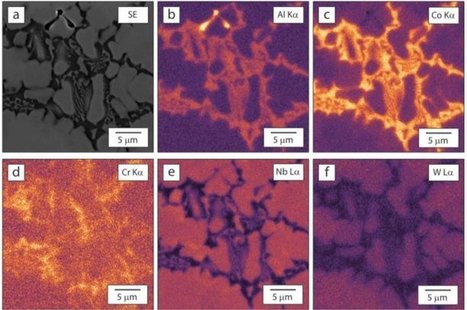
A new method of discovering materials using data analytics and electron microscopy has found a new class of extremely hard alloys. Such materials could potentially withstand severe impact from projectiles, thereby providing better protection of soldiers in combat. Researchers from Lehigh University describe the method and findings in an article, "Materials Informatics For the Screening of Multi-Principal Elements and High-Entropy Alloys," that appears today in Nature Communications. "We used materials informatics—the application of the methods of data science to materials problems—to predict a class of materials that have superior mechanical properties," said primary author Jeffrey M. Rickman, professor of materials science and engineering and physics and Class of '61 Professor at Lehigh University. Researchers also used experimental tools, such as electron microscopy, to gain insight into the physical mechanisms that led to the observed behavior in the class of materials known as high-entropy alloys (HEAs). High-entropy alloys contain many different elements that, when combined, may result in systems having beneficial and sometimes unexpected thermal and mechanical properties. For that reason, they are currently the subject of intense research. "We thought that the techniques that we have developed would be useful in identifying promising HEAs," Rickman said. "However, we found alloys that had hardness values that exceeded our initial expectations. Their hardness values are about a factor of 2 better than other, more typical high-entropy alloys and other relatively hard binary alloys."
|
|
Scooped by
Dr. Stefan Gruenwald
June 13, 2019 3:53 PM
|
MIT researchers have built an ingestible sensor equipped with genetically engineered bacteria that can diagnose bleeding in the stomach or other gastrointestinal problems. This “bacteria-on-a-chip” approach combines sensors made from living cells with ultra-low-power electronics that convert the bacterial response into a wireless signal that can be read by a smartphone. “By combining engineered biological sensors together with low-power wireless electronics, we can detect biological signals in the body and in near real-time, enabling new diagnostic capabilities for human health applications,” says Timothy Lu, an MIT associate professor of electrical engineering and computer science and of biological engineering. In this new study, the researchers created sensors that respond to heme, a component of blood, and showed that they work in pigs. They also designed sensors that can respond to a molecule that is a marker of inflammation.
|
|
Rescooped by
Dr. Stefan Gruenwald
from Soggy Science
June 13, 2019 3:41 PM
|
The amount of plastic that's been dumped into the ocean has been increasing. Here are some troubling facts about the pollution crisis plaguing our oceans. Dead sea birds and whales wash ashore with plastic in their bellies. Discarded fishing gear, plastic bags and other items accumulate in large patches throughout the ocean. Not to mention the microplastic polluting the marine environment that we can't see. The amount of plastic that's been dumped into the ocean has been increasing, and the problem will probably only get worse. Here are seven troubling facts about the pollution crisis plaguing our oceans.
Via Grant W. Graves
|
|
Scooped by
Dr. Stefan Gruenwald
June 13, 2019 3:29 PM
|
Scientists think they have achieved the first gene editing inside the body, altering DNA in adults to try to treat a disease, although it's too soon to know if this will help. Preliminary results suggest that two men with a rare disorder now have a corrective gene at very low levels, which may not be enough to make the therapy a success. Still, it's a scientific milestone toward one day doctoring DNA to treat many diseases caused by faulty genes. "This is a first step," said Dr. Joseph Muenzer of the University of North Carolina at Chapel Hill, who helped test the treatment. "It's just not potent enough." He gave the results Thursday at a conference in Orlando, Florida, and has consulted for the therapy’s maker, California-based Sangamo Therapeutics. Researchers are working on a stronger version of the treatment. Gene editing is intended as a more precise way to do gene therapy, to disable a bad gene or supply a good one that’s missing. Trying it in adults to treat diseases is not controversial and the DNA changes do not pass to future generations, unlike the recent case of a Chinese scientist who claims to have edited twin girls’ genes when they were embryos. Sangamo’s studies involve men with Hunter or Hurler syndrome, diseases caused by a missing gene that makes an enzyme to break down certain sugar compounds. Without it, sugars build up and damage organs, often killing people in their teens. In 2017, Brian Madeux of Arizona became the first person to try it. Through an IV, he received many copies of a corrective gene and an editing tool called zinc finger nucleases to insert it into his DNA. Results on him and seven other Hunter patients, plus three with Hurler syndrome, suggest the treatment is safe, which was the main goal of these early experiments. Three problems — bronchitis, an irregular heartbeat and a hernia — were deemed due to the diseases, not the treatment. Tissue samples showed evidence of gene editing at very low levels in two Hunter patients who were given a middle dose but not in one given a low dose. Tests are expected later this year on patients who received the highest dose and on Hurler patients.
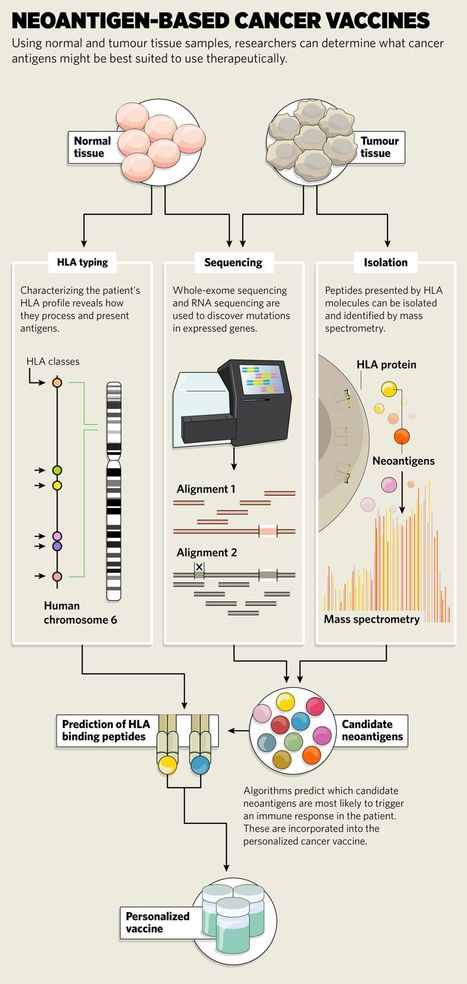
Next-generation sequencing technologies are helping researchers to find mutations unique to an individual’s cancer as well as the genetic signatures that predict their immune response. Can they use these clues to develop long-lasting and effective anticancer vaccines? Cancer vaccines that make use of these mutations represent a promising therapeutic strategy. “By stimulating immune responses against tumors through vaccines, we have an opportunity to generate long-term anti-tumor immunity,” says Benjamin Vincent, an immune-oncologist in the Division of Hematology/Oncology at the University of North Carolina at Chapel Hill. Not only do vaccines limit the damage to healthy cells, they can also prevent cancer recurrence by training the immune system to respond to those cells in the future. Vincent is using immunogenomic approaches in his research to understand tumor biology and develop clinically relevant biomarkers and new cancer therapies. Cancer-associated mutations frequently lead to the production of neoantigens: unique protein fragments that the immune system recognizes as foreign. Consequently, the total number of mutations in cancer cells (the tumor mutational burden, TMB) is emerging as a biomarker for predicting response to immunotherapy across all cancer types. “TMB is now used as a surrogate for the number of predicted neoantigens,” he says. Tumors with a high TMB are more likely to respond to immune checkpoint inhibitor drugs, although this has not been found in all cancer types1. “Even if neoantigens are present in the tumor, there can be multiple reasons for immunotherapy failure,” says Vincent. These reasons include the patient’s T cells not recognizing the neoantigens, or their neoantigen-recognizing T cells are somehow suppressed or unable to reach the tumor site. Checkpoint inhibitors, which interfere with cancer cells’ mechanism for evading the immune response, are likened to ‘releasing the brakes’ of the immune system. But these drugs fail to eradicate the tumor in the majority of cases. In these instances, it could be more effective to ‘hit the accelerator’ by priming the immune system to kill cancer cells directly, using a vaccination strategy that targets their mutant proteins. “The hope is that, by both expanding the repertoire of neoantigen-recognizing T cells with a vaccine and removing the brakes that tumor cells put on the immune system with checkpoint inhibitors, we can obtain a synergistic effect,” says Vincent.
Via Krishan Maggon
|
|
Scooped by
Dr. Stefan Gruenwald
June 12, 2019 9:29 PM
|
Scientists once thought that neurons, or possibly heart cells, were the oldest cells in the body. Now, Salk Institute researchers have discovered that the mouse brain, liver and pancreas contain populations of cells and proteins with extremely long lifespans -- some as old as neurons. The findings, demonstrating "age mosaicism," were published in Cell Metabolismon June 6, 2019. The team's methods could be applied to nearly any tissue in the body to provide valuable information about lifelong function of non-dividing cells and how cells lose control over the quality and integrity of proteins and important cell structures during aging. "We were quite surprised to find cellular structures that are essentially as old as the organism they reside in," says Salk Vice President, Chief Science Officer Martin Hetzer, senior author and professor. "This suggests even greater cellular complexity than we previously imagined and has intriguing implications for how we think about the aging of organs, such as the brain, heart and pancreas." Most neurons in the brain do not divide during adulthood and thus experience a long lifespan and age-related decline. Yet, largely due to technical limitations, the lifespan of cells outside of the brain was difficult to determine. "Biologists have asked -- how old are cells in an organism? There is this general idea that neurons are old, while other cells in the body are relatively young and regenerate throughout the organism's lifetime," says Rafael Arrojo e Drigo, first author and Salk staff scientist. "We set out to see if it was possible that certain organs also have cells that were as long-lived as neurons in the brain." Since the researchers knew that most neurons are not replaced during the lifespan, they used them as an "age baseline" to compare other non-dividing cells. The team combined electron isotope labeling with a hybrid imaging method (MIMS-EM) to visualize and quantify cell and protein age and turnover in the brain, pancreas and liver in young and old rodent models.
|
|
Scooped by
Dr. Stefan Gruenwald
June 12, 2019 9:18 PM
|
Among the great scientific puzzles of our time is how life emerged from inorganic matter. Scientists have probed it since the 1920s, when biochemists Alexsandr Oparin and J. B. S. Haldane (separately) investigated the properties of droplets rich in organic molecules that existed in a ‘prebiotic soup’ on the primitive Earth (see T. Hyman and C. Brangwynne Nature 491, 524–525; 2012). Each hypothesized that organic compounds underwent reactions leading to more complex molecules, and eventually to the first life forms. What was missing then, as is now, is a concrete theory for the physics of what life is, testable against experiment — which is likely to be more universal than the chemistry of life on Earth. Decades after Oparin and Haldane, Erwin Schrödinger’s 1944 book What Is Life? (see P. Ball Nature 560, 548–550; 2018) attempted to lay conceptual foundations for such a theory. Yet, more than 70 years and two generations of physicists later, researchers still ponder whether the answers lie in unknown physics. No one has led the charge on these questions quite like Stuart Kauffman. In the 1980s and 1990s, Kauffman — a complex-systems researcher — developed a highly influential theory for life’s origins, based on molecules that reproduce only collectively, called autocatalytic sets. He posited that if a chemical soup of polymers was sufficiently diverse, these sets would emerge spontaneously as a phase transition — that is, a significant change in state or function, akin to the shift from solid to liquid. The sets function holistically, mutually catalyzing the formation of all their molecular members. (His inspiration was advances in the mathematics of networks by Paul Erdős and Alfréd Rényi, who had demonstrated how phase transitions occur in random networks as connectivity is increased.) Now, in A World Beyond Physics, Kauffman elaborates. His key insight is motivated by what he calls “the nonergodic world” — that of objects more complex than atoms. Most atoms are simple, so all their possible states can exist over a reasonable period of time. Once they start interacting to form molecules, the number of possible states becomes mind-bogglingly massive. Only a tiny number of proteins that are modestly complex — say, 200 amino acids long — have emerged over the entire history of the Universe. Generating all 20200 of the possibilities would take aeons. Given such limitations, how does what does exist ever come into being?
|
|
Scooped by
Dr. Stefan Gruenwald
June 11, 2019 10:54 PM
|
A Russian biologist has told a journalist at Nature that he wants to create more gene-edited babies and will do it if he can win approval. Who’s involved: Denis Rebrikov of the Pirogov Russian National Research Medical University in Moscow says he wants to repeat last year’s widely condemned experiment in China to create humans resistant to HIV. He believes he can do a better job. Is this serious? Rebrikov isn’t known for his work with gene editing. A search of his publications mostly turns up reports on biomarkers of gum disease. However, last October he did author a report in which the gene-editing tool CRISPR was applied to human IVF embryos, one of just a dozen or so such experiments ever described. What’s more, his coauthors included the director of a large Russian maternity clinic, the Kulakov National Medical Research Center for Obstetrics, Gynecology, and Perinatology in Moscow. Rebikov believes Russian rules on creating gene-modified babies are unclear and says that he plans to seek approval to carry out the procedure. Expert response: Experts say it wouldn’t be responsible to make more CRISPR babies at this time. One reason is that it is hard to know what unexpected effects altering a baby’s genes will have. The gene the Russians want to delete from embryos, CCR5, doesn’t just protect against HIV. It appears to have potential effects on cognition and life span, too. Yet some scientists will remain driven to genetically modify children, no matter what. “I think I’m crazy enough to do it,” Rebikov told Nature.
|
|
Scooped by
Dr. Stefan Gruenwald
June 11, 2019 9:06 AM
|
A team of researchers with the Royal Botanic Gardens in the U.K. and Stockholm University has found that plant extinctions over the past two and a half centuries have been more extensive than previous estimates suggested. In their paper published in the journal Nature Ecology and Evolution, the group describes their exhaustive study of plants and which have gone extinct, and what it might mean for future plant life. In recent years, botanists have estimated that fewer than 150 plant species have gone extinct in modern times—most due to human activities. In this new effort, the researchers have found that the real number is closer to quadruple such estimates—they found 571 plants that have gone extinct since 1753. That was the year that famed botanist Carl Linnaeus published his Species Plantarum—a collection of all known plant species at that time. The researchers also claimed that approximately three species of plants have gone extinct on average each year since 1900—a rate that they note is approximately 500 times the natural rate of plant extinction. The group came to these conclusions using information from a database started back in 1988 by workers at the Royal Botanic Gardens who have had the goal of adding every known plant on the planet. Since that time, over 330,000 plant species have been added. The scientists also created a map showing where the extinctions have occurred, noting that most are in the tropics and on islands. The map also highlights some interesting hotspots as well, such as South Africa, Australia, India and Hawaii. They add that the main culprit is habitat destruction, though some have also suffered from being too popular with humans—the Chile sandalwood tree, for example, was harvested for its exotic aroma.
For artificial general intelligence (AGI) it would be efficient if multiple users trained the same giant neural network, permitting parameter reuse, without catastrophic forgetting. PathNet is a first step in this direction. It is a neural network algorithm that uses agents embedded in the neural network whose task is to discover which parts of the network to re-use for new tasks. Agents are pathways (views) through the network which determine the subset of parameters that are used and updated by the forwards and backwards passes of the back-propagation algorithm. During learning, a tournament selection genetic algorithm is used to select pathways through the neural network for replication and mutation. Pathway fitness is the performance of that pathway measured according to a cost function. They demonstrate successful transfer learning; fixing the parameters along a path learned on task A and re-evolving a new population of paths for task B, allows task B to be learned faster than it. PathNet extends Deepmind’s original work on the Path Evolution Algorithm to Deep Learning whereby the weights and biases of the network are learned by gradient descent, but evolution determines which subset of parameters is to be trained. They have shown that PathNet is capable of sustaining transfer learning on at least four tasks in both the supervised and reinforcement learning settings. PathNet may be thought of as implementing a form of ‘evolutionary dropout’ in which instead of randomly dropping out units and their connections, dropout samples or ‘thinned networks’ are evolved. PathNet has the added advantage that dropout frequency is emergent, because the population converges faster at the early layers of the network than in the later layers. PathNet also resembles ‘evolutionary swap-out’, in fact they have experimented with having standard linear modules, skip modules and residual modules in the same layer and found that path evolution was capable of discovering effective structures within this diverse network. PathNet is related also to recent work on convolutional neural fabrics, but there the whole network is always used and so the principle cannot scale to giant networks. Other approaches to combining evolution and learning have involved parameter copying, whereas there is no such copying in the current implementation of PathNet. They have only demonstrated PathNet in a fairly small network, the principle can scale to much larger neural networks with more efficient implementations of pathway gating. This will allow extension to multiple tasks. They also wish to try PathNet on other RL tasks which may be more suitable for transfer learning than Atari, for example continuous robotic control problems. Further investigation is required to understand the extent to which PathNet may be superior to using fixed paths. - A possibility is that mutable paths provide a more useful form of diverse exploration in RL tasks.
- It is possible that a larger number of workers can be used in A3C because if each worker can determine which parameters to update, there may be selection for pathways that do not interfere with each other.
They are still investigating the potential benefits of module duplication. Using this measure it is possible to bias the mutation operator such that currently more globally useful modules are more likely to be slotted into other paths. Further work is also to be carried out in multi-task learning which has not yet been addressed. Finally, it is always possible and sometimes desirable to replace evolutionary variation operators with variation operators learned by reinforcement learning. A tournament selection algorithm with mutation is only the simplest way to achieve adaptive paths. It is clear that more sophisticated methods such as policy gradient methods may be used to learn the distribution of pathways as a function of the long term returns obtained by paths, and as a function of a task description input. This may be done through a softer form of gating than used by PathNet here. Furthermore, a population (ensemble) of soft gate matrices may be maintained and an RL algorithm may be permitted to ’mutate’ these values.
Via Eric Feuilleaubois
|
|
|
Scooped by
Dr. Stefan Gruenwald
June 14, 2019 1:36 PM
|
New planets found in distant corners of the galaxy. Climate models that improve our understanding of sea level rise. The emergence of new highly effective drugs. These scientific advances and discoveries have been in the news in recent months. While representing wildly divergent disciplines, from astronomy to biotechnology, they all have one thing in common: Artificial intelligence (AI) played a key role in their scientific discovery.
One of the more recent and famous examples came out of NASA at the end of 2017. The US space agency had announced an eighth planet discovered in the Kepler-90 system. Scientists had trained a neural network—a computer with a “brain” modeled on the human mind—to re-examine data from Kepler, a space-borne telescope with a four-year mission to seek out new life and new civilizations hidden in the vastness of space. Or, more precisely, to find habitable planets where life might just exist.
The researchers trained the artificial neural network on a set of 15,000 previously vetted signals until it could identify true planets and false positives 96 percent of the time. It then went to work on weaker signals from nearly 700 star systems with known planets.
The AI detected Kepler 90i—a hot, rocky planet that orbits its sun about every two Earth weeks—through a nearly imperceptible change in brightness captured when a planet passes a star. It also found a sixth Earth-sized planet in the Kepler-80 system.
What AI brings to science is being driven by three great advances in technology, according to Ross King from the Manchester Institute of Biotechnology at the University of Manchester, leader of a team that developed an artificially intelligent “scientist” called Eve. Those three advances include much faster computers, big datasets, and improved AI algorithms, King explained. “These advances increasingly give AI superhuman reasoning abilities.“
“AI systems can flawlessly remember vast numbers of facts and extract information effortlessly from millions of scientific papers, not to mention exhibit flawless logical reasoning and near-optimal probabilistic reasoning,“ King said.
AI systems also beat humans when it comes to dealing with huge, diverse amounts of data. That’s partly what attracted a team of glaciologists to turn to machine learning to untangle the factors involved in how heat from Earth’s interior might influence the ice sheet that blankets Greenland.
Algorithms juggling 22 geologic variables—such as bedrock topography, crustal thickness, magnetic anomalies, rock types, and proximity to features like trenches, ridges, young rifts, and volcanoes—are used to predict geothermal heat flux under the ice sheet throughout Greenland. The machine learning model, for example, predicts elevated heat flux upstream of Jakobshavn Glacier, the fastest-moving glacier in the world.
“The major advantage is that we can incorporate so many different types of data,” explains Leigh Stearns, associate professor of geology at Kansas University, whose research takes her to the polar regions to understand how and why Earth’s great ice sheets are changing, questions directly related to future sea level rise.
|
|
Scooped by
Dr. Stefan Gruenwald
June 13, 2019 9:35 PM
|
Scientists at The University of Queensland have upended biologists' century-old understanding of the evolutionary history of animals. Using new technology to investigate how multi-celled animals developed, their findings revealed a surprising truth. Professor Bernie Degnan said the results contradicted years of tradition. "We've found that the first multicellular animals probably weren't like the modern-day sponge cells, but were more like a collection of convertible cells," Professor Degnan said. "The great-great-great-grandmother of all cells in the animal kingdom, so to speak, was probably quite similar to a stem cell. "This is somewhat intuitive as, compared to plants and fungi, animals have many more cell types, used in very different ways -- from neurons to muscles -- and cell-flexibility has been critical to animal evolution from the start." The findings disprove a long-standing idea: that multi-celled animals evolved from a single-celled ancestor resembling a modern sponge cell known as a choanocyte. "Scattered throughout the history of evolution are major transitions, including the leap from a world of microscopic single-cells to a world of multi-celled animals," Professor Degnan said. "With multicellularity came incredible complexity, creating the animal, plant, fungi and algae kingdoms we see today. "These large organisms differ from the other more-than-99-per-cent of biodiversity that can only be seen under a microscope." The team mapped individual cells, sequencing all of the genes expressed, allowing the researchers to compare similar types of cells over time. Fellow senior author Associate Professor Sandie Degnan said this meant they could tease out the evolutionary history of individual cell types, by searching for the 'signatures' of each type. "Biologists for decades believed the existing theory was a no-brainer, as sponge choanocytes look so much like single-celled choanoflagellates -- the organism considered to be the closest living relatives of the animals," she said.
|
|
Scooped by
Dr. Stefan Gruenwald
June 13, 2019 9:23 PM
|
An approved drug normally used to treat fungal infections could also do the job of a protein channel that is missing or defective in the lungs of people with cystic fibrosis, operating as a prosthesis on the molecular scale, says new research from the University of Illinois and the University of Iowa. Cystic fibrosis is a lifelong disease that makes patients vulnerable to lung infections. There are treatments for some but not all patients, and there is no cure. The drug restored infection-fighting properties in lung tissue donated by human patients as well as in pigs with cystic fibrosis. It has potential to become the first treatment to address all types of cystic fibrosis, regardless of the genetic mutation that causes the protein deficiency. The researchers published their findings in the journal Nature. “Instead of trying do gene therapy – which is not yet effective in the lung – or to correct the protein, our approach is different. We use a small molecule surrogate that can perform the channel function of the missing protein, which we call a molecular prosthetic,” said Dr. Martin D. Burke, the leader of the study. Burke is a professor of chemistry at Illinois and the associate dean for research at the Carle Illinois College of Medicine. See a video of Burke explaining the findings.
|
|
Scooped by
Dr. Stefan Gruenwald
June 13, 2019 4:21 PM
|
New study shows that frogs make cognitive maps. A cognitive map is a mental representation of the external world, and our place in it, allowing us to plot the most efficient route to any destination. Humans, other mammals and many bird species use them – and now for the first time, amphibians have been shown to do so, too Poison arrow frogs, members of the Dendrobatidae family and native to South and Central America, have a parenting style that requires sophisticated navigation and spatial recall in their complex rainforest habitat. After their eggs hatch in damp leaf litter on the forest floor, the adults transport the tadpoles, one or two at a time, to tiny ephemeral pools of water in tree holes and epiphytes such as bromeliads. The parents spend considerable time locating and monitoring the pools to ensure their tadpoles remain in water. Field based studies on the frogs have suggested that parents most probably use a cognitive map to locate their tadpoles, but laboratory experiments are necessary to conclusively establish its existence. A team of US researchers, led by Sabrina Burmeister from the University of North Carolina, Chapel Hill, trained five adult green-and-black poison dart frogs (Dendrobates auratus) to use a modified version of the Morris water maze, which they dubbed the moat maze. The Morris water maze has been used with some success with rats in cognitive map research, with trained animals learning visual cues to locate a hidden platform under opaque water, and thus be able to stop swimming.
Even single-celled organisms desire partners every now and then. Leishmania—single-celled parasites that cause infections of the skin and internal organs—have long been known to multiply asexually, like bacteria. But occasionally, researchers have found hybrid parasites that carry genetic material from more than one strain—or even more than one species—of Leishmania, suggesting that some kind of genetic mixing is going on. Now, researchers at Washington University School of Medicine in St. Louis and the National Institutes of Health (NIH) have found that the hybrid Leishmania parasites can mate with one another to produce fertile offspring that carry genes from both parents—signs of a true sexual reproductive cycle. The researchers hope to use their genetic remixing as a tool to find genes involved in virulence in Leishmanial disease. "What we want to know is why one strain causes a mild form of disease and another causes a lethal form, or how the parasites evade the immune response," said co-senior author Stephen Beverley, Ph.D., a professor of molecular microbiology at the School of Medicine. "By generating offspring with different characteristics, we can identify the genes that cause severe disease or immune resistance. That could be a step toward better treatment or prevention." The findings are available online in PLOS Genetics.
Via Emilio Mordini
|
|
Rescooped by
Dr. Stefan Gruenwald
from Papers
June 13, 2019 3:35 PM
|
Artificial intelligence is everywhere. But before scientists trust it, they first need to understand how machines learn. Dean Pomerleau can still remember his first tussle with the black-box problem. The year was 1991, and he was making a pioneering attempt to do something that has now become commonplace in autonomous-vehicle research: teach a computer how to drive. This meant taking the wheel of a specially equipped Humvee military vehicle and guiding it through city streets, says Pomerleau, who was then a robotics graduate student at Carnegie Mellon University in Pittsburgh, Pennsylvania. With him in the Humvee was a computer that he had programmed to peer through a camera, interpret what was happening out on the road and memorize every move that he made in response. Eventually, Pomerleau hoped, the machine would make enough associations to steer on its own. On each trip, Pomerleau would train the system for a few minutes, then turn it loose to drive itself. Everything seemed to go well — until one day the Humvee approached a bridge and suddenly swerved to one side. He avoided a crash only by quickly grabbing the wheel and retaking control. Back in the lab, Pomerleau tried to understand where the computer had gone wrong. “Part of my thesis was to open up the black box and figure out what it was thinking,” he explains. But how? He had programmed the computer to act as a 'neural network' — a type of artificial intelligence (AI) that is modeled on the brain, and that promised to be better than standard algorithms at dealing with complex real-world situations. Unfortunately, such networks are also as opaque as the brain. Instead of storing what they have learned in a neat block of digital memory, they diffuse the information in a way that is exceedingly difficult to decipher. Only after extensively testing his software's responses to various visual stimuli did Pomerleau discover the problem: the network had been using grassy roadsides as a guide to the direction of the road, so the appearance of the bridge confused it. Twenty-five years later, deciphering the black box has become exponentially harder and more urgent. The technology itself has exploded in complexity and application. Pomerleau, who now teaches robotics part-time at Carnegie Mellon, describes his little van-mounted system as “a poor man's version” of the huge neural networks being implemented on today's machines. And the technique of deep learning, in which the networks are trained on vast archives of big data, is finding commercial applications that range from self-driving cars to websites that recommend products on the basis of a user's browsing history. It promises to become ubiquitous in science, too. Future radio-astronomy observatories will need deep learning to find worthwhile signals in their otherwise unmanageable amounts of data; gravitational-wave detectors will use it to understand and eliminate the tiniest sources of noise; and publishers will use it to scour and tag millions of research papers and books. Eventually, some researchers believe, computers equipped with deep learning may even display imagination and creativity. “You would just throw data at this machine, and it would come back with the laws of nature,” says Jean-Roch Vlimant, a physicist at the California Institute of Technology in Pasadena. But such advances would make the black-box problem all the more acute. Exactly how is the machine finding those worthwhile signals, for example? And how can anyone be sure that it's right? How far should people be willing to trust deep learning? “I think we are definitely losing ground to these algorithms,” says roboticist Hod Lipson at Columbia University in New York City. He compares the situation to meeting an intelligent alien species whose eyes have receptors not just for the primary colours red, green and blue, but also for a fourth colour. It would be very difficult for humans to understand how the alien sees the world, and for the alien to explain it to us, he says. Computers will have similar difficulties explaining things to us, he says. “At some point, it's like explaining Shakespeare to a dog.”
Via Complexity Digest
Scientists around the world are racing to be the first to develop artificially intelligent algorithms that can see inside our minds.
The idea is not new: in the science fiction of the 1950s and 60s, crazed doctors were frequently seen putting weird contraptions on people’s heads to decipher their thoughts. British TV serial Quatermass and the Pit – in which such a machine is used to translate the thoughts of alien invaders – is a prime example. Now reality is catching up with fantasy. In the past year, AI experts in China, the US and Japan have published research showing that computers can replicate what people are thinking about by using functional magnetic resonance imaging (or fMRI) machines – which measure brain activity – linked to deep neural networks, which replicate human brain functions. Is it telepathy? While headlines around the world have screamed out that AI can now read minds, the reality seems to be more prosaic. Computers are not yet able to anticipate what we think, feel or desire. As science writer Anjana Ahuja remarked in the Financial Times, rather than telepathy, “a more accurate, though less catchy, description would be a ‘reconstruction of visual field’ algorithm”. Most of the research so far has been aimed at deciphering images of what subjects are looking at or, in limited circumstances, what they are thinking about. Studies have previously focused on programs producing images based on shapes or letters they had been taught to recognize when viewed through subjects’ minds. However, in one recent piece of research, from Japan’s ATR Computational Neuroscience Laboratories and Kyoto University, scientists said that not only was a program able to decipher images it had been trained to recognize when people looked at them but: “our method successfully generalized the reconstruction to artificial shapes, indicating that our model indeed ‘reconstructs’ or ‘generates’ images from brain activity, not simply matches to exemplars.”
Via Eric Feuilleaubois
Alien species of animals and plants can invade new regions of the earth. This study performs a global analysis of temporal dynamics and spatial patterns of alien species introductions over the past 200 years, and reports no saturation in the rate at which these invasion are increasing. Inter-continental and inter-taxonomic variation can be largely attributed to the diaspora of European settlers in the nineteenth century and to the acceleration in trade in the twentieth century. For all taxonomic groups, the increase in numbers of alien species does not show any sign of saturation and most taxa even show increases in the rate of first records over time. This highlights that past efforts to mitigate invasions have not been effective enough to keep up with increasing globalization.
Via Meristemi
|
|
Scooped by
Dr. Stefan Gruenwald
June 12, 2019 9:22 PM
|
The sea sloshing beneath the icy surface of Jupiter’s moon Europa just might be the best incubator for extraterrestrial life in our solar system. And yet it is concealed by the moon’s frozen outer shell—presenting a challenge for astrobiologists who would love nothing more than to peer inside. Luckily they can catch a partial glimpse by analyzing the flavor of the surface. And the results are salty. A new study published this week in Science Advances suggests that sodium chloride—the stuff of table salt—exists on Europa’s surface. Because the exterior is essentially formed from frozen seawater, the finding suggests that Europa’s hidden sea is drenched in table salt—a crucial fact for constraining the possibilities for life on the alien world. Not that scientists have tasted a slice of the distant moon. To analyze Europa’s composition, astronomers study the light emanating from its surface, splitting it into a rainbow-like spectrum to search for any telltale absorption or emission lines that reveal the world’s chemistry. There is just one problem: Ordinary table salt is white and thus gives off a featureless spectrum. But harsh radiation—which exists at Europa’s surface in abundance—just might add a dash of color. That much was realized in 2015 when two NASA planetary scientists Kevin Hand and Robert Carlson published a study suggesting the yellowish-brown gunk on Europa might be table salt baked by radiation. To reach that conclusion, Hand and Carlson re-created the conditions on Europa within vacuum chambers—or as Hand calls them, “stainless steel shiny objects that are humming and whizzing.” Next, they placed table salt into those chambers, lowered the pressures and temperatures to simulate Europa’s surface, and blasted the samples with an electron gun to simulate the intense radiation. Many of the electrons were then captured in empty spaces within the salt’s crystalline structure, transforming the salt’s color into a yellowish brown that bore an uncanny resemblance to that of the mysterious material filling the fissures and fractures crisscrossing Europa’s surface. The parallel caused Hand and Carlson to speculate that the gunk just might be irradiated table salt. But a match in color is not proof. Instead, proof could arrive in the form of very distinct spectroscopic features—particularly an absorption line at 450 nanometers within the visible portion of the electromagnetic spectrum. “One of the upshots of this irradiation is that it can help make the previously invisible, visible,” Hand says.
|
|
Scooped by
Dr. Stefan Gruenwald
June 12, 2019 2:26 PM
|
Five big extinctions, also called “the big five” by earth scientists, have challenged life on earth in the past 500 million years. It turns out we are now in the middle of the 6th extinction, according to a recent UN report. Up to one million species are now on the brink of extinction. For three years hundreds of scientists have contributed to the project and describe the latest knowledge on biodiversity in the ‘2019 Global Assessment Report on Biodiversity and Ecosystem Services’. The full six-chapter report will be published later this year by the Intergovernmental Science-Policy Platform on Biodiversity and Ecosystem Services (IPBES). The study follows the Millennium Ecosystem Assessment (2005), which analysed the consequences of ecosystem change, involving the work of more than 1,000 experts. The present study goes further, investigating species worldwide but also interactions between biodiversity, climate and human well-being. Human footprint The 6th of May, the summary for policymakers has already been published, reaching the media in the whole world. Being constantly bombarded by catastrophic news on climate change, the bad news on the state of global biodiversity is now added. “The health of the ecosystems on which we and other species depend is deteriorating more rapidly than ever,” said Robert Watson, the chair of IPBES. Main offenders are industrial agriculture and fisheries. So to feed almost 8 billion people (while I am writing this the precise figure is 7,7 billion, growing by more than 1% yearly), we are destroying our planet. The report shows that the human footprint has become too large for our planet. Farm fields cover 75% of the usable land, or is covered by concrete or otherwise severely altered. Fish farms have transformed the marine environment and energy production will add to that in the future, when we continue to build the necessary wind farms. Crop and livestock consume large quantities of freshwater. Nature, which is necessary for our own survival and quality of life, is pushed into a little corner. Natural causes in the past What’s so different between “the big five” and the current extinction? The big five happened in the geological past, a long time ago, and the amount of species that became extinct then, was much bigger than today. During the biggest of them all, the Permian crisis – also referred to as ‘The Big Dying’ – more than 96% of life was wiped out. This happened around 251 million years ago; most mammal-like reptiles passed away. Another big difference between past and present extinctions lays in the pace and its recovery rate. A ‘normal’ background rate of extinction is 2 mammal extinctions per 10,000 species per 100 years. So we could say that humankind breaks every record in this respect (see figure at the end of the article). Moreover, it takes Mother Earth quite a while to recover from a mass extinction. Palaeontologists figured out that omnivores that are not “picky” are the first to recover, followed by specialist mammals in the long run. But also here, the trend is not on a human timescale. What all five extinctions have in common, is their natural cause. Meteorites, volcanism, acidification or a combination of various causes. The cause for the present “Anthropogenic extinction” is in its name: Homo sapiens is the cause.
|
|
Scooped by
Dr. Stefan Gruenwald
June 11, 2019 9:08 AM
|
As if they were bubbles expanding in a just-opened bottle of champagne, tiny circular regions of magnetism can be rapidly enlarged to provide a precise method of measuring the magnetic properties of nanoparticles. The technique, uncorked by researchers at the National Institute of Standards and Technology (NIST) and their collaborators, provides a deeper understanding of the magnetic behavior of nanoparticles. Because the method is fast, economical and does not require special conditions—measurements can occur at room temperature and under atmospheric pressure, or even in liquids—it provides manufacturers with a practical way to measure and improve their control of the properties of magnetic nanoparticles for a host of medical and environmental applications. Magnetic nanoparticles can serve as tiny actuators, magnetically pushing and pulling other small objects. Relying on this property, scientists have employed the nanoparticles to clean up chemical spills and assemble and operate nanorobotic systems. Magnetic nanoparticles even have the potential to treat cancer—rapidly reversing the magnetic field of nanoparticles injected into a tumor generates enough heat to kill cancer cells. Individual magnetic nanoparticles generate magnetic fields like the north and south poles of familiar bar magnets. These fields create magnetic bubbles—flat circles with initial diameters less than 100 nanometers (billionths of a meter)—on the surface of a magnetically sensitive film developed at NIST. The bubbles surround the nanoparticle pole that points opposite to the direction of the magnetic field of the film. Although they encode information about the magnetic orientation of the nanoparticles, the tiny bubbles are not easily detected with an optical microscope. However, like bubbles in champagne, the magnetic bubbles can be expanded to hundreds of times their initial diameter. By applying a small external magnetic field, the team enlarged the diameter of the bubbles to tens of micrometers (millionths of a meter)—big enough to see with an optical microscope. The brighter signal of the enlarged bubbles rapidly revealed the magnetic orientation of individual nanoparticles.
|
|
Scooped by
Dr. Stefan Gruenwald
June 11, 2019 9:04 AM
|
Researchers at Chalmers University of Technology, Sweden, have discovered a completely new way of capturing, amplifying and linking light to matter at the nano level. Using a tiny box, built from stacked atomically thin material, they have succeeded in creating a type of feedback loop in which light and matter become one. The discovery, which was recently published in Nature Nanotechnology, opens up new possibilities in the world of nanophotonics. Photonics is concerned with various means of using light. Fibre-optic communication is an example of photonics, as is the technology behind photodetectors and solar cells. When the photonic components are so small that they are measured in nanometres, this is called nanophotonics. In order to push the boundaries of what is possible in this tiny format, progress in fundamental research is crucial. The innovative "light box" of the Chalmers researchers makes the alternations between light and mattertake place so rapidly that it is no longer possible to distinguish between the two states. Light and matter become one. "We have created a hybrid consisting of equal parts of light and matter. The concept opens completely new doors in both fundamental research and applied nanophotonics and there is a great deal of scientific interest in this," says Ruggero Verre, a researcher in the Department of Physics at Chalmers and one of the authors of the scientific article.
|