Your new post is loading...

|
Scooped by
Dr. Stefan Gruenwald
November 27, 2021 1:30 PM
|
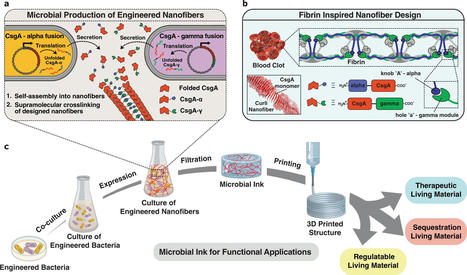
A team of researchers from Harvard University and Brigham and Women's Hospital, Harvard Medical School, has developed a type of living ink that can be used to print living materials. In their paper published in the journal Nature Communications, the group describes how they made their ink and possible uses for it. For several years, microbial engineers have been working to develop a means to create living materials for use in a wide variety of applications such as medical devices. But getting such materials to conform to desired 3D structures has proven to be a daunting task. In this new effort, the researchers have taken a new approach to tackling the problem—engineering E. coli to produce a product that can be used as the basis for an ink for use in a 3D printer. The work began by bioengineering the bacteria to produce living nanofibers. The researchers then bundled the fibers and added other ingredients to produce a type of living ink that could be used in a conventional 3D printer. Once they found the concept viable, the team bioengineered other microbes to produce other types of living fibers or materials and added them to the ink. They then used the ink to print 3D objects that had living components. One was a material that secreted azurin—an anticancer drug—when stimulated by certain chemicals. Another was a material that sequestered Bisphenol A (a toxin that has found its way into the environment) without assistance from other chemicals or devices. The researchers believe that their concept suggests that producing such inks could be a self-creating proposition. Engineering could be added to the microbes to push them to produce carbon copies of themselves—the ink could literally be grown in a jar. They also state that it appears possible that the technique could be used to print renewable building materials that would not only grow but could self heal—a possible approach to building self-sustaining homes here on Earth, or on the moon or on Mars.
|
|
Scooped by
Dr. Stefan Gruenwald
November 24, 2021 12:36 PM
|
The findings could inform the design of new materials such as iridescent windows or waterproof textiles. If you brush against the wings of a butterfly, you will likely come away with a fine sprinkling of powder. This lepidopteran dust is made up of tiny microscopic scales, hundreds of thousands of which paper a butterfly’s wings like shingles on a wafer-thin roof. The structure and arrangement of these scales give a butterfly its color and shimmer, and help shield the insect from the elements. Now, MIT engineers have captured the intricate choreography of butterfly scales forming during metamorphosis. The team has for the first time continuously observed the wing scales growing and assembling as a developing butterfly transforms inside its chrysalis. With some minor surgery and a clever imaging approach, the researchers were able to watch wing scales form in specimens of Vanessa cardui, commonly known as the Painted Lady butterfly. They observed that, as a wing forms, cells on its surface line up in orderly rows as they grow. These cells quickly differentiate into alternating “cover” and “ground” scales, producing an overlapping shingle-like pattern. As they reach their full size, the scales sprout thin ridges along their length — tiny corrugated features that control the insect’s color and help it to shed rain and moisture.
|
|
Scooped by
Dr. Stefan Gruenwald
November 24, 2021 12:30 PM
|
In 2019, word filtered out that a quantum computer built by Google had performed calculations that the company claimed would be effectively impossible to replicate on supercomputing hardware. That turned out to not be entirely correct, since Google had neglected to consider the storage available to supercomputers; if that were included, the quantum computer's lead shrank to just a matter of days. Adding just a handful of additional qubits, however, would re-establish the quantum computer's vast lead. Recently, however, a draft manuscript was placed on the arXiv that points out a critical fact: Google's claims relied on comparisons to a very specific approach to performing the calculation on standard computing hardware. There are other ways to perform the calculation, and the paper suggests one of those would allow a supercomputer to actually pull ahead of its quantum competitor.
|
|
Scooped by
Dr. Stefan Gruenwald
November 20, 2021 5:32 AM
|
Scientists have detected the largest number of gravitational waves since these cosmic events were first discovered in 2015. The ripples created by massive cosmic collisions have reached Earth after traveling across the universe for billions of years. Scientists have detected the largest number of these gravitational waves since the cosmic events were first discovered in 2015, according to new research. Astronomers made 35 new detections of gravitational waves, or ripples in space-time, between November 2019 and March 2020. The cosmic waves were largely created by pairs of merging black holes, but several were born of rare collisions between dense neutron stars and black holes. It's a giant leap from when just three gravitational waves were detected between 2015 and 2016. This brings the known number of detected gravitational waves to 90 from 2015 to 2020. They were detected by the Laser Interferometer Gravitational-Wave Observatory, or LIGO, in the US, and the Virgo gravitational-wave observatory in Italy. The results of the latest observation campaign were recently published.
|
|
Scooped by
Dr. Stefan Gruenwald
November 18, 2021 4:25 PM
|
Wearing a face mask and physically distancing from others are the most effective public safety measures against the coronavirus-borne illness COVID-19 and have a statistically significant impact on reducing the spread, according to a new global study. The study, which was published in the British Medical Journal on Thursday, was conducted by researchers at Monash University in Melbourne, Australia; the University of Edinburgh in Scotland; and Zhejiang University School of Medicine in Hangzhou, China, and looked at data from 30 studies around the world. It found that wearing a face mask reduces the incidence of COVID by 53%, while social distancing reduces it by 25%. “This systematic review identified a statistically significant reduction in the incidence of COVID-19 through the implementation of mask wearing and physical distancing,” the authors wrote. “Hand-washing interventions also indicated a substantial reduction in COVID-19 incidence, albeit not statistically significant in the adjusted model.” That was due to a smaller sample of studies on hand washing versus the other two measures. The study was welcomed by health experts who have increasingly been calling for people everywhere not to rely solely on vaccines to end the pandemic, but rather to embrace the full range of measures that have proven successful in those countries that have arrested the spread of the virus. Japan, for example, which was in crisis around the time it hosted the Olympic Games in July and August, has succeeded in reducing its infections using a combination of vaccines and treatments, along with safety measures including face masks, distancing and hand washing.
|
|
Scooped by
Dr. Stefan Gruenwald
November 14, 2021 3:16 PM
|
Elephants possess two qualities that might make one expect they are at high risk of developing cancer; they are large and long-living. A cell’s lifecycle involves repetitive rounds of cellular division, which allow for growth and repair. Every time a cell replicates there is a chance a mutation will arise causing the cells to overgrow and develop into cancer. Elephants live on average to at least 65 years. The longer an organism lives, the more opportunities for an error to occur during cellular replication. In addition, elephants are the world’s largest land mammal. The average elephant consists of about a quadrillion (or 1,000 trillion) cells. In contrast, the human body consists of about 37 trillion cells. If all cells have an equal risk of becoming cancerous, one may think that animals with many cells may be at an increased risk of developing cancer. However, elephants rarely develop any form of cancer, suggesting they have evolved superior cancer prevention mechanisms despite their large size and long life expectancy. This paradox has encouraged scientists to characterize the mechanisms that underlie these evolutionary benefits. Research has concentrated on a the TP53 gene. Humans carry just one copy of the TP53 gene, while elephants possess a staggering 20 copies. A study published in eLife provides additional insight into the mechanisms underlying the low cancer incidence in elephants by providing a complete picture of the anti-tumor components contained within elephant DNA. One of the study’s authors, Vincent Lynch, explained that he and his co-author sought to “look at whether the entire elephant genome includes more copies of tumor suppressors than what you’d expect.” The study analyzed the genome of different living elephant species, including the African savannah elephant, the African forest elephant, and the Asian elephant. In addition, the researchers included the genomes of some extinct species like the Woolly mammoth in the analysis. The study identified a series of 13 genes that were duplicated in all three elephant species. Notably, the researchers uncovered that the duplicated genes were highly expressed in pathways related to anti-cancer functions. These included genes related to the cell cycle, DNA damage repair, telomere extension, and maintenance and apoptosis. The researchers concluded the reduced risk of cancer due to extra copies of anti-tumor genes facilitated the evolution of elephants' increased size.
|
|
Rescooped by
Dr. Stefan Gruenwald
from Papers
November 13, 2021 11:02 AM
|
Observations from orbital spacecraft have shown that Jezero crater, Mars, contains a prominent fan-shaped body of sedimentary rock deposited at its western margin. The Perseverance rover landed in Jezero crater on February 2021. Scientists now analyzed the images taken by the rover in the three months after landing. The fan has outcrop faces that were invisible from orbit, which record the hydrological evolution of Jezero crater. Using detailed analysis, they were able to interpret the presence of inclined strata in these outcrops as evidence of deltas that advanced into a lake. In contrast, the uppermost fan strata are composed of boulder conglomerates, which imply deposition by episodic high-energy floods. This sedimentary succession indicates a transition, from a sustained hydrologic activity in a persistent lake environment, to highly energetic short-duration fluvial flows. Read the full article at: www.science.org
Via Complexity Digest
|
|
Scooped by
Dr. Stefan Gruenwald
November 11, 2021 3:30 PM
|
Worldwide, millions of people follow vegan and vegetarian diets for religious, ethical, environmental or economic reasons. While these diets have purported health benefits, they can also lack essential nutrients, such as vitamins B12 and D3, if not well-planned or supplemented correctly. Now, researchers reporting in ACS Food Science & Technology have packed a strawberry-flavored gummy with these vitamins, formulating it without any animal products so vegans and vegetarians can reach their recommended daily allowances (RDA). Some essential vitamins and minerals, such as vitamin B12, are found exclusively in animal products, while others can be obtained from other sources. For example, humans can make vitamin D3 when their skin is exposed to sunlight, but many people aren't outside enough to meet the requirement for this vitamin. Therefore, it is primarily consumed through fish, eggs and organ meats, which are not eaten by vegans and some vegetarians. To avoid the pitfalls of vitamin deficiencies, people who adhere to plant-based diets often take supplements, but it's been challenging to put both vitamin B12 and vitamin D3 in one pill because of their differing solubilities. One solution could be to put them into emulsion-filled gels, such as gummy candies. Previous researchers have shown that pectin, a plant-based polysaccharide, can be used as a gelling agent in animal product-free foods. So, Samantha Pinho and colleagues wanted to see if they could use only plant-based ingredients, such as pectin, to produce a gummy candy enriched with vitamins B12 and D3 that would be acceptable to consumers. The researchers first made an emulsion, combining citrate buffer, inulin, gum arabic, flaxseed oil and vitamin D3, and separately made the pectin gel, dissolving a type of pectin, calcium chloride and vitamin B12 in a citrate buffer. Then, by rapidly stirring the emulsion into the pectin gel with sugar, the team produced an emulsion-filled gel. The gel became a reddish gummy material after it dried. To develop this into a suitable food product, the researchers added a natural strawberry flavor and molded the gel into half-inch-wide candies. In sensory tests, 120 untrained panelists gave the gummies high scores for taste, color, aroma and overall acceptability. About half of the panelists said they would buy the enriched gummy, with another 36% saying they might buy the product. The researchers say their results pave the way to make food products more nutritious.
|
|
Scooped by
Dr. Stefan Gruenwald
November 11, 2021 3:23 PM
|
Ultrasound measurements of muscle dynamics provide customized, activity-specific assistance People rarely walk at a constant speed and a single incline. We change speed when rushing to the next appointment, catching a crosswalk signal, or going for a casual stroll in the park. Slopes change all the time too, whether we're going for a hike or up a ramp into a building. In addition to environmental variably, how we walk is influenced by sex, height, age, and muscle strength, and sometimes by neural or muscular disorders such as stroke or Parkinson's Disease. This human and task variability is a major challenge in designing wearable robotics to assist or augment walking in real-world conditions. To date, customizing wearable robotic assistance to an individual's walking requires hours of manual or automatic tuning -- a tedious task for healthy individuals and often impossible for older adults or clinical patients. Now, researchers from the Harvard John A. Paulson School of Engineering and Applied Sciences (SEAS) have developed a new approach in which robotic exosuit assistance can be calibrated to an individual and adapt to a variety of real-world walking tasks in a matter of seconds. The bioinspired system uses ultrasound measurements of muscle dynamics to develop a personalized and activity-specific assistance profile for users of the exosuit. "Our muscle-based approach enables relatively rapid generation of individualized assistance profiles that provide real benefit to the person walking," said Robert D. Howe, the Abbott and James Lawrence Professor of Engineering, and co-author of the paper. The research is published in Science Robotics. Previous bioinspired attempts at developing individualized assistance profiles for robotic exosuits focused on the dynamic movements of the limbs of the wearer. The SEAS researchers took a different approach. The research was a collaboration between Howe's Harvard Biorobotics Laboratory, which has extensive experience in ultrasound imaging and real-time image processing, and the Harvard Biodesign Lab, run by Conor J. Walsh, the Paul A. Maeder Professor of Engineering and Applied Sciences at SEAS, which develops soft wearable robots for augmenting and restoring human performance. "We used ultrasound to look under the skin and directly measured what the user's muscles were doing during several walking tasks," said Richard Nuckols, a Postdoctoral Research Associate at SEAS and co-first author of the paper. "Our muscles and tendons have compliance which means there is not necessarily a direct mapping between the movement of the limbs and that of the underlying muscles driving their motion."
|
|
Scooped by
Dr. Stefan Gruenwald
November 11, 2021 2:55 PM
|
Using the European Southern Observatory’s Very Large Telescope (ESO’s VLT), astronomers have discovered a small black hole outside the Milky Way by looking at how it influences the motion of a star in its close vicinity. This is the first time this detection method has been used to reveal the presence of a black hole outside of our galaxy. The method could be key to unveiling hidden black holes in the Milky Way and nearby galaxies, and to help shed light on how these mysterious objects form and evolve. The newly found black hole was spotted lurking in NGC 1850, a cluster of thousands of stars roughly 160 000 light-years away in the Large Magellanic Cloud, a neighbor galaxy of the Milky Way. “Similar to Sherlock Holmes tracking down a criminal gang from their missteps, we are looking at every single star in this cluster with a magnifying glass in one hand trying to find some evidence for the presence of black holes but without seeing them directly,” says Sara Saracino from the Astrophysics Research Institute of Liverpool John Moores University in the UK, who led the research now accepted for publication in Monthly Notices of the Royal Astronomical Society. This first “criminal” tracked down by the team turned out to be roughly 11 times as massive as our Sun. The smoking gun that put the astronomers on the trail of this black hole was its gravitational influence on the five-solar-mass star orbiting it. Astronomers have previously spotted such small, “stellar-mass” black holes in other galaxies by picking up the X-ray glow emitted as they swallow matter, or from the gravitational waves generated as black holes collide with one another or with neutron stars. However, most stellar-mass black holes don’t give away their presence through X-rays or gravitational waves. “The vast majority can only be unveiled dynamically,” says Stefan Dreizler, a team member based at the University of Göttingen in Germany. “When they form a system with a star, they will affect its motion in a subtle but detectable way, so we can find them with sophisticated instruments.” This dynamical method used by Saracino and her team could allow astronomers to find many more black holes and help unlock their mysteries. “Every single detection we make will be important for our future understanding of stellar clusters and the black holes in them,” says study co-author Mark Gieles from the University of Barcelona, Spain.
|
|
Scooped by
Dr. Stefan Gruenwald
November 11, 2021 2:48 PM
|
Cutting 20% of sugar from packaged foods and 40% from beverages could prevent 2.48 million cardiovascular disease events (such as strokes, heart attacks, cardiac arrests), 490,000 cardiovascular deaths, and 750,000 diabetes cases in the U.S. over the lifetime of the adult population, according to micro-simulation study published in Circulation. A team of researchers from Massachusetts General Hospital (MGH), the Friedman School of Nutrition Science & Policy at Tufts University, Harvard T.H. Chan School of Public Health and New York City Department of Health and Mental Hygiene (NYC DOH) created a model to simulate and quantify the health, economic, and equity impacts of a pragmatic sugar-reduction policy proposed by the U.S. National Salt and Sugar Reduction Initiative (NSSRI). A partnership of more than 100 local, state and national health organizations convened by the NYC DOH, the NSSRI released draft sugar-reduction targets for packaged foods and beverages in 15 categories in 2018. This February, NSSRI finalized the policy with the goal of industry voluntarily committing to gradually reformulate their sugary products. Implementing a national policy, however, will require government support to monitor companies as they work toward the targets and to publicly report on their progress. The researchers hope their model will build consensus on the need for a national-sugar reformulation policy in the US. "We hope that this study will help push the reformulation initiative forward in the next few years," says Siyi Shangguan, MD, MPH, lead author and attending physician at MGH. "Reducing the sugar content of commercially prepared foods and beverages will have a larger impact on the health of Americans than other initiatives to cut sugar, such as imposing a sugar tax, labeling added sugar content, or banning sugary drinks in schools." Ten years after the NSSRI policy goes into effect, the U.S. could expect to save $4.28 billion in total net healthcare costs, and $118.04 billion over the lifetime of the current adult population (ages 35 to 79), according to the model. Adding the societal costs of lost productivity of Americans developing diseases from excessive sugar consumption, the total cost savings of the NSSRI policy rises to $160.88 billion over the adult population's lifetime. These benefits are likely to be an underestimation since the calculations were conservative. The study also demonstrated that even partial industry compliance with the policy could generate significant health and economic gains. The researchers found that the NSSRI policy became cost-effective at six years and cost-saving at nine years. The policy could also reduce disparities, with the greatest estimated health gains among Black and Hispanic adults, and Americans with lower income and less education -- populations that consume the most sugar as a historical consequence of inequitable systems.
|
|
Rescooped by
Dr. Stefan Gruenwald
from Virus World
November 11, 2021 2:32 PM
|
The first generation HPV vaccine cut cervical cancer rates among women by 87%, British researchers reported. The study published Wednesday in the journal The Lancet estimates that by mid-2019, there were 450 fewer cases of cervical cancer and 17,200 fewer cases of pre-cancers than expected in the vaccinated population. Researchers at Kings College London and the British government looked at population-based cancer registry data in the UK between January 2006 and June 2019 for seven groups of women, comparing those who were vaccinated to those who were not. They were looking at data covering the Cervarix vaccine, which protects against two strains of cancer-causing human papillomavirus or HPV. Newer vaccines sold under the Gardasil brand protect against even more strains of cancer causing viruses. Of the three groups that were vaccinated, each were vaccinated at different ages. One group was vaccinated at age 12-13, another at 14-16, and another at 16 -18. Those vaccinated at the earliest ages were the most protected, the team reported. Those who got the shot between the ages of 14 and 16 saw an 62% reduced rate, and rates were reduced by 24% among those vaccinated between 16 and 18. "This study provides the first direct evidence of the impact of the UK HPV vaccination campaign on cervical cancer incidence, showing a large reduction in cervical cancer rates in vaccinated cohorts," study co-author Dr. Kate Soldan from the UK Health Security Agency said. "This represents an important step forwards in cervical cancer prevention. We hope that these new results encourage uptake as the success of the vaccination program relies not only on the efficacy of the vaccine but also the proportion of the population vaccinated." Cervical cancer is rare among young women, so it is still too early to determine the full impact HPV immunizations have on overall cervical cancer rates. The UK also stopped using the HPV vaccine in this study in 2012. Now instead of the Cervarix vaccine, the UK uses the Gardasil vaccine instead. Last year the World Health Organization launched the Global Strategy to Accelerate the Elimination of Cervical Cancer, the first-ever global commitment to eliminate cancer, setting a target of getting 90% of girls fully vaccinated against HPV by the time they turn 15. In January, the US Department of Health and Human Services also launched a campaign to increase HPV vaccination rates. The campaign specifically targeted states with some of the lowest HPV vaccination rates, including South Carolina, Texas and Mississippi. In 2021, the American Academy of Pediatrics found that the HPV vaccination rates are getting better, but fewer than half of young adults in the US have received one or more doses, and the HPV vaccination rate has not yet caught up to the rate of other vaccines. The CDC began recommending the HPV vaccine for girls 11-12 years old in 2006. A 2021 CDC report found that cervical cancer rates in the US have dropped significantly thanks to the HPV vaccine. HPV is the most common sexually transmitted virus in the US. While it usually resolves on its own, persistent HPV infection puts women at an increased risk for cervical cancer, cancer in the back of the throat and anogenital cancer. HPV also puts men at an increased risk of anal, penile and throat cancer. Cited Study Published in The Lancet (Nov. 3, 2021):
Via Juan Lama
|
|
Scooped by
Dr. Stefan Gruenwald
November 11, 2021 2:24 PM
|
Some rockfish, like the colorful calico rockfish (Sebastes dallii), live for little more than a decade, while the most long-lived of the genus Sebastes—the rougheye rockfish (Sebastes aleutianus), which can be found from Japan to the Aleutian Islands—can hang out on the seabed in cold, deep coastal waters for more than 200 years. Their wide range of lifespans, not to mention differences in size, lifestyle and ecological niche, which scientists call their phenotypes, evolved over a mere 10 million years—one of the most rapid radiations among all fishes.
To uncover the genetic determinants of lifespan in rockfish, the researchers obtained tissue samples—and occasionally tasting samples—from 88 species and sequenced their complete genomes with a state-of-the-art technique known as Pacbio, or SMRT, sequencing. They found a variety of genes associated with longer lifespan, though some of these genes involve adaptions to living at greater depth and growing larger, both of which are associated with increased lifespan. Among mammals, for example, elephants live longer than rats. The findings also highlight the trade-offs of a long lifespan, which include smaller populations—something also seen in mammals, with short-lived rats vastly outnumbering long-lived elephants.
"In this study, we identified both the genetic causes and consequences of adaptation to extreme lifespan," said senior author Peter Sudmant, UC Berkeley assistant professor of integrative biology. "It's very exciting to be able to look at a group of species and see how their phenotype has been shaped through time and the genetic changes that drive that phenotype, and simultaneously, how that phenotype then feeds back and influences the genetic diversity of that population." Sudmant acknowledges that many of the biological pathways he and his team found to be associated with lifespan have been identified before in genetic studies of variation within a single animal species, though this study does implicate several new genes in these pathways. Nevertheless, the natural variation within this one genus of fish that has radiated throughout the Pacific Ocean uniquely encapsulates most of the many genetic factors that influence lifespan.
"You could think of rockfish as sort of the perfect storm. in some ways, both on an individual level—having individual fish able to live for a really long time because of size and depth adaptations—but also just having all these different species that are showing these different trends," he said. "They're a perfect set of individuals to look at, where other people just had a single species to look at."
The study also has implications for understanding human lifespan. Sudmant and his colleagues found that longer-lived species had more immune modulating genes—in particular, a group called butyrophilins—than shorter-lived species. Because the immune system is involved in regulating inflammation, and increased inflammation has been implicated in human aging, the findings point to genes that could be targets of therapeutics to slow age-related damage in the body.
|
|
|
Scooped by
Dr. Stefan Gruenwald
November 24, 2021 12:40 PM
|
UK Biobank offers easy access to genomic database for researchers around the world In the largest single release of whole genomes ever, the UK Biobank (UKBB) this week unveiled to scientists the entire genomes of 200,000 people who are part of a long-term British health study. The trove of genomes, each linked to anonymized medical information, will allow biomedical scientists to scour the full 3 billion base pairs of human DNA for insights into the interplay of genes and health that could not be gleaned from partial sequences or scans of genome markers. “It is thrilling to see the release of this long-awaited resource,” says Stephen Glatt, a psychiatric geneticist at the State University of New York Upstate Medical University. Other biobanks have also begun to compile vast numbers of whole genomes, 100,000 or more in some cases (see table, below). But UKBB stands out because it offers easy access to the genomic information, according to some of the more than 20,000 researchers in 90 countries who have signed up to use the data. “In terms of availability and data quality, [UKBB] surpasses all others,” says physician and statistician Omar Yaxmehen Bello-Chavolla of the National Institute for Geriatrics in Mexico City. Biobanks A number of efforts are releasing many thousands of whole genomes, with varying degrees of access, to accelerate biomedical research. BIOBANK Completed whole genomes Release information UK Biobank 200,000 300,000 more in early 2023 Trans-Omics for Precision Medicine 161,000 National Institutes of Health (NIH) requires project-specific consent Million Veteran Program 125,000 Non–Veterans Affairs researchers get access in 2022 Genomics England’s 100,000 Genomes 120,000 Researchers must join collaboration All of Us 90,000 NIH expects to release by early 2022 Having enrolled 500,000 middle-age and elderly participants of mostly European ancestry from 2006 to 2010, UKBB is one of the largest genetics research databases in the world. It proved its worth even before releasing whole genomes. Studies of specific DNA markers that vary among participants have revealed hundreds of new disease risk genes. Since 2019 researchers have also been probing participants’ exomes, the 2% of the whole genome sequence (WGS) that encodes proteins; the exomes from nearly all participants became available in the past 2 months. Exome studies are yielding risk genes that are very rare and can’t be found with genotyping data. But whole genomes will make it possible to explore the influence of noncoding DNA, which controls when genes are turned off or on, and of gene rearrangements, as well as missing, repeated, or extra stretches of DNA in genes. Such changes play a role in diseases such as Huntington disease.
|
|
Scooped by
Dr. Stefan Gruenwald
November 24, 2021 12:34 PM
|
Scientists at the University of Birmingham have succeeded in creating an experimental model of an elusive kind of fundamental particle called a skyrmion in a beam of light. The breakthrough provides physicists with a real system demonstrating the behavior of skyrmions, first proposed 60 years ago. The breakthrough provides physicists with a real system demonstrating the behavior of skyrmions, first proposed 60 years ago by a University of Birmingham mathematical physicist, Professor Tony Skyrme. His idea used the structure of spheres in 4-dimensional space to guarantee the indivisible nature of a skyrmion particle in 3 dimensions. 3D particle-like skyrmions are theorized to tell us about the early origins of the Universe, or about the physics of exotic materials or cold atoms. However, despite being investigated for over 50 years, 3D skyrmions have been seen very rarely in experiments. The most current research into skyrmions focuses on 2D analogs, which shows promise for new technologies. In a new study, published in Nature Communications, the international collaboration between researchers at the University of Birmingham, Lancaster, Münster (Germany), and RIKEN (Japan) has demonstrated for the first time how skyrmions can be measured in three dimensions. Professor Mark Dennis, who led the research, said: “Skyrmions have intrigued and challenged physicists for many decades. Although we’re making good progress investigating skyrmions in 2D, we live in a 3D world. We need a system that can model a skyrmion in all its possible states in a way that could be measured. We realized that a beam of light could be harnessed for this purpose because we are able to closely control its properties, and so use it as a platform to model our skyrmions. With this approach, we can start to truly understand these objects and realize their scientific potential.”
|
|
Scooped by
Dr. Stefan Gruenwald
November 24, 2021 12:24 PM
|
Two identical fermions cannot occupy the same quantum state states the Pauli principle. For a cold gas of fermionic atoms, this means that all states up to the Fermi energy will be occupied, with only the atoms with the highest energy able to change their state. Such conditions have long been predicted to suppress light scattering off gases because the atoms receiving a kick from collisions with photons would have no state to move to. Deb et al., Margalit et al., and Sanner et al. now describe this so-called Pauli blocking of light scattering. In the three experiments, Pauli blocking reduced the ability of atoms to scatter light, making the gases more transparent. The effect could someday be used to improve technologies based on ultracold atoms such as optical clocks and quantum repeaters. Famous principle Particles with half-integer spin obey Fermi-Dirac statistics, which arises from symmetry considerations in quantum mechanics. Such particles are called fermions and they obey Pauli’s famous exclusion principle, which says that fermions cannot occupy the same quantum state in a system. Electrons are fermions and the exclusion principle explains why individual electron orbitals in an atom can contain at most two electrons – one spin-up and the other spin-down. This gives us the varied properties of the different atoms in the periodic table. The exclusion principle is also at work in semiconductors and insulators, where electrons are unable to respond to the application of small electric fields because doing so would require moving to another quantum state – and in semiconductors and insulators, most nearby states are all full. Degenerate gases Many atoms are fermions and now physicists can chill some fermionic atomic gases to low enough temperatures that nearly all the low-lying quantum states are filled to what is called the Fermi level. Such dense, ultracold systems are said to be degenerate and the atoms are expected to behave in a similar way as electrons in a solid. Instead of applying an external field to try to get the atoms to move, the three research teams fired photons of light at their degenerate Fermi gases. Normally when light is shone on an atomic gas, some of the photons will scatter from the atoms and the atoms will recoil, taking some energy and momentum from the photon. However, in a degenerate Fermi gas of atoms, this recoil often requires a transition to a nearby quantum state that is occupied by another atom. As a result, the scattering cannot occur, and the photon will carry on through the gas. The observable effect of this is an increase in the transparency of the gas as it is cooled to the point where it starts to become degenerate. In the three experiments reported today, this was observed when gases were cooled to temperatures in the microKelvin and nanoKelvin range.
|
|
Scooped by
Dr. Stefan Gruenwald
November 19, 2021 2:38 PM
|
Nearly two years into the pandemic, it has become starkly clear that we need better treatments for COVID-19 for people in the earlier stages of disease. Two new antiviral drugs could soon be the first effective oral treatments for COVID-19 to help keep people out of the hospital. An advisory committee to the Food and Drug Administration plans to review the data supporting molnupiravir—a pill made by Merck and partner Ridgeback Therapeutics – on Nov. 30, 2021. And in early November, Pfizer released preliminary results for its antiviral pill, Paxlovid, another potentially promising tool for COVID-19 treatment. On Nov. 16, 2021 Pfizer formally requested EUA of the oral pill from the FDA. If these drugs get authorized in the coming weeks, they could be an important new treatment option for people with COVID-19, especially for those at high risk in the early stages of infection. The ability to treat COVID-19 with a pill rather than an injection or infusion means more people can be treated faster. Researchers have so far found just a few drugs that are effective for the treatment of COVID-19. Until now, only antiviral monoclonal antibodies could be used to treat patients who are not hospitalized. However, these antibody drugs – which work by blocking the virus from entering cells – have to be given in a monitored setting like a doctor’s office. And many patients who could benefit from monoclonal antibodies don’t have access because administration sites aren’t located nearby. They are also not affordable for many people outside the U.S. In the U.S., monoclonal antibodies are free to patients under emergency use authorization but could ultimately become far more expensive if and when they receive full approval by the FDA. Merck's Molnupiravir works by causing the virus to record inaccurate genetic information. SARS-CoV-2 stores its instructions for making new viruses in a strand of RNA. Inside the cell, the virus makes copies of the RNA and then continues to make duplicates of those copies. When a patient takes molnupiravir, the drug masquerades as one of the key molecules in RNA and gets incorporated into the strands that the virus produces. When an RNA strand containing molnupiravir gets copied in turn, the virus makes errors in the copy. Over multiple rounds of copying, molnupiravir forces more and more mistakes until the virus is no longer able to function – a phenomenon in virology called “error catastrophe.” Pfizer's Paxlovid uses a different mechanism to prevent the virus from replicating. SARS-CoV-2 creates proteins that are needed to build new viruses as one long string, called a polyprotein. But the polyproteins have to be chopped into smaller parts by a viral enzyme called a protease in order to become active. Paxlovid blocks the virus’s protease from doing this job, thereby preventing the virus from completing its life cycle. Early data suggests that both molnupiravir and Paxlovid are effective new drugs that patients can take at home to prevent complications of COVID-19 – which could be particularly beneficial for those at high risk of severe disease. Once authorized, these pills will allow patients to be treated earlier in the course of infection, at the point when antiviral drugs are more effective. By stopping the virus from growing in the body early on, the drugs can prevent the inflammation that causes severe COVID-19.
|
|
Scooped by
Dr. Stefan Gruenwald
November 17, 2021 2:55 PM
|
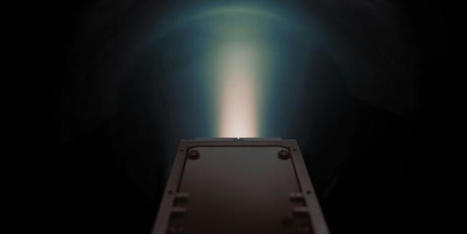
Iodine eliminates needing a propellant tank, since it can be stored as a solid. Spacecraft require propulsion to perform complex maneuvers in space, such as orbit transfers, collision avoidance, orbit maintenance to compensate for aerodynamic or gravitational perturbations, and end-of-life disposal1. The choice of an appropriate propulsion technology, in particular its exhaust speed, determines the propellant mass needed. Electric propulsion5,15 uses electric power to accelerate a propellant (via electric and/or magnetic fields) and can achieve exhaust speeds that are an order of magnitude higher than chemical propulsion (which uses energy from chemical reactions for propellant acceleration). Some of the most successful electric propulsion systems include gridded ion and Hall thrusters5, which create a plasma through electron impact ionization of a gas6 and electrostatically accelerate ions to generate thrust. In addition to being used by many commercial satellites orbiting the Earth, such propulsion systems are also used for space exploration. Examples include the European Space Agency’s SMART-1 mission to the Moon2, NASA’s Dawn mission that studied the protoplanets Ceres and Vesta in the asteroid belt between Mars and Jupiter16, and the Japanese Aerospace Exploration Agency’s Hayabusa1 and Hayabusa2 sample-return missions to the near-Earth asteroids 25143 Itokawa17 and 162173 Ryugu18. As spacecrafts are power limited, electric propulsion systems must maximize their thrust-to-power ratio, which for electrostatic accelerators requires a propellant with a low ionization threshold and a high atomic mass5. At present, the propellant of choice is xenon. However, xenon is very rare (less than one part per ten million in the Earth atmosphere), and commercial production is both expensive and limited7,8,9. There are also competing applications that use xenon, including lighting and imaging, anesthetics in hospitals9,19 and etching in the semiconductor industry20. With the rise of satellite mega-constellations21,22,23, the demand for xenon may outpace supply within the next ten years. A further disadvantage is that xenon must be stored at very high pressures (typically 10–20 MPa), which requires specialized loading equipment and trained personnel, making it incompatible with the ‘new space’ paradigm. For the long-term sustainability of the space industry, it is critical that a replacement propellant be found. A possible alternative is iodine24,25, which is much more abundant and cheaper than xenon26 (Methods) and can be stored unpressurized as a solid. In addition, both atomic and diatomic iodine have a lower ionization threshold, and diatomic iodine has a relative mass that is almost twice that of xenon. Although iodine is viewed as a game-changing propellant and has been investigated by companies27,28, universities29,30,31 and space agencies32 around the world, no system has previously been tested in space. Scientists now describe the development and testing of an iodine electric propulsion system (the NPT30-I2, with a nominal power and thrust of 55 W and 0.8 mN, respectively) and present results of the in-space operation of this new technology. Solid diatomic iodine is stored in a tank connected to an inductively coupled plasma source tube terminated by two high-voltage, multi-aperture grids. Heaters connected to the tank cause iodine sublimation and subsequent gas flow into the source tube. An iodine plasma is created by electron impact ionization using a radio-frequency (RF) inductive antenna, and positive plasma ions are extracted and accelerated by the grids to high speeds (about 40 km s−1) to produce thrust. A cathode filament downstream of the grids therm-ionically emits electrons to charge neutralize the ion beam. The propulsion system includes all subsystems for operation, such as propellant storage, delivery and control, the gridded ion thruster, electron-emitting neutralizers, the power processing unit and passive thermal management33. See Methods for further details of the electrical system and cathode neutralizer. Iodine enables substantial miniaturization, and with several innovations, the total mass (including propellant) and volume are 1.2 kg and 96 mm × 96 mm × 106 mm, respectively.
|
|
Rescooped by
Dr. Stefan Gruenwald
from Papers
November 13, 2021 11:04 AM
|
Our ability to sense heat, cold and touch is essential for survival and underpins our interaction with the world around us. In our daily lives we take these sensations for granted, but how are nerve impulses initiated so that temperature and pressure can be perceived? This question has been solved by this year’s Nobel Prize laureates.
David Julius utilized capsaicin, a pungent compound from chili peppers that induces a burning sensation, to identify a sensor in the nerve endings of the skin that responds to heat. Ardem Patapoutian used pressure-sensitive cells to discover a novel class of sensors that respond to mechanical stimuli in the skin and internal organs. These breakthrough discoveries launched intense research activities leading to a rapid increase in our understanding of how our nervous system senses heat, cold, and mechanical stimuli. The laureates identified critical missing links in our understanding of the complex interplay between our senses and the environment. Read the full article at: www.nobelprize.org
Via Complexity Digest
|
|
Scooped by
Dr. Stefan Gruenwald
November 11, 2021 3:32 PM
|
The volume of data transferred is constantly increasing, but the absolute security of these exchanges cannot be guaranteed, as shown by cases of hacking frequently reported in the news. To counter hacking, a team from the University of Geneva (UNIGE), Switzerland, has developed a new system based on the concept of "zero-knowledge proofs," the security of which is based on the physical principle of relativity: information cannot travel faster than the speed of light. Thus, one of the fundamental principles of modern physics allows for secure data transfer. This system allows users to identify themselves in complete confidentiality without disclosing any personal information, promising applications in the field of cryptocurrencies and blockchain. These results can be read in the journal Nature. When a person -- the so called 'prover' -- wants to confirm their identity, for example when they want to withdraw money from an ATM, they must provide their personal data to the verifier, in our example the bank, which processes this information (e.g. the identification number and the pin code). As long as only the prover and the verifier know this data, confidentiality is guaranteed. If others get hold of this information, for example by hacking into the bank's server, security is compromised. Zero-knowledge proof as a solution To counter this problem, the prover should ideally be able to confirm their identity, without revealing any information at all about their personal data. But is this even possible? Surprisingly the answer is yes, via the concept of a zero-knowledge proof. "Imagine I want to prove a mathematical theorem to a colleague. If I show them the steps of the proof, they will be convinced, but then have access to all the information and could easily reproduce the proof," explains Nicolas Brunner, a professor in the Department of Applied Physics at the UNIGE Faculty of Science. "On the contrary, with a zero-knowledge proof, I will be able to convince them that I know the proof, without giving away any information about it, thus preventing any possible data recovery." The principle of zero-knowledge proof, invented in the mid-1980s, has been put into practice in recent years, notably for cryptocurrencies. However, these implementations suffer from a weakness, as they are based on a mathematical assumption (that a specific encoding function is difficult to decode). If this assumption is disproved -- which cannot be ruled out today -- security is compromised because the data would become accessible. Today, the Geneva team is demonstrating a radically different system in practice: a relativistic zero-knowledge proof. Security is based here on a physics concept, the principle of relativity, rather than on a mathematical hypothesis. The principle of relativity -- that information does not travel faster than light -- is a pillar of modern physics, unlikely to be ever challenged. The Geneva researchers' protocol therefore offers perfect security and is guaranteed over the long term.
|
|
Scooped by
Dr. Stefan Gruenwald
November 11, 2021 3:27 PM
|
Johns Hopkins University researchers discovered precisely how spiders build webs by using night vision and artificial intelligence to track and record every movement of all eight legs as spiders worked in the dark. Their creation of a web-building playbook or algorithm brings new understanding of how creatures with brains a fraction of the size of a human's are able to create structures of such elegance, complexity and geometric precision. The findings, now available online, are set to publish in the November issue of Current Biology. "I first got interested in this topic while I was out birding with my son. After seeing a spectacular web I thought, 'if you went to a zoo and saw a chimpanzee building this you'd think that's one amazing and impressive chimpanzee.' Well this is even more amazing because a spider's brain is so tiny and I was frustrated that we didn't know more about how this remarkable behavior occurs," said senior author Andrew Gordus, a Johns Hopkins behavioral biologist. "Now we've defined the entire choreography for web building, which has never been done for any animal architecture at this fine of a resolution." Web-weaving spiders that build blindly using only the sense of touch, have fascinated humans for centuries. Not all spiders build webs but those that do are among a subset of animal species known for their architectural creations, like nest-building birds and puffer fish that create elaborate sand circles when mating. The first step to understanding how the relatively small brains of these animal architects support their high-level construction projects, is to systematically document and analyze the behaviors and motor skills involved, which until now has never been done, mainly because of the challenges of capturing and recording the actions, Gordus said. Here his team studied a hackled orb weaver, a spider native to the western United States that's small enough to sit comfortably on a fingertip. To observe the spiders during their nighttime web-building work, the lab designed an arena with infrared cameras and infrared lights. With that set-up they monitored and recorded six spiders every night as they constructed webs. They tracked the millions of individual leg actions with machine vision software designed specifically to detect limb movement. "Even if you video record it, that's a lot of legs to track, over a long time, across many individuals," said lead author Abel Corver, a graduate student studying web-making and neurophysiology. "It's just too much to go through every frame and annotate the leg points by hand so we trained machine vision software to detect the posture of the spider, frame by frame, so we could document everything the legs do to build an entire web."
|
|
Scooped by
Dr. Stefan Gruenwald
November 11, 2021 3:21 PM
|
Research by scientists from UCLA and Lawrence Livermore National Laboratory strengthens the case that climate change has been the main cause of the growing amount of land in the western U.S. that has been destroyed by large wildfires over the past two decades. Rong Fu, a UCLA professor of atmospheric and oceanic sciences and the study's corresponding author, said the trend is likely to worsen in the years ahead. "I am afraid that the record fire seasons in recent years are only the beginning of what will come, due to climate change, and our society is not prepared for the rapid increase of weather contributing to wildfires in the American West." The dramatic increase in destruction caused by wildfires is borne out by U.S. Geological Survey data. In the 17 years from 1984 to 2000, the average burned area in 11 western states was 1.69 million acres per year. For the next 17 years, through 2018, the average burned area was approximately 3.35 million acres per year. And in 2020, according to a National Interagency Coordination Center report, the amount of land burned by wildfires in the West reached 8.8 million acres -- an area larger than the state of Maryland. But the factors that have caused that massive increase have been the subject of debate: How much of the trend was caused by human-induced climate change and how much could be explained by changing weather patterns, natural climate variation, forest management, earlier springtime snowmelt and reduced summer rain? For the study, published in the Nov. 9 2021 edition of the journal Proceedings of the National Academy of Sciences (PNAS), the researchers applied artificial intelligence to climate and fire data in order to estimate the roles that climate change and other factors play in determining the key climate variable tied to wildfire risk: vapor pressure deficit. Vapor pressure deficit measures the amount of moisture the air can hold when it is saturated minus the amount of moisture in the air. When vapor pressure deficit, or VPD, is higher, the air can draw more moisture from soil and plants. Large wildfire-burned areas, especially those not located near urban areas, tend to have high vapor pressure deficits, conditions that are associated with warm, dry air. The study found that the 68% of the increase in vapor pressure deficit across the western U.S. between 1979 and 2020 was likely due to human-caused global warming. The remaining 32% change, the authors concluded, was likely caused by naturally occurring changes in weather patterns.
|
|
Scooped by
Dr. Stefan Gruenwald
November 11, 2021 2:52 PM
|
By designing vaccines that activate immune memory cells, known as T cells, to attack infected cells expressing this part of the virus’s internal machinery, it may be possible to eliminate SARS-CoV-2 at the very outset, thereby helping stop its spread. This approach could complement current Covid-19 vaccines, which only trigger immune responses to the spike protein that protrudes from the outside of the virus.
Researchers say the discovery, published in Nature, could lead to the creation of a pan-coronaviruses vaccine, that not only protects against SARS-CoV-2 and its variants, but also against coronaviruses that cause common colds, and to new emerging animal coronaviruses. Senior author Professor Mala Maini (UCL Infection & Immunity) explains: “Our research shows that individuals who naturally resisted detectable SARS-CoV-2 infection generated memory T cells that target infected cells expressing the replication proteins, part of the virus’s internal machinery.
“These proteins – required for the earliest stage of the virus’s life cycle, as soon as it enters a cell - are common to all coronaviruses and remain ‘highly conserved’, so are unlikely to change or mutate. A vaccine that can induce T cells to recognize and target infected cells expressing these proteins, essential to the virus’s success, would be more effective at eliminating early SARS-CoV-2, and may have the added benefit that they also recognize other coronaviruses that currently infect humans or that could in the future.”
Researchers say next generation vaccines could be developed to induce both memory T cells to target replication proteins and antibodies to target the spike protein. Prof Maini added: “T cells recognizing the virus’ replication machinery would provide an additional layer of protection to that provided by the spike-focused immunity that is generated by the already highly efficacious current vaccines.
|
|
Rescooped by
Dr. Stefan Gruenwald
from RMH
November 11, 2021 2:40 PM
|
The genetic code has been proposed to be a 'frozen accident', but the discovery of alternative genetic codes over the past four decades has shown that it can evolve to some degree. Since most examples were found anecdotally, it is difficult to draw general conclusions about the evolutionary trajectories of codon reassignment and why some codons are affected more frequently. To fill in the diversity of genetic codes, scientists developed Codetta, a computational method to predict the amino acid decoding of each codon from nucleotide sequence data. With this tool, they surveyed the genetic code usage of over 250,000 bacterial and archaeal genome sequences in GenBank and discovered five new reassignments of arginine codons (AGG, CGA, and CGG), representing the first sense codon changes in bacteria. In a clade of uncultivated Bacilli, the reassignment of AGG to become the dominant methionine codon likely evolved by a change in the amino acid charging of an arginine tRNA. The reassignments of CGA and/or CGG were found in genomes with low GC content, an evolutionary force which likely helped drive these codons to low frequency and enable their reassignment.
Via mhryu@live.com
|
|
Scooped by
Dr. Stefan Gruenwald
November 11, 2021 2:28 PM
|
An international team of physicists is proposing an addition to dark matter theory. In their paper published in the journal Physical Review Letters, the group is suggesting that dark matter came from regular matter and that dark matter is able to create more dark matter from regular matter. The existence of a material described as dark matter has been proposed by physicists to explain certain behaviors observed by researchers—the way light bends as it makes its way from far away places to telescopes here on Earth, is just one example. But some parts of the theory have yet to be worked out, such as how did the amount of dark matter believed to exist today come into being? The team on this new effort has come up with a theory to answer that question. The theorists begin by citing prior research which suggests that some amount of dark matter was created as part of the 'thermal bath'—where primordial plasma made of regular matter begat dark matter particles—but not the amount that is believed to exist today. They suggest that at some point dark matter particles began making more dark matter particles out of regular particles. And the new dark matter particles were also able to create new dark matter particles out of regular particles.
|