LUVOIR is the latest incarnation of a true successor to the Hubble Space Telescope, and is designed to observe targets in UV, visible and infrared—compared to JWST's sole infrared capability.
One of its key science goals would be to find and characterize Earth-like planets orbiting nearby stars. The telescope is powerful enough to find approximately 100 of these exoplanets which can then be observed in detail to search for evidence of life beyond our Solar System.
Initial designs show some similarities to JWST, with a segmented telescope assembly and large sunshade to be deployed in orbit. But LUVOIR would boast a segmented mirror up to 16m in diameter—compared to the current record 6m diameter array fitted to JWST.
NASA will now examine the report's recommendations and start to implement technology studies in order to develop a mission incorporating LUVOIR and other proposals.
While the new mission would be led by NASA, international collaboration with partners such as the European Space Agency (ESA) is likely, and will enable specialists from the University of Leicester and Space Park Leicester to input into the mission's design, manufacture and testing.
Leicester engineers provided the mechanical engineering lead for the Mid-Infrared Instrument (MIRI) to be carried on board the James Webb Space Telescope. Space Park Leicester boasts a state-of-the-art clean room and a range of manufacturing capabilities for the space sector.
The Decadal Survey on Astronomy and Astrophysics 2020 is a 624-page report authored by an influential panel of astrophysicists and astronomers. In addition to endorsing a major new space-based observatory, other recommendations identify ground-based opportunities as well as changes to the way NASA selects new programs. The full report is available from the National Academies of Sciences, Engineering and Medicine.
With the growing catalog of binary black hole mergers, researchers can now study the overall spin properties of these systems to uncover how they formed and evolved.
Using a catalog of 44 binary black hole mergers, a new study finds evidence for two populations within the spin distribution of black hole binaries: one with negligible spins and the other moderately spinning with preferential alignment with the orbital angular momentum.
This result can be fully explained via the isolated formation scenario. The progenitors of most black holes lose their angular momentum when the stellar envelope is removed by the binary companion, forming black hole binaries with negligible spin, while a small fraction of binaries have the second-born black hole spun up via tidal interactions.
This study finally opens up a number of interesting avenues to explore, for example, an investigation of the relationship between the mass and spin of these different subpopulations. Investigating such correlations can help improve the accuracy of the current models and enable scientists to better distinguish between different evolutionary pathways of binary black holes.
Reference: “Building Better Spin Models for Merging Binary Black Holes: Evidence for Nonspinning and Rapidly Spinning Nearly Aligned Subpopulations” by Shanika Galaudage, Colm Talbot, Tushar Nagar, Deepnika Jain, Eric Thrane and Ilya Mandel, 29 October 2021, Astrophysical Journal Letters. DOI: 10.3847/2041-8213/ac2f3c
A new physics breakthrough shows how Einstein's theory of general relativity continues to hold up, even for "balding" black holes.
Black holes are regions of spacetime where gravity's pull is so strong that nothing, not even light, can escape from being dragged in and disappear. Einstein's theory of general relativity predicted the existence of black holes and that, no matter what such an object engulfs, black holes are characterized only by their mass, spin and electrical charge. Astrophysicists refer to this as the "no-hair" theorem.
But there has been a lingering snag to this theorem: magnetic fields. For the no-hair theorem to hold really true, swallowing any material shouldn't alter a black hole's primary characteristics. But while black holes can be "born" with strong magnetic fields, they can also gain them by acquiring certain material and clouds of plasma can sustain these magnetic fields around a black hole.
Physicists investigated this snag by using a supercomputer to simulate a black hole surrounded by plasma. In this new study, they found that even when black holes have sustained magnetic fields, the "no-hair" theorem, and Einstein's theory of relativity, continue to hold true.
"The no-hair conjecture is a cornerstone of general relativity," study co-author Bart Ripperda, a research fellow at the Flatiron Institute's Center for Computational Astrophysics (CCA) in New York City and a postdoctoral fellow at Princeton University in New Jersey, said in a statement. "If a black hole has a long-lived magnetic field, then the no-hair conjecture is violated. Luckily a solution came from plasma physics that saved the no-hair conjecture from being broken."
In their simulations, the researchers found that magnetic fields around black holes can evolve. Their simulation showed that magnetic field lines around the black hole would quickly break apart and reconnect. This phenomenon created pockets of plasma, energized by the magnetic field, that would bubble up and either be ejected out into space or swallowed up by the black hole.
"Theorists didn't think of this because they usually put their black holes in a vacuum," Ripperda says. "But in real life, there's often plasma, and plasma can sustain and bring in magnetic fields. And that has to fit with your no-hair conjecture." What really rescued the no-hair theorem, however, is that the scientists found that this process quite quickly drained the magnetic field until it completely faded away. This depletion happened very fast: a rate of 10% the speed of light. "The fast reconnection saved the no-hair conjecture," Ripperda said.
This work is described in a study that was published recently in the journal Physical Review Letters.
Liquid crystals already provide the basis for successful technologies like LCD displays, and researchers continue to create specific kinds of liquid crystals for even better optical devices and applications.
Juan de Pablo, Liew Family Professor of Molecular Engineering at the Pritzker School of Molecular Engineering (PME) at the University of Chicago, and his team have now found a way to create and stabilize so-called "blue phase liquid crystals," which have the properties of both liquids and crystals, and can in some cases reflect visible light better than ordinary liquid crystals. The results, published in ACS Nano, could lead to new optical technologies with better response times.
A new method for stabilizing blue phase crystals
Thanks to their uniform molecular orientation, liquid crystals are already the basis for many display technologies, including those in digital displays for computers and televisions. In this research, de Pablo and his team were interested in chiral liquid crystals, which have a certain asymmetrical "handedness"—like right-handedness or left-handedness—that allows them to exhibit a wider and more interesting range of optical behaviors.
Importantly, these crystals can form blue phase crystals, which because of their unique structure, can reflect blue and green light, and can be switched on and off incredibly quickly. But these crystals only exist in a small range of temperatures and are inherently unstable: Heating them up even one degree can destroy their properties. That has limited their use in technologies.
Through simulation and experiments, the team was able to stabilize the blue phase crystals through the formation of so-called double emulsions. They used a small core droplet of a water-based solution surrounded by an outer droplet of an oily chiral liquid crystal, thereby creating a "core and shell" structure.
That structure was itself suspended in another water-based liquid, unmixable with the liquid crystal. Over the appropriate range of temperatures, they were able to trap the chiral liquid crystal in the shell in a "blue phase" state. They then formed a polymer network within the shell, which stabilized the blue crystal without destroying its properties.
Forget expensive antibody-based COVID diagnostics and long waits for test results. An innovative new approach developed by scientists and engineers at MIT leverages the power of nanotechnology to detect traces of the coronavirus in patient samples. The results are ready in around five minutes.
The emergence of these and similar technologies herald the next wave in biorecognition platforms, opening up exciting possibilities in the realms of health technologies and therapeutics. As the pandemic drags on, vaccine rollouts continue across many parts of the globe. However, experts predict that diagnostic technologies will continue to be a cornerstone of public health responses to the COVID-19 crisis. For example, with travel, large social events, and workplaces opening up again, we will need cost-effective screening tools to keep our communities safe.
With that objective in mind, the team turned to a nanotechnology method of creating carbon nanotubes cocooned in polymer fibers. The target molecules (in this case SARS-CoV-2 proteins) stick to this network of fibers and alter the fluorescent readout generated when a laser shines on the nanotubes.
This sensor setup is known as Corona Phase Molecular Recognition or CoPhMoRe. It boasts speed, precision, and compatibility with saliva samples without the cost and development lag times of traditional antibody-based tests. The nanotechnology powering this test had been in development long before the pandemic began. However, the innovators designed it such that it can be rapidly adapted to detect a novel viral target; their COVID test took under two weeks to set up.
According to the researchers, this is a significant step-up from first-generation COVID tests and has the potential to become the next gold standard in SARS-CoV-2 diagnostics. “It is a unique feature of this type of molecular recognition scheme that rapid design and testing is possible, unhindered by the development time and supply chain requirements of a conventional antibody or enzymatic receptor,” said a researcher involved in the study, Sooyeon Cho.
Pfizer shares extended gains from its stronger-than-expected third quarter earnings after it said its COVID antiviral treatment may be ready later this year.
Pfizer Inc. (NYSE: PFE) announced back in September 2021 the start of the Phase 2/3 EPIC-PEP (Evaluation of Protease Inhibition for COVID-19 in Post-Exposure Prophylaxis) study to evaluate the investigational novel oral antiviral candidate PF-07321332, co-administered with a low dose of ritonavir, for the prevention of COVID-19 infection. This Phase 2/3 trial is part of a global clinical research program and is enrolling individuals who are at least 18 years old and live in the same household as an individual with a confirmed symptomatic SARS-CoV-2 infection.
“With the continued impact of COVID-19 around the world, we believe that tackling the virus will require effective treatments for people who contract, or have been exposed to, the virus, complementing the impact that vaccines have had in helping quell infections. If successful, we believe this therapy could help stop the virus early – before it has had a chance to replicate extensively – potentially preventing symptomatic disease in those who have been exposed and inhibiting the onset of infection in others,” said Mikael Dolsten, MD, PhD., Chief Scientific Officer and President, Worldwide Research, Development and Medical of Pfizer. “Given the continued emergence and evolution of SARS-CoV-2 variants and their immense impact, we continue to work diligently to develop and study new ways that our investigational oral antiviral candidate could potentially lower the impact of COVID-19, not only on patients’ lives, but also the lives of their families and household members.”
The Phase 2/3 EPIC-PEP trial is a randomized, double-blind, placebo-controlled study and will enroll up to 2,660 healthy adult participants aged 18 and older. Participants will be randomly assigned (1:1:1) to receive PF-07321332/ritonavir or placebo orally twice daily for 5 or 10 days. The primary objective will assess safety and efficacy for the prevention of confirmed SARS-CoV-2 infection and its symptoms through Day 14. PF-07321332 is an oral antiviral SARS-CoV-2-3CL protease inhibitor, which has an encouraging pre-clinical profile, including potent in vitro antiviral SARS-CoV-2 and broad coronavirus activity. Results from the Phase 1 clinical trial demonstrated that PF-07321332 was safe and well tolerated.
In addition to this study, the global EPIC program consists of multiple ongoing clinical trials, including one in SARS-CoV-2 infected patients who are at high risk of severe illness (including hospitalization or death), which began in July 2021, and another in infected patients who are at standard risk (i.e., do not have risk factors for severe illness), which began in August 2021.
For more information on the EPIC Phase 2/3 clinical trials for PF-07321332, visit clinicaltrials.gov.
About PF-07321332/ritonavir
PF-07321332 is an investigational SARS-CoV-2-3CL protease inhibitor antiviral therapy, specifically designed to be administered orally so that it can potentially be prescribed at the first sign of infection or at first awareness of an exposure, without requiring patients to be hospitalized. Protease inhibitors, like PF-07321332, are designed to block the activity of the main protease enzyme that the coronavirus needs to replicate. Co-administration with a low dose of ritonavir is expected to help slow the metabolism, or breakdown, of PF-07321332 in order for it to remain active in the body for longer periods of time at higher concentrations to help combat the virus.
In March 2021, Pfizer progressed PF-07321332 to a Phase 1 study in healthy adults to evaluate the safety, tolerability, and pharmacokinetics of the investigational compound. In July, it progressed to a Phase 2/3 trial, EPIC-HR (Evaluation of Protease Inhibition for COVID-19 in High-Risk Patients), to evaluate efficacy and safety, in combination with ritonavir, in participants with a confirmed diagnosis of SARS-CoV-2 infection who are at high risk of progression to severe illness. In August, Pfizer initiated a Phase 2/3 trial, EPIC-SR (Evaluation of Protease Inhibition for COVID-19 in Standard-Risk Patients), to evaluate efficacy and safety in participants with a confirmed diagnosis of SARS-CoV-2 infection who are at standard risk (i.e., do not have risk factors for severe illness).
PF-07321332 is the first orally administered coronavirus-specific investigational protease inhibitor to be evaluated in clinical studies and could be a game changer in the world-wide fight against COVID-19. There is currently no orally administered therapy currently approved for post-exposure or pre-emptive treatment of COVID-19.
Gov. of California Gavin Newsom today declared a drought emergency for the entire state of California, as conservation efforts continue to fall far short of state targets. Newsom also authorized California’s water regulators to ban wasteful water use, such as spraying down public sidewalks, and directed his Office of Emergency Services to fund drinking water as needed. But he stopped short of issuing any statewide conservation mandates.
“As the western U.S. faces a potential third year of drought, it’s critical that Californians across the state redouble our efforts to save water in every way possible,” Newsom said in a statement.
Today’s announcement extends drought emergencies, already declared in 50 counties, to the eight remaining counties where conditions had thus far not been deemed severe enough: Los Angeles, Orange, Riverside, San Bernardino, San Diego, Imperial, San Francisco and Ventura.
The emergency declarations are aimed at easing responses to the deepening drought — such as emergency bottled water purchases or construction to bolster water supplies — by reducing environmental and other regulations. Under the proclamation, local water suppliers must begin preparing for the possibility of a dry year ahead.
“We think we’ll be able to manage through this year,” said David Pettijohn, director of water resources at the Los Angeles Department of Water and Power. “Next year is the issue. And we don’t know what the water year is going to look like. Nobody can predict the weather.”
But California’s water watchers say that without a conservation mandate, California is losing time, and water. “We know mandates are more effective than voluntary calls,” said Heather Cooley, director of research at the Pacific Institute, a global water think tank. “It takes time to ramp up, and because of the delay in asking Californians to save water this spring, we are further behind than we should be.”
Hope for a future without fear of COVID-19 comes down to circulating antibodies and memory B cells. Unlike circulating antibodies, which peak soon after vaccination or infection only to fade a few months later, memory B cells can stick around to prevent severe disease for decades. And they evolve over time, learning to produce successively more potent "memory antibodies" that are better at neutralizing the virus and more capable of adapting to variants. Vaccination produces greater amounts of circulating antibodies than natural infection. But a new study suggests that not all memory B cells are created equal. While vaccination gives rise to memory B cells that evolve over a few weeks, natural infection births memory B cells that continue to evolve over several months, producing highly potent antibodies adept at eliminating even viral variants. The findings highlight an advantage bestowed by natural infection rather than vaccination, but the authors caution that the benefits of stronger memory B cells do not outweigh the risk of disability and death from COVID-19. "While a natural infection may induce maturation of antibodies with broader activity than a vaccine does—a natural infection can also kill you," says Michel C. Nussenzweig, the Zanvil A. Cohn and Ralph M. Steinman professor and head of Rockefeller's Laboratory of Molecular Immunology. "A vaccine won't do that and, in fact, protects against the risk of serious illness or death from infection."
Your body on COVID-19
When any virus enters the body, immune cells immediately churn out hordes of circulating antibodies. Foot soldiers of the immune system, these antibodies burn bright but decay at variable rates depending on the vaccine or infection—they may protect us for months or years but then dwindle in number, allowing possible reinfection. The immune system has a backup plan: an elite cadre of memory B cells that outlive circulating antibodies to produce so-called memory antibodies that provide long-term protection. Studies suggest that memory B cells for smallpox last at least 60 years after vaccination; those for Spanish flu, nearly a century. And while memory B cells don't necessarily block reinfection, they can prevent severe disease. Recent studies have suggested that within five months of receiving a vaccine or recovering from a natural infection, some of us no longer retain sufficient circulating antibodies to keep the novel coronavirus at bay, but our memory B cells stand vigilant. Until now, however, scientists did not know whether the vaccines could be expected to provide the sort of robust memory B cell response seen after natural infection.
The convalescent advantage
Nussenzweig and colleagues resolved to tease out any differences in memory B cell evolution by comparing blood samples from convalescent COVID-19 patients to those from mRNA-vaccinated individuals who had never suffered natural infection. Vaccination and natural infection elicited similar numbers of memory B cells. Memory B cells rapidly evolved between the first and second dose of the Pfizer and Moderna vaccines, producing increasingly potent memory antibodies. But after two months, progress stalled. The memory B cells were present in large numbers and expressed potent antibodies, but the antibodies were not getting any stronger. Also, although some of these antibodies were able to neutralize Delta and other variants, there was no overall improvement in breadth. With convalescent patients, on the other hand, memory B cells continued to evolve and improve up to one year after infection. More potent and more broadly neutralizing memory antibodies were coming out with every memory B cell update.
To boost or not to boost
There are several potential reasons that memory B cells produced by natural infection might be expected to outperform those produced by mRNA vaccines, the researchers say. It is possible that the body responds differently to viruses that enter through the respiratory tract than those that are injected into our upper arms. Or perhaps an intact virus goads the immune system in a way that the lone spike protein represented by the vaccines simply cannot. Then again, maybe it's that the virus persists in the naturally infected for weeks, giving the body more time to mount a robust response. The vaccine, on the other hand, is flushed out of the body mere days after triggering the desired immune response. Regardless of the cause, the implications are clear. We can expect memory B cells to undergo limited volleys of evolution in response to mRNA vaccines, a finding that may have significant implications for the design and rollout of booster shots. A booster with the currently available mRNA vaccine would be expected to engage memory cells to produce circulating antibodies that are strongly protective against the original virus and somewhat less so against the variants, Nussenzweig says. "When to administer the booster depends on the object of boosting," he says. "If the goal is to prevent infection, then boosting will need to be done after 6 to 18 months depending on the immune status of the individual. If the goal is to prevent serious disease boosting may not be necessary for years."
See findings published in Nature (October 7, 2021):
The central principle of superconductivity is that electrons form pairs. But can they also condense into foursomes? Recent findings have suggested they can, and a physicist at KTH Royal Institute of Technology today published the first experimental evidence of this quadrupling effect and the mechanism by which this state of matter occurs.
Reporting today in Nature Physics, Professor Egor Babaev and collaborators presented evidence of fermion quadrupling in a series of experimental measurements on the iron-based material, Ba1−xKxFe2As2. The results follow nearly 20 years after Babaev first predicted this kind of phenomenon, and eight years after he published a paper predicting that it could occur in the material.
The pairing of electrons enables the quantum state of superconductivity, a zero-resistance state of conductivity which is used in MRI scanners and quantum computing. It occurs within a material as a result of two electrons bonding rather than repelling each other, as they would in a vacuum. The phenomenon was first described in a theory by, Leon Cooper, John Bardeen and John Schrieffer, whose work was awarded the Nobel Prize in 1972.
So-called Cooper pairs are basically “opposites that attract”. Normally two electrons, which are negatively-charged subatomic particles, would strongly repel each other. But at low temperatures in a crystal they become loosely bound in pairs, giving rise to a robust long-range order. Currents of electron pairs no longer scatter from defects and obstacles and a conductor can lose all electrical resistance, becoming a new state of matter: a superconductor.
Only in recent years has the theoretical idea of four-fermion condensates become broadly accepted.
For a fermion quadrupling state to occur there has to be something that prevents condensation of pairs and prevents their flow without resistance, while allowing condensation of four-electron composites, Babaev says.
The Bardeen-Cooper-Schrieffer theory didn’t allow for such behavior, so when Babaev’s experimental collaborator at Technische Universtät Dresden, Vadim Grinenko, found in 2018 the first signs of a fermion quadrupling condensate, it challenged years of prevalent scientific agreement.
Dark energy, the mysterious force that causes the universe to accelerate, may have been responsible for unexpected results from the XENON1T experiment, deep below Italy's Apennine Mountains.
A new study, led by researchers at the University of Cambridge and reported in the journal Physical Review D, suggests that some unexplained results from the XENON1T experiment in Italy may have been caused by dark energy, and not the dark matter the experiment was designed to detect. They constructed a physical model to help explain the results, which may have originated from dark energy particles produced in a region of the Sun with strong magnetic fields, although future experiments will be required to confirm this explanation. The researchers say their study could be an important step toward the direct detection of dark energy.
Everything our eyes can see in the skies and in our everyday world -- from tiny moons to massive galaxies, from ants to blue whales -- makes up less than five percent of the universe. The rest is dark. About 27% is dark matter -- the invisible force holding galaxies and the cosmic web together -- while 68% is dark energy, which causes the universe to expand at an accelerated rate. "Despite both components being invisible, we know a lot more about dark matter, since its existence was suggested as early as the 1920s, while dark energy wasn't discovered until 1998," said Dr Sunny Vagnozzi from Cambridge's Kavli Institute for Cosmology, the paper's first author. "Large-scale experiments like XENON1T have been designed to directly detect dark matter, by searching for signs of dark matter 'hitting' ordinary matter, but dark energy is even more elusive."
To detect dark energy, scientists generally look for gravitational interactions: the way gravity pulls objects around. And on the largest scales, the gravitational effect of dark energy is repulsive, pulling things away from each other and making the Universe's expansion accelerate. About a year ago, the XENON1T experiment reported an unexpected signal, or excess, over the expected background. "These sorts of excesses are often flukes, but once in a while they can also lead to fundamental discoveries," said Dr Luca Visinelli, a researcher at Frascati National Laboratories in Italy, a co-author of the study. "We explored a model in which this signal could be attributable to dark energy, rather than the dark matter the experiment was originally devised to detect."
At the time, the most popular explanation for the excess were axions -- hypothetical, extremely light particles -- produced in the Sun. However, this explanation does not stand up to observations, since the amount of axions that would be required to explain the XENON1T signal would drastically alter the evolution of stars much heavier than the Sun, in conflict with what we observe.
We are far from fully understanding what dark energy is, but most physical models for dark energy would lead to the existence of a so-called fifth force. There are four fundamental forces in the universe, and anything that can't be explained by one of these forces is sometimes referred to as the result of an unknown fifth force.
However, we know that Einstein's theory of gravity works extremely well in the local universe. Therefore, any fifth force associated to dark energy is unwanted and must be 'hidden' or 'screened' when it comes to small scales, and can only operate on the largest scales where Einstein's theory of gravity fails to explain the acceleration of the Universe. To hide the fifth force, many models for dark energy are equipped with so-called screening mechanisms, which dynamically hide the fifth force.
Vagnozzi and his co-authors constructed a physical model, which used a type of screening mechanism known as chameleon screening, to show that dark energy particles produced in the Sun's strong magnetic fields could explain the XENON1T excess. "Our chameleon screening shuts down the production of dark energy particles in very dense objects, avoiding the problems faced by solar axions," said Vagnozzi. "It also allows us to decouple what happens in the local very dense Universe from what happens on the largest scales, where the density is extremely low."
The researchers used their model to show what would happen in the detector if the dark energy was produced in a particular region of the Sun, called the tachocline, where the magnetic fields are particularly strong. "It was really surprising that this excess could in principle have been caused by dark energy rather than dark matter," said Vagnozzi. "When things click together like that, it's really special."
As a robotics engineer, Yasemin Ozkan-Aydin, assistant professor of electrical engineering at the University of Notre Dame, gets her inspiration from biological systems. The collective behaviors of ants, honeybees and birds to solve problems and overcome obstacles is something researchers have developed in aerial and underwater robotics. Developing small-scale swarm robots with the capability to traverse complex terrain, however, comes with a unique set of challenges.
In research published in Science Robotics, Ozkan-Aydin presents how she was able to build multi-legged robots capable of maneuvering in challenging environments and accomplishing difficult tasks collectively, mimicking their natural-world counterparts. “Legged robots can navigate challenging environments such as rough terrain and tight spaces, and the use of limbs offers effective body support, enables rapid maneuverability and facilitates obstacle crossing,” Ozkan-Aydin said. “However, legged robots face unique mobility challenges in terrestrial environments, which results in reduced locomotor performance.”
For the study, Ozkan-Aydin said, she hypothesized that a physical connection between individual robots could enhance the mobility of a terrestrial legged collective system. Individual robots performed simple or small tasks such as moving over a smooth surface or carrying a light object, but if the task was beyond the capability of the single unit, the robots physically connected to each other to form a larger multi-legged system and collectively overcome issues.
“When ants collect or transport objects, if one comes upon an obstacle, the group works collectively to overcome that obstacle. If there’s a gap in the path, for example, they will form a bridge so the other ants can travel across — and that is the inspiration for this study,” she said. “Through robotics we’re able to gain a better understanding of the dynamics and collective behaviors of these biological systems and explore how we might be able to use this kind of technology in the future.”
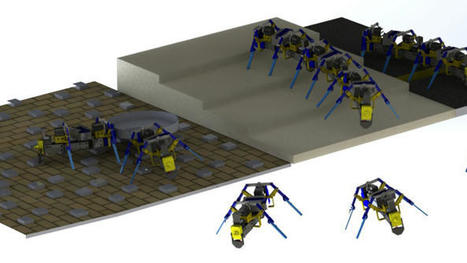
Using a 3D printer, Ozkan-Aydin built four-legged robots measuring 15 to 20 centimeters, or roughly 6 to 8 inches, in length. Each was equipped with a lithium polymer battery, microcontroller and three sensors — a light sensor at the front and two magnetic touch sensors at the front and back, allowing the robots to connect to one another. Four flexible legs reduced the need for additional sensors and parts and gave the robots a level of mechanical intelligence, which helped when interacting with rough or uneven terrain.
“You don’t need additional sensors to detect obstacles because the flexibility in the legs helps the robot to move right past them,” said Ozkan-Aydin. “They can test for gaps in a path, building a bridge with their bodies; move objects individually; or connect to move objects collectively in different types of environments, not dissimilar to ants.”
Leading a double life in water and on land, frogs have many breathing techniques – through the gills, lungs, and skin – over the course of their lifetime. Now German scientists have developed another method that allows tadpoles to “breathe” by introducing algae into their bloodstream to supply oxygen. The method developed, presented October 13 in the journal iScience, provided enough oxygen to effectively rescue neurons in the brains of oxygen-deprived tadpoles.
“The algae actually produced so much oxygen that they could bring the nerve cells back to life, if you will,” says senior author Hans Straka of Ludwig-Maximilians-University Munich. “For many people, it sounds like science fiction, but after all, it’s just the right combination of biological schemes and biological principles.”
Straka was studying oxygen consumption in tadpole brains of African clawed frogs (Xenopus laevis) when a lunch conversation with a botanist sparked an idea to combine plant physiology with neuroscience: harnessing the power of photosynthesis to supply nerve cells with oxygen. The idea didn’t seem far-fetched. In nature, algae live harmoniously in sponges, corals, and anemones, providing them with oxygen and even nutrients. Why not in vertebrates like frogs? To explore the possibility, the team injected green algae (Chlamydomonas renhardtii) or cyanobacteria (Synechocystis) into tadpoles’ hearts. With each heartbeat, the algae inched through blood vessels and eventually reached the brain, turning the translucent tadpole bright green. Shining light on these tadpoles prompted both algae species to pump out oxygen to nearby cells.
After distributing algae to the brain, the researchers isolated the tadpole’s head and placed it in an oxygen bubble bath with essential nutrients that would preserve the functioning of the cells, allowing the team to monitor neural activity and oxygen levels. As the researchers depleted oxygen from the bath, the nerves ceased firing and fell silent. However, illuminating the tadpole head restarted the neural activity within 15 to 20 minutes, which is about two times faster than replenishing the bath with oxygen without the algae. The revived nerves also performed as well or even better than before oxygen depletion, showing that the researchers’ method was quick and efficient.
“We succeeded in showing the proof of principle experiment with this method. It was amazingly reliable and robust, and in my eyes, a beautiful approach,” says Straka. “Working in principle doesn’t really mean that you could apply it at the end, but it’s the first step in order to initiate other studies.”
Convolutional neural networks running on quantum computers have generated significant buzz for their potential to analyze quantum data better than classical computers can. While a fundamental solvability problem known as "barren plateaus" has limited the application of these neural networks for large data sets, new research overcomes that Achilles heel with a rigorous proof that guarantees scalability.
"The way you construct a quantum neural network can lead to a barren plateau—or not," said Marco Cerezo, co-author of the paper titled "Absence of Barren Plateaus in Quantum Convolutional Neural Networks," published today by a Los Alamos National Laboratory team in Physical Review X.
Cerezo is a physicist specializing in quantum computing, quantum machine learning, and quantum information at Los Alamos. "We proved the absence of barren plateaus for a special type of quantum neural network. Our work provides trainability guarantees for this architecture, meaning that one can generically train its parameters." As an artificial intelligence (AI) methodology, quantum convolutional neural networks are inspired by the visual cortex. As such, they involve a series of convolutional layers, or filters, interleaved with pooling layers that reduce the dimension of the data while keeping important features of a data set. These neural networks can be used to solve a range of problems, from image recognition to materials discovery. Overcoming barren plateaus is key to extracting the full potential of quantum computers in AI applications and demonstrating their superiority over classical computers.
Until now, Cerezo said, researchers in quantum machine learning analyzed how to mitigate the effects of barren plateaus, but they lacked a theoretical basis for avoiding it altogether. The Los Alamos work shows how some quantum neural networks are, in fact, immune to barren plateaus. "With this guarantee in hand, researchers will now be able to sift through quantum-computer data about quantum systems and use that information for studying material properties or discovering new materials, among other applications," said Patrick Coles, a quantum physicist at Los Alamos and a coauthor of the paper.
Many more applications for quantum AI algorithms will emerge, Coles thinks, as researchers use near-term quantum computers more frequently and generate more and more data—all machine learning programs are data-hungry.
Until now, observing subatomic structures was beyond the resolution capabilities of direct imaging methods, and this seemed unlikely to change.
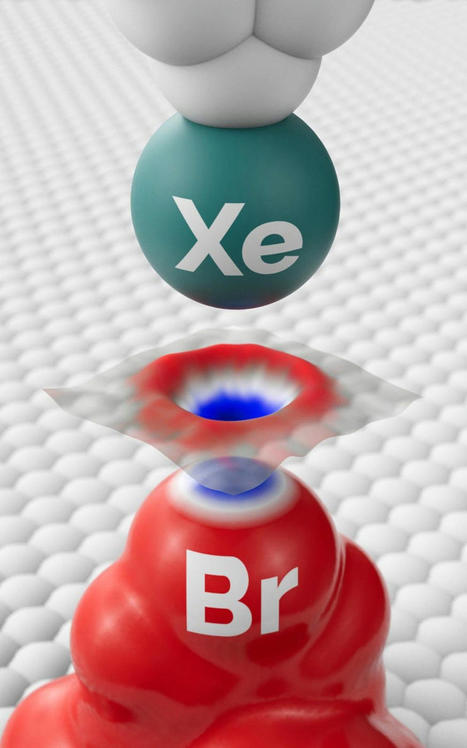
Czech scientists, however, have presented a method with which they became the first in the world to observe an inhomogeneous electron charge distribution around a halogen atom, thus confirming the existence of a phenomenon that had been theoretically predicted but never directly observed.
Comparable to the first observation of a black hole, the breakthrough will facilitate understanding of interactions between individual atoms or molecules as well as of chemical reactions, and it opens a path to refinement of the material and structural properties of various physical, biological, and chemical systems. The breakthrough discovery is being published in Science.
A technology at the leading edge of genetic medicine—known as prime editing—is getting ever closer to the clinic after researchers reported major improvements that could let them repair disorders unreachable by other genetic therapies.
Building on Crispr-Cas9's ability to zero-in on a specific stretch in our DNA’s 3-billion long string of “base” letters, Harvard University professor David Liu and his colleagues at the Broad Institute of MIT and Harvard introduced “base editing” in 2016. It can correct single-letter typos in DNA, with less disruption to the cell than Crispr-Cas9. The company Beam Therapeutics (BEAM) is bringing base edits into clinical trials.
Base editing can fix four of the 12 possible typos that can cause disease when there’s a single wrong letter in our DNA. In 2019, Liu and his team unveiled “prime editing”, which can correct all 12 typos—they account for 90% of genetic disorders. Prime editing can also insert, delete, or replace a string of several dozen DNA base letters—all without disruptively breaking both of the twisted strands that compose our DNA. This insertion capability might allow prime-editing to fix the flaws responsible for some kinds of cystic fibrosis.
Beam Therapeutics is applying prime-editing technology to repair sickle cell, while other applications of the new gene-editing technique are being pursued by the still-private Prime Medicine.
For all its promise, prime editing suffered shortcomings that left it less efficient than base editing, and kept it from working well in certain kinds of cells. A recent paper4 published in Cell shows that those problems are being overcome, though. Liu and collaborators from Princeton and the University of California, San Francisco, engineered new prime editors that work much more efficiently than earlier tools, with fewer unwanted byproducts.
In clearing away obstacles to prime editing, the technology gets closer to human trials, where it could address genetic flaws that can’t be treated by other kinds of gene editing—including cystic fibrosis and many neurological disorders. “These advancements,” said Prime Medicine CEO Keith Gottesdiener in a press release., “will broaden the areas where prime editing might work, potentially extending our reach to additional diseases that no gene editing approach has yet been able to address.”
Even though virtual reality headsets are popular for gaming, they haven’t yet become the go-to device for watching television, shopping, or using software tools for design and modeling. One reason why is because VR can make users feel sick with nausea, imbalance, eye strain, and headaches. This happens because VR creates an illusion of 3D viewing — but the user is actually staring at a fixed-distance 2D display. The solution for better 3D visualization exists in a 60-year-old tech that’s being updated for the digital world — holograms.
A new method called tensor holography enables the creation of holograms for virtual reality, 3D printing, medical imaging, and more — and it can run on a smart-phone. Holograms deliver an exceptional 3D representation of the world around us — and they’re beautiful. Holograms offer a shifting visual perspective based on the viewer’s position. They allow the human eye to adjust its focal depth — so you can move your focus easily from foreground to background. The visual holographic display appears just like a real 3D object — as if you could touch it.
Researchers have been trying to make computer-generated holograms. But the process has traditionally required a super-computer to churn through heaps of physics simulations — to create that life-like effect. That’s time-consuming and can yield less-than-photo-realistic results.
Holograms in the blink of an eye.
To deal with this, researchers at the Massachusetts Institute of Technology (MIT) designed a new way to produce holograms — almost instantly. The software they’re using is called a deep learning artificial intelligence program, because it can teach itself. They said it’s so efficient that it can create a hologram on a laptop — in the blink of an eye.
Liang Shi is a PhD student at MIT and the lead researcher on the project. He said: "People previously thought that with existing consumer-grade hardware, it was impossible to do real-time 3D holography computations. It’s often said that commercially available holographic displays will be around in 10 years — but this statement has been around for decades. This new approach — tensor holography — will finally bring that elusive 10-year goal within reach. This advance could fuel a spill-over of holography into fields like VR and 3D printing."
Electric vehicles have the potential to substantially reduce carbon emissions, but car companies are running out of materials to make batteries. One crucial component, nickel, is projected to cause supply shortages as early as the end of this year. Scientists have recently discovered four new materials that could potentially help—and what may be even more intriguing is how they found these materials: the researchers relied on artificial intelligence (AI) to pick out useful chemicals from a list of more than 300 not so obvious options. And they are not the only humans turning to AI for scientific inspiration.
Creating hypotheses has long been a purely human domain. Now, though, scientists are beginning to ask machine learning to produce original insights. They are designing neural networks that suggest new hypotheses based on patterns the networks find in data instead of relying on human assumptions. Many fields may soon turn to the muse of machine learning in an attempt to speed up the scientific process and reduce human biases.
In the case of new battery materials, scientists pursuing such tasks have typically relied on database search tools, modeling and their own intuition about chemicals to pick out useful compounds. Instead a team at the University of Liverpool in England used machine learning AI to streamline the creative process. The researchers developed a neural network that ranked chemical combinations by how likely they were to result in a useful new material. Then the scientists used these rankings to guide their experiments in the laboratory. They identified four promising candidates for battery materials without having to test everything on their list, saving them months of trial and error.
“It’s a great tool,” says Andrij Vasylenko, a research associate at the University of Liverpool and a co-author of the study on finding battery materials, which was published in Nature Communications last month. The AI process helps identify the chemical combinations that are worth looking at, he adds, so “we can cover much more chemical space more quickly.”
The discovery of new materials is not the only area where machine learning could contribute to science. Researchers are also applying neural networks to larger technical and theoretical questions. Renato Renner, a physicist at Zürich’s Institute for Theoretical Physics, hopes to someday use machine learning to develop a unified theory of how the universe works. But before AI can uncover the true nature of reality, researchers must tackle the notoriously difficult question of how neural networks make their decisions.
Vaccines have slowed the death rate, but officials warn of worrying rises in some countries. The milestone comes amid warnings from health officials that cases and deaths in some places are rising for the first time in months. Nearly 250 million cases of the virus have been recorded worldwide.
The World Health Organization (WHO) estimates the pandemic's real global death toll could be two to three times higher than official records. In the US, more than 745,800 people have died, making it the country with the highest number of recorded deaths. It is followed by Brazil, with 607,824 recorded deaths, and India, with 458,437. But health experts believe these numbers are under reported, partly because of deaths at home and those in rural communities. It has taken the world longer to reach the latest one million deaths than the previous two.
It took over 110 days to go from four million deaths to five million. That is compared to just under 90 days to rise from 3 million to 4 million. While vaccines have helped reduce the fatality rate, the WHO warned last week that the pandemic was "far from over". Its director general Tedros Adhanom Ghebreyesus pointed to a rise in cases in Europe, where countries with low vaccination rates are seeing soaring infections and deaths. Last week, Russia recorded its highest number of daily cases and deaths since the start of the pandemic. Russia accounts for 10% of the last million deaths recorded globally. Bulgaria and Romania have some of the world's worst COVID-19 mortality rates, and their hospitals are struggling to cope. They have the two lowest vaccine rates in the European Union.
More than 7 billion vaccine doses have been administered worldwide, but there is a gap between rich and poor nations. Only 3.6% of people in low income countries have been vaccinated, according to Oxford University's Our World in Data. Dr Tedros said that if the vaccine doses had been distributed fairly, "we would have reached our 40% target in every country by now. The pandemic persists in large part because inequitable access to tools persists". Vaccines have allowed many countries to gradually open up, with most of the world now easing restrictions. On Monday, Australia reopened its borders for the first time in 19 months. But China, where the pandemic first emerged, is still perusing a zero-Covid strategy, where even one infection can result in a strict lockdown and mass testing. A country's death toll is based on daily reports from the nation's health authorities, but the numbers may not fully reflect the true toll in many countries. Not all countries record coronavirus deaths in the same way, meaning it is difficult to compare their death rates.
Comparing how different countries have suffered during the Covid pandemic is difficult. Total number of deaths is one way, but this number masks some crucial context. How much testing individual countries carry out will have a bearing on their death figures. Very few deaths have occurred in Africa, for example, compared to other continents and this is likely to be one factor. Deaths from Covid can also be measured in different ways - as a proportion of the population (Bulgaria fares worst) or as a proportion of people showing symptoms (Mexico fares worst). And the healthcare systems in different countries as well as the average age of the population will also have an impact - the older the people the more vulnerable they are to the virus.
Vaccinations against Covid have made a huge difference to the number of people dying in the past six months - but not all countries have had equal access to shots which protect against the virus. That means there will be more deaths to come - but Covid is not the only health problem the world has to worry about. It's worth remembering that each year more than nine million people die from cancer and nearly the same number from heart disease.
Scores of Covid vaccines are in development. Four companies have manufactured the majority of doses. But that doesn't mean they are the best. P fizer/BioNTech. Moderna. Johnson & Johnson. AstraZeneca. These are the marquee names that spring to mind when you think of the vaccine companies at the forefront of the global fight against Covid-19. And for good reason: together they have manufactured the majority of the estimated 7 billion-plus Covid vaccine doses administered to date around the world. But as regulators in the U.S., Europe, and around the world mull the most responsible way to expand vaccine eligibility to an even larger share of their populations — including to younger children, as the Food and Drug Administration (FDA) and Centers for Disease Control (CDC) have done this month by greenlighting Pfizer’s vaccine for kids 5 to 11 years of age — it’s time to confront an uncomfortable reality: The global health community still doesn’t know which of the hundreds of Covid vaccines currently in clinical and preclinical development are truly “the best.” That’s a shortcoming governments and the global health system need to address if they are to ensure that the next pandemic doesn’t knock the world on its heels to the extent the novel coronavirus has done. Of the 128 Covid vaccines currently being clinically tested (21 of which have been cleared for use in general populations), Pfizer, Moderna, J&J, and AstraZeneca manufacture just four, according to the latest World Health Organization (WHO) data. Russia’s Sputnik V jab is being distributed in 39 countries with dozens of other markets potentially on the horizon; Sinovac and Sinopharm, both of China, have delivered nearly half of the world’s vaccine doses to date; Bharat Biotech in India won WHO emergency use approval for its Covid shot earlier this month. These are just a handful of the other companies with vaccines that are being given to people in many low- and middle-income countries. Another 194 candidates are in preclinical development in labs or being tested in animals. These companies and their products are largely unknown outside of the life sciences industry, some academic institutions, and government-backed public health centers. But just because massive, globally established pharmaceutical companies and universities have fueled the world’s vaccine supply to date doesn’t mean they have created the best ones. Other vaccines may prove to be more effective, or safer, or more appropriate for a certain coronavirus variant or among certain age groups in the coming years as the march of SARS-CoV-2, the virus that causes Covid-19, is slowed and it becomes endemic. To be clear, I am not denigrating the safety and effectiveness of the most common and widely used Covid-19 vaccines. But as with so many other facets of public health, the pandemic has turned a glaring light on a long-festering problem: There is no unifying framework for what makes a vaccine “best.” This shortcoming inevitably leads to R&D and manufacturing imbalances down the line as dominant pharmaceutical players leverage their access to institutions and capital to leapfrog the vaccines-that-might-have-been. The first essential step in addressing this failure is establishing a working definition of what constitutes “best” in vaccine development. Key data points to consider will include safety and effectiveness across coronavirus variants; short-, medium-, and long-term immunity; safety; and overall real-world health outcomes. Should the level of neutralizing antibodies produced by a vaccine and their staying power be the metric by which it is judged? Should one vaccine be prioritized in certain geographic locations over another because different demographics respond to various jabs in different ways? Those questions need answers. Randomized clinical trials, the gold standard for sniffing out effective medicines, conducted early in the development process must be paired with monitoring real-world evidence for an evolving virus, like the data being collected in the 427 ongoing observational Covid-19 studies the WHO has tracked so far. Head-to-head clinical trials that compare one vaccine directly against another have their uses as well, but don’t address the underlying dilemma of defining exactly which qualities you’re looking for in a vaccine. And with hundreds of vaccine candidates, it’s simply implausible to conduct head-to-head studies of all of them. The focus, then, must be on ensuring that the vaccines most likely to be best are supported early. That requires a level of consensus on critical issues such as proper endpoints and goals, whether a vaccine is keeping people out of the hospital or preventing breakthrough infections, as well as more consistency in clinical trial enrollment, such as whether or not a study assesses a jab in children ages 5 to 12 rather than ages 5 to 11. Beyond those clinical fundamentals, vaccines for Covid-19 or future infectious disease threats cannot reach their full potential without adequate investment and funding mechanisms guided by science. The vaccines that have been granted approvals or authorizations to date have been the best funded, either through government programs such as Operation Warp Speed or private funding, while other candidates have stalled for lack of access to capital that can facilitate a quick manufacturing ramp-up to meet the moment’s need. If the same kind of global emergency were to emerge again, the system for advancing vaccine candidates currently in place would be no better — and perhaps would be even worse — without gargantuan ad hoc measures like Operation Warp Speed at play. By default, the current pandemic response has revealed a system where finance is a proxy for “best,” as if it was a betting market, rather than letting science guide resource allocation. There is currently no set of mutually recognized guidelines by which to rationalize investment in global vaccines, even though the U.S. will accept WHO “recognition” of a vaccine as sufficient for immunized travelers wishing to come into the country. But there is no prospect of the European Union, the United Kingdom, the U.S., and countries around the world working together “next time.” This is not a sustainable dynamic if we are to prevent, or at the very least mitigate, the public health catastrophes of tomorrow. Global health experts at the WHO and beyond had been warning that the world is fundamentally unprepared for such a calamitous event years before Covid-19 reared its head. And there has been a common theme in critiques of the existing vaccine infrastructure: There must be a mutual recognition around the world of rationalizing investment in vaccines of the future to outsmart yet-unknown pathogenic foes. Some of the world’s leading health organizations, such as the Coalition for Epidemic Preparedness Innovations (CEPI) and think tanks such as the Peterson Institute for International Economics, have already proposed common-sense improvements to the vaccine discovery, development, and evaluation process that can also make a tangible difference in manufacturing and distributing vaccines down the line. These are “portfolio” approaches meant to take a vaccine through its full life cycle, from discovery to real-world deployment. For instance, Peterson’s Reinhilde Veugelers, a professor in the department of management, strategy, and innovation at KU Leuven in Belgium, penned a report in March on the level of public and private investment necessary for both discovering and identifying the best vaccines in future pandemics and making sure they are effectively distributed across the globe. “Because of the high risks associated with research projects, and the high social cost of failure, we need multiple vaccine candidates and technologies simultaneously. Public resources should especially support (or at least not bias against) the early stage, riskiest projects, which offer the greatest promises for big breakthroughs. Risks can be managed by diversifying and staging grants,” she writes. Veugelers goes on to note that this portfolio approach, which will almost inevitably mean government support for programs that will eventually fail, necessitates proactive investment at both the cheaper, early developmental stages and the far costlier long-term prospect of mass vaccine production and distribution. GAVI, the International Vaccine Institute, and CEPI laid out concrete steps on how to make sure promising vaccines are effectively distributed in an unpredictable pandemic environment in an article in the journal Nature Medicine: Standardize labeling of vaccines so they can be interchanged across countries and regions; Use date of production rather than expiration so shelf life can be tracked; Adopt three-dimensional bar coding to allow critical information to be updated; Employ standard indemnification and liability language that provides protection for manufacturers; Create no-fault compensation mechanism for serious adverse events related to vaccine administration; Harmonize regulations. Pharmaceutical innovation requires constant reinvention and the ability to adapt to shifting circumstances while carrying forth the lessons learned from previous shortcomings. The world faces a tough set of choices on how to change existing structures of pandemic preparedness and vaccine development if it is to ward off the next worldwide threat. And that conversation must begin with the acknowledgment that the status quo cannot ensure a different, better outcome in the coming years and decades. Mike Rea is a biopharmaceutical industry and innovation expert, a senior fellow at the Milken Institute’s FasterCures center, and the CEO of IDEA Pharma and Protodigm
The study in Clinical Cancer Research describes the results of a Phase I clinical trial in which investigators tested a STING (STimulator of INterferon Genes) drug injected directly into the glioblastoma of five dogs that had previously been diagnosed with the cancer. Glioblastoma is the second-most common type of brain cancer in dogs.
STING agonists can induce immunological responses that allow the immune system to fight otherwise immunologically resistant cancer cells. MRI scans taken over the course of the 10-month trial revealed that some of the dogs, even with a single dose, responded to the treatment with apparent reductions in their tumor volume, including one complete response in which the tumor appeared to completely disappear.
That led the researchers to conclude that this therapy can trigger a robust, innate anti-tumor immune response and may be highly effective on recalcitrant tumors such as glioblastoma. “With this therapy, we were trying to take tumors that do not, on their own, generate a lot of immune response and turn them into tumors that do by injecting them with this immunotherapy agent,” says Beth Boudreau, an assistant professor of neurology at Texas A&M University.
This clinical trial was based on the team’s earlier research, which analyzed a massive canine genomic dataset collected from multiple glioma samples. The researchers found that canine and human gliomas are molecularly similar, suggesting that the two diseases have a similar mutational, cancer-causing process that would enable similar treatment strategies.
Both canine and human gliomas tend to have a poor prognosis, as they are difficult to surgically remove and traditional therapies come with multiple side effects and are expensive. Even after a high-risk surgery to remove the tumor and radiation therapy and/or chemotherapy, humans with glioblastoma may only survive a few more months.
“In the canine clinical trial, dogs did not receive surgery to remove their tumors, which limited the dose we could safely deliver,” Boudreau says. “In humans with glioblastoma, our STING agonist will be combined with surgery, which should improve its safety and efficacy. Further investigation and refinement would be needed to determine the role of this therapy in treating brain tumors in dogs.”
NASA has selected two new missions to Venus, Earth’s nearest planetary neighbor.
Part of NASA’s Discovery Program, the missions aim to understand how Venus became an inferno-like world when it has so many other characteristics similar to ours – and may have been the first habitable world in the solar system, complete with an ocean and Earth-like climate.
These investigations are the final selections from four mission concepts NASA picked in February 2020 as part of the agency’s Discovery 2019 competition. Following a competitive, peer-review process, the two missions were chosen based on their potential scientific value and the feasibility of their development plans. The project teams will now work to finalize their requirements, designs, and development plans.
NASA is awarding approximately $500 million per mission for development. Each is expected to launch in the 2028-2030 timeframe.
The selected missions are:
DAVINCI+ (Deep Atmosphere Venus Investigation of Noble gases, Chemistry, and Imaging)
DAVINCI+ will measure the composition of Venus’ atmosphere to understand how it formed and evolved, as well as determine whether the planet ever had an ocean. The mission consists of a descent sphere that will plunge through the planet’s thick atmosphere, making precise measurements of noble gases and other elements to understand why Venus’ atmosphere is a runaway hothouse compared the Earth’s.
In addition, DAVINCI+ will return the first high resolution pictures of the unique geological features on Venus known as “tesserae,” which may be comparable to Earth’s continents, suggesting that Venus has plate tectonics. This would be the first U.S.-led mission to Venus’ atmosphere since 1978, and the results from DAVINCI+ could reshape our understanding of terrestrial planet formation in our solar system and beyond. James Garvin of Goddard Space Flight Center in Greenbelt, Maryland, is the principal investigator. Goddard provides project management.
VERITAS (Venus Emissivity, Radio Science, InSAR, Topography, and Spectroscopy)
VERITAS will map Venus’ surface to determine the planet’s geologic history and understand why it developed so differently than Earth. Orbiting Venus with a synthetic aperture radar, VERITAS will chart surface elevations over nearly the entire planet to create 3D reconstructions of topography and confirm whether processes such as plate tectonics and volcanism are still active on Venus.
VERITAS also will map infrared emissions from Venus’ surface to map its rock type, which is largely unknown, and determine whether active volcanoes are releasing water vapor into the atmosphere. Suzanne Smrekar of NASA’s Jet Propulsion Laboratory in Southern California, is the principal investigator. JPL provides project management. The German Aerospace Center will provide the infrared mapper with the Italian Space Agency and France’s Centre National d'Etudes Spatiales contributing to the radar and other parts of the mission.
“We’re revving up our planetary science program with intense exploration of a world that NASA hasn’t visited in over 30 years,” said Thomas Zurbuchen, NASA’s associate administrator for science. “Using cutting-edge technologies that NASA has developed and refined over many years of missions and technology programs, we’re ushering in a new decade of Venus to understand how an Earth-like planet can become a hothouse. Our goals are profound. It is not just understanding the evolution of planets and habitability in our own solar system, but extending beyond these boundaries to exoplanets, an exciting and emerging area of research for NASA.”
Physicists have performed an improved measurement of the free neutron lifetime using the UCNτ apparatus at the Los Alamos Neutron Science Center. Their results, published in the journal Physical Review Letters, represent a more than two-fold improvement over previous measurements.
Gonzalez et al. report an improved measurement of the free neutron lifetime. “This work sets a new gold-standard for a measurement that has fundamental importance to such questions as the relative abundances of the elements created in the early Universe,” said Dr. David Baxter, chair of the Department of Physics at Indiana University Bloomington.
“The process by which a neutron decays into a proton — with an emission of a light electron and an almost massless neutrino — is one of the most fascinating processes known to physicists,” added Dr. Daniel Salvat, also from the Department of Physics at Indiana University Bloomington.
“The effort to measure this value very precisely is significant because understanding the precise lifetime of the neutron can shed light on how the Universe developed — as well as allow physicists to discover flaws in our model of the subatomic Universe that we know exist but nobody has yet been able to find.”
The UCNτ experiment captures neutrons, whose temperatures are lowered to nearly absolute zero, inside a ‘bathtub’ lined with about 4,000 magnets. After waiting 30 to 90 min, the physicists count the surviving neutrons in the tub as they’re levitated against gravity by the force of the magnets.
The unique design of the UCNτ trap allows neutrons to remain stored for more than 11 days, a significantly longer time than earlier designs, minimizing the need for systematic corrections that could skew the results of the lifetime measurements. Over two years, the authors counted 38 million neutrons captured using this method. Their experiment gave a value for the free neutron lifetime of 877.75 seconds.
New methods of detecting ultra-low frequency gravitational waves can be combined with other, less sensitive measurements to deliver fresh insights into the early development of our universe, according to researchers at the University of Birmingham. Gravitational waves -- ripples in the fabric of Einstein's spacetime -- that cross the universe at the speed of light have all sorts of wavelengths, or frequencies. Scientists have not yet managed to detect gravitational waves at extremely low 'nanohertz' frequencies, but new approaches currently being explored are expected to confirm the first low frequency signals quite soon.
The main method uses radio telescopes to detect gravitational waves using pulsars -- exotic, dead stars, that send out pulses of radio waves with extraordinary regularity. Researchers at the NANOGrav collaboration, for example, use pulsars to time to exquisite precision the rotation periods of a network, or array, of millisecond pulsars -- astronomers' best approximation of a network of perfect clocks -- spread throughout our galaxy. These can be used to measure the fractional changes caused by gravitational waves as they spread through the universe.
The question of what is producing these signals, however, has yet to be determined. Scientists in the University of Birmingham's Institute for Gravitational Wave Astronomy, argue that it will be extremely difficult to settle on an answer using only data from pulsar timing arrays (PTAs).
Instead, in a letter published today (18 October 2021) in Nature Astronomy, they suggest that combining this new data with observations made by other projects such as the European Space Agency's Gaia mission, will help the different signals still lingering from the earliest periods of our universe to be disentangled and interpreted.
The main theory for ultra-low frequency gravitational waves is that they are caused by a population of the supermassive black holes at the centre of merging galaxies. As galaxies merge, their central black holes pair up, forming binaries and generating gravitational waves. In this case, a detection of gravitational waves by PTA would offer exciting new ways to study the astrophysics of the assembly and growth of galaxies.
But there are other possibilities too. Nanohertz gravitational waves could tell the story of our infant universe, well before galaxies and black holes form. In fact, it has been suggested that extremely low frequency gravitational wave signals could instead be generated shortly after the big bang by other processes; for example if the Universe underwent what physicists refer to as a phase transition at the correct temperature.
Lead author, Dr Christopher Moore, said: "The first tentative hints of a gravitational wave signal using pulsar timing arrays might recently have been seen by NANOGrav and we expect the next few years to be a golden age for this type of science. The variety of explanations for these signals is exciting, but also a maze. We need a way to tell the different possible sources apart from each other. Currently, this is extremely difficult to do with pulsar timing array data alone."
Researchers funded by the federal BRAIN Initiative have mapped all the cell types — more than a hundred — in the motor cortex of the brain.
The 17 studies, appearing online Oct. 6, 2021 in the journal Nature, are the result of five years of work by a huge consortium of researchers supported by the National Institutes of Health's Brain Research Through Advancing Innovative Neurotechnologies (BRAIN) Initiative to identify the myriad of different cell types in one portion of the brain. It is the first step in a long-term project to generate an atlas of the entire brain to help understand how the neural networks in our head control our body and mind and how they are disrupted in cases of mental and physical problems.
"If you think of the brain as an extremely complex machine, how could we understand it without first breaking it down and knowing the parts?" asked cellular neuroscientist Helen Bateup, a University of California, Berkeley, associate professor of molecular and cell biology and co-author of the flagship paper that synthesizes the results of the other papers. "The first page of any manual of how the brain works should read: Here are all the cellular components, this is how many of them there are, here is where they are located and who they connect to."
Individual researchers have previously identified dozens of cell types based on their shape, size, electrical properties and which genes are expressed in them. The new studies identify about five times more cell types, though many are subtypes of well-known cell types. For example, cells that release specific neurotransmitters, like gamma-aminobutyric acid (GABA) or glutamate, each have more than a dozen subtypes distinguishable from one another by their gene expression and electrical firing patterns.
While the current papers address only the motor cortex, the BRAIN Initiative Cell Census Network (BICCN) -- created in 2017 -- endeavors to map all the different cell types throughout the brain, which consists of more than 160 billion individual cells, both neurons and support cells called glia. The BRAIN Initiative was launched in 2013 by then-President Barack Obama. "Once we have all those parts defined, we can then go up a level and start to understand how those parts work together, how they form a functional circuit, how that ultimately gives rise to perceptions and behavior and much more complex things," Bateup said.
Together with former UC Berkeley professor John Ngai, Bateup and UC Berkeley colleague Dirk Hockemeyer have already used CRISPR-Cas9 to create mice in which a specific cell type is labeled with a fluorescent marker, allowing them to track the connections these cells make throughout the brain. For the flagship journal paper, the Berkeley team created two strains of "knock-in" reporter mice that provided novel tools for illuminating the connections of the newly identified cell types, she said.
"One of our many limitations in developing effective therapies for human brain disorders is that we just don't know enough about which cells and connections are being affected by a particular disease and therefore can't pinpoint with precision what and where we need to target," said Ngai, who led UC Berkeley's Brain Initiative efforts before being tapped last year to direct the entire national initiative. "Detailed information about the types of cells that make up the brain and their properties will ultimately enable the development of new therapies for neurologic and neuropsychiatric diseases." Ngai is one of 13 corresponding authors of the flagship paper, which has more than 250 co-authors in all.
The asteroid that killed off all non-avian dinosaurs made quite the splash when it hit the Yucatan Peninsula some 66 million years ago, generating a tsunami of epic proportions. Seafloor scars from this gigantic wave have been spotted in seismic data taken in Louisiana, offering new insights into this catastrophic event. Reaching over 50 feet tall, they're now the largest known ripples on Earth.
The megatsunami produced by the Chicxulub impact left a lasting mark on the seafloor, according to new research published in Earth and Planetary Science Letters and led by geophysicist Gary Kinsland from the University of Louisiana at Lafayette. The analysis suggests the wave caused the formation of “megaripples” along the bottom. These megaripples are now buried deep underground, but their existence is further confirmation of the power unleashed by the asteroid on that fateful Late Cretaceous day.
That the 6-mile-wide (10-kilometer) asteroid was able to carve the seafloor to such a degree is hardly a surprise. The kinetic energy generated by the impact was roughly 100 million megatons, which is akin to 10 billion Hiroshima-scale bombs going off at the same time. The collision triggered an impact winter that wiped out all non-avian dinosaurs and over 75% of all species on Earth. A simulation from 2018 found that the tsunami reached a maximum height of nearly 5,000 feet (1,500 meters).
The Chicxulub impact occurred in the shallow waters of the Yucatan Peninsula in what is now Mexico, resulting in a global-scale megatsunami (North and South America weren’t connected yet, so this big splash was literally felt around the world). Empirical evidence of the megatsunami is sorely lacking, but research presented in 2019 suggests debris—and even fish—from the impact site were blown thousands of miles away onto what is now southwestern North Dakota. Accordingly, the new paper describing the megaripples deepens our understanding of this cataclysmic event and further proves that a gigantic tsunami was generated by the asteroid impact.
The seismic data used in the study was provided by Devon Energy. The Oklahoma-based energy company wasn’t looking for evidence of the Chicxulub tsunami but rather evidence of oil and gas in central Louisiana. Seismic images are acquired by sending shockwaves into the ground, and the resulting reflections provide a picture of sediments and other features deep beneath the surface. This part of Louisiana was submerged during the Late Cretaceous owing to higher sea levels at the time, so Kinsland thought it might be a good idea to see if evidence of the megatsunami appeared in the seismic data provided by Devon Energy.
And indeed it was. The new paper documents a series of large-scale megaripples located nearly 5,000 feet (1,500 meters) beneath the surface. The studied layer dates back to the time of the impact, marking the “first time such buried, geologically old, tsunami megaripples have been imaged,” according to the study.
The ripples are separated by distances averaging nearly 2,000 feet (600 meters) and have an average height of 52.5 feet (16 meters), “making them the largest ripples documented on Earth,” as the scientists write in their study. Kinsland and his colleagues say the orientation of the megaripples are consistent with having originated at the site of the asteroid impact. These features formed at depths reaching around 200 feet (60 meters), as the gigantic waves from the tsunami surged northward.
The production of renewable energy is increasing every year. But after analyzing the growth rates of wind and solar power in 60 countries, researchers at Chalmers University of Technology and Lund University in Sweden and Central European University in Vienna, Austria, conclude that virtually no country is moving sufficiently fast enough to avoid global warming of 1.5°C or even 2°C.
"This is the first time that the maximum growth rate in individual countries has been accurately measured, and it shows the enormous scale of the challenge of replacing traditional energy sources with renewables, as well as the need to explore diverse technologies and scenarios," says Jessica Jewell, Associate Professor of Energy Transitions at Chalmers University of Technology. The Intergovernmental Panel on Climate Change (IPCC) has identified energy scenarios compatible with keeping global warming under 1.5°C or 2°C. Most of these scenarios envision very rapid growth of renewable electricity: on average about 1.4 percent of total global electricity supply per year for both wind and solar power, and more than 3 percent in more ambitious solar power scenarios. But the researchers' new findings show that achieving such rapid growth has so far only been possible for a few countries.
Measuring and predicting the growth of new technologies like renewable energy is difficult, as they do not grow linearly. Instead, the growth usually follows a so-called S-curve—at first it accelerates exponentially, then stabilizes to linear growth for a while, and in the end slows down as the market becomes saturated. "We came up with a new method—to use mathematical models to measure the slope of the S-curve, that is, the maximum growth rate achieved at its steepest point. It is an entirely novel way to look at the growth of new technologies," says Jessica Jewell.
When analyzing the 60 largest countries, the researchers found that the maximum growth rate for onshore wind power is on average 0.8 percent of the total electricity supply per year, and 0.6 percent on average for solar—much lower than in the IPCC recommended scenarios. Sustained growth faster than 2 percent per year for wind and 1.5 percent for solar has only occurred in smaller countries such as Portugal, Ireland and Chile. "It is likely that faster growth is easier to achieve in smaller more homogenous countries, rather than in large diverse systems," says Jessica Jewell.
"Among larger countries, only Germany has so far been able to sustain growth of onshore wind power comparable with median climate stabilization scenarios. In other words, to stay on track for climate targets, the whole world should build wind power as fast as Germany built recently. That is highly unlikely to happen.
To get content containing either thought or leadership enter:
To get content containing both thought and leadership enter:
To get content containing the expression thought leadership enter:
You can enter several keywords and you can refine them whenever you want. Our suggestion engine uses more signals but entering a few keywords here will rapidly give you great content to curate.


 Your new post is loading...