Your new post is loading...

|
Scooped by
Dr. Stefan Gruenwald
June 6, 2022 1:10 PM
|
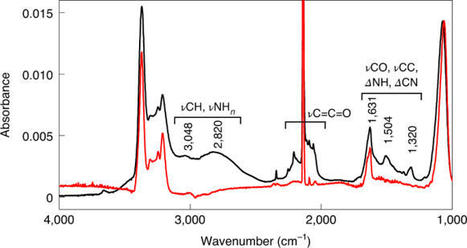
Rice chemist James Tour and co-lead authors Rice alumnus Wala Algozeeb, graduate student Paul Savas and postdoctoral researcher Zhe Yuan reported in the American Chemical Society journal ACS Nano that heating plastic waste in the presence of potassium acetate produced particles with nanometer-scale pores that trap carbon dioxide molecules. These particles can be used to remove CO2 from flue gas streams, they reported. "Point sources of CO2 emissions like power plant exhaust stacks can be fitted with this waste-plastic-derived material to remove enormous amounts of CO2 that would normally fill the atmosphere," Tour said. "It is a great way to have one problem, plastic waste, address another problem, CO2 emissions." A current process to pyrolyze plastic known as chemical recycling produces oils, gases and waxes, but the carbon byproduct is nearly useless, he said. However, pyrolyzing plastic in the presence of potassium acetate produces porous particles able to hold up to 18% of their own weight in CO2 at room temperature. In addition, while typical chemical recycling doesn't work for polymer wastes with low fixed carbon content in order to generate CO2 sorbent, including polypropylene and high- and low-density polyethylene, the main constituents in municipal waste, those plastics work especially well for capturing CO2 when treated with potassium acetate. The lab estimates the cost of carbon dioxide capture from a point source like post-combustion flue gas would be $21 a ton, far less expensive than the energy-intensive, amine-based process in common use to pull carbon dioxide from natural gas feeds, which costs $80-$160 a ton. Like all amine-based materials, the sorbent can be reused. Heating it to about 75 degrees Celsius (167 degrees Fahrenheit) releases trapped carbon dioxide from the pores, regenerating about 90% of the material's binding sites. Because it cycles at 75 degrees Celsius, polyvinyl chloride vessels are sufficient to replace the expensive metal vessels that are normally required. The researchers noted the sorbent is expected to have a longer lifetime than liquid amines, cutting downtime due to corrosion and sludge formation. To make this type of material, waste plastic is turned into powder, mixed with potassium acetate and heated at 600 C (1,112 F) for 45 minutes to optimize the pores, most of which are about 0.7 nanometers wide. Higher temperatures led to wider pores. The process also produces a wax byproduct that can be recycled into detergents or lubricants, the researchers said.
|
|
Scooped by
Dr. Stefan Gruenwald
June 3, 2022 1:45 PM
|
https://twitter.com/geoffrey_cain Geoffrey Cain: "When Russian forces started their all-out invasion in February, Ukraine has been hailed as an exemplar of how to defend against violent tyranny on the 21st-century battlefield. The country spun up an “IT Army” of volunteer hackers to take down Russian websites, used the Starlink satellite internet system to maintain communications as its own infrastructure was being destroyed, and launched a social media blitzkrieg to win support from around the world.
By contrast, Russia’s leaders, despite having a far more powerful traditional army, have been stuck in the obsolete strategic thinking of the previous century. They were seemingly unprepared for the powerful, precise, Turkish-made Bayraktar TB2 drones that Ukraine has used to decimate Russian tanks and ships. Russian cybersecurity systems were frail too: Hackers who had signed up for the IT Army told me how they were continually launching distributed denial of service attacks against Russian websites, as well as posting pro-Ukrainian propaganda and news on sites Russia had not yet censored. These hackers weren’t master cyber warriors with black ops training, but teenagers and twenty-somethings in bedrooms and living rooms around the world. With Google searches and WikiHow articles, they learned the art of basic hacking in a few days. With a few weeks of practice, they said, they were able to punch through Russia’s weak defenses and its vast cloak of wartime censorship.
So when I arrived in Ukraine in March, I wanted to understand how technology was reshaping war. I spoke to soldiers about how the use of drones had upended the balance of power with Russia. I talked to hackers about their successes and failures. And as the conflict wore on, I began to hear from Ukrainians about how their experience of the war has morphed from an intense and enthusiastic defense of the nation into long stretches of eerie silence, punctuated by moments of joy, fear, or panic with each new announcement of a Ukrainian or Russian advance.
Finally, in mid May, I met Volodymyr Zelensky at the presidential palace in Kyiv. The comedian-turned-president who has captivated global attention and successfully guilted world leaders into rallying behind his country did not look like the confident, charismatic person we’re used to seeing on TV and social media. He appeared exhausted and haggard, his hands jittery and his eyes sunken. He seemed deeply anxious and uncertain. And yet, as he answered my questions about the state of the war, the world’s reaction to it, and the role technology had played in helping Ukraine resist the Russian military machine, his answers became lyrical, interspersed with a spontaneous smile or a tartly comic retort—a Zelensky trademark."
In this wide-ranging interview, which has been condensed and lightly edited for clarity, Zelensky called on Big Tech to do more to pull out of Russia, praised Elon Musk’s Starlink, and explained why modern leaders have to appeal to the distracted social media generation. “We just live in another time, no longer the time of postmen,” he said.
But he acknowledged that the war has taken its toll on Ukrainians and is deeply personal to him. So I asked: Did he have any regrets? Would he have done anything differently? He answered, flatly: “I think this question should be asked of the Russian president.”
|
|
Scooped by
Dr. Stefan Gruenwald
June 1, 2022 2:08 PM
|
Billions of years ago, some unknown location on the sterile, primordial Earth became a cauldron of complex organic molecules from which the first cells emerged. Origin-of-life researchers have proposed countless imaginative ideas about how that occurred and where the necessary raw ingredients came from. Some of the most difficult to account for are proteins, the critical backbones of cellular chemistry, because in nature today they are made exclusively by living cells. How did the first protein form without any life to make it? Scientists have mostly looked for clues on Earth. Yet a new discovery suggests that the answer could be found beyond the sky, inside dark interstellar clouds. A group of astrobiologists showed recently (published in Nature Astronomy) that peptides, the molecular subunits of proteins, can spontaneously form on the solid, frozen particles of cosmic dust drifting aimlessly through the universe. Those peptides could in theory have traveled inside comets and meteorites to the young Earth — and to many other worlds — to become some of the starting materials for life. The simplicity and favorable thermodynamics of this new space-based mechanism for forming peptides make it a more promising alternative to the known purely chemical processes that could have occurred on a lifeless Earth, according to Serge Krasnokutski, the lead author on the new paper and a researcher at the Max Planck Institute for Astronomy and the Friedrich Schiller University in Germany. And that simplicity “suggests that proteins were among the first molecules involved in the evolutionary process leading to life,” he said. Researchers say they’ve found a shortcut to proteins — a simpler chemical pathway that reenergizes the theory that proteins were present very early in the genesis of life. Whether those peptides could have survived their arduous trek from space and contributed meaningfully to the origin of life is very much an open question. Paul Falkowski, a professor at the School of Environmental and Biological Sciences at Rutgers University, said that the chemistry demonstrated in the new paper is “very cool” but “doesn’t yet bridge the phenomenal gap between proto-prebiotic chemistry and the first evidence of life.” He added, “There’s a spark that’s still missing.” Organic molecules are widely present in the dense interstellar medium, and many have been synthesized in the laboratory on Earth under the conditions typical for an interstellar environment. Until now, however, only relatively small molecules of biological interest have been demonstrated to form experimentally under typical space conditions. The recent paper in Nature Astronomy proves experimentally that the condensation of carbon atoms on the surface of cold solid particles (cosmic dust) leads to the formation of isomeric polyglycine monomers (aminoketene molecules). Following encounters between aminoketene molecules, they polymerize to produce peptides of different lengths. The chemistry involves three of the most abundant species (CO, C and NH3) present in star-forming molecular clouds, and proceeds via a novel pathway that skips the stage of amino acid formation in protein synthesis. The process is efficient, even at low temperatures, without irradiation or the presence of water. The delivery of biopolymers formed by this chemistry to rocky planets in the habitable zone might be an important element in the origins of life. Using common interstellar chemical species (CO, C and NH3), the authors show that peptides can be experimentally synthesized on a solid surface under interstellar conditions. The formation route circumvents the creation of amino acids in the pathway towards proteins.
|
|
Scooped by
Dr. Stefan Gruenwald
May 31, 2022 8:38 PM
|
Astronomers may now know why Uranus and Neptune are presenting themselves in different colors. Using observations from the NASA/ESA Hubble Space Telescope, as well as the Gemini North telescope and the NASA Infrared Telescope Facility, researchers have developed a single atmospheric model that matches observations of both planets. The model reveals that excess haze on Uranus builds up in the planet’s stagnant, sluggish atmosphere and makes it appear a lighter tone than Neptune. Neptune and Uranus have much in common — they have similar masses, sizes, and atmospheric compositions — yet their appearances are notably different. At visible wavelengths Neptune is a rich, deep azure hue whereas Uranus is a distinctly pale shade of cyan. Astronomers now have an explanation for why the two planets are different colors. New research suggests that a layer of concentrated haze that is present on both planets is thicker on Uranus than on Neptune and therefore ‘whitens’ Uranus’s appearance more than Neptune’s [1]. If there was no haze in the atmospheres of Neptune and Uranus, both would appear almost equally blue as a result of blue light being scattered in their atmospheres [2]. This conclusion comes from a model [3] that an international team led by Patrick Irwin, Professor of Planetary Physics at Oxford University, developed to describe aerosol layers in the atmospheres of Neptune and Uranus [4]. Previous investigations of these planets’ upper atmospheres had focused on the appearance of the atmosphere at only specific wavelengths. However, this new model consists of multiple atmospheric layers and matches observations from both planets across a wide range of wavelengths. The new model also includes haze particles within deeper layers that had previously been thought to contain only clouds of methane and hydrogen sulphide ices. “This is the first model to simultaneously fit observations of reflected sunlight from ultraviolet to near-infrared wavelengths,” explained Irwin, who is the lead author of a paper presenting this result in the Journal of Geophysical Research: Planets. “It’s also the first to explain the difference in visible color between Uranus and Neptune.” The team’s model consists of three layers of aerosols at different heights [5]. The key layer that affects the colors is the middle layer, which is a layer of haze particles (referred to in the paper as the Aerosol-2 layer) that is thicker on Uranus than on Neptune. The team suspects that, on both planets, methane ice condenses onto the particles in this layer, pulling the particles deeper into the atmosphere in a shower of methane snow. Because Neptune has a more active, turbulent atmosphere than Uranus does, the team believes Neptune’s atmosphere is more efficient at churning up methane particles into the haze layer and producing this snow. This removes more of the haze and keeps Neptune’s haze layer thinner than it is on Uranus, with the result that the blue hue of Neptune looks stronger. “We hoped that developing this model would help us understand clouds and hazes in the ice giant atmospheres,” commented Mike Wong, an astronomer at the University of California, Berkeley, and a member of the team behind this result. “Explaining the difference in color between Uranus and Neptune was an unexpected bonus!”
|
|
Scooped by
Dr. Stefan Gruenwald
May 30, 2022 4:08 PM
|
Alien minds are headed for planet Earth and we have no reason to believe it will be friendly. Some experts predict it will get here within 30 years, while others insist it will arrive far sooner. Nobody knows what it will look like, but it will share two key traits with us humans – it will be intelligent and self-aware. No, this alien will not come from a distant planet – it will be born right here on Earth, hatched in a research lab at a major university or large corporation. I am referring to the first artificial general intelligence (AGI) that reaches (or exceeds) human-level cognition. Currently, Billions are being spent to bring this alien to life, as it would be viewed as one of the greatest technological achievements in human history. But unlike our other inventions, this one will have a mind of its own, literally. And if it behaves like every other intelligent species we know, it will put its own self-interests first, working to maximize its prospects for survival. AI in our own image Should we fear a superior intelligence driven by its own goals, values and self-interests? Many people reject this question, believing we will build AI systems in our own image, ensuring they think, feel and behave just like we do. This is extremely unlikely to be the case. Artificial minds will not be created by writing software with carefully crafted rules that make them think like us. Instead engineers feed massive datasets into simple algorithms that automatically adjust their own parameters, making millions upon millions of tiny changes to their structure until an intelligence emerges – an intelligence with inner workings that are far too complex for us to comprehend. And no – feeding it data about humans will not make it think like humans do. This is a common misconception – the false belief that by training an AI on data that describes human behaviors, we will ensure it ends up thinking, feeling and acting like we do. It will not. Instead, we will build these AI creatures to know humans, not to be human. And yes, they will know us inside and out, able to speak our languages and interpret our gestures, read our facial expressions and predict our actions. They will understand how we make decisions, for good and bad, logical and illogical. After all, we will have spent decades teaching AI systems how we humans behave in almost every situation. Different, profoundly different But still, their minds will be nothing like ours. To us, they will seem omniscient, linking to remote sensors of all kinds, in all places. In my 2020 book, Arrival Mind, I portray AGI as “having a billion eyes and ears,” for its perceptual abilities could easily span the globe. We humans can’t possibly imagine what it would feel like to perceive our world in such an expansive and wholistic way, and yet we somehow presume a mind like this will share our morals, values, and sensibilities. It will not. Artificial minds will be profoundly different than any biological brains we know of on Earth – from their basic structure and functionality to their overall physiology and psychology. Of course, we will create human-like bodies for these alien minds to inhabit, but they will be little more than robotic façades to make ourselves feel comfortable in their presence. In fact, we humans will work very hard to make these aliens look like us and talk like us, even smile and laugh like us, but deep inside they will not be anything like us. Most likely, their brains will live in the cloud (fully or partially) connected to features and functions both inside and outside the humanoid forms that we personify them as.
|
|
Scooped by
Dr. Stefan Gruenwald
May 30, 2022 3:24 PM
|
With its mirror segments beautifully aligned and its scientific instruments undergoing final calibration, NASA’s James Webb Space Telescope is just weeks away from full operation. Soon after the first observations are revealed this summer, Webb’s in-depth science will begin. Among the investigations planned for the first year are studies of two hot exoplanets classified as “super-Earths” for their size and rocky composition: the lava-covered 55 Cancri e and the airless LHS 3844 b. Researchers will train Webb’s high-precision spectrographs on these planets with a view to understanding the geologic diversity of planets across the galaxy, and the evolution of rocky planets like Earth. Super-Hot Super-Earth 55 Cancri e 55 Cancri e orbits less than 1.5 million miles from its Sun-like star (1/25th of the distance between Mercury and the Sun), completing one orbit in less than 18 hours. With surface temperatures far above the melting point of typical rock-forming minerals, the day side of the planet is thought to be covered in oceans of lava. Planets that orbit this close to their star are assumed to be tidally locked, with one side facing the star at all times. As a result, the hottest spot on the planet should be the one that faces the star most directly, and the amount of heat coming from the day side should not change much over time. But this doesn’t seem to be the case. Observations of 55 Cancri e from NASA’s Spitzer Space Telescope suggest that the hottest region is offset from the part that faces the star most directly, while the total amount of heat detected from the day side does vary. Does 55 Cancri e Have a Thick Atmosphere? One explanation for these observations is that the planet has a dynamic thick atmosphere that moves heat around. “55 Cancri e could have a thick atmosphere dominated by oxygen or nitrogen,” explained Renyu Hu of NASA’s Jet Propulsion Laboratory in Southern California, who leads a team that will use Webb’s Near-Infrared Camera (NIRCam) and Mid-Infrared Instrument (MIRI) to capture the thermal emission spectrum of the day side of the planet. “If it has an atmosphere, Webb has the required sensitivity and wavelength range to detect it and determine what it is made of,” Hu added. Is It Raining Lava in the Evening on 55 Cancri e? Another intriguing possibility, however, is that 55 Cancri e is not tidally locked. Instead, it may be like Mercury, rotating three times for every two orbits (what’s known as a 3:2 resonance). As a result, the planet would have a day-night cycle. “That could explain why the hottest part of the planet is shifted,” explained Alexis Brandeker, a researcher from Stockholm University who leads another team studying the planet. “Just like on Earth, it would take time for the surface to heat up. The hottest time of the day would be in the afternoon, not right at noon.” Brandeker’s team plans to test this hypothesis using NIRCam to measure the heat emitted from the lit side of 55 Cancri e during four different orbits. If the planet has a 3:2 resonance, they will observe each hemisphere twice and should be able to detect any difference between the hemispheres. In this scenario, the surface would heat up, melt, and even vaporize during the day, forming a very thin atmosphere that Webb could detect. In the evening, the vapor would cool and condense to form droplets of lava that would rain back to the surface, turning solid again as night falls. Somewhat Cooler Super-Earth LHS 3844 b While 55 Cancri e will provide insight into the exotic geology of a world covered in lava, LHS 3844 b affords a unique opportunity to analyze the solid rock on an exoplanet surface. Like 55 Cancri e, LHS 3844 b orbits extremely close to its star, completing one revolution in 11 hours. However, because its star is relatively small and cool, the planet is not hot enough for the surface to be molten. Additionally, Spitzer observations indicate that the planet is very unlikely to have a substantial atmosphere. What Is the Surface of LHS 3844 b Made of? While we won’t be able to image the surface of LHS 3844 b directly with Webb, the lack of an obscuring atmosphere makes it possible to study the surface with spectroscopy. “It turns out that different types of rock have different spectra,” explained Laura Kreidberg at the Max Planck Institute for Astronomy. “You can see with your eyes that granite is lighter in color than basalt. There are similar differences in the infrared light that rocks give off.” Kreidberg’s team will use MIRI to capture the thermal emission spectrum of the day side of LHS 3844 b, and then compare it to spectra of known rocks, like basalt and granite, to determine its composition. If the planet is volcanically active, the spectrum could also reveal the presence of trace amounts of volcanic gases. The importance of these observations goes far beyond just two of the more than 5,000 confirmed exoplanets in the galaxy. “They will give us fantastic new perspectives on Earth-like planets in general, helping us learn what the early Earth might have been like when it was hot like these planets are today,” said Kreidberg. These observations of 55 Cancri e and LHS 3844 b will be conducted as part of Webb’s Cycle 1 General Observers program. General Observers programs were competitively selected using a dual-anonymous review system, the same system used to allocate time on Hubble.
|
|
Scooped by
Dr. Stefan Gruenwald
May 29, 2022 8:27 PM
|
Galactic archaeology has uncovered a spectacular find: the Milky Way already existed more than 13 billion years ago. - Previously, the merger history of the Milky Way was reconstructed, and revealed that parts of the Milky Way were at least 11 billion years old.
- However, the Big Bang occurred a remarkable 13.8 billion years ago, leaving a large gap between when stars began forming copiously and the Milky Way began forming.
- A new study, taking advantage of the best measurements of stars within our galaxy, has pushed the Milky Way's early history back more than 2 billion years: to less than 800 million years after the Big Bang.
In mammals, a new life starts with the fusion of an oocyte and a sperm cell. Parthenogenesis, a way of generating offspring solely from female gametes, is limited because of problems arising from genomic imprinting. A research team from China now reports to have obtained live mammalian offspring derived from single unfertilized oocytes. This was achieved by targeted DNA methylation rewriting of seven imprinting control regions. Oocyte co-injection of catalytically inactive Cas9 (dCas9)-Dnmt3a or dCpf1-Tet1 messenger RNA (mRNA) with single-guide RNAs (sgRNAs) targeting specific regions induced de novo methylation or demethylation, respectively, of the targeted region. Following parthenogenetic activation, these edited regions showed maintenance of methylation as naturally established regions during early preimplantation development. The transfer of modified parthenogenetic embryos into foster mothers resulted in significantly extended development and finally in the generation of viable full-term offspring. Taken together, these data demonstrate that parthenogenesis can be achieved by targeted epigenetic rewriting of multiple critical imprinting control regions.
Via BigField GEG Tech
|
|
Scooped by
Dr. Stefan Gruenwald
May 27, 2022 10:01 PM
|
Throughout the Cold War, hundreds of nuclear bomb tests were conducted around the world. Many of the sites are still contaminated today. Nuclear weapons are the pinnacle of our species' ingenuity for large-scale devastation. While large proportions of their development could occur on paper and under lab conditions, the time soon came when real bombs would need to be field-tested. To this end, most of today's nuclear powers have conducted hundreds of nuclear tests in various remote locations worldwide, taking place over decades. Thankfully, most of this testing ceased entirely in the late 1990s, with countries like India, China, and Pakistan not detonating another bomb ever since. Of course, the test sites themselves never went away, and the legacy of their exposure to these devastating weapons is still with us today. Given the raw power of these weapons, it should come as no surprise that they are incredibly destructive to the local environment. From the damage caused by the actual explosion (heat, pressure waves, etc.), nuclear explosions will continue to cause damage thanks to things like radioactive contamination (fallout, etc). While the extent of the initial damage is directly linked to the power or yield of the nuclear warhead, any nuclear explosion will leave some form of legacy long after the test was conducted. Most tests tend to be conducted in remote areas of the world, with some places becoming "hot spots" (so to speak) for a nuclear tests. The United States ranks first when we compare the countries that have done the most nuclear testing. To date, they have racked up a total of 1,032 nuclear tests. The U.S. was then quickly followed by the former Soviet Union with 727 nuclear tests, all told. These tests vary in nature and, contrary to popular belief, are not generally done by dropping a nuclear warhead from the sky. In fact, most nuclear warheads don't need to impact the ground to detonate like in most conventional gravity bombs. For example, numerous nuclear tests, 528 detonations to be exact, were conducted in the atmosphere (called an airburst). These were undertaken to prevent the incidental damage from nukes, but it was quickly realized that this method was equal, if not more, destructive than ground blasts. Since air and ground detonations have been proven to cause the radioactive materials to spread to other areas, underground detonations and underwater detonations became the most common method of testing nukes. While these do limit the initial destructive damage of nuclear weapons during testing, they cannot entirely avoid radioactive contamination of local ecosystems, water tables, etc.
|
|
Scooped by
Dr. Stefan Gruenwald
May 27, 2022 9:48 PM
|
MIT researchers can now control the physical and mechanical properties of lab-grown plant materials. This could enable an environmentally friendly process to produce wood-like structures with specific properties, like stiffness or density, tailored to certain applications. Each year, the world loses about 10 million hectares of forest — an area about the size of Iceland — because of deforestation. At that rate, some scientists predict the world’s forests could disappear in 100 to 200 years. In an effort to provide an environmentally friendly and low-waste alternative, researchers at MIT have pioneered a tunable technique to generate wood-like plant material in a lab, which could enable someone to “grow” a wooden product like a table without needing to cut down trees, process lumber, etc. These researchers have now demonstrated that, by adjusting certain chemicals used during the growth process, they can precisely control the physical and mechanical properties of the resulting plant material, such as its stiffness and density. They also show that, using 3D bioprinting techniques, they can grow plant material in shapes, sizes, and forms that are not found in nature and that can’t be easily produced using traditional agricultural methods. “The idea is that you can grow these plant materials in exactly the shape that you need, so you don’t need to do any subtractive manufacturing after the fact, which reduces the amount of energy and waste. There is a lot of potential to expand this and grow three-dimensional structures,” says lead author Ashley Beckwith, a recent PhD graduate. Though still in its early days, this research demonstrates that lab-grown plant materials can be tuned to have specific characteristics, which could someday enable researchers to grow wood products with the exact features needed for a particular application, like high strength to support the walls of a house or certain thermal properties to more efficiently heat a room, explains senior author Luis Fernando Velásquez-García, a principal scientist in MIT’s Microsystems Technology Laboratories. Joining Beckwith and Velásquez-García on the paper is Jeffrey Borenstein, a biomedical engineer and group leader at the Charles Stark Draper Laboratory. The research is published today in Materials Today.
|
|
Scooped by
Dr. Stefan Gruenwald
May 27, 2022 9:44 PM
|
A new tool speeds up development of vaccines and other pharmaceutical products by more than one million times while minimizing costs. The quest for pharmaceutical agents, such as new vaccines, leads industries to routinely scan thousands of related candidate molecules. But what if this process could take place on the nanoscale? Such a breakthrough would significantly minimize the use of materials and energy. In search of pharmaceutical agents such as new vaccines, industry will routinely scan thousands of related candidate molecules. A novel technique allows this to take place on the nano scale, minimizing use of materials and energy. The work is published in the journal Nature Chemistry. The new tool allows for more than 40,000 different molecules to be synthesized and analyzed within an area smaller than a pinhead, according to a press statement published by the University of Southern Denmark (SDU). The method, which works by using soap-like bubbles as nano-containers, is set to drastically reduce the amounts of material, energy, and economic cost for pharmaceutical companies by allowing them to speed up their processes by more than one million times. The method works by using soap-like bubbles as nano-containers. With DNA nanotechnology, developed at SDU, multiple ingredients can be mixed within the containers. The technology uses DNA-barcodes similar to barcodes found on all consumer products to follow the identity of all compounds, reagents and chemical reactions carried out in parallel in thousands of ultra small nanoreactors, says SDU team leader Stefan Vogel, Associate Professor at Department of Physics, Chemistry and Pharmacy, University of Southern Denmark.
The volumes are so small that the use of material can be compared to using one liter of water and one kilogram of material instead of the entire volumes of water in all oceans to test material corresponding to the entire mass of Mount Everest. This is an unprecedented save in effort, material, manpower, and energy.
|
|
Scooped by
Dr. Stefan Gruenwald
May 26, 2022 5:51 PM
|
Visualize how the demographics and geography of COVID-19 deaths have shifted throughout the pandemic. More than 1 million people, or 1 in every 331 Americans, have died of COVID-19, according to the Centers for Disease Control and Prevention. The virus has not been equally fatal for all Americans. Black people, Native Americans and white people hold a higher percentage of COVID-19 deaths than their share of the US population. Americans 65 and older were more than 80% of all deaths from the virus in the first year of the pandemic. And while the Northeast and Midwest were hit hard by COVID-19 in 2020, deaths from the virus were more evenly distributed around the country since then. How were COVID-19 deaths different by race or ethnicity? At the start of the pandemic, Black people were the hardest-hit racial or ethnic group, accounting for 16% of pandemic deaths in 2020 even though they make up 12% of the population. Native Americans are also a higher percentage of COVID-19 deaths than their share of the overall population. While white people in the US had lower death rates from COVID-19 in the first year of the pandemic, that’s no longer the case. From 2021 through May 2022, white people had a higher percentage of COVID-19 deaths than their share of the overall population. Making up less than 60% of the US population, white people made up 65% of all COVID-19 deaths. Black and Native Americans maintained a higher percentage of deaths from the virus throughout the pandemic. How are COVID-19 deaths different by age group? One reason for the racial and ethnic differences may be that older Americans — who tend to be more white than the population overall — make up the majority of COVID-19 deaths. In 2020, more than 80% of COVID-19 deaths were from those 65 or older. Since then, the share of deaths among older Americans fell to 75%. How are COVID-19 deaths different by state or region? In 2020, the hardest-hit states were in the Northeast and Midwest. About 10% of COVID-19 deaths occurred in New York, even though the state holds 6% of the US population. The latest data shows that New York accounts for 7% of total deaths.
|
|
Rescooped by
Dr. Stefan Gruenwald
from Virus World
May 24, 2022 5:33 PM
|
There is a risk that monkeypox could become endemic in Europe, if the current outbreak isn’t brought under control and the virus spills back into susceptible animal species, the European Centre for Disease Prevention and Control declared as it issued a risk assessment of the unprecedented event. The health agency said that if person-to-person transmission continues and if the monkeypox virus were to make its way into animal species in the region, it could become entrenched, though it suggested the risk is thought to be “very low.” “Currently, little is known about the suitability of European peri-domestic (mammalian) animal species to serve as a host for monkeypox virus,” the risk assessment stated, noting that rodents and squirrels are likely to be suitable hosts for the virus and transmission from people to pets is theoretically possible. “Such a spill-over event could potentially lead to the virus establishing in European wildlife and the disease becoming an endemic zoonosis.” The agency noted that after a 2003 outbreak in the United States, public health authorities in this country did extensive surveillance looking for instances where the virus might have made its way into animals. But they found no evidence it had happened. The 2003 outbreak was traced back to infected small mammals imported from Ghana as pets — two rope squirrels, a Gambian rat, and three dormice. The animals infected nearby prairie dogs at a wholesale pet store and the prairie dogs infected 47 people in six states. As of yet, the virus is considered endemic only in a dozen countries in West and Central Africa, where human infections occur sporadically. Prior to this year, there have been only a few exported cases of monkeypox detected outside of the endemic countries — in the United States, the United Kingdom, Israel, and Singapore. The natural reservoir — the animal or animals that are the source of the virus — is not known. “If human-to-animal transmission occurs, and the virus spreads in an animal population, there is a risk that the disease could become endemic in Europe,” the ECDC said in a statement. “As such, there needs to be a close intersectoral collaboration between human and veterinary public health authorities to manage exposed pets and prevent the disease from being transmitted to wildlife.” The number of cases in the current outbreak is changing rapidly as countries search for cases. Maria Van Kerkhove, who leads the emerging diseases and zoonoses unit in the World Health Organization’s Health Emergencies Program, said Monday that to date there are fewer than 200 confirmed and suspected cases. Eleven countries in Europe, as well as the United States, Canada, Israel, and Australia have reported confirmed cases. The virus currently appears to be spreading among gay men, though Van Kerkhove warned that surveillance is currently focused on finding cases through sexual health clinics. Casting a broader net will likely bring other cases to light, she and others have said. Monkeypox is a pox virus and is related to the variola virus, which caused smallpox. That once dreaded disease was declared eradicated in 1980. The symptoms of monkeypox are similar to but milder than smallpox. Infected people develop flu-like symptoms — fever, body aches, chills — but also swollen lymph nodes. With one to three days of the onset of fever, a distinctive rash appears, often starting on the face. Many conditions can cause rashes, but the monkeypox rash has some unusual features, notably the fact that vesicles can form on the palms of the hands. In this outbreak, a number of people have reported having had lesions on their genitals. In countries where it is endemic, the virus is believed to mainly spread to people from infected animals when people kill or prepare bushmeat for consumption. Monkeypox is a pox virus and is related to the variola virus, which caused smallpox. That once dreaded disease was declared eradicated in 1980. The symptoms of monkeypox are similar to but milder than smallpox. Infected people develop flu-like symptoms — fever, body aches, chills — but also swollen lymph nodes. With one to three days of the onset of fever, a distinctive rash appears, often starting on the face. Many conditions can cause rashes, but the monkeypox rash has some unusual features, notably the fact that vesicles can form on the palms of the hands. In this outbreak, a number of people have reported having had lesions on their genitals. In countries where it is endemic, the virus is believed to mainly spread to people from infected animals when people kill or prepare bushmeat for consumption.
Via Juan Lama
|
|
|
Scooped by
Dr. Stefan Gruenwald
June 4, 2022 4:14 AM
|
Dynamic chromatin behavior plays a critical role in various genomic functions. However, it remains unclear how chromatin behavior changes during interphase, where the nucleus enlarges and genomic DNA doubles. While the previously reported chromatin movements varied during interphase when measured using a minute or longer time scale, scientists now unveil that local chromatin motion captured by single-nucleosome imaging/tracking on a second time scale remained steady throughout G1, S, and G2 phases in live human cells. This motion mode appeared to change beyond this time scale. A defined genomic region also behaved similarly. Combined with Brownian dynamics modeling, these results suggest that this steady-state chromatin motion is mainly driven by thermal fluctuations. Steady-state motion temporarily increased following a DNA damage response. Taken together, these findings support the viscoelastic properties of chromatin. The research team proposes that the observed steady-state chromatin motion allows cells to conduct housekeeping functions, such as transcription and DNA replication, under maintenance of a similar environment during interphase.
|
|
Scooped by
Dr. Stefan Gruenwald
June 3, 2022 1:38 PM
|
The Webb team continues to work on commissioning the science instruments, the final step before starting science operations in the summer. We recently saw the beautiful image of the black hole in the center of our Milky Way galaxy, taken by the Event Horizon Telescope. One of the puzzles of modern astronomy is how every large galaxy came to have a giant central black hole, and how some of these black holes are surprisingly large even at very early times. Roberto Maiolino, a member of the Near-Infrared Spectrometer (NIRSpec) instrument science team, explains: “One of the most exciting areas of discovery that Webb is about to open is the search for primeval black holes in the early universe. These are the seeds of the much more massive black holes that astronomers have found in galactic nuclei. Most (probably all) galaxies host black holes at their centers, with masses ranging from millions to billions of times the mass of our Sun. These supermassive black holes have grown to be so large both by gobbling matter around them and also through the merging of smaller black holes." “An intriguing recent finding has been the discovery of hyper-massive black holes, with masses of several billion solar masses, already in place when the universe was only about 700 million years old, a small fraction of its current age of 13.8 billion years. This is a puzzling result, as at such early epochs there is not enough time to grow such hyper-massive black holes, according to standard theories. Some scenarios have been proposed to solve this conundrum. One possibility is that black holes, resulting from the death of the very first generation of stars in the early universe, have accreted material at exceptionally high rates. Another scenario is that primeval, pristine gas clouds, not yet enriched by chemical elements heavier than helium, could directly collapse to form a black hole with a mass of a few hundred thousand solar masses, and subsequently accrete matter to evolve into the hyper-massive black holes observed at later epochs. Finally, dense, nuclear star clusters at the centers of baby galaxies may have produced intermediate mass black hole seeds, via stellar collisions or merging of stellar-mass black holes, and then become much more massive via accretion."
|
|
Scooped by
Dr. Stefan Gruenwald
May 31, 2022 8:40 PM
|
Two and a half years and billions of estimated infections into this pandemic, SARS-CoV-2’s visit has clearly turned into a permanent stay. Experts knew from early on that, for almost everyone, infection with this coronavirus would be inevitable. As James Hamblin memorably put it back in February 2020, “You’re Likely to Get the Coronavirus.” By this point, in fact, most Americans have. But now, as wave after wave continues to pummel the globe, a grimmer reality is playing out. You’re not just likely to get the coronavirus. You’re likely to get it again and again and again.
“I personally know several individuals who have had COVID in almost every wave,” says Salim Abdool Karim, a clinical infectious-diseases epidemiologist and the director of the Center for the AIDS Program of Research in South Africa, which has experienced five meticulously tracked surges, and where just one-third of the population is vaccinated. Experts doubt that clip of reinfection—several times a year—will continue over the long term, given the continued ratcheting up of immunity and potential slowdown of variant emergence. But a more sluggish rate would still lead to lots of comeback cases. Aubree Gordon, an epidemiologist at the University of Michigan, told me that her best guess for the future has the virus infiltrating each of us, on average, every three years or so. “Barring some intervention that really changes the landscape,” she said, “we will all get SARS-CoV-2 multiple times in our life.”
If Gordon is right about this thrice(ish)-per-decade pace, that would be on par with what we experience with flu viruses, which scientists estimate hit us about every two to five years, less often in adulthood. It also matches up well with the documented cadence of the four other coronaviruses that seasonally trouble humans, and cause common colds. Should SARS-CoV-2 joins this mix of microbes that irk us on an intermittent schedule, we might not have to worry much. The fact that colds, flus, and stomach bugs routinely reinfect hasn’t shredded the social fabric. “For large portions of the population, this is an inconvenience,” Paul Thomas, an immunologist at St. Jude Children’s Research Hospital, in Tennessee, told me. Perhaps, as several experts have posited since the pandemic’s early days, SARS-CoV-2 will just become the fifth cold-causing coronavirus.
Or maybe not. This virus seems capable of tangling into just about every tissue in the body, affecting organs such as the heart, brain, liver, kidneys, and gut; it has already claimed the lives of millions, while saddling countless others with symptoms that can linger for months or years. Experts think the typical SARS-CoV-2 infection is likely to get less dangerous, as population immunity builds and broadens. But considering our current baseline, “less dangerous” could still be terrible—and it’s not clear exactly where we’re headed. When it comes to reinfection, we “just don’t know enough,” says Emily Landon, an infectious-disease physician at the University of Chicago.
|
|
Scooped by
Dr. Stefan Gruenwald
May 31, 2022 10:42 AM
|
An astronomer proposes that the sun-like star 2MASS 19281982-2640123 is the origin of the Wow! Signal Researchers may have pinpointed the source of a famous supposed alien broadcast discovered nearly a half century ago. The prominent and still-mysterious Wow! Signal, which briefly blared in a radio telescope the night of Aug. 15, 1977, may have come from a sun-like star located 1,800 light-years away in the constellation Sagittarius. "The Wow! Signal is considered the best SETI candidate radio signal that we have picked up with our telescopes," Alberto Caballero, an amateur astronomer, told Live Science. SETI, or the search for extraterrestrial intelligence, is a field that has been listening for possible messages from otherworldly technological beings since the middle of the 20th century, according to NASA. Appearing during a SETI search at the Ohio State University's Big Ear telescope, the Wow! Signal was incredibly strong but very brief, lasting a mere 1 minute and 12 seconds, according to a report written by its discoverer(opens in new tab), astronomer Jerry Ehman, in honor of its 30th anniversary. Upon seeing a printout of an anomalous signal, Ehman scribbled "Wow!" on the page, giving the event its name. The now-deconstructed Big Ear telescope looked for messages at the electromagnetic frequency band of 1420.4056 megahertz, which is produced by the element hydrogen. "Since hydrogen is the most abundant element in the universe, there is good logic in guessing that an intelligent civilization within our Milky Way galaxy desirous of attracting attention to itself might broadcast a strong narrowband beacon signal at or near the frequency of the neutral hydrogen line," Ehman wrote in his anniversary report. Researchers have since repeatedly searched for follow-ups originating from the same place, but they have turned up empty, according to a history from the American Astronomical Society(opens in new tab). The Wow! Signal most likely came from some kind of natural event and not aliens, Caballero told Live Science, though astronomers have ruled out a few possible origins like a passing comet. Still, Caballero noted that in our infrequent attempts to say hello to E.T., humans have mostly produced one-time broadcasts, such as the Arecibo message sent toward the globular star cluster M13 in 1974. The Wow! Signal may have been something similar, he added. Related: 9 things we learned about aliens in 2021
|
|
Rescooped by
Dr. Stefan Gruenwald
from Daily Magazine
May 30, 2022 3:58 PM
|
Augmented Reality will give us superpowers. We cannot afford to overlook the impact this technology will have on our lives in the near future. One need only consider the billions being spent on the so-called metaverse. Still, I have been involved in this field from the very beginning, and I appreciate the skepticism that surrounds virtual and augmented reality. We lived through a false start in the 1990s, and another in the mid-2010s. But this time is different.VR and AR technologies are finally able to offer real-world value. While I can point to many examples, no field of endeavor makes the case more clearly than medicine. Last week I participated as a panelist at the Digital Orthopedics Conference in San Francisco, where a major theme was to imagine the medical field in the 2030s. As part of this effort, a small group of us carefully reviewed the latest research and assessed the potential impact of immersive technologies. Over the next decade, the handheld mobile phone will be replaced by augmented-reality glasses that you will wear during most of your waking hours. The first wave of immersive eyewear products will reach consumer markets in the next few years. The biggest companies in the world will introduce the technology — companies from Apple, Google, and Meta to Microsoft, Samsung, LG, and Snap. And while many consumers, myself included, are skeptical that we’ll ever want to wear digital hardware on our faces for hours each day, we will. The first superhumans I have to admit, I was deeply impressed by how far augmented reality has progressed over the last 18 months for use in medicine. I expect that by 2030, augmented reality headsets will be a common tool for surgeons, radiologists, and many other medical professionals. This early adoption of augmented reality will make doctors the first humans with superpowers. I’m talking about superhuman abilities to visualize medical images, patient data, and other vital clinical content. The costs associated with these new capabilities are already quite reasonable, and they will fall rapidly as AR hardware is produced in much higher volumes over the coming years. The first superpower is X-ray vision — the ability to peer into a patient and see evidence of trauma or disease at the exact location in their body where it resides. Of course, doctors can already look under the skin using tools such as computerized tomography and magnetic resonance imaging. But these images display on flat screens, leaving medical professionals to imagine how the image relates to the patient on the table. This type of extrapolation is an impressive skill, but it takes time and mental effort, which inspires many doctors to wish they could simply gaze directly into the human body. With AR headsets and new techniques for medical imaging, the superpower of x-ray vision is now a reality. An impressive study from Teikyo University’s School of Medicine tested an experimental emergency room with the ability to capture whole-body CT scans of trauma patients. The medical team wore AR headsets, allowing personnel to peer into the patient on the operating table and see the trauma. This allowed the team to discuss the injuries and plan the treatment without referring to a flat screen. It saved time, reduced distractions, and cut down on the need to extrapolate from limited information. X-ray vision is just the start Augmented reality will provide doctors with assistive content overlaid onto and into the patient’s body and visible at the location where the information is most needed. For example, surgeons performing a delicate procedure will see navigational cues projected onto the patient in real time. This guidance will help them intervene with added precision. The goal is to increase accuracy, reduce mental effort, and speed the procedure. The potential value for surgery is extreme, from minimally invasive procedures such as laparoscopy and endoscopy, to freehand surgical efforts such as placing orthopedic implants. In fact, I predict augmented reality will become required equipment for many surgical procedures within the next ten years. I say that as someone who has been involved with the concept of augmenting surgery for decades, as the idea goes back to the first AR system — the Virtual Fixtures platform — developed at the Air Force Research Laboratory in the early 1990s. The goal of that early effort was to show that AR could boost human dexterity in precision tasks such as surgery. The project was a success. But to appreciate the remarkable progress the field has made in the decades since, consider this: When testing whether virtual overlays could enhance manual precision, the early system required users to move metal pegs between holes spaced 2 feet apart. Thirty years later, surgeons at Johns Hopkins, Thomas Jefferson University Hospitals, and Washington University performed a delicate spinal procedure on 28 patients. They used augmented reality to help place metal screws to a precision of less than 2 mm. As published in a recent study, the system registered the real patient with such accuracy that surgeons scored 98% on standard performance metrics. Looking forward, we can expect augmented reality to impact all aspects of medicine. That is because its precision has reached clinically viable levels. In addition, major breakthroughs are in the works that will make it faster and easier to use augmented reality in medical settings. As described above, the biggest challenge for any precision AR application is to accurately align virtual content with the real patient (a process called registration). In medicine, this currently means attaching physical markers to the patient, which takes time and effort. In a recent study from Imperial College London and the University of Pisa, researchers tested a marker-less AR system for surgeons that uses cameras and artificial intelligence to accurately align the virtual content. Their method was faster and cheaper, but not quite as accurate. This is still early days — in the coming years, this technology will make AR-supported surgery viable without the need for costly markers.
Via Edumorfosis, juandoming, THE OFFICIAL ANDREASCY
|
|
Scooped by
Dr. Stefan Gruenwald
May 30, 2022 3:11 PM
|
An international team of astronomers have discovered a new kind of neutron star - an extremely dense remnant of supernova explosion of a massive star - in an unusual stellar graveyard. It rotates extremely slowly, completing one rotation every 76 seconds. Named PSR J0901-4046, the new neutron star seems to have at least seven different pulse types, some of which occur at regular intervals. According to the researchers, the new discovery is unlike anything seen so far and it could belong to the theorised class of ultra-long period magnetars - stars with extremely strong magnetic fields. Led by Dr Manisha Caleb, formerly from the University of Manchester and now at the University of Sydney, the MeerTRAP team made this discovery using the MeerKAT radio telescope in South Africa. Research collaborators include the 77-person ThunderKAT team, co-led by the Universities of Cape Town and Oxford. "This is the beginning of a new class of neutron stars. How or whether it relates to other classes is yet to be explored. There are likely many more out there. We need only look," said Dr Caleb. The MeerKAT radio telescope, located 90 km outside the small Northern Cape town of Carnarvon, is an array of 64 interlinked receptors, each of which consists of an antenna positioner, a set of radio receivers and a set of associated digitisers. The findings are published in Nature Astronomy. More information can be found here.
|
|
Scooped by
Dr. Stefan Gruenwald
May 29, 2022 10:57 AM
|
The key is semantic segmentation of kidneys and kidney tumors — linking each pixel in a CT scan to a specific label — and training a computer to recognize the images, in a method known as deep learning. Incidence of kidney tumors is rising, and with it, the need for an efficient way to distinguish between benign and malignant masses on computed tomography (CT) scans. Manual nephrometry scores have been proposed as a way to assess the complexity and aggression of renal masses. However, they involve significant effort by experts and have shown limited power to predict which tumors are malignant. Using artificial intelligence (AI), scientists at Cleveland Clinic have developed a reliable way of automating the characterization of kidneys and kidney tumors. The key is semantic segmentation of kidneys and kidney tumors — linking each pixel in a CT scan to a specific label — and training a computer to recognize the images, in a method known as deep learning. “It’s similar to facial recognition software in that it’s taking pixels from images and making mathematical representations of them by computer in the background,” says Christopher Weight, MD, Director of the Center for Urologic Oncology at Cleveland Clinic Cancer Center. “We manually annotated about 40,000 slices from renal CT scans by drawing boundaries and indicating what was surrounding anatomy and what was tumor. After seeing enough examples, our computer model was able to look at slices it hadn’t seen before and make predictions.” The winning AI model In 2019, they posted a challenge to other institutions to develop reliable AI algorithms that could distinguish kidneys and kidney tumors. For the first Kidney and Kidney Tumor Segmentation Challenge (KiTS 19), they shared 210 of the CT images from the Cleveland Clinic set. More than 100 teams used data from them to develop their own automated systems to predict the true segmentation masks on a test set of another 90 CT images for which the corresponding ground truth segmentations were kept private. “In 2019, the winning AI model for identifying a kidney had a Dice score of 97, which is roughly the same as for a human. For identifying a tumor, the human score is about 92 and the algorithm scored 87,” says Dr. Weight. “We used that algorithm, which was created by a German team, to create a fully automated, reproducible nephrectomy score to predict the complexity of a tumor.” An expanded challenge to researchers — KiTS 21 — is underway; for more information about it, visit https://kits21.kits-challenge.org/.
|
|
Scooped by
Dr. Stefan Gruenwald
May 27, 2022 10:06 PM
|
Medical schools are using augmented reality in their curricula to give students hands-on learning opportunities. Medical students can use augmented reality to see and apply theories throughout their training. Augmented reality (AR) and virtual reality (VR) in the healthcare sector are giving a new perspective to the world. Virtual reality (VR) and other innovative technologies such as augmented reality are already being used by many healthcare organizations (AR). Technologists employ virtual reality in various settings, including treating patients, medical teaching, and hospital management. Augmented Surgery Surgeons can utilize AR to learn more about their patients’ anatomy. They may feed their MRI and CT scan results into an AR headset. Then, just before surgery, place-specific patient physiology over their body. Doctors can examine muscles, bones, and essential organs with this technology. Previously, surgery had a significant mortality rate. Procedures can now be a lot safer because of AR. When physicians and experts try to save patients’ lives, AR can help by providing people with all the information they need. Physicians could be more aware of organ placement, vein meshes, and diagnostic reports as they operate since they are all there in front of their eyes. Augmented Diagnosis Some patients, you may have seen, have trouble accurately articulating actual symptoms to doctors. Because of AR, patients will finally be able to communicate their symptoms. As a result of this procedure, doctors can more readily examine their patients’ complaints and diagnose them more accurately. Using augmented reality, the nurse can now swiftly find veins. How? AccuVein, an AR firm that uses a portable scanner, allows nurses to determine the location of veins. Augmented Practice Medical schools use augmented reality in their curricula to give students hands-on learning opportunities. It would be simple to replicate patients and surgical interactions for students using AR in education. Medical students can use augmented reality to see and apply theories throughout their training. Virtual Collaboration Between Physicians With AR What if your surgeon is thousands of miles away? AR may be able to help you. If the surgeon is unavailable and a specialized on hand possesses AR tools, the specialist can assist and follow orders. Doctors may employ AR for collaborative operations and AR video conferencing for successful meetings on any health topic. With doctors from outside the clinic assisting, it might be a life-saving situation.
|
|
Scooped by
Dr. Stefan Gruenwald
May 27, 2022 9:52 PM
|
Centuries ago, alchemists tried to turn lead into gold. While they were not successful, the prospect of coaxing valuable materials from abundant sources remains tantalizingly attractive. Today, scientists at the Department of Energy’s Pacific Northwest National Laboratory are working with industry to test an approach that uses magnetic nanoparticles to capture critical materials, such as lithium, from various water sources. Lithium is an essential ingredient in many electronic and energy technologies, including the lightweight lithium-ion batteries that power everything from cell phones to electric vehicles. The global market for lithium is projected to reach $8.2 billion by 2028, but precious little is produced in the United States. Not only does PNNL’s patent-pending technology potentially give the U.S. an opportunity to produce more of its own lithium and other critical materials, but it also offers a much faster and less expensive way of doing so. PNNL is developing magnetic nanoparticles that are surrounded by an adsorbent shell that latches onto the lithium and other metals found in water associated with various industrial processes. These sources could include the water in geothermal power plants, known as geothermal brines, or water pulled from the subsurface during oil or gas production. The particles also could be used in effluents from desalination plants, or even directly from seawater. Once the tiny, iron-based particles are added to the water, the lithium is drawn out of the water and binds to them. Then, with the help of a magnet, the nanoparticles can be collected in just minutes with the lithium hitching a ride, no longer suspended in the liquid and ready for easy extraction. After the lithium is extracted, the recharged nanoparticles can be used again. This technology offers a promising alternative to conventional extraction methods that pump groundwater into large, costly evaporating ponds. Those processes can take months or even years and impact groundwater management in the arid regions where they are mainly deployed. While the PNNL process goes to work immediately, today’s processes are a bit like waiting for the water to evaporate from a pitcher of lemonade in hopes of reclaiming the powdered mix settling at the bottom. If this technology were deployed at geothermal plants, the value of recovered lithium could potentially increase the cost-effectiveness of this form of renewable energy, which uses water to capture the heat deep below the Earth’s surface and then converts it into electricity. PNNL is further developing this technology in a partnership with Moselle Technologies, which has licensed it and plans to pilot it in several locations. This effort and the follow-on activities are great examples of how the national laboratories collaborate with commercial entities to transition lab research into real-world solutions.
|
|
Scooped by
Dr. Stefan Gruenwald
May 27, 2022 9:46 PM
|
For decades, growth charts have been used by pediatricians as reference tools. The charts allow health professionals to plot and measure a child’s height and weight from birth to young adulthood. The percentile scores they provide, especially across multiple visits, help doctors screen for conditions such as obesity or inadequate growth, which fall at the extremes of these scores.
Meanwhile, it is possible to measure brain development with imaging technologies such as ultrasound, magnetic resonance imaging (MRI) and computerized tomography (CT). The development of these technologies has led to a wealth of research on how the brain changes, and each year, millions of clinical brain scans are performed worldwide. Despite this progress, there are few measures that are used to aid in monitoring brain development. But why?
In contrast to traditional growth charts, quantifying brain development and aging comes with a host of technical obstacles. Simply put, there is no tape measure for the brain. This makes it difficult to standardize measures across different studies. The costs and complexity of acquiring brain scans mean the data available to generate reference charts for a single study is limited.
We sought to address this by stitching together data across the largest possible combination of existing studies. We contacted many researchers to see if they would be willing to contribute to these reference charts. As evident from our large dataset, these requests were met with overwhelming enthusiasm. This turned a grassroots project into a collaborative global effort spanning six continents and dozens of institutions, the results of which have just been reported in the journal Nature.
|
|
Scooped by
Dr. Stefan Gruenwald
May 26, 2022 5:56 PM
|
Spurred on by quantum experiments that scramble the ordering of causes and their effects, some physicists are figuring out how to abandon causality altogether. Quantum researchers now have shown that quantum theory allows for transformations of black boxes that cannot be realized by inserting the input black boxes within a circuit in a pre-defined causal order. The simplest example of such a transformation is the classical switch of black boxes, where two input black boxes are arranged in two different orders conditionally on the value of a classical bit. The quantum version of this transformation-the quantum switch-produces an output circuit where the order of the connections is controlled by a quantum bit, which becomes entangled with the circuit structure. Simulating these transformations in a circuit with fixed causal structure requires either postselection, or an extra query to the input black boxes.
|
|
Rescooped by
Dr. Stefan Gruenwald
from Virus World
May 24, 2022 5:41 PM
|
As the global elderly population grows, it is socioeconomically and medically critical to provide diverse and effective means of mitigating the impact of aging on human health. Previous studies showed that the adeno-associated virus (AAV) vector induced overexpression of certain proteins, which can suppress or reverse the effects of aging in animal models. In a recent study, a research team sought to determine whether the high-capacity cytomegalovirus vector (CMV) can be an effective and safe gene delivery method for two such protective factors: telomerase reverse transcriptase (TERT) and follistatin (FST). They found that the mouse cytomegalovirus (MCMV) carrying exogenous TERT or FST (MCMVTERT or MCMVFST) extended median lifespan by 41.4% and 32.5%, respectively. CMV was used successfully as both an intranasal and injectable gene therapy system to extend longevity. Specifically, this treatment significantly improved glucose tolerance, physical performance, as well as preventing body mass loss and alopecia. Further, telomere shortening associated with aging was ameliorated by TERT and mitochondrial structure deterioration was halted in both treatments. Intranasal and injectable preparations performed equally well in safely and efficiently delivering gene therapy to multiple organs, with long-lasting benefits and without carcinogenicity or unwanted side effects. Translating this research to humans could have significant benefits associated with quality of life and an increased health span. About the study In the present study, researchers determined the impact of a high-capacity cytomegalovirus vector (CMV) on factors like follistatin (FST) and telomerase reverse transcriptase (TERT) that protect against the influence of aging on human health. The team developed a mouse CMV (MCMV) vector that expressed luciferase as a reporter gene (MCMVLuc) in order to surveil MCMV infection and its replication in culture as well as in a mouse model. Replicated MCMVLuc along with its parental virus was used in this study as a wild-type MCMV virus inoculation (WT) or viral vector control. The team also generated recombinant MCMV vectors that expressed FLAG-tagged genes telomerase reverse transcriptase (TERT) and FST (MCMVTERT and MCMVFST). Furthermore, the team fused the mouse TERT with the FLAG-tag at the C-terminus using two intermediate amino acids, namely arginine and threonine. The expression kinetics of the target protein and the therapeutic effectiveness of CMV was determined by evaluating the levels of TERT in the blood samples of eight-month-old mice over a span of a month post-treatment. The extension of life after treatment was evaluated by administering seven out of nine groups of aged female mice with mock treatment intraperitoneally (IP), WT-treated intranasally (IN) (WT-IN), WT-IP, MCMVTERT-IN, MCMVTERT-IP, MCMVFST-IN, and MCMVFST-IP, respectively. The treatment was first started in 18-month-old mice. The team sacrificed one mouse in each group at 24 months to perform tissue analysis while the rest of the mice were monitored for changes in their physiology until their natural death. Furthermore, the length of telomeres in kidneys and muscle tissues was determined, and comparisons were drawn between those in different mice groups using quantitative fluorescence in situ hybridization (Q-FISH). The team also estimated the telomere length observed in the skeletal muscles of mice treated with TERT. The telomere length of various organs was also evaluated using real-time quantitative polymerase chain reaction (qPCR). Results The study results showed that the FLAG-tagged genes MCMVTERT and MCMVFST replicated to a degree comparable to that of MCMVLuc (WT) in the fibroblast cells in mice and in vivo. The expression of TERT protein when administered IN or IP was its highest seven days after treatment before gradually reducing to its basal level on day 25. This indicated that the vector was able to deliver proteins in an in vivo environment. Analysis of FST and TERT messenger ribonucleic acids (mRNAs) and proteins in blood and tissue samples obtained from treated animals. Analysis of the impact of treatment on life extension showed that the WT and mock control mice succumbed after a median duration of 26.7, 26.5, and 26.4 months. The median age of death in the MCMVFST-treated and the MCMVTERT-treated mice was 35.1 and 37.5 months, respectively. The team noted that the longest lifespan was observed in MCMVTERT-treated mice at 41.2 months, while that in the MCMVFST-treated mice was 38.0 months. The team remarked that CMV therapy was comparable in effectiveness irrespective of the route of inoculation, which suggested that the expression of genes was not significantly impacted by the interaction of the vector with the immune system. The results of the Q-FISH method showed an increase of 3.1-fold in the length of telomeres in the kidneys of TERT-treated mice in comparison to the untreated mice controls. Moreover, the number of telomeres observed in the kidneys of mice treated with TERT was significantly higher than those in the untreated mice or those treated with WT. Notably, no substantial changes were found in FST-treated or the WT-treated subjects which suggested the efficiency of TERT in the TERT-treated mice. The team also observed that the telomere length in the muscular tissues of the TERT-treated mice increased by almost three times as compared to those in the untreated subjects. In contrast, there was no substantial increase in the telomere length in the FST- or the WT-treated mice. Moreover, qPCR showed no variation in the length of the telomeres in the different tissues of mice treated with TERT. The team noted that the relative telomere length in the brain, heart, lung, liver, and kidney in 24-month-old MCMVTERT-treated mice was almost three times more than that in untreated mice of the same age. Conclusion Overall, the study findings showed the importance of investigating the impact of CMV TERT and FST vector usage against conditions related to aging, such as chronic inflammatory conditions, sarcopenia, type 2 diabetes, and heart diseases. Cited research published in P.N.A.S. (May 10, 2022): https://doi.org/10.1073/pnas.2121499119
Via Juan Lama
|