Have you ever seen a puppy in a nest emerging from a cracked egg? What about a photo that’s overlooking a steampunk city with airships? Or a picture of two robots having a romantic evening at the movies? These might sound far-fetched, but a novel type of machine learning technology called text-to-image generation makes them possible. These models can generate high-quality, photorealistic images from a simple text prompt.
Within Google Research, our scientists and engineers have been exploring text-to-image generation using a variety of AI techniques. After a lot of testing we recently announced two new text-to-image models — Imagen and Parti. Both have the ability to generate photorealistic images but use different approaches. We want to share a little more about how these models work and their potential.
How text-to-image models work
With text-to-image models, people provide a text description and the models produce images matching the description as closely as possible. This can be something as simple as “an apple” or “a cat sitting on a couch” to more complex details, interactions and descriptive indicators like “a cute sloth holding a small treasure chest. A bright golden glow is coming from the chest. In the past few years, ML models have been trained on large image datasets with corresponding textual descriptions, resulting in higher quality images and a broader range of descriptions. This has sparked major breakthroughs in this area, including Open AI’s DALL-E 2.
How Imagen and Parti work
Imagen and Parti build on previous models. Transformer models are able to process words in relationship to one another in a sentence. They are foundational to how we represent text in our text-to-image models. Both models also use a new technique that helps generate images that more closely match the text description. While Imagen and Parti use similar technology, they pursue different, but complementary strategies.
Imagen is a Diffusion model, which learns to convert a pattern of random dots to images. These images first start as low resolution and then progressively increase in resolution. Recently, Diffusion models have seen success in both image and audio tasks like enhancing image resolution, recoloring black and white photos, editing regions of an image, uncropping images, and text-to-speech synthesis.
Parti’s approach first converts a collection of images into a sequence of code entries, similar to puzzle pieces. A given text prompt is then translated into these code entries and a new image is created. This approach takes advantage of existing research and infrastructure for large language models such as PaLM and is critical for handling long, complex text prompts and producing high-quality images.
These models have many limitations. For example, neither can reliably produce specific counts of objects (e.g. “ten apples”), nor place them correctly based on specific spatial descriptions (e.g. “a red sphere to the left of a blue block with a yellow triangle on it”). Also, as prompts become more complex, the models begin to falter, either missing details or introducing details that were not provided in the prompt. These behaviors are a result of several shortcomings, including lack of explicit training material, limited data representation, and lack of 3D awareness. We hope to address these gaps through broader representations and more effective integration into the text-to-image generation process.
Researchers at Baylor College of Medicine, Stanford School of Medicine and collaborating institutions report today in the journal Nature that they have identified a molecule in the blood that is produced during exercise and can effectively reduce food intake and obesity in mice. The findings improve our understanding of the physiological processes that underlie the interplay between exercise and hunger.
"Regular exercise has been proven to help weight loss, regulate appetite and improve the metabolic profile, especially for people who are overweight and obese," said co-corresponding author Dr. Yong Xu, professor of pediatrics- nutrition and molecular and cellular biology at Baylor. "If we can understand the mechanism by which exercise triggers these benefits, then we are closer to helping many people improve their health."
"We wanted to understand how exercise works at the molecular level to be able to capture some of its benefits," said co-corresponding author Jonathan Long, MD, assistant professor of pathology at Stanford Medicine and an Institute Scholar of Stanford ChEM-H (Chemistry, Engineering & Medicine for Human Health). "For example, older or frail people who cannot exercise enough, may one day benefit from taking a medication that can help slow down osteoporosis, heart disease or other conditions."
Xu, Long and their colleagues conducted comprehensive analyses of blood plasma compounds from mice following intense treadmill running. The most significantly induced molecule was a modified amino acid called Lac-Phe. It is synthesized from lactate (a byproduct of strenuous exercise that is responsible for the burning sensation in muscles) and phenylalanine, an amino acid that is one of the regular building blocks of proteins.
In mice with diet-induced obesity (fed a high-fat diet), a high dose of Lac-Phe suppressed food intake by about 50% compared to control mice over a period of 12 hours without affecting their movement or energy expenditure. When administered to the mice for 10 days, Lac-Phe reduced cumulative food intake and body weight (owing to loss of body fat) and improved glucose tolerance. The researchers also identified an enzyme called CNDP2 that is involved in the production of Lac-Phe and showed that mice lacking this enzyme did not lose as much weight on an exercise regime as a control group on the same exercise plan.
Interestingly, the team also found robust elevations in plasma Lac-Phe levels following physical activity in racehorses and humans. Data from a human exercise cohort showed that sprint exercise induced the most dramatic increase in plasma Lac-Phe, followed by resistance training and then endurance training. "This suggests that Lac-Phe is an ancient and conserved system that regulates feeding and is associated with physical activity in many animal species," Long said.
The Gaia space mission of the European Space Agency ESA is constructing an ultra-precise three-dimensional map of our Milky Way galaxy, observing almost two billion stars or roughly one percent of all the stars in our galaxy. Gaia was launched in December 2013 and has collected science data from July 2014.
Recenlty, ESA released Gaia data in Data Release 3 (DR3). Gaia data allows for the derivation of asteroid and exoplanet orbits and physical properties. The data helps unveil the origin and future evolution of the Solar System and the Milky Way and helps understand stellar and planetary-system evolution and our place in the cosmos.
Gaia revolves about its axis slowly in about six hours and is composed of two optical space telescopes. Three science instruments allow for accurate determination of stellar positions and velocities as well as the spectral properties. Gaia resides at about 1,5 million kilometers from the Earth in the anti-Sun direction, where it orbits the Sun together with the Earth in the proximity of the so-called Sun-Earth Lagrange L2-point.
Gaia DR3 on June 13, 2022 was significant across astronomy. Some 50 scientific articles are being published with DR3, of which nine articles have been devoted to underscoring the exceptionally significant potential of DR3 for future research. The new DR3 data comprises, for example, the chemical compositions, temperatures, colors, masses, brightnesses, ages, and radial velocities of stars. DR3 includes the largest ever binary star catalog for the Milky Way, more than 150 000 Solar System objects, largely asteroids but also planetary satellites, as well as millions of galaxies and quasars beyond the Milky Way.
There are so many revolutionary advances that it is difficult to pinpoint a single most significant advance. Based on Gaia DR3, Finnish researchers will change the conception of asteroids in our Solar System, exoplanets and stars in our Milky Way galaxy, as well as galaxies themselves, including the Milky Way and its surrounding satellite galaxies. Returning to our home planet, Gaia will produce an ultraprecise reference frame for navigation and positioning, says Academy Professor Karri Muinonen from the University of Helsinki.
Another month, another flood of weird and wonderful images generated by an artificial intelligence. In April 2022, OpenAI showed off its new picture-making neural network, DALL-E 2, which could produce remarkable high-res images of almost anything it was asked to. It outstripped the original DALL-E in almost every way.
Now, just a few weeks later, Google Brain has revealed its own image-making AI, called Imagen. And it performs even better than DALL-E 2: it scores higher on a standard measure for rating the quality of computer-generated images, and the pictures it produced were preferred by a group of human judges.
“We’re living through the AI space race!” one Twitter user commented. “The stock image industry is officially toast,” tweeted another.
Many of Imagen’s images are indeed jaw-dropping. At a glance, some of its outdoor scenes could have been lifted from the pages of National Geographic. Marketing teams could use Imagen to produce billboard-ready advertisements with just a few clicks.
But as OpenAI did with DALL-E, Google is going all in on cuteness. Both firms promote their tools with pictures of anthropomorphic animals doing adorable things: a fuzzy panda dressed as a chef making dough, a corgi sitting in a house made of sushi, a teddy bear swimming the 400-meter butterfly at the Olympics—and it goes on.
There’s a technical, as well as PR, reason for this. Mixing concepts like “fuzzy panda” and “making dough” forces the neural network to learn how to manipulate those concepts in a way that makes sense. But the cuteness hides a darker side to these tools, one that the public doesn’t get to see because it would reveal the ugly truth about how they are created.
Most of the images that OpenAI and Google make public are cherry-picked. We only see cute images that match their prompts with uncanny accuracy—that’s to be expected. But we also see no images that contain hateful stereotypes, racism, or misogyny. There is no violent, sexist imagery. There is no panda porn. And from what we know about how these tools are built—there should be. So, what's going on?
For now, the solution is to keep them caged up. OpenAI is making DALL-E 2 available only to a handful of trusted users; Google has no plans to release Imagen. That’s fine if these were simply proprietary tools. But these firms are pushing the boundaries of what AI can do and their work shapes the kind of AI that all of us live with. They are creating new marvels, but also new horrors— and moving on with a shrug. When Google’s in-house ethics team raised problems with the large language models, in 2020 it sparked a fight that ended with two of its leading researchers being fired.
Large language models and image-making AIs have the potential to be world-changing technologies, but only if their toxicity is tamed. This will require a lot more research. There are small steps to open these kinds of neural network up for widespread study. A few weeks ago Meta released a large language model to researchers, warts and all. And Hugging Face is set to release its open-source version of GPT-3 in the next couple of months.
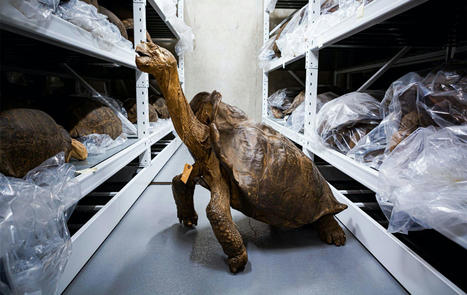
A tortoise from a Galápagos species long believed extinct has been found alive. The tortoise, named Fernanda after her Fernandina Island home, is the first of her species identified in more than a century.
The Fernandina Island Galápagos giant tortoise (Chelonoidis phantasticus, or "fantastic giant tortoise") was known only from a single specimen, collected in 1906. The discovery in 2019 of a female tortoise living on Fernandina Island provided the opportunity to determine if the species lives on. By sequencing the genomes of both the living individual and the museum specimen, and comparing them to the other 13 species of Galápagos giant tortoises, Princeton's Stephen Gaughran showed that the two known Fernandina tortoises are members of the same species, genetically distinct from all others. He is co-first author on a paper in the current issue of Communications Biology confirming her species' continued existence.
"For many years it was thought that the original specimen collected in 1906 had been transplanted to the island, as it was the only one of its kind," said Peter Grant, Princeton's Class of 1877 Professor of Zoology, Emeritus and an emeritus professor of ecology and evolutionary biology who has spent more than 40 years studying evolution in the Galápagos islands. "It now seems to be one of a very few that were alive a century ago."
When Fernanda was discovered, many ecologists doubted that she was actually a native phantasticus tortoise. She lacks the striking saddleback flaring of the male historical specimen, though scientists speculated that her obviously stunted growth may have distorted her features. Tortoises can't swim from one island to another, but they do float, and they can be carried from one Galápagos island to another during hurricanes or other major storms. There are also historical records of seafarers moving the tortoises between islands.
"Like many people, my initial suspicion was that this was not a native tortoise of Fernandina Island," said Gaughran, a postdoctoral research fellow in ecology and evolutionary biology at Princeton.
To determine Fernanda's species definitively, Gaughran sequenced her complete genome and compared it to the genome he was able to recover from the specimen collected in 1906. He also compared those two genomes to samples from the other 13 species of Galápagos tortoises -- three individuals from each of the 12 living species, and one individual of the extinct C. abingdonii.
New research transforms our understanding of the circumstances and timing of the domestication of chickens, their spread across Asia into the west, and reveals the changing way in which they were perceived in societies over the past 3,500 years.
Experts have found that an association with rice farming likely started a process that has led to chickens becoming one of the world's most numerous animals. They have also found evidence that chickens were initially regarded as exotica, and only several centuries later used as a source of 'food'.
Previous efforts have claimed that chickens were domesticated up to 10,000 years ago in China, Southeast Asia, or India, and that chickens were present in Europe over 7,000 years ago. The new studies show this is wrong, and that the driving force behind chicken domestication was the arrival of dry rice farming into southeast Asia where their wild ancestor, the red jungle fowl, lived. Dry rice farming acted as a magnet drawing wild jungle fowl down from the trees, and kickstarting a closer relationship between people and the jungle fowl that resulted in chickens.
This domestication process was underway by around 1,500 BC in the Southeast Asia peninsula. The research suggests that chickens were then transported first across Asia and then throughout the Mediterranean along routes used by early Greek, Etruscan and Phoenician maritime traders.
During the Iron Age in Europe, chickens were venerated and generally not regarded as food. The studies have shown that several of the earliest chickens are buried alone and un-butchered, and many are also found buried with people. Males were often buried with cockerels and females with hens. The Roman Empire then helped to popularise chickens and eggs as food. For example, in Britain, chickens were not regularly consumed until the third century AD, mostly in urban and military sites.
The international research team re-evaluated chicken remains found in more than 600 sites in 89 countries. They examined the skeletons, burial location and historical records regarding the societies and cultures where the bones were found. The oldest bones of a definite domestic chicken were found at Neolithic Ban Non Wat in central Thailand, and date to between 1,650 and 1,250 BC.
The team of experts also used radiocarbon dating to establish the age of 23 of the proposed earliest chickens found in western Eurasia and north-west Africa. Most of the bones were far more recent than previously thought. The results dispel claims of chickens in Europe before the first millennium BC and indicate that they did not arrive until around 800 BC. Then, after arriving in the Mediterranean region, it took almost 1,000 years longer for chickens to become established in the colder climates of Scotland, Ireland, Scandinavia and Iceland.
The origins of the deadly Black Death have been discovered more than 600 years after it entered the human population, scientists have said. The medieval, bubonic plague was first recorded in the 14th century and was the start of a near 500-year-long wave of killer diseases termed the Second Plague Pandemic. The Black Death killed millions and was considered one of the largest infectious disease catastrophes in human history. Despite years of research, the geographic and chronological origin of the disease remained a mystery. But now researchers believe the Black Death first originated in North Kyrgyzstan in the late 1330s. The team, from Scotland’s University of Stirling and Germany’s Max Planck Institute and University of Tubingen, analysed ancient DNA (aDNA) taken from the teeth of skeletons discovered in cemeteries near Lake Issyk Kul in the Tian Shan region of Kyrgyzstan.
They were drawn to these sites after identifying a huge spike in the number of burials there in 1338 and 1339, according to University of Stirling historian Dr Philip Slavin, who helped make the discovery. The team found the cemeteries, at Kara-Djigach and Burana, had already been excavated in the late 1880s, with about 30 skeletons taken from the graves, but were able to trace them and analyse DNA taken from the teeth of seven individuals.
The sequencing, which determines the DNA structure, showed three individuals carried Yersinia pestis, a bacterium which is linked to the beginning of the Black Death outbreak before it arrived in Europe. ‘Our study puts to rest one of the biggest and most fascinating questions in history and determines when and where the single most notorious and infamous killer of humans began,’ Dr Slavin said.
At the 240th meeting of the American Astronomical Society (AAS) in Pasadena, California, NASA's Disk Detective citizen scientists presented their first virtual reality-enabled discoveries, including the ages of 10 stars with dusty disks, on Tuesday, June 14, 2022.
NASA's Disk Detective program allows volunteers to collaborate with professional scientists to help search for dusty disks around nearby stars, revealing clues to the early lives of stars and the ingredients of planets.
A team led by Thomas Grubb at NASA's Goddard Space Flight Center in Greenbelt, Maryland, developed a custom virtual reality program, called PointCloudsVR, for Disk Detective to help scientists explore the galaxy in a brand new way.
Susan Higashio, lead author of the Disk Detective team's new paper, and colleagues found 10 of the citizen-science star discoveries in young stellar associations, allowing them to determine the ages for each dusty disk star, ranging from about 18 to 133 million years old. One of these stars has proven to be an oddball because it seems to have too much dust for its age of 45 million years.
They also identified a young, previously unknown stellar association - the team informally calls this group "Smethells 165" after the name of its brightest star, cataloged by astronomer William George Smethells. "Young stars like the ones we study often form in groups – and when we view our data in VR it enables us to see things from a new perspective. It can be easier to spot these groups," said Susan Higashio, who flew through the Milky Way with a VR headset strapped to her face.
Pfizer's Paxlovid and Merck's Lagevrio can prevent cases of COVID from turning truly serious.
Prevention measures against COVID-19—masks, shutdowns, social distancing—are running out of steam. As we enter the summer and fall seasons, COVID transmission and infections rates seem to be going back up. Vaccines are still playing a major role, but if we ever hope to drive COVID hospitalization and death rates down to lower levels, we need to accelerate access to therapies which neutralize the virus once we contract it.
As the dean of the USC School of Pharmacy, I see a stockpile of very effective anti-viral medications building up on the shelves. Patients aren’t getting them because not enough prescriptions are being written. The answer is to let pharmacists join physicians and other health professionals in prescribing the COVID pills.
The FDA granted Emergency Use Authorization to two oral medications in December: Paxlovid by Pfizer and Lagevrio by Merck. Paxlovid’s clinical trial showed an 89% reduction in the risk of hospitalization and death and is generally preferred over the Merck pill, which some studies showed reduced the risk by only 30%. Pfizer also says new studies show that Paxlovid is effective against the omicron variant. Most people who take it are not likely to experience serious side effects.
Paxlovid was hard to find earlier in the year, but no longer. Pfizer said it will produce 120 million courses by the end of the year. Supply and distribution is widespread, including most of the pharmacies in the country. The complication occurs when you try to get a prescription.
The FDA has restricted prescriptions to a limited set of authorized providers, including physicians, advanced practice registered nurses and physician assistants, and they are being bombarded with requests. They must confirm that the person had a positive COVID-19 test result, be at high risk of advancing to a severe stage, be symptomatic, and not be taking medications that could interact adversely with Paxlovid.
All of these requirements are best met by an in-person appointment, although tele-health visits can work in some cases. Either way, time is of the essence. The therapy needs to start within five days of developing symptoms to prevent the virus from turning into a truly serious case. Recognizing the time crunch that could occur, the government set up 2,200 test-to-treat sites where people showing symptoms could get tested and receive the drug right away if the result was positive.
But 66,000 additional sites could be doing the same thing if the FDA would allow pharmacists to write Paxlovid prescriptions. Pharmacists are already on the front lines of the fight against COVID. They have been administering tests since early in the pandemic and have dispensed over 80% of the COVID vaccines in the U.S. They know their customers’ medication histories. They often help determine risk for life-threatening conditions such as heart attack, stroke, and asthma attack, and initiating or adjusting treatment accordingly. They have been trusted with similar duties in previous public health crises, such as independently initiating and furnishing flu treatment, HIV prophylaxis, CDC-recommended immunizations and medications for opioid overdose.
Health officials in Québec granted Paxlovid prescribing authority to pharmacists on April 1. A news report said 513 prescriptions were filled in the two weeks prior to the authorization. During the first 18 days of April, more than 3,000 Paxlovid prescriptions were filled, two-thirds of them written by pharmacists. U.S. physician groups traditionally guard prescription authority. But COVID remains a national emergency. Pharmacists are the medication experts and are in the best position to evaluate drug-to-drug interactions that are a key step to dispensing these COVID pills.
If the FDA opens the door, state boards of pharmacies would likely follow quickly with approvals. U.S. pharmacists could then get trained and start making an immediate impact on COVID illnesses. Contracting the virus will never be pleasant, but if we can include our local pharmacists, we don’t have to be part of a new wave of hospitalizations and deaths this fall.
Astronomers estimate that 100 million black holes roam among the stars in our Milky Way galaxy, but they have never conclusively identified an isolated black hole. Following six years of meticulous observations, the NASA/ESA Hubble Space Telescope has, for the first time ever, provided direct evidence for a lone black hole drifting through interstellar space by a precise mass measurement of the phantom object. Until now, all black hole masses have been inferred statistically or through interactions in binary systems or in the cores of galaxies. Stellar-mass black holes are usually found with companion stars, making this one unusual.
The newly detected wandering black hole lies about 5,000 light-years away, in the Carina-Sagittarius spiral arm of our galaxy. However, its discovery allows astronomers to estimate that the nearest isolated stellar-mass black hole to Earth might be as close as 80 light-years away. The nearest star to our solar system, Proxima Centauri, is a little over 4 light-years away.
Black holes roaming our galaxy are born from rare, monstrous stars (less than one-thousandth of the galaxy's stellar population) that are at least 20 times more massive than our Sun. These stars explode as supernovae, and the remnant core is crushed by gravity into a black hole. Because the self-detonation is not perfectly symmetrical, the black hole may get a kick, and go careening through our galaxy like a blasted cannonball.
Telescopes can't photograph a wayward black hole because it doesn't emit any light. However, a black hole warps space, which then deflects and amplifies starlight from anything that momentarily lines up exactly behind it. Ground-based telescopes, which monitor the brightness of millions of stars in the rich star fields toward the central bulge of our Milky Way, look for a tell-tale sudden brightening of one of them when a massive object passes between us and the star. Then Hubble follows up on the most interesting such events.
Two teams used Hubble data in their investigations — one led by Kailash Sahu of the Space Telescope Science Institute in Baltimore, Maryland; and the other by Casey Lam of the University of California, Berkeley. The teams' results differ slightly, but both suggest the presence of a compact object. The warping of space due to the gravity of a foreground object passing in front of a star located far behind it will momentarily bend and amplify the light of the background star as it passes in front of it. Astronomers use the phenomenon, called gravitational microlensing, to study stars and exoplanets in the approximately 30,000 events seen so far inside our galaxy.
The signature of a foreground black hole stands out as unique among other microlensing events. The very intense gravity of the black hole will stretch out the duration of the lensing event for over 200 days. Also, if the intervening object was instead a foreground star, it would cause a transient color change in the starlight as measured because the light from the foreground and background stars would momentarily be blended together. But no color change was seen in the black hole event.
Next, Hubble was used to measure the amount of deflection of the background star's image by the black hole. Hubble is capable of the extraordinary precision needed for such measurements. The star's image was offset from where it normally would be by about a milliarcsecond. That’s equivalent to measuring the height of an adult human lying on the surface of the moon from the Earth. This astrometric microlensing technique provided information on the mass, distance, and velocity of the black hole. The amount of deflection by the black hole's intense warping of space allowed Sahu's team to estimate that it weighs seven solar masses.
Lam's team reports a slightly lower mass range, meaning that the object may be either a neutron star or a black hole. They estimate that the mass of the invisible compact object is between 1.6 and 4.4 times that of the Sun. At the high end of this range the object would be a black hole; at the low end, it would be a neutron star.
The skin is water-resistant, has self-healing properties, and can move and stretch with the movement of the robotic body parts.
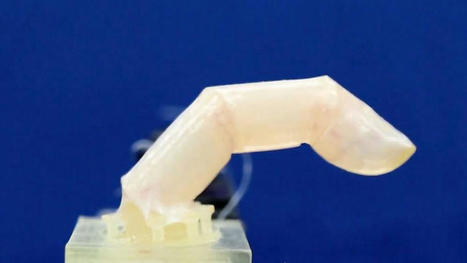
Scientists may have moved us one step closer to creating truly life-like robots, after successfully covering a robotic finger with living skin that can heal when damaged. In a process that sounds like something out of a sci-fi movie, the robotic parts are submerged in a vat of jelly, and come out with living skin tissue covering them. The skin allows for the finger to move and bend like a human finger, and cuts can even be healed by applying a sheet of gel.
It also provides a realism that current silicone skin made for robots cannot achieve, such as subtle textures like wrinkles, and skin-specific functions like moisture retention. The scientists behind the work say it is “the first step of the proof of concept that something could be covered by skin”, although it may still be some time before an entire humanoid is successfully covered.
Previous attempts at covering robots with living skin sheets have only had limited success due to the difficulty of fitting them to dynamic objects with uneven surfaces. The team at the University of Tokyo in Japan may have solved this problem, using a novel method to cover the robotic finger with skin. The finger is submerged in a cylinder filled with the jelly - a solution of collagen and human dermal fibroblasts, the two main components that make up the skin’s connective tissues.
Cells possess a variety of DNA repair pathways to counter DNA damage and prevent mutations. Scientists recently used C. elegans whole genome sequencing to systematically quantify the contributions of these factors to mutational signatures. They analyzed 2,717 genomes from wild-type and 53 DNA repair defective backgrounds, exposed to 11 genotoxins, including UV-B and ionizing radiation, alkylating compounds, aristolochic acid, aflatoxin B1, and cisplatin. Combined genotoxic exposure and DNA repair deficiency alters mutation rates or signatures in 41% of experiments, revealing how different DNA alterations induced by the same genotoxin are mended by separate repair pathways. Error-prone translesion synthesis causes the majority of genotoxin-induced base substitutions, but averts larger deletions. Nucleotide excision repair prevents up to 99% of point mutations, almost uniformly across the mutation spectrum. The findings show that mutational signatures are joint products of DNA damage and repair and suggest that multiple factors underlie signatures observed in cancer genomes.
Insect ecosystems are being pushed toward collapse in some parts of the world because of agriculture and warming temperatures.
Researchers analyzed data from a 20-year period for more than 6,000 locations and studied nearly 18,000 insect species, including butterflies, moths, dragonflies, grasshoppers and bees. They concluded that in areas with low-intensity agriculture, less climate warming, and a nearby natural habitat, insects only declined by 7%, compared to the 63% decrease in areas with less natural habitat cover. Many insects rely on plants for shade during sweltering days — the loss of nearby natural habitats could leave them more exposed and vulnerable to warming temperatures. And as climate change advances, scientists say these natural buffers may become less effective.
Outhwaite told CNN there are things we can do at an individual level to help stave off this crisis -- planting more native species and wildflowers, reducing pesticides used in gardens and even limiting the frequency of lawn mowing. "And then, thinking a little bit more broadly about perhaps protecting insects in other areas, it's probably a good idea to think about where the foods that we are buying are being sourced from," Outwaite said. "So if they're being sourced from tropical countries, there's probably going to be a high impact on biodiversity there."
She also noted that governments have a large role to play in recognizing the impact of trade and food production, and could try to not source food "from areas which are implementing deforestation."
"I think people are becoming more aware now that biodiversity and insects in particular are at risk, but we haven't quite got them into the thoughts and thought processes" that would result in protective action, Outhewaite said.
A recent UN report on adapting to the climate crisis underscored how the world's ecosystems are very much connected to human systems. And unless the planet slashes heat-trapping emissions, those systems will continue to see major losses in biodiversity — particularly insects.
"Whether these remaining insects can continue to support ecosystem functioning, or whether they will eventually be lost themselves is still an open question," Oliver said. "Under the precautionary principle, however, it would be best to act now so we don't ever find out about ecosystem collapse by experiencing it."
Researchers describe a “’macro’ microbe” – a giant filamentous bacterium composed of a single cell discovered in the mangroves of Guadeloupe.
At first glance, the slightly murky waters in the tube look like a scoop of stormwater, complete with leaves, debris, and even lighter threads in the mix. But in the Petri dish, the thin vermicelli-like threads floating delicately above the leaf debris are revealed to be single bacterial cells, visible to the naked eye. The unusual size is notable because bacteria aren't usually visible without the assistance of microscope. "It's 5,000 times bigger than most bacteria. To put it into context, it would be like a human encountering another human as tall as Mount Everest," said Jean-Marie Volland, a scientist with joint appointments at the U.S. Department of Energy (DOE) Joint Genome Institute (JGI), a DOE Office of Science User Facility located at Lawrence Berkeley National Laboratory (Berkeley Lab) and the Laboratory for Research in Complex Systems (LRC) in Menlo Park, Calif. In the June 24, 2022, issue of the journal Science, Volland and colleagues, including researchers at the JGI and Berkeley Lab, LRC, and at the Université des Antilles in Guadeloupe, described the morphological and genomic features of this giant filamentous bacterium, along with its life cycle.
For most bacteria, their DNA floats freely within the cytoplasm of their cells. This newly discovered species of bacteria keeps its DNA more organized. "The big surprise of the project was to realize that these genome copies that are spread throughout the whole cell are actually contained within a structure that has a membrane," Volland said. "And this is very unexpected for a bacterium."
Strange Encounters in the Mangroves
The bacterium itself was discovered by Olivier Gros, a marine biology professor at the Université des Antilles in Guadeloupe, in 2009. Gros' research focuses on marine mangrove systems, and he was looking for sulfur-oxidizing symbionts in sulfur-rich mangrove sediments not far from his lab when he first encountered the bacteria. "When I saw them, I thought, 'Strange,'" he said. "In the beginning I thought it was just something curious, some white filaments that needed to be attached to something in the sediment like a leaf." The lab conducted some microscopy studies over the next couple of years, and realized it was a sulfur-oxidizing prokaryote.
Silvina Gonzalez-Rizzo, an associate professor of molecular biology at the Université des Antilles and a co-first author on the study, performed the 16S rRNA gene sequencing to identify and classify the prokaryote. "I thought they were eukaryotes; I didn't think they were bacteria because they were so big with seemingly a lot of filaments," she recalled of her first impression. "We realized they were unique because it looked like a single cell. The fact that they were a 'macro' microbe was fascinating!"
"She understood that it was a bacterium belonging to the genus Thiomargarita," Gros noted. She named it Ca. Thiomargarita magnifica. "Magnifica because magnus in Latin means big and I think it's gorgeous like the French word magnifique," Gonzalez-Rizzo explained. "This kind of discovery opens new questions about bacterial morphotypes that have never been studied before."
Characterizing the Giant Bacterium
Volland got involved with the giant Thiomargarita bacteria when he returned to the Gros lab as a postdoctoral fellow. When he applied to the discovery-based position at the LRC that would see him working at the JGI, Gros allowed him to continue research on the project.
At the JGI, Volland began studying Ca. T. magnifica in Tanja Woyke's Single Cells Group to better understand what this sulfur-oxidizing, carbon fixing bacterium was doing in the mangroves. "Mangroves and their microbiomes are important ecosystems for carbon cycling. If you look at the space that they occupy on a global scale, it's less than 1% of the coastal area worldwide. But when you then look at carbon storage, you'll find that they contribute 10-15% of the carbon stored in coastal sediments," said Woyke, who also heads the JGI's Microbial Program and is one of the article's senior authors. The team was also compelled to study these large bacteria in light of their potential interactions with other microorganisms. "We started this project under the JGI's strategic thrust of inter-organismal interactions, because large sulfur bacteria have been shown to be hot spots for symbionts," Woyke said. "Yet the project took us into a very different direction," she added.
The octopus is an exceptional organism with an extremely complex brain and cognitive abilities that are unique among invertebrates. So much so that in some ways it has more in common with vertebrates than with invertebrates. The neural and cognitive complexity of these animals could originate from a molecular analogy with the human brain, as discovered by a research paper recently published in BMC Biology and coordinated by Remo Sanges from SISSA of Trieste and by Graziano Fiorito from Stazione Zoologica Anton Dohrn of Naples. The research shows that the same 'jumping genes' are active both in the human brain and in the brain of two species, Octopus vulgaris, the common octopus, and Octopus bimaculoides, the Californian octopus. A discovery that could help us understand the secret of the intelligence of these fascinating organisms.
Sequencing the human genome revealed as early as 2001 that over 45% of it is composed by sequences called transposons, so-called 'jumping genes' that, through molecular copy-and-paste or cut-and-paste mechanisms, can 'move' from one point to another of an individual's genome, shuffling or duplicating. In most cases, these mobile elements remain silent: they have no visible effects and have lost their ability to move. Some are inactive because they have, over generations, accumulated mutations; others are intact, but blocked by cellular defense mechanisms. From an evolutionary point of view even these fragments and broken copies of transposons can still be useful, as 'raw matter' that evolution can sculpt.
Among these mobile elements, the most relevant are those belonging to the so-called LINE (Long Interspersed Nuclear Elements) family, found in a hundred copies in the human genome and still potentially active. It has been traditionally though that LINEs' activity was just a vestige of the past, a remnant of the evolutionary processes that involved these mobile elements, but in recent years new evidence emerged showing that their activity is finely regulated in the brain. There are many scientists who believe that LINE transposons are associated with cognitive abilities such as learning and memory: they are particularly active in the hippocampus, the most important structure of our brain for the neural control of learning processes.
The octopus' genome, like ours, is rich in 'jumping genes', most of which are inactive. Focusing on the transposons still capable of copy-and-paste, the researchers identified an element of the LINE family in parts of the brain crucial for the cognitive abilities of these animals. The discovery, the result of the collaboration between Scuola Internazionale Superiore di Studi Avanzati, Stazione Zoologica Anton Dohrn and Istituto Italiano di Tecnologia, was made possible thanks to next generation sequencing techniques, which were used to analyze the molecular composition of the genes active in the nervous system of the octopus.
"The discovery of an element of the LINE family, active in the brain of the two octopuses species, is very significant because it adds support to the idea that these elements have a specific function that goes beyond copy-and-paste," explains Remo Sanges, director of the Computational Genomics laboratory at SISSA, who started working at this project when he was a researcher at Stazione Zoologica Anton Dohrn of Naples. The study, published in BMC Biology, was carried out by an international team with more than twenty researchers from all over the world.
Fast, high-throughput methods for measuring the level and duration of protective immune responses to SARS-CoV-2 are needed to anticipate the risk of breakthrough infections. A research team now reports the development of two quantitative PCR assays for SARS-CoV-2-specific T cell activation. The assays are rapid, internally normalized and probe-based: qTACT requires RNA extraction and dqTACT avoids sample preparation steps. Both assays rely on the quantification of CXCL10 messenger RNA, a chemokine whose expression is strongly correlated with activation of antigen-specific T cells. On re-stimulation of whole-blood cells with SARS-CoV-2 viral antigens, viral-specific T cells secrete IFN-γ, which stimulates monocytes to produce CXCL10. CXCL10 mRNA can thus serve as a proxy to quantify cellular immunity. These types of assays may allow large-scale monitoring of the magnitude and duration of functional T cell immunity to SARS-CoV-2, thus helping to prioritize revaccination strategies in vulnerable populations. The T cell response to SARS-CoV-2 is detected using a PCR assay on whole blood.
Distinctive features of gravitational-wave signals from black hole mergers could reveal the existence of long-sought ultralight bosons.
For decades, physicists have speculated about the existence of ultralight bosons. These hypothetical particles have the potential to solve myriad puzzles in physics, from the strong charge-parity problem to the dark matter mystery. But most proposals for detecting ultralight bosons assume a large particle abundance or a particular coupling to the standard model. Now, John Stout of Harvard University and his colleagues suggest a new detection strategy, based on gravitational-wave observations, that doesn’t depend on those assumptions [1].
The researchers build on previous work by team member Daniel Baumann of the University of Amsterdam (see Synopsis: Black Holes Could Reveal New Ultralight Particles). He and his colleagues used the fact that a cloud of ultralight bosons around a rotating black hole would occupy specific allowed orbits—like an electron orbiting a hydrogen nucleus. They found that if this black hole “atom” were involved in a merger with another black hole at certain points during the inspiral, the black holes’ orbits would become resonant with an allowed orbital transition of the boson cloud. Like an electron excited to a higher energy state by a photon, the cloud would be boosted to higher allowed orbits by the spiraling black holes.
In their new proposal, Stout and his colleagues focus on a later period of the inspiral, when the orbital speed is large enough to “ionize” the ultralight bosons, ripping them from the black holes’ gravitational grasp. They find that the resulting gravitational-wave signal should be significantly altered by this interaction, not only at discrete resonance points but continuously once the binary inspiral reaches the ionization threshold. The gravitational-wave frequencies at which this ionization occurs should be observable by future gravitational-wave detectors such as LISA.
Rabies virus kills a shocking 59,000 people each year, many of them children. Some victims, especially kids, don’t realize they’ve been exposed until it is too late. For others, the intense rabies treatment regimen is out of the question: treatment is not widely available and the average $3,800 expense poses unthinkable economic burden for most people around the world.
Rabies vaccines, rather than treatments, are much more affordable and easier to administer. But those vaccines also come with a massive downside: “Rabies vaccines don’t provide lifelong protection. You have to get your pets boosted every year to three years,” says LJI Professor Erica Ollmann Saphire, Ph.D.. “Right now, rabies vaccines for humans and domestic animals are made from killed virus. But this inactivation process can cause the molecules to become misshapen—so these vaccines aren’t showing the right form to the immune system. If we made a better shaped, better structured vaccine, would immunity last longer?”
Saphire and her team, in collaboration with a team led by Institut Pasteur Professor Hervé Bourhy, DVM, PhD., may have discovered the path to better vaccine design. In a new study, published in Science Advances, the researchers share one of the first high-resolution looks at the rabies virus glycoprotein in its vulnerable “trimeric” form.
“The rabies glycoprotein is the only protein that rabies expresses on its surface, which means it is going to be the major target of neutralizing antibodies during an infection,” says LJI Postdoctoral Fellow Heather Callaway, Ph.D., who serves as the study’s first author.
“Rabies is the most lethal virus we know. It is so much a part of our history—we’ve lived with its specter for hundreds of years,” adds Saphire, who also serves as LJI’s President and CEO. “Yet scientists have never observed the organization of its surface molecule. It is important to understand that structure to make more effective vaccines and treatments—and to understand how rabies and other viruses like it enter cells.”
“This understanding is crucial for designing better vaccines and for developing treatments to cure rabid patients,” says Bourhy.
The joint European-Japanese BepiColombo mission is gearing up for its next close flyby of Mercury. This will be the second of six Mercury flybys overall the spacecraft will be making during its seven-year cruise to the least explored planet of the inner Solar System. The closest approach of about 200 km altitude over the surface of Mercury is at 11:44 CEST on Thursday, June 23, the mission team tweeted on Thursday. Launched on 20 October 2018, BepiColombo is a joint mission between the European Space Agency (ESA) and the Japan Aerospace Exploration Agency (JAXA). It is the second mission ever to orbit Mercury and the most complex one.
BepiColombo's first close flyby of the planet took place on 1-2 October 2021. During the October gravity assist manoeuvre, the spacecraft was at an altitude of 199 km from the planet's surface. The third Mercury flyby will take place on June 20, 2023. Overall, the spacecraft will make use of nine planetary flybys - one at Earth, two at Venus, and six at Mercury, together with the spacecraft's solar electric propulsion system - to help steer on course for Mercury orbit in 2025.
The mission comprises two scientific orbiters: the ESA-led Mercury Planetary Orbiter (MPO) and JAXA's Mercury Magnetospheric Orbiter (MMO) to study all aspects of the planet - from the structure and dynamics of its magnetosphere and how it interacts with the solar wind, to its internal structure with its large iron core, and the origin of the planet's magnetic field.
The number of reported cases using viruses to treat deadly Mycobacteriuminfections just went up by a factor of five. In a new study, a team led by researchers from the University of Pittsburgh and the University of California San Diego report 20 new case studies on the use of the experimental treatment, showing the therapy’s success in more than half of the patients. The number of reported cases using viruses to treat deadly Mycobacteriuminfections just went up by a factor of five. In a new study, a team led by researchers from the University of Pittsburgh and the University of California San Diego report 20 new case studies on the use of the experimental treatment, showing the therapy’s success in more than half of the patients. It’s the largest ever set of published case studies for therapy using bacteria-killing viruses known as bacteriophages, providing unprecedented detail on their use to treat dire infections while laying the groundwork for a future clinical trial. “Some of those are spectacular outcomes, and others are complicated,” said Graham Hatfull, the Eberly Family Professor of Biotechnology in the Kenneth P. Dietrich School of Arts and Sciences at the University of Pittsburgh. “But when we do 20 cases, it becomes much more compelling that the phages are contributing to favorable outcomes — and in patients who have no other alternatives.” Each patient treated in the study was infected with one or more strains of Mycobacterium, a group of bacteria that can cause deadly, treatment-resistant infections in those with compromised immune systems or with the lung disorder cystic fibrosis.
In 2019, Hatfull led a team showing the first successful use of phages to treat one of these infections. “For clinicians, these are really a nightmare: They’re not as common as some other types of infections, but they’re amongst some of the most difficult to treat with antibiotics,” said Hatfull. “And especially when you take these antibiotics over extended periods of time, they’re toxic or not very well-tolerated.” Last month, the University of Pittsburgh researchers were involved in two new case studies successfully treating patients in collaboration with colleagues at National Jewish Health and Harvard University. But those reports represent only a fraction of the cases the team has been involved in behind the scenes. Since 2019, Hatfull and his lab have fielded requests from more than 200 clinicians looking for treatments for their patients, working with them to find phages that could be effective against the particular strain of bacteria infecting each patient. The newest paper, published today in the journal Clinical Infectious Diseases alongside collaborators from 20 institutions, dramatically scales up the body of published evidence on the effectiveness of the therapy. “These are incredibly brave physicians, jumping off the ledge to do an experimental therapy to try to help patients who have no other options,” said Hatfull. “And each of these collaborations represents a marker that can move the field forward.” Looking at measures of patient health and whether samples from the patient still showed signs of Mycobacterium infections, the team found that the therapy was successful in 11 out of 20 cases. No patients showed any adverse reactions to the treatment. In another five patients the results of the therapy were inconclusive, and four patients showed no improvement. According to Hatfull, even these apparent failures are key to making the therapy available to more patients. “In some ways, those are the most interesting cases,” he said. “Understanding why they didn’t work is going to be important.” Several unexpected patterns emerged from the case studies. In 11 cases, researchers were unable to find more than one kind of phage that could kill the patient’s infection, even though standard practice would be to inject a cocktail of different viruses so the bacteria would be less likely to evolve resistance.
“If you’d asked me whether that was a good idea three years ago, I would have had a fit,” Hatfull said. “But we just didn’t observe resistance, and we didn’t see a failure of treatment from resistance even when using only a single phage.” In addition, the team saw that some patients’ immune systems attacked the viruses, but only in a few cases did their immune systems render the virus ineffective. And in some instances, the treatment was still successful despite such an immune reaction. The study paints an encouraging picture for the therapy, said Hatfull, and one that opens the possibility for new phage regimens that clinicians could use to maximize the treatment’s chance of success. Along with the study’s significance to patients facing Mycobacterium infections, it also represents a substantial advance for the wider field of phage therapy. A concern in some corners is that researchers may be only publishing case studies in which phage therapy is successful. “A series of consecutive case studies, where we’re not cherry-picking, is a much more transparent way of looking to see what works and what doesn’t,” said Hatfull. “This adds considerable weight to the sense that the therapy is safe.” The lab continues to provide phages for more patients — while at the same time conducting research to widen the funnel that narrowed an initial group of 200 patients down to 20, in the hopes of providing treatment to more people with no other options. “We’ve not yet figured out how to find or engineer phages that will get every strain of bacteria in these patients,” said Hatfull. “That represents one of the major challenges ahead.”
Research cited published in Clinical Infectious Diseases (June 9, 2022):
Monkeypox, a less-lethal relative of smallpox that’s normally found in Africa, has recently been spreading in some western countries, largely among gay men, and is mainly transmitted through intimate contact when people are symptomatic. More than 700 cases have been seen globally, said Jennifer McQuiston, deputy director of the CDC’s division of high-consequence pathogens and pathology. Supplies available in the Strategic National Stockpile are sufficient to combat the current outbreak, the agency said. Vaccines available for use against monkeypox are Jynneos from Bavarian Nordic A/S and Emergent BioSolutions Inc.’s ACAM2000. Both are prioritized for use in high-risk contacts of patients. Through contact-tracing efforts, officials have identified hundreds of people who may have been exposed to the virus in the US, but so far only 20 were determined to be high-risk.
The rapidly spreading monkeypox outbreak constitutes a global health emergency, the World Health Organization's highest alert level, WHO director-general Tedros Adhanom Ghebreyesus declared just recently. First identified in monkeys, the virus is transmitted chiefly through close contact with an infected person. Until this year, the viral disease has rarely spread outside Africa where it is endemic. But reports of a handful of cases in the United Kingdom in early May signalled that the outbreak had moved into Europe. Cases have since ballooned to more than 16,000 from than 75 countries. Five deaths, all of which occurred in Africa, have been reported so far.
HOW DANGEROUS ARE MONKEYPOX?
The monkeypox virus typically causes mild symptoms including fever, aches and pus-filled skin lesions. People tend to recover within two to four weeks, according to the WHO. Anyone can spread the virus, but the current outbreak outside of Africa is concentrated almost exclusively among men who have sex with men. Monkeypox spreads primarily via intimate skin-to-skin contact, usually with someone who has an active rash, as well as via contact with contaminated clothes or bedding. It is not as easily transmitted as the SARS-CoV-2 virus that spurred the COVID-19 pandemic. "COVID is spread by respiratory route and is highly infectious. This doesn't appear to be the case with the monkeypox," said Dr. Martin Hirsch of Massachusetts General Hospital. The risk of monkeypox is moderate globally, except in the Europe, where the WHO has deemed the risk as high.
Health officials from several countries had urged the WHO to label monkeypox a public health emergency of international concern due to the quick escalation of cases and concerns it may become endemic in more countries. The emergency declaration aims to spur global action and collaboration on everything from testing to the production and distribution of vaccines and treatments. The fatality rate in preceding monkeypox outbreaks in Africa of the strain currently spreading has been around 1%, but so far this outbreak appears to be less lethal in the non-endemic countries, many of which have stronger healthcare infrastructure. Scientists are trying to determine what caused the initial spate of cases and whether anything about the virus has changed. Increased global travel as well as climate change have generally accelerated the emergence and spread of viruses, experts say. Infectious disease experts say that years of financial neglect has left sexual health clinics - who are on the frontline of the current monkeypox response - ill-prepared to curb further spread.
PROTECTIVE MEASURES
Health officials say that people should avoid close personal contact with someone who has a illness presenting with a distinctive rash or who is otherwise unwell. People who suspect they have monkeypox should isolate and seek medical care.
Health officials have also been offering monkeypox vaccines to high-risk individuals and those that have recently been in close contact with an infected person.
An older vaccine, currently made by Emergent Biosolutions (EBS) , is called ACAM2000, but its uptake has been limited due to a severe side-effect warning. Bavarian Nordic (BVNKF) says it can produce 30 million doses of its vaccines - including the monkeypox one - each year, and has tapped a U.S.-based contract manufacturer to increase monkeypox vaccine capacity.
TREATMENT
Monkeypox symptoms often resolve on their own within weeks. Patients may receive extra fluids and additional treatment for secondary bacterial infections. An antiviral agent called tecovirimat - branded as TPOXX and made by SIGA Technologies (SIGA) - has U.S. and EU approval for smallpox, while its European approval also includes monkeypox and cowpox.
(Reporting by Natalie Grover in London and Michael Erman in New Jersey; Editing by Michele Gershberg, William Maclean)
Measuring nascent macromolecular synthesis in vivo is key to understanding how cells and tissues progress through development and respond to external cues. Researchers recently performed in vivo injection of alkyne- or azide-modified analogs of thymidine, uridine, methionine, and glucosamine to label nascent synthesis of DNA, RNA, protein, and glycosylation. Three-dimensional volumetric imaging of nascent macromolecule synthesis was performed in axolotl salamander tissue using whole-mount click chemistry-based fluorescent staining followed by light sheet fluorescent microscopy. They also developed an image processing pipeline for segmentation and classification of morphological regions of interest and individual cells, and applied this pipeline to the regenerating humerus. They were able to demonstrate that this approach is sensitive to biological perturbations by measuring changes in DNA synthesis after limb denervation. Taken together, this method provides a powerful means to quantitatively interrogate macromolecule synthesis in heterogenous tissues at the organ, cellular, and molecular levels of organization.
The cancer patients saw their tumors disappear after the treatment, and have been cancer-free for two years.
A total of 12 patients have completed treatment with dostarlimab and have undergone at least 6 months of follow-up. All 12 patients (100%; 95% confidence interval, 74 to 100) had a clinical complete response, with no evidence of tumor on magnetic resonance imaging, 18F-fluorodeoxyglucose–positron-emission tomography, endoscopic evaluation, digital rectal examination, or biopsy. At the time of this report, no patients had received chemoradiotherapy or undergone surgery, and no cases of progression or recurrence had been reported during follow-up (range, 6 to 25 months). No adverse events of grade 3 or higher have been reported.
CONCLUSIONS
Mismatch repair–deficient, locally advanced rectal cancer was highly sensitive to single-agent PD-1 blockade. Longer follow-up is needed to assess the duration of response. (Funded by the Simon and Eve Colin Foundation and others; ClinicalTrials.gov number, NCT04165772. opens in new tab.)
Intelligent alien life is likely because the universe is so big, the head of Nasa has said. Bill Nelson, the former space shuttle astronaut and US senator, said that the James Webb Telescope, which launched last Christmas, could help detect worlds where life could thrive. Speaking at the Financial Times Investing in Space Conference on Wednesday, Mr Nelson was asked whether he believed in intelligent extraterrestrial life. “The short answer is yes,” he said. “That would be a page one story, wouldn’t it? Look how big the universe is. We know that we have in our galaxy, millions, if not billions of suns. And we know that in addition to our galaxy, there are millions, if not billions, of galaxies with millions, or billions, of suns. Now is there a possibility in a universe that big that conditions like the Earth have been created? Of course, there is that possibility.” He added: “With the James Webb telescope, we’re going to be able to have such precision to look at a planet and determine the chemical composition of its atmosphere so we can determine if it has a possibility of a habitable atmosphere.”
The Nasa administrator also downplayed tensions with Roscosmos, the Russian space agency, saying that there was still cooperation between US astronauts and cosmonauts on board the International Space Station (ISS). In the early days of the Ukraine war, Roscosmos created a mocked-up video showing cosmonauts saying goodbye to US astronaut Mark Vande Hei and detaching the Russian segment from the ISS. The Russians were also filmed removing UK and US flags from a Soyuz rocket, while technicians were seen taping the “Z” invasion sign to launch equipment.
“There is no breakdown,” said Mr Nelson. “We built the ISS with the Russians, and the co-operation between Russia and the US is manifested in the professional relationship between the cosmonauts and the astronauts, between mission control in Moscow and mission control in Houston. There is history for this and it goes back to 1975 in the midst of the Cold War, when Soviet spacecraft rendezvous and docked with US crews and they lived together. In the midst of all of that strain, there can actually be co-operation and we see that today on the ISS.”
Mr Nelson said the ISS was likely to continue until 2030 when it will be replaced by commercial stations.
Detectors that exploit subtle quantum phenomena could be key for identifying the cosmos’ elusive invisible stuff
Kent Irwin has a vision: He aims to build a glorified radio that will reveal the nature of dark matter, the invisible stuff that makes up 85% of all matter. For decades, physicists have struggled to figure out what the stuff is, stalking one hypothetical particle after another, only to come up empty. However, if dark matter consists of certain nearly massless particles, then in the right setting it might generate faint, unquenchable radio waves. Irwin, a quantum physicist at Stanford University, plans to tune in to that signal in an experiment called Dark Matter Radio (DM Radio).
No ordinary radio will do. To make the experiment practical, Irwin’s team plans to transform it into a quantum sensor—one that exploits the strange rules of quantum mechanics. Quantum sensors are a hot topic, having received $1.275 billion in funding in the 2018 U.S. National Quantum Initiative. Some scientists are employing them as microscopes and gravimeters. But because of the devices’ unparalleled sensitivity, Irwin says, “dark matter is a killer app for quantum sensing.”
DM Radio is just one of many new efforts to use quantum sensors to hunt the stuff. Some approaches detect the granularity of the subatomic realm, in which matter and energy come in tiny packets called quanta. Others exploit the trade-offs implicit in the famous Heisenberg uncertainty principle. Still others borrow technologies being developed for quantum computing. Physicists don’t agree on the definition of a quantum sensor, and none of the concepts is entirely new. “I would argue that quantum sensing has been happening in one form or another for a century,” says Peter Abbamonte, a condensed matter physicist and leader of the Center on Quantum Sensing and Quantum Materials at the University of Illinois, Urbana-Champaign (UIUC).
Still, Yonatan Kahn, a theoretical physicist at UIUC, says quantum sensors open the way to testing new ideas for what dark matter might be. “You shouldn’t just go blindly looking” for dark matter, Kahn says. “But even if your model is made of bubblegum and paperclips, if it satisfies all cosmological constraints, it’s fair game.” Quantum sensing is essential for testing many of those models, Irwin says. “It can make it possible to do an experiment in 3 years that would otherwise take thousands of years.”
Astrophysical evidence for dark matter has accreted for decades. For example, the stars in spiral galaxies appear to whirl so fast that their own gravity shouldn’t keep them from flying into space. The observation implies that the stars circulate within a vast cloud of dark matter that provides the additional gravity needed to rein them in. Physicists assume it consists of swarms of some as-yet-unknown fundamental particle.
In the 1980s, theorists hypothesized what soon became the leading contender: weakly interacting massive particles (WIMPs). Emerging in the hot soup of particles after the big bang, WIMPs would interact with ordinary matter only through gravity and the weak nuclear force, which produces a kind of radioactive decay. Like the particles that convey the weak force, the W and Z bosons, WIMPs would weigh roughly 100 times as much as a proton. And just enough WIMPs would naturally linger—a few thousand per cubic meter near Earth—to account for dark matter.
To get content containing either thought or leadership enter:
To get content containing both thought and leadership enter:
To get content containing the expression thought leadership enter:
You can enter several keywords and you can refine them whenever you want. Our suggestion engine uses more signals but entering a few keywords here will rapidly give you great content to curate.


 Your new post is loading...