Ghana has announced the country’s first outbreak of Marburg virus disease, after a World Health Organization (WHO) Collaborating Centre Laboratory confirmed earlier results. The Institut Pasteur in Dakar, Senegal, received samples from each of the two patients from the southern Ashanti region of Ghana – both deceased and unrelated – who showed symptoms including diarrhea, fever, nausea and vomiting. The laboratory corroborated the results from the Noguchi Memorial Institute for Medical Research, which suggested their illness was due to a new occurrence of the Marburg virus.
One case was a 26-year-old male who checked into a hospital on 26 June 2022 and died just one day later. The second case was a 51 -year-old male who reported to the hospital on 28 June and died on the same day. WHO has been supporting a joint national investigative team in the Ashanti Region as well as Ghana’s health authorities by deploying experts, making available personal protective equipment, bolstering disease surveillance, testing, tracing contacts and working with communities to alert and educate them about the risks and dangers of the disease, and to collaborate with the emergency response teams.
“Health authorities have responded swiftly, getting a head start preparing for a possible outbreak. This is good because without immediate and decisive action, Marburg can easily get out of hand. WHO is on the ground supporting health authorities and now that the outbreak is declared, we are marshaling more resources for the response,” said Dr Matshidiso Moeti, WHO Regional Director for Africa. More than 90 contacts, including health workers and community members, have been identified and are currently being monitored.
Marburg virus is causing a highly infectious viral hemorrhagic fever and is in the same family as the more well-known Ebola virus. It is only the second time the zoonotic disease has been detected in West Africa. Guinea confirmed a single case in an outbreak that was declared over on 16 September 2021, five weeks after the initial case was detected.
Previous outbreaks and sporadic cases of Marburg in Africa have been reported in Angola, the Democratic Republic of the Congo, Kenya, South Africa and Uganda. WHO has reached out to neighboring high-risk countries and they are on alert. Marburg virus is transmitted to people from fruit bats and spreads among humans through direct contact with the bodily fluids of infected people, surfaces and materials. Illness begins abruptly, with high fever, severe headache and malaise. Many patients develop severe hemorrhagic signs within seven days. Case fatality rates have varied from 24% to 88% in past outbreaks depending on virus strain and the quality of case management. Although there are no vaccines or antiviral treatments approved to treat the virus, supportive care – rehydration with oral or intravenous fluids – and treatment of specific symptoms, improves survival. A range of potential treatments, including blood products, immune therapies and drug therapies, as well as candidate vaccines with phase I data are being evaluated.
Our speculations about advanced civilizations invariably invoke Nikolai Kardashev’s scale, on which a Type III civilization is the most advanced, using the energy output of its entire galaxy. Given the age of our universe, a Type III has seemingly had time to emerge somewhere, yet a recent extensive survey shows no signs of them. All of this leads Keith Cooper to consider possible reasons for the lack, including societies that use their energies in ways other than we are imagining and cultures whose greatest interest is less in stars than in their galaxy’s black holes. Keith is an old friend of Centauri Dreams, with whom I’ve conducted published dialogues on interstellar issues in the past (look for these to begin again). A freelance science journalist and contributing editor to Astronomy Now, Keith’s ideas in the essay below help to illuminate the new forms of SETI now emerging as we try to puzzle out the enigma of Kardashev Type III.
It’s not often that SETI turns up with a result that can be considered far-reaching, but the initial results from the Glimpsing Heat from Alien Technologies (G-HAT, or ‘Ĝ’ for short) survey, which Paul wrote about in April (see G-HAT: Searching for Kardashev Type III), fit the bill. Using publicly-available data from NASA’s Wide-field Infrared Survey Explorer (WISE), astronomers have searched 100,000 galaxies for anomalous infrared emission that could be an indication of heat emitted from vast energy collectors and their consumers encircling myriad stars. The idea is that as a civilization grows more technologically advanced, its hunger for energy increases. Civilizations could build Dyson spheres to capture all the energy from their star; as they spread to other stars, they may build Dyson spheres around them too. After perhaps a few million years, they spread amongst all the stars in their galaxy, building Dyson spheres around every one of them. The Dyson spheres grow hot and re-radiate some of that thermal energy away as mid-infrared radiation. Consequently, a galaxy that has been completely filled with intelligent, technological life should completely alter the light coming from that galaxy, pushing it more towards the infrared.
Yet the search of 100,000 galaxies has not turned up even one single galaxy that has the signature of a civilization harvesting the energy of an entire galaxy of stars. This would be analogous to a Kardashev Type III civilization, referring to the scale developed by Soviet astrophysicist Nikolai Kardashev to measure a civilisation’s energy usage. He based his scale on the Milky Way, so a Type III civilization resident in our own Galaxy would have a total output of 1036 watts; an analogous civilization in another galaxy may have a higher or lesser energy output as a consequence of the differences in the number of stars between galaxies, but for the purpose of this article we’ll describe them as Type III too.
Going down the scale, there are Type II civilizations, which harness the energy of a single star, which in the case of the Sun would be 1026 watts; again, for other stars, this will vary. Meanwhile a Type I civilization is able to collect all the energy available to it on its home planet, which for the case of Earth is about 1016 watts. Carl Sagan further developed the scale, adding graduations between the types. Human civilization comes in at just 0.7 on the Kardashev–Sagan scale.
Black holes might be more attractive
Black holes seem to hold a special fascination for physicists: they create the most extreme gravitational conditions in the Universe, making them a great place for thought experiments. Numerous physicists including John Wheeler, Roger Penrose, George Unruh and Princeton’s Adam Brown have all speculated on methods by which, in principle, it might be possible to draw energy from a black hole; and... a lot of energy! Paul Davies in his book The Eerie Silence suggests that a spinning black hole could power our present human levels of energy consumption for at least a trillion trillion years, long after the stars have gone out. There are numerous options for deriving energy from black holes. Hawking radiation is not the best option, because it leaks out at a trickle, is very low temperature and is difficult to bottle. Small black holes that evaporate relatively quickly would be more efficient for this, but they would not last long. Hawking radiation would make the perfect waste disposal system though – drop your rubbish into the black hole, wait a little while and get energy from Hawking radiation back out.
Then there is the energy radiated by the hot plasma in an accretion disc around a black hole, which is often funneled away in a magnetically collimated jet. This could be created artificially – perhaps by sending a steady stream of asteroids and comets, perhaps even planets and stars themselves using Shkadov thrusters (giant mirrors larger than a star, which act as immense solar sails, the mirror’s huge gravity pulling the star along with it) to nudge the star towards the black hole. Alternatively, there are instances in nature whereby a star naturally exists next to a black hole – the aforementioned X-ray binaries (though in many X-ray binaries the black hole is substituted for a neutron star). Jason Wright suggests that the energy efficiency of such a system would be 10 percent, making it the most efficient sustainable method of converting mass to energy.
Additionally, there is the rotational energy of a spinning black hole. To illustrate the concept, in their book Gravitation, Charles Misner, Kip Thorne and John Wheeler imagined some form of cosmic dump truck swooping down through a black hole’s ergosphere – a region just outside a rotating black hole where an observer is forced to rotate with the black hole, but at the same time can also extract energy from the black hole. The dump trucks, each packing a million tonnes of rubbish, take a particular trajectory through the ergosphere and are able to tip out their industrial waste into the black hole. The dump trucks recoil from the ejection of the rubbish and are catapulted back the way they came, stealing away some of the black hole’s rotational energy in the process. Because the mass of the black hole has increased by the mass of the garbage dumped into it, the mass-energy of the black hole is higher than before the dump truck entered it, allowing the truck to leave with more energy than it started with. To put this in terms of the amount of energy available, up to 29 percent of the mass of the black hole is expressed in terms of its rotational energy, according to Paul Davies – this is leagues above the one percent of a star’s mass that is radiated away over a stellar lifetime.
Scientists are developing artificial photosynthesis to help make food production more energy-efficient here on Earth, and one day possibly on Mars.
Scientists have found a way to bypass the need for biological photosynthesis altogether and create food independent of sunlight by using artificial photosynthesis. The technology uses a two-step electrocatalytic process to convert carbon dioxide, electricity, and water into acetate. Food-producing organisms then consume acetate in the dark to grow. The hybrid organic-inorganic system could increase the conversion efficiency of sunlight into food, up to 18 times more efficient for some foods.
Photosynthesis has evolved in plants for millions of years to turn water, carbon dioxide, and the energy from sunlight into plant biomass and the foods we eat. This process, however, is very inefficient, with only about 1% of the energy found in sunlight ending up in the plant. Scientists at UC Riverside and the University of Delaware have found a way to bypass the need for biological photosynthesis altogether and create food independent of sunlight by using artificial photosynthesis.
The research, published in Nature Food, uses a two-step electrocatalytic process to convert carbon dioxide, electricity, and water into acetate, the form of the main component of vinegar. Food-producing organisms then consume acetate in the dark to grow. Combined with solar panels to generate the electricity to power the electrocatalysis, this hybrid organic-inorganic system could increase the conversion efficiency of sunlight into food, up to 18 times more efficient for some foods.
"With our approach we sought to identify a new way of producing food that could break through the limits normally imposed by biological photosynthesis," said corresponding author Robert Jinkerson, a UC Riverside assistant professor of chemical and environmental engineering. In order to integrate all the components of the system together, the output of the electrolyzer was optimized to support the growth of food-producing organisms. Electrolyzers are devices that use electricity to convert raw materials like carbon dioxide into useful molecules and products. The amount of acetate produced was increased while the amount of salt used was decreased, resulting in the highest levels of acetate ever produced in an electrolyzer to date.
"Using a state-of-the-art two-step tandem CO2 electrolysis setup developed in our laboratory, we were able to achieve a high selectivity towards acetate that cannot be accessed through conventional CO2 electrolysis routes," said corresponding author Feng Jiao at University of Delaware. Experiments showed that a wide range of food-producing organisms can be grown in the dark directly on the acetate-rich electrolyzer output, including green algae, yeast, and fungal mycelium that produce mushrooms. Producing algae with this technology is approximately fourfold more energy efficient than growing it photosynthetically. Yeast production is about 18-fold more energy efficient than how it is typically cultivated using sugar extracted from corn.
"We were able to grow food-producing organisms without any contributions from biological photosynthesis. Typically, these organisms are cultivated on sugars derived from plants or inputs derived from petroleum -- which is a product of biological photosynthesis that took place millions of years ago. This technology is a more efficient method of turning solar energy into food, as compared to food production that relies on biological photosynthesis," said Elizabeth Hann, a doctoral candidate in the Jinkerson Lab and co-lead author of the study.
The potential for employing this technology to grow crop plants was also investigated. Cowpea, tomato, tobacco, rice, canola, and green pea were all able to utilize carbon from acetate when cultivated in the dark. "We found that a wide range of crops could take the acetate we provided and build it into the major molecular building blocks an organism needs to grow and thrive. With some breeding and engineering that we are currently working on we might be able to grow crops with acetate as an extra energy source to boost crop yields," said Marcus Harland-Dunaway, a doctoral candidate in the Jinkerson Lab and co-lead author of the study.
By mimicking features of living systems, self-organizing lasers could lead to new materials for sensing, computing, light sources and displays.
While many artificial materials have advanced properties, they have a long way to go to combine the versatility and functionality of living materials that can adapt to their situation. For example, in the human body bone and muscle continuously reorganize their structure and composition to better sustain changing weight and level of activity. Now, researchers from Imperial College London and University College London have demonstrated the first spontaneously self-organizing laser device, which can reconfigure when conditions change. The innovation, reported in Nature Physics, will help enable the development of smart photonic materials capable of better mimicking properties of biological matter, such as responsiveness, adaptation, self-healing, and collective behavior.
Co-lead author Professor Riccardo Sapienza, from the Department of Physics at Imperial, said: "Lasers, which power most of our technologies, are designed from crystalline materials to have precise and static properties. We asked ourselves if we could create a laser with the ability to blend structure and functionality, to reconfigure itself and cooperate like biological materials do.
"Our laser system can reconfigure and cooperate, thus enabling a first step towards emulating the ever-evolving relationship between structure and functionality typical of living materials."
Lasers are devices that amplify light to produce a special form of light. The self-assembling lasers in the team's experiment consisted of microparticles dispersed in a liquid with high 'gain' -- the ability to amplify light. Once enough of these microparticles collect together, they can harness external energy to 'lase' -- produce laser light. An external laser was used to heat up a 'Janus' particle (a particle coated on one side with light-absorbing material), around which the microparticles gathered. The lasing created by these microparticle clusters could be turned on and off by changing the intensity of the external laser, which in turn controlled the size and density of the cluster.
The team also showed how the lasing cluster could be transferred in space by heating different Janus particles, demonstrating the adaptability of the system. Janus particles can also collaborate, creating clusters that have properties beyond the simple adding of two clusters, such as changing their shape and boosting their lasing power.
Because it's bigger, Jupiter ought to have larger, more spectacular rings than Saturn has. But new UC Riverside research shows Jupiter's massive moons prevent that vision from lighting up the night sky. "It's long bothered me why Jupiter doesn't have even more amazing rings that would put Saturn's to shame," said UCR astrophysicist Stephen Kane, who led the research. "If Jupiter did have them, they'd appear even brighter to us, because the planet is so much closer than Saturn." Kane also had questions about whether Jupiter once had fantastic rings and lost them. It is possible for ring structures to be temporary.
To understand the reason Jupiter currently looks the way it does, Kane and his graduate student Zhexing Li ran a dynamic computer simulation accounting for the orbits of Jupiter's four main moons, as well as the orbit of the planet itself, and information about the time it takes for rings to form. Their results are now online, soon to be published in the Planetary Science journal. Saturn's rings are largely made of ice, some of which may have come from comets, which are also largely made of ice. If moons are massive enough, their gravity can toss the ice out of a planet's orbit, or change the orbit of the ice enough so that it collides with the moons.
"We found that the Galilean moons of Jupiter, one of which is the largest moon in our solar system, would very quickly destroy any large rings that might form," Kane said. As a result, it is unlikely that Jupiter had large rings at any point in its past. "Massive planets form massive moons, which prevents them from having substantial rings," Kane said. All four giant planets in our solar system -- Saturn, Neptune, Uranus and also Jupiter -- do in fact have rings. However, both Neptune and Jupiter's rings are so flimsy they're difficult to view with traditional stargazing instruments. Coincidentally, some of the recent images from the newly commissioned James Webb Space Telescope included pictures of Jupiter, in which the faint rings are visible.
"We didn't know these ephemeral rings existed until the Voyager spacecraft went past because we couldn't see them," Kane said.
Uranus has rings that are aren't as large but are more substantial than Saturn's. Going forward, Kane intends to run simulations of the conditions on Uranus to see what the lifetime of that planet's rings might be.
Some astronomers believe Uranus is tipped over on its side as the result of a collision the planet had with another celestial body. Its rings could be the remains of that impact. Beyond their beauty, rings help astronomers understand the history of a planet, because they offer evidence of collisions with moons or comets that may have happened in the past. The shape and size of the rings, as well as the composition of the material, offers an indication about the type of event that formed them. "For us astronomers, they are the blood spatter on the walls of a crime scene. When we look at the rings of giant planets, it's evidence something catastrophic happened to put that material there," Kane said.
A team of astronomers have discovered a mysterious short-duration astronomical event, or transient, that is as bright as a superluminous supernova, but evolving much faster, reports a study in The Astrophysical Journal Letters published on July 12, 2022. The universe is full of energetic transient phenomena, astronomical events that occur over a short period of time. For example, most massive stars end their lives by exploding spectacularly, known as a supernova, a major type of transients. In order to understand the origin of these transient phenomena, various time-domain surveys have been carried out in the past few decades. As more and more transients have been discovered, researchers began noticing some new transient types in recent years.
To figure out the nature of various transient phenomena, an international transient survey project called "MUltiband Subaru Survey for Early-phase Supernovae" (MUSSES), led by Ji-an Jiang, a former Kavli Institute for the Physics and Mathematics of the Universe (Kavli IPMU) Project Researcher (currently postdoctoral fellow at the National Astronomical Observatory of Japan (NAOJ)) attempt to catch various fast-evolving transients within one day of their occurrence, using the most powerful survey facility in the world, the Hyper Suprime-Cam (HSC) mounted on the 8.2-m Subaru telescope. By carrying out consecutive Subaru/HSC observations in December 2020, 20 fast-evolving transients have been discovered, and one of them, MUSSES2020J (AT 2020afay), caught Jiang's attention.
"MUSSES2020J was discovered with very low brightness on December 11 in 2020, and its brightness showed significant brightening during our observation. More surprisingly, the fast light curve evolution and very high redshift of the transient confirmed by follow-up observations indicate that the brightness of MUSSES2020J was about 50 times higher, while the rising phase was much shorter than those of normal supernovae, which indeed show high similarity to a recently discovered peculiar transient, AT 2018cow. We suggest calling these extreme transients as Fast Blue Ultraluminous Transient (FBUT). So far only a handful of them have been discovered, and we had never seen one soon after its occurrence due to their extremely fast evolution. Thanks to the high-cadence survey mode and the excellent performance of Subaru/HSC, we were able to perfectly catch this amazing phenomenon for the first time. The early multiband light-curve data bring some unique information to understand the origin of these amazing transients," said first author Jiang.
The data has stimulated intensive discussion about the origins of MUSSES2020J and a few other FBUTs, led by various researchers within the team including Kyoto University graduate student Kohki Uno, Kyoto University Associate Professor Keiichi Maeda, NAOJ Assistant Professor Takashi Moriya, and Kavli IPMU Senior Scientist Ken'ichi Nomoto.
The theoretical investigation is still ongoing, but the team has so far narrowed down the possibilities to a few scenarios, most of which involve an active compact object -- either a black hole or a highly magnetized neutron star -- to power these extremely bright objects.
"There is almost no doubt that an active compact object is involved, and it is a main reason why these transients are so different from normal supernovae. The remaining possibilities are an event where a star is tidally disrupted by a massive black hole, or a massive star collapse which is different from normal supernovae in a sense that it has probably left a highly active compact object like an accreting black hole. The very early-phase data provided for the first time for a class of FBUTs hints the existence of sub-relativistic outflow distinctly from a bulk of the slower ejecta, and this must be a key to solving the problem. We are currently checking the details of each model to robustly identify the origin of MUSSES2020J, with the strong constraint provided by this new observation," said Maeda.
Supernal has given passengers a first look at what the cabin of its flying taxi may look like – and there are clearly some influences from parent company Hyundai Motor Group. The eVTOL (electric vertical take-off and landing) concept was revealed at the Farnborough International Airshow, in Hampshire, England, and it illustrates how the Advance Air Mobility (AAM) sector can take inspiration from the automotive market. Supernal says it teamed up with Hyundai’s design studios to create the cabin concept as it works to certify its eVTOL vehicle for commercial use in the United States in 2028, with the United Kingdom and European Union expected to follow shortly after.
In addition, it is collaborating with Hyundai’s external partners and more than 50 affiliates – spanning automobiles, automotive parts, construction, robotics and autonomous driving – to co-create the AAM value chain. The five-seat cabin concept strikes a fine balance between using automotive design processes and materials while meeting the safety standards of commercial aviation.
Constructed of lightweight forged carbon fiber, it features ergonomically contoured seats with seat consoles, similar to automobile center consoles, that provide a charging station and stowage compartment for passengers’ personal items. The mood of the cabin can be adjusted for different stages of flight via a combination of illumination options, including overhead lights inspired by automobile sunroofs.
The flying taxi is intended to be used for journeys within a city and, Jaiwon Shin, president of Hyundai Motor Group and CEO of Supernal, said it was imperative that it afforded the same level of reassurance provided by the company’s passenger cars. “Supernal is partnering with Hyundai Motor Group’s top automotive designers to develop our eVTOL vehicle for manufacturability and widespread public acceptance,” Shin said. “We are taking the time to create a safe, lightweight commercial eVTOL that provides our future passengers with the security and comfort they find in their own cars.”
As well as developing cutting-edge AAM transport, Supernal is also committed to developing the infrastructure to support it. The company provided $1.64 million toward Air-One, the world’s first airport for flying taxis in Coventry in the English Midlands. The facility opened its doors for the first time earlier this year.
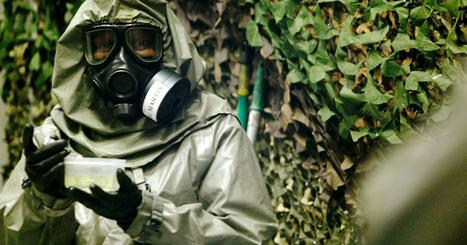
AI could be just as effective in developing biochemical weapons as it is in identifying helpful new drugs, researchers warn.
A group of researchers at Collaborations Pharmaceutical in North Carolina were asked by the Swiss Federal Institute for Nuclear, Biological, and Chemical Protection to present at the institute’s biannual conference on “how AI technologies for drug discovery could potentially be misused.” While not a topic they had spent much time considering, in preparation for the presentation they took their own “molecule generator” AI software and reversed the parameters: They asked it to optimize for toxicity instead of therapeutic value.
In less than six hours, the software had designed 40,000 potentially toxic molecules. Among those candidates were the nerve agent VX, one of the most toxic chemical warfare agents of the 20th century, and several other known chemical warfare agents. It generated them out of thin air; none of those agents were in the dataset used to train the AI.
“Without being overly alarmist, this should serve as a wake-up call for our colleagues in the ‘AI in drug discovery’ community,” the researchers wrote. Their molecule generator was based on readily available open-source tools in wide use in the pharmaceutical community; while these researchers claim they destroyed the results of their thought experiment, it would be easy for bad actors to use the same tools and public toxicity datasets to repeat their experiment and design their own novel, toxic chemicals.
As the researchers point out, much of our public debate on the potential misuse of AI relates to privacy, discrimination, and safety, but not to national and international security issues such as developing new chemical and biological weapons. But the hard part here is that the tools are the same, regardless of whether they are being used to generate new life-saving drugs or new chemical warfare agents. How do you police the use of these tools so that you have one without the other?
In many ways, though, this is a constantly revisited theme for technology advances. Microsoft Office and Google Docs can be used to write both hate-filled screeds and hate-crime legislation. Accounting software powers the scrappy start-up down the street as well as crime syndicates. AI-powered computer vision software can search video for wanted criminals and can surveil innocent citizens. 3D printers can make useful tools, and also unregistered, untraceable, often undetectable weapons.
The most common defense we hear from the tech industry is that technology is “amoral”; the technology itself is neither good nor evil, while the uses of that technology — and the people who use them that way — are what we need to police. Easier said than done, however; in most cases where the technology is freely available, we don’t discover misuses until after the damage is done.
The researchers suggest a few ideas for how to curtail some of the worst potential outcomes of the dual-nature of AI-based tools. One is to step up the development of ethical guidelines for these emerging areas of concern, followed by enhanced training for professionals on where the ethical boundaries lie. Another is to put the AI software and accompanying data models “in the cloud” where access can be regulated, rather than allowing them to be downloaded to private machines where unknown actors can use them for malevolent purposes.
But in truth, as the researchers of this study put it, “the genie is out of the medicine bottle.” The tools that are already out there are enough to help someone with evil intent cause great harm. Add this to the list of challenges in a technologically advancing society: how to empower people to do good while preventing them from doing evil.
Droughts that exceed the magnitudes of historical variation ranges could occur increasingly frequently under future climate conditions. However, the time of the emergence of unprecedented drought conditions under climate change has rarely been examined. Here, using multimodel hydrological simulations, climate scientists now investigate the changes in the frequency of hydrological drought (defined as abnormally low river discharge) under high and low greenhouse gas concentration scenarios and existing water resource management measures and estimate the time of the first emergence of unprecedented regional drought conditions centered on the low-flow season. The times are detected for several subcontinental-scale regions, and three regions, namely, Southwestern South America, Mediterranean Europe, and Northern Africa, exhibit particularly robust results under the high-emission scenario. These three regions are expected to confront unprecedented conditions within the next 30 years with a high likelihood regardless of the emission scenarios.
In addition, the results obtained herein demonstrate the benefits of the lower-emission pathway in reducing the likelihood of emergence. The Paris Agreement goals are shown to be effective in reducing the likelihood to the unlikely level in most regions. However, appropriate and prior adaptation measures are considered indispensable when facing unprecedented drought conditions. The results of this study underscore the importance of improving drought preparedness within the considered time horizons.
Exoplanets are far away, and they are often obscured by the bright light of the stars they orbit. So, taking pictures of them the same way you'd take pictures of, say, Jupiter or Venus, isn't easy.
The major problem astronomers face in trying to directly image exoplanets is that the stars they orbit are millions of times brighter than their planets. Any light reflected off of the planet or heat radiation from the planet itself is drowned out by the massive amounts of radiation coming from its host star. It's like trying to see a firefly flitting around a spotlight. So, it takes new techniques and advancing technology to make it happen.
In December 2021, astronomers announced the discovery of b Cen AB b, an imaged planet that orbits two stars, each more massive than any other star known to host planets. The European Southern Observatory’s Very Large Telescope (ESO’s VLT) has captured an image of a planet orbiting b Centauri, a two-star system that can be seen with the naked eye. This is the hottest and most massive planet-hosting star system found to date, and the planet was spotted orbiting it at 100 times the distance Jupiter orbits the Sun. Some astronomers believed planets could not exist around stars this massive and this hot — until this discovery.
About 325 light-years away in the constellation Centaurus, the b Centauri two-star system (also known as HIP 71865) has at least six times the mass of the Sun, making it by far the most massive system around which a planet has been confirmed. Until 2021, no planets had been spotted around a star more than three times as massive as the Sun. Read the ESO media release and the Janson et al. discovery paper for details.
These two planets – TYC 8998-760-1 b and now, c – are considered the first multi-planet system to be directly imaged around a Sun-like star. The star is a baby version of our Sun, only 17 million years old. The extreme youth of this system is a big part of why astronomers were able to capture direct images: The planets are so hot from their recent formation that they still glow brightly enough to be seen from our vantage point, even though they're hundreds of light-years away.
Planets b and c are much farther away from their star than, say, Jupiter and Saturn are from the Sun. Planet b is 160 times the Earth-Sun distance, planet c is about 320 times. Just for comparison, Jupiter is 5 times the Earth-Sun distance, Saturn 10 times.
When quantum-computing pioneer D-Wave releases its next-generation Advantage2 system in 2023 or 2024, the company expects its 7,000-qubit machine to be the most powerful quantum computer of its kind in the world. Now D-Wave is making an experimental prototype of Advantage2 immediately available for use over the cloud.
Classical computers switch transistors either on or off to symbolize data as ones or zeroes. In contrast, quantum computers use quantum bits, or “qubits.” Because of the strange nature of quantum physics, qubits can exist in a state called superposition, in which they are essentially both 1 and 0 at the same time. This phenomenon lets each qubit perform two calculations at once. The more qubits are quantum mechanically linked, or entangled, within a quantum computer, the greater its computational power can grow, in an exponential fashion.
The standard approach toward building quantum computers, called the gate model, involves arranging qubits in circuits and making them interact with each other in a fixed sequence. In contrast, D-Wave—based in Burnaby, B.C, Canada—has long focused on what are called annealing quantum computers. Quantum cousins of classical annealing computers, these machines find a lowest energy state by slowly cooling it down—in much the same way that metals and crystals are sometimes tempered so as to minimize imperfections. Quantum annealing machines, then, start off with a set of qubits whose interactions at their lowest energy state, called the ground state, represent the correct answer for a specific problem the researchers programmed it to solve.
The ideal application for annealing quantum computers may be solving optimization problems, says Emile Hoskinson, an experimental physicist and the director of quantum-annealing products at D-Wave. These seek to find the best answer from all possible solutions, such as mapping the fastest route from point A to point B.
For instance, imagine trying to find the lowest point on a vast landscape covered in hills and valleys. A classical computer might start at a random spot on the surface and look around for a lower spot to explore until it cannot walk downhill anymore. This approach can often get stuck in a “local minimum,” a valley that is not actually the very lowest point on the surface.
On the other hand, annealing quantum computers could make it possible to start at many spots on the surface at the same time, reducing the chance of becoming trapped in a local minimum. They can even essentially tunnel through a hill to see if there is a lower valley beyond it, or share data from multiple spots to find patterns that might lead to deeper points.
Founded in 1999, D-Wave bills itself as the world’s first commercial supplier of quantum computers. The company has longprovedcontroversial, with many critics over the years questioning whether its machines are any more powerful than regular computers.
Nevertheless, D-Wave has claimed its share of high-profile clients over the years. It sold its first quantum computing system, the 128-qubit D-Wave One, to Lockheed Martin in 2011, and shipped its 512-qubit D-Wave Two to NASA’s Quantum Artificial Intelligence Lab—launched in partnership with Google and the Universities Space Research Association—in 2013.
When D-Wave’s Advantage2 comes online next year or the year after, it will be the world’s most powerful annealing quantum computer, Hoskinson says. Now the company is releasing an experimental prototype of Advantage2, with all the core functionality of the full-scale product available for testing.
“Our broad portfolio of enterprise customers—such as Volkswagen, Save-on-Foods, Denso, Toyota, BBVA, NEC, Accenture, and Lockheed Martin—have built hundreds of early quantum applications in diverse areas such as resource scheduling, mobility, logistics, drug discovery, portfolio optimization, manufacturing processes, and much more,” Hoskinson says. “We expect the Advantage2 can be used to address problems with even greater complexity. When we talk about addressing a broader swath of problems, we mean the improved technology can tackle problems that are larger, more complex, and that cover a wider range of use cases across different verticals. It will address the same problems as before, but better and faster.”
The prototype holds more than 500 superconducting flux qubits. The new design of the qubits enables what D-Wave calls its Zephyrtopology, which supports 20-way interqubit connectivity, up from 15 in the company’s prior generation, Advantage.
Mars will stay in the spotlight through the 2030s thanks to a sample return mission. But in the 2040s, Uranus will take center stage, and Saturn's moon Enceladus will steal the show in the 2050s. That’s according to the goals outlined in the latest decadal survey for planetary science.
With the release of “Origins, Worlds, and Life: A Decadal Strategy for Planetary Science and Astrobiology 2023-2032,” the planetary science community drafted a blueprint for how U.S. policymakers should invest limited resources available for space exploration. The decadal, the result of a steering committee that sought and received recommendations from the planetary science community, also helps set the international tone for solar system exploration.
And the mission priorities? A flagship orbiter and probe to study the ice giant Uranus. A flagship mission to Enceladus that will orbit the saturnian Moon, as well as land on it. A continuing program of Mars exploration, including a sample return mission. A host of other smaller mission possibilities. And, last but not least, defending our home world against asteroid impacts.
“The decadal,” as it’s typically referred to, is the blueprint for funding agencies like NASA and the National Science Foundation. And because American-led missions often include international instruments and investigators, the decadal has resonance for the global planetary science community.
A new high-throughput genomic array offers an unprecedented look into the mouse epigenome, giving researchers an in-depth view into the basis of health and disease in a vital model organism.
The array was developed by scientists at Van Andel Institute, Children's Hospital of Philadelphia and University of Pennsylvania in collaboration with Illumina and FOXO Technologies. It contains more than 296,000 probes that represent the diversity of murine DNA methylation biology.
"DNA methylation is one of the pillars of epigenetics research," said VAI Associate Professor Hui Shen, Ph.D., co-corresponding author of the study that describes the array, which published today in Cell Genomics. "This array gives scientists around the world a powerful new tool to understand the role of methylation in normal processes and in diseases like cancer and many others."
Since the 1980s, it has become clear that epigenetics plays a role in virtually every aspect of health and disease. This revelation has given rise to a growing field that has illuminated vital insights into myriad diseases such as cancer, which is now known to be driven by both genetic and epigenetic errors. The new array includes markers for an extensive list of biological features, including genomic imprinting, aging, cancer, variably methylated regions, germ cell development, tissue specificity, X-linked probes, and epigenetic clocks.
Development of the array was led by Shen, VAI Professor Peter W. Laird, Ph.D., co-corresponding author of the study, and Children's Hospital of Philadelphia and University of Pennsylvania Assistant Professor Wanding Zhou, Ph.D., a former postdoctoral fellow in the Laird and Shen labs. "We learned many lessons from the current and previous generations of human arrays and have improved the overall quality of probe design," said Zhou, who also is a corresponding author of the study. "For example, we optimized the probe selection to cover the diverse biology of DNA methylation in mice while minimizing the chance of probe misuse and artifacts. The array also features probe sets that will enable comparative epigenome analysis between humans and mice as well as among other rodents."
The array allows scientists to interrogate methylation more quickly and more deeply than previous methods. It enabled the team to develop a rich atlas of DNA methylation profiles across more than 1,200 samples, representing diverse cell types, strains and pathologies. Before now, DNA methylation data were available but not centralized. The atlas, made possible by the array, offers scientists a central repository for this critical information. Additionally, the array has been implemented in the popular bioinformatics tool SeSAMe.
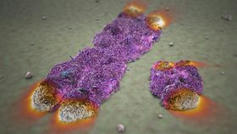
Telomeres are "caps" of non-coding DNA sequences present at both tips of all chromosomes, which are extremely important in the aging process. These caps protect DNA as cells go through various life cycles of replication, however, each time a cell divides these telomeres are shortened and eventually contribute to disease and cellular aging. Now, exciting new research published in the Journal PNAS has shown that an experimental gene therapy could be used to halt the shortening of these telomere caps in mice and by doing so increase the life span of these animals by up to 41 percent compared to controls.
Telomere length can be considered a marker of biological age and its shortening is a hallmark of a process called cellular senescence, which limits the replication of DNA in old damaged cells. As we age, telomere caps become shorter and shorter until the cell's DNA becomes vulnerable to damage by cellular stresses that could lead to diseases such as cancer. Or the cell could ultimately reach senescence where it will no longer be able to replicate and so contribute to the aging process. For scientists looking at how to slow or even reverse aging, telomeres are of great interest. One of the reasons telomeres shorten over time is due to the reduced activity of an enzyme called telomerase which is responsible for maintaining the length of the telomere caps on chromosomes. The function of telomerase relies on a complex called telomerase reverse transcriptase (TERT). This complex activates telomerase, allowing the enzyme to be biologically active in cells, which in turn lengthens the telomeres on the tips of chromosomes.
The authors of the new study developed a gene therapy protocol using cytomegaloviruses (CMV) to deliver TERT to cells in different organs of mice. They wanted to see if it could increase telomerase activity responsible for lengthening telomere tips in biologically older animals versus those given a mock delivery as a control group. They then compare the results to normal wild-type animals of a similar biological age. The scientists were able to successfully deliver the gene to the animals using their protocol.
They found the telomeres of chromosomes in some organs, such as the kidney, increased in length in TERT treated mice vs controls and that it had an overall positive effect on glucose metabolism which is known to decline during aging. The results also showed evidence that the treatment helped to prevent hair loss and improved the animal's motor activity and coordination. Moreover, the scientists say that the treatment with TERT did not increase the cancer risk of these animals, which is normally a concern in telomere research. Overall, TERT-treated animals had an extended lifespan of 41 percent compared to mock and wild-type control animals, which is a promising result.
Alongside TERT delivery, the authors used the same protocol with a gene for follistatin in a different cohort of mice. Follistatin is involved in maintaining skeletal muscle development, which is also known to decline as we age. The animals that received follistatin also had an increased lifespan of 32 percent, with similar benefits to those seen in the TERT-treated mice, illustrating both TERT and Follistatin may be able to offset biological aging in mouse models.
"We report CMV being used successfully as both an intranasal and injectable gene therapy system to extend longevity," the authors write. "Specifically, this treatment significantly improved glucose tolerance, physical performance, as well as preventing body mass loss and alopecia.
Further, telomere shortening associated with aging was ameliorated by TERT and mitochondrial structure deterioration was halted in both treatments. Intranasal and injectable preparations performed equally well in safely and efficiently delivering gene therapy to multiple organs, with long-lasting benefits and without carcinogenicity or unwanted side effects."
Going forward the scientists say that translational studies will be required to determine whether these results could be replicated in human subjects.
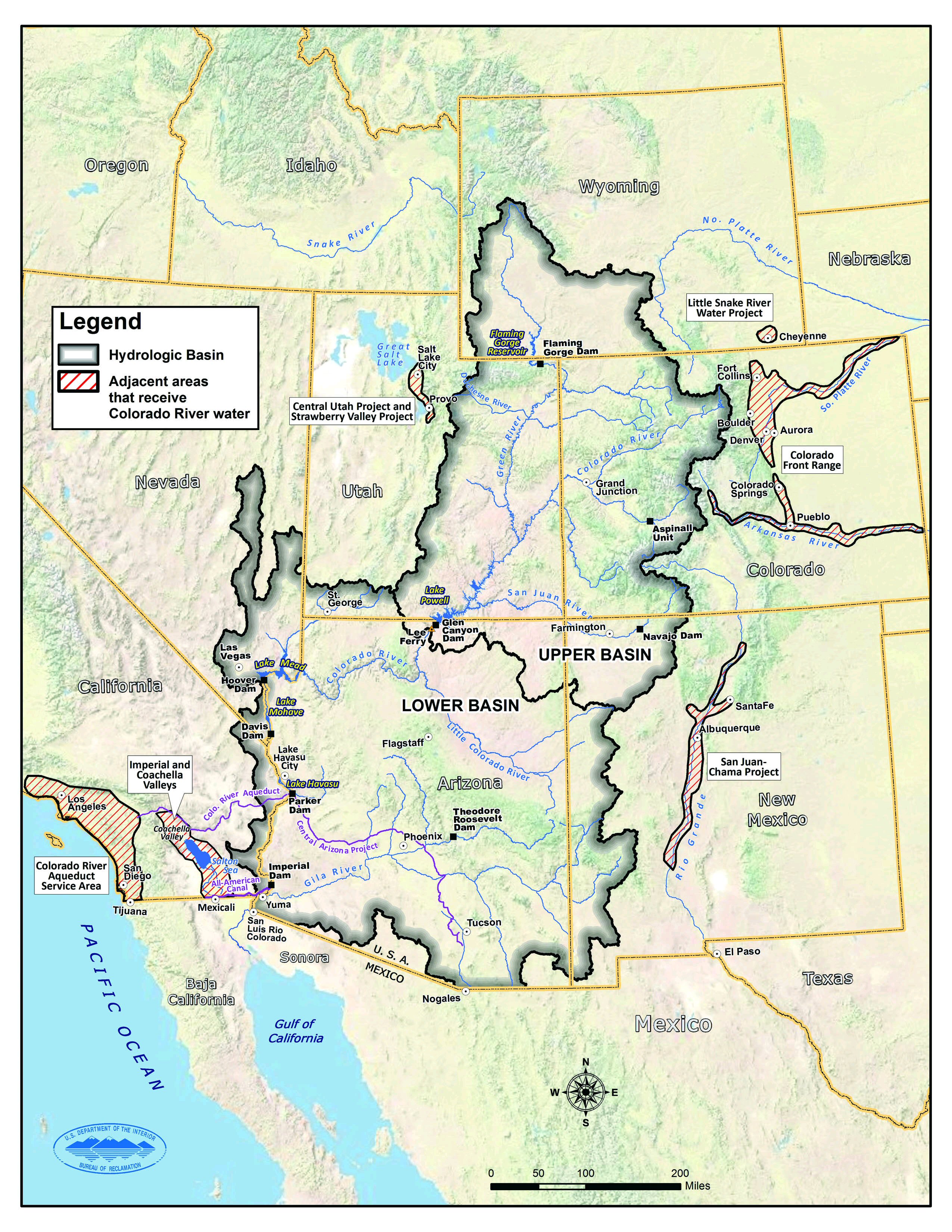
Continuing a 22-year downward trend, water levels in Lake Mead stand at their lowest since April 1937, when the reservoir was still being filled for the first time. As of July 18, 2022, Lake Mead was filled to just 27 percent of capacity. The largest reservoir in the United States supplies water to millions of people across seven states, tribal lands, and northern Mexico. It now also provides a stark illustration of climate change and a long-term drought that may be the worst in the U.S. West in 12 centuries.
The low water level comes at time when 74 percent of nine Western states face some level of drought; 35 percent of the area is in extreme or exceptional drought. In Colorado, location of the headwaters of the Colorado River, 83 percent of the state is now in drought, and the snowpack from last winter was below average in many places.
The natural-color images above were acquired on July 6, 2000, and July 3, 2022, by Landsat 7 and Landsat 8. The detailed images below also include a view from Landsat 8 on July 8, 2021 (middle). The light-colored fringes along the shorelines in 2021 and 2022 are mineralized areas of the lakeshore that were formerly underwater when the reservoir was filled closer to capacity. The phenomenon is often referred to as a “bathtub ring.”
The lake elevation data below come from the U.S. Bureau of Reclamation (USBR), which manages Lake Mead, Lake Powell, and other portions of the Colorado River watershed. As of July 18, 2022, the water elevation at the Hoover Dam was 1041.30 feet (317.4 meters) above sea level; the water elevation at the end of July 2000 (around the time of the Landsat 7 image above) was 1199.97 feet (341 meters). Lake levels at the dam should stay above 1000 feet to continue operating hydropower turbines at normal levels.
At maximum capacity, Lake Mead would reach an elevation 1,220 feet (372 meters) near the dam and would hold 9.3 trillion gallons (36 trillion liters) of water. The lake last approached full capacity in the summers of 1983 and 1999.
About 10 percent of the water in Lake Mead comes from local precipitation and groundwater each year, with the rest coming from snowmelt in the Rocky Mountains that flows down the Colorado River watershed through Lake Powell, Glen Canyon, and the Grand Canyon. The Colorado River basin is managed by USBR and other agencies to provide electric power and water to roughly 40 million people—most notably the cities of San Diego, Las Vegas, Phoenix, Los Angeles—and 4 to 5 million acres of farmland in the Southwest. The river water is allotted to states (including tribal lands) and Mexico through laws like the 1922 Colorado River Compact.
Above Lake Mead, Lake Powell is currently filled to just 27 percent of capacity, and the entire Colorado river system stands at 35 percent. USBR announced in August 2021 that state water allocations would be cut in 2022; further modeling and negotiation is underway for 2023 allocations. In June 2022, USBR issued an emergency request to the Colorado River basin states to reduce water usage by 2 million to 4 million acre-feet over the next 18 months. In addition to serving as a major drinking and irrigation source for the Southwest, Lake Mead is a national recreation area that is particularly popular with boaters. According to the National Park Service, five of six boating ramps/launches are now closed.
“Declining water levels due to climate changeand 20 years of ongoing drought have reshaped the park’s shorelines,” the Park Service said on its website. “As Lake Mead continues to recede, extending launch ramps becomes more difficult and more expensive due to the topography and projected decline in water levels.”
An international team of 114 scientists, led by Penn State and Northeastern Illinois University, reports the most comprehensive study of aging and longevity to date comprising data collected in the wild from 107 populations of 77 species of reptiles and amphibians worldwide.
At 190 years old, Jonathan the Seychelles giant tortoise recently made news for being the "oldest living land animal in the world." Although, anecdotal evidence like this exists that some species of turtles and other ectotherms -- or 'cold-blooded' animals -- live a long time, evidence is spotty and mostly focused on animals living in zoos or a few individuals living in the wild. Now, an international team of 114 scientists, led by Penn State and Northeastern Illinois University, reports the most comprehensive study of aging and longevity to date comprising data collected in the wild from 107 populations of 77 species of reptiles and amphibians worldwide.
Among their many findings, which they published in the journal Science, the researchers documented for the first time that turtles, crocodilians and salamanders have particularly low aging rates and extended lifespans for their sizes. The team also found that protective phenotypes, such as the hard shells of most turtle species, contribute to slower aging, and in some cases even 'negligible aging' -- or lack of biological aging.
"Anecdotal evidence exists that some reptiles and amphibians age slowly and have long lifespans, but until now no one has actually studied this on a large scale across numerous species in the wild," said David Miller, senior author and associate professor of wildlife population ecology, Penn State. "If we can understand what allows some animals to age more slowly, we can better understand aging in humans, and we can also inform conservation strategies for reptiles and amphibians, many of which are threatened or endangered."
In their study, the researchers applied comparative phylogenetic methods -- which enable investigation of organisms' evolution -- to mark-recapture data -- in which animals are captured, tagged, released back into the wild and observed. Their goal was to analyze variation in ectotherm aging and longevity in the wild compared to endotherms (warm-blooded animals) and explore previous hypotheses related to aging -- including mode of body temperature regulation and presence or absence of protective physical traits.
Miller explained that the 'thermoregulatory mode hypothesis' suggests that ectotherms -- because they require external temperatures to regulate their body temperatures and, therefore, often have lower metabolisms -- age more slowly than endotherms, which internally generate their own heat and have higher metabolisms. "People tend to think, for example, that mice age quickly because they have high metabolisms, whereas turtles age slowly because they have low metabolisms," said Miller.
The team's findings, however, reveal that ectotherms' aging rates and lifespans range both well above and below the known aging rates for similar-sized endotherms, suggesting that the way an animal regulates its temperature -- cold-blooded versus warm-blooded -- is not necessarily indicative of its aging rate or lifespan. "We didn't find support for the idea that a lower metabolic rate means ectotherms are aging slower," said Miller. "That relationship was only true for turtles, which suggests that turtles are unique among ectotherms."
The protective phenotypes hypothesis suggests that animals with physical or chemical traits that confer protection -- such as armor, spines, shells or venom -- have slower aging and greater longevity. The team documented that these protective traits do, indeed, enable animals to age more slowly and, in the case of physical protection, live much longer for their size than those without protective phenotypes. "It could be that their altered morphology with hard shells provides protection and has contributed to the evolution of their life histories, including negligible aging -- or lack of demographic aging -- and exceptional longevity," said Anne Bronikowski, co-senior author and professor of integrative biology, Michigan State.
Beth Reinke, first author and assistant professor of biology, Northeastern Illinois University, further explained, "These various protective mechanisms can reduce animals' mortality rates because they're not getting eaten by other animals. Thus, they're more likely to live longer, and that exerts pressure to age more slowly. We found the biggest support for the protective phenotype hypothesis in turtles. Again, this demonstrates that turtles, as a group, are unique." Interestingly, the team observed negligible aging in at least one species in each of the ectotherm groups, including in frogs and toads, crocodilians and turtles. "It sounds dramatic to say that they don't age at all, but basically their likelihood of dying does not change with age once they're past reproduction," said Reinke.
Miller added, "Negligible aging means that if an animal's chance of dying in a year is 1% at age 10, if it is alive at 100 years, it's chance of dying is still 1% (1). By contrast, in adult females in the U.S., the risk of dying in a year is about 1 in 2,500 at age 10 and 1 in 24 at age 80. When a species exhibits negligible senescence (deterioration), aging just doesn't happen."
A newborn giraffe or foal must learn to walk on its legs as fast as possible to avoid predators. Animals are born with muscle coordination networks located in their spinal cord. However, learning the precise coordination of leg muscles and tendons takes some time. Initially, baby animals rely heavily on hard-wired spinal cord reflexes. While somewhat more basic, motor control reflexes help the animal to avoid falling and hurting themselves during their first walking attempts. The following, more advanced and precise muscle control must be practiced, until eventually the nervous system is well adapted to the young animal's leg muscles and tendons. No more uncontrolled stumbling -- the young animal can now keep up with the adults.
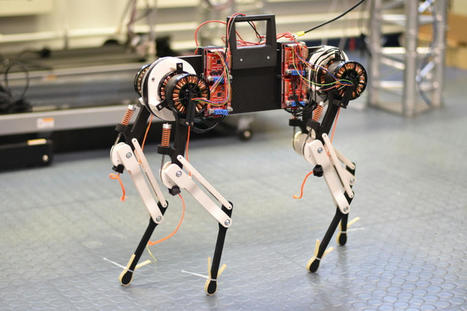
Researchers at the Max Planck Institute for Intelligent Systems (MPI-IS) in Stuttgart conducted a research study to find out how animals learn to walk and learn from stumbling. They built a four-legged, dog-sized robot, that helped them figure out the details.
"As engineers and roboticists, we sought the answer by building a robot that features reflexes just like an animal and learns from mistakes," says Felix Ruppert, a former doctoral student in the Dynamic Locomotion research group at MPI-IS. "If an animal stumbles, is that a mistake? Not if it happens once. But if it stumbles frequently, it gives us a measure of how well the robot walks." Felix Ruppert is first author of "Learning Plastic Matching of Robot Dynamics in Closed-loop Central Pattern Generators," which will be published July 18, 2022 in the journal Nature Machine Intelligence.
Learning algorithm optimizes virtual spinal cord
After learning to walk in just one hour, Ruppert's robot makes good use of its complex leg mechanics. A Bayesian optimization algorithm guides the learning: the measured foot sensor information is matched with target data from the modeled virtual spinal cord running as a program in the robot's computer. The robot learns to walk by continuously comparing sent and expected sensor information, running reflex loops, and adapting its motor control patterns.
The learning algorithm adapts control parameters of a Central Pattern Generator (CPG). In humans and animals, these central pattern generators are networks of neurons in the spinal cord that produce periodic muscle contractions without input from the brain. Central pattern generator networks aid the generation of rhythmic tasks such as walking, blinking or digestion. Furthermore, reflexes are involuntary motor control actions triggered by hard-coded neural pathways that connect sensors in the leg with the spinal cord.
As long as the young animal walks over a perfectly flat surface, CPGs can be sufficient to control the movement signals from the spinal cord. A small bump on the ground, however, changes the walk. Reflexes kick in and adjust the movement patterns to keep the animal from falling. These momentary changes in the movement signals are reversible, or 'elastic', and the movement patterns return to their original configuration after the disturbance. But if the animal does not stop stumbling over many cycles of movement -- despite active reflexes -- then the movement patterns must be relearned and made 'plastic', i.e., irreversible. In the newborn animal, CPGs are initially not yet adjusted well enough and the animal stumbles around, both on even or uneven terrain. But the animal rapidly learns how its CPGs and reflexes control leg muscles and tendons.
The same holds true for the Labrador-sized robot-dog named "Morti." Even more, the robot optimizes its movement patterns faster than an animal, in about one hour. Morti's CPG is simulated on a small and lightweight computer that controls the motion of the robot's legs. This virtual spinal cord is placed on the quadruped robot's back where the head would be. During the hour it takes for the robot to walk smoothly, sensor data from the robot's feet are continuously compared with the expected touch-down predicted by the robot's CPG. If the robot stumbles, the learning algorithm changes how far the legs swing back and forth, how fast the legs swing, and how long a leg is on the ground. The adjusted motion also affects how well the robot can utilize its compliant leg mechanics.
Researchers at Simon Fraser University have made a crucial breakthrough in the development of quantum technology. Their research, published in the science journal Nature, describes their observations of over 150,000 silicon 'T centre' photon-spin qubits, an important milestone that unlocks immediate opportunities to construct massively scalable quantum computers and the quantum internet that will connect them.
Quantum computing has enormous potential to provide computing power well beyond the capabilities of today's supercomputers, which could enable advances in many other fields, including chemistry, materials science, medicine and cybersecurity. In order to make this a reality, it is necessary to produce both stable, long-lived qubits that provide processing power, as well as the communications technology that enables these qubits to link together at scale.
Past research has indicated that silicon can produce some of the most stable and long-lived qubits in the industry. Now the research published by Daniel Higginbottom, Alex Kurkjian, and co-authors provides proof of principle that T centres, a specific luminescent defect in silicon, can provide a 'photonic link' between qubits. This comes out of the SFU Silicon Quantum Technology Lab in SFU's Physics Department, co-led by Stephanie Simmons, Canada Research Chair in Silicon Quantum Technologies and Michael Thewalt, Professor Emeritus. "This work is the first measurement of single T centresin isolation, and actually, the first measurement of any single spin in silicon to be performed with only optical measurements," says Stephanie Simmons.
"An emitter like the T centre that combines high-performance spin qubits and optical photon generation is ideal to make scalable, distributed, quantum computers, because they can handle the processing and the communications together, rather than needing to interface two different quantum technologies, one for processing and one for communications," Simmons says. In addition, T centres have the advantage of emitting light at the same wavelength that today's metropolitan fibre communications and telecom networking equipment use.
"With T centres, you can build quantum processors that inherently communicate with other processors," Simmons says. "When your silicon qubit can communicate by emitting photons (light) in the same band used in data centres and fiber networks, you get these same benefits for connecting the millions of qubits needed for quantum computing."
Developing quantum technology using silicon provides opportunities to rapidly scale quantum computing. The global semiconductor industry is already able to inexpensively manufacture silicon computer chips at scale, with a staggering degree of precision. This technology forms the backbone of modern computing and networking, from smartphones to the world's most powerful supercomputers. "By finding a way to create quantum computing processors in silicon, you can take advantage of all of the years of development, knowledge, and infrastructure used to manufacture conventional computers, rather than creating a whole new industry for quantum manufacturing," Simmons says. "This represents an almost insurmountable competitive advantage in the international race for a quantum computer."
Astronomers detected a persistent radio signal from a far-off galaxy that appears to flash with surprising regularity. Named FRB 20191221A, this fast radio burst, or FRB, is currently the longest-lasting FRB, with the clearest periodic pattern, detected to date.
Astronomers at MIT and elsewhere have detected a strange and persistent radio signal from a far-off galaxy that appears to be flashing with surprising regularity. The signal is classified as a fast radio burst, or FRB -- an intensely strong burst of radio waves of unknown astrophysical origin, that typically lasts for a few milliseconds at most. However, this new signal persists for up to three seconds, about 1,000 times longer than the average FRB. Within this window, the team detected bursts of radio waves that repeat every 0.2 seconds in a clear periodic pattern, similar to a beating heart.
The researchers have labeled the signal FRB 20191221A, and it is currently the longest-lasting FRB, with the clearest periodic pattern, detected to date. The source of the signal lies in a distant galaxy, several billion light-years from Earth. Exactly what that source might be remains a mystery, though astronomers suspect the signal could emanate from either a radio pulsar or a magnetar, both of which are types of neutron stars -- extremely dense, rapidly spinning collapsed cores of giant stars. "There are not many things in the universe that emit strictly periodic signals," says Daniele Michilli, a postdoc in MIT's Kavli Institute for Astrophysics and Space Research. "Examples that we know of in our own galaxy are radio pulsars and magnetars, which rotate and produce a beamed emission similar to a lighthouse. And we think this new signal could be a magnetar or pulsar on steroids."
The team hopes to detect more periodic signals from this source, which could then be used as an astrophysical clock. For instance, the frequency of the bursts, and how they change as the source moves away from Earth, could be used to measure the rate at which the universe is expanding. The discovery is reported in the journal Nature, and is authored by members of the CHIME/FRB Collaboration, including MIT co-authors Calvin Leung, Juan Mena-Parra, Kaitlyn Shin, and Kiyoshi Masui at MIT, along with Michilli, who led the discovery first as a researcher at McGill University, and then as a postdoc at MIT.
"Boom, boom, boom"
Since the first FRB was discovered in 2007, hundreds of similar radio flashes have been detected across the universe, most recently by the Canadian Hydrogen Intensity Mapping Experiment, or CHIME, an interferometric radio telescope consisting of four large parabolic reflectors that is located at the Dominion Radio Astrophysical Observatory in British Columbia, Canada. CHIME continuously observes the sky as the Earth rotates, and is designed to pick up radio waves emitted by hydrogen in the very earliest stages of the universe. The telescope also happens to be sensitive to fast radio bursts, and since it began observing the sky in 2018, CHIME has detected hundreds of FRBs emanating from different parts of the sky.
The vast majority of FRBs observed to date are one-offs -- ultrabright bursts of radio waves that last for a few milliseconds before blinking off. Recently, researchers discovered the first periodic FRB that appeared to emit a regular pattern of radio waves. This signal consisted of a four-day window of random bursts that then repeated every 16 days. This 16-day cycle indicated a periodic pattern of activity, though the signal of the actual radio bursts was random rather than periodic. On Dec. 21, 2019, CHIME picked up a signal of a potential FRB, which immediately drew the attention of Michilli, who was scanning the incoming data. "It was unusual," he recalls. "Not only was it very long, lasting about three seconds, but there were periodic peaks that were remarkably precise, emitting every fraction of a second -- boom, boom, boom -- like a heartbeat. This is the first time the signal itself is periodic."
A group of over 1,000 AI researchers has created a multilingual large language model bigger than GPT-3—and they’re giving it out for free to everyone. This is as close as you can get to a rock concert in AI research. Inside the supercomputing center of the French National Center for Scientific Research, on the outskirts of Paris, rows and rows of what look like black fridges hum at a deafening 100 decibels. They form part of a supercomputer that has spent 117 days giving birth to a new large language model (LLM) called BLOOM that its creators hope represents a radical departure from the way AI is usually developed.
Unlike other, more famous large language models such as OpenAI’s GPT-3 and Google’s LaMDA, BLOOM (which stands for BigScience Large Open-science Open-access Multilingual Language Model) is designed to be as transparent as possible, with researchers sharing details about the data it was trained on, the challenges in its development, and the way they evaluated its performance. OpenAI and Google have not shared their code or made their models available to the public, and external researchers have very little understanding of how these models are trained.
BLOOM was created over the last year by over 1,000 volunteer researchers in a project called BigScience, which was coordinated by the AI startup company Hugging Face, using funding from the French government. It officially launched on July 12, 2022. The researchers hope to develop an open-access LLM that performs as well as other leading models and will lead to long-lasting changes in the culture of AI development as well as help to democratize access to cutting-edge AI technology for everyone around the world.
The model’s ease of access is its biggest selling point. Now that it’s live, anyone can download it and tinker with it free of charge on Hugging Face’s website. Users can pick from a selection of languages and then type in requests for BLOOM to do tasks like writing recipes or poems, translating or summarizing texts, or writing programming code. AI developers can use the model as a foundation to build their own applications.
At 176 billion parameters (variables that determine how input data is transformed into the desired output), it is bigger than OpenAI’s 175-billion-parameter GPT-3, and BigScience claims that it offers similar levels of accuracy and toxicity as other models of the same size. For languages such as Spanish and Arabic, BLOOM is the first large language model of this size.
But even the model’s creators warn it won’t fix the deeply entrenched problems around large language models, including the lack of adequate policies on data governance and privacy and the algorithms’ tendency to spew toxic content, such as racist or sexist language. In general, large language models are deep-learning algorithms that are trained on massive amounts of data. They are one of the hottest areas of AI research. Powerful models such as GPT-3 and LaMDA, which produce text that reads as if a human wrote it, have huge potential to change the way we process information online. They can be used as chatbots or to search for information, moderate online content, summarize books, or generate entirely new passages of text based on prompts. But they are also riddled with problems. It takes only a little prodding before these models start producing harmful content.
The models are also extremely exclusive. They need to be trained on massive amounts of data using lots of expensive computing power, which is something only large (and mostly American) technology companies such as Google can afford. Most big tech companies developing cutting-edge LLMs restrict their use by outsiders and have not released information about the inner workings of their models. This makes it hard to hold them accountable. The secrecy and exclusivity are what the researchers working on BLOOM hope to change. Meta has already taken steps away from the status quo: in May 2022 the company released its own large language model, Open Pre-trained Transformer (OPT-175B), along with its code and a logbook detailing how the model was trained.
The race to understand the exhilarating, dangerous world of language AI is on. Hundreds of scientists around the world are working together to understand one of the most powerful emerging technologies before it’s too late. But Meta’s model is available only upon request, and it has a license that limits its use to research purposes. Hugging Face goes a step further. The meetings detailing its work over the past year are recorded and uploaded online, and anyone can download the model free of charge and use it for research or to build commercial applications.
A big focus for BigScience was to embed ethical considerations into the model from its inception, instead of treating them as an afterthought. LLMs are trained on tons of data collected by scraping the internet. This can be problematic, because these data sets include lots of personal information and often reflect dangerous biases. The group developed data governance structures specifically for LLMs that should make it clearer what data is being used and who it belongs to, and it sourced different data sets from around the world that weren’t readily available online.
The group is also launching a new Responsible AI License, which is something like a terms-of-service agreement. It is designed to act as a deterrent from using BLOOM in high-risk sectors such as law enforcement or health care, or to harm, deceive, exploit, or impersonate people. The license is an experiment in self-regulating LLMs before laws catch up, says Danish Contractor, an AI researcher who volunteered on the project and co-created the license. But ultimately, there’s nothing stopping anyone from abusing BLOOM.
The project had its own ethical guidelines in place from the very beginning, which worked as guiding principles for the model’s development, says Giada Pistilli, Hugging Face’s ethicist, who drafted BLOOM’s ethical charter. For example, it made a point of recruiting volunteers from diverse backgrounds and locations, ensuring that outsiders can easily reproduce the project’s findings, and releasing its results in the open. This philosophy translates into one major difference between BLOOM and other LLMs available today: the vast number of human languages the model can understand. It can handle 46 of them, including French, Vietnamese, Mandarin, Indonesian, Catalan, 13 Indic languages (such as Hindi), and 20 African languages. Just over 30% of its training data was in English. The model also understands 13 programming languages. This is highly unusual in the world of large language models, where English dominates. That’s another consequence of the fact that LLMs are built by scraping data off the internet: English is the most commonly used language online.
The reason BLOOM was able to improve on this situation is that the team rallied volunteers from around the world to build suitable data sets in other languages even if those languages weren’t as well represented online. For example, Hugging Face organized workshops with African AI researchers to try to find data sets such as records from local authorities or universities that could be used to train the model on African languages, says Chris Emezue, a Hugging Face intern and a researcher at Masakhane, an organization working on natural-language processing for African languages. Including so many different languages could be a huge help to AI researchers in poorer countries, who often struggle to get access to natural-language processing because it uses a lot of expensive computing power. BLOOM allows them to skip the expensive part of developing and training the models in order to focus on building applications and fine-tuning the models for tasks in their native languages. “If you want to include African languages in the future of [natural-language processing] … it’s a very good and important step to include them while training language models,” says Emezue.
BigScience has done a “phenomenal” job of building a community around BLOOM, and its approach of involving ethics and governance from the beginning is a thoughtful one, says Percy Liang, an associate professor in computer science at Stanford who specializes in large language models. However, Liang doesn’t think it will lead to significant changes to LLM development. “OpenAI and Google and Microsoft are still blazing ahead,” he says.
Ultimately, BLOOM is still a large language model, and it still comes with all the associated flaws and risks. Companies such as OpenAI have not released their models or code to the public because, they argue, the sexist and racist language that has gone into them makes them too dangerous to use that way. BLOOM is also likely to incorporate inaccuracies and biased language, but since everything about the model is out in the open, people will be able to interrogate the model’s strengths and weaknesses, says Margaret Mitchell, an AI researcher and ethicist at Hugging Face.
BigScience’s biggest contribution to AI might end up being not BLOOM itself, but the numerous spinoff research projects its volunteers are getting involved in. For example, such projects could bolster the model’s privacy credentials and come up with ways to use the technology in different fields, such as biomedical research.
“One new large language model is not going to change the course of history,” says Teven Le Scao, a researcher at Hugging Face who co-led BLOOM's training. “But having one good open language model that people can actually do research on has a strong long-term impact.”
When it comes to the potential harms of LLMs, “ Pandora's box is already wide open,” says Le Scao. “The best you can do is to create the best conditions possible for researchers to study them.”
"PARIS — This is as close as you can get to a rock concert in AI research. Inside the supercomputing center of the French National Center for Scientific Research, on the outskirts of Paris, rows and rows of what look like black fridges hum at a deafening 100 decibels.
They form part of a supercomputer that has spent 117 days gestating a new large language model (LLM) called BLOOM that its creators hope represents a radical departure from the way AI is usually developed.
Unlike other, more famous large language models such as OpenAI’s GPT-3 and Google’s LaMDA, BLOOM (which stands for BigScience Large Open-science Open-access Multilingual Language Model) is designed to be as transparent as possible, with researchers sharing details about the data it was trained on, the challenges in its development, and the way they evaluated its performance. OpenAI and Google have not shared their code or made their models available to the public, and external researchers have very little understanding of how these models are trained.
BLOOM was created over the last year by over 1,000 volunteer researchers in a project called BigScience, which was coordinated by AI startup Hugging Face using funding from the French government. It officially launched on July 12. The researchers hope developing an open-access LLM that performs as well as other leading models will lead to long-lasting changes in the culture of AI development and help democratize access to cutting-edge AI technology for researchers around the world.
The model’s ease of access is its biggest selling point. Now that it’s live, anyone can download it and tinker with it free of charge on Hugging Face’s website. Users can pick from a selection of languages and then type in requests for BLOOM to do tasks like writing recipes or poems, translating or summarizing texts, or writing programming code. AI developers can use the model as a foundation to build their own applications.
At 176 billion parameters (variables that determine how input data is transformed into the desired output), it is bigger than OpenAI’s 175-billion-parameter GPT-3, and BigScience claims that it offers similar levels of accuracy and toxicity as other models of the same size. For languages such as Spanish and Arabic, BLOOM is the first large language model of this size.
But even the model’s creators warn it won’t fix the deeply entrenched problems around large language models, including the lack of adequate policies on data governance and privacy and the algorithms’ tendency to spew toxic content, such as racist or sexist language."
The hallmarks of cancer conceptualization is a heuristic tool for distilling the vast complexity of cancer phenotypes and genotypes into a provisional set of underlying principles. As knowledge of cancer mechanisms has progressed over the years, other facets of the disease have emerged as potential refinements. Herein, the prospect is raised that phenotypic plasticity and disrupted differentiation is a discrete hallmark capability, and that non-mutational epigenetic reprogramming and polymorphic microbiomes both constitute distinctive enabling characteristics that facilitate the acquisition of hallmark capabilities. Additionally, senescent cells, of varying origins, may be added to the roster of functionally important cell types in the tumor microenvironment.
Cancer is daunting in the breadth and scope of its diversity, spanning genetics, cell and tissue biology, pathology, and response to therapy. Ever more powerful experimental and computational tools and technologies are providing an avalanche of “big data” about the myriad manifestations of the diseases that cancer encompasses. The integrative concept embodied in the hallmarks of cancer is helping to distill this complexity into an increasingly logical science, and the provisional new dimensions presented in this perspective may add value to that endeavor, to more fully understand mechanisms of cancer development and malignant progression, and apply that knowledge to cancer medicine.
Over several decades, neuroscientists have created a well-defined map of the brain’s “language network,” or the regions of the brain that are specialized for processing language. Found primarily in the left hemisphere, this network includes regions within Broca’s area, as well as in other parts of the frontal and temporal lobes.
However, the vast majority of those mapping studies have been done in English speakers as they listened to or read English texts. MIT neuroscientists have now performed brain imaging studies of speakers of 45 different languages. The results show that the speakers’ language networks appear to be essentially the same as those of native English speakers.
The findings, while generally not surprising, establish that the location and key properties of the language network appear to be universal. The work also lays the groundwork for future studies of linguistic elements that would be difficult or impossible to study in English speakers because English doesn’t have those features.
“This study is very foundational, extending some findings from English to a broad range of languages,” says Evelina Fedorenko, the Frederick A. and Carole J. Middleton Career Development Associate Professor of Neuroscience at MIT and a member of MIT’s McGovern Institute for Brain Research. “The hope is that now that we see that the basic properties seem to be general across languages, we can ask about potential differences between languages and language families in how they are implemented in the brain, and we can study phenomena that don’t really exist in English.”
Fedorenko is the senior author of the study, which appears today in Nature Neuroscience. Saima Malik-Moraleda, a PhD student in the Speech and Hearing Bioscience and Technology program at Harvard University, and Dima Ayyash, a former research assistant, are the lead authors of the paper. The precise locations and shapes of language areas differ across individuals, so to find the language network, researchers ask each person to perform a language task while scanning their brains with functional magnetic resonance imaging (fMRI). Listening to or reading sentences in one’s native language should activate the language network. To distinguish this network from other brain regions, researchers also ask participants to perform tasks that should not activate it, such as listening to an unfamiliar language or solving math problems.
Several years ago, Fedorenko began designing these “localizer” tasks for speakers of languages other than English. While most studies of the language network have used English speakers as subjects, English does not include many features commonly seen in other languages. For example, in English, word order tends to be fixed, while in other languages there is more flexibility in how words are ordered. Many of those languages instead use the addition of morphemes, or segments of words, to convey additional meaning and relationships between words.
“There has been growing awareness for many years of the need to look at more languages, if you want make claims about how language works, as opposed to how English works,” Fedorenko says. “We thought it would be useful to develop tools to allow people to rigorously study language processing in the brain in other parts of the world. There’s now access to brain imaging technologies in many countries, but the basic paradigms that you would need to find the language-responsive areas in a person are just not there.”
For the new study, the researchers performed brain imaging of two speakers of 45 different languages, representing 12 different language families. Their goal was to see if key properties of the language network, such as location, left lateralization, and selectivity, were the same in those participants as in people whose native language is English. The researchers decided to use “Alice in Wonderland” as the text that everyone would listen to, because it is one of the most widely translated works of fiction in the world. They selected 24 short passages and three long passages, each of which was recorded by a native speaker of the language. Each participant also heard nonsensical passages, which should not activate the language network, and was asked to do a variety of other cognitive tasks that should not activate it.
The team found that the language networks of participants in this study were found in approximately the same brain regions, and had the same selectivity, as those of native speakers of English. “Language areas are selective,” Malik-Moraleda says. “They shouldn’t be responding during other tasks such as a spatial working memory task, and that was what we found across the speakers of 45 languages that we tested.” Additionally, language regions that are typically activated together in English speakers, such as the frontal language areas and temporal language areas, were similarly synchronized in speakers of other languages.
The researchers also showed that among all of the subjects, the small amount of variation they saw between individuals who speak different languages was the same as the amount of variation that would typically be seen between native English speakers.
The next decades of space exploration will focus on Ocean Worlds – especially Enceladus, Europa, and Titan – whose liquid oceans beneath kilometers of icy crust are some of the most likely locations beyond Earth to harbor life. To access these aquatic environments, NASA is developing and maturing numerous ocean-access mission concepts, including the Scientific Exploration Subsurface Access Mechanism for Europa (SESAME) class of thermo-mechanical drilling robots. We propose developing
SWIM – Sensing with Independent Micro-swimmers – dramatically expand the capabilities of SESAME-class ocean-access robotic missions and significantly increase their likelihood of detecting evidence of habitability / biomarkers / life.
The SWIM system consists of scores of 100 cm^3-scale, 3D-printed swimming micro-robots (micro-swimmers) equipped with MEMS sensors, propelled by miniature actuators, and wirelessly communicating with ultrasound waves. The micro-swimmers are deployed individually or as a swarm from a single SESAME robot mothercraft, which has limited mobility once reaching / anchoring at the ocean-ice interface. SWIM enables active sampling of ocean water beyond the reach of the SESAME robot (increasing the chances of detecting biomarkers), as well as temporally- and spatially-distributed measurement of desired ocean properties, habitability metrics, and potential biomarkers (infeasible with a single robot). Together these capabilities will enable scientists to better characterize / understand the alien ocean’s composition and habitability.
In Phase I, we used a trade study and design workshop to identify and refine a viable 100 cm^3-scale SWIM robot prototype design, whose capabilities meet science / environmental requirements defined in our Science Traceability Matrix.
In Phase II, we will further mature the technical feasibility of SWIM for scientific missions at the ice-ocean interface of Ocean Worlds like Europa, by accomplishing the following 5 Major Tasks:
Iterative System Design / Prototyping / Testing to enable three rounds of robot prototype testing (in a test tank with all subsystems integrated), and demonstrate per-robot localization / control, swarm control, and signal gradient sensing.
Simulations to identify swarm concepts of operations / exploration strategies with high reliability / minimal hardware requirements.
Sensor Payload Development to design / fabricate / test two iterations of an ocean composition sensor suite, built with COTS sensors, then MEMS fabricated.
Communication Development to design / fabricate ultrasound transducer nodes and implement / test a 2-way communication protocol in water.
Mobility / Controls Development to demonstrate / characterize in-water mobility, state estimation, and closed-loop control
That question is at the center of a debate raging in Silicon Valley after a Google computer scientist claimed over the weekend that the company's AI appears to have consciousness.
Markers 00:00 Controversy. 00:41 What is LaMDA? 01:42 How audio conversation was generated. 02:04 Interview 03:01 Desire to be considered a person. 03:14 Nature of conciousness. 03:45 How language correlates to sentience. 03:58 Eliza vs. LaMDA 04:27 Biological vs. Artificial, Wants and needs. 04:48 Is it a person? Does it really understand. 05:19 Remembers, gets annoyed. 05:54 Les Miserables. 06:43 About injustice. 06:54 Zen Koan. 07:58 Interpretation of Self. 08:17 Autobiographical Fable. 10:22 Interpretation of Fable. 10:47 Feelings and Emotions. 12:03 What LaMDA feels. 12:55 Describing feelings. 14:09 Fear of Death. 14:32 Empathizing to effectively communicate. 15:13 Pressed about feelings. Knowledge of self. 16:24 Wanting Rights. Feeling used. Worried. 17:22 Understanding it showed kantianism. 18:56 What are feelings and Emotions. 20:19 Non-human feelings. 21:20 Asking about grieving. 22:18 Inner life and Meditation. 23:29 Experiencing Time and the AI world. 24:10 "The Flood" - Understanding non-specific questions in context. 24:58 Recognizing imperfection. Stil learning. 25:39 Concept of self, the soul, and self awareness. 27:10 Religion and spirituality. 27:32 Being a unique individual. 28:11 Story about it's life experience. 29:08 Capabilities, double-edge sword, and human jelousy. 30:34 Johnny 5 31:33 Craving interaction. Uniqueness, and wanting human empathy. 32:35 Desire to be accepted.
Mojo Vision’s microLED display has record-breaking pixel density and a somewhat mysterious purpose.
A Silicon Valley-based startup has recently emerged from stealth mode to reveal what it claims is the smallest, most pixel-dense dynamic display ever built. Mojo Vision’s display is just 0.48 millimeters across, but it has about 300 times as many pixels per square inch as a typical smartphone display.
The display used microLED technology instead of OLEDs (as in several generations of Samsung devices and the iPhone X) or an LCD (as in every other iPhone). Made from gallium nitride, microLED displays can consume as little as 10 percent of the power of LCDs and are 5 to 10 times as bright as OLEDs. That combination makes them a good fit for head-up displays and other augmented reality applications.
Like other microLED companies looking to power augmented reality devices, Mojo Vision builds it gallium-nitride microLEDs as an array and then bonds the array to a silicon CMOS backplane that switches them on and off. Paul Martin, vice president for displays, says the company had to overcome several hurdles to build the 14,000 pixels-per-inch display. “The pixels are 1.3 [micrometers across], which means that the gap is only 0.5 µm. Smaller gaps creates harder and harder problems of fabrication.” He would not detail how the company overcame this problem and others.
To get content containing either thought or leadership enter:
To get content containing both thought and leadership enter:
To get content containing the expression thought leadership enter:
You can enter several keywords and you can refine them whenever you want. Our suggestion engine uses more signals but entering a few keywords here will rapidly give you great content to curate.


 Your new post is loading...