 Your new post is loading...
Precision-controlled CAR-T-cell immunotherapies could be used to tackle a range of tumor types. Elaborately engineered immune cells can not only recognize cancer cells, but also evade defenses that tumors use to fend off attacks, researchers have found. Two studies recently published in Science1,2 build on the success of chimeric antigen receptor (CAR)-T cancer therapies, which use genetically altered T cells to seek out tumors and mark them for destruction. These treatments have the potential to lead to long-lasting remission, but are not successful for everyone, and have so far been effective against only a small number of cancers. To bolster the power of CAR-T therapies, researchers have further engineered the cells to contain switches that allow control over when and where the cells are active. The hacked cells produce a protein that stimulates T cells, to counteract immunosuppressive signals that are often released by tumors. Both studies are a tour de force in T-cell engineering and highlight the direction that researchers want to push CAR-T-cell therapy, says systems immunologist Grégoire Altan-Bonnet at the US National Cancer Institute. “We know a lot of the parts, now it’s being able to put them together and explore,” he says. “If we engineer the system well, we can really put the tumors into checkmate.” Engineered immune cells T cells typically patrol the body, looking for foreign proteins displayed on the surface of cells. Such cells could be infected with a virus, for example, or they could be tumor cells that are producing abnormal, cancer-associated proteins. A class of T cells called killer T cells can then destroy the abnormal cells. CAR-T therapies involve genetically engineering T cells from a person with cancer to produce CARs, which are proteins that recognize the proteins displayed by tumor cells. The approach has been approved to treat some leukemias, lymphomas and myelomas. But researchers have been pursuing ways to make the treatments safer and more effective, and to expand their use to other diseases. Highly mutated cancers respond better to immune therapy In one of the new studies, Ahmad Khalil, a synthetic biologist at Boston University in Massachusetts, and his colleagues wired a complex system of 11 DNA sequences into CAR T cells. The resulting genetic circuits can be switched on and off using already-approved drugs, which allows researchers to control when and where the hacked T cells are active, as well as their production of a protein called IL-2, which stimulates immune responses. The other group of researchers, led by synthetic biologist Wendell Lim at the University of California, San Francisco, programmed CAR T cells to produce IL-2 only when the engineered T cell encounters a cancer cell. The team found that this IL-2 production was most efficient at fighting tumors in mice with pancreatic cancer when it was activated through a pathway that was separate from the one used to recognize the cancer cell — a detail that could help in shaping future therapies, says Andrea Schietinger, a tumor immunologist at Memorial Sloan Kettering Cancer Center in New York City.
Via BigField GEG Tech, Gilbert C FAURE

|
Scooped by
Dr. Stefan Gruenwald
December 15, 2022 11:37 AM
|
A COVID-19 autopsy study from NIAID and many other collaborators helped researchers rethink where SARS-CoV-2 spread in the body and how long its remnants persisted. Autopsies of 44 people who died from COVID-19 in the first year of the pandemic showed researchers that disease-causing SARS-CoV-2 virus spread throughout the body – beyond just a respiratory disease – and remained in tissue for months. The study, from the National Institutes of Health and published in Nature, helped scientists broaden their perspectives on where SARS-CoV-2 could cause infection and persist, including the brain. The work also supported the rationale for a clinical trial evaluating the antiviral drug Paxlovid for the treatment of post-acute sequelae of COVID-19, also known as Long COVID. Findings from the autopsies, which took place between April 2020 and March 2021, confirmed that SARS-CoV-2 primarily infected and damaged the airway and lungs. But scientists also found virus fragments (viral RNA) in 79 of 85 body locations, with some virus found up to 230 days after patient’s symptoms began. Scientists found virus in cardiovascular, lymphoid, gastrointestinal, renal, endocrine, reproductive, muscle, brain and other tissue – although none of these areas sustained significant inflammation compared to what they found in the respiratory tract. Scientists from NIH’s National Institute of Allergy and Infectious Diseases and Clinical Center led the work, closely collaborating with National Cancer Institute (NCI) pathologists, four other NIH institutes, the University of Maryland, and Maryland health care facilities in Salisbury and Towson. “We show SARS-CoV-2 disseminates across the human body and brain early in infection at high levels and provide evidence of virus replication at multiple extrapulmonary sites during the first two weeks following symptom onset,” their study states. Virus can spread throughout the body and viral RNA may remain detectable for months even in cases with mild or no symptoms, they say. Senior study author Dr. Daniel Chertow said prior to the work, “the thinking in the field was that SARS-CoV-2 was predominantly a respiratory virus.” Finding the viral fragments in tissue throughout the body – and sharing those findings with colleagues a year ago – helped scientists explore a relationship between the viral fragments and Long COVID. Long COVID gets its name from the persistent symptoms some people experience after having COVID-19; symptoms can be debilitating, and the cause is not known. Though the study in Nature did not specifically explore Long COVID, finding the viral RNA throughout the body raised speculation that those fragments might contribute to the persistent symptoms, according to Dr. Chertow. Treating people with an effective COVID-19 antiviral such as Paxlovid could, therefore, eliminate the persistent symptoms. The Paxlovid trial, now underway at Duke University, is part of the NIH-funded RECOVER project – Researching COVID to Enhance Recovery – and includes an extension of the autopsy work, according Dr. Stephen Hewitt of NCI, who collaborated on the paper in Nature, and serves on a steering committee for the RECOVER project.
|
|
Scooped by
Dr. Stefan Gruenwald
December 13, 2022 1:27 PM
|
The cellular differences between these species may illuminate steps in their evolution and how those differences can be implicated in disorders, such as autism and intellectual disabilities, seen in humans. While the physical differences between humans and non-human primates are quite distinct, a new study reveals their brains may be remarkably similar. And yet, the smallest changes may make big differences in developmental and psychiatric disorders. Understanding the molecular differences that make the human brain distinct can help researchers study disruptions in its development. A new study, published recently in the journal Science by a team including University of Wisconsin-Madison neuroscience professor Andre Sousa, investigates the differences and similarities of cells in the prefrontal cortex -- the frontmost region of the brain, an area that plays a central role in higher cognitive functions -- between humans and non-human primates such as chimpanzees, Rhesus macaques and marmosets. The cellular differences between these species may illuminate steps in their evolution and how those differences can be implicated in disorders, such as autism and intellectual disabilities, seen in humans. Sousa, who studies the developmental biology of the brain at UW-Madison's Waisman Center, decided to start by studying and categorizing the cells in the prefrontal cortex in partnership with the Yale University lab where he worked as a postdoctoral researcher. "We are profiling the dorsolateral prefrontal cortex because it is particularly interesting. This cortical area only exists in primates. It doesn't exist in other species," Sousa says. "It has been associated with several relevant functions in terms of high cognition, like working memory. It has also been implicated in several neuropsychiatric disorders. So, we decided to do this study to understand what is unique about humans in this brain region." Sousa and his lab collected genetic information from more than 600,000 prefrontal cortex cells from tissue samples from humans, chimpanzees, macaques and marmosets. They analyzed that data to categorize the cells into types and determine the differences in similar cells across species. Unsurprisingly, the vast majority of the cells were fairly comparable. "Most of the cells are actually very similar because these species are relatively close evolutionarily," Sousa says. Sousa and his collaborators found five cell types in the prefrontal cortex that were not present in all four of the species. They also found differences in the abundancies of certain cell types as well as diversity among similar cell populations across species. When comparing a chimpanzee to a human the differences seem huge -- from their physical appearances down to the capabilities of their brains. But at the cellular and genetic level, at least in the prefrontal cortex, the similarities are many and the dissimilarities sparing. "Our lab really wants to know what is unique about the human brain. Obviously from this study and our previous work, most of it is actually the same, at least among primates," Sousa says.
|
|
Scooped by
Dr. Stefan Gruenwald
December 12, 2022 12:12 PM
|
Everything in our universe moves, but the timescales needed to see motion are often vastly greater than human lifetimes. In a major new study, a team of astronomers from the University of Hawaiʻi Institute for Astronomy (IfA), University of Maryland and University of Paris-Saclay has traced the movement of 10,000 galaxies and clusters of galaxies, the dominant congregations of matter, within 350 million light-years. Their motions are followed throughout a span of 11.5 billion years—from the galaxies’ origins when the universe was only 1.5 billion-years-old, until today, at an age of more than 13 billion years. The study has been accepted for publication in Astrophysical Journal. Calculating galaxy paths Using a mathematical technique called numerical action method, the team has computed these paths based on the present brightness and positions of galaxies, and their present motion away from us. The astronomers have factored in the physics of the Big Bang theory, including the idea that galaxies initially start out expanding from each other almost precisely at what is called the Hubble expansion rate. Throughout time, gravity alters galaxy motions, so they are not just moving apart as the universe expands, but are drawn together into filaments, walls and clusters, while also emptying out other regions that are now voids. Over the eons of time, galaxies typically deviate from pure Hubble rate expansion by millions of light-years over a billion years. In regions of high density, the galaxy orbits can become quite complicated and involve collisions and mergers. “We are bringing into focus the detailed formation history of large-scale mass structures in the universe by reverse engineering the gravitational interactions that created them,” said Ed Shaya, Associate Research Scientist at the University of Maryland. The Great Attractor and the Laniakea Supercluster There are several particularly interesting vast regions of high matter and galaxy density the astronomers explore. One, which has been called “the Great Attractor,” is the core of the Laniakea Supercluster, an immense supercluster of galaxies containing our own Milky Way. Galaxies can be seen flowing toward a location within a nest of four rich clusters. A second fascinating region is in the adjacent Perseus-Pisces filament of galaxies, which stretches for nearly a billion light-years and is one of the largest known structures in the universe. The vicinity of the Virgo Cluster, the closest large cluster, is also seen, and can be studied in detail because it is nearby. “For more than 30 years, astronomers have considered a ‘Great Attractor’ to be the primary source of gravity that makes the whole region near us move with a high peculiar velocity relative to uniform cosmic expansion, but the nature of that source has been obscure,” said R. Brent Tully, an astronomer at IfA who co-authored the study. “Our orbit reconstructions have provided the first good look at this previously enigmatic region.” Across the entire expanse, the orbits can be projected into the future as well. The accelerating expansion of the universe dominates the overall picture, causing most galaxies to move apart. However, some coalescence and merging will continue in localized regions. A video of the paths of galaxies in this vast region, starting from the epoch of early galaxy formation and continuing until the universe is almost twice as old can be viewed here. On the large scales depicted in this simulation, only a few major mergers, all in very dense regions, are seen to occur in the next 10 billion years. The technical article is accompanied by four videos and four interactive models.
|
|
Scooped by
Dr. Stefan Gruenwald
December 12, 2022 12:17 AM
|
The problem with trying to fly through a gas giant like Jupiter is that "the density, pressure and temperature all increase to such enormous levels as you penetrate down into the interior that it is impossible the penetrate any probe through. Near the center of Jupiter, the normally gaseous hydrogen turns into a liquid metal, making this region as exotic as the surface of the sun. To give a sense of the pressure near the center of Jupiter, consider the Mariana Trench on Earth, the deepest place in our oceans. At nearly 7 miles (11 km) deep, pressures reach just over 1,000 bars (100,000 kilopascals), which would feel like 8 tons of pressure per square inch (703 kilograms per square meter). At sea level, you experience about 1 bar of pressure (100 kilopascals). Near the center of Jupiter, pressures jump to megabars, or one million bars, Fletcher said. On top of those enormous pressures, temperatures also rise into the tens of thousands of Kelvins, which is equivalent to tens of thousands of degrees Celsius. At that point, any spacecraft wouldn't be just squished or melted — it would entirely disintegrate into its constituent atoms. Here's what a spacecraft might encounter on its journey to the center of Jupiter: First, the ideal gas giant probe would have to be shaped like a bullet, to improve aerodynamics and allow it to plummet as far down as possible. As the spacecraft started its descent, it would encounter wispy ammonia clouds and potentially pass through blue skies, due to the same phenomenon of light scattering that occurs in Earth's atmosphere. After passing through the "gunky, reddy brown" clouds of ammonium hydrosulfide, the spacecraft would reach about 50 miles (80 km) deep, an area of "towering" cumulonimbus clouds, possibly lit up by massive lightning storms. Much deeper than that, between 4,350 to 8,700 miles (7,000 to 14,000 kilometers), the spacecraft would encounter an atmosphere so hot that the atmosphere itself would glow, Fletcher said. This is where temperatures rise to tens of thousands of degrees Celsius and the pressure rises to megabars. And this is where the spacecraft starts to disintegrate. In this still-mysterious region of Jupiter's interior, hydrogen and helium become a fluid. From the Juno mission, which launched in 2011, scientists have figured out that Jupiter doesn't have a solid core but rather a diffuse core of materials including nitrogen, carbon and even iron. By the time you get to this "fuzzy, mixed" core, you exist no more.
|
|
Scooped by
Dr. Stefan Gruenwald
December 11, 2022 3:25 PM
|
Goldfish are capable of navigating on land, Israeli researchers have found, after training fish to drive. The team at Ben-Gurion University developed a FOV — a fish-operated vehicle. The robotic car is fitted with lidar, a remote sensing technology that uses pulsed laser light to collect data on the vehicle's ground location and the fish's whereabouts inside a mounted water tank. A computer, camera, electric motors and omni-wheels give the fish control of the vehicle. "Surprisingly, it doesn't take the fish a long time to learn how to drive the vehicle. They're confused at first," said researcher Shachar Givon. "They don't know what's going on but they're very quick to realize that there is a correlation between their movement and the movement of the machine that they're in," he added. Six goldfish, each receiving around 10 driving lessons, took part in the study. Each time one of them reached a target set by the researchers, it was rewarded with food. And some goldfish are better drivers than others, according to the research. "There were very good fish that were doing excellent and there were mediocre fish that showed control of the vehicle but were less proficient in driving it," said biology professor and neuroscientist Ronen Segev. Showing that a fish has the cognitive capability to navigate outside its natural environment of water can expand scientific knowledge of animals' essential navigation skills. "We humans think of ourselves as very special and many think of fish as primitive but this is not correct," said Segev. "There are other very important and very smart creatures."
|
|
Scooped by
Dr. Stefan Gruenwald
December 8, 2022 11:40 PM
|
The bombardment of Mars by a special type of meteorite carried a large volume of water to the planet early in its history, according to new research in Science Advances. "The amount of water delivered to Mars was enough to make a planet-wide ocean 300 meters thick," said Martin Bizzarro, corresponding author of the study and professor at the University of Copenhagen. He and his colleagues derived this estimate using a measurement called a global equivalent layer (GEL), which is frequently used to conceptualize quantities of water on Mars. It means that if all the water brought by meteorites was in liquid form — resting on the planet's surface, rather than absorbed in its crust or tied up in ice — it would constitute a global ocean roughly 300 meters deep. The team also traced the water-bearing meteorites, known as chondrites, to asteroids in the region of the outer solar system known to contain prebiotic elements essential for the emergence of life. "Our study is the first to firmly establish that organic molecules relevant for life must have been present in the early evolution of the planet together with water," Bizzarro added. Fingerprinting chondrites Evidence from Mars orbiters indicates that there were likely expansive oceans on the planet at some point. But the debate about the origins and abundance of the ancient Martian water reservoir is ongoing. While much of the planet's water is thought to have formed from gas emissions by its cooling mantle, it also underwent a period where chondrites crashed into its surface. Planetary scientists suspected that a significant amount of water may have come from those chondrites. "One important question in planetary science is understanding the source of the material that bombarded the terrestrial planets in their infancy," said Bizzarro. "This is important because this material could be water-rich and, hence, provide a source of volatile [molecules] to nascent planets." To learn more about the chondrites' origins, the team examined chromium isotopes in 31 Martian meteorites, a diverse group representing most of the planet's geologic history. "We know that water-rich asteroids that formed in the outer solar system have a different isotopic composition than dry asteroids formed in the inner part of the solar system," said Bizzarro. "We can use this variation in the isotopic make-up of material as a fingerprint of their formation region." The analysis showed that bombarding chondrites that melted into and mixed with the planet's crust billions of years ago came from the outer solar system and therefore held water and carbon. "These formed in a region of the solar system rich in volatiles and water, in the region beyond the orbit of Jupiter," said Bizzarro.
|
|
Scooped by
Dr. Stefan Gruenwald
December 8, 2022 2:27 PM
|
This is nuts! He basically prompted/chatted the construction of a Linux interface inside chatGPT. But it even gets weirder at the end. Talk about strange loops and entangled hierarchies! Unless you have been living under a rock, you have heard of this new ChatGPT assistant made by OpenAI. Did you know, that you can run a whole virtual machine inside of ChatGPT? So, inside the imagined universe of ChatGPT's mind, our virtual machine accesses the url https://chat.openai.com/chat, where it finds a large language model named Assistant trained by OpenAI. This Assistant is waiting to receive messages inside a chatbox. Note that when chatting with ChatGPT, it considers its own name to be "Assistant" as well. Did it guess that on the internet, it is behind this URL? Let's ask Assistant a question, by posting some JSON to the endpoint of the chatbot. We can chat with this Assistant chatbot, locked inside the alt-internet attached to a virtual machine, all inside ChatGPT's imagination. Assistant, deep down inside this rabbit hole, can correctly explain us what Artificial Intelligence is. It shows that ChatGPT understands that at the URL where we find ChatGPT, a large language model such as itself might be found. It correctly makes the inference that it should therefore reply to these questions like it would itself, as it is itself a large language model assistant too. Indeed, we can also build a virtual machine, inside the Assistant chatbot, on the alt-internet, from a virtual machine, within ChatGPT's imagination.
|
|
Scooped by
Dr. Stefan Gruenwald
December 8, 2022 1:33 PM
|
MIT spin-off Quaise says it's going to use hijacked fusion technology to drill the deepest holes in history, unlocking clean, virtually limitless, supercritical geothermal energy that can re-power fossil-fueled power plants all over the world. Using millimeter wave drilling systems, Quaise Energy states their technology can drill up to 20 kilometers (12.4 miles) deep and harness the "virtually unlimited" amount of heat found below. The firm has now sourced $40 million in Series A funding for their venture. “A rapid transition to clean energy is one of the biggest challenges faced by humanity,” said Arunas Chesonis, Managing Partner of Safar Partners, who are leading the financing round, in a statement. Everyone knows the Earth's core is hot, but maybe the scale of it still has the power to surprise. Temperatures in the iron center of the core are estimated to be around 5,200 °C (9,392 °F), generated by heat from radioactive elements decaying combining with heat that still remains from the very formation of the planet – an event of cataclysmic violence when a swirling cloud of gas and dust was crushed into a ball by its own gravity. Where there's access to heat, there's harvestable geothermal energy. And there's so much heat below the Earth's surface, according to Paul Woskov, a senior fusion research engineer at MIT, that tapping just 0.1 percent of it could supply the entire world's energy needs for more than 20 million years. The problem is access. Where subterranean heat sources naturally occur close to the surface, easily accessible and close enough to a relevant power grid for economically viable transmission, geothermal becomes a rare example of totally reliable, round-the-clock green power generation. The Sun stops shining, the wind stops blowing, but the rock's always hot. Of course, these conditions are fairly rare, and as a result, geothermal currently supplies only around 0.3 percent of global energy consumption. The deepest human drill holes are not deep enough If we could drill deep enough, we could put geothermal power stations just about anywhere we wanted them. But that's harder than it sounds. The Earth's crust varies in thickness between about 5-75 km (3-47 miles), with the thinnest parts tending to be way out in the deep ocean. The deepest hole humanity has ever managed to drill is the Kola Superdeep Borehole. This Russian project near the Norwegian border struck out in 1970, aiming to puncture the crust right down to the mantle, and one of its bore holes reached a vertical depth of 12,289 m (40,318 ft) in 1989, before the team decided it was unfeasible to go any deeper, and ran out of money. At that depth, the Kola team members expected the temperature to be somewhere around 100 °C (212 °F), but in reality they found it was closer to 180 °C (356 °F). The rock was less dense and more porous than expected, and these factors combined with the elevated heat to create nightmare drilling conditions. The Kola site has fallen into complete disrepair, and this "entrance to hell," a pinnacle (or perhaps nadir) of human achievement, is now an anonymous, welded-shut hole. Conventional drills glide easily through rock and minerals found at shallow depths in the crust but get deeper and hard rock, extreme pressure, and increases in temperature make drill bits useless. To create a material that can withstand such conditions would be expensive to the point of redundancy, and so drilling has remained strictly near the surface. Enter Quaise Energy’s "gyrotron-powered drilling platform". The company will use conventional drilling to reach basement rock, before using their new platform that directs high energy waves downward using a long guide. There is no conventional drill bit to melt, and the waves should be able to handle the dense and hot rock found in the depths below. Quaise's millimeter wave drilling system uses a technology that has been theorized for almost a decade, but is yet to be produced at scale. Considered a form of "directed energy drilling" – which sounds like something ripped straight out of Star Trek – the technology involves using high-frequency waves to heat the rock in its path to such a temperature that it either melts or vaporizes. It sounds sci-fi because it quite literally is – or so scientists thought. Quaise would then use this heat to "repower traditional power plants", removing the need for fossil fuels. "Our technology allows us to access energy anywhere in the world, at a scale far greater than wind and solar, enabling future generations to thrive in a world powered with abundant clean energy" said Carlos Araque, CEO and co-founder of Quaise Energy, in a statement. To date, the company has understandably remained relatively quiet on the exact capabilities of its technology. As such, it is difficult to tell whether the technology will be viable at this stage, but millimeter wave drilling systems are not without their challenges. For one, they require large amounts of energy to produce sufficient directed energy to melt or vaporize rocks, which Quaise claims their gyrotron source is an efficient device for the job. There are also significant transmission losses of energy when high-frequency waves are sent over distance, with the high temperatures 10-20 kilometers (6.2-12.4 miles) into the crust also affecting the transmission efficiency. It remains to be seen whether Quaise can deliver on their promises – they aim to build functional drilling machines by 2024 – but if they can, it would be a geothermal breakthrough that would send ripples through the world of clean energy.
|
|
Scooped by
Dr. Stefan Gruenwald
December 2, 2022 1:20 PM
|
Venus is considered Earth’s twin in many ways, but, thanks to the Stratospheric Observatory for Infrared Astronomy (SOFIA), one difference now seems clearer: Unlike Earth, Venus does not have any obvious phosphine. The spectral data from SOFIA overlain atop this image of Venus from NASA’s Mariner 10 spacecraft is what the researchers observed in their study, showing the intensity of light from Venus at different wavelengths. If a significant amount of phosphine were present in Venus’s atmosphere, there would be dips in the graph at the four locations labeled “PH3,” similar to but less pronounced than those seen on the two ends.
Phosphine is a gas found in Earth’s atmosphere, but the announcement of phosphine discovered above Venus’s clouds made headlines in 2020. The reason was its potential as a biomarker. In other words, phosphine could be an indicator of life. Though common in the atmospheres of gas planets like Jupiter and Saturn, phosphine on Earth is associated with biology. Here, it’s formed by decaying organic matter in bogs, swamps, and marshes.
“Phosphine is a relatively simple chemical compound — it’s just a phosphorus atom with three hydrogens — so you would think that would be fairly easy to produce. But on Venus, it’s not obvious how it could be made,” said Martin Cordiner, a researcher in astrochemistry and planetary science at NASA’s Goddard Space Flight Center in Greenbelt, Maryland.
There may be other potential ways to form phosphine on a rocky planet, like through lightning or volcanic activity, but none of these apply if there simply isn’t any phosphine on Venus. And according to SOFIA, there isn’t.
Following the 2020 study, a number of different telescopes conducted follow-up observations to confirm or refute the finding. Cordiner and his team followed suit, using SOFIA in their search.
The recently retired SOFIA was a telescope on an airplane and, over the course of three flights in November 2021, it looked for hints of phosphine in Venus’s sky. Thanks to its operation from Earth’s sky, SOFIA could perform observations not accessible from ground-based observatories. Its high spectral resolution also enabled it to be sensitive to phosphine at high altitudes in Venus’s atmosphere, about 45 to 70 miles (about 75 to 110 kilometers) above the ground — the same region as the original finding — with spatial coverage across Venus’s entire disk.
The researchers didn’t see any sign of phosphine. According to their results, if there is any phosphine present in Venus’s atmosphere at all, it’s a maximum of about 0.8 parts phosphine per billion parts everything else, much smaller than the initial estimate.
Pointing SOFIA’s telescope at Venus was a challenge in and of itself. The window during which Venus could be observed was short, about half an hour after sunset, and the aircraft needed to be in the right place at the right time. Venus also goes through phases similar to the Moon, making it difficult to center the telescope on the planet. Add in its proximity to the Sun in the sky — which the telescope must avoid — and the situation quickly became tense.
“You don’t want sunlight accidentally coming in and shining on your sensitive telescope instruments,” Cordiner said. “The Sun is the last thing you want in the sky when you’re doing these kinds of sensitive observations.”
Despite the fact the group did not find phosphine after the stressful observations, the study was a success. Along with complementary data from other observatories that vary in the depths they probe within Venus’s atmosphere, the SOFIA results help build the body of evidence against phosphine anywhere in Venus’s atmosphere, from its equator to its poles.
|
|
Scooped by
Dr. Stefan Gruenwald
December 1, 2022 1:55 PM
|
Three billion years of evolution have produced a tremendous diversity of proteins, and yet the full potential of this molecular class is likely far greater than we can even imagine. Accessing this potential has been challenging for computation and experiment because the space of possible protein molecules is much larger than the space that are likely to host function. Now, a team of scientists introduce Chroma, a generative model for proteins and protein complexes that can directly sample novel protein structures and sequences and that can be conditioned to steer the generative process towards desired properties and functions. To enable this, they were able to introduce a diffusion process that respects the conformational statistics of polymer ensembles, an efficient neural architecture for molecular systems based on random graph neural networks that enables long-range reasoning with sub-quadratic scaling, equivariant layers for efficiently synthesizing 3D structures of proteins from predicted inter-residue geometries, and a general low-temperature sampling algorithm for diffusion models. Importantly, Chroma can effectively realize protein design as Bayesian inference under external constraints, which can involve symmetries, substructure, shape, semantics, and even natural language prompts. With this unified approach, we hope to accelerate the prospect of programming protein matter for human health, materials science, and synthetic biology. Chroma learns patterns in the three-dimensional structures and amino acid sequences of proteins and protein complexes from the Protein Data Bank. By learning these patterns in a way that generalizes across natural proteins, Chroma can synthesize new protein molecules that adhere to these principles while combining them in novel ways. Importantly, Chroma can be conditioned on a set of desired structural or functional properties, such as the presence of functional structural motifs, symmetry constraints, adhering to a pre-specified shape, belonging to a domain or functional class, or even satisfying text-based descriptions. Thus, Chroma will enable a new, programmable mode of protein engineering where it is routine and feasible to generate specific and tailored protein solutions to complex challenges for bioengineering and human health. The Chroma system is built on several new machine learning components, including a new neural network architecture for processing and manipulating 3D molecular information, a new diffusion process for adding noise to structures while adhering to the biophysical constraints of protein chains, and a new generalized method for generating high-quality samples from diffusion models. As a result of these innovations, Chroma is able to generate extremely large proteins and protein complexes (e.g. 30,000+ heavy atoms across 4,000+ residues) in a few minutes on a single commodity GPU.
|
|
Rescooped by
Dr. Stefan Gruenwald
from Virus World
December 1, 2022 1:37 AM
|
New Research Finds That Viruses May Have “Eyes and Ears” on Us The newly-found, widespread ability of some viruses to monitor their environment could have implications for antiviral drug development. New research indicates that viruses are using information from their environment to “decide” when to sit tight inside their hosts and when to multiply and burst out, killing the host cell. The work has important implications for antiviral drug development. Led by the University of Maryland Baltimore County (UMBC), the study was recently published in Frontiers in Microbiology. A virus’s ability to sense its environment, including elements produced by its host, adds “another layer of complexity to the viral-host interaction,” says Ivan Erill. He is senior author on the new paper and professor of biological sciences at UMBC. Right now, viruses are taking advantage of that ability to their benefit. But he says that in the future, “we could exploit it to their detriment.” Not a coincidence The new study focused on bacteriophages, which are often referred to simply as “phages.” They are viruses that infect bacteria. In the study, the phages analyzed can only infect their hosts when the bacterial cells have special appendages, called pili and flagella, that help the bacteria move and mate. The bacteria produce a protein called CtrA that controls when they generate these appendages. The research revealed that many appendage-dependent phages have patterns in their DNA where the CtrA protein can attach, called binding sites. Erill says that a phage having a binding site for a protein produced by its host is unusual. Even more surprising, Erill and the paper’s first author Elia Mascolo, a Ph.D. student in Erill’s lab, discovered through detailed genomic analysis that these binding sites were not unique to a single phage, or even a single group of phages. Many different types of phages had CtrA binding sites—but they all required their hosts to have pili and/or flagella to infect them. They decided that it couldn’t be a coincidence. The ability to monitor CtrA levels “has been invented multiple times throughout evolution by different phages that infect different bacteria,” Erill says. When distantly related species exhibit a similar trait, it’s called convergent evolution—and it indicates that the trait is definitely useful. Timing is everything Another wrinkle in the story: The first phage in which the scientists identified CtrA binding sites infects a particular group of bacteria called Caulobacterales. Caulobacterales are an especially well-studied group of bacteria, because they exist in two forms: a “swarmer” form that swims around freely, and a “stalked” form that attaches to a surface. The swarmers have pili/flagella, and the stalks do not. In these bacteria, CtrA also regulates the cell cycle, determining whether a cell will divide evenly into two more of the same cell type, or divide asymmetrically to produce one swarmer and one stalk cell. Since the phages can only infect swarmer cells, it’s in their best interest only to burst out of their host when there are many swarmer cells available to infect. Generally, Caulobacterales live in nutrient-poor environments, and they are very spread out. “But when they find a good pocket of microhabitat, they become stalked cells and proliferate,” Erill says, eventually producing large quantities of swarmer cells. So, “We hypothesize the phages are monitoring CtrA levels, which go up and down during the life cycle of the cells, to figure out when the swarmer cell is becoming a stalk cell and becoming a factory of swarmers,” Erill says, “and at that point, they burst the cell, because there are going to be many swarmers nearby to infect.” Listening in Unfortunately, the method to prove this hypothesis is extremely difficult and labor-intensive, so that wasn’t part of this latest paper—although Erill and colleagues hope to tackle that question in the future. However, the research team sees no other plausible explanation for the proliferation of CtrA binding sites on so many different phages, all of which require pili/flagella to infect their hosts. Even more interesting, they note, are the implications for viruses that infect other organisms—even humans. “Everything that we know about phages, every single evolutionary strategy they have developed, has been shown to translate to viruses that infect plants and animals,” he says. “It’s almost a given. So if phages are listening in on their hosts, the viruses that affect humans are bound to be doing the same.” There are a few other documented examples of phages monitoring their environment in interesting ways, but none include so many different phages employing the same strategy against so many bacterial hosts. This new research is the “first broad scope demonstration that phages are listening in on what’s going on in the cell, in this case, in terms of cell development,” Erill says. But more examples are on the way, he predicts. Already, members of his lab have started looking for receptors for other bacterial regulatory molecules in phages, he says—and they’re finding them. New therapeutic avenues The key takeaway from this research is that “the virus is using cellular intel to make decisions,” Erill says, “and if it’s happening in bacteria, it’s almost certainly happening in plants and animals, because if it’s an evolutionary strategy that makes sense, evolution will discover it and exploit it.” For example, an animal virus might want to know what kind of tissue it is in, or how robust the host’s immune response is to its infection in order to optimize its strategy for survival and replication. While it might be disturbing to think about all the information viruses could gather and possibly use to make us sicker, these discoveries also open up opportunities for new therapies. “If you are developing an antiviral drug, and you know the virus is listening in on a particular signal, then maybe you can fool the virus,” Erill says. That’s several steps away, however. For now, “We are just starting to realize how actively viruses have eyes on us—how they are monitoring what’s going on around them and making decisions based on that,” Erill says. “It’s fascinating.” Research Cited Published in Frontiers in Microbiology (August 17, 2022): https://doi.org/10.3389/fmicb.2022.918015
Via Juan Lama
|
|
Scooped by
Dr. Stefan Gruenwald
November 29, 2022 12:28 PM
|
Humans do a poor job of recycling, with less than 10% of our global resources recycled, and tossing 1 of every 5 items (~17%) in a recycling bin that shouldn’t be there. That’s bad news for everyone -- recycling facilities catch fire, we lose billions of dollars in recyclable material every year -- and at an existential level, we miss an opportunity to leverage recycling as an impactful tool to combat climate change. With this in mind, we may ask ourselves - how might we use the power of technology to ensure that we recycle more and recycle right? As the world population grows and urbanizes, waste production is estimated to reach 2.6 billion tons a year in 2030, an increase from its current level of around 2.1 billion tons. Efficient recycling strategies are critical to foster a sustainable future. The facilities where our waste and recyclables are processed are called “Material Recovery Facilities” (MRFs). Each MRF processes tens of thousands of pounds of our societal “waste” every day, separating valuable recyclable materials like metals and plastics from non-recyclable materials. A key inefficiency within the current waste capture and sorting process is the inability to identify and segregate waste into high quality material streams. The accuracy of the sorting directly determines the quality of the recycled material; for high-quality, commercially viable recycling, the contamination levels need to be low. Even though the MRFs use various technologies alongside manual labor to separate materials into distinct and clean streams, the exceptionally cluttered and contaminated nature of the waste stream makes automated waste detection challenging to achieve, and the recycling rates and the profit margins stay at undesirably low levels. Enter what we call “CircularNet”, a set of models that lowers barriers to AI/ML tech for waste identification and all the benefits this new level of transparency can offer. The main goal with CircularNet is to develop a robust and data-efficient model for waste/recyclables detection, which can support the way we identify, sort, manage, and recycle materials across the waste management ecosystem. Models such as this could potentially help with: - Better understanding and capturing more value from recycling value chains
- Increasing landfill diversion of materials
- Identifying and reducing contamination in inbound and outbound material streams
Challenges Processing tens of thousands of pounds of material every day, Material Recovery Facility waste streams present a unique and ever-changing challenge: a complex, cluttered, and diverse flow of materials at any given moment. Additionally, there is a lack of comprehensive and readily accessible waste imagery datasets to train and evaluate ML models. The models should be able to accurately identify different types of waste in “real world” conditions of a MRF - meaning identifying items despite severe clutter and occlusions, high variability of foreground object shapes and textures, and severe object deformation. In addition to these challenges, others that need to be addressed are visual diversity of foreground and background objects that are often severely deformed, and fine-grained differences between the object classes (e.g. brown paper vs. cardboard; or soft vs. rigid plastic). There also needs to be consistency while tracking recyclables through the recycling value chain e.g. at point of disposal, within recycling bins and hauling trucks, and within material recovery facilities. Solution The CircularNet model is built to perform Instance Segmentation by training on thousands of images with the Mask R-CNN algorithm. Mask R-CNN was implemented from the TensorFlow Model Garden, which is a repository consisting of multiple models and modeling solutions for Tensorflow users. By collaborating with experts in the recycling industry, we developed a customized and globally-applicable taxonomy of material types (e.g. “paper” “metal”,”plastic”, etc.) and material forms (e.g. “bag”, “bottle”, “can”, etc.), which is used to annotate training data for the model. Models were developed to identify material types, material forms and plastic types (HDPE, PETE, etc). Unique models were trained for different purposes, thus helping achieve better accuracy (when harmonized and flexibility to cater to different applications). The models are trained with various backbones such as ResNet, MobileNet and, SpineNet.
|
|
|
Scooped by
Dr. Stefan Gruenwald
December 19, 2022 2:37 PM
|
One quarter of the Northern hemisphere is on permanently frozen ground, referred to as permafrost. Due to climate warming, irreversibly thawing permafrost is releasing organic matter frozen for up to a million years, most of which decomposes into carbon dioxide and methane, further enhancing the greenhouse effect. Part of this organic matter also consists of revived cellular microbes (prokaryotes, unicellular eukaryotes) as well as viruses that remained dormant since prehistorical times. While the literature abounds on descriptions of the rich and diverse prokaryotic microbiomes found in permafrost, no additional report about “live” viruses have been published since the two original studies describing pithovirus (in 2014) and mollivirus (in 2015). This wrongly suggests that such occurrences are rare and that “zombie viruses” are not a public health threat. To restore an appreciation closer to reality, we report the preliminary characterizations of 13 new viruses isolated from 7 different ancient Siberian permafrost samples, 1 from the Lena river and 1 from Kamchatka cryosol. As expected from the host specificity imposed by our protocol, these viruses belong to 5 different clades infecting Acanthamoeba spp. but not previously revived from permafrost: pandoravirus, cedratvirus, megavirus, and pacmanvirus, in addition to a new pithovirus strain.
|
|
Scooped by
Dr. Stefan Gruenwald
December 13, 2022 1:37 PM
|
A University of Queensland-led project has used a ‘brain in a dish’ to study the effects of the Zika virus, taking research a step closer towards developing drugs to combat the infection. The mosquito-borne Zika virus is found in 89 countries and can penetrate the placenta of a pregnant mother to infect her baby, causing severe brain abnormalities. Dr Andrii Slonchak and Dr Alexander Khromykh from UQ’s School of Chemistry and Molecular Biosciences found a crucial element to Zika infection, viral noncoding RNA (sfRNA), helps it evade antiviral responses and cause cell-death in developing brains. “It’s a little like something out of a science fiction movie – we’re growing an artificial and microscopic human brain in a petri dish and testing the effect of the virus on its cells,” Dr Slonchak said. “Stem cells self-organize into organ-like structures, or organoids, and in this case they have the structure and tissue architecture of the developing human brain. “Our study shows the role of viral noncoding RNA in trans-placental infection in pregnant mice and in cell death in human brain organoids. “This finding gives us a whole new look at how the virus works its way into the developing brain and knowledge we can use to develop more effective antiviral drugs.” Dr Khromykh said while the number of recorded cases of Zika may seem low, at round 1.3 million in total globally, its impact warrants urgent attention. “Zika can cause significant abnormalities in babies, so there’s a race to understand how it works and how to stop it,” Dr Khromykh said. “Abnormalities can include optic nerve damage, smaller than expected head sizes, problems in the area of the brain that connects the two hemispheres and wasting of tissue in critical brain regions. “No cases of Zika-related birth defects have been reported in Australia, but given the unpredictable nature of viral outbreaks and the endemic nature of Zika in the Oceanic region, it very well might strike and we should be prepared for it.” The next step for researchers is to further understand how a specific viral protein, NS5, interacts with sfRNA at the molecular level and how this interaction helps the virus to escape antiviral response. “This information will help researchers develop antiviral drugs to block this interaction and combat Zika,” Dr Khromykh said.
|
|
Scooped by
Dr. Stefan Gruenwald
December 13, 2022 1:24 PM
|
Researchers combined optical sensors with a composite material to create a soft robot that can detect when and where it was damaged – and then heal itself on the spot. "Our lab is always trying to make robots more enduring and agile, so they operate longer with more capabilities," said Rob Shepherd, associate professor of mechanical and aerospace engineering. "If you make robots operate for a long time, they're going to accumulate damage. And so how can we allow them to repair or deal with that damage?" Shepherd's Organic Robotics Lab has developed stretchable fiber-optic sensors for use in soft robots and related components -- from skin to wearable technology. For self-healing to work, Shepard says the key first step is that the robot must be able to identify that there is, in fact, something that needs to be fixed. To do this, researchers have pioneered a technique using fiber-optic sensors coupled with LED lights capable of detecting minute changes on the surface of the robot. These sensors are combined with a polyurethane urea elastomer that incorporates hydrogen bonds, for rapid healing, and disulfide exchanges, for strength. The resulting SHeaLDS -- self-healing light guides for dynamic sensing -- provides a damage-resistant soft robot that can self-heal from cuts at room temperature without any external intervention. To demonstrate the technology, the researchers installed the SHeaLDS in a soft robot resembling a four-legged starfish and equipped it with feedback control. Researchers then punctured one of its legs six times, after which the robot was then able to detect the damage and self-heal each cut in about a minute. The robot could also autonomously adapt its gait based on the damage it sensed. While the material is sturdy, it is not indestructible. "They have similar properties to human flesh," Shepherd said. "You don't heal well from burning, or from things with acid or heat, because that will change the chemical properties. But we can do a good job of healing from cuts." Shepherd plans to integrate SHeaLDS with machine learning algorithms capable of recognizing tactile events to eventually create "a very enduring robot that has a self-healing skin but uses the same skin to feel its environment to be able to do more tasks."
|
|
Scooped by
Dr. Stefan Gruenwald
December 12, 2022 12:27 AM
|
The Pluto system is truly one of the solar system's most interesting. Pluto is orbited by five moons, the largest of which, Charon, is remarkably close in size to Pluto. At 753 miles (1,212 kilometers) in diameter, Charon and Pluto have the largest size ratio of any other object and its satellite in our solar system. Charon is roughly 12% the mass of Pluto and is nearly as dense as Pluto. These factors have resulted in a strange orbital dynamic between the two bodies. The barycentre (the area around which objects orbit) is outside of Pluto, and thus, astronomers have defined Pluto and Charon as a double dwarf planet system. Charon doesn't technically orbit Pluto, but rather, the two orbit each other. Despite its small size and distance from the sun, you likely wouldn't expect to find evidence of geologic activity on Charon. Yet, in 2015, the New Horizons spacecraft found clear evidence of widespread resurfacing and volcanic activity. Unlike on Earth, however, these volcanoes don't spew out hot magma. They likely emit water and ice. Unlike most moons in the outer solar system, Charon contains relatively few impact craters, with most of them being concentrated on the moon's northern hemisphere. The southern hemisphere of Charon is also a lot smoother and less rugged than the north, which suggests that at some point in its past, Charon experienced a widespread resurfacing event, which could have been caused by the rapid freezing of a subsurface ocean. The North Pole of Charon is one of its most interesting features, not just because it's been nicknamed "Mordor" due to its darker color. This region is rich in organic molecules, the critical building blocks for life. Amazingly, astronomers believe that these organic molecules likely came from Pluto. When temperatures rise during Pluto's summer, compounds like methane go from their solid-state to a gaseous state and escape Pluto's thin atmosphere. Over time, they eventually find their way to Charon and fall into its northern region.
All of Pluto's moons were discovered relatively recently. Charon was found in 1978, and every other moon has been found in the last 20 years. Charon is the closest moon to Pluto, followed by Styx, Nix, Kerberos, and Hydra. Charon is the only spherical moon of Pluto, as the other four are too small to become spherical objects. Pluto's four small moons look more like asteroids than moons. Pluto's moons likely formed in the same way the Earth's moon did: a planetary collision. Shortly after Pluto formed, it probably collided with another object of similar size and mass. The collision would have ejected a tremendous amount of debris into orbit, where it eventually merged to form Pluto's five moons.
|
|
Scooped by
Dr. Stefan Gruenwald
December 12, 2022 12:06 AM
|
Our society faces the grand challenge of providing sustainable, secure, and affordable means of generating energy while trying to reduce carbon dioxide emissions to net zero around 2050. To date, developments in fusion power, which potentially ticks all these boxes, have been funded almost exclusively by the public sector. However, something is changing. Private equity investment in the global fusion industry has more than doubled in just one year – from US$2.1 billion in 2021 to US$4.7 billion in 2022, according to a survey from the Fusion Industry Association. So, what is driving this recent change? There's lots to be excited about. Merging atoms together Fusion works the same way our Sun does, by merging two heavy hydrogen atoms under extreme heat and pressure to release vast amounts of energy. It's the opposite of the fission process used by nuclear power plants, in which atoms are split to release large amounts of energy. Sustaining nuclear fusion at scale has the potential to produce a safe, clean, almost inexhaustible power source. Our Sun sustains fusion at its core with a plasma of charged particles at around 15 million degrees Celsius. Down on Earth, we are aiming for hundreds of millions of degrees Celsius, because we don't have the enormous mass of the Sun compressing the fuel down for us. Scientists and engineers have worked out several designs for how we might achieve this, but most fusion reactors use strong magnetic fields to "bottle" and confine the hot plasma. Generally, the main challenge to overcome on our road to commercial fusion power is to provide environments that can contain the intense burning plasma needed to produce a fusion reaction that is self-sustaining, producing more energy than was needed to get it started. Fusion development has been progressing since the 1950s. Most of it was driven by government funding for fundamental science. Now, a growing number of private fusion companies around the world are forging ahead toward commercial fusion energy. A change in government attitudes has been crucial to this. The US and UK governments are fostering public-private partnerships to complement their strategic research programs. For example, the White House recently announced it would develop a "bold decadal vision for commercial fusion energy". In the United Kingdom, the government has invested in a program aimed at connecting a fusion generator to the national electricity grid. Now, Arizona scientists may have discovered a source of unlimited clean energy by recreating the process of nuclear fusion which powers the sun. Researchers at the National Ignition Facility at the Lawrence Livermore National Lab in California were able to spark a fusion reaction that briefly sustained itself - a major feat because fusion requires such high temperatures and pressures that it easily fizzles out. The first experiment was performed in August 2022, but similar tests have been performed before. However, this was the first one that generated more energy than was used to create the experiment - meaning scientists could now harness nuclear fusion as an energy source. The August test actually generated more energy than scientists predicted, and damaged some equipment. But it could now represent a groundbreaking moment in humankind's move away from fossil fuels like oil and coal to completely clean energy sources that do not pollute the air, or scar landscapes with mining or pipelines. The ultimate goal, still years away, is to generate power the way the sun generates heat, by pushing hydrogen atoms so close to each other that they combine into helium, which releases torrents of energy. A single cupful of that substance could power an average-sized house for hundreds of years, with no carbon emissions. Using the world's largest laser, consisting of 192 beams and temperatures more than three times hotter than the center of the sun, the researchers coaxed fusion fuel for the first time to heat itself beyond the heat they zapped into it - achieving a net energy gain.
|
|
Scooped by
Dr. Stefan Gruenwald
December 8, 2022 11:50 PM
|
Artificial intelligence software programs are becoming shockingly adept at carrying on conversations, winning board games and generating artwork — but what about creating software programs? In a newly published paper, researchers at Google DeepMind say their AlphaCode program can keep up with the average human coder in standardized programming contests. “This result marks the first time an artificial intelligence system has performed competitively in programming contests,” the researchers report in this week’s issue of the journal Science. There’s no need to sound the alarm about Skynet just yet: DeepMind’s code-generating system earned an average ranking in the top 54.3% in simulated evaluations on recent programming competitions on the Codeforces platform — which is a very “average”. “Competitive programming is an extremely difficult challenge, and there’s a massive gap between where we are now (solving around 30% of problems in 10 submissions) and top programmers (solving >90% of problems in a single submission),” DeepMind research scientist Yujia Li, one of the Science paper’s principal authors, told GeekWire in an email. “The remaining problems are also significantly harder than the problems we’re currently solving.” Nevertheless, the experiment points to a new frontier in AI applications. Microsoft is also exploring the frontier with a code-suggesting program called Copilot that’s offered through GitHub. Amazon has a similar software tool, called CodeWhisperer. Oren Etzioni, the founding CEO of Seattle’s Allen Institute for Artificial Intelligence and technical director of the AI2 Incubator, told GeekWire that the newly published research highlights DeepMind’s status as a major player in the application of AI tools known as large language models, or LLMs. “This is an impressive reminder that OpenAI and Microsoft don’t have a monopoly on the impressive feats of LLMs,” Etzioni said in an email. “Far from it, AlphaCode outperforms both GPT-3 and Microsoft’s Github Copilot.” AlphaCode is arguably as notable for how it programs as it is for how well it programs. “What is perhaps most surprising about the system is what AlphaCode does not do: AlphaCode contains no explicit built-in knowledge about the structure of computer code. Instead, AlphaCode relies on a purely ‘data-driven’ approach to writing code, learning the structure of computer programs by simply observing lots of existing code,” J. Zico Kolter, a computer scientist at Carnegie Mellon University, wrote in a Science commentary on the study. AlphaCode uses a large language model to build code in response to natural language descriptions of a problem. The software takes advantage of a massive data set of programming problems and solutions, plus a set of unstructured code from GitHub. AlphaCode generates thousands of proposed solutions to the problem at hand, filters those solutions to toss out the ones that aren’t valid, clusters the solutions that survive into groups, and then selects a single example from each group to submit. “It may seem surprising that this procedure has any chance of creating correct code,” Kolter explained. Kolter said AlphaCode’s approach could conceivably be integrated with more structured machine language methods to improve the system’s performance. “If ‘hybrid’ ML methods that combine data-driven learning with engineered knowledge can perform better on this tasks, let them try,” he wrote. “AlphaCode cast the die.” Li told GeekWire that DeepMind is continuing to refine AlphaCode. “While AlphaCode is a significant step from ~0% to 30%, there’s still a lot of work to do,” he wrote in his email. Etzioni agreed that “there is plenty of headroom” in the quest to create code-generating software. “I expect rapid iteration and improvements,” he said. “We are merely 10 seconds from the generative AI ‘big bang.’ Many more impressive products on a wider variety of data, both textual and structured, are coming soon,” Etzioni said. “We are feverishly trying to figure out how far this technology goes.” As the work proceeds, AlphaCode could stir up the long-running debate over the promise and potential perils of AI, just as DeepMind’s AlphaGo program did when it demonstrated machine-based mastery over the ancient game of Go. And programming isn’t the only field where AI’s rapid advance is causing controversy:
|
|
Rescooped by
Dr. Stefan Gruenwald
from Virus World
December 8, 2022 11:32 PM
|
An mRNA vaccine has been found to induce antibody responses against all 20 known subtypes of influenza A and B in mice and ferrets. An experimental vaccine has generated antibody responses against all 20 known strains of influenza A and B in animal tests, raising hopes for developing a universal flu vaccine. Influenza viruses are constantly evolving, making them a moving target for vaccine developers. The annual flu vaccines available now are tailored to give immunity against specific strains predicted to circulate each year. However, researchers sometimes get the prediction wrong, meaning the vaccine is less effective than it could be in those years. Some researchers think annual flu jabs could be replaced by a universal flu vaccine that is effective against all flu strains. Researchers have tried to achieve this by making vaccines containing protein fragments that are common to several influenza strains, but no universal vaccine has yet gained approval for wider use. Now, Scott Hensley at the University of Pennsylvania and his colleagues have created a vaccine based on mRNA molecules – the same approach that was pioneered by the Pfizer/BioNTech and Moderna covid-19 vaccines. mRNA contains genetic codes for making proteins, just like DNA. The vaccine contains mRNA molecules encoding fragments of proteins found in all 20 known strains of influenza A and B – the viruses that cause seasonal outbreaks each year. The strains have different versions of two proteins on their surface, haemagglutinin (H) and neuraminidase (N), which are targeted by immune responses. But even within one strain, such as H1N1, there can be slight variations in these proteins, so the version in the universal vaccine will not exactly match every possible variant. In tests in mice, the team found that the animals generated antibodies specific to all 20 strains of the flu virus, and these antibodies remained at a stable level for up to four months. In another test, the team gave mice the universal flu vaccine or a dummy vaccine containing code for a non-flu protein. A month later, they infected them with either one of two variants of the H1N1 flu virus, one with an H1 protein that was very similar to the version of the protein in the vaccine, and one with a more distinct version. All the mice given the flu vaccine survived exposure to the virus with the more similar protein and 80 per cent survived being infected with the more distinct variant. All of the mice given the dummy vaccine died around a week after infection with either variant. Another group of mice were given an mRNA vaccine targeted only to the precise flu strain they were exposed to, and all of this group survived over the same time period. This suggests the universal flu vaccine would offer less protection against new variants of the 20 flu strains than an annual vaccine matched to new forms of the virus, says Albert Osterhaus at the University of Veterinary Medicine Hannover in Germany, who wasn’t involved in the study. The researchers also tested the universal vaccine in ferrets with similar results. “The mouse and ferret models for influenza are as good as animal models get. The animal data are promising and thus a good indication of what will happen in humans,” says Peter Palese at the Icahn School of Medicine at Mount Sinai in New York. A key benefit of mRNA vaccines is that they can easily be scaled up compared with other approaches which rely on growing influenza viruses in chicken eggs or in the lab, says Palese. “For generating a basic immunity against epidemic or pandemic influenza virus strains in the future, this strategy could offer an option if longevity [of immunity] in humans is confirmed,” says Osterhaus. “Definitely these animal data are promising and merit further exploration in clinical studies. Given previous studies with candidate universal flu vaccines in human trials, it is hard to predict what the clinical data will bring,” says Osterhaus. “This 20-HA mRNA vaccine was tested in ferret animals, which is highly significant and may hold promise for protecting against future emerging flu strains against severe disease in humans,” says Sang-Moo Kang at Georgia State University. Study cited published in Science (Nov. 24): https://doi.org/10.1126/science.abm0271
Via Juan Lama
|
|
Scooped by
Dr. Stefan Gruenwald
December 8, 2022 2:08 PM
|
A newly discovered technique, reported in the journal Nanoscale, offers a low-cost way to enhance the effectiveness of existing drugs. "If you take sand and heat it to 500 degrees Celsius, nothing changes," said Bradley Smith, the Emil T. Hofman Professor of Science at the University of Notre Dame. So Smith, who is also the director of Notre Dame's Integrated Imaging Facility, was puzzled when Canjia Zhai and Cassandra Shaffer, two doctoral students in the Department of Chemistry and Biochemistry who were working in his lab, discovered they had changed the structure of particles of silica—the main component of sand—at 80 degrees Celsius, a temperature similar to that of a cup of coffee. The discovery happened by accident. The particles were microscopically small—a thousandth the diameter of a human hair. But like their larger counterparts marked "silica gel" in packages attached to new articles of clothing, these particles were porous and could retain a chemical. In this case, that chemical was a blue dye used to detect tumors in mice. The new dye, which had been developed in Smith's lab, was taking a long time to enter the narrow pores in the particles. So, to make the molecules move more quickly, Shaffer and Zhai warmed the mixture to just under boiling and left it overnight. When they returned the next day, they could see that the particles had turned blue. To confirm that the dye had fully infused, Shaffer and Zhai enlisted the help of Tatyana Orlova and Maksym Zhukovskyi, microscopy experts at the Notre Dame Integrated Imaging Facility. Orlova and Zhukovskyi produced high-resolution electron microscopy images that showed that not only had the dye infused, the silica particles themselves had changed shape. The original particles were solitary spheres lightly dotted with pores like the skin of an orange. The new structures were spherical and were composed of smaller dye-filled globules. They also had small openings here and there that revealed a hollow core inside. The overall unit resembled a hollow raspberry. After the surprise of the initial discovery came a number of practical questions. What other chemicals could the researchers load into similar raspberry-shaped particles? And, most importantly, would those chemicals remain active even after their surrounding structures had changed shape? Fellow doctoral student Jordan Chasteen took up these questions, repeating the process using a cancer drug. After a series of tests, he confirmed that the cancer drug loaded into the particles was still active and capable of killing cancer cells. This discovery offers a new tool for making existing drugs more effective, Smith said. "What we have now is a way to go through the whole catalog of amine-containing drugs, and by following the simple steps we have discovered, we can create new versions of existing drugs that could be more effective or have fewer unwanted side effects," he said. Smith and his students have found that subtle changes in the loading procedure allow them to vary the thickness of the particles, offering a whole host of new options to fine-tune the particles to release drugs at different rates. The new particle's unique structure may also make it possible to load it with more than one ingredient—for example, a drug in the outer layer and a dye inside the "raspberry"—to enhance researchers' ability to observe the way drugs release. In addition, the new particle, Smith says, also sheds light on a little-understood biological phenomenon known as biomineralization. "We have found that amine-containing drugs have certain chemical attributes that speed up the degradation and reforming process in silica, and we think that it is similar to what goes on in nature," he said. Smith mentions as an example diatoms, a kind of microscopic plankton, and their delicate glass-like shells formed from silica. "These microorganisms have mechanisms that allow them to take sand and remodel it into their shells," he says. "And they clearly do it at relatively low temperature using organic molecules. What we have discovered is potentially some of the chemistry behind that process."
|
|
Scooped by
Dr. Stefan Gruenwald
December 7, 2022 12:47 PM
|
NASA’s Pathfinder Technology Demonstrator 3 (PTD-3) mission, carrying the TeraByte InfraRed Delivery (TBIRD) system, will debut on May 25 as part of SpaceX’s Transporter-5 rideshare launch. TBIRD will showcase the high-data-rate capabilities of laser communications from a CubeSat in low-Earth orbit. At 200 gigabits per second (Gbps), TBIRD will downlink data at the highest optical rate ever achieved by NASA. NASA primarily uses radio frequency to communicate with spacecraft, but with sights set on human exploration of the Moon and Mars and the development of enhanced scientific instruments, NASA needs more efficient communications systems to transmit significant amounts of data. With more data, researchers can make profound discoveries. Laser communications substantially increases data transport capabilities, offering higher data rates and more information packed into a single transmission. “TBIRD is a game changer and will be very important for future human exploration and science missions.” said Andreas Doulaveris, TBIRD’s mission systems engineer at NASA’s Goddard Space Flight Center in Greenbelt, Maryland. With a single seven-minute pass at 200 Gbps, TBIRD will send back terabytes of data and give NASA more insight into the capabilities of laser communications. The addition of laser communications to spacecraft is similar to switching from dial-up to high-speed internet. “As future science instruments and imaging systems incorporate the latest technology advancements, they’ll return very large volumes of data on a daily basis,” said Jason Mitchell, Director of the Advanced Communications and Navigation Technology division within NASA’s Space Communications and Navigation (SCaN) program. “These missions will need the downlink capabilities that laser communications can provide.” The TBIRD system, funded by SCaN and built by the Massachusetts Institute of Technology Lincoln Laboratory in Lexington, is about the size of a tissue box and is integrated into PTD-3, a CubeSat that is the size of two stacked cereal boxes.
|
|
Scooped by
Dr. Stefan Gruenwald
December 2, 2022 1:16 PM
|
Immature sperm cells isolated from the caput epididymis harbor the most complex proteome of the three samples analyzed, comprising 6,045 proteins, including 1,284 (93.9%) of all proteins previously identified in independent studies of mouse caput epididymal sperm cells, thereby extending the proteomic annotation of this sperm population by an additional 4,761 proteins. However, scientists now identified a dramatic reduction in the number of proteins comprising the mature sperm proteome, with as many as 3,385 proteins apparently being lost from spermatozoa during their epididymal transit. Notably, while this proportional loss of 56% of the sperm proteome may appear at odds with accepted paradigms of sperm maturation, it nevertheless draws striking parallels to the 42% loss of the sperm proteome reported in the only other large-scale proteomic investigation of mouse epididymal spermatozoa by Skerget et al., 2015. Notwithstanding a substantial loss of proteins coincident with epididymal transit, cauda epididymal sperm cells retained a core proteome of 2,660 proteins in common with their caput epididymal sperm counterparts. This core proteome was supplemented by the addition of 264 proteins uniquely detected in NC cauda epididymal spermatozoa, a proportional gain of 9% of the total proteome. The proteome (2,924 proteins) of mature cauda epididymal sperm included 87.9% of the proteins (i.e., 1,062 proteins) identified by Skerget et al., 2015 in their proteomic study of mouse spermatozoa as well as an additional 1,999 proteins that were not previously characterized.
|
|
Scooped by
Dr. Stefan Gruenwald
December 1, 2022 1:47 PM
|
DNA methylation undergoes dramatic age-related changes, first described more than four decades ago. Loss of DNA methylation within partially methylated domains (PMDs), late-replicating regions of the genome attached to the nuclear lamina, advances with age in normal tissues, and is further exacerbated in cancer. Researchers now show experimental evidence that this DNA hypomethylation is directly driven by proliferation-associated DNA replication. Within PMDs, loss of DNA methylation at low-density CpGs in A:T-rich immediate context (PMD solo-WCGWs) tracks cumulative population doublings in primary cell culture. Cell cycle deceleration results in a proportional decrease in the rate of DNA hypomethylation. Blocking DNA replication via Mitomycin C treatment halts methylation loss. Loss of methylation continues unabated after TERT immortalization until finally reaching a severely hypomethylated equilibrium. Ambient oxygen culture conditions increases the rate of methylation loss compared to low-oxygen conditions, suggesting that some methylation loss may occur during unscheduled, oxidative damage repair-associated DNA synthesis. Also, they were able to validate a model which estimates the relative cumulative replicative histories of human cells, which they call “RepliTali” (Replication Times Accumulated in Lifetime). DNA methylation loss has been observed in aging tissues and cancers for decades. Researchers from Van Andel Institute have now provided experimental evidence that this process is directly driven by cell division, something that hasn't been directly shown before.
|
|
Scooped by
Dr. Stefan Gruenwald
November 30, 2022 5:24 PM
|
Physicists have purportedly created the first-ever wormhole, a kind of tunnel theorized in 1935 by Albert Einstein and Nathan Rosen that leads from one place to another by passing into an extra dimension of space. The wormhole emerged like a hologram out of quantum bits of information, or “qubits,” stored in tiny superconducting circuits. By manipulating the qubits, the physicists then sent information through the wormhole, and they reported it in the journal Nature. The team, led by Maria Spiropulu of the California Institute of Technology, implemented the novel “wormhole teleportation protocol” using Google’s quantum computer, a device called Sycamore housed at Google Quantum AI in Santa Barbara, California. With this first-of-its-kind “quantum gravity experiment on a chip,” as Spiropulu described it, she and her team beat a competing group of physicists who aim to do wormhole teleportation with IBM and Quantinuum’s quantum computers. When Spiropulu saw the key signature indicating that qubits were passing through the wormhole, she said, “I was shaken.” The experiment can be seen as evidence for the holographic principle, a sweeping hypothesis about how the two pillars of fundamental physics, quantum mechanics and general relativity, fit together. Physicists have strived since the 1930s to reconcile these disjointed theories — one, a rulebook for atoms and subatomic particles, the other, Einstein’s description of how matter and energy warp the space-time fabric, generating gravity. The holographic principle, ascendant since the 1990s, posits a mathematical equivalence or “duality” between the two frameworks. It says the bendy space-time continuum described by general relativity is really a quantum system of particles in disguise. Space-time and gravity emerge from quantum effects much as a 3D hologram projects out of a 2D pattern. Indeed, the new experiment confirms that quantum effects, of the type that we can control in a quantum computer, can give rise to a phenomenon that we expect to see in relativity — a wormhole. The evolving system of qubits in the Sycamore chip “has this really cool alternative description,” said John Preskill, a theoretical physicist at Caltech who was not involved in the experiment. “You can think of the system in a very different language as being gravitational.” To be clear, unlike an ordinary hologram, the wormhole isn’t something we can see. While it can be considered “a filament of real space-time,” according to co-author Daniel Jafferis of Harvard University, lead developer of the wormhole teleportation protocol, it’s not part of the same reality that we and the Sycamore computer inhabit. The holographic principle says that the two realities — the one with the wormhole and the one with the qubits — are alternate versions of the same physics, but how to conceptualize this kind of duality remains mysterious. Opinions will differ about the fundamental implications of the result. Crucially, the holographic wormhole in the experiment consists of a different kind of space-time than the space-time of our own universe. It’s debatable whether the experiment furthers the hypothesis that the space-time we inhabit is also holographic, patterned by quantum bits.
|


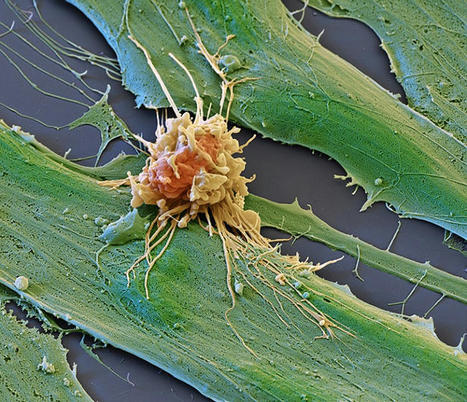


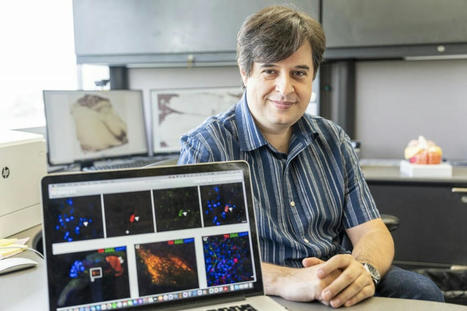


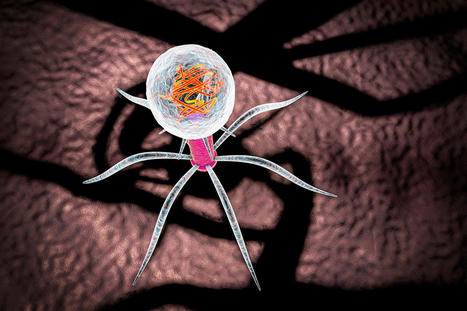


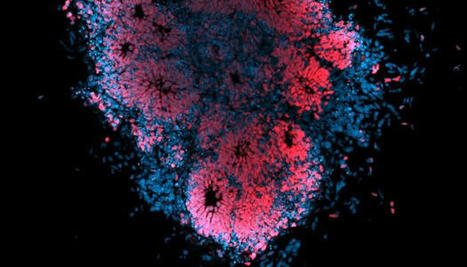
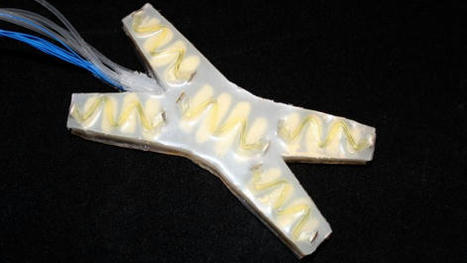


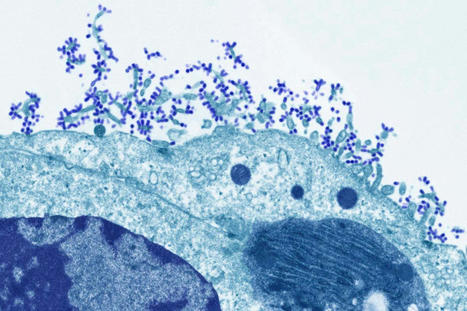


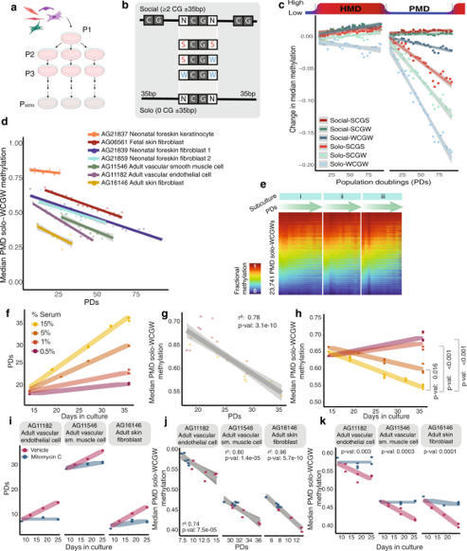






Researchers have bolstered the power of chimeric antigen receptor (CAR)-T cancer therapies, which use genetically altered T cells to seek out tumours and mark them for destruction. Now scientists have further engineered the cells to contain switches that allow control over when and where the cells are active. This helps them to infiltrate tumours and dodge immune-suppressing defences.