A series of major floods in Australia has made global headlines in recent years. People around the world were shocked to see Sydney, the city known for the 2000 Olympics, the Harbour Bridge, the Opera House, sunshine and Bondi beach culture inundated with flash floods this year. But were these floods a freak occurrence or a sign of things to come?
Recent research has found an alarming increase of at least 40% in the rate at which rain falls in the most intense rapid rain bursts in Sydney over the past two decades. This rapid increase in peak rainfall intensity has never been reported elsewhere, but may be happening in other parts of the world.
The findings of a recent study, published in Science, have major implications for the city’s preparedness for flash flooding. More intense downpours are likely to overwhelm stormwater systems that were designed for past conditions.
The study demonstrated the increases in the rate of rainfall of rapid rain bursts for each of three weather radars (at Newcastle, Terrey Hills and Wollongong). All radars showed a rate of change of at least 20% per decade. To increase the climate scientists' confidence, they also calculated the change for rapid rain bursts observed by two radars (Wollongong and Terrey Hills) at the same time. The rates of change in these storms are much higher (80-90% per decade) than for storms detected only by a single radar station.
One possible explanation could be these are more extreme storms that are well developed and can be seen by two radars simultaneously. So, it is possible that the change in rainfall rates for well-developed rapid rain bursts is even greater. A dangerous situation.
What if in our attempt to build artificial intelligence we don’t simulate neurons in code and mimic neural networks in Python, but instead build actual physical neurons connected by physical synapses in ways very similar to our own biological brains? And in so doing create neural networks that are 1000X more energy efficient than existing AI frameworks? That’s precisely what Rain Neuromorphics is trying to do: build a non-biological yet very human-style artificial brain.
Which at one and the same time uses much less energy and is much faster at learning than existing AI projects. And that learns, in short, kind of like we meatspace humans do. Plus, that is built with analog chips, not digital. “We have kind of two missions that are very complimentary: One of them is to build a brain and the other one is to actually understand it,” Gordon Wilson, the soft-spoken but deep-thinking CEO of Rain Neuromorphics told me in a recent TechFirst podcast. “Ultimately, we see these as kind of like Lego pieces that due to their low-power footprint, we’ll be able to concatenate together using things like chiplet integration, advanced packaging, and ultimately scale out these systems to be brain scale — 86 billion neurons, 500 trillion synapses — and low-power enough that they can exist in autonomous devices.”
Wilson seems to be in the habit of very quietly and unassumingly saying things that are essentially completely mind-blowing and world-altering. So quietly you almost miss the gargantuan scale of the scheme. Which, in this case, is nothing less than the Frankenstein project.
Wilson and co-founders Jack Kendall and Juan Nino started four years ago with a small seed round. Late last year the team taped together a demonstration chip that proves out at least some of their theories about building brain-analog hardware for artificial intelligence workloads via a completely analog chip. And just a month ago the team was rewarded with a $25 million funding round to finish that design, engineer it to be manufacturable, and bring it to market. Who is one of the investors? Artificial intelligence heavyweight and Open AI CEO Sam Altman.
Key to the project is the fact that Rain Neuromorphics is building an analog chip. This is very different than 99.9% of the computer chips on the market that reduce reality as they see it to binary: on or off, zeroes or ones. Those chips have to model the facts and relationships and verbs of computer programs with very precise digital math.
Analog chips, on the other hand, represent reality in a very natural way. “Digital chips are ... built on the very bottom on zeros and ones, on this Boolean logic of on or off, and all of the other logic is then constructed on top of that,” explains Wilson. “When you zoom down to the bottom of an analog chip, you don’t have zeros or ones, you have gradients of information. You have voltages and currents and resistances. You have physical quantities you are measuring, that represent the mathematical operations you’re performing, and you’re exploiting the relationship between those physical quantities to then perform these very complex neural operations.”
How does that work?vBy making physics do the work of computation for us, rather than brute-forcing it through a reality-screen of ones and zeroes.vSo when you’re building out a neural network and modeling it on how the human brain so incredibly efficiently learns, stores data, and executes decisions, you are more measuring conclusions than arriving at them, using the artificial neurons and synapses that you’ve built.
The new Stable Diffusion 2.0 release features many improvements, including new base models, a 4x upscaling model, and a depth-guided stable diffusion model. These new models offer many creative possibilities for image transformation and synthesis.
New features in v2 include:
•Base 512x512 and 768x768 models trained from scratch with new OpenCLIP text encoder
The new SD2 base model is trained from scratch using OpenCLIP-ViT/H text encoder (https://t.co/KITMz1bkYX), with quality improvements over V1. It is fine-tuned using v-prediction (https://t.co/MNYGSNbht1) to produce 768x768 images.
A new 4x up-scaling text-guided diffusion model, enabling resolutions of 2048x2048 (or even higher!), when combined with the new text-to-image models in this release.
This current model is conditioned on monocular depth estimates inferred via MiDaS (https://t.co/lnqy1UMVbb) and can be used for structure-preserving img2img and shape-conditional synthesis. There’ll be so many creative uses for this. For example, the depth2image model can be used to transform Emad (@EMostaque) into various things.
Depth2Image can offer all sorts of new creative applications, delivering transformations that look radically different from the original but which still preserve the coherence and depth of that image: https://t.co/N22OkVXkFJ
Also included is a new text-guided inpainting model, fine-tuned on the new Stable Diffusion 2.0 base text-to-image, which makes it super easy to switch out parts of an image intelligently and quickly: https://t.co/WjcjvQk5JV
Just like version 1, the model can run on one GPU. That feature makes it accessible to as many people as possible from the very start. When millions of people get their hands on these models, they collectively create some truly amazing things. https://t.co/rN4m2eVdUm
Shout-Outs:
Thanks to Hugging Face and in particular Apolinário for support with our model releases!
Stable Diffusion would not be possible without LAION and their efforts to create open, large-scale datasets.
The DeepFloyd team at Stability AI, for creating the subset of LAION-5B dataset used to train the model.
BOULDER, Colo., Oct. 27, 2022 (GLOBE NEWSWIRE) -- In a recent paper published earlier this month in Nature Scientific Reports, researchers at the National Institutes of Health (NIH) conducted what may be the largest technical assessment to date of the 7K SomaScan® Platform to measure its performance and to support the platform's growing popularity among users. The NIH researchers found the platform's extensive human proteome coverage, sensitivity and consistently low variability to be a particular strength and describe the key advantages over other proteomic approaches.
SomaScan is a high-throughput, aptamer-based proteomics assay designed for the simultaneous measurement of thousands of proteins with a broad range of endogenous concentrations. In its most current version, the 7k SomaScan assay v4.1 is capable of measuring 7288 human proteins. The authors of the paper present an extensive technical assessment of this platform based on a study of 2050 samples across 22 plates. Included in the study design were inter-plate technical duplicates from 102 human subjects, which allowed us to characterize different normalization procedures, evaluate assay variability by multiple analytical approaches, present signal-over-background metrics, and discuss potential specificity issues. By providing detailed performance assessments on this wide range of technical aspects, we aim for this work to serve as a valuable resource for the growing community of SomaScan users.
Concurrently with its wider adoption, the proteome coverage of SomaScan has increased over time, from roughly 800 SOMAmers in 2009, to 1,100 in 2012, 1,300 in 2015, 5,000 in 2018, and the most recent 7,000 protein assay available since 2020. Using 2, 624 samples analyzed between 2015 and 2017, teams at the U.S. National Institutes of Health (NIH) performed in-depth analyses to assess the technical features of the 1.1k and 1.3k SomaScan assays, including normalization procedures and their variability12, later followed by technical assessments from other laboratories13,14,15,16. However, no comprehensive technical assessments have been performed on the newest 7k SomaScan assay until now with this present study, presented here.
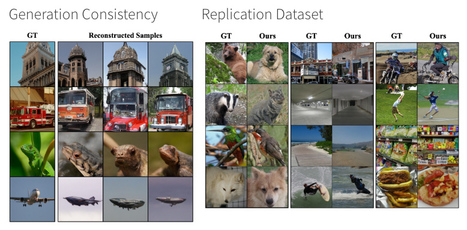
For the first time, we show that non-invasive brain recordings can be used to decode images with similar performance as invasive measures.
Decoding visual stimuli from brain recordings aims to deepen our understanding of the human visual system and build a solid foundation for bridging human vision and computer vision through the Brain-Computer Interface. However, due to the scarcity of data annotations and the complexity of underlying brain information, it is challenging to decode images with faithful details and meaningful semantics.
In this work, AI scientists present MinD-Vis: Sparse Masked Brain Modeling with Double-Conditioned Diffusion Model for Vision Decoding. Specifically, by boosting the information capacity of representations learned in a large-scale resting-state fMRI dataset, they were able to show that the MinD-Vis framework reconstructed highly plausible images with semantically matching details from brain recordings with very few training pairs. The benchmarked model and its correlated method outperformed state-of-the-arts in both semantic mapping (100-way semantic classification) and generation quality (FID) by 66% and 41%, respectively. Exhaustive ablation studies are conducted to analyze this framework.
A human visual decoding system that only reply on limited annotations. State-of-the-art 100-way top-1 classification accuracy on GOD dataset: 23.9%, outperforming the previous best by 66%. State-of-the-art generation quality (FID) on GOD dataset: 1.67, outperforming the previous best by 41%.
The technology could allow scientists to both capture CO2 and transform it into useful chemicals such as carbon monoxide and synthetic natural gas in one circular process.
Dr Melis Duyar, Senior Lecturer of Chemical Engineering at the University of Surrey commented: “Capturing CO2 from the surrounding air and directly converting it into useful products is exactly what we need to approach carbon neutrality in the chemicals sector. This could very well be a milestone in the steps needed for the UK to reach its 2050 net-zero goals. We need to get away from our current thinking on how we produce chemicals, as current practices rely on fossil fuels which are not sustainable. With this technology we can supply chemicals with a much lower carbon footprint and look at replacing fossil fuels with carbon dioxide and renewable hydrogen as the building blocks of other important chemicals.”
The technology uses patent-pending switchable Dual Function Materials (DFMs), that capture carbon dioxide on their surface and catalyse the conversion of captured CO2 directly into chemicals. The “switchable” nature of the DFMs comes from their ability to produce multiple chemicals depending on the operating conditions or the composition of the added reactant. This makes the technology responsive to variations in demand for chemicals as well as availability of renewable hydrogen as a reactant.
Dr Duyar continued: “These outcomes are a testament to the research excellence at Surrey, with continuously improving facilities, internal funding schemes and a collaborative culture.”
Loukia-Pantzechroula Merkouri, Postgraduate student leading this research at the University of Surrey added: “Not only does this research demonstrate a viable solution to the production of carbon neutral fuels and chemicals, but it also offers an innovative approach to combat the ever-increasing CO2 emissions contributing to global warming.”
Leprosy is one of the world’s oldest and most persistent diseases but the bacteria that cause it may also have the surprising ability to grow and regenerate a vital organ.
Scientists have discovered that parasites associated with leprosy can reprogram cells to increase the size of a liver in adult animals without causing damage, scarring or tumors. The findings suggest the possibility of adapting this natural process to renew aging livers and increase healthy lifespan -- the length of time living disease-free -- in humans.
Experts say it could also help regrow damaged livers, thereby reducing the need for transplantation, which is currently the only curative option for people with end-stage scarred livers. Previous studies promoted the regrowth of mouse livers by generating stem cells and progenitor cells -- the step after a stem cell that can become any type of cell for a specific organ -- via an invasive technique that often resulted in scarring and tumor growth.
To overcome these harmful side-effects, Edinburgh researchers built on their previous discovery of the partial cellular reprogramming ability of the leprosy-causing bacteria, Mycobacterium leprae. Working with the US Department of Health and Human Services in Baton Rouge, Louisiana, the team infected 57 armadillos -- a natural host of leprosy bacteria -- with the parasite and compared their livers with those of uninfected armadillos and those that were found to be resistant to infection.
They found that the infected animals developed enlarged -- yet healthy and unharmed -- livers with the same vital components, such as blood vessels, bile ducts and functional units known as lobules, as the uninfected and resistant armadillos. The team believe the bacteria 'hijacked' the inherent regenerative ability of the liver to increase the organ's size and, therefore, to provide it with more cells within which to increase.
They also discovered several indicators that the main kinds of liver cells -- known as hepatocytes -- had reached a "rejuvenated" state in the infected armadillos. Livers of the infected armadillos also contained gene expression patterns -- the blueprint for building a cell -- similar to those in younger animals and human fetal livers.
Genes related to metabolism, growth and cell proliferation were activated and those linked with aging were down-regulated, or suppressed.
Scientists think this is because the bacteria reprogramed the liver cells, returning them to the earlier stage of progenitor cells, which in turn became new hepatocytes and grow new liver tissues.
The team are hopeful that the discovery has the potential to help develop interventions for aging and damaged livers in humans. Liver diseases currently result in two million deaths a year worldwide.
It's a good question, but it's not the right question -- yet. An international collaboration of scientists led by NAU researcher Jut Wynne has dozens of questions we need asked and answered. Once we figure out how to study caves on the Moon, Mars and other planetary bodies, then we can return to that question.
Wynne, an assistant research professor of cave ecology, is the lead author of two related studies, both published in a special collection of papers on planetary caves by the Journal of Geophysical Research Planets. The first, "Fundamental Science and Engineering Questions in Planetary Cave Research," was done by an interdisciplinary team of 31 scientists, engineers and astronauts who produced a list of 198 questions that they, working with another 82 space and cave scientists and engineers, narrowed down to the 53 most important.
Harnessing the knowledge of a considerable swath of the space science community, this work is the first study designed to identify the research and engineering priorities to advance the study of planetary caves. The team hopes their work will inform what will ultimately be needed to support robotic and human missions to a planetary cave -- namely on the Moon and/or Mars.
The second, "Planetary Caves: A Solar System View of Products and Processes," was born from the first study. Wynne realized there had been no effort to catalog planetary caves across the solar system, which is another important piece of the big-picture puzzle. He assembled another team of planetary scientists to tackle that question.
"With the necessary financial investment and institutional support, the research and technological development required to achieve these necessary advancements over the next decade are attainable," Wynne said. "We now have what I hope will become two foundational papers that will help propel planetary cave research from an armchair contemplative exercise to robots probing planetary subsurfaces."
What do we know about extraterrestrial caves?
There are a lot of them. Scientists have identified at least 3,545 potential caves on 11 different moons and planets throughout the solar system, including the Moon, Mars and moons of Jupiter and Saturn. Cave formation processes have even been identified on comets and asteroids. If the surrounding environment allows for access into the subsurface, that presents an opportunity for scientific discovery that's never been available before.
The discoveries in these caves could be massive. Caves may one day allow scientists to "peer into the depths" of these rocky and icy bodies, which will provide insights into how they were formed (but also can provide further insights into how Earth was formed). They could also, of course, hold secrets of life.
"Caves on many planetary surfaces represent one of the best environments to search for evidence of extinct or perhaps extant lifeforms," Wynne said. "For example, as Martian caves are sheltered from deadly surface radiation and violent windstorms, they are more likely to exhibit a more constant temperature regime compared to the surface, and some may even contain water ice. This makes caves on Mars one of the most important exploration targets in the search for life." And it's not just finding life -- these same factors make caves good locations for astronaut shelters on Mars and the Moon when crewed missions are able to explore.
"Radiation shielding will be essential for human exploration of the Moon and Mars," said Leroy Chiao, a retired astronaut, former commander of the International Space Station and co-author of the first paper. "One possible solution is to utilize caves for this purpose. The requirements for astronaut habitats, EVA suits and equipment should take cave exploration and development into consideration, for protection from both solar and galactic cosmic radiation."
Last year, MIT researchers announced that they had built “liquid” neural networks, inspired by the brains of small species: a class of flexible, robust machine learning models that learn on the job and can adapt to changing conditions, for real-world safety-critical tasks, like driving and flying. The flexibility of these “liquid” neural nets meant boosting the bloodline to our connected world, yielding better decision-making for many tasks involving time-series data, such as brain and heart monitoring, weather forecasting, and stock pricing.
But these models become computationally expensive as their number of neurons and synapses increase and require clunky computer programs to solve their underlying, complicated math. And all of this math, similar to many physical phenomena, becomes harder to solve with size, meaning computing lots of small steps to arrive at a solution.
Now, the same team of scientists has discovered a way to alleviate this bottleneck by solving the differential equation behind the interaction of two neurons through synapses to unlock a new type of fast and efficient artificial intelligence algorithms. These modes have the same characteristics of liquid neural nets — flexible, causal, robust, and explainable — but are orders of magnitude faster, and scalable. This type of neural net could therefore be used for any task that involves getting insight into data over time, as they’re compact and adaptable even after training — while many traditional models are fixed.
The models, dubbed a “closed-form continuous-time” (CfC) neural network, outperformed state-of-the-art counterparts on a slew of tasks, with considerably higher speedups and performance in recognizing human activities from motion sensors, modeling physical dynamics of a simulated walker robot, and event-based sequential image processing. On a medical prediction task, for example, the new models were 220 times faster on a sampling of 8,000 patients.
The new paper on the work is published in Nature Machine Intelligence.
Do the laws of physics place a hard limit on how far technology can develop, or could an advanced civilization re-write those laws?
Are there limits to technology? Can a species become so advanced that it could actually re-engineer physics?
One brilliant article explored the rules of physics and asked which ones might have been rewritten by a sufficiently advanced form of life.
It is wonderful to imagine the ways a civilization could move past what we know of the physical world. But it is also possible that the physics we know today severely limits life and what it can do.
If you are going to look for evidence of technologically advanced civilizations in the Universe, you must start by considering what, exactly, you might be looking for. My colleagues and I in the NASA-sponsored Categorizing Atmospheric Technosignatures program spend a lot of time thinking about this. But there is a question that haunts me as much as it challenges the project: How far can a civilization go as it advances?
This question relates directly to the Kardashev scale, a topic we have covered before. The Kardashev scale is all about energy harvesting. A Type I civilization in Kardashev’s scheme can capture all of the energy falling on its home planet. A Type II civilization can capture all of the energy generated by a star, and a Type III can do the same for an entire galaxy. Harvesting the energy output of a whole galaxy seems pretty advanced indeed, yet we could take the idea further. Might there be Type IV civilization, or a Type V? Are there any limits at all to the advance of a technological species — and if so, where are those limits found?
Any attempt to think along these lines is speculation of the purest kind. Today, however, I am going to do just that. Why? First of all, because it is fun. But also because this is a route that some of the world’s best science fiction has traveled before, in books such as Stanislaw Lem’s His Master’s Voice, and in the movie Interstellar.
Meddling with dark matter
Kardashev envisioned civilizations that are still subject to the laws of physics. The Universe gives these laws to them just as they are given to us. We cannot change these laws — we can only use them more or less efficiently. But what if a civilization becomes so advanced that it can in fact change those laws? This civilization would have gone well beyond merely harvesting energy. The very nature of energy itself, with established rules like energy conservation, would be subject to revision within the scope of engineering.
Astrophysicist Caleb Scharf explored this kind of question in a piece entitled, “Is Physical Law an Alien Intelligence?” The work is a masterpiece of creative invention. Scharf explored the rules of physics and asked which ones might have been rewritten by a sufficiently advanced form of life.
One eyebrow-raising possibility concerned dark matter. When astronomers track the motions of galaxies and clusters of galaxies, they find a problem: There is not enough mass to cause the forces needed to drive the observed motions. To solve this problem, astronomers assume there must be a lot of matter that cannot be seen. This means it does not emit light, which means it does not interact with the luminous stuff we see in any way other than through gravity. Hence the claim that the Universe is mostly full of “dark” matter. But for the sake of speculation, Scharf wondered if dark matter’s lack of interactions might not be a consequence of natural law, but rather the engineered result of an advanced civilization’s meddling.
Perhaps, Scharf asked, the best way for life to avoid catastrophes like radiation torrents or blast waves from exploding stars would be to disconnect almost entirely from the Universe. Using a 3-D “normal to dark matter” printer, you could, as Scharf puts it, “upload your world to the huge amount of real estate on the dark side and be done with it.”
Scharf had also other ideas, such as a hyper-advanced civilization accelerating the expansion of the Universe — something we now attribute to so-called dark energy. Scharf mused that a sufficiently advanced civilization might actually be the cause of the acceleration. Perhaps they are using it to prevent the eventual heat death of the Universe and to ensure that disorder does not overwhelm the cosmos.
How different does sunset appear from Mars than from Earth?
For comparison, two images of our common star were taken at sunset, one from Earth and one from Mars. These images were scaled to have same angular width and featured here side-by-side. A quick inspection will reveal that the Sun appears slightly smaller from Mars than from Earth. This makes sense since Mars is 50% further from the Sun than Earth. More striking, perhaps, is that the Martian sunset is noticeably bluer near the Sun than the typically orange colors near the setting Sun from Earth. The reason for the blue hues from Mars is not fully understood, but thought to be related to forward scattering properties of Martian dust.
Accurately moving to a musical beat was thought to be a skill innately unique to humans. However, new research now shows that rats also have this ability. The optimal tempo for nodding along was found to depend on the time constant in the brain (the speed at which our brains can respond to something), which is similar across all species. This means that the ability of our auditory and motor systems to interact and move to music may be more widespread among species than previously thought. This new discovery offers not only further insight into the animal mind, but also into the origins of our own music and dance.
Can you move to the beat, or do you have two left feet? Apparently, how well we can time our movement to music depends somewhat on our innate genetic ability, and this skill was previously thought to be a uniquely human trait. While animals also react to hearing noise, or might make rhythmic sounds, or be trained to respond to music, this isn't the same as the complex neural and motor processes that work together to enable us to naturally recognize the beat in a song, respond to it or even predict it. This is referred to as beat synchronicity.
Only relatively recently, research studies (and home videos) have shown that some animals seem to share our urge to move to the groove. A new paper by a team at the University of Tokyo provides evidence that rats are one of them. "Rats displayed innate -- that is, without any training or prior exposure to music -- beat synchronization most distinctly within 120-140 bpm (beats per minute), to which humans also exhibit the clearest beat synchronization," explained Associate Professor Hirokazu Takahashi from the Graduate School of Information Science and Technology.
"The auditory cortex, the region of our brain that processes sound, was also tuned to 120-140 bpm, which we were able to explain using our mathematical model of brain adaptation." But why play music to rats in the first place? "Music exerts a strong appeal to the brain and has profound effects on emotion and cognition. To utilize music effectively, we need to reveal the neural mechanism underlying this empirical fact," said Takahashi. "I am also a specialist of electrophysiology, which is concerned with electrical activity in the brain, and have been studying the auditory cortex of rats for many years."
The team had two alternate hypotheses: The first was that the optimal music tempo for beat synchronicity would be determined by the time constant of the body. This is different between species and much faster for small animals compared to humans (think of how quickly a rat can scuttle). The second was that the optimal tempo would instead be determined by the time constant of the brain, which is surprisingly similar across species.
"After conducting our research with 20 human participants and 10 rats, our results suggest that the optimal tempo for beat synchronization depends on the time constant in the brain," said Takahashi. "This demonstrates that the animal brain can be useful in elucidating the perceptual mechanisms of music." The rats were fitted with wireless, miniature accelerometers, which could measure the slightest head movements. Human participants also wore accelerometers on headphones. They were then played one-minute excerpts from Mozart's Sonata for Two Pianos in D Major, K. 448, at four different tempos: Seventy-five percent, 100%, 200% and 400% of the original speed. The original tempo is 132 bpm and results showed that the rats' beat synchronicity was clearest within the 120-140 bpm range. The team also found that both rats and humans jerked their heads to the beat in a similar rhythm, and that the level of head jerking decreased the more that the music was sped up.
"To the best of our knowledge, this is the first report on innate beat synchronization in animals that was not achieved through training or musical exposure," said Takahashi. "We also hypothesized that short-term adaptation in the brain was involved in beat tuning in the auditory cortex. We were able to explain this by fitting our neural activity data to a mathematical model of the adaptation. Furthermore, our adaptation model showed that in response to random click sequences, the highest beat prediction performance occurred when the mean interstimulus interval (the time between the end of one stimulus and the start of another) was around 200 milliseconds. This matched the statistics of internote intervals in classical music, suggesting that the adaptation property in the brain underlies the perception and creation of music."
Drivers can struggle to see when driving at night in a rainstorm or snowstorm, but a smart headlight system invented by researchers at Carnegie Mellon University's Robotics Institute can improve visibility by constantly redirecting light to shine between particles of precipitation. The system, demonstrated in laboratory tests, prevents the distracting and sometimes dangerous glare that occurs when headlight beams are reflected by precipitation back toward the driver.
The first headlights to adorn automobiles weren’t all that much better than squinting real hard and hoping any cows in the road had the good sense to move out of your way. The dim light cast by early kerosene oil and acetylene gas lamps made most travel after dark a fool’s errand.
Today, of course, the latest generation of headlights work much like modern televisions with tightly packed arrays of pixelated lights blinking at up to 5,000 times a second, allowing drivers to essentially use high and low beams at the same time. Until very recently, however, cutting-edge features like that weren’t allowed on vehicles sold in the US due to an NHTSA regulation set in the 1960s. But thanks to a multi-year lobbying effort on the part of Toyota, those regulations changed this last February — now America’s roadways are about to become a bit brighter and a whole lot safer.
Following the short-lived idea of using open flames to light the way, the first electric headlights appeared on the 1912 Cadillac Model 30 and, by the next decade, were quickly becoming mandatory equipment across the nation. The first split-intensity headlights offering separate low and high beams were produced in 1915 but wouldn’t be included in a vehicle’s OEM design until in 1924 and the floor-mounted switch that controlled them wouldn’t be invented until three years after that — a full decade of having to get out of the car just to turn your lights on and blink between brightnesses!
The advent of sealed beam headlights with filaments for both low and high beams in 1954, and its widespread adoption by 1957, proved a massive technological leap. With low beams for dusk and evening driving, and high beams for late night travel on otherwise unlit roads, these new headlights would drastically extend the hours of day a car could safely be on the road.
The first halogen light, which would itself quickly become a global standard, debuted in 1962. But halogens at that time were about as popular in the US as the metric system — we still preferred tungsten incandescents. That changed with the passage of the Motor Vehicle Safety Act of 1966 and the formation of the National Highway Transportation Authority (the NHTSA) in 1968, which took the existing hodge-podge of state-level vehicular regulations and federalized them, as well as the formal adoption that year of Federal Motor Vehicle Safety Standard (FMVSS) 108, which dictated that all headlights be constructed of sealed beams.
Credit: Srinivasa Narasimhan/Carnegie Mellon University
Text-to-Image models have introduced a remarkable leap in the evolution of machine learning, demonstrating high-quality synthesis of images from a given text-prompt. However, these powerful pretrained models still lack control handles that can guide spatial properties of the synthesized images.
In this work, the authors introduce a universal approach to guide a pretrained text-to-image diffusion model, with a spatial map from another domain (e.g., sketch) during inference time. Unlike previous works, this new method does not require to train a dedicated model or a specialized encoder for the task. The key idea here is to train a Latent Guidance Predictor (LGP) - a small, per-pixel, Multi-Layer Perceptron (MLP) that maps latent features of noisy images to spatial maps, where the deep features are extracted from the core Denoising Diffusion Probabilistic Model (DDPM) network. The LGP is trained only on a few thousand of images and constitutes a differential guiding map predictor, over which the loss is computed and propagated back to push the intermediate images to agree with the spatial map. The per-pixel training offers flexibility and locality which allows the technique to perform well on out-of-domain sketches, including free-hand style drawings. A particular focus is taken on the sketch-to-image translation task, revealing a robust and expressive way to generate images that follow the guidance of a sketch of arbitrary style or domain.
A new discovery in the fight against COVID-19 could lead to a long-lasting vaccine that works on all currently known variants of the ever-mutating virus. With new COVID variants and subvariants evolving faster and faster, each chipping away at the effectiveness of the leading vaccines, the hunt is on for a new kind of vaccine — one that works equally well on current and future forms of a novel coronavirus.
Recently, researchers at the National Institutes of Health (NIH) in Maryland think they have found a new approach to vaccine design that could lead them to a long-lasting jab. As an added bonus, it also might also work on other coronaviruses, not just the SARS-CoV-2 virus that causes COVID-19.
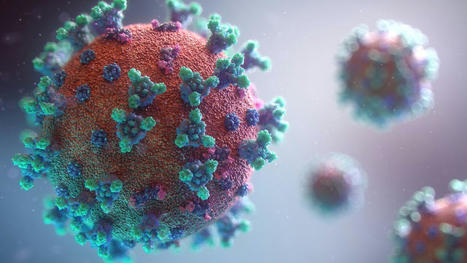
The NIH team reported its findings in a peer-reviewed study that appeared in the journal Cell Host & Microbe earlier this month. The key to the NIH’s potential vaccine design is a part of the virus called the “spine helix.” It’s a coil-shaped structure inside the spike protein, the part of the virus that helps it grab onto and infect host cells. Lots of current vaccines target the spike protein. But none of them specifically target the spine helix. And yet, there are good reasons to focus on that part of the pathogen.
Whereas many regions of the spike protein tend to change a lot as the virus mutates, the spine helix doesn’t. That gives scientists “hope that an antibody targeting this region will be more durable and broadly effective,” Joshua Tan, the lead scientist on the NIH team, told The Daily Beast. Vaccines that target and “bind,” say, the receptor-binding domain region of the spike protein might lose effectiveness if the virus evolves within that region. The great thing about the spine helix, from an immunological standpoint, is that it doesn’t mutate. At least, it hasn’t mutated yet, three years into the COVID pandemic. So a vaccine that binds the spine helix in SARS-CoV-2 should hold up for a long time. And it should also work on all the other coronaviruses that also include the spine helix—and there are dozens of them, including several such as SARS-CoV-1 and MERS that have already made the leap from animal populations and caused outbreaks in people.
To test their hypothesis, the NIH researchers extracted antibodies from 19 recovering COVID patients and tested them on samples of five different coronaviruses, including SARS-CoV-2, SARS-CoV-1 and MERS. Of the 55 different antibodies, most zeroed in on parts of the virus that tend to mutate a lot. Just 11 targeted the spine helix. But those 11 that went after the spine helix worked better, on average, on four of the coronaviruses. A fifth virus, HCoV-NL63, shrugged off all the antibodies.
The NIH team isolated the best spine-helix antibody, COV89-22, and also tested it on hamsters infected with the latest subvariants of the Omicron variant of COVID. “Hamsters treated with COV89-22 showed a reduced pathology score,” the team found. The results are promising. “These findings identify a class of antibodies that broadly neutralize coronaviruses by targeting the stem helix,” the researchers wrote. Don’t break out the champagne quite yet.
“Although these data are useful for vaccine design, we have not performed vaccination experiments in this study and thus cannot draw any definitive conclusions with regard to the efficacy of stem helix-based vaccines,” the NIH team warned. It’s one thing to test a few antibodies on hamsters. It’s another to develop, run trials with and get approval for a whole new class of vaccine. “It is really hard and most things that start out as good ideas fail for one reason or another,” James Lawler, an infectious disease expert at the University of Nebraska Medical Center, told The Daily Beast. And while the spine-helix antibodies appear to be broadly effective, it’s unclear how they stack up against antibodies that are more specific. In other words, a spine-helix jab might work against a bunch of different but related viruses, but work less well against any one virus than a jab that’s tailored specifically for that virus. “Further experiments need to be done to evaluate if they will be sufficiently protective in humans,” Tan said of the spine-helix antibodies.
There’s a lot of work to do before a spine-helix vaccine might be available at the corner pharmacy. And there are a lot of things that could derail that work. Additional studies could contradict the NIH team’s results. The new vaccine design might not work as well on people as it does on hamsters. The new jab could also turn out to be unsafe, impractical to produce or too expensive for widespread distribution. Barton Haynes, a Duke University immunologist, told The Daily Beast he looked at spine-helix vaccine designs last year and concluded they’d be too costly to warrant major investment. The main problem, he said, is that the spine-helix antibodies are less potent and “tough to induce” from their parent B-cells. The harder the pharmaceutical industry has to work to produce a vaccine, and the more vaccine it has to pack into a single dose in order to compensate for lower potency, the less cost-effective a vaccine becomes for mass-production. Maybe a spine-helix jab is in our future. Or maybe not.
Either way, it’s encouraging that scientists are making incremental progress toward a more universal coronavirus vaccine. One that could work for many years on a wide array of related viruses. COVID for one isn’t going anywhere. And with each mutation, it risks becoming unrecognizable to the current vaccines. What we need is a vaccine that’s mutation-proof.
Publication cited published in Cell Host and Microbe (Nov. 7, 2022):
Phages probably picked up DNA-cutting systems from their microbial hosts, and may use them to fight other viruses. A systematic sweep of viral genomes has revealed a trove of potential CRISPR-based genome-editing tools.
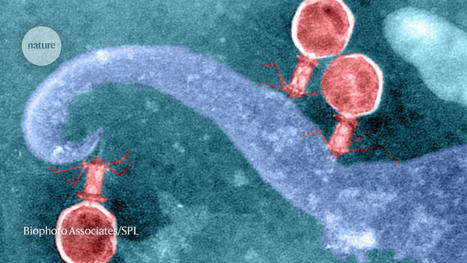
CRISPR–Cas systems are common in the microbial world of bacteria and archaea, where they often help cells to fend off viruses. But an analysis1 published on 23 November 2022 in Cell finds CRISPR–Cas systems in 0.4% of publicly available genome sequences from viruses that can infect these microbes.
Researchers think that the viruses use CRISPR–Cas to compete with one another — and potentially also to manipulate gene activity in their host to their advantage. Some of these viral systems were capable of editing plant and mammalian genomes, and possess features — such as a compact structure and efficient editing — that could make them useful in the laboratory.
“This is a significant step forward in the discovery of the enormous diversity of CRISPR–Cas systems,” says computational biologist Kira Makarova at the US National Center for Biotechnology Information in Bethesda, Maryland. “There is a lot of novelty discovered here.”
DNA-cutting defenses
Although best known as a tool used to alter genomes in the laboratory, CRISPR–Cas can function in nature as a rudimentary immune system. About 40% of sampled bacteria and 85% of sampled archaea have CRISPR–Cas systems. Often, these microbes can capture pieces of an invading virus’s genome, and store the sequences in a region of their own genome, called a CRISPR array. CRISPR arrays then serve as templates to generate RNAs that direct CRISPR-associated (Cas) enzymes to cut the corresponding DNA. This can allow microbes carrying the array to slice up the viral genome and potentially stop viral infections. Viruses sometimes pick up snippets of their hosts’ genomes, and researchers had previously found isolated examples of CRISPR–Cas in viral genomes. If those stolen bits of DNA give the virus a competitive advantage, they could be retained and gradually modified to better serve the viral lifestyle. For example, a virus that infects the bacterium Vibrio cholera uses CRISPR–Cas to slice up and disable DNA in the bacterium that encodes antiviral defences2.
Molecular biologist Jennifer Doudna and microbiologist Jillian Banfield at the University of California, Berkeley, and their colleagues decided to do a more comprehensive search for CRISPR–Cas systems in viruses that infect bacteria and archaea, known as phages. To their surprise, they found about 6,000 of them, including representatives of every known type of CRISPR–Cas system. “Evidence would suggest that these are systems that are useful to phages,” says Doudna. The team found a wide range of variations on the usual CRISPR–Cas structure, with some systems missing components and others unusually compact. “Even if phage-encoded CRISPR–Cas systems are rare, they are highly diverse and widely distributed,” says Anne Chevallereau, who studies phage ecology and evolution at the French National Centre for Scientific Research in Paris. “Nature is full of surprises.”
Small, but efficient
Viral genomes tend to be compact, and some of the viral Cas enzymes were remarkably small. This could offer a particular advantage for genome-editing applications, because smaller enzymes are easier to shuttle into cells. Doudna and her colleagues focused on a particular cluster of small Cas enzymes called Casλ, and found that some of them could be used to edit the genomes of lab-grown cells from thale cress (Arabidopsis thaliana), wheat, as well as human kidney cells. The results suggest that viral Cas enzymes could join a growing collection of gene-editing tools discovered in microbes.
Although researchers have uncovered other small Cas enzymes in nature, many of those have so far been relatively inefficient for genome-editing applications, says Doudna. By contrast, some of the viral Casλ enzymes combine both small size and high efficiency. In the meantime, researchers will continue to search microbes for potential improvements to known CRISPR–Cas systems.
Makarova anticipates that scientists will also be looking for CRISPR–Cas systems that have been picked up by plasmids — bits of DNA that can be transferred from microbe to microbe. “Each year we have thousands of new genomes becoming available, and some of them are from very distinct environments,” she says. “So it’s really going to be interesting.”
Cette découverte souligne la richesse et la diversité des CRISPR dans la nature même si leur présence est faible dans les génomes viraux. Ces systèmes viraux pourraient élargir les outils disponibles pour l ‘édition génomique, en raison de leur caractéristiques efficaces et compactes. De plus elle met en evidence l’évolution adaptative des bacteriophages qui exploitent ce mécanisme a leur avantage. Ce mécanisme ouvre les voies de l’innovation biotechnologique
Monkeypox has infected more than 77,000 people in more than 100 countries worldwide, and—similar to COVID-19—mutations have enabled the virus to grow stronger and smarter, evading antiviral drugs and vaccines in its mission to infect more people. Now, a team of researchers at the University of Missouri have identified the specific mutations in the monkeypox virus that contribute to its continued infectiousness. The findings could lead to several outcomes: modified versions of existing drugs used to treat people suffering from monkeypox or the development of new drugs that account for the current mutations to increase their effectiveness at reducing symptoms and the spread of the virus. Kamlendra Singh, a professor in the MU College of Veterinary Medicine and Christopher S. Bond Life Sciences Center principal investigator, collaborated with Shrikesh Sachdev, Shree Lekha Kandasamy and Hickman High School student Saathvik Kannan, to analyze the DNA sequences of more 200 strains of monkeypox virus spanning multiple decades, from 1965, when the virus first started spreading, to outbreaks in the early 2000s and again in 2022. "By doing a temporal analysis, we were able to see how the virus has evolved over time, and a key finding was the virus is now accumulating mutations specifically where drugs and antibodies from vaccines are supposed to bind," Sachdev said. "So, the virus is getting smarter, it is able to avoid being targeted by drugs or antibodies from our body's immune response and continue to spread to more people."
Needles in a haystack
Singh has been studying virology and DNA genome replication for nearly 30 years. He said the homology, or structure, of the monkeypox virus is very similar to the vaccinia virus, which has been used as a vaccine to treat smallpox. This enabled Singh and his collaborators to create an accurate, 3D computer model of the monkeypox virus proteins and identify both where the specific mutations are located and what their functions are in contributing to the virus becoming so infectious recently. "Our focus is on looking at the specific genes involved in copying the virus genome, and monkeypox is a huge virus with approximately 200,000 DNA bases in the genome," Singh said. "The DNA genome for monkeypox is converted into nearly 200 proteins, so it comes with all the 'armor' it needs to replicate, divide and continue to infect others. Viruses will make billions of copies of itself and only the fittest will survive, as the mutations help them adapt and continue to spread." Kannan and Kandasamy examined five specific proteins while analyzing the monkeypox virus strains: DNA polymerase, DNA helicase, bridging protein A22R, DNA glycosylase and G9R. "When they sent me the data, I saw that the mutations were occurring at critical points impacting DNA genome binding, as well as where drugs and vaccine-induced antibodies are supposed to bind," Singh said. "These factors are surely contributing to the virus' increased infectivity. This work is important because the first step toward solving a problem is identifying where the problem is specifically occurring in the first place, and it is a team effort."
The evolution of viruses
Researchers continue to question how the monkeypox virus has evolved over time. The efficacy of current CDC-approved drugs to treat monkeypox have been suboptimal, likely because they were originally developed to treat HIV and herpes but have since received emergency use authorization in an attempt to control the recent monkeypox outbreak. "One hypothesis is when patients were being treated for HIV and herpes with these drugs, they may have also been infected with monkeypox without knowing, and the monkeypox virus got smarter and mutated to evade the drugs," Singh said. "Another hypothesis is the monkeypox virus may be hijacking proteins we have in our bodies and using them to become more infectious and pathogenic." Singh and Kannan have been collaborating since the COVID-19 pandemic began in 2020, identifying the specific mutations causing COVID-19 variants, including Delta and Omicron. Kannan was recently recognized by the United Nations for supporting their 'Sustainable Development Goals,' which help tackle the world's greatest challenges. "I could not have done this research without my team members, and our efforts have helped scientists and drug developers assist with these virus outbreaks, so it is rewarding to be a part of it," Singh said. "Mutations in the monkeypox virus replication complex: Potential contributing factors to the 2022 outbreak" was recently published in Journal of Autoimmunity. Co-authors on the study include Shrikesh Sachdev, Athreya Reddy, Shree Lekha Kandasamy, Siddappa Byrareddy, Saathvik Kannan and Christian Lorson.
Research cited published in Journal of Autoimmunity (Dec. 22, 2022):
Acquista Online La Prescrizione Di Perdita Di Peso Crediamo che i farmaci a volte possano essere molto urgenti da assumere. Se hai urgente bisogno di farmaci, possiamo anche fornirti una consegna espressa,
A new type of material can learn and improve its ability to deal with unexpected forces thanks to a unique lattice structure with connections of variable stiffness, as described in a new paper. The new material is a type of architected material, which gets its properties mainly from the geometry and specific traits of its design rather than what it is made out of. Take hook-and-loop fabric closures like Velcro, for example. It doesn’t matter whether it is made from cotton, plastic or any other substance. As long as one side is a fabric with stiff hooks and the other side has fluffy loops, the material will have the sticky properties of Velcro.
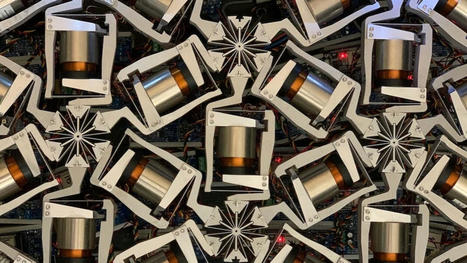
The new material’s architecture is based on that of an artificial neural network—layers of interconnected nodes that can learn to do tasks by changing how much importance, or weight, they place on each connection. Theoretically, such a mechanical lattice with physical nodes could be trained to take on certain mechanical properties by adjusting each connection’s rigidity.
To find out if a mechanical lattice indeed would be able to adopt and maintain new properties—like taking on a new shape or changing directional strength—scientists started off by building a computer model. They then selected a desired shape for the material as well as input forces and had a computer algorithm tune the tensions of the connections so that the input forces would produce the desired shape. They did this training on 200 different lattice structures and found that a triangular lattice was best at achieving all of the shapes tested.
Once the many connections are tuned to achieve a set of tasks, the material will continue to react in the desired way. The training is—in a sense—remembered in the structure of the material itself.
The researchers then built a physical prototype lattice with adjustable electromechanical springs arranged in a triangular lattice. The prototype is made of 6-inch connections and is about 2 feet long by 1½ feet wide. And it worked beautifully. When the lattice and algorithm worked together, the material was able to learn and change shape in particular ways when subjected to different forces. The scientists call this new material a mechanical neural network.
Lithium-ion (Li-ion) batteries are used to power everything from smart watches to electric vehicles, thanks to the large amounts of energy they can store in small spaces. When overheated, however, they’re prone to catching fire or even exploding. But recent research published in ACS’ Nano Letters offers a possible solution witha new technology that can swiftly put the brakes on a Li-ion battery, shutting it down when it gets too hot.
The chemistry found in many batteries is essentially the same: Electrons are shuttled through an electronic device in a circuit from one electrode in the battery to another. But in a Li-ion cell, the electrolyte liquid that separates these electrodes can evaporate when it overheats, causing a short circuit. In certain cases, short circuiting can lead to thermal runaway, a process in which a cell heats itself uncontrollably. When multiple Li-ion cells are chained together — such as in electric vehicles — thermal runaway can spread from one unit to the next, resulting in a very large, hard-to-fight fire. To prevent this, some batteries now have fail-safe features, such as external vents, temperature sensors or flame-retardant electrolytes. But these measures often either kick in too late or harm performance. So, Yapei Wang, Kai Liu and colleagues wanted to create a Li-ion battery that could shut itself down quickly, but also work just as well as existing technologies.
The researchers used a thermally-responsive shape memory polymer covered with a conductive copper spray to create a material that would transmit electrons most of the time, but switch to being an insulator when heated excessively. At around 197 ˚F, a microscopic, 3D pattern programmed into the polymer appeared, breaking apart the copper layer and stopping the flow of electrons. This permanently shut down the cell but prevented a potential fire. At this temperature, however, traditional cells kept running, putting them at risk of thermal runaway if they became hot again. Under regular operating temperatures, the battery with the new polymer maintained a high conductivity, low resistivity and similar cycling lifetime to a traditional battery cell. The researchers say that this technology could make Li-ion batteries safer without having to sacrifice their performance.
Artificial intelligence has revealed that prehistoric footprints thought to be made by a vicious dinosaur predator were in fact from a timid herbivore. In an international collaboration, University of Queensland palaeontologist Dr Anthony Romilio used AI pattern recognition to re-analyse footprints from the Dinosaur Stampede National Monument, south-west of Winton in Central Queensland.
"Large dinosaur footprints were first discovered back in the 1970s at a track site called the Dinosaur Stampede National Monument, and for many years they were believed to be left by a predatory dinosaur, like Australovenator, with legs nearly two metres long," said Dr Romilio.
"The mysterious tracks were thought to be left during the mid-Cretaceous Period, around 93 million years ago. "But working out what dino species made the footprints exactly -- especially from tens of millions of years ago -- can be a pretty difficult and confusing business. Particularly since these big tracks are surrounded by thousands of tiny dinosaur footprints, leading many to think that this predatory beast could have sparked a stampede of smaller dinosaurs. So, to crack the case, we decided to employ an AI program called Deep Convolutional Neural Networks."
It was trained with 1,500 dinosaur footprints, all of which were theropod or ornithopod in origin -- the groups of dinosaurs relevant to the Dinosaur Stampede National Monument prints. The results were clear: the tracks had been made by a herbivorous ornithopod dinosaur.
Dr Jens Lallensack, lead author from Liverpool John Moores University in the UK, said that the computer assistance was vital, as the team was originally at an impasse. "We were pretty stuck, so thank god for modern technology," Dr Lallensack said. "In our research team of three, one person was pro-meat-eater, one person was undecided, and one was pro-plant-eater. So -- to really check our science -- we decided to go to five experts for clarification, plus use AI. The AI was the clear winner, outperforming all of the experts by a wide margin, with a margin of error of around 11 per cent."
In San Francisco, California, the self-driving tech company – owned by Google parent Alphabet – moved a step closer to launching a fully autonomous commercialized ride-hailing service, as is currently being operated by its chief rival, General Motors-owned Cruise.
And in Phoenix, Arizona, Waymo’s driverless service has been made available to members of the general public in the central Downtown area. The breakthrough in San Francisco has come via the approval by the California Department of Motor Vehicles to an amendment of the company’s current permit to operate. Now Waymo will be able to charge fees for driverless services in its autonomous vehicles (AVs), such as deliveries.
Once it has operated a driverless service on public roads in the city for a total of 30 days, it will then be eligible to submit an application to the California Public Utilities Commission (CPUC) for a permit that would enable it to charge fares for passenger-only autonomous rides in its vehicles.
This is the same permit that provided the greenlight for Cruise’s commercial driverless ride-hail service at the start of June. The CPUC awarded a drivered deployment permit to Waymo in February which allowed the company to charge its ‘trusted testers’ for autonomous rides with a safety operator on board. The trusted tester program comprises vetted members of the public who have applied to use the service and have signed an NDA which means they will not talk about their experiences publicly. In downtown Phoenix, the extension of the driverless ride-hail service is the latest evidence of the incremental progress Waymo has made in the city.
Over the past couple of years, the company has operated a paid rider-only service in some of Phoenix’s eastern suburbs, such as Gilbert, Mesa, Chandler and Tempe. Earlier this year it moved into the busier, more central downtown area, where driverless rides were made available for trusted testers. It also trialled an autonomous service for employees at Phoenix Sky Harbor International Airport, albeit with a safety operator on board. In early November, it was confirmed that airport rides would be offered to trusted testers, although again Waymo made clear that there would be a specialist in the driver’s seat, initially at least.
Large language models (LLMs) have been shown to be able to perform new tasks based on a few demonstrations or natural language instructions. While these capabilities have led to widespread adoption, most LLMs are developed by resource-rich organizations (Google, OpenAI, Microsoft, etc.) and are frequently kept private and away from the public. As a step towards democratizing this powerful technology, we present BLOOM, a 176 Billion-parameter open-access language model designed and built thanks to a collaboration of hundreds of researchers. BLOOM is a decoder-only Transformer language model that was trained on the ROOTS corpus, a dataset comprising hundreds of sources in 46 natural and 13 programming languages (59 in total). The developers find that BLOOM achieves competitive performance on a wide variety of benchmarks, with stronger results after undergoing multitask prompted finetuning. To facilitate future research and applications using LLMs, the BLOOM team will publicly release all models and code under the Responsible AI License.
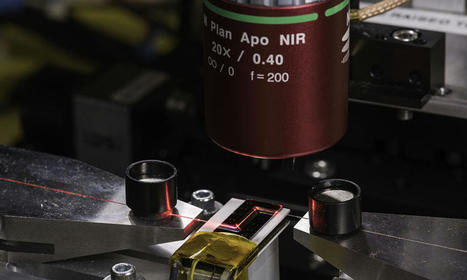
How do you integrate the advantages of a benchtop laser that fills a room onto a semiconductor chip the size of a fingernail? A research team co-led by Qiang Lin, a professor of electrical and computer engineering at the University of Rochester, has set new milestones in addressing this challenge, with the first multi-color integrated Pockels laser that:
Emits high-coherence light at telecommunication wavelengths
Allows laser-frequency tuning at record speeds
Is the first narrow linewidth laser with fast configurability at the visible band
The project, described in Nature Communications, was co-led by John Bowers, distinguished professor at University of California/Santa Barbara, and Kerry Vahala, professor at the California Institute of Technology. Lin Zhu, professor at Clemson University, also collaborated on the project. The technology “has the potential to reshape the landscape of integrated photonics,” write co-lead authors Mingxiao Li, a former PhD student in Lin’s Laboratory for Nanophotonics at Rochester’s Hajim School of Engineering & Applied Sciences, and Lin Chang, a former postdoctoral student at University of California/Santa Barbara. It will pave the way for new applications of integrated semiconductor lasers in LiDAR (Light Detection and Ranging) remote sensing that is used, for example, in self-driving cars. The technology could also lead to advances in microwave photonics, atomic physics, and AR/VR.
A ‘fully on-chip laser solution’
Integrated semiconductor lasers have been at the core of integrated photonics, enabling many advances over the last few decades in information technologies and basic science. “However, despite these impressive achievements, key functions are missing in current integrated lasers,” Li says. “Two major challenges, the lack of fast reconfigurability and the narrow spectral window, have become major bottlenecks that stall the progression of many evolving applications,” Chang adds.
The researchers say they’ve overcome these challenges by creating a new type of integrated semiconductor laser, based on the Pockels effect. The laser is integrated with a lithium-niobate- on-insulator platform.
The new technology includes these beneficial features:
Fast frequency chirping, which will be invaluable in LiDAR sensor systems, which measure distance by recording the time between emission of a short pulse and reception of reflected light.
Frequency conversion capabilities that overcome spectral bandwidth limitations of traditional integrated semiconductor lasers. This will “significantly relieve” the difficulties in developing new wavelength lasers.
Narrow wavelength and fast reconfigurability, providing a “fully on-chip laser solution” to probe and manipulate atoms and ions in atomic physics, and benefit AR/VR and other applications at short wavelengths.
The researchers see applications for a new type of integrated semiconductor laser in LiDAR, atomic physics, AR/VR.
The mathematical study of symmetry is called group theory. This is because the symmetry operations on an object, or the symmetries that preserve a particular pattern, form a group in the mathematical sense. One symmetry operation followed by another gives a third one in the same group, and this group embodies, in an abstract way, the symmetry of the object or pattern concerned. The application of groups to serious mathematical problems first arose in the work of Évariste Galois, a young French mathematician who died after being fatally wounded in a duel at the age of twenty.
Group Theory
Mathematicians study groups in various ways, one of which is to deconstruct them into simpler groups. Those that cannot be deconstructed further — the very ‘atoms’ of the subject — are called ‘simple’ groups, though they can be very complicated. In the book, these finite simple groups are called ‘atoms of symmetry’, and the first ones were discovered by Galois in about 1830.
Finite Simple Groups
Most finite simple groups fit into a table, rather like the periodic table of chemical elements. Those in the table are called groups of Lie type, the term “Lie” (pronounced Lee) being in honor of the Norwegian mathematician Sophus Lie. His work in the late nineteenth century led to continuous groups — called Lie groups — and these in turn led to finite groups of ‘Lie type’. The table of all such groups was complete by the early 1960s, but there were exceptions that did not fit in. They are called sporadic groups.
Sporadic Groups
In the mid-to-late nineteenth century, the French mathematician Émile Mathieu created five very exceptional groups of permutations, the largest of which is called M24. Mathieu’s groups did not fit into the later periodic table, and remained the only exceptions for a hundred years, until the Croatian mathematician, Zvonimir Janko found a new one that he published in 1966. This inspired the search for other sporadic groups, and their discovery is an intriguing story involving a variety of methods: some geometric, some involving patterns exhibiting interesting permutations, and some by analyzing possible cross-sections (called ‘involution centralizers’ in group theory). These latter cases were very technical, and the construction of the sporadic group was a tricky business, usually involving computer techniques. The Monster — the largest sporadic group — was predicted by the cross-section method, but its size and complicated structure rendered computer methods impractical, and it had to be constructed by hand. There are two main threads that led to the Monster. One was the Leech Lattice and the Conway groups; the other was the Baby Monster discovered by Bernd Fischer.
The Leech Lattice
This is a 24-dimensional lattice created in the 1960s by John Leech in Scotland. He used a design discovered in the mid-1930s by the German mathematician, Ernst Witt who had created it in order to construct the largest Mathieu group M24. Leech used it to obtain a remarkable way of packing 24-dimensional spheres, a fact with useful applications to technology. The symmetry of this lattice was investigated in detail by the English mathematician, John Conway. It yielded several sporadic groups, including three new ones, now known as the Conway groups.
The Monster
The other thread that led to the Monster emerged from work of the German mathematician, Bernd Fischer who created three large and remarkable sporadic groups that are related to, but far larger than, the three largest Mathieu groups. Fischer then found a huge fourth one, later named the Baby Monster, and the Monster was predicted as an even larger sporadic group having the Baby as a cross-section. Fischer, in collaboration with Donald Livingstone and Michael Thorne in England, calculated the character table of the Monster (a square array of numbers giving immense information about the group in question). They assumed the Monster could operate in 196,883 dimensions — at minimum — a number calculated by Simon Norton at Cambridge. Norton worked out that the Monster, if it existed, would have to preserve an algebra structure in 196,884 dimensions, and the American mathematician, Robert Griess constructed it on that basis. His work used the Leech lattice, and his algebra structure yielded the Monster as its group of symmetries.
A nice video about the Monster group is from the mathematician who participated in describing it: Dr. Richard E. Borcherds.
Moore’s Law predicts that the number of transistors per device will double every two years. Moore’s Law is and always has been driven by innovation. The above figure illustrates the number of transistors per device as we look to the past, the present and the future. For the first 40 years, the gains came primarily from innovations in our process. Going forward, gains will come from innovations in both process and packaging. INTEL's processes will continue to deliver historic density improvements, while its 2D and 3D stacking technologies give architects and designers more tools to increase the number of transistors per device. As the designers look forward to innovative technologies such as High NA, RibbonFET, PowerVia, Foveros Omni and Direct, and others, INTEL sees no end to innovation and therefore currently no end to Moore’s Law.
In summary, when we consider all the various process and advanced packaging innovations, there are numerous options available to continue to double the number of transistors per device at the cadence demanded by our customers. Moore’s Law only stops when innovation stops, and innovation continues unabated at Intel in process, packaging and architecture. We remain undeterred in our aspiration to deliver approximately 1 trillion transistors in a single device by 2030.
To get content containing either thought or leadership enter:
To get content containing both thought and leadership enter:
To get content containing the expression thought leadership enter:
You can enter several keywords and you can refine them whenever you want. Our suggestion engine uses more signals but entering a few keywords here will rapidly give you great content to curate.


 Your new post is loading...