


How does our universe work? Scientist Stephen Wolfram opens up his ongoing Wolfram Physics Project to a global effort. His team will livestream work in progress, post working materials, release software tools and hold educational programs.

 Your new post is loading...
 Scoop.it! How does our universe work? Scientist Stephen Wolfram opens up his ongoing Wolfram Physics Project to a global effort. His team will livestream work in progress, post working materials, release software tools and hold educational programs. 
No comment yet.
Sign up to comment
Scoop.it!
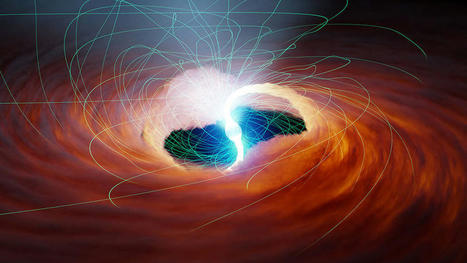
These objects are more than 100 times brighter than they should be. Observations by the agency’s NuSTAR X-ray telescope support a possible solution to this puzzle.
Scoop.it!
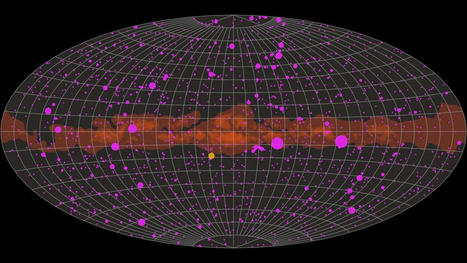
Most of the gamma ray sources in this animation are blazars, supermassive black holes with relativistic jets pointed at Earth.
We’ve come a long way since gamma rays were discovered. The late 1800s and early 1900s were a time of great scientific advancements. Scientists were just getting a handle on the different types of radiation. Radium featured prominently in the experiments, including one by French scientist Paul Ulrich Villard in 1900.
Radium decays readily, and scientists had already identified alpha and beta radiation coming from radium samples. But Villard was able to identify a third type of penetrating radiation so powerful even a layer of lead couldn’t stop it: gamma rays.
Now we have a gamma ray detector in space, and it’s showing us how the Universe sparkles with this powerful energy. Gamma rays are the most energetic form of light in the Universe, and as a new animation shows, the sky practically sparkles with flickering gamma-ray sources. The animation contains a year’s worth of observations from the Large Area Telescope (LAT) on NASA’s Fermi Gamma-ray Space Telescope. Each yellow circle is a gamma-ray source, and the expansion and contraction show how the source brightens and dims. The yellow circle is the Sun’s following its seemingly sinusoidal path relative to Earth.
The animation represents an entire year of observations. Each frame in the animation represents three days. The reddish-orange band that runs through the middle of the animation is the Milky Way’s central plane, which is a consistent gamma-ray producer.
Scoop.it!
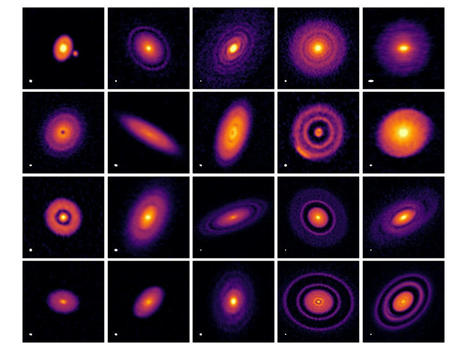
New research from the University of Georgia reveals that artificial intelligence can be used to find planets outside of our solar system. The recent study demonstrated that machine learning can be used to find exoplanets, information that could reshape how scientists detect and identify new planets very far from Earth.
"One of the novel things about this is analyzing environments where planets are still forming," said Jason Terry, doctoral student in the UGA Franklin College of Arts and Sciences department of physics and astronomy and lead author on the study. "Machine learning has rarely been applied to the type of data we're using before, specifically for looking at systems that are still actively forming planets."
The first exoplanet was found in 1992, and though more than 5,000 are known to exist, those have been among the easiest for scientists to find. Exoplanets at the formation stage are difficult to see for two primary reasons. They are too far away, often hundreds of lights years from Earth, and the disks where they form are very thick, thicker than the distance of the Earth to the sun.
Data suggests the planets tend to be in the middle of these disks, conveying a signature of dust and gases kicked up by the planet. The research showed that artificial intelligence can help scientists overcome these difficulties. "This is a very exciting proof of concept," said Cassandra Hall, assistant professor of astrophysics, principal investigator of the Exoplanet and Planet Formation Research Group, and co-author on the study. "The power here is that we used exclusively synthetic telescope data generated by computer simulations to train this AI, and then applied it to real telescope data. This has never been done before in our field, and paves the way for a deluge of discoveries as James Webb Telescope data rolls in."
The James Webb Space Telescope, launched by NASA in 2021, has inaugurated a new level of infrared astronomy, bringing stunning new images and reams of data for scientists to analyze. It's just the latest iteration of the agency's quest to find exoplanets, scattered unevenly across the galaxy. The Nancy Grace Roman Observatory, a 2.4-meter survey telescope scheduled to launch in 2027 that will look for dark energy and exoplanets, will be the next major expansion in capability—and delivery of information and data—to comb through the universe for life.
he Webb telescope supplies the ability for scientists to look at exoplanetary systems in an extremely bright, high resolution, with the forming environments themselves a subject of great interest as they determine the resulting solar system. "The potential for good data is exploding, so it is a very exciting time for the field," Terry said.

Tanja Elbaz's curator insight,
November 13, 2023 3:58 PM
Scoop.it!

A phenomenon called "skyglow" is stealing our celestial view, and the impact is far more dramatic when observed by the unaided human eye.
Light pollution has robbed eight out of 10 Americans, and nearly a third of all humans, of a view of our own home galaxy, according to new research out Thursday. The problem is something called "skyglow," which is the cumulative, diffuse brightening of the light sky from artificial light sources.
A new study published in the journal Science uses crowdsourced data from a program called Globe at Night, which is run by the National Science Foundation-funded NOIRLab, a network of observatories. It finds that skyglow as perceived by human eyes is more of a problem compared with satellite measurements of artificial light on Earth. The study is the latest addition to a growing body of scientific literature on light pollution stretching back at least half a century. By analyzing over 50,000 citizen scientist observations, the researchers found an increase in sky brightness of 9.6% over the past decade, compared to just two per cent per year measured by satellites.
"At this rate of change, a child born in a location where 250 stars were visible would be able to see only around 100 by the time they turned 18," said the study's lead author Christopher Kyba, a researcher at the German Research Centre for Geosciences, in a statement.
The authors estimate that 80% of people in the US and 30% worldwide aren't able to see the ethereal arc of the Milky Way on a clear night. Part of the problem with what we're able to see with unaided eyes has to do with the types of lighting in use. "LED lights have a strong effect on our perception of sky brightness," said Kyba. "This could be one of the reasons behind the discrepancy between satellite measurements and the sky conditions reported by Globe at Night participants."
Satellites also have a hard time detecting light that is emitted horizontally from sources more prominent in cities like billboards or storefronts.
Scoop.it!

Researchers reviewed data on the incidence of autoimmune diseases in the post-acute coronavirus disease 2019 period. BackgroundCOVID-19 has caused unprecedented morbidity and mortality across the globe. The immune protection conferred by severe acute respiratory syndrome coronavirus 2 (SARS-CoV-2) vaccines and prior COVID-19 history, coupled with developing effective therapeutic agents, has reduced COVID-19-associated mortality. However, post-COVID-19 conditions continue to increase, particularly new-onset autoimmune diseases in COVID-19 convalescents. Autoimmune diseases have been reported following COVID-19 among adults; however, the prevalence and magnitude of the diseases, and the incidence risks among individuals infected with SARS-CoV-2, compared to uninfected individuals, are not well-characterized. Improving understanding of the impact of COVID-19 on the risk of developing post-acute COVID-19 complications, such as autoimmune disease, could aid in implementing preventive measures and initiating prompt treatment to prevent COVID-19-associated morbidities. The findings would also be highly relevant for future pandemics and to analyze the long-term protective effects of COVID-19 vaccines. About the reviewIn the review, researchers presented findings of two large-scale cohort studies, evaluating the incidence of autoimmune diseases following acute SARS-CoV-2 infections using participants' electronic medical records. Evidence on post-COVID autoimmune disease obtained before the studiesStudies comprising pediatric COVID-19 patients suffering from multisystem inflammatory syndrome among children (MIS-C) have indicated that COVID-19 results in dysregulated immunological responses. The clinical manifestations of MIS-C overlap with hyperinflammatory syndromes, including macrophage activation syndrome, Kawasaki disease, and toxic shock syndrome. The pathophysiology of COVID-19-associated immunological dysfunction includes molecular mimicry by SARS-CoV-2 proteins, multiorgan involvement due to the presence of angiotensin-converting enzyme 2 (ACE2) receptors, essential for SARS-CoV-2 entry into host cells, bystander immune cell activation, autoantigen release following SARS-CoV-2-induced tissue damage, superantigen-regulated lymphocyte activation, and epitope spread. Additionally, factors such as genetic susceptibility, age, and comorbidities may contribute to COVID-19 pathogenesis. A previous study comparing the immune responses in SARS-CoV-2 infection and autoimmune disease reported that tissue damage in both conditions is mainly immune-regulated, demonstrated by the presence of anti-nuclear antibodies, anti-Ro/SSA antibodies, and lupus anticoagulant cold agglutinins in both conditions. A retrospective analysis was performed from January 31, 2020, to June 30, 2021, using the Clinical Practice Research Datalink Aurum database, comprising data from 458,147 and 1,818,929 SARS-CoV-2-infected and uninfected adults, respectively, residing in England. A study preprint reported that the incidence of inflammatory bowel disease, psoriasis, and type 1 diabetes was significantly related to COVID-19. Findings of the two cohort studies assessed post-COVID autoimmune diseaseChang et al. utilized the TriNetX health research network, comprising six million adults across 48 health organizations globally. The propensity score-matched SARS-CoV-2-infected and uninfected groups comprised 887,455 COVID-19 vaccinees each. Post-COVID-19 autoimmune disease incidence was evaluated between January 1, 2020, and December 31, 2021. At six months of follow-up, autoimmune disease incidence was significantly greater in SARS-CoV-2-infected individuals, including systemic lupus erythematosus, rheumatoid arthritis, vasculitis, type 1 diabetes, and inflammatory bowel disease, with adjusted hazards ratios (aHR) of 2.99,2.98, 1.96, 2.68, and 1.78, respectively. Post-COVID autoimmune disease risk was consistent across ages. Tesch et al. conducted a study, yet to be peer-reviewed, to evaluate autoimmune disease risks among 640,701 unvaccinated individuals having polymerase chain reaction (PCR)-confirmed SARS-CoV-2 infections in 2020. The findings showed that COVID-19 patients were 43.0% more likely to acquire autoimmune conditions, within three to 15.0 months of infection, compared to over one million age- and sex-matched uninfected individuals. Among autoimmune diseases, the incidence rate ratio (IRR) values were the highest for vasculitis. Further, among those with prior history of autoimmune diseases, COVID-19 resulted in a 23.0% higher risk of another autoimmune disease. Generally, most autoimmune diseases were not COVID-19-specific; however, an essential aspect of SARS-CoV-2 infection was a considerable rise in the incidence and spectrum of autoimmune diseases following acute COVID-19. ConclusionsBased on the review findings, COVID-19 elevates autoimmune disease risks. Due to the retrospective study designs, the two cohort studies could not provide a causal association between COVID-19 and autoimmune disease development. However, the temporal relationship with COVID-19 history provides reliable and compelling evidence that COVID-19 is associated with elevated autoimmune disease development risks. Health governments and authorities must conduct future studies on the topic to obtain national data and increase the generalizability of the findings. The definitive mechanisms, including genetic and epigenetic predilection, underlying the association and related pathophysiology are not completely understood. However, further research must be performed using particular gene-deficient experimental animals, bioinformatic analysis, and biological approaches, e.g., analyzing transcriptomic pandemic data to obtain genomic signatures, and host responses to viral triggers must be evaluated.
Research cited published (April 12, 2023) In Nature Reviews Rheumatology: https://www.nature.com/articles/s41584-023-00964-y Via Juan Lama
Tanja Elbaz's curator insight,
November 13, 2023 3:58 PM
Scoop.it!
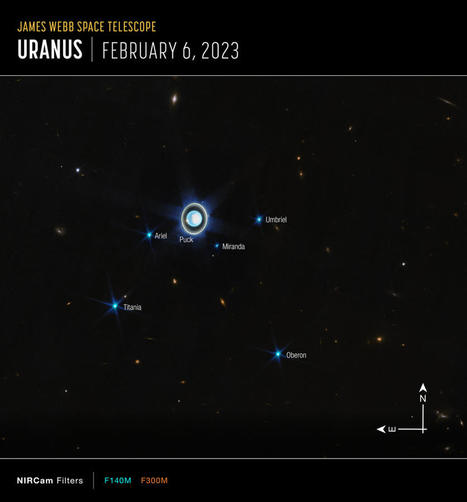
Following in the footsteps of the Neptune image released in 2022, NASA’s James Webb Space Telescope has taken a stunning image of the solar system’s other ice giant, the planet Uranus. The new image features dramatic rings as well as bright features in the planet’s atmosphere.
When Voyager 2 looked at Uranus, its camera showed an almost featureless blue-green ball in visible wavelengths. With the infrared wavelengths and extra sensitivity of Webb we see more detail, showing how dynamic the atmosphere of Uranus really is.
On the right side of the planet there's an area of brightening at the pole facing the Sun, known as a polar cap. This polar cap is unique to Uranus -- it seems to appear when the pole enters direct sunlight in the summer and vanish in the fall; these Webb data will help scientists understand the currently mysterious mechanism.
Webb revealed a surprising aspect of the polar cap: a subtle enhanced brightening at the center of the cap. The sensitivity and longer wavelengths of Webb's NIRCam may be why we can see this enhanced Uranus polar feature when it has not been seen as clearly with other powerful telescopes like the Hubble Space Telescope and Keck Observatory.
At the edge of the polar cap lies a bright cloud as well as a few fainter extended features just beyond the cap's edge, and a second very bright cloud is seen at the planet's left limb. Such clouds are typical for Uranus in infrared wavelengths, and likely are connected to storm activity. This planet is characterized as an ice giant due to the chemical make-up of its interior. Most of its mass is thought to be a hot, dense fluid of "icy" materials -- water, methane, and ammonia -- above a small rocky core.
Uranus has 13 known rings and 11 of them are visible in this Webb image. Some of these rings are so bright with Webb that when they are close together, they appear to merge into a larger ring. Nine are classed as the main rings of the planet, and two are the fainter dusty rings (such as the diffuse zeta ring closest to the planet) that weren't discovered until the 1986 flyby by Voyager 2. Scientists expect that future Webb images of Uranus will reveal the two faint outer rings that were discovered with Hubble during the 2007 ring-plane crossing.
Webb also captured many of Uranus' 27 known moons (most of which are too small and faint to be seen here); the six brightest are identified in the wide-view image. This was only a short, 12-minute exposure image of Uranus with just two filters. It is just the tip of the iceberg of what Webb can do when observing this mysterious planet. In 2022, the National Academies of Sciences, Engineering, and Medicine identified Uranus science as a priority in its 2023-2033 Planetary Science and Astrobiology decadal survey. Additional studies of Uranus are happening now, and more are planned in Webb's first year of science operations.
Tanja Elbaz's curator insight,
November 13, 2023 3:55 PM
Scoop.it!
From
phys

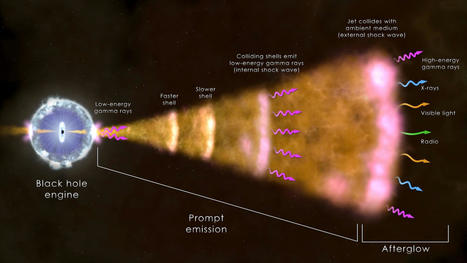
On October 9, 2022, an intense pulse of gamma-ray radiation swept through our solar system, overwhelming gamma-ray detectors on numerous orbiting satellites, and sending astronomers on a chase to study the event using the most powerful telescopes in the world. The new source, dubbed GRB 221009A for its discovery date, turned out to be the brightest gamma-ray burst (GRB) ever recorded.
In a new study that appears today in Astrophysical Journal Letters, observations of GRB 221009A spanning from radio waves to gamma-rays, including critical millimeter-wave observations with the Center for Astrophysics | Harvard & Smithsonian's Submillimeter Array (SMA) in Hawaii, shed new light on the decades-long quest to understand the origin of these extreme cosmic explosions. This study is part of a series of discoveries that are to be published as a collection in Astrophysical Journal Letters.
The gamma-ray emission from GRB 221009A lasted over 300 seconds. Astronomers think that such "long-duration" GRBs are the birth cry of a black hole, formed as the core of a massive and rapidly spinning star collapses under its own weight. The newborn black hole launches powerful jets of plasma at near the speed of light, which pierce through the collapsing star and shine in gamma-rays.
With GRB 221009A being the brightest burst ever recorded, a real mystery lay in what would come after the initial burst of gamma-rays. "As the jets slam into gas surrounding the dying star, they produce a bright 'afterglow' of light across the entire spectrum," says Tanmoy Laskar, assistant professor of physics and astronomy at the University of Utah, and lead author of the study. "The afterglow fades quite rapidly, which means we have to be quick and nimble in capturing the light before it disappears, taking its secrets with it."
As part of a campaign to use the world's best radio and millimeter telescopes to study the afterglow of GRB 221009A, astronomers Edo Berger and Yvette Cendes of the Center for Astrophysics (CfA) rapidly gathered data with the SMA. "This burst, being so bright, provided a unique opportunity to explore the detailed behavior and evolution of an afterglow with unprecedented detail—we did not want to miss it," says Edo Berger, professor of astronomy at Harvard University and the CfA. "I have been studying these events for more than twenty years, and this one was as exciting as the first GRB I ever observed."
Scoop.it!

AI may not have any motives against humans, “but a machine that thinks that humans are the root cause of certain problems may think of it that way.”
ChatGPT and other artificial intelligence programs have been red-hot topics in the news lately, simultaneously wracking nerves and exciting us with new possibilities in medicine, linguistics, and even autonomous driving. There are a ton of “what ifs” in this connected future, causing us to rethink everything from killer robots to our own job security.
So should we take a step back from this kind of turbocharged AI to assuage our fears? That depends on who you ask, but it all boils down to the idea of singularity—an “event horizon” in which machine intelligence surpasses our own intelligence. By one measure, technological singularity could be as few as seven years away. That prompted us to reach out to subject-matter experts to find out more about what exactly singularity is, how close we are, and if we should start taking the early 2010s Doomsday Preppers reality show more seriously. How do we define a singularity?Singularity is the moment when machine intelligence becomes equal to or surpasses human intelligence—a concept that visionaries like Stephen Hawking and Bill Gates have believed in for quite a long time. Machine intelligence might sound complicated, but is simply defined as advanced computing that allows a device to interact (through a computer, phone, or even an algorithm) and communicate with its environment intelligently.
The concept of singularity has been around for decades. English mathematician Alan Turing—widely regarded as the father of theoretical computer science and artificial intelligence—experimented with the possibility of such a thing in the 1950s. He came up with his famed Turing test to find out whether machines could think for themselves; the evaluation pits a human against a computer, challenging the system to fool us into thinking it’s actually human itself. The recent advent of highly advanced AI chatbots like ChatGPT have brought Turing’s litmus test back into the spotlight. Spoiler alert: it’s passed it already.
“The difference between machine intelligence and human intelligence is that our intelligence is fixed but that is not the case for machines,” Ishaani Priyadarshini, a postdoctoral scholar at UC Berkeley with expertise in applied artificial intelligence and technological singularity, tells Popular Mechanics. “In the cases of machines, there is no end to it, you can always increase it, which is not the case for humans.” Unlike our brains, AI systems can be expanded many times over; the real limitation is space to house all of the computing power. When Will We Reach Singularity?While claims that we’ll reach singularity within the next decade are all over the internet, they are, at best, speculative. Priyadarshini believes that singularity already exists in bits and pieces—almost like a puzzle that we’ve yet to complete. She supports estimates claiming we can reach singularity sometime after 2030, adding that it’s hard to be absolutely certain with technology that we know so little about. There’s a very real possibility that it could take much longer than that to reach singularity’s “event horizon”—the point of no return when we unleash superintelligent computer systems. Having said that, we’ve already seen signs of singularity in our lifetime. “There are games which humans can never win from machines, and that is a sure sign of singularity,” says Priyadarshini. To offer some perspective, IBM’s 1997 “Deep Blue” supercomputer was the first AI to defeat a human chess player. And they didn’t just put Joe Shmoe up to bat: Deep Blue went up against Garry Kasparov, who was the World Chess Champion at the time.
Singularity is still a notoriously difficult concept to measure. Even today, we’re struggling to find markers of our progression toward it. Many experts claim that language translation is the Rosetta Stone for gauging our progress; for instance, when AI is able translate speech at the same level or better than a human, that would be a good sign that we’ve gotten a step closer to singularity. However, Priyadarshini reckons that memes, of all things, could be another marker of our progression toward singularity, as AI is notoriously bad at understanding them. What will happen when AI reaches singularity?We have no idea what a superintelligent system would be capable of, it is out of our control at that point. “We would need to be superintelligent ourselves,” Roman Yampolskiy, an associate professor in computer engineering and computer science at the University of Louisville, tells Popular Mechanics. "We are only able to speculate using our current level of intelligence", Yampolskiy wrote in a recent paper.
Scoop.it!

From
phys
Osaka Metropolitan University scientists have developed a process using artificial photosynthesis to successfully convert more than 60% of waste acetone into 3-hydroxybutyrate, a material used to manufacture biodegradable plastic. The results were obtained using low-concentration CO2, equivalent to exhaust gas, and powered by light equivalent to sunlight for 24 hours.
The researchers expect that this innovative way of producing biodegradable plastic could not only reduce CO2 emissions but also provide a way of reusing laboratory and industrial waste acetone. Their findings have been published in the journal Green Chemistry.
Poly-3-hydroxybutyrate—a biodegradable plastic—is a strong water-resistant polyester often used in packaging materials, made from 3-hydroxybutyrate as a precursor. In previous studies, a research team led by Professor Yutaka Amao from the Research Center for Artificial Photosynthesis at Osaka Metropolitan University found that 3-hydroxybutyrate can be synthesized from CO2 and acetone with high efficiency, but this was only demonstrated at higher concentrations of CO2 or sodium bicarbonate.
This new study aimed to reuse waste acetone from permanent marker ink and low concentrations of CO2—equivalent to exhaust gas from power plants, chemical plants, or steel factories. Acetone is a relatively inexpensive and reasonably harmless chemical used in many different laboratory settings, either for reactions or as a cleaning agent, which produces waste acetone. The acetone and CO2 acted as raw materials to synthesize 3-hydroxybutyrate using artificial photosynthesis, powered by light equivalent to sunlight.
We focused our attention on the importance of using CO2 created by exhaust gas from thermal power plants and other sources to demonstrate the practical application of artificial photosynthesis," explained Professor Amao. After 24 hours, more than 60% of acetone had been successfully converted to 3-hydroxybutyrate. "In the future, we aim to develop artificial photosynthesis technology further, so that it can use acetone from liquid waste and as well as exhaust gas from the laboratory as raw materials," stated Professor Amao.
Tanja Elbaz's curator insight,
November 13, 2023 3:56 PM
Scoop.it!
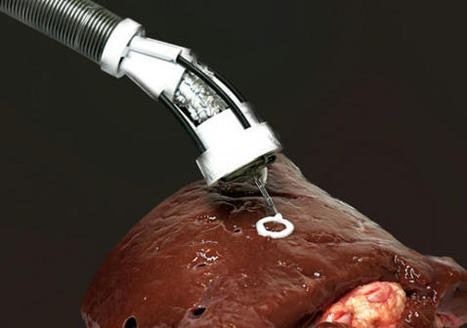
A new robotic arm could be a game changer in surgeries, with the capability to 3D-print biomaterial directly onto organs inside a patient’s body. The arm, designed by a team of engineers from the University of New South Wales in Australia, can place a tiny, flexible 3D bioprinter inside the body, using bio-ink to “print” tissue-like structures onto internal organs. The device, dubbed F3DB, is designed with a swivel head to offer full flexibility of movement and features an array of soft artificial muscles to allow movement in three separate directions. The entire structure can be controlled externally.
“Existing 3D-bioprinting techniques require biomaterials to be made outside the body and implanting that into a person would usually require large open-field open surgery which increases infection risks,” said Thanh Do, study lead. “Our flexible 3D bioprinter means biomaterials can be directly delivered into the target tissue or organs with a minimally invasive approach. This system offers the potential for the precise reconstruction of three-dimensional wounds inside the body. Our approach also addresses significant limitations in existing 3D bioprinters such as surface mismatches between 3D-printed biomaterials and target tissues/organs as well as structural damage during manual handling, transferring, and transportation process.”
Bioprinting in the medical industry is primarily used for research purposes, such as tissue engineering and drug development, and typically requires large-scale, external 3D printers to create the cellular structures. According to the team, in the next few years, the technology could be used to reach and operate on hard-to-reach areas in the body. In the project’s next stage, the F3DB will be used in animal test subjects, as well as further development of the arm to include an integrated camera and scanning system.

wileska torrealba's curator insight,
March 13, 2024 3:01 PM
seria impresionante poder tener esto en medicina veterinaria
Scoop.it!
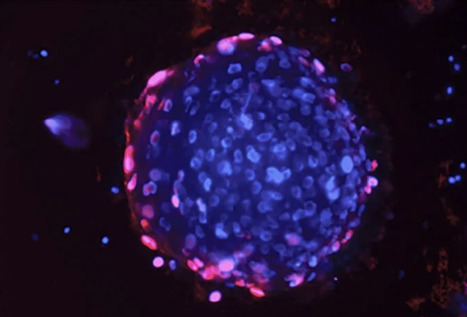
Aging, or senescent cells, which stop dividing but don’t die, can accumulate in the body over the years and fuel chronic inflammation that contributes to conditions such as cancer and degenerative disorders. In mice, eliminating senescent cells from aging tissues can restore tissue balance and lead to an increased healthy lifespan. Now a team led by investigators at Massachusetts General Hospital (MGH) has found that the immune response to a virus that is ubiquitously present in human tissues can detect and eliminate senescent cells in the skin.
For the study, which is published in Cell, the scientists analyzed young and old human skin samples to learn more about the clearance of senescent cells in human tissue. The researchers found more senescent cells in the old skin compared with young skin samples. However, in the samples from old individuals, the number of senescent cells did not increase as individuals got progressively older, suggesting that some type of mechanism kicks in to keep them in check. Experiments suggested that once a person becomes elderly, certain immune cells called killer CD4+ T cells are responsible for keeping senescent cells from increasing. Indeed, higher numbers of killer CD4+ T cells in tissue samples were associated with reduced numbers of senescent cells in old skin. When they assessed how killer CD4+ T cells keep senescent cells in check, the researchers found that aging skin cells express a protein, or antigen, produced by human cytomegalovirus, a pervasive herpesvirus that establishes lifelong latent infection in most humans without any symptoms. By expressing this protein, senescent cells become targets for attack by killer CD4+ T cells.
“Our study has revealed that immune responses to human cytomegalovirus contribute to maintaining the balance of aging organs,” says senior author Shawn Demehri, MD, PhD, director of the High Risk Skin Cancer Clinic at MGH and an associate professor of Dermatology at Harvard Medical School. “Most of us are infected with human cytomegalovirus, and our immune system has evolved to eliminate cells, including senescent cells, that upregulate the expression of cytomegalovirus antigens.” These findings, which highlight a beneficial function of viruses living in our body, could have a variety of clinical applications. “Our research enables a new therapeutic approach to eliminate aging cells by boosting the anti-viral immune response,” says Demehri. “We are interested in utilizing the immune response to cytomegalovirus as a therapy to eliminate senescent cells in diseases like cancer, fibrosis and degenerative diseases.” Demehri notes that the work may also lead to advances in cosmetic dermatology, for example in the development of new treatments to make skin look younger. Via Juan Lama
Scoop.it!
From
nypost
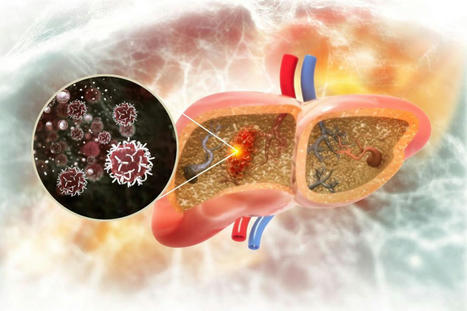
Artificial intelligence has developed a treatment for cancer in just 30 days and can predict a patient’s survival rate. In a new study published in the journal Chemical Science, researchers at the University of Toronto along with Insilico Medicine developed a potential treatment for hepatocellular carcinoma (HCC) with an AI drug discovery platform called Pharma.AI.
HCC is the most common type of liver cancer and occurs when a tumor grows on the liver, according to Cleveland Clinic. Researchers applied AlphaFold, an AI-powered protein structure database, to Pharma.AI to uncover a novel target — a previously unknown treatment pathway — for cancer and developed a “novel hit molecule” that could bind to that target without aid.
The creation of the potential drug was accomplished in just 30 days from the selection of the target and after synthesizing just seven compounds. After a second round of generating compounds, they discovered a more potent hit molecule — but any potential drug would need to go through clinical trials before widespread use.
Tanja Elbaz's curator insight,
November 14, 2023 10:15 AM
|
Scoop.it!

The far side of the moon would benefit several types of astronomy. The most obvious one is radio astronomy, which can be conducted from the side of the Moon that always faces away from Earth – the so-called "far side".
The lunar far side is permanently shielded from the radio signals generated by humans on Earth. During the lunar night, it is also protected from the Sun. These characteristics makes it probably the most “radio-quiet” location in the whole solar system as no other planet or moon has a side that permanently faces away from the Earth. It is therefore ideally suited for radio astronomy.
Radio waves are a form of electromagnetic energy – as are, for example, infrared, ultraviolet and visible-light waves. They are defined by having different wavelengths in the electromagnetic spectrum. Radio waves with wavelengths longer than about 15m are blocked by Earth’s ionoshere. But radio waves at these wavelengths reach the Moon’s surface unimpeded. For astronomy, this is the last unexplored region of the electromagnetic spectrum, and it is best studied from the lunar far side.
Observations of the cosmos at these wavelengths come under the umbrella of “low frequency radio astronomy”. These wavelengths are uniquely able to probe the structure of the early universe, especially the cosmic “dark ages” – an era before the first galaxies formed. At that time, most of the matter in the universe, excluding the mysterious dark matter, was in the form of neutral hydrogen atoms. These emit and absorb radiation with a characteristic wavelength of 21cm. Radio astronomers have been using this property to study hydrogen clouds in our own galaxy – the Milky Way – since the 1950s.
Because the universe is constantly expanding, the 21cm signal generated by hydrogen in the early universe has been shifted to much longer wavelengths. As a result, hydrogen from the cosmic “dark ages” will appear to us with wavelengths greater than 10m. The lunar far side may be the only place where we can study this.
The astronomer Jack Burns provided a good summary of the relevant science background at the recent Royal Society meeting, calling far side of the moon a “pristine, quiet platform to conduct low radio frequency observations of the early Universe’s Dark Ages, as well as space weather and magnetospheres associated with habitable exoplanets”.
Signals from other stars As Burns says, another potential application of far side radio astronomy is trying to detect radio waves from charged particles trapped by magnetic fields – magnetospheres – of planets orbiting other stars. This would help to assess how capable these exoplanets are of hosting life. Radio waves from exoplanet magnetospheres would probably have wavelengths greater than 100m, so they would require a radio-quiet environment in space. Again, the far side of the Moon will be the best location.
A similar argument can be made for attempts to detect signals from intelligent aliens. And, by opening up an unexplored part of the radio spectrum, there is also the possibility of making serendipitous discoveries of new phenomena. We should get an indication of the potential of these observations when NASA’s LuSEE-Night mission lands on the lunar far side in 2025 or 2026.
Crater depths The Moon also offers opportunities for other types of astronomy as well. Astronomers have lots of experience with optical and infrared telescopes operating in free space, such as the Hubble telescope and JWST. However, the stability of the lunar surface may confer advantages for these types of instrument. Moreover, there are craters at the lunar poles that receive no sunlight. Telescopes that observe the universe at infrared wavelengths are very sensitive to heat and therefore have to operate at low temperatures. JWST, for example, needs a huge sunshield to protect it from the sun’s rays. On the Moon, a natural crater rim could provide this shielding for free.
The Moon’s relatively low gravity may also enable the construction of much larger telescopes than is feasible for free-flying satellites. These considerations have led the astronomer Jean-Pierre Maillard to suggest that the Moon may be the future of infrared astronomy. The cold, stable environment of permanently shadowed craters may also have advantages for the next generation of instruments to detect gravitational waves – “ripples” in space-time caused by processes such as exploding stars and colliding black holes.
Moreover, for billions of years the Moon has been bombarded by charged particles from the sun – solar wind – and galactic cosmic rays. The lunar surface may contain a rich record of these processes. Studying them could yield insights into the evolution of both the Sun and the Milky Way.
For all these reasons, astronomy stands to benefit from the current renaissance in lunar exploration. In particular, astronomy is likely to benefit from the infrastructure built up on the Moon as lunar exploration proceeds. This will include both transportation infrastructure – rockets, landers and other vehicles – to access the surface, as well as humans and robots on-site to construct and maintain astronomical instruments.
Tanja Elbaz's curator insight,
November 13, 2023 3:53 PM
Scoop.it!

Most people are still not eligible for a second booster, but the FDA will revisit the topic after an expert panel meets in June. The Food and Drug Administration on Tuesday approved a second omicron booster from Moderna and Pfizer for people over the age of 65 and immunocompromised individuals.
Why it matters: An additional dose of the bivalent vaccine can help high-risk individuals with waning immunity to COVID, the FDA said.
Details: Tuesday's decision means those over 65 can get a second booster no sooner than four months after the first.
What they're saying: "At this stage of the pandemic, data support simplifying the use of the authorized mRNA bivalent COVID-19 vaccines and the agency believes that this approach will help encourage future vaccination," said Peter Marks, director of FDA's Center for Biologics and Research.
Catch up fast: An FDA advisory committee in January unanimously recommended that the U.S. replace initial doses of the original COVID monovalent shots with bivalent ones to target omicron subvariants, directing Pfizer, Moderna and Novavax to focus on bivalent vaccines.
What we're watching: A panel for the Centers for Disease Control and Prevention is scheduled to meet on Wednesday to discuss the second booster strategy.
Zoom out: The FDA's decision comes as a new subvariant, XBB. 1.16, known as Arcturus, has been spreading around the world and gaining traction in the U.S.
Don't forget: The COVID public health emergency is set to end in less than a month, shifting the cost of vaccines and other countermeasures to the private market.
FDA Press Release (April 18, 2023): Via Juan Lama
Tanja Elbaz's curator insight,
November 13, 2023 3:55 PM
Scoop.it!

Astronomers have picked up eight mysterious radio signals that could be coming from aliens sending messages with technology more advanced than our own. The electromagnetic waves were detected using state of the art AI, or deep learning. The signals were sourced to areas surrounding five ‘nearby’ stars 30 to 90 light years away. The pulses were ‘hiding in plain sight’ among a huge number of recordings from more than six years ago.
An international team developed a computer algorithm to analyze the unimaginably large amount of information in more detail. Lead author Peter Ma, an undergraduate at the University of Toronto, said his team searched through 150 TB of data from 820 nearby stars. One terabyte could hold 1,000 copies of the Encyclopedia Brittanica.
“The dataset had previously been searched through in 2017 by classical techniques but labeled as devoid of interesting signals.” It was collected by the Green Bank Telescope in West Virginia, which is bigger than the Statue of Liberty and part of the Breakthrough Listen project aimed at identifying extra terrestrial activity. No ‘targets of interest’ were originally indicated. But the new neural network found this to be far from the case. Manual re-examination also confirmed the findings shared several key characteristics. The signals were narrow band, meaning they had a small spectral width of just a few Hz (Hertz). Natural phenomena tend to be broadband.
“The key issue with any techno-signature search is looking through this huge haystack of signals to find the needle that might be a transmission from an alien world,” explained Dr. Steve Croft, a California astrophysicist with the Breakthrough Listen team (and one of Ma’s research advisors). “Peter’s algorithm gives us a more effective way to filter the haystack and find signals that have the characteristics we expect from techno-signatures.” Furthermore, the readings, reported in the journal Nature Astronomy, were ‘sloped’, indicating acceleration. They also appeared only when the instrument focused on a specific celestial source, disappearing when it pointed away. Radio is a great way to send interstellar information. It passes through dust and gas at the speed of light—20,000 times faster than our best rockets.
Many SETI (search for extraterrestrial intelligence) efforts use antennas to eavesdrop on any signals aliens might be transmitting. “These results dramatically illustrate the power of applying modern machine learning and computer vision methods to data challenges in astronomy, resulting in both new detections and higher performance,” said co-author Dr. Cherry Ng, of the French National Centre for Scientific Research in Paris. “Application of these techniques at scale will be transformational for radio techno-signature science.”
The researchers are now planning to deploy the algorithm on the SETI Institute’s COSMIC tool in New Mexico, where Jodie Foster heard an alien signal in the 1997 movie Contact. It’s been surveying 40 million stars for ‘techno-signatures’ Since SETI experiments began in 1960 with Frank Drake’s Project Ozma at the same Green Bank Observatory used in this latest work, technological advances have enabled researchers to collect more data than ever. The massive volume requires supercomputers and AI to break new ground in the quest to answer the old fundamental question, ‘Are we alone?’.
Scoop.it!
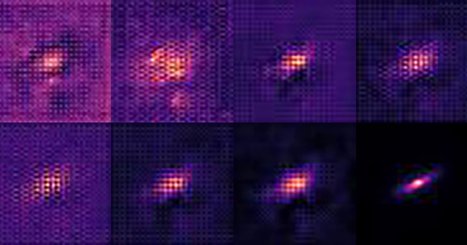
Researchers have developed a computer vision-based approach to sharpening images captured by ground-based telescopes.
While vital to humanity’s existence on Earth, the planet’s atmosphere is a major nuisance for astronomers trying to learn more about what’s beyond Earth. The cosmos would be much easier to study without the pesky atmosphere. Researchers at Northwestern University in Chicago and Tsinghua University in Beijing have unveiled a new artificial intelligence-powered approach to cleaning up images captured by ground-based telescopes.
The primary culprit behind blurry images is shifting pockets of air in the atmosphere. These air pockets can obfuscate the shapes of celestial bodies and can also affect the measurements scientists can make of distant objects, leading to incorrect conclusions. Space-based telescopes, such as Hubble and the James Webb Space Telescope, avoid this issue altogether by leaving Earth’s atmosphere. However, space telescopes are monumentally expensive and always in high demand by astronomers.
Ground-based telescopes are easier to build, more affordable, and much simpler to fix when issues arise. To deal with the blur caused by the atmosphere, ground-based telescopes are often built in arid climates and at high altitudes. Even still, blur must be dealt with.
The light emanating from distant stars, planets, and galaxies travels a very long way to reach Earth. The light’s journey may encounter different gravitational effects, which can warp the light as observed from Earth. However, the light must also travel through Earth’s atmosphere before it reaches ground-based telescopes.
“Even clear night skies still contain moving air that affects light passing through it. That’s why stars twinkle and why the best ground-based telescopes are located at high altitudes where the atmosphere is thinnest,” Northwestern explains. Alexander describes the effect as “a bit like looking up from the bottom of a swimming pool.” The atmosphere is much less dense than water, but the concept is similar. The resulting blur is a significant problem for astrophysicists analyzing images for important cosmological data. The apparent shape of galaxies sheds light on large-scale cosmological structures and their gravitational effects.
“Slight differences in shape can tell us about gravity in the universe. These differences are already difficult to detect. If you look at an image from a ground-based telescope, a shape might be warped. It’s hard to know if that’s because of a gravitational effect or the atmosphere,” Alexander says. If an image is blurry, it’s hard to conclude much about the shape of what’s being observed. By removing the blur precisely and mathematically, the true nature of distant objects can be measured and analyzed.
Scientists use numerous software-based approaches to process images to make them sharper and more useful. However, the new computer-vision algorithm, first seen on Space, approach promises better and faster results. The algorithm the team built has been explicitly adapted for processing astronomical images captured by ground-based telescopes, the first time such AI technology has been used for this purpose. The team has trained the AI on data simulated to match the Vera C. Rubin Observatory, which will house the world’s largest digital camera when it opens next year in Chile. The new algorithm will be immediately compatible as soon as the telescope is ready for operations. It’s like the impressive observatory has received an upgrade before it even starts its stargazing.
“Photography’s goal is often to get a pretty, nice-looking image,” says Northwestern’s Emma Alexander, the study’s senior author. “But astronomical images are used for science. By cleaning up images in the right way, we can get more accurate data. The algorithm removes the atmosphere computationally, enabling physicists to obtain better scientific measurements. At the end of the day, the images do look better as well.”
Alexander is an assistant professor of computer science at Northwestern’s McCormick School of Engineering, where she leads the Bio Inspired Vision Lab. The new study was co-authored by Tianao Li, an undergraduate student in electrical engineering at Tsinghua University and a research intern in Alexander’s lab. The team’s optimization algorithm, built upon a deep learning network trained on astronomical images, produces images with 38.6 percent less error than classic methods for removing blur and 7.4 percent less error compared to modern methods. That may not seem like a huge difference, but it is in the realm of astronomy. Relatively small improvements in accuracy and efficiency can have massive, far-reaching benefits to cutting-edge astronomy.
Scoop.it!
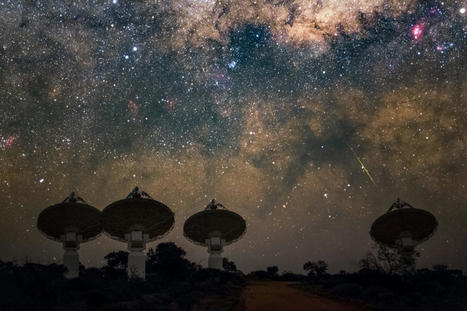
An international team of scientists, led by a researcher at The University of Manchester, have developed a novel AI (artificial intelligence) approach to extract technical astronomy terminology into simple understandable English in their recent publication.
The new research is a result of the international RGZ EMU (Radio Galaxy Zoo EMU) collaboration and is transitioning radio astronomy language from specific terms, such as FRI (Fanaroff-Riley Type 1), to plain English terms such as “hourglass” or “traces host galaxy”.
In astronomy, technical terminology is used to describe specific ideas in efficient ways that are easily understandable amongst professional astronomers. However, this same terminology can also become a barrier to including non-experts in the conversation.
The RGZ EMU collaboration is building a project on the Zooniverse citizen science platform, which asks the public for help in describing and categorizing galaxies imaged through a radio telescope.
Modern astronomy projects collect so much data that it is often impossible for scientists to look at it all by themselves, and a computer analysis can still miss interesting things easily spotted by the human eye.
Micah Bowles, Lead author and RGZ EMU data scientist, said: “Using AI to make scientific language more accessible is helping us share science with everyone. With the plain English terms we derived, the public can engage with modern astronomy research like never before and experience all the amazing science being done around the world.”
Scoop.it!

On Dec. 5, 2022, the National Ignition Facility (NIF) launched “The Age of Ignition” with an experiment that for the first time produced more energy from a fusion reaction than the energy needed to spark the reaction, a condition known as ignition. This series of articles explains how NIF made scientific history and what it means for science, national security, and the promise of clean, safe, and abundant energy.
The graphic shows a high-resolution 3D HYDRA capsule simulation of a June 2017 NIF shot. The spherical contour surface shows the ablation front colored by ion temperature. The cutaway view shows density on the right where the capsule shell contains the hot spot. The jet from the fill tube is visible near the equator. Ion temperature is shown on the left (Credit: Marty Marinak).
Scoop.it!

With chatbots like ChatGPT making a splash, machine learning is playing an increasingly prominent role in our lives. For many of us, it’s been a mixed bag. We rejoice when our Spotify For You playlist finds us a new jam, but groan as we scroll through a slew of targeted ads on our Instagram feeds.
Machine learning is also changing many fields that may seem surprising. One example is my discipline, ornithology, the study of birds. It isn’t just solving some of the biggest challenges associated with studying bird migration; more broadly, machine learning is expanding the ways in which people engage with birds. As spring migration picks up, here’s a look at how machine learning is influencing ways to research birds and, ultimately, to protect them. The challenge of conserving migratory birdsMost birds in the Western Hemisphere migrate twice a year, flying over entire continents between their breeding and nonbreeding grounds. While these journeys are awe-inspiring, they expose birds to many hazards en route. These include extreme weather, food shortages and light pollution that can attract birds and cause them to collide with buildings. Our ability to protect migratory birds is only as good as the science that tells us where they go. And that science has come a long way. Banding to track bird migrationIn 1920, the U.S. Geological Survey launched the Bird Banding Laboratory, spearheading an effort to put bands with unique markers on birds, then recapture the birds in new places to figure out where they traveled. Today researchers can deploy a variety of lightweight tracking tags on birds to discover their migration routes. These tools have uncovered the spatial patterns of where and when birds of many species migrate. However, tracking birds has limitations. For one thing, over 4 billion birds migrate across the continent every year. Even with increasingly affordable equipment, the number of birds that we track is a drop in the bucket. And even within a species, migratory behavior may vary across sexes or populations. Further, tracking data tells us where birds have been, but it doesn’t necessarily tell us where they’re going. Migration is dynamic, and the climates and landscapes that birds fly through are constantly changing. That means it’s crucial to be able to predict their movements.
Using machine learning to forecast bird migration This is where machine learning comes in. Machine learning is a subfield of artificial intelligence that gives computers the ability to learn tasks or associations without explicitly being programmed. We use it to train algorithms that tackle various tasks, from forecasting weather to predicting March Madness upsets. But applying machine learning requires data. And the more data the better. Luckily, scientists have inadvertently compiled decades of data on migrating birds through the Next Generation Weather Radar system. This network, known as NEXRAD, measures weather dynamics and helps predict future weather events. But it also picks up signals from birds as they fly through the atmosphere. Via LIGHTING
Tanja Elbaz's curator insight,
November 13, 2023 3:57 PM
Scoop.it!

It was a glass half-full situation on March 22, 2023 when Relativity Space carried out the first successful launch of an almost entirely 3D-printed rocket from Launch Complex 16 at Cape Canaveral Space Force Station in Florida at 11:23 pm EDT. Though the liftoff was successful and the first stage completed all of its mission goals, the second stage failed to fire and fell into the Atlantic Ocean.
The recently launched Terran-1 rocket, dubbed Good Luck, Had Fun (GLHF) was the third attempt by the company, with the previous attempt on March 11 aborted due to a series of system malfunctions. Despite the failure of the second stage, Relativity Space says that the mission was a success because its purpose as a prototype was to demonstrate that a 3D-printed rocket was capable of operating as an orbital launcher by carrying out all the phases from liftoff to stage separation, after two and a half minutes of burn by the nine Aeon engines each producing 23,000 lb of thrust. Terran-1 is the first of the Relativity Space launch family and is 85% 3D-printed by mass, including the engines that are made of a proprietary alloy out of 100 printed parts. Later rockets will be 95% 3D printed. For the present mission, no payload was aboard, but when in commercial service it will be capable of sending 1,250 kg (2,755 lb) to low Earth orbit and 900 kg (2,000 lb) into Sun synchronous orbit for an advertised launch price of US$12 million.
Tanja Elbaz's curator insight,
November 13, 2023 3:56 PM
Scoop.it!

From
phys
Multicellular organisms typically develop from a single cell into a collection of cells that all have the same genetic material. A research team now discovered a deviation from this developmental hallmark in the yellow crazy ant, Anoplolepis gracilipes. Males are chimeras of haploid cells from two divergent lineages: R and W. R cells are overrepresented in the males’ somatic tissues, whereas W cells are overrepresented in their sperm. Chimerism occurs when parental nuclei bypass syngamy and divide separately within the same egg. When syngamy takes place, the diploid offspring either develops into a queen when the oocyte is fertilized by an R sperm or into a worker when fertilized by a W sperm. This study reveals a mode of reproduction that may be associated with a conflict between lineages to preferentially enter the germ line.
Tanja Elbaz's curator insight,
November 13, 2023 3:56 PM
Scoop.it!
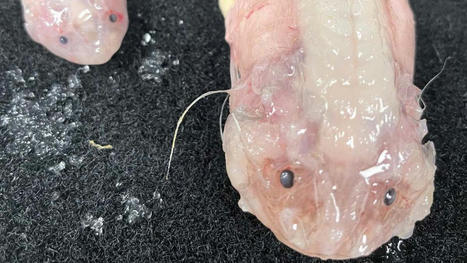
Scientists have set a new record by filming a deep sea snailfish (Pseudoliparis belyaevi) at 8,000 meters below the surface of the ocean.
These snailfish specimens are the deepest fish ever caught, recovered from a depth of 8022m in the Japan Trench. Scientists have delved eight kilometers below the ocean’s surface to film a fish, and set new records in the process. While exploring the Japan, Izu-Ogasawara and Ryukyu trenches as part of a decade-long study into the world’s deep sea fish populations, teams from the Universities of Western Australia and Tokyo University of Marine Science and Technology spotted a snailfish (genus Pseudoliparis) cruising at a depth of 8,366 meters. It’s the deepest recording of a fish yet taken by humans.
Pseudoliparis are a genus first described midway through last century, and known to inhabit the farthest depths of the Pacific Ocean’s deep trenches. They are ray-finned fishes and part of the same animal order as lionfishes. The records weren’t over, however, with the study team trapping two Pseudoliparis belyaevi at 8,002 meters – a record catch depth for this species.
“It is not necessarily that they are living at 8,336m but rather we have enough information on this environment to have predicted that these trenches would be where the deepest fish would be,” says the study’s chief scientist, Professor Alan Jamieson.“ Until this expedition, no one had ever seen nor collected a single fish from this entire trench.
“We have spent over 15 years researching these deep snailfish; there is so much more to them than simply the depth, but the maximum depth they can survive is truly astonishing. In other trenches such as the Mariana Trench, we were finding them at increasingly deeper depths just creeping over that 8,000m mark in fewer and fewer numbers, but around Japan they are really quite abundant.”
Tanja Elbaz's curator insight,
November 13, 2023 3:56 PM
Scoop.it!

A research team led by gene editing pioneer David R. Liu, PhD, reports the application of base editing technology to develop a one-time treatment for spinal muscular atrophy (SMA), showing promising effectiveness in cell and mouse models. Liu, a professor at Harvard University, the Broad Institute, and an investigator with the Howard Hughes Medical Institute, together with 16 co-authors, published their findings today in Science, in a report entitled, “Base editing rescue of spinal muscular atrophy in cells and in mice.”
The paper is the first one published in a peer-reviewed journal that details a base editing approach to treating SMA—the leading genetic cause of infant mortality. Two months ago, Benjamin P. Kleinstiver, PhD, assistant professor in the Center for Genomic Medicine at Massachusetts General Hospital (MGH) and Harvard Medical School, and 12 co-authors posted a related preprint on bioRxiv detailing successful results from their study to optimize and implement a base editing treatment for SMA. In SMA, patients have either a loss of, or mutations in, the SMN1 gene. The result is a lack of its corresponding protein SMN, which is critical to cellular functions that include those required for embryo development. Liu and co-authors detailed how they restored SMN protein abundance to normal levels and rescued disease phenotypes in cell and mouse models of SMA by developing one-time genome editing approaches targeting another gene, called SMN2. SMN2 differs from SMN1 at just one position—a single C-to-T mutation in exon 7. The result is a defective truncated SMN protein that fails to fully compensate for the loss of SMN1, but which provides just enough SMN protein activity to allow babies to be born with SMA. In the most common SMA cases (type 1), those babies typically live less than two years without treatment. Liu and colleagues developed a customized base editor (out of more than 40 tested) that directly converts SMN2 to the same sequence as SMN1 by reversing the C-to-T mutation that occurred during the duplication of SMN1 to SMN2.
The investigators reported that their strategy converted SMN2 to SMN1 with near-ideal editing efficiency of 99% in cells, fully restoring SMN protein levels ~40-fold to normal levels, while generating minimal off-target edits. “Because all SMA patients have SMN2—otherwise loss of SMN1 would not allow them to be born—this base editing approach to treating SMA also should be applicable to all SMA patients, regardless of the specific mutation that caused their SMN1 loss,” Liu said. Via Juan Lama
Scoop.it!
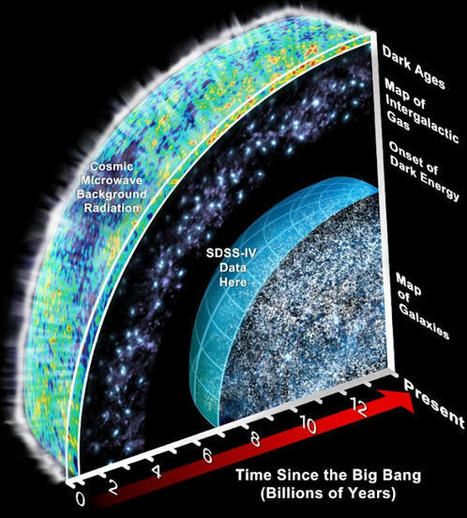
The universe is expanding, with every galaxy beyond the Local Group speeding away from us. Today, most of the universe's galaxies are already receding faster than the speed of light. All galaxies currently beyond 18 billion light-years are forever unreachable by us, no matter how much time passes.
Our universe is full of stars and galaxies everywhere and in all directions. From our vantage point, we observe up to 46.1 billion light years away. Our visible universe contains an estimated ~ 2 trillion galaxies. However, most of them are already permanently unavailable for us.
|




