 Your new post is loading...

|
Scooped by
Dr. Stefan Gruenwald
May 15, 2023 5:35 PM
|
Researchers have developed a biosynthetic “clock” that keeps cells from reaching normal levels of deterioration related to aging. They engineered a gene oscillator that switches between the two normal paths of aging, slowing cell degeneration and setting a record for life extension. Human lifespan is related to the aging of our individual cells. Three years ago a group of University of California San Diego researchers deciphered essential mechanisms behind the aging process. After identifying two distinct directions that cells follow during aging, the researchers genetically manipulated these processes to extend the lifespan of cells. As described April 28, 2023 in Science, they have now extended this research using synthetic biology to engineer a solution that keeps cells from reaching their normal levels of deterioration associated with aging. Cells, including those of yeast, plants, animals and humans, all contain gene regulatory circuits that are responsible for many physiological functions, including aging. “These gene circuits can operate like our home electric circuits that control devices like appliances and automobiles,” said Professor Nan Hao of the School of Biological Sciences’ Department of Molecular Biology, the senior author of the study and co-director of UC San Diego’s Synthetic Biology Institute. However, the UC San Diego group uncovered that, under the control of a central gene regulatory circuit, cells don’t necessarily age the same way. Imagine a car that ages either as the engine deteriorates or as the transmission wears out, but not both at the same time. The UC San Diego team envisioned a “smart aging process” that extends cellular longevity by cycling deterioration from one aging mechanism to another. In this new study, the researchers genetically rewired the circuit that controls cell aging. From its normal role functioning like a toggle switch, they engineered a negative feedback loop to stall the aging process. The rewired circuit operates as a clock-like device, called a gene oscillator, that drives the cell to periodically switch between two detrimental “aged” states, avoiding prolonged commitment to either, and thereby slowing the cell’s degeneration. These advances resulted in a dramatically extended cellular lifespan, setting a new record for life extension through genetic and chemical interventions. As electrical engineers often do, the researchers in this study first used computer simulations of how the core aging circuit operates. This helped them design and test ideas before building or modifying the circuit in the cell. This approach has advantages in saving time and resources to identify effective pro-longevity strategies, compared to more traditional genetic strategies. “This is the first time computationally guided synthetic biology and engineering principles were used to rationally redesign gene circuits and reprogram the aging process to effectively promote longevity,” said Hao. Several years ago the multidisciplinary UC San Diego research team began studying the mechanisms behind cell aging, a complex biological process that underlies human longevity and many diseases. They discovered that cells follow a cascade of molecular changes through their entire lifespan until they eventually degenerate and die. But they noticed that cells of the same genetic material and within the same environment can travel along distinct aging routes. About half of the cells age through a gradual decline in the stability of DNA, where genetic information is stored. The other half ages along a path tied to the decline of mitochondria, the energy production units of cells. The new synthetic biology achievement has the potential to reconfigure scientific approaches to age delay. Distinct from numerous chemical and genetic attempts to force cells into artificial states of “youth,” the new research provides evidence that slowing the ticks of the aging clock is possible by actively preventing cells from committing to a pre-destined path of decline and death, and the clock-like gene oscillators could be a universal system to achieve that.
|
|
Scooped by
Dr. Stefan Gruenwald
May 14, 2023 2:17 PM
|
A new artificial intelligence system called a semantic decoder can translate a person's brain activity -- while listening to a story or silently imagining telling a story -- into a continuous stream of text. The system developed by researchers at The University of Texas at Austin might help people who are mentally conscious yet unable to physically speak, such as those debilitated by strokes, to communicate intelligibly again. The study, published in the journal Nature Neuroscience, was led by Jerry Tang, a doctoral student in computer science, and Alex Huth, an assistant professor of neuroscience and computer science at UT Austin. The work relies in part on a transformer model, similar to the ones that power Open AI's ChatGPT and Google's Bard. Unlike other language decoding systems in development, this system does not require subjects to have surgical implants, making the process noninvasive. Participants also do not need to use only words from a prescribed list. Brain activity is measured using an fMRI scanner after extensive training of the decoder, in which the individual listens to hours of podcasts in the scanner. Later, provided that the participant is open to having their thoughts decoded, their listening to a new story or imagining telling a story allows the machine to generate corresponding text from brain activity alone. "For a noninvasive method, this is a real leap forward compared to what's been done before, which is typically single words or short sentences," Huth said. "We're getting the model to decode continuous language for extended periods of time with complicated ideas." The result is not a word-for-word transcript. Instead, researchers designed it to capture the gist of what is being said or thought, albeit imperfectly. About half the time, when the decoder has been trained to monitor a participant's brain activity, the machine produces text that closely (and sometimes precisely) matches the intended meanings of the original words. For example, in experiments, a participant listening to a speaker say, "I don't have my driver's license yet" had their thoughts translated as, "She has not even started to learn to drive yet." Listening to the words, "I didn't know whether to scream, cry or run away. Instead, I said, 'Leave me alone!'" was decoded as, "Started to scream and cry, and then she just said, 'I told you to leave me alone.'" Beginning with an earlier version of the paper that appeared as a preprint online, the researchers addressed questions about potential misuse of the technology. The paper describes how decoding worked only with cooperative participants who had participated willingly in training the decoder. Results for individuals on whom the decoder had not been trained were unintelligible, and if participants on whom the decoder had been trained later put up resistance -- for example, by thinking other thoughts -- results were similarly unusable. "We take very seriously the concerns that it could be used for bad purposes and have worked to avoid that," Tang said. "We want to make sure people only use these types of technologies when they want to and that it helps them." In addition to having participants listen or think about stories, the researchers asked subjects to watch four short, silent videos while in the scanner. The semantic decoder was able to use their brain activity to accurately describe certain events from the videos. The system currently is not practical for use outside of the laboratory because of its reliance on the time need on an fMRI machine. But the researchers think this work could transfer to other, more portable brain-imaging systems, such as functional near-infrared spectroscopy (fNIRS). "fNIRS measures where there's more or less blood flow in the brain at different points in time, which, it turns out, is exactly the same kind of signal that fMRI is measuring," Huth said. "So, our exact kind of approach should translate to fNIRS," although, he noted, the resolution with fNIRS would be lower.
|
|
Scooped by
Dr. Stefan Gruenwald
May 14, 2023 2:09 PM
|
While conducting a study of Petermann Glacier in northwest Greenland, researchers at the University of California, Irvine and NASA's Jet Propulsion Laboratory uncovered a previously unseen way in which the ice and ocean interact. The glaciologists said their findings could mean that the climate community has been vastly underestimating the magnitude of future sea level rise caused by polar ice deterioration. Using satellite radar data from three European missions, the UCI/NASA team learned that Petermann Glacier's grounding line -- where ice detaches from the land bed and begins floating in the ocean -- shifts substantially during tidal cycles, allowing warm seawater to intrude and melt ice at an accelerated rate. The group's results are the subject of a paper published in Proceedings of the National Academy of Sciences. "Petermann's grounding line could be more accurately described as a grounding zone, because it migrates between 2 and 6 kilometers as tides come in and out," said lead author Enrico Ciraci, UCI assistant specialist in Earth system science and NASA postdoctoral fellow. "This is an order of magnitude larger than expected for grounding lines on a rigid bed." He said the traditional view of grounding lines beneath ocean-reaching glaciers was that they did not migrate during tidal cycles, nor did they experience ice melt. But the new study replaces that thinking with knowledge that warm ocean water intrudes beneath the ice through preexisting subglacial channels, with the highest melt rates occurring at the grounding zone. The researchers found that as Petermann Glacier's grounding line retreated nearly 4 kilometers -- 2½ miles -- between 2016 and 2022, warm water carved a 670-foot-tall cavity in the underside of the glacier, and that abscess remained there for all of 2022. "These ice-ocean interactions make the glaciers more sensitive to ocean warming," said senior co-author Eric Rignot, UCI professor of Earth system science and NASA JPL research scientist. "These dynamics are not included in models, and if we were to include them, it would increase projections of sea level rise by up to 200 percent -- not just for Petermann but for all glaciers ending in the ocean, which is most of northern Greenland and all of Antarctica." The Greenland ice sheet has lost billions of tons of ice to the ocean in the past few decades, the PNAS paper stresses, with most of the loss caused by warming of subsurface ocean waters, a product of Earth's changing climate. Exposure to ocean water melts the ice vigorously at the glacier front and erodes resistance to the movement of glaciers over the ground, causing the ice to slide more quickly to the sea, according to Rignot.
|
|
Scooped by
Dr. Stefan Gruenwald
May 14, 2023 2:02 PM
|
Goldenhar syndrome is a rare congenital disease, affecting early foetal development. This syndrome includes malformations of varying severity, affecting different parts of the face. Its causes and modes of transmission are still poorly understood. An international collaboration led by the University of Geneva (UNIGE) and Beihang University, in China, has discovered that pathogenic variants of the FOXI3 gene -- responsible for the development of the ear -- cause one form of this developmental disorder. The scientists were also able to identify the modes of transmission of the disease when this particular gene is involved. These results can be found in Nature Communications. First described in 1952 at the University of Geneva (UNIGE) by the ophthalmologist Maurice Goldenhar (1924-2001), Goldenhar syndrome or oculo-auriculo-vertebral dysplasia is a rare congenital disorder with facial asymmetry, malformations of the auditory and ocular systems, and spinal column anomalies, sometimes associated with mental retardation. It varies greatly in expression and severity depending on the individual and is thought to affect approximately one in 3,500 to 5,600 births. This syndrome is caused by mutations that appear during foetal development. Do these mutations occur spontaneously or is there an inherited form of the disease? The mode of transmission and the molecular mechanisms involved are still poorly understood. A recent international research effort, led by a joint team from the UNIGE and Beihang University, in China, is providing new elements for understanding the disease. The scientists have identified a gene -- FOXI3 -- whose pathogenic variants are involved in one form of the disease. A gene that builds the ear ''FOXI3 is critically involved in the development of the ear. It is an architect gene: it produces a protein that acts as a transcription factor. In other words, it controls the expression of other genes to start the construction of the ear,'' explains Stylianos Antonarakis, Emeritus Professor at the UNIGE Faculty of Medicine and co-last author of the study, which was funded by the ChildCare Foundation in Geneva. To determine the role of FOXI3, the scientists used the genetic profiles of a highly consanguineous Pakistani family involved in a larger research project on rare diseases. In this family, two brothers have the syndrome but not their parents, nor the other four siblings. Both patients have pathogenic mutations in both copies of the FOXI3 gene, while several other members of this family, who do not have Goldenhar syndrome, have a mutation in only one copy of the gene. 'This first analysis allowed us to confirm that pathogenic mutations in both copies of the FOXI3 gene, each inherited from a parent, are necessary for a form of the disease to develop,'' explains Stylianos Antonarakis. This is called autosomal recessive inheritance. Responsible for one form of the disease To find out whether pathogenic variants in FOXI3 and their autosomal recessive inheritance are systematically involved, the researchers also analyzed the genetic profiles of 670 unrelated patients in Europe and China. ''Eighteen pathogenic variants in the FOXI3 gene were identified in twenty-one patients. FOXI3 is therefore only one of the genes that can cause the disease, precisely the specific form observed in our Pakistani patients,'' explains Ke Mao, researcher at Beihang University and co-first author of the study with Christelle Borel, senior research associate in the Department of Genetic Medicine and Development at the UNIGE Faculty of Medicine, and Muhammad Ansar, senior research and teaching assistant in the same department and head of the ''Eye Genetics'' research group at the Jules-Gonin eye hospital. Another finding that baffled the researchers was that the mode of inheritance, in many other cases, is seemingly autosomal dominant. In this case, only one of the two copies of the gene needs to carry the mutation for the disease to occur. By carefully studying the genome around the FOXI3 gene, scientists have solved this mystery. There is a functional and frequent, but specific, variant of one copy of the FOXI3 gene that, in combination with a severe mutation in the other copy of the FOXI3 gene, also causes the disorder. 'We also created mouse models with mutations in the FOXI3 gene to validate the results obtained in human families. These mice showed facial deformities equivalent to human characteristics,'' adds Prof. Yong-Biao Zhang of Beihang University, the study's co-lead author. These results provide crucial elements for understanding this syndrome and would explain in part the extensive heterogeneity of the disease. They also pave the way for the study of other genes that may be involved in the disease, but also in the healthy development of certain parts of the face, the mechanisms of which are still poorly understood.
|
|
Scooped by
Dr. Stefan Gruenwald
May 14, 2023 1:41 PM
|
Thanks to data from a magnified, multiply imaged supernova, a team led by University of Minnesota Twin Cities researchers has successfully used a first-of-its-kind technique to measure the expansion rate of the Universe. Their data provide insight into a longstanding debate in the field and could help scientists more accurately determine the Universe's age and better understand the cosmos. The work is divided into two papers, respectively published in Science, one of the world's top peer-reviewed academic journals, and The Astrophysical Journal, a peer-reviewed scientific journal of astrophysics and astronomy. In astronomy, there are two precise measurements of the expansion of the Universe, also called the "Hubble constant." One is calculated from nearby observations of supernovae, and the second uses the "cosmic microwave background," or radiation that began to stream freely through the Universe shortly after the Big Bang. However, these two measurements differ by about 10 percent, which has caused widespread debate among physicists and astronomers. If both measurements are accurate, that means scientists' current theory about the make-up of the universe is incomplete. "If new, independent measurements confirm this disagreement between the two measurements of the Hubble constant, it would become a chink in the armor of our understanding of the cosmos," said Patrick Kelly, lead author of both papers and an assistant professor in the University of Minnesota School of Physics and Astronomy. "The big question is if there is a possible issue with one or both of the measurements. Our research addresses that by using an independent, completely different way to measure the expansion rate of the Universe." The University of Minnesota-led team was able to calculate this value using data from a supernova discovered by Kelly in 2014 -- the first ever example of a multiply imaged supernova, meaning that the telescope captured four different images of the same cosmic event. After the discovery, teams around the world predicted that the supernova would reappear at a new position in 2015, and the University of Minnesota team detected this additional image. These multiple images appeared because the supernova was gravitationally lensed by a galaxy cluster, a phenomenon in which mass from the cluster bends and magnifies light. By using the time delays between the appearances of the 2014 and 2015 images, the researchers were able to measure the Hubble Constant using a theory developed in 1964 by Norwegian astronomer Sjur Refsdal that had previously been impossible to put into practice. The researchers' findings don't absolutely settle the debate, Kelly said, but they do provide more insight into the problem and bring physicists closer to obtaining the most accurate measurement of the Universe's age. "Our measurement favors the value from the cosmic microwave background, although it is not in strong disagreement with the supernova value," Kelly said. "If observations of future supernovae that are also gravitationally lensed by clusters yield a similar result, then it would identify an issue with the current supernova value, or with our understanding of galaxy-cluster dark matter." Using the same data, the researchers found that some current models of galaxy-cluster dark matter were able to explain their observations of the supernovae. This allowed them to determine the most accurate models for the locations of dark matter in the galaxy cluster, a question that has long plagued astronomers. This research was funded primarily by NASA through the Space Telescope Science Institute and the National Science Foundation.
|
|
Scooped by
Dr. Stefan Gruenwald
May 14, 2023 1:34 PM
|
Scientists have made groundbreaking progress in characterizing the fraction of human DNA that varies between individuals. For more than 20 years, scientists have relied on the human reference genome, a consensus genetic sequence, as a standard against which to compare other genetic data. Used in countless studies, the reference genome has made it possible to identify genes implicated in specific diseases and trace the evolution of human traits, among other things. But it has always been a flawed tool. One of its biggest problems is that about 70 percent of its data came from a single man of predominantly African-European background whose DNA was sequenced during the Human Genome Project, the first effort to capture all of a person's DNA. As a result, it can tell us little about the 0.2 to one percent of genetic sequence that makes each of the seven billion people on this planet different from each other, creating an inherent bias in biomedical data believed to be responsible for some of the health disparities affecting patients today. Many genetic variants found in non-European populations, for instance, aren't represented in the reference genome at all. For years, researchers have called for a resource more inclusive of human diversity with which to diagnose diseases and guide medical treatments. Now scientists with the Human Pangenome Reference Consortium have made groundbreaking progress in characterizing the fraction of human DNA that varies between individuals. As they recently published in Nature, they have assembled genomic sequences of 47 people from around the world into a so-called pangenome in which more than 99 percent of each sequence is rendered with high accuracy. Layered upon each other, these sequences revealed nearly 120 million DNA base pairs that were previously unseen. While it's still a work in progress, the pangenome is public and can be used by scientists around the world as a new standard human genome reference, says The Rockefeller University's Erich D. Jarvis, one of the primary investigators. "This complex genomic collection represents significantly more accurate human genetic diversity than has ever been captured before," he says. "With a greater breadth and depth of genetic data at their disposal, and greater quality of genome assemblies, researchers can refine their understanding of the link between genes and disease traits, and accelerate clinical research." Sourcing diversity Completed in 2003, the first draft of the human genome was relatively imprecise, but it became sharper over the years thanks to filled-in gaps, corrected errors, and advancing sequencing technology. Another milestone was reached last year, when the final eight percent of the genome -- mainly tightly coiled DNA that doesn't code for protein and repetitive DNA regions -- was finally sequenced. Despite this progress, the reference genome remained imperfect, especially with respect to the critical 0.2 to one percent of DNA representing diversity. The Human Pangenome Reference Consortium (HPRC), a government-funded collaboration between more than a dozen research institutions in the United States and Europe, was launched in 2019 to address this problem. At the time, Jarvis, one of the consortium's leaders, was honing advanced sequencing and computational methods through the Vertebrate Genomes Project, which aims to sequence all 70,000 vertebrate species. His and other collaborating labs decided to apply these advances for high-quality diploid genome assemblies to revealing the variation within a single vertebrate: Homo sapiens. To collect a diversity of samples, the researchers turned to the 1000 Genomes Project, a public database of sequenced human genomes that includes more than 2500 individuals representing 26 geographically and ethnically varied populations. Most of the samples come from Africa, home to the planet's largest human diversity. "In many other large human genome diversity projects, the scientists selected mostly European samples," Jarvis says. "We made a purposeful effort to do the opposite. We were trying to counteract the biases of the past." It's likely that gene variants that could inform our knowledge of both common and rare diseases can be found among these populations.
|
|
Scooped by
Dr. Stefan Gruenwald
May 11, 2023 7:45 PM
|
Richard Feynman’s path integral is a powerful prediction machine and a philosophy. Physicists still struggle to figure out how to use it, and what it means. The most powerful formula in physics starts with a slender S, the symbol for a sort of sum known as an integral. Further along comes a second S, representing a quantity known as action. Together, these twin S’s form the essence of an equation that is arguably the most effective diviner of the future yet devised. The oracular formula is known as the Feynman path integral. As far as physicists can tell, it precisely predicts the behavior of any quantum system—an electron, a light ray, or even a black hole. The path integral has racked up so many successes that many physicists believe it to be a direct window into the heart of reality. “It’s how the world really is,” said Renate Loll, a theoretical physicist at Radboud University in the Netherlands. But the equation, although it graces the pages of thousands of physics publications, is more of a philosophy than a rigorous recipe. It suggests that our reality is a sort of blending—a sum—of all imaginable possibilities. But it does not tell researchers exactly how to carry out the sum. So physicists have spent decades developing an arsenal of approximation schemes for constructing and computing the integral for different quantum systems. The approximations work well enough that intrepid physicists like Loll are now pursuing the ultimate path integral: one that blends all conceivable shapes of space and time and produces a universe shaped like ours as the net result. But in this quest to show that reality is indeed the sum of all possible realities, they face deep confusion about which possibilities should enter the sum. All Roads Lead to One Quantum mechanics really got off the ground in 1926 when Erwin Schrödinger devised an equation describing how the wavelike states of particles evolve from moment to moment. The next decade, Paul Dirac advanced an alternative vision of the quantum world. His was based on the venerable notion that things take the path of “least action” to get from A to B—the route that, loosely speaking, takes the least time and energy. Richard Feynman later stumbled upon Dirac’s work and fleshed out the idea, unveiling the path integral in 1948. The heart of the philosophy is on full display in the quintessential quantum mechanics demonstration: the double-slit experiment. Physicists fire particles at a barrier with two slits in it and observe where the particles land on a wall behind the barrier. If particles were bullets, they’d form a cluster behind each slit. Instead, particles land along the back wall in repeating stripes. The experiment suggests that what moves through the slits is actually a wave representing the particle’s possible locations. The two emerging wavefronts interfere with each other, producing a series of peaks where the particle might end up being detected. Original story reprinted with permission from Quanta Magazine, an editorially independent publication of the Simons Foundation whose mission is to enhance public understanding of science by covering research developments and trends in mathematics and the physical and life sciences.
|
|
Scooped by
Dr. Stefan Gruenwald
May 5, 2023 12:57 PM
|
Newly discovered electrical activity within cells could change the way researchers think about biological chemistry The human body relies heavily on electrical charges. Lightning-like pulses of energy fly through the brain and nerves and most biological processes depend on electrical ions traveling across the membranes of each cell in our body. These electrical signals are possible, in part, because of an imbalance in electrical charges that exists on either side of a cellular membrane. Until recently, researchers believed the membrane was an essential component to creating this imbalance. But that thought was turned on its head when researchers at Stanford University discovered that similar imbalanced electrical charges can exist between microdroplets of water and air. Now, researchers at Duke University have discovered that these types of electric fields also exist within and around another type of cellular structure called biological condensates. Like oil droplets floating in water, these structures exist because of differences in density. They form compartments inside the cell without needing the physical boundary of a membrane. Inspired by previous research demonstrating that microdroplets of water interacting with air or solid surfaces create tiny electrical imbalances, the researchers decided to see if the same was true for small biological condensates. They also wanted to see if these imbalances sparked reactive oxygen, “redox,” reactions like these other systems. Appearing on April 28, 2023 in the journal Chem, their foundational discovery could change the way researchers think about biological chemistry. It could also provide a clue as to how the first life on Earth harnessed the energy needed to arise. “In a prebiotic environment without enzymes to catalyze reactions, where would the energy come from?” asked Yifan Dai, a Duke postdoctoral researcher working in the laboratory of Ashutosh Chilkoti, the Alan L. Kaganov Distinguished Professor of Biomedical Engineering and Lingchong You, the James L. Meriam Distinguished Professor of Biomedical Engineering. “This discovery provides a plausible explanation of where the reaction energy could have come from, just as the potential energy that is imparted on a point charge placed in an electric field,” Dai said. When electric charges jump between one material and another, they can produce molecular fragments that can pair up and form hydroxyl radicals, which have the chemical formula OH. These can then pair again to form hydrogen peroxide (H2O2) in tiny but detectable amounts. “But interfaces have seldom been studied in biological regimes other than the cellular membrane, which is one of the most essential part of biology,” said Dai. “So we were wondering what might be happening at the interface of biological condensates, that is, if it is an asymmetric system too. These findings suggest why condensates are so important in the functioning of cells.” Cells can build biological condensates to either separate or trap together certain proteins and molecules, either hindering or promoting their activity. Researchers are just beginning to understand how condensates work and what they could be used for. Because the Chilkoti laboratory specializes in creating synthetic versions of naturally occurring biological condensates, the researchers were easily able to create a test bed for their theory. After combining the right formula of building blocks to create minuscule condensates, with help from postdoctoral scholar Marco Messina in? Christopher J. Chang’s group at the University of California – Berkeley, they added a dye to the system that glows in the presence of reactive oxygen species. Their hunch was right. When the environmental conditions were right, a solid glow started from the edges of the condensates, confirming that a previously unknown phenomenon was at work. Dai next talked with Richard Zare, the Marguerite Blake Wilbur Professor of Chemistry at Stanford, whose group established the electric behavior of water droplets. Zare was excited to hear about the new behavior in biological systems, and started to work with the group on the underlying mechanism. “Inspired by previous work on water droplets, my graduate student, Christian Chamberlayne, and I thought that the same physical principles might apply and promote redox chemistry, such as the formation of hydrogen peroxide molecules,” Zare said. “These findings suggest why condensates are so important in the functioning of cells.”
|
|
Scooped by
Dr. Stefan Gruenwald
May 2, 2023 11:32 AM
|
A futuristic demonstration of emerging renewable energy material – printed solar cells, is being trialled in a public setting for the first time as it nears commercial readiness. Creator of the organic printed solar material, Physicist Professor Paul Dastoor from the Faculty of Science said his team were excited to take their ‘science to the streets’ in what represented significant progress toward commercial availability of the material. “Globally, there’s been so few of these installations, we know very little about how they perform in a public setting. This installation is the next critical step in accelerating the development and commercialization of this technology. It presents a new scenario for us to test performance and durability against a range of new challenges,” said Professor Dastoor. “Located within Lane Cove Council’s vibrant new urban space ‘The Canopy’, this demonstration plucks extraordinary science from behind sealed lab doors, and places it in an ordinary environment, where people will interact with it as they go about their grocery shopping, play with their children in the park, or enjoy food in one of the nearby restaurants. It’s an effortless and subtle way to spark conversation and showcase ‘what’s next’ in energy generation to thousands of people.” The renewable energy tech - which is ultra light-weight, ultra flexible, recyclable and cheap to manufacture, will power interactive public lighting in Sydney. Professor Dastoor said he was hopeful the public installation would prompt further discussion on the subject of energy as the Federal Government considered submissions to its technology investment roadmap. "The government is seeking to bring down carbon emissions over the next 30 years and the community has been very engaged on this subject. Globally, there are many research groups like ours working on sustainable energy technologies and now, via the technology investment roadmap, is our opportunity to ensure we invest in and deliver clever solutions,” said Professor Dastoor. Director of the University’s Newcastle Institute for Energy and Resources (NIER), Professor Alan Broadfoot, said the University was committed to bringing the world closer to a sustainable future through its next generation resources engagement priority. “The printed solar project highlights the transformational research coming out of NIER through valued partnerships with government, industry, and the community in critical areas such as new energy technologies,” said Professor Broadfoot. A new advanced manufacturing industry for Australia This installation follows a successful commercial-scale public sector installation with CHEP in late 2018. Professor Dastoor said global interest in printed solar was the highest he had ever witnessed and that an advanced manufacturing facility for printed solar in NSW was the imminent goal for his team. “We have a world-class manufacturing facility at the University’s Newcastle Institute for Energy and Resources (NIER), which has been generously supported by the Australian National Fabrication Facility (ANFF). This print facility can manufacture hundreds of meters of material a day, however we’re now reaching the point where we need to significantly scale this level of production,” said Professor Dastoor. This technology will really disrupt and revitalise the contracting print industry. Printed solar is manufactured on conventional printers – our lab-scale system previously manufactured wine labels.
|
|
Scooped by
Dr. Stefan Gruenwald
April 29, 2023 1:42 PM
|
Futurists have long speculated that upon the arrival of AGI, the first sperintelligence will quickly follow. From I. J. Good, writing in 1965, Let an ultraintelligent machine be defined as a machine that can far surpass all the intellectual activities of any man however clever. Since the design of machines is one of these intellectual activities, an ultraintelligent machine could design even better machines; there would then unquestionably be an ‘intelligence explosion,’ and the intelligence of man would be left far behind. Thus the first ultraintelligent machine is the last invention that man need ever make, provided that the machine is docile enough to tell us how to keep it under control. Nick Bostrom wrote in his book Superintelligence (2014), Note that one could think that it will take quite a long time until machines reach the human baseline, or one might be agnostic about how long that will take, and yet have a strong view that once this happens, the further ascent into strong superintelligence will be very rapid. and categorized takeoff durations into three types: -
"A slow takeoff is one that occurs over some long temporal interval, such as decades or centuries." -
"A fast takeoff occurs over some short temporal interval, such as minutes, hours, or days." -
"A moderate takeoff is one that occurs over some intermediary temporal interval, such as months or years." While it seems that most prominent thinkers are convinced that rapid technological and economic progress will follow the development of AGI (See Paul Christiano, Robin Hanson, Eliezer Yudkowsky, Ben Goertzel), most AI researchers surveyed are not convinced. In 2016, AI Impacts asked AI researchers, Assume that HLMI will exist at some point. How likely do you then think it is that the rate of global technological improvement will dramatically increase (e.g. by a factor of ten) as a result of machine intelligence: Within two years of that point? ___% chance Within thirty years of that point? ___% chance The median answer was 20% for the two year estimate and 80% for the thirty year estimate.
|
|
Scooped by
Dr. Stefan Gruenwald
April 27, 2023 2:40 PM
|
Stanford University researchers have developed a generative AI model that can choreograph human dance animation to match any piece of music. It’s called Editable Dance GEneration (EDGE). “EDGE shows that AI-enabled characters can bring a level of musicality and artistry to dance animation that was not possible before,” says Karen Liu, a professor of computer science who led a team that included two student collaborators, Jonathan Tseng and Rodrigo Castellon, in her lab. The researchers believe that the tool will help choreographers design sequences and communicate their ideas to live dancers by visualizing 3D dance sequences. Key to the program’s advanced capabilities is editability. Liu imagines that EDGE could be used to create computer-animated dance sequences by allowing animators to intuitively edit any parts of dance motion. For example, the animator can design specific leg movements of the character, and EDGE will “auto-complete” the entire body from that positioning in a way that is realistic, seamless, and physically plausible as well — a human could complete the moves. Above all, the moves are consistent with the animator’s choice of music. Like other generative models for images and text — ChatGPT and DALL-E, for instance — EDGE represents a new tool for choreographic idea generation and movement planning. The editability means that dance artists and choreographers can iteratively refine their sequences move by move, position by position, adding specific poses at precise moments. EDGE then incorporates the additional details into the sequence automatically. In the near future, EDGE will allow users to input their own music and even demonstrate the moves themselves in front of a camera. “We think it’s a really a fun and engaging way for everyone, not just dancers, to express themselves through movement and tap into their own creativity,” Liu says.
|
|
Scooped by
Dr. Stefan Gruenwald
April 24, 2023 12:44 PM
|
Researchers in Carnegie Mellon University's Robotics Institute (RI) have designed a system that makes an off-the-shelf quadruped robot nimble enough to walk a narrow balance beam — a feat that is likely the first of its kind. "This experiment was huge," said Zachary Manchester, an assistant professor in the RI and head of the Robotic Exploration Lab. "I don't think anyone has ever successfully done balance beam walking with a robot before." By leveraging hardware often used to control satellites in space, Manchester and his team offset existing constraints in the quadruped's design to improve its balancing capabilities. The standard elements of most modern quadruped robots include a torso and four legs that each end in a rounded foot, allowing the robot to traverse basic, flat surfaces and even climb stairs. Their design resembles a four-legged animal, but unlike cheetahs who can use their tails to control sharp turns or falling cats that adjust their orientation in mid-air with the help of their flexible spines, quadruped robots do not have such instinctive agility. As long as three of the robot's feet remain in contact with the ground, it can avoid tipping over. But if only one or two feet are on the ground, the robot can't easily correct for disturbances and has a much higher risk of falling. This lack of balance makes walking over rough terrain particularly difficult. "With current control methods, a quadruped robot's body and legs are decoupled and don't speak to one another to coordinate their movements," Manchester said. "So how can we improve their balance?" The team's solution employs a reaction wheel actuator (RWA) system that mounts to the back of a quadruped robot. With the help of a novel control technique, the RWA allows the robot to balance independent of the positions of its feet. RWAs are widely used in the aerospace industry to perform attitude control on satellites by manipulating the angular momentum of the spacecraft. "You basically have a big flywheel with a motor attached," said Manchester, who worked on the project with RI graduate student Chi-Yen Lee and mechanical engineering graduate students Shuo Yang and Benjamin Boksor. "If you spin the heavy flywheel one way, it makes the satellite spin the other way. Now take that and put it on the body of a quadruped robot."
|
|
Scooped by
Dr. Stefan Gruenwald
April 24, 2023 12:39 PM
|
NASA’s James Webb Space Telescope has begun to shed light on formative years in the history of the universe that have thus far been beyond reach: the formation and assembly of galaxies. For the first time, a protocluster of seven galaxies has been confirmed at a distance that astronomers refer to as redshift 7.9, or a mere 650 million years after the big bang. Based on the data collected, astronomers calculated the nascent cluster’s future development, finding that it will likely grow in size and mass to resemble the Coma Cluster, a monster of the modern universe. “This is a very special, unique site of accelerated galaxy evolution, and Webb gave us the unprecedented ability to measure the velocities of these seven galaxies and confidently confirm that they are bound together in a protocluster,” said Takahiro Morishita of IPAC-California Institute of Technology, the lead author of the study published in the Astrophysical Journal Letters. The precise measurements captured by Webb’s Near-Infrared Spectrograph (NIRSpec) were key to confirming the galaxies’ collective distance and the high velocities at which they are moving within a halo of dark matter – more than two million miles per hour (about one thousand kilometers per second). The spectral data allowed astronomers to model and map the future development of the gathering group, all the way to our time in the modern universe. The prediction that the protocluster will eventually resemble the Coma Cluster means that it could eventually be among the densest known galaxy collections, with thousands of members. “We can see these distant galaxies like small drops of water in different rivers, and we can see that eventually they will all become part of one big, mighty river,” said Benedetta Vulcani of the National Institute of Astrophysics in Italy, another member of the research team. Galaxy clusters are the greatest concentrations of mass in the known universe, which can dramatically warp the fabric of spacetime itself. This warping, called gravitational lensing, can have a magnifying effect for objects beyond the cluster, allowing astronomers to look through the cluster like a giant magnifying glass. The research team was able to utilize this effect, looking through Pandora’s Cluster to view the protocluster; even Webb’s powerful instruments need an assist from nature to see so far. Exploring how large clusters like Pandora and Coma first came together has been difficult, due to the expansion of the universe stretching light beyond visible wavelengths into the infrared, where astronomers lacked high-resolution data before Webb. Webb’s infrared instruments were developed specifically to fill in these gaps at the beginning of the universe’s story. The seven galaxies confirmed by Webb were first established as candidates for observation using data from the Hubble Space Telescope’s Frontier Fields program. The program dedicated Hubble time to observations using gravitational lensing, to observe very distant galaxies in detail. However, because Hubble cannot detect light beyond near-infrared, there is only so much detail it can see. Webb picked up the investigation, focusing on the galaxies scouted by Hubble and gathering detailed spectroscopic data in addition to imagery. The research team anticipates that future collaboration between Webb and NASA’s Nancy Grace Roman Space Telescope, a high-resolution, wide-field survey mission, will yield even more results on early galaxy clusters. With 200 times Hubble's infrared field of view in a single shot, Roman will be able to identify more protocluster galaxy candidates, which Webb can follow up to confirm with its spectroscopic instruments. The Roman mission is currently targeted for launch by May 2027.
|
|
|
Scooped by
Dr. Stefan Gruenwald
May 15, 2023 5:20 PM
|
Text-to-image AI is mainstream now, but just waiting in the wings is photorealistic text-to-video. The pitch for this technology is that you’ll be able to type a description and generate a corresponding video in any style you like. Current capabilities lag behind this dream, but for those tracking the tech’s progress, a recent announcement by AI startup Runway of a new AI video generation model is noteworthy nonetheless.
Runway offers a web-based video editor that specializes in AI tools like background removal and pose detection. The company helped develop open-source text-to-image model Stable Diffusion and announced its first AI video editing model, Gen-1, in February 2023.
Gen-1 focused on transforming existing video footage, letting users input a rough 3D animation or shaky smartphone clip and apply an AI-generated overlay. In one of the clips, for example, footage of cardboard packaging is paired with an image of an industrial factory to produce a clip that could be used for storyboarding or pitching a more polished feature.
Gen-2, by comparison, seems to be more focussed on generating videos from scratch, though there are lots of caveats to note. First, the demo clips shared by Runway are short, unstable, and certainly not photorealistic yet, and second, access is limited. Bloomberg News reports that users will have to sign up to join a waitlist for Gen-2 via Runway’s Discord, and a spokesperson for the company, Kelsey Rondenet, told The Verge that Runway will be “providing broad access in the coming weeks.”
In other words, all we have to judge Gen-2 right now is a demo reel and a handful of clips (most of which were already being advertized as part of Gen-1). AI video generated using Gen-2 with the prompt “A close-up of an eye.” Still, the results are fascinating, and the prospect of text-to-video AI is certainly intoxicating — promising both new creative opportunities and new threats for misinformation, etc. It’s also worth comparing Runway’s work with text-to-video research shared by behemoths like Meta and Google. The work by these companies is more advanced (their AI-generated clips are longer and more cohesive) but not in a way that necessarily reflects these firms’ massive resources. (Runway, by comparison, is only a 45-person team.)
In other words: startups continue to do exciting work in generative AI, including the still-unexplored territory of text-to-video. Watch for more soon, AI-generated or not.
|
|
Scooped by
Dr. Stefan Gruenwald
May 14, 2023 2:12 PM
|
Quantum dots in semiconductors such as silicon or gallium arsenide have long been considered hot candidates for hosting quantum bits in future quantum processors. Scientists at Forschungszentrum Jülich and RWTH Aachen University have now shown that bilayer graphene has even more to offer here than other materials. The double quantum dots they have created are characterized by a nearly perfect electron-hole-symmetry that allows a robust read-out mechanism -- one of the necessary criteria for quantum computing. The results were published in the journal Nature. The development of robust semiconductor spin qubits could help the realization of large-scale quantum computers in the future. However, current quantum dot based qubit systems are still in their infancy. In 2022, researchers at QuTech in the Netherlands were able to create 6 silicon-based spin qubits for the first time. With graphene, there is still a long way to go. The material, which was first isolated in 2004, is highly attractive to many scientists. But the realization of the first quantum bit has yet to come. "Bilayer graphene is a unique semiconductor," explains Prof. Christoph Stampfer of Forschungszentrum Jülich and RWTH Aachen University. "It shares several properties with single-layer graphene and also has some other special features. This makes it very interesting for quantum technologies." One of these features is that it has a bandgap that can be tuned by an external electric field from zero to about 120 milli-electronvolt. The band gap can be used to confine charge carriers in individual areas, so-called quantum dots. Depending on the applied voltage, these can trap a single electron or its counterpart, a hole -- basically a missing electron in the solid-state structure. The possibility of using the same gate structure to trap both electrons and holes is a feature that has no counter part in conventional semiconductors. "Bilayer graphene is still a fairly new material. So far, mainly experiments that have already been realized with other semiconductors have been carried out with it. Our current experiment now goes really beyond this for the first time," Christoph Stampfer says. He and his colleagues have created a so-called double quantum dot: two opposing quantum dots, each housing an electron and a hole whose spin properties mirror each other almost perfectly. Wide range of applications "This symmetry has two remarkable consequences: it is almost perfectly preserved even when electrons and holes are spatially separated in different quantum dots," Stampfer said. This mechanism can be used to couple qubits to other qubits over a longer distance. And what's more, "the symmetry results in a very robust blockade mechanism which could be used to read out the spin state of the dot with high fidelity. This goes beyond what can be done in conventional semiconductors or any other two-dimensional electron systems," says Prof. Fabian Hassler of the JARA Institute for Quantum Information at Forschungszentrum Jülich and RWTH Aachen University, co-author of the study. "The near-perfect symmetry and strong selection rules are very attractive not only for operating qubits, but also for realizing single-particle terahertz detectors. In addition, it lends itself to coupling quantum dots of bilayer graphene with superconductors, two systems in which electron-hole symmetry plays an important role. These hybrid systems could be used to create efficient sources of entangled particle pairs or artificial topological systems, bringing us one step closer to realizing topological quantum computers."
|
|
Scooped by
Dr. Stefan Gruenwald
May 14, 2023 2:04 PM
|
Humans inherited genetic material from Neanderthals that affects the shape of our noses, finds a new study led by UCL researchers. The new Communications Biology study finds that a particular gene, which leads to a taller nose (from top to bottom), may have been the product of natural selection as ancient humans adapted to colder climates after leaving Africa. Co-corresponding author Dr Kaustubh Adhikari (UCL Genetics, Evolution & Environment and The Open University) said: "In the last 15 years, since the Neanderthal genome has been sequenced, we have been able to learn that our own ancestors apparently interbred with Neanderthals, leaving us with little bits of their DNA. "Here, we find that some DNA inherited from Neanderthals influences the shape of our faces. This could have been helpful to our ancestors, as it has been passed down for thousands of generations." The study used data from more than 6,000 volunteers across Latin America, of mixed European, Native American and African ancestry, who are part of the UCL-led CANDELA study, which recruited from Brazil, Colombia, Chile, Mexico and Peru. The researchers compared genetic information from the participants to photographs of their faces -- specifically looking at distances between points on their faces, such as the tip of the nose or the edge of the lips -- to see how different facial traits were associated with the presence of different genetic markers. The researchers newly identified 33 genome regions associated with face shape, 26 of which they were able to replicate in comparisons with data from other ethnicities using participants in east Asia, Europe, or Africa. In one genome region in particular, called ATF3, the researchers found that many people in their study with Native American ancestry (as well as others with east Asian ancestry from another cohort) had genetic material in this gene that was inherited from the Neanderthals, contributing to increased nasal height. They also found that this gene region has signs of natural selection, suggesting that it conferred an advantage for those carrying the genetic material. First author Dr Qing Li (Fudan University) said: "It has long been speculated that the shape of our noses is determined by natural selection; as our noses can help us to regulate the temperature and humidity of the air we breathe in, different shaped noses may be better suited to different climates that our ancestors lived in. The gene we have identified here may have been inherited from Neanderthals to help humans adapt to colder climates as our ancestors moved out of Africa." Co-author Prof. Andres Ruiz-Linares (Fudan University, UCL Genetics, Evolution & Environment, and Aix-Marseille University) added: "Most genetic studies of human diversity have investigated the genes of Europeans; our study's diverse sample of Latin American participants broadens the reach of genetic study findings, helping us to better understand the genetics of all humans." The finding is the second discovery of DNA from archaic humans, distinct from Homo sapiens, affecting our face shape. The same team discovered in a 2021 paper that a gene influencing lip shape was inherited from the ancient Denisovans.*
|
|
Scooped by
Dr. Stefan Gruenwald
May 14, 2023 1:47 PM
|
A recent study has highlighted under-prepared regions across the world most at risk of the devastating effects of scorching temperatures. The University of Bristol-led research, published in Nature Communications, shows that unprecedented heat extremes combined with socioeconomic vulnerability puts certain regions, such as Afghanistan, Papua New Guinea, and Central America,most in peril. Countries yet to experience the most intense heatwaves are often especially susceptible, as adaptation measures are often only introduced after the event. A high chance of record-breaking temperatures, growing populations, and limited healthcare and energy provision, increase the risks. Beijing and Central Europe are also on the list of hotspots, as if record-breaking heatwaves occurred in these densely populated regions millions of people would be adversely affected. In light of the findings, the researchers are calling for policy makers in hotspot regions to consider relevant action plans to reduce the risk of deaths and associated harms from climate extremes. Lead author, climate scientist Dr Vikki Thompson at the University of Bristol Cabot Institute for the Environment, said: "As heatwaves are occurring more often we need to be better prepared. We identify regions that may have been lucky so far -- some of these regions have rapidly growing populations, some are developing nations, some are already very hot. We need to ask if the heat action plans for these areas are sufficient." The researchers used extreme value statistics -- a method to estimate the return periods of rare events -- and large datasets from climate models and observations to pinpoint regions globally where temperature records are most likely to be broken soonest and the communities consequently in greatest danger of experiencing extreme heat. The researchers also cautioned that statistically implausible extremes, when current records are broken by margins that seemed impossible until they occurred, could happen anywhere. These unlikely events were found to have transpired in almost a third (31%) of the regions assessed where observations were deemed reliable enough between 1959 and 2021, such as the 2021 Western North America heatwave. Co-author Dann Mitchell, Professor in Atmospheric Sciences at the University of Bristol Cabot Institute for the Environment, said: "Being prepared saves lives. We have seen some of the most unexpected heatwaves around the world lead to heat-related deaths in the tens of thousands. In this study, we show that such record smashing events could occur anywhere. Governments around the world need to be prepared." Human-induced climate change is causing an increase in the frequency, intensity, and duration of heatwaves, which have the potential to lead to thousands more excess deaths globally. Improving our understanding of where society may not be ready for climate extremes can help prioritize mitigation in the most vulnerable regions. In recognition of the dangerous consequences of climate change, evidenced by the work of its climate experts, in 2019 the University of Bristol became the first UK university to declare a climate emergency.
|
|
Scooped by
Dr. Stefan Gruenwald
May 14, 2023 1:37 PM
|
New research led by Sascha Kempf of the Laboratory for Atmospheric and Space Physics (LASP) at CU Boulder finds that Saturn's rings are no more than 400 million years old. That's much younger than Saturn itself, which formed around 4.5 billion years ago. "In a way, we've gotten closure on a question that started with James Clerk Maxwell," said Kempf, associate professor in the Laboratory for Atmospheric and Space Physics (LASP) at CU Boulder. The researchers arrived at that closure by studying what might seem like an unusual subject: dust. Kempf explained that tiny grains of rocky material wash through Earth's solar system on an almost constant basis. In some cases, this flux can leave behind a thin layer of dust on planetary bodies, including on the ice that makes up Saturn's rings. In the new study, he and his colleagues set out to put a date on Saturn's rings by studying how rapidly this layer of dust builds up -- a bit like telling how old a house is by running your finger along its surfaces. "Think about the rings like the carpet in your house," Kempf said. "If you have a clean carpet laid out, you just have to wait. Dust will settle on your carpet. The same is true for the rings." It was an arduous process: From 2004 to 2017, the team used an instrument called the Cosmic Dust Analyzer aboard NASA's late Cassini spacecraft to analyze specks of dust flying around Saturn. Over those 13 years, the researchers collected just 163 grains that had originated from beyond the planet's close neighborhood. But it was enough. Based on their calculations, Saturn's rings have likely been gathering dust for only a few hundred million years. The planet's rings, in other words, are new phenomena, arising (and potentially even disappearing) in what amounts to a blink of an eye in cosmic terms. "We know approximately how old the rings are, but it doesn't solve any of our other problems," Kempf said. "We still don't know how these rings formed in the first place." From Galileo to Cassini Researchers have been captivated by these seemingly-translucent rings for more than 400 years. In 1610, Italian astronomer Galileo Galilei first observed the features through a telescope, although he didn't know what they were. (Galileo's original drawings make the rings look a bit like the handles on a water jug). In the 1800s, Maxwell, a scientist from Scotland, concluded that Saturn's rings couldn't be solid but were, instead, made up of many individual pieces. Today, scientists know that Saturn hosts seven rings comprised of countless chunks of ice, most no bigger than a boulder on Earth. Altogether, this ice weighs about half as much as Saturn's moon Mimas and stretches nearly 175,000 miles from the planet's surface. Kempf added that for most of the 20th Century, scientists assumed that the rings likely formed at the same time as Saturn. But that idea raised a few issues -- namely, Saturn's rings are sparkling clean. Observations suggest that these features are made up of roughly 98% pure water ice by volume, with only a tiny amount of rocky matter. "It's almost impossible to end up with something so clean," Kempf said. Cassini offered an opportunity to put a definitive age on Saturn's rings. The spacecraft first arrived at Saturn in 2004 and collected data until it purposefully crashed into the planet's atmosphere in 2017. The Cosmic Dust Analyzer, which was shaped a bit like a bucket, scooped up small particles as they whizzed by. Engineers and scientists at LASP designed and built a much more sophisticated dust analyzer for NASA's upcoming Europa Clipper mission, which is scheduled to launch in 2024.
|
|
Scooped by
Dr. Stefan Gruenwald
May 11, 2023 7:57 PM
|
Imagine this: In front of you there’s a big magical button. You happen to know that, if you press it, there’s an indeterminate but non-zero chance that you’ll solve all the world’s problems right away. Sounds great! There’s a caveat, though. At the other end of the probability distribution lies a similarly tiny but very real possibility that you will, just as instantly, kill everyone. Do you press it? Superintelligence: Utopia or apocalypse? That button is, as you may have imagined, a metaphor for the hypothetical AGI or superintelligence (will use them interchangeably) we hear about everywhere nowadays. The dichotomic scenario described above is the setting that so-called “AI optimists” and “AI doomers” have submerged us in. Superintelligence will be humanity’s blessing or humanity’s curse. It’ll be a paradisiac dream or a hellish nightmare. It’ll be the panacea to solve all our problems or the doom that will end human civilization. Public discussions on social media and traditional media about superintelligence and the broad range of futures that will open up if—or when, for some people—we manage to create an AGI have captured the conversation; everything else pales in comparison. Debates about current, actual problems that are existentially urgent to many people are relegated to obscurity because they’re not as “existentially serious as … [AIs] taking over,” as AI pioneer Geoffrey Hinton stated recently.
|
|
Rescooped by
Dr. Stefan Gruenwald
from Virus World
May 8, 2023 12:59 PM
|
Software from Baidu Research yields jabs for COVID that have greater shelf stability and that trigger a larger antibody response in mice than conventionally designed shots. An artificial intelligence (AI) tool that optimizes the gene sequences found in mRNA vaccines could help to create jabs with greater potency and stability that could be deployed across the globe. Developed by scientists at the California division of Baidu Research, an AI company based in Beijing, the software borrows techniques from computational linguistics to design mRNA sequences with more-intricate shapes and structures than those used in current vaccines. This enables the genetic material to persist for longer than usual. The more stable the mRNA that’s delivered to a person’s cells, the more antigens are produced by the protein-making machinery in that person’s body. This, in turn, leads to a rise in protective antibodies, theoretically leaving immunized individuals better equipped to fend off infectious diseases. What’s more, the enhanced structural complexity of the mRNA offers improved protection against vaccine degradation. During the COVID-19 pandemic, mRNA-based shots against the SARS-CoV-2 coronavirus famously had to be transported and kept at temperatures below –15°C to maintain their stability. This limited their distribution in resource-poor regions of the world that lack access to ultracold storage facilities. A more resilient product, optimized by AI, could eliminate the need for cold-chain equipment to handle such jabs. The new methodology is “remarkable”, says Dave Mauger, a computational RNA biologist who previously worked at Moderna in Cambridge, Massachusetts, a maker of mRNA vaccines. “The computational efficiency is really impressive and more sophisticated than anything that has come before.” Linear thinking Vaccine developers already commonly adjust mRNA sequences to align with cells’ preferences for certain genetic instructions over others. This process, known as codon optimization, leads to more-efficient protein production. The Baidu tool takes this a step further, ensuring that the mRNA — usually a single-stranded molecule — loops back on itself to create double-stranded segments that are more rigid (see ‘Design optimization’). Known as LinearDesign, the tool takes just minutes to run on a desktop computer. In validation tests, it has yielded vaccines that, when evaluated in mice, triggered antibody responses up to 128 times greater than those mounted after immunization with more conventional, codon-optimized vaccines. The algorithm also helped to extend the shelf stability of vaccine designs up to sixfold in standard test-tube assays performed at body temperature. “It’s a tremendous improvement,” says Yujian Zhang, former head of mRNA technology at StemiRNA Therapeutics in Shanghai, China, who led the experimental-validation studies. So far, Zhang and his colleagues have tested LinearDesign-enhanced vaccines against only COVID-19 and shingles in mice. But the technique should prove useful when designing mRNA vaccines against any disease, says Liang Huang, a former Baidu scientist who spearheaded the tool’s creation. It should also help in mRNA-based therapeutics, says Huang, who is now a computational biologist at Oregon State University in Corvallis. The researchers reported their findings on 2 May in Nature1. Optimal solutions Already, the tool has been used to optimize at least one authorized vaccine: a COVID-19 shot from StemiRNA, called SW-BIC-213, that won approval for emergency use in Laos late last year. Under a licensing agreement established in 2021, the French pharma giant Sanofi has been using LinearDesign in its own experimental mRNA products, too. Executives at both companies stress that many design features factor into the performance of their vaccine candidates. But LinearDesign is “certainly one type of algorithm that can help with this”, says Sanofi’s Frank DeRosa, head of research and biomarkers at the company’s mRNA Center of Excellence. Another was reported last year. A team led by Rhiju Das, a computational biologist at Stanford School of Medicine in California, demonstrated that even greater protein expression can be eked out of mRNA — in cultured human cells at least — if certain loop patterns are taken out of their strands, even when such changes loosen the overall rigidity of the molecule2. That suggests that alternative algorithms might be preferable, says theoretical chemist Hannah Wayment-Steele, a former member of Das’s team who is now at Brandeis University in Waltham, Massachusetts. Or, it suggests that manual fine-tuning of LinearDesign-optimized mRNA could lead to even better vaccine sequences. But according to David Mathews, a computational RNA biologist at the University of Rochester Medical Center in New York, LinearDesign can do the bulk of the heavy lifting. “It gets people in the right ballpark to start doing any optimization,” he says. Mathews helped develop the algorithm and is a co-founder, along with Huang, of Coderna.ai, a start-up based in Sunnyvale, California, that is developing the software further. Their first task has been updating the platform to account for the types of chemical modification found in most approved and experimental mRNA vaccines; LinearDesign, in its current form, is based on an unmodified mRNA platform that has fallen out of favour among most vaccine developers. A structured approach But mouse studies and cell experiments are one thing. Human trials are another. Given that the immune system has evolved to recognize certain RNA structures as foreign — especially the twisted ladder shapes within many viruses that encode their genomes as double-stranded RNA — some researchers worry that an optimization algorithm such as LinearDesign could end up creating vaccine sequences that spur harmful immune reactions in people. “That’s kind of a liability,” says Anna Blakney, an RNA bioengineer at the University of British Columbia in Vancouver, Canada, who was not involved in the study. Early results from human clinical trials involving StemiRNA’s SW-BIC-213 suggest the extra structure is not a problem, though. In small booster trials reported so far, the shot’s side effects have proved no worse than those reported with other mRNA-based COVID-19 vaccines3. But as Blakney points out: “We’ll learn more about that in the coming years.” Research Cited published in Nature (May 2, 2023): https://doi.org/10.1038/s41586-023-06127-z
Via Juan Lama
|
|
Scooped by
Dr. Stefan Gruenwald
May 5, 2023 12:52 PM
|
A "beautiful effect" predicted by quantum electrodynamics (QED) can explain the puzzling first observations of polarized X-rays emitted by a magnetar -- a neutron star featuring a powerful magnetic field, according to a Cornell astrophysicist. The extremely dense and hot remnant of a massive star, boasting a magnetic field 100 trillion times stronger than Earth's, was expected to generate highly polarized X-rays, meaning that the radiation's electromagnetic field did not vibrate randomly but had a preferred direction. But scientists were surprised when NASA's Imaging X-ray Polarimetry Explorer (IXPE) satellite last year detected that lower- and higher-energy X-rays were polarized differently, with electromagnetic fields oriented at right angles to each other. The phenomenon can be naturally explained as a result of "photon metamorphosis" -- a transformation of X-ray photons that has been theorized but never directly observed, said Dong Lai, Ph.D. '94, the Benson Jay Simon '59, MBA '62, and Mary Ellen Simon, M.A. '63, Professor of Astrophysics in the College of Arts and Sciences. "In this observation of radiation from a faraway celestial object, we see a beautiful effect that is a manifestation of intricate, fundamental physics," Lai said. "QED is one of the most successful physics theories, but it had not been tested in such strong magnetic field conditions." Lai is the author of "IXPE Detection of Polarized X-rays from Magnetars and Photon Mode Conversion at QED Vacuum Resonance," published April 18, 2023 in Proceedings of the National Academy of Sciences (PNAS). The research builds on calculations Lai and Wynn Ho, Ph.D. '03, published 20 years ago, incorporating observations NASA reported last November of the magnetar 4U 0142+61, located 13,000 light-years away in the Cassiopeia constellation. Quantum electrodynamics, which describes microscopic interactions between electrons and photons, predicts that as X-ray photons exit the neutron star's thin atmosphere of hot, magnetized gas, or plasma, they pass through a phase called vacuum resonance. There, Lai said, photons, which have no charge, can temporarily convert into pairs of "virtual" electrons and positrons that are influenced by the magnetar's super-strong magnetic field even in vacuum, a process called "vacuum birefringence." Combined with a related process, plasma birefringence, conditions are created for the polarity of high-energy X-rays to swing 90 degrees relative to low-energy X-rays, according to Lai's analysis. "You can think about the polarization as two flavors of photons," he said. "A photon suddenly converting from one flavor to another -- you don't usually see this kind of thing. But it's a natural consequence of the physics if you apply the theory under these extreme conditions." The IXPE mission did not see the polarization swing in observations of another magnetar, called 1RXS J170849.0-400910, with an even stronger magnetic field. Lai said that's consistent with his calculations, which suggest vacuum resonance and photon metamorphosis would occur very deep inside such a neutron star. Lai said his interpretation of IXPE's observations of the magnetar 4U 0142+61 helped constrain its magnetic field and rotation, and suggested that its atmosphere was likely composed of partially ionized heavy elements. Ongoing study of X-rays from some of the universe's most extreme objects, including neutron stars and black holes, he said, enables scientists to probe the behavior of matter in conditions that can't be replicated in labs, and adds to understanding of the universe's beauty and diversity. "The observations by IXPE have opened a new window for studying the surface environment of neutron stars," Lai said. "This will lead to new insights into these enigmatic objects."
|
|
Rescooped by
Dr. Stefan Gruenwald
from Virus World
May 1, 2023 12:08 PM
|
Wildlife is reservoir of emerging viruses. Here we identified 27 families of mammalian viruses from 1981 wild animals and 194 zoo animals collected from south China between 2015 and 2022, isolated and characterized the pathogenicity of eight viruses. Bats harbor high diversity of coronaviruses, picornaviruses and astroviruses, and a potentially novel genus of Bornaviridae. In addition to the reported SARSr-CoV-2 and HKU4-CoV-like viruses, picornavirus and respiroviruses also likely circulate between bats and pangolins. Pikas harbor a new clade of Embecovirus and a new genus of arenaviruses. Further, the potential cross-species transmission of RNA viruses (paramyxovirus and astrovirus) and DNA viruses (pseudorabies virus, porcine circovirus 2, porcine circovirus 3 and parvovirus) between wildlife and domestic animals was identified, complicating wildlife protection and the prevention and control of these diseases in domestic animals. This study provides a nuanced view of the frequency of host-jumping events, as well as assessments of zoonotic risk. Monitoring the diversity of viruses infecting animals is important for assessing zoonotic risk. Here, the authors use metatranscriptomics to characterise the viromes of small mammals, pangolins, and zoo animals in China to identify potentially zoonotic viruses. Published in Nature Comm. (April 29, 2023): https://doi.org/10.1038/s41467-023-38202-4
Via Juan Lama
|
|
Scooped by
Dr. Stefan Gruenwald
April 29, 2023 1:22 PM
|
Extra parts, from a thumb to an arm, could be designed to help boost our capabilities Whether it is managing childcare, operating on a patient or cooking a Sunday dinner, there are many occasions when an extra pair of arms would come in, well, handy. Now researchers say such human augmentation could be on the horizon, suggesting additional robotic body parts could be designed to boost our capabilities. Tamar Makin, a professor of cognitive neuroscience at the MRC cognition and brain unit at Cambridge University, said the approach could increase productivity. “If you want an extra arm while you’re cooking in the kitchen so you can stir the soup while chopping the vegetables, you might have the option to wear and independently control an extra robotic arm,” she said. The approach has precedence: Dani Clode, a designer and colleague of Makin’s at Cambridge University, has already created a 3D-printed thumb that can be added to any hand. Clode will be discussing the device as part of panel on “Homo cyberneticus: motor augmentation for the future body” at the annual meeting of the American Association for the Advancement of Science (AAAS) in Washington DC on Friday. Makin said the extra thumb could be helpful for waiters holding plates, or for electrical engineers when soldering, for example, and other robotic body parts could be designed for particular workplace needs. For example, extra arm could help a builder hammer a nail while holding a joist in place. “We spoke with a surgeon [who] was really interested in holding his camera whilst he’s doing shoulder surgery, rather than his assistant holding his camera,” said Clode. “He wanted to be in full control of the tools that he’s using with the two hands whilst also holding that camera and being able to manipulate that as well.” The team say robotic body parts could allow far more control than a simple mounted device, with their operation inspired by our natural mechanisms of agency. “We want something that we’d be able to control [very] precisely without us having to articulate what it is exactly that we want,” said Makin. She said the team’s approach was rooted in the idea that the additional appendages could be used to build on the existing capabilities of a person’s body. “If you’re missing a limb, instead of trying to replace that limb, why don’t we augment your intact hand to allow you to do more with it?” she said. But the team envisage such devices also being used by people who are not living with disabilities. Clode said an important feature of human augmentation devices is that they do not take away from the wearer’s original capabilities. “[It’s] a layer on the body that can be used with the least amount of impact as possible for the most amount of gain,” she said. A key aspect of that, Clode added, is that – unlike a spade being used to increase our abilities to dig a hole – such robotic body parts must not be hand-operated.
|
|
Scooped by
Dr. Stefan Gruenwald
April 25, 2023 12:09 PM
|
Astronomers sorted through 200,000 Hubble images and made tens of thousands of measurements on them to look for any residual background glow in the sky, in an ambitious project called SKYSURF. Aside from a tapestry of glittering stars, and the glow of the waxing and waning Moon, the nighttime sky looks inky black to the casual observer. But how dark is dark? To find out, astronomers decided to sort through 200,000 images from NASA's Hubble Space Telescope and made tens of thousands of measurements on these images to look for any residual background glow in the sky, in an ambitious project called SKYSURF. This would be any leftover light after subtracting the glow from planets, stars, galaxies, and from dust in the plane of our solar system (called zodiacal light). When researchers completed this inventory, they found an exceedingly tiny excess of light, equivalent to the steady glow of 10 fireflies spread across the entire sky. That's like turning out all the lights in a shuttered room and still finding an eerie glow coming from the walls, ceiling, and floor. The researchers say that one possible explanation for this residual glow is that our inner solar system contains a tenuous sphere of dust from comets that are falling into the solar system from all directions, and that the glow is sunlight reflecting off this dust. If real, this dust shell could be a new addition to the known architecture of the solar system. This idea is bolstered by the fact that in 2021 another team of astronomers used data from NASA's New Horizons spacecraft to also measure the sky background. New Horizons flew by Pluto in 2015, and a small Kuiper belt object in 2018, and is now heading into interstellar space. The New Horizons measurements were done at a distance of 4 billion to 5 billion miles from the Sun. This is well outside the realm of the planets and asteroids where there is no contamination from interplanetary dust. New Horizons detected something a bit fainter that is apparently from a more distant source than Hubble detected. The source of the background light seen by New Horizons also remains unexplained. There are numerous theories ranging from the decay of dark matter to a huge unseen population of remote galaxies. "If our analysis is correct there's another dust component between us and the distance where New Horizons made measurements. That means this is some kind of extra light coming from inside our solar system," said Tim Carleton, of Arizona State University (ASU). "Because our measurement of residual light is higher than New Horizons we think it is a local phenomenon that is not from far outside the solar system. It may be a new element to the contents of the solar system that has been hypothesized but not quantitatively measured until now," said Carleton.
|
|
Scooped by
Dr. Stefan Gruenwald
April 24, 2023 12:42 PM
|
A new Griffith University study has found that humpback whales will use sandy, shallow bay areas to ‘roll’ around in sandy substrates to remove dead skin cells on their return journeys south to cooler waters. Marine ecologist Dr Olaf Meynecke, from the Griffith-led Whales and Climate Research Program and Coastal and Marine Research Centre, used suction cup tags to track southward migrating whales between August 2021 and October 2022. The CATS tags are fitted with integrated high-definition video, magnesium release system, a VHF transmitter for retrieval, magnetometers, a hydrophone and light, pressure, temperature and GPS sensors. Using data and footage collected from the tags, whales were observed performing full and side rolls in up to 49m water depth on the sea floor that was lined with fine sand or rubble. “On all occasions of sand rolling, the whales were observed on video to be slowly moving forward with their head first into the sand followed by rolling to one side or a full roll,” Dr Meynecke said. “During the different deployments, the sand rolling was observed in the context of socializing. The behavior was either following courtship, competition or other forms of socializing. So we believe that the whales exfoliate using the sand to assist with moulting and removal of ectoparasites such as barnacle and specifically select areas suitable for this behavior.” In tropical and subtropical waters, barnacles attach to the whales in their early life stages, and whales need to remove barnacles frequently to avoid excessive growth that leads to drag and energy loss. “Humpback whales host diverse communities of skin bacteria that can pose a threat for open wounds if bacteria grow in large numbers,” Dr Meynecke said. “Removing excess skin is likely a necessity to maintain a healthy bacterial skin community. Humpback whales can remove some barnacles and skin through surface activity such as breaches but not all.” Skin from the whales was observed to be falling off during the process of all identified rolls, and fish such as juvenile silver trevally were seen to be actively feeding from the whales’ skin during this behaviour similar to cleaning stations are coral reefs.
|





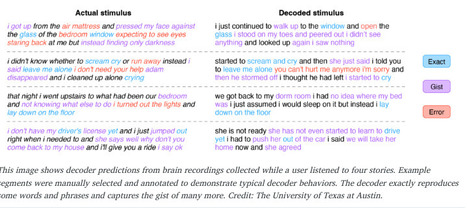


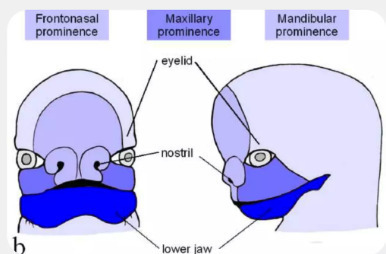





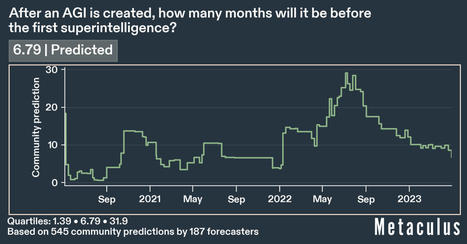

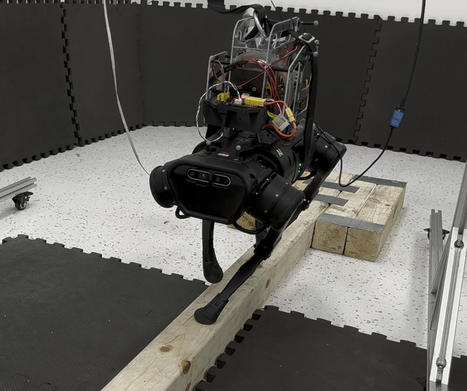
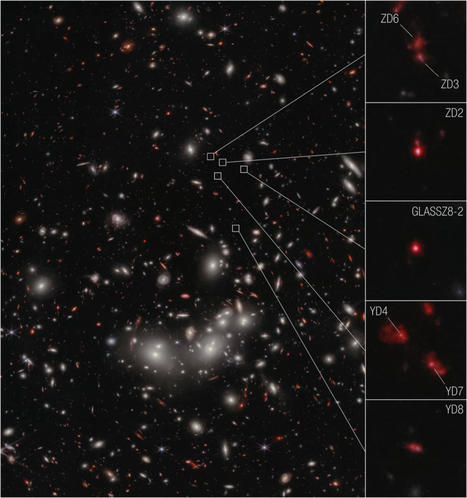


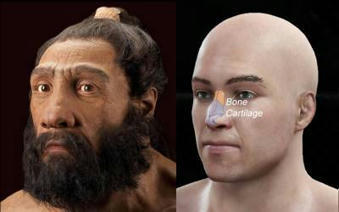




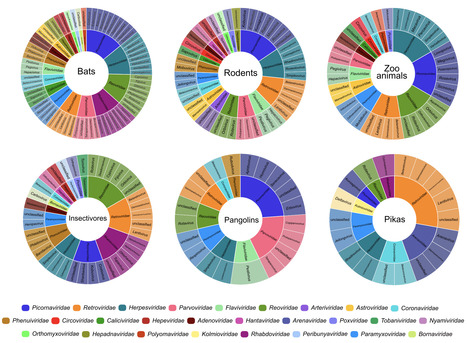
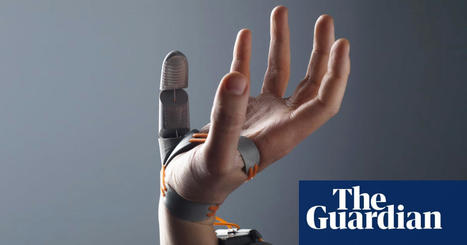






Buy Pethidine online
Price: $190.0 – $480.0Buy Prozac Online
Price: $100.0 – $250.0buy PURE WHEY PROTEIN online
Buy quaaludes online
Buy quality Ativan online
Buy quality methadone online
Price: $150.0 – $900.0Buy quality vyvanse online
Price: $200.0 – $450.0Buy sibelium online
Price: $150.0 – $250.0buy Sodium valproate
buy suboxone strips online
Price: $160.0 – $500.0Buy Subutex Online
Price: $180.0 – $450.0Buy to quality roxicodone Online
Price: $240.0 – $600.0Buy TOP QUALITY Suboxone Online
Price: $150.0 – $500.0Buy Ultram Online
Price: $100.0 – $400.0Buy vicodin online
Price: $150.0 – $500.0Buy vicoprofen online