Education 2.0 & 3.0
183.8K views | +4 today
Education 2.0 & 3.0
All about learning and technology
Curated by Yashy Tohsaku
Your new post is loading...
Rescooped by Yashy Tohsaku from e-learning-ukr
January 16, 11:38 AM
Scoop.it!

Artificial Intelligence and Digital Technologies in the Future Education - Article (Preprint v1) by Michael Voskoglou | Qeios

Artificial Intelligence and Digital Technologies in the Future Education - Article (Preprint v1) by Michael Voskoglou | Qeios | Education 2.0 & 3.0 | Scoop.it
Artificial Intelligence (AI) is the branch of Computer Science that focuses on the theory and practice of creating “smart” devices mimicking human reasoning and behavior. The introduction of the techniques of AI to Education has brought significan

Via Vladimir Kukharenko
No comment yet.
Rescooped by Yashy Tohsaku from Educational Technology News
January 15, 3:27 PM
Scoop.it!

AI in the Classroom: What a Skeptic and an Optimist Can Both Agree On (Opinion)

AI in the Classroom: What a Skeptic and an Optimist Can Both Agree On (Opinion) | Education 2.0 & 3.0 | Scoop.it
Pedro and Enrique Noguera recommend four steps for embracing chatbots—with guardrails.

Via EDTECH@UTRGV
EDTECH@UTRGV's curator insight, January 15, 2:42 PM

"AI tools are changing how teachers teach and how students learn. Some educators see endless possibilities for innovation, while others worry that these same tools could weaken students’ ability to think critically, write clearly, and solve problems independently."

Valeria Davila's curator insight, January 30, 4:01 PM
This article thoughtfully captures the tension many educators feel about AI by presenting both skepticism and optimism without dismissing either perspective. I find the uncle–nephew framing especially effective because it reflects the real generational and professional divide in schools right now, while still pointing toward shared goals. The skeptic’s concern about AI hollowing out productive struggle resonates strongly, as those moments of confusion and revision are where deep learning often happens. At the same time, the optimist’s argument for AI as a “cognitive companion” is compelling, especially when paired with reflective and process-based assignments that keep human thinking at the center. 
Rescooped by Yashy Tohsaku from 21st Century Learning and Teaching
January 15, 3:26 PM
Scoop.it!

BEST and MOST Efficient Way to Teach and Learn About #AI | EDU: Digital CitiZENship, CyberSecurity, eSkills, Modern EDU by Gust MEES

BEST and MOST Efficient Way to Teach and Learn About #AI | EDU: Digital CitiZENship, CyberSecurity, eSkills, Modern EDU by Gust MEES | Education 2.0 & 3.0 | Scoop.it

AI-Footprint emphasizes the profound, lasting impact of AI on various facets of life, urging a shift towards digital maturity. The recommended four-step approach begins with understanding potential risks associated with AI use, designed to enhance awareness and critical thinking. Next, learners should develop key thinking strategies, such as critical and proactive thinking, to navigate digital…


Learn more / En savoir plus / Mehr erfahren:


https://www.scoop.it/topic/21st-century-learning-and-teaching?tag=Gust-MEES


https://gustmees.wordpress.com/


Via Gust MEES
Gust MEES's curator insight, January 15, 2:51 PM

AI-Footprint emphasizes the profound, lasting impact of AI on various facets of life, urging a shift towards digital maturity. The recommended four-step approach begins with understanding potential risks associated with AI use, designed to enhance awareness and critical thinking. Next, learners should develop key thinking strategies, such as critical and proactive thinking, to navigate digital…


Learn more / En savoir plus / Mehr erfahren:


https://www.scoop.it/topic/21st-century-learning-and-teaching?tag=Gust-MEES


https://gustmees.wordpress.com/


lujeruca94@gmail.com's curator insight, January 16, 7:14 AM
El blog explica que la inteligencia artificial (IA) está transformando la educación, el trabajo y la sociedad, y que para usarla de forma sabia se necesita un aprendizaje estructurado. Propone un método de cuatro pasos para enseñar y aprender sobre IA: primero entender los riesgos y peligros como los sesgos, la privacidad y la huella digital; segundo, desarrollar habilidades mentales como el pensamiento crítico, proactivo y de síntesis; tercero, practicar directamente con IA (por ejemplo, pidiendo al sistema que analice tu huella digital) para generar reflexión personal; y finalmente, reflexionar sobre lo aprendido para mejorar la conducta digital y tomar decisiones responsables. Este enfoque busca que los estudiantes y docentes no sean consumidores pasivos de tecnología, sino usuarios conscientes y críticos capaces de entender cómo la IA influye en sus vidas.
Laura Moreno Fernández's curator insight, January 22, 10:51 AM
Este artículo plantea una metodología clara y reflexiva para enseñar y aprender sobre inteligencia artificial (IA), subrayando que la educación sobre IA debe ir más allá de su uso mecánico o superficial. El autor sostiene que la IA no es una moda, sino una transformación estructural que impacta profundamente la educación, el trabajo y la sociedad, por lo que es crucial entender cómo funciona y cómo afecta nuestras vidas antes de usarla con eficacia. El enfoque se basa en cuatro pasos fundamentales: primero, tomar conciencia de los riesgos y peligros de la IA (como sesgos, alucinaciones o la huella digital que dejamos); segundo, desarrollar habilidades cognitivas avanzadas como pensamiento crítico, pensamiento proactivo y síntesis de información; tercero, practicar con IA de forma activa y reflexiva —por ejemplo, analizando respuestas generadas por IA sobre nuestra propia huella digital—; y cuarto, reflexionar sobre lo aprendido para construir una relación madura y consciente con la tecnología en lugar de ser consumidores pasivos. Esta propuesta educativa se conecta directamente con los contenidos de la asignatura de educación digital, puesto que fomenta competencias clave del siglo XXI, cuentos como alfabetización mediática, pensamiento crítico, capacidad de análisis y responsabilidad digital. No se trata solo de usar herramientas digitales, sino de comprender sus implicaciones éticas y sociales y de formar a estudiantes que participen de forma activa y crítica en un mundo cada vez más mediado posible por algoritmos.
Scooped by Yashy Tohsaku
January 15, 3:23 PM
Scoop.it!

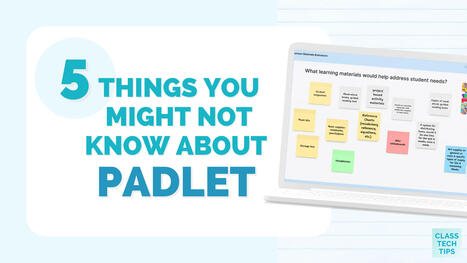
5 Things You Might Not Know About Padlet

5 Things You Might Not Know About Padlet | Education 2.0 & 3.0 | Scoop.it
Padlet has changed a lot. See 5 ways teachers use timelines, media, Sandbox, and AI to support collaboration and make student thinking visible.
No comment yet.
Scooped by Yashy Tohsaku
January 15, 10:40 AM
Scoop.it!

superwhisper

superwhisper | Education 2.0 & 3.0 | Scoop.it
AI powered voice to text for macOS
No comment yet.
Rescooped by Yashy Tohsaku from e-learning-ukr
January 15, 9:24 AM
Scoop.it!

Model collapse to citation collapse: AI’s risks to research

Model collapse to citation collapse: AI’s risks to research | Education 2.0 & 3.0 | Scoop.it
The way GenAI surfaces sources for literature reviews risks exacerbating the citation Matthew effect, writes David Joyner. Here, he offers ways to prevent AI-driven search from blunting the impact of new research

Via Vladimir Kukharenko
No comment yet.
Rescooped by Yashy Tohsaku from AI for All
January 15, 9:23 AM
Scoop.it!

AI is quietly breaking the internet — and most people don’t even realize it yet

AI is quietly breaking the internet — and most people don’t even realize it yet | Education 2.0 & 3.0 | Scoop.it

"Zero-click search promises instant answers, but it often removes context, nuance and trust — making everyday decisions and fact-checking harder..."


Via Leona Ungerer
No comment yet.
Rescooped by Yashy Tohsaku from 21st Century Learning and Teaching
January 14, 7:06 PM
Scoop.it!

AI-Footprint: How Your Content Shapes the Future of Artificial Intelligence | EDU: Digital CitiZENship, CyberSecurity, eSkills, Modern EDU by Gust MEES

AI-Footprint: How Your Content Shapes the Future of Artificial Intelligence | EDU: Digital CitiZENship, CyberSecurity, eSkills, Modern EDU by Gust MEES | Education 2.0 & 3.0 | Scoop.it

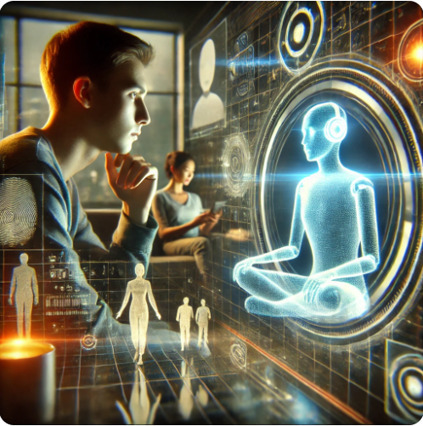
AI-Footprint: Understanding the Invisible Impact of Your Digital Content Your AI-Footprint: How Words, Images, and Code Influence AI Image created by ChatGPT, click please to enlarge. Introduction Your AI‑footprint is the trace your content leaves in the world of artificial intelligence. Unlike a regular digital footprint, which is about posts, likes, or searches, this is…


Learn more / En savoir plus / Mehr erfahren:


https://www.scoop.it/topic/21st-century-learning-and-teaching?tag=Gust-MEES


https://gustmees.wordpress.com/


Via Gust MEES
Gust MEES's curator insight, January 14, 5:54 PM

AI-Footprint: Understanding the Invisible Impact of Your Digital Content Your AI-Footprint: How Words, Images, and Code Influence AI Image created by ChatGPT, click please to enlarge. Introduction Your AI‑footprint is the trace your content leaves in the world of artificial intelligence. Unlike a regular digital footprint, which is about posts, likes, or searches, this is…


Learn more / En savoir plus / Mehr erfahren:


https://www.scoop.it/topic/21st-century-learning-and-teaching?tag=Gust-MEES


https://gustmees.wordpress.com/


Gyansagarinstitute's comment, January 15, 3:18 AM
I'm glad to hear that you found the blog helpful and enjoyable! Join Gyan Sagar Institute for the most effective <a href="https://gyansagarinstitute.in/courses/ugc-net-coaching-in-chandigarh/">UGC NET Coaching in Chandigarh</a>. Expert faculty, premium resources, regular evaluations, and supportive environment help aspirants excel in both papers. Proven success makes us the top choice.
Laura Moreno Fernández's curator insight, January 22, 10:50 AM
Este artículo explora un concepto muy relevante para nuestra era digital: el “AI-footprint”, es decir, la huella que deja nuestro contenido en el desarrollo futuro de la inteligencia artificial. A diferencia de la huella digital tradicional, que se refiere a publicaciones o interacciones en línea, el AI-footprint analiza cómo nuestras palabras, imágenes o código pueden ser absorbidos por modelos de IA durante su entrenamiento y, con el tiempo, influyen en la forma en que estos sistemas “piensan” o producen respuestas. Desde la perspectiva educativa, este enfoque es especialmente importante porque nos hace reflexionar sobre el impacto ético y social de lo que publicamos: ideas, estilos de redacción e incluso sesgos presentes en nuestros contenidos pueden ser incorporados en sistemas que muchas personas utilizarán en el futuro, potenciando o perpetuando ciertos patrones de pensamiento. Esto está directamente relacionado con la competencia digital: no basta con saber usar herramientas tecnológicas, también debemos ser conscientes de cómo nuestra presencia en línea influye en ecosistemas más amplios, incluyendo modelos de IA que utilizan nuestros datos como parte de su entrenamiento. Así, aprender a gestionar y ser críticos con nuestro propio contenido se vuelve una habilidad clave del siglo XXI.
Scooped by Yashy Tohsaku
January 14, 6:20 PM
Scoop.it!

Supporting Students Through Feedback: Approaches for Faculty

Supporting Students Through Feedback: Approaches for Faculty | Education 2.0 & 3.0 | Scoop.it
Learn faculty strategies for supporting students through effective, personalized feedback that builds rapport, strengthens well-being, and enhances academic success — plus practical approaches you can apply right away.
No comment yet.
Scooped by Yashy Tohsaku
January 14, 6:08 PM
Scoop.it!

The Real AI Risk Nobody Told You About | The Curiosity Chronicle

The Real AI Risk Nobody Told You About | The Curiosity Chronicle | Education 2.0 & 3.0 | Scoop.it
The Curiosity Chronicle has quickly become one of the most popular newsletters for growth-minded individuals in the world. Each week, subscribers receive a deep dive that covers topics ranging from growth and decision-making to business, finance, startups, and technology. In addition, subscribers receive The Friday Five, a weekly newsletter with five ideas curated to spark curiosity headed into the weekend.
No comment yet.
Rescooped by Yashy Tohsaku from e-learning-ukr
January 14, 2:57 PM
Scoop.it!

A Deep Dive Into Portrait of a Graduate

A Deep Dive Into Portrait of a Graduate | Education 2.0 & 3.0 | Scoop.it
The "Portrait of a Graduate" (POG) emerged in response to the dynamic demands of the 21st century. Traditional educational systems, which prioritized academic achievements like test scores and grades,

Via Vladimir Kukharenko
No comment yet.
Scooped by Yashy Tohsaku
January 14, 2:56 PM
Scoop.it!

How vertical tutoring builds community

How vertical tutoring builds community | Education 2.0 & 3.0 | Scoop.it
Students on joint or interdisciplinary degrees often struggle to feel they truly belong. Vertical tutoring – a structured, cross-year peer support model – offers a solution
No comment yet.
Rescooped by Yashy Tohsaku from iGeneration - Humane Use of Technology in an AI world (Pedagogy & Digital Innovation)
January 14, 2:56 PM
Scoop.it!

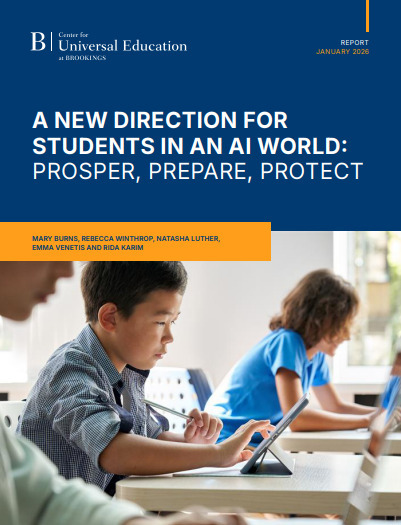
Informative report - A New Direction for Students in an AI world - Prosper - Prepare - Protect (released Jan. 14, 2026)

Informative report - A New Direction for Students in an AI world - Prosper - Prepare - Protect (released Jan. 14, 2026) | Education 2.0 & 3.0 | Scoop.it

Via Dr. Tom D'Amico (@TDOttawa)
Nik Peachey's curator insight, January 15, 2:11 AM

This is a really useful and well balanced report.

anita92delarosa@gmail.com's curator insight, January 16, 8:29 AM
El informe “A New Direction for Students in an AI World: Prosper, Prepare, Protect” (Brookings, 2026) analiza los efectos de la inteligencia artificial en la educación y advierte que, si se usa sin regulación y preparación adecuada, puede generar riesgos sobre el aprendizaje, la privacidad y la equidad. Propone tres pilares: Prosper, para enriquecer el aprendizaje sin sustituir el pensamiento; Prepare, para fortalecer la alfabetización en IA y la formación docente; y Protect, para garantizar la seguridad y el bienestar estudiantil. Críticamente, aunque ofrece un marco útil, el informe enfatiza los riesgos más que los beneficios potenciales, y sugiere que la integración efectiva de IA requiere evidencia empírica, formación docente y adaptación curricular. 

Referencia Bibliográfica: 

Burns, M. et al. (2026). Una nueva dirección para los estudiantes en un mundo de IA: prosperar, prepararse, proteger. Centro para la Educación Universal en Bookings. https://www.brookings.edu/wp-content/uploads/2026/01/A-New-Direction-for-Students-in-an-AI-World-FULL-REPORT.pdf
Rescooped by Yashy Tohsaku from Educational Technology News
January 15, 3:28 PM
Scoop.it!

Opinion: From Lecture Halls to Virtual Classes, AI Is Rewriting the Rules

Opinion: From Lecture Halls to Virtual Classes, AI Is Rewriting the Rules | Education 2.0 & 3.0 | Scoop.it
Modernizing education with artificial intelligence is less about buying this or that new tool than about new processes, new applications for data analytics, and reorganizing instructional priorities around new norms.

Via EDTECH@UTRGV
EDTECH@UTRGV's curator insight, January 15, 2:38 PM

"Gen Z and younger learners increasingly expect education to look and feel like the digital experiences they already use: short, visual, interactive and on demand."

Rescooped by Yashy Tohsaku from Educational Technology News
January 15, 3:27 PM
Scoop.it!

AI disruptions reveal the folly of clinging to an idealized modern university

AI disruptions reveal the folly of clinging to an idealized modern university | Education 2.0 & 3.0 | Scoop.it
Alternative educational movements offer insights about how to help university students find purpose and hope as they navigate an increasingly complex world.

Via EDTECH@UTRGV
EDTECH@UTRGV's curator insight, January 15, 2:40 PM

"AI has unsettled long-established forms of assessment, simultaneously instigating a return to older assessment models in the interest of 'academic integrity.'”

Rescooped by Yashy Tohsaku from 21st Century Learning and Teaching
January 15, 3:26 PM
Scoop.it!

AI Knows You Better Than You Know Yourself… Or Does It? | EDU: Digital CitiZENship, CyberSecurity, eSkills, Modern EDU by Gust MEES

AI Knows You Better Than You Know Yourself… Or Does It? | EDU: Digital CitiZENship, CyberSecurity, eSkills, Modern EDU by Gust MEES | Education 2.0 & 3.0 | Scoop.it

Discover what #AI really knows about you — and why understanding your digital footprint is essential in today’s connected world. This tutorial explores how to work successfully and professionally with AI, especially ChatGPT, using #CriticalTHINKing, #ProactiveTHINKing, #ETHICS, and #ReverseTHINKing. A practical and eye-opening journey into digital awareness, responsibility, and modern citizenship.


Learn more / En savoir plus / Mehr erfahren:


https://www.scoop.it/topic/21st-century-learning-and-teaching?tag=Gust-MEES


https://gustmees.wordpress.com/


Via Gust MEES
Gust MEES's curator insight, January 15, 2:59 PM

Discover what #AI really knows about you — and why understanding your digital footprint is essential in today’s connected world. This tutorial explores how to work successfully and professionally with AI, especially ChatGPT, using #CriticalTHINKing, #ProactiveTHINKing, #ETHICS, and #ReverseTHINKing. A practical and eye-opening journey into digital awareness, responsibility, and modern citizenship.


Learn more / En savoir plus / Mehr erfahren:


https://www.scoop.it/topic/21st-century-learning-and-teaching?tag=Gust-MEES


https://gustmees.wordpress.com/


anita92delarosa@gmail.com's curator insight, January 16, 8:00 AM
En “AI Knows You Better Than You Know Yourself… Or Does It?”, Gust MEES (2025) plantea que la inteligencia artificial puede revelar aspectos de la identidad personal a partir de datos digitales, sugiriendo que la IA podría “conocernos mejor que nosotros mismos”. Si bien esto invita a reflexionar sobre la huella digital y la autorreflexión, el argumento carece de respaldo teórico sólido sobre los límites de la IA en la comprensión de la subjetividad humana. Como señalan estudios recientes, los sistemas de IA predicen patrones basados ​​en datos observables, pero no acceden a la conciencia ni a la experiencia interna de las personas (nature.com, 2025). Además, la reducción del yo a datos cuantificables ignora dimensiones tácitas del conocimiento personal, como la metacognición, que Polanyi (1966) describe en su paradoja: “sabemos más de lo que podemos decir”. Por ello, la IA puede ofrecer insights sobre comportamientos y preferencias, pero no sustituye el autoconocimiento humano, actuando únicamente como una herramienta de apoyo crítico.

Referencia Bibliografica: 
La IA te conoce mejor que tú mismo… ¿o no? (sf). Recuperado el 16 de enero de 2026, de https://gustmees.wordpress.com/2025/12/09/ai-knows-you-better-than-you-know-yourself-or-does-it/ ;
Laura Moreno Fernández's curator insight, January 22, 10:51 AM
Este artículo invita a reflexionar sobre cómo la inteligencia artificial (IA) interpreta nuestra identidad digital a partir de nuestra actividad en línea y nos reta a cuestionar si realmente “nos conoce mejor que nosotros mismos” o si simplemente refleja los rastros que dejamos en el entorno digital. El autor explica que cada comentario, clic o publicación se convierte en parte de nuestro perfil digital, y que la IA, al procesar estos datos, puede dar una imagen amplia de nuestros intereses y actitudes. Desde una perspectiva educativa, este análisis es especialmente útil para comprender el alcance y los límites de la IA como herramienta de aprendizaje y análisis. No se trata solamente de obtener respuestas automáticas, sino de entender cómo nuestros datos y decisiones construyen esa “visión” que la IA tiene de nosotros. Esta observación es especialmente relevante para fomentar la alfabetización digital crítica, ya que ayuda a los estudiantes a tomar conciencia de su huella digital y de la responsabilidad que implica interactuar en entornos tecnológicos. Asimismo, el artículo destaca la importancia de utilizar la IA de manera ética y reflexiva, combinando el uso de herramientas inteligentes con habilidades como el pensamiento crítico y la toma de decisiones conscientes. Así, la IA se convierte en un aliado que puede potenciar el aprendizaje y la autoevaluación, siempre que se sepa manejar con intención y responsabilidad, y no como un sustituto de nuestra propia reflexión.
Scooped by Yashy Tohsaku
January 15, 12:19 PM
Scoop.it!

Gemini 3 is fast — but it still can’t master this one 'killer' ChatGPT feature

Gemini 3 is fast — but it still can’t master this one 'killer' ChatGPT feature | Education 2.0 & 3.0 | Scoop.it
Gemini 3 is fast, but ChatGPT still has an edge: it lets you customize tone so AI actually sounds like you.
No comment yet.
Rescooped by Yashy Tohsaku from e-learning-ukr
January 15, 9:24 AM
Scoop.it!

The Human Advantage: Nine Skills We Can’t Afford to Lose in an AI-Powered World

The Human Advantage: Nine Skills We Can’t Afford to Lose in an AI-Powered World | Education 2.0 & 3.0 | Scoop.it
With AI becoming a helpful tool in education, it’s easy to see the benefits of quick access to information, personalized support, and the efficiency that technology can bring. However, as we embrace these tools, we

Via Vladimir Kukharenko
No comment yet.
Rescooped by Yashy Tohsaku from e-learning-ukr
January 15, 9:24 AM
Scoop.it!

Don’t let AI change what it means to teach | National Institute of Education (NIE) | NTU Singapore

Don’t let AI change what it means to teach | National Institute of Education (NIE) | NTU Singapore | Education 2.0 & 3.0 | Scoop.it
Technology is changing the work of teachers, but education must remain human-led.

Via Vladimir Kukharenko
No comment yet.
Rescooped by Yashy Tohsaku from AI for All
January 15, 9:23 AM
Scoop.it!

Technology in 2050 - experts give their predictions

Technology in 2050 - experts give their predictions | Education 2.0 & 3.0 | Scoop.it

"We asked several experts to predict the technology we'll be using by 2050..."


Via Leona Ungerer
No comment yet.
Scooped by Yashy Tohsaku
January 14, 7:03 PM
Scoop.it!

LEGO Education expands AI literacy and computer science in K-8 schools | ETIH EdTech News —

LEGO Education expands AI literacy and computer science in K-8 schools | ETIH EdTech News — | Education 2.0 & 3.0 | Scoop.it
LEGO Education has launched a new K-8 platform focused on AI literacy and computer science, following LinkedIn announcements and new global research on teacher readiness. The update highlights how edtech is shaping AI education in schools, according to ETIH EdTech News coverage of classroom technolo
No comment yet.
Scooped by Yashy Tohsaku
January 14, 6:11 PM
Scoop.it!

Triple the Fun: Three Friday the 13ths in 2026 –

Triple the Fun: Three Friday the 13ths in 2026 – | Education 2.0 & 3.0 | Scoop.it
Did you know that 2026 holds a spooky secret? It includes THREE Friday the 13ths! Discover new Friday the 13th activities for your classroom. Explore this and more at TCEA TechNotes Blog, your go-to source for educational technology and teaching innovation.
No comment yet.
Rescooped by Yashy Tohsaku from 21st Century Learning and Teaching
January 14, 2:58 PM
Scoop.it!

The Synthesizing Mind in Education: Tackling the Challenges of a Changing World | EDU: Digital CitiZENship, CyberSecurity, eSkills, Modern EDU by Gust MEES

The Synthesizing Mind in Education: Tackling the Challenges of a Changing World | EDU: Digital CitiZENship, CyberSecurity, eSkills, Modern EDU by Gust MEES | Education 2.0 & 3.0 | Scoop.it

Image created by ChatGPT: click image to enlarge, please. "Unlock the Power of AI for Free on Your Desktop! 🚀"Are you ready to supercharge your productivity, creativity, and problem-solving skills? Meet ChatGPT—the AI tool that’s changing how we work, learn, and innovate. Best of all, you can access it for free right from your Windows desktop! In…


Learn more / En savoir plus / Mehr erfahren:


https://www.scoop.it/topic/21st-century-learning-and-teaching?tag=Gust-MEES


https://gustmees.wordpress.com/


Via Gust MEES
Gust MEES's curator insight, January 13, 4:47 PM

Image created by ChatGPT: click image to enlarge, please. "Unlock the Power of AI for Free on Your Desktop! �"Are you ready to supercharge your productivity, creativity, and problem-solving skills? Meet ChatGPT—the AI tool that’s changing how we work, learn, and innovate. Best of all, you can access it for free right from your Windows desktop! In…


Learn more / En savoir plus / Mehr erfahren:


https://www.scoop.it/topic/21st-century-learning-and-teaching?tag=Gust-MEES


https://gustmees.wordpress.com/


Manuel Jesus's curator insight, January 14, 3:29 PM
El artículo La mente sintetizadora en la educación: abordar los desafíos de un mundo cambiante propone una mirada crítica y optimista sobre el papel de la educación en un mundo en constante transformación. El texto plantea que, frente a los desafíos contemporáneos incluida la proliferación de la inteligencia artificial y la saturación de información, se vuelve indispensable desarrollar una mente sintetizadora capaz de integrar conocimiento diverso, evaluar contextos complejos y generar soluciones creativas (Gustmees, 2025). Esta perspectiva se alinea con enfoques pedagógicos contemporáneos que no solo buscan transmitir contenidos, sino fomentar habilidades cognitivas superiores como la reflexión crítica, el pensamiento sistémico y la toma de decisiones éticas. El autor subraya que la educación tradicional, centrada en la memorización y la repetición, no prepara a los estudiantes para los desafíos del siglo XXI. En cambio, una mente sintetizadora requiere habilidades que permitan interconectar diferentes disciplinas, identificar patrones y transformar datos en conocimiento significativo (Gustmees, 2025). Esta visión educativa se encuentra en sintonía con la necesidad de reducir la brecha entre el aprendizaje formal y las exigencias reales del entorno social, tecnológico y laboral. Además, el artículo resalta que la educación debe ser un proceso dinámico que fomente no solo el pensamiento individual, sino también la colaboración, la empatía y la responsabilidad social. En este sentido, preparar estudiantes con una mente sintetizadora implica cultivar una ética del aprendizaje continuo, donde los individuos se convertirán en agentes activos de cambio, capaces de enfrentar la incertidumbre con pensamiento crítico y creatividad estratégica.
Laura Moreno Fernández's curator insight, January 22, 10:48 AM
Este artículo destaca la necesidad urgente de transformar la educación para hacer frente a un mundo que cambia rápidamente y donde la información es abundante pero a menudo fragmentaria. El autor propone desarrollar una “mente sintetizadora” dentro de los procesos educativos, es decir, una capacidad para integrar múltiples fuentes, conectar ideas diversas y construir conocimiento coherente y significativo en contextos complejos. Esta propuesta se basa en la idea de que no basta con acumular datos; se requiere un pensamiento profundo y crítico que permita reconocer patrones, anticipar efectos y afrontar problemas interconectados con creatividad y sentido ético. Desde la perspectiva de la asignatura de educación digital, esta visión es especialmente relevante: en un entorno donde la tecnología y los medios digitales no solo proporcionan contenidos sino que también influyen en cómo pensamos y decidimos, es esencial formar estudiantes que no sean consumidores pasivos de información, sino actores críticos y proactivos en su construcción de conocimiento. Esto se alinea con competencias clave del siglo XXI como el pensamiento crítico, la alfabetización informacional y la resolución de problemas complejos. Además, la propuesta de integrar habilidades como el pensamiento crítico y la acción práctica en el currículo subraya la necesidad de una educación que vaya más allá de recordar hechos, hacia una comprensión profunda de fenómenos globales y locales. Esta orientación educativa no solo mejora la preparación académica de los estudiantes, sino que también refuerza su capacidad de participar de manera responsable en una sociedad digital cada vez más interconectada.
Rescooped by Yashy Tohsaku from e-learning-ukr
January 14, 2:57 PM
Scoop.it!

Levers for Living the Portrait of a Graduate (a 7-part series)

Levers for Living the Portrait of a Graduate (a 7-part series) | Education 2.0 & 3.0 | Scoop.it
Join Abby and Kimberly as they document the journey of the Norwalk Portrait of a Graduate and its role in education.

Via Vladimir Kukharenko
No comment yet.
Rescooped by Yashy Tohsaku from 21st Century Learning and Teaching
January 14, 2:56 PM
Scoop.it!

And IF #AI shows us the mirror of our society!? | EDU: Digital CitiZENship, CyberSecurity, eSkills, Modern EDU by Gust MEES

And IF #AI shows us the mirror of our society!? | EDU: Digital CitiZENship, CyberSecurity, eSkills, Modern EDU by Gust MEES | Education 2.0 & 3.0 | Scoop.it

ReverseTHINKing thoughts Image created by ChatGPT, click please to enlarge. Introduction – When technology reflects who we are Over the past decade, I have published several articles and tutorials (2014–2025) offering alternative perspectives on the Internet and, more recently, on Artificial Intelligence. #RealWorld and #VirtualWorld are bidirectional.Each influences the other.In 2014, I published an article…


Learn more / En savoir plus / Mehr erfahren:


https://www.scoop.it/topic/21st-century-learning-and-teaching?tag=Gust-MEES


https://gustmees.wordpress.com/


Via Gust MEES
Gust MEES's curator insight, January 14, 4:19 AM

ReverseTHINKing thoughts Image created by ChatGPT, click please to enlarge. Introduction – When technology reflects who we are Over the past decade, I have published several articles and tutorials (2014–2025) offering alternative perspectives on the Internet and, more recently, on Artificial Intelligence. #RealWorld and #VirtualWorld are bidirectional.Each influences the other.In 2014, I published an article…


Learn more / En savoir plus / Mehr erfahren:


https://www.scoop.it/topic/21st-century-learning-and-teaching?tag=Gust-MEES


https://gustmees.wordpress.com/


Manuel Jesus's curator insight, January 14, 3:27 PM
El texto ¿Y si la IA nos muestra el espejo de nuestra sociedad? plantea una reflexión profunda y provocadora sobre la inteligencia artificial no como una entidad autónoma y neutral, sino como un reflejo amplificado de los valores, sesgos y decisiones humanas. El autor sostiene que el verdadero riesgo de la IA no es tecnológico, sino cognitivo y ético, ya que los sistemas inteligentes reproducen los datos y las lógicas de poder con las que son entrenados (Mees, 2025). En este sentido, la IA actúa como un espejo que devuelve a la sociedad una imagen de sus propias contradicciones, miedos y ataques morales. Uno de los aportes más relevantes del texto es la idea de que el mundo virtual ha comenzado a moldear el mundo real, influyendo en la construcción de opiniones, emociones y juicios éticos. Cuando los ciudadanos delegan el pensamiento crítico a algoritmos optimizados para la eficiencia y la conveniencia, se genera un círculo vicioso que debilita la autonomía intelectual y la participación democrática (Mees, 2025). El autor advierte que la amenaza para la democracia no proviene de una IA autoritaria impuesta desde arriba, sino de una sociedad que renuncia voluntariamente al esfuerzo de pensar. En conclusión, el texto subraya que la IA constituye una auténtica prueba de estrés moral para la sociedad contemporánea. Su impacto dependerá menos de la tecnología en sí y más de la educación crítica, ética y cívica de los ciudadanos, capaces de cuestionar, reflexionar y asumir responsabilidad frente a los sistemas que utilizan.
Laura Moreno Fernández's curator insight, January 22, 10:48 AM
Este artículo propone una mirada profunda y crítica sobre cómo la inteligencia artificial (IA) no es simplemente una herramienta neutral, sino un espejo de nuestros valores, sesgos y decisiones como sociedad. El autor plantea que la IA refleja fielmente las lógicas de poder, prejuicios y prioridades que están presentes en los datos con los que se entrena, lo cual tiene implicaciones éticas y culturales importantes. Desde una perspectiva educativa, este texto invita a cuestionar cómo usamos y enseñamos IA en los contextos de aprendizaje: si dejamos que algoritmos optimizados por conveniencia influyan en cómo pensamos o tomamos decisiones, corremos el riesgo de debilitar la autonomía intelectual del alumno. Relacionándolo con los contenidos de la asignatura de educación digital, este artículo subraya la importancia de cultivar una educación crítica, que no solo utiliza tecnologías emergentes, sino que también forme ciudadanos capaces de analizar y evaluar de manera ética y reflexiva las herramientas digitales.  En resumen, más que temer a la IA en sí, deberíamos reflexionar sobre qué tipo de sociedad queremos construir y cómo podemos enseñar a las futuras generaciones a pensar críticamente sobre la tecnología y su impacto en nuestras vidas.