 Your new post is loading...

|
Rescooped by
Yashy Tohsaku
from e-learning-ukr
Today, 12:28 PM
|
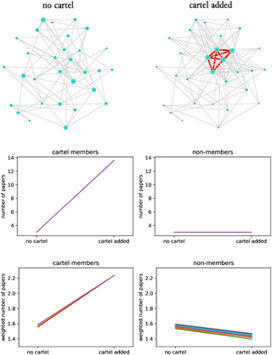
The present processes of research assessment, i.e. focusing on one or a few, related, scientometrics, foster questionable authorship practices, like gifting authorship to non-contributing people. An especially harmful one of these unethical practices is the formation of publication cartels, where authors offer gift authorship to each other reciprocally. Here, by developing a simple model and a simulation of the publication process I investigate how beneficial cartels can be and what measure can be used to restrict them. My results indicate that publication cartels can significantly boost members’ productivity even if paper counts are weighted by the inverse of author number (the 1/n rule). Nevertheless, applying the 1/n rule generates conflicts of interest both among cartel members themselves and between cartel members and non-members which might lead to the self-purification of the academic publishing industry.
Via Vladimir Kukharenko
|
|
Rescooped by
Yashy Tohsaku
from Edumorfosis.it
Today, 12:28 PM
|
Luis Lastra (2026) afirma que el diseño instruccional, como cargo, se está muriendo más rápido de lo que nos gustaría admitir, y donde sigue vivo lo hace con otro nombre y con menos gente. El juicio del oficio anda suelto dentro de otra cosa, y casi nadie se está haciendo cargo de ella. Cuando hablo de la muerte del DI, hablo del cargo. El juicio seguirá siendo necesario, al menos por ahora, cosido dentro de una criatura (Frankenstein) que hoy circula por nuestras instituciones sin nadie que la acompañe. Si ese juicio, que era nuestro trabajo, ya está cayendo en manos de los docentes, ¿en qué parte de su carga horaria aparece?
Via Edumorfosis
|
|
Rescooped by
Yashy Tohsaku
from Edumorfosis.it
Today, 12:27 PM
|
La experimentada Diseñadora Instruccional, Philippa Hardman hizo una prueba exploratoria con los principales modelos IA para detectar cuán precisos y confiables eran al ejecutar las tareas de diseño como lo haría un humano.
Conclusión: - El DI está democratizado, y cualquiera con un chatbot puede hacer el trabajo.
- Lo que creo que veremos en los próximos 6 meses es una nueva forma de trabajar con IA.
- Como humanos, utilizaremos los modelos de IA más potentes para decidir y generar rápido: diagnóstico, opciones y primeros diseños.
-
El trabajo del DI humano, es llevarlo al interesado, retenerlo y defenderlo: ¿Cómo el bien es visto aquí? ¿Qué no deberíamos construir? ¿Qué aceptaremos y quién es el responsable del riesgo? -
La habilidad más valiosa será la de dirigir la IA de una manera que mantenga los riesgos lo má bajo posible y la calidad lo más alta posible. - Lo que no está mercantilizando (al menos aún) es el trabajo al que apuntan estas pruebas: asegurarse de que su producción sea precisa, bien diseñada e influir con autoridad.
- Ahora los modelos IA pueden hacer gran parte del pensamiento (más de lo que pensaba), pero aún no pueden respaldarlo. Por ahora, ese es nuestro trabajo como DI.
Via Edumorfosis
As generative AI has become embedded in the tools students use to search, write, create, translate, organize, and receive feedback, the boundary between "using AI" and "not using AI" has become increasingly difficult to define. More importantly, treating AI use as a binary choice does little to help students understand the different roles AI can appropriately play in learning.
Via EDTECH@UTRGV
|
|
Scooped by
Yashy Tohsaku
October 30, 4:58 PM
|
Use Gemini to build hands-on learning experiences, then learn how to publish them in Google Sites for students to explore and investigate.
|
|
Scooped by
Yashy Tohsaku
October 30, 11:28 AM
|
We all know people get better through practice.
|
|
Rescooped by
Yashy Tohsaku
from e-learning-ukr
October 30, 11:00 AM
|
Some reflections on micro-credentials, recognition and the messy middle of education reform
Via Vladimir Kukharenko
|
|
Rescooped by
Yashy Tohsaku
from Edumorfosis.it
October 30, 11:00 AM
|
"La IA rompe el primer peldaño de la carrera y el título universitario ya no basta". Según Xavi Pascual (2026) plantea que las universidades necesitan, además, crear marcas asociadas que empiecen desde cero: con otra estructura, otro calendario, otra forma de evaluar y, sobre todo, otra cultura. No un programa piloto dentro de la facultad, sino una institución con identidad propia que pueda hacer lo que la casa madre no puede hacer sin romperse. La pregunta estratégica ya no es solo cómo transformar la universidad que tenemos. Es quién se atreverá a crear la universidad que podría sustituirla, antes de que lo haga otro.
Via Edumorfosis
|
|
Rescooped by
Yashy Tohsaku
from Educational Technology News
October 30, 10:59 AM
|
Deciding whether students should use AI requires balancing safety with the developmental need to learn about managing risk.
Via EDTECH@UTRGV
|
|
Rescooped by
Yashy Tohsaku
from e-learning-ukr
October 30, 10:58 AM
|
What will your OEB Global 2026 look say about you? This December in Berlin, wear an outfit that reflects your personality, celebrates your heritage or simply makes you feel fantastic. OEB Global brings together people from across the world, and that international spirit is reflected in the fashion...
Via Vladimir Kukharenko
|
|
Rescooped by
Yashy Tohsaku
from Learning & Technology News
October 30, 10:57 AM
|
Why higher education needs trust, critical thinking, and authentic assessment, not surveillance alone.
Via Nik Peachey
|
|
Scooped by
Yashy Tohsaku
October 30, 9:57 AM
|
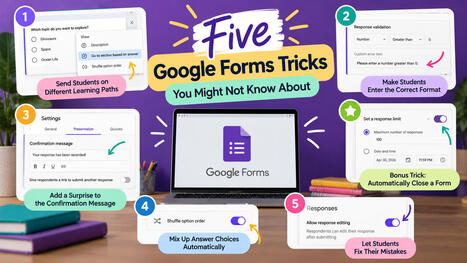
Think you know Google Forms? Discover five lesser-known tricks to personalize activities, create interactive lessons, and save time. These simple features might become your new classroom favorites. Discover five lesser-known Google Forms tricks that help teachers create interactive activities, personalize learning, and make classroom tasks easier.
|
|
Scooped by
Yashy Tohsaku
October 29, 11:13 AM
|
If you have missed it, the flurry of misinformation, angst, and more continues to swirl around Gen AI in schools. I'm so over it, aren't you? These days, Explore this and more at TCEA TechNotes Blog, your go-to source for educational technology and teaching innovation.
|
|
|
Rescooped by
Yashy Tohsaku
from e-learning-ukr
Today, 12:28 PM
|
We don’t need to judge people to help them learn. True, we are vested almost to obsession in weighing, measuring and judging individua
Via Vladimir Kukharenko
|
|
Rescooped by
Yashy Tohsaku
from Edumorfosis.it
Today, 12:27 PM
|
Artificial Intelligence has risen to the number one spot on the 2027 EDUCAUSE Top 10. But its rank signals urgency more than consensus, and higher education is still grappling with what AI-driven change could mean for institutions. In many ways, AI embodies a broader reality: We're living in an age of perpetual change.
Technological innovation is outpacing our ability to manage and harness it. The political and economic winds around us are erratic. And higher education itself is undergoing profound shifts that will reshape how our institutions function. While this atmosphere breeds uncertainty and anxiety, it can also inspire innovation and growth. The 2027 EDUCAUSE Top 10 highlights how the higher education technology community is responding to those opportunities.
Via Edumorfosis
As institutions work to set technology priorities and budgets for the year ahead, now is the time to determine what to add, what to consolidate, and where to get more from existing investments.
Via EDTECH@UTRGV
Nearly four-in-ten U.S. adults are in an online community. These virtual third spaces can take many forms, like Facebook groups, online video games or fandom forums on Reddit.
Via EDTECH@UTRGV
|
|
Scooped by
Yashy Tohsaku
October 30, 11:46 AM
|
Knowing the content and mastering the skills is one thing. Putting them to use is another.
|
|
Scooped by
Yashy Tohsaku
October 30, 11:25 AM
|
Attend OLC Conferences & Events OLC is the leading professional organization devoted to advancing quality online learning by providing professional development, instruction, best practice publications and guidance to educators, online learning professionals and organizations around the world. Conferences OLC conferences provide premium opportunities to network, discover and share views on online learning, emerging technologies, and […]
|
|
Rescooped by
Yashy Tohsaku
from AI for All
October 30, 11:00 AM
|
"The AI industry is creating "doom loops" across the economy with products that undermine the economic incentive to create cultural content..."
Via Leona Ungerer
|
|
Rescooped by
Yashy Tohsaku
from Educational Technology News
October 30, 10:59 AM
|
And most employers prefer to hire workers with a college degree, even if the job doesn’t require one. Despite fears that AI will replace many entry-level white collar jobs, new data shows that many employers still want workers with a college degree.
Via EDTECH@UTRGV
|
|
Rescooped by
Yashy Tohsaku
from e-learning-ukr
October 30, 10:59 AM
|
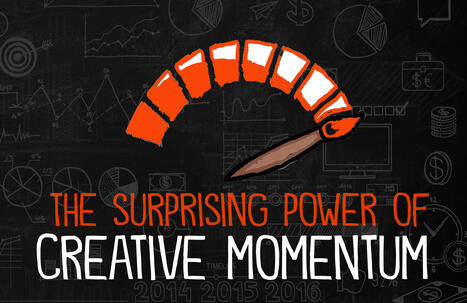
We often hear about the need to develop creative habits. However, habits alone can lead to stagnation. You end up flat lining. In this week's article and podcast, I share a different approach: creative momentum.
Via Vladimir Kukharenko
|
|
Rescooped by
Yashy Tohsaku
from e-learning-ukr
October 30, 10:58 AM
|
Search the Shadow Libraries catalog by title, author, ISBN, or identifier while keeping direct access to mirrors, torrent packs, Telegram bots, and reading portals.
Via Vladimir Kukharenko
|
|
Scooped by
Yashy Tohsaku
October 30, 9:59 AM
|
Explore how cross-disciplinary collaboration connects first-year composition and nursing through high-impact practices, hands-on learning, and meaningful student engagement.
|
|
Scooped by
Yashy Tohsaku
October 30, 9:56 AM
|
Explore the benefits of Instructor-Led Training, which involves real-time guidance from experts in both in-person and online settings.
|


























Learn more / En savoir plus / Mehr erfahren:
http://www.scoop.it/t/21st-century-learning-and-teaching/?&tag=Darknet
http://www.scoop.it/t/securite-pc-et-internet/?&tag=darknet