 Your new post is loading...

|
Scooped by
mhryu@live.com
Today, 1:02 AM
|
E. coli strains are widely used across numerous industrial and biotechnological applications. Yet their performance varies substantially in ways that can not be anticipated from genome annotation. Because transcriptional regulatory networks (TRNs) govern cellular functions such as motility, stress responses, metabolic flexibility, and production efficiency, differences in TRN organization and use may underlie many observed phenotypic differences. To investigate TRN differences between strains, we generated a compendium of 433 matched RNA-Seq profiles for six commonly used industrial E. coli strains (BL21, C, Crooks, MG1655, W, and W3110) and applied iModulon analysis to compare the state of their TRNs under similar growth conditions. This analysis revealed that core regulatory programs with similar functions are wired differently across the strains, and that the strains engage these programs in distinct ways when exposed to the same environmental challenges. Together, these findings highlight transcriptional regulation diversity underlying phenotypic expression among industrial E. coli strains. By providing an integrated view of TRN differences across widely used hosts, this work offers a fundamental basis for interpreting strain-specific behaviors and supports more informed approaches to strain selection and optimization.
|
|
Scooped by
mhryu@live.com
Today, 12:37 AM
|
Biotech is back. But continued investor caution, the rise of China and fast-moving AI are changing the sector’s contours. industry
|
|
Scooped by
mhryu@live.com
Today, 12:03 AM
|
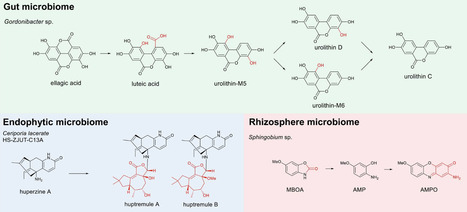
Plant-derived metabolites in foods and herbal medicines are frequently transformed by microbial communities before they reach systemic circulation. Consequently, the chemical forms responsible for biological activities often differ from the compounds originally present in plant matrices. This review examines the microbial biotransformation of plant metabolites through a mechanism-focused framework that integrates enzymology, reaction chemistry, and community-level context. We organize known transformations into recurring reaction classes, including hydrolytic activation, redox remodeling, functional-group tailoring, and scaffold rearrangement. We also discuss how omics approaches enable pathway attribution and enzyme prioritization in complex microbial communities. Finally, we highlight the emerging strategies that modulate these transformations through dietary composition, fermentation, and metabolite-focused interventions.
|
|
Scooped by
mhryu@live.com
June 10, 11:28 PM
|
As plastic is increasingly found in natural environments, concern has grown about its biological effects beyond individual-level impacts, particularly on species health, food-web dynamics and ecosystem functioning. In this Review, we summarize current evidence on plastic exposure pathways, organismal responses and potential effects at higher levels of biological organization. Impacts on individual organisms can be acute or chronic, and include physiological stress, disrupted locomotion, feeding and reproduction, internal injury, and death. Sublethal effects might not be immediately detectable but can have profound implications for individual fitness. Although macroplastics can cause mortality, their role in population declines remains largely uncertain, and demonstrated impacts beyond the individual level are rare. Clear evidence of population-level harm from microplastics to wild organisms is lacking. Nevertheless, emerging research demonstrates a growing likelihood of broader effects, particularly for species with high plastic-encounter rates. Connecting environmental exposure to individual-level fitness and population-level consequences is a critical frontier. Future research must prioritize long-term monitoring, demographic modelling and high-throughput methods to accurately quantify risks to biodiversity. Effective solutions must be context-specific, span local to global scales, account for interactions with other stressors and integrate plastic pollution mitigation policies with broader conservation strategies to safeguard biodiversity in the Anthropocene. Plastic pollution is pervasive across ecosystems, but its impacts on biodiversity remain poorly understood. This Review assesses current understanding of exposure and biological effects, evaluating the evidence for broader biodiversity impacts and outlining priorities for research, monitoring and mitigation.
|
|
Scooped by
mhryu@live.com
June 10, 5:04 PM
|
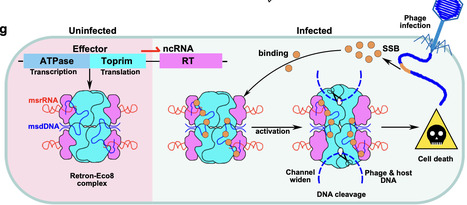
The Retron-Eco8 system, comprising a reverse transcriptase (RT), a non-coding RNA (ncRNA), and an OLD-family nuclease effector, protects bacteria from phage infection via abortive infection upon sensing a phage single-stranded DNA-binding protein (SSB). However, the molecular basis of this immunity remained unclear. Here, we report cryo-electron microscopy (cryo-EM) structures of Retron-Eco8 in inactive and activated states, revealing mechanisms of phage-triggered activation and effector function. Retron-Eco8 assembles into a tetrameric complex in which each protomer contains an RT, msrRNA–msdDNA duplex, and effector in an autoinhibited conformation. Upon phage infection, phage SSB binds msdDNA, relieving autoinhibition and activating the nuclease effector to degrade both phage and host DNA, triggering cell death to block phage propagation. Host SSB fails to activate the system, while DNA binding and oligomerization of phage SSB are essential for this activation, highlighting its specificity. These findings elucidate the molecular mechanism of Retron-Eco8-mediated immunity, facilitating retron-based biotechnological applications. Bacterial Retron-Eco8 defends against phages via abortive infection. Here, Ji et al. reveal that phage SSB binding to msDNA relieves Retron-Eco8 autoinhibition, triggering cellular DNA degradation and cell death for population protection.
|
|
Scooped by
mhryu@live.com
June 10, 4:52 PM
|
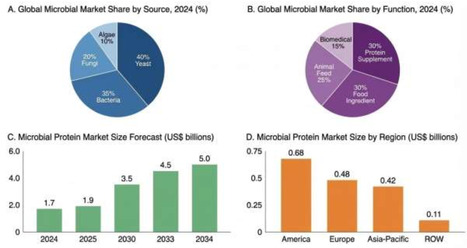
Microbial biomass fermentation, in which microbes are cultivated to produce nutrient-dense biomass, offers a scalable route to sustainable protein production with low land, water, and greenhouse gas footprints. However, its shift from a speciality to a mainstream food continues to be difficult. Here, we move beyond technological overviews and propose a three-phase adoption framework: novelty barrier, early trust-building, and mainstream normalization. This framework organises techno-economic, regulatory, and infrastructural barriers into a single trajectory. We trace single-cell proteins’ rise, decline and resurgence, map engineering and policy enablers by phase, and outline levers to move microbial proteins into resilient food systems. Microbial biomass fermentation offers a scalable route to sustainable protein production with a low environmental footprint. In this Perspective, the authors propose a three-phase adoption framework to help move microbial proteins into resilient food systems.
|
|
Scooped by
mhryu@live.com
June 10, 4:44 PM
|
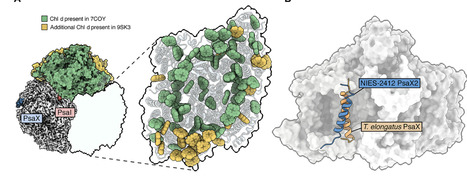
Oxygenic photosynthesis is usually limited to visible light, but the marine cyanobacterium Acaryochloris marina pushes this boundary by harvesting far-red photons with chlorophyll d. The best-studied strain, MBIC11017, unexpectedly lacks low-energy chlorophylls (“red forms”) in photosystem I, limiting absorption beyond 740 nanometers. Here, we show that another strain, A. marina NIES-2412, has evolved a strategy to absorb far-red photons up to 760 nanometers. Combining time-resolved fluorescence spectroscopy with cryo–electron microscopy at 2.64-angstrom resolution, we identify two distinct classes of chlorophyll d red forms in its photosystem I. One class originates from classical charge-transfer–exciton mixing, while the other arises purely from excitonic interactions. Mapping all 96 chlorophylls d reveals the precise pigments responsible for these far-red states. We also uncover a previously unreported subunit, PsaX2, which stabilizes the photosystem I complex and shapes pigment geometry and energetics to enable the formation of red forms. Last, we show that the protein modifications responsible for binding and tuning these red forms are widespread across the Acaryochloris genus but not within the model MBIC11017 strain. Far-red photons lie close to the energetic limit of oxygenic photosynthesis; their efficient use therefore requires fine-tuning of the photosynthetic machinery. To our knowledge, our findings provide the structural and mechanistic basis of one of the most red-shifted photosystem I complexes identified to date, highlighting a distinct adaptive strategy in far-red light environments and offering design principles for extending photosynthesis in crops into the infrared.
|
|
Scooped by
mhryu@live.com
June 10, 4:32 PM
|
The tumor microenvironment (TME) is a dynamic and heterogeneous ecosystem in which cancer, stromal, immune, and physicochemical components collectively regulate disease progression and therapeutic response. Recent evidence further indicates that intratumoral bacteria are active contributors to tumor metabolism, immune modulation, and treatment outcomes, revealing a previously underexplored multi-kingdom dimension of solid tumors. However, mechanistic understanding of tumor–microbe interactions remain limited by the absence of experimental platforms that integrate microbial components into physiologically relevant and controllable tumor models. Here, we propose bacteria-integrated tumor microenvironments as an emerging bioengineering framework for modeling cancer as a multi-kingdom system with biomaterials. We first lay out the existence of bacteria in our body and outline key design principles for these systems, including control of microbial localization, nutrient and oxygen gradients, and interkingdom signaling within engineered matrices. We further discuss applications in studying microbial contributions to therapeutic resistance, evaluating engineered bacterial therapies, and developing patient-specific tumor–microbiome models for precision oncology. Finally, we highlight challenges in standardizing multi-kingdom tumor platforms and integrating them with advanced imaging, sequencing, and computational tools. Collectively, bacteria-integrated tumor microenvironments establish a new paradigm for engineering cancer as a multi-kingdom system with translational potential in oncology.
|
|
Scooped by
mhryu@live.com
June 10, 4:10 PM
|
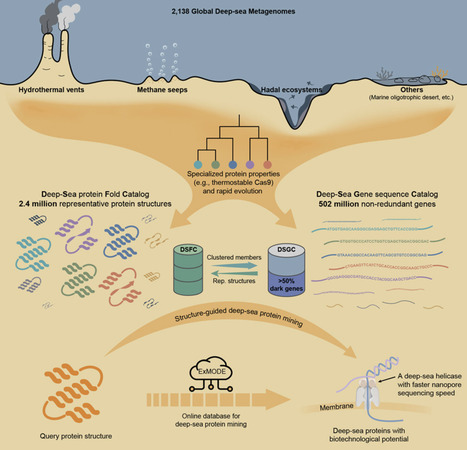
The deep sea, as the largest and maybe most hostile environment on Earth, is still underexplored, especially regarding its genetic repertoire. Yet, previous work has revealed significant habitat-specific deep-sea biodiversity. Here, we present an integrated deep-sea microbial genetic dataset comprising 502 million nonredundant genes from 2,138 samples and 2.4 million predicted structures and use it to link specific protein structures with genetic variants associated with life in the deep sea and to assess their biotechnology potential. Combining global sequence analysis with biophysical and biochemical measurements revealed unprecedented sequence diversity and substantial structural conservation of proteins. Especially, proteins involved in replication, recombination, and repair were identified as being under rapid evolution and with specialized properties. Among these, a structurally divergent helicase exhibited advantages in controlling nanopore sequencing speed. Thus, our work positions the deep sea as an evolutionary engine that generates and hosts genetic diversity and bridges genetic knowledge with biotechnology.
|
|
Scooped by
mhryu@live.com
June 10, 3:56 PM
|
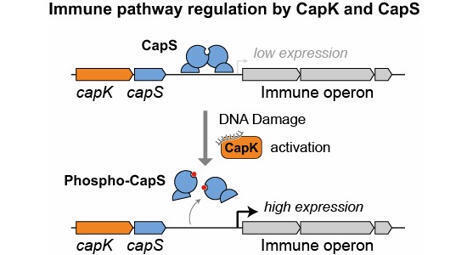
Bacteria encode numerous stress-response pathways that protect their hosts against both internal and external threats. A key question is how these pathways are regulated, especially anti-phage immune pathways that mediate host-cell killing. Here, we identify two proteins termed CapK and CapS that are encoded upstream of diverse immune operons, and regulate these operons’ expression in response to DNA damage. CapK resembles bacterial anti-sigma factor kinases, and CapS resembles STAS-domain antagonists of these proteins. CapS is a DNA-binding transcriptional repressor, and phosphorylation of CapS by CapK results in dissociation of a CapS homodimer and de-repression of transcription. The CapK kinase is directly activated by single-stranded DNA generated as a byproduct of DNA repair. Finally, we show that CapK and CapS-like proteins have been co-opted into an antiphage toxin-antitoxin system with a VapC-like protein, where they similarly respond to DNA damage to activate VapC nuclease activity. Overall, our results reveal how a kinase-substrate pair can regulate expression of an adjacent operon in response to DNA damage, and highlight the modularity of immune and other stress-response pathways.
|
|
Scooped by
mhryu@live.com
June 10, 3:48 PM
|
By coupling natural variation in carbon stable isotope signatures with amino acid-specific analysis, Mertz et al. demonstrate the substantive contribution of the gut microbiome in improving diet quality through the production of essential amino acids that are absorbed by the host (deer mouse) and incorporated into muscle tissue.
|
|
Scooped by
mhryu@live.com
June 10, 3:30 PM
|
Fungal pathogens threaten the health of humans, animals, and plants. ITS sequencing offers an effective approach for detecting fungal pathogens; however, a comprehensive pathogen database and associated tailored pipeline are still lacking. This study introduces the multiple fungal pathogen detection (MFPD) pipeline, which incorporates an accurate and high-speed sequence alignment algorithm for broad-habitat pathogen identification. The curated MFPD database includes 95 660 full-length ITS sequences from 4924 reported fungal pathogen species. In silico experiments show that the full-length ITS achieves the highest accuracy in pathogen detection (average 99.34%), outperforming both the ITS1 and ITS2 subregions. Benchmarking against existing tools, including FUNGuild, FungalTraits, and ISHAM-ITS, shows that MFPD achieves the highest F1 scores in mock communities (0.89 for both plant and human–animal pathogens) and detects the broadest spectrum of pathogenic taxa in real samples. In addition to identifying causal pathogens, MFPD can also detect coinfecting pathogens in biological and environmental samples. Together, our work supports pathogen surveillance across diverse sectors, including clinical, agricultural, and livestock systems within a One Health framework.
|
|
Scooped by
mhryu@live.com
June 10, 3:21 PM
|
Climate change demands accelerated plant adaptation and de novo domestication. Yet current enviromics focuses disproportionately on external environments, neglecting internal dynamics—gene expression, metabolic flux, and signal transduction—within predictive envirotyping frameworks. This gap constrains plant-environment adaptation research and crop improvement. Integrating multi-scale envirotyping with plant-environment interaction networks could catalyze a paradigm shift from empirical selection to mechanism-informed design breeding. Four challenges remain: (1) constructing adaptive multi-dimensional networks, (2) engineering transgenerational epigenetic reprogramming, (3) scaling domestication pipelines, and (4) predicting adaptive trajectories. Future efforts should converge on five domains: high-throughput microprobe envirotyping arrays, spatiotemporally resolved multi-omics, decoding epigenetic memory carriers, artificial intelligence (AI)-guided genome design, and phenotype prediction models. Ultimately, advancing from multi-omics dissection and mechanistic interpretation to targeted de novo design will enable the precise engineering of crop adaptive responses to environmental change.
|
|
|
Scooped by
mhryu@live.com
Today, 1:00 AM
|
Broad-spectrum antibiotics profoundly disrupt the commensal microbiota and compromise mucosal immunity, creating a vulnerable postantibiotic window that predisposes hosts to opportunistic infections such as Pseudomonas aeruginosa. Strategies for restoring host homeostasis and stimulating mucosal immunity during this period remain limited. Here, we developed a modular and programmable probiotic strategy based on engineered E. coli Nissle 1917 (EcN) that integrates metabolite replenishment with antigen-specific mucosal immunization. The butyrate-overproducing strain restored immune homeostasis after antibiotic exposure, enhanced baseline pulmonary neutrophil levels, and promoted bacterial clearance upon P. aeruginosa challenge. Additionally, synthetic EcN strains were engineered to release outer-membrane vesicles displaying P. aeruginosa antigens (PcrV or OprL), eliciting a robust pathogen-specific mucosal immunity. In antibiotic-exposed mice, metabolite and immunization modules independently reduced the pulmonary bacterial burden and improved survival following P. aeruginosa infection. Combined administration exerted synergistic protection, resulting in higher survival than the butyrate-overproducing strain alone under a lethal P. aeruginosa challenge. Together, this work establishes a versatile synthetic biology framework in which independently engineered probiotic modules can be flexibly combined to regulate microbiota function and deliver targeted immunotherapy, offering a promising alternative to antibiotic-dependent infection control.
|
|
Scooped by
mhryu@live.com
Today, 12:37 AM
|
Precision fermentation is redefining microbial food manufacturing by enabling programmable biosynthesis of nutrients and functional ingredients. Despite this progress, industrial-scale deployment is limited by metabolic burden, growth-production trade-offs, biosafety concerns, and the costs of downstream processing. Conventional intracellular systems inherently generate host-derived impurities and endotoxins, challenging food-grade standards. Here, we review platform-level advances that decouple biosynthesis from cellular constraints and streamline process design, with a focus on approaches aligned to food industry requirements. We highlight cell-free systems and non-replicative minicells as intrinsically contained production chassis, detail advances in secretion and efflux engineering for efficient extracellular product recovery, and discuss division-of-labor microbial consortia to address resource allocation limits. Together, these innovations integrate biosafety and process efficiency, providing a safe-by-design framework for next-generation microbial food systems that meet both regulatory and industrial needs.
|
|
Scooped by
mhryu@live.com
Today, 12:00 AM
|
Because mutation rates vary widely across genomes and environments, natural selection is typically presented with highly biased variation. Yet, the idea that mutational tendencies can influence adaptation is still controversial. While mutation-driven adaptation has been observed in diverse taxa, critics contend it reflects small populations or weak-effect mutations. Therefore, the importance and generality of this phenomenon remain unclear, largely due to a lack of empirical tests across broad population-size gradients and multiple fitness-relevant traits. Here, we address this gap using a system in which two E. coli mutator lineages evolve antibiotic resistance via two mutationally favored, yet genetically distinct, routes. Simulations and experiments show that the scaling of mutation-biased adaptation with population size is complex, highly dependent on biological details, and – most critically – on how closely mutation bias aligns with selection. Contrary to the common view, we find that mutation-biased adaptation may not wane in large populations, but instead intensify depending on the bias. Crucially, we demonstrate that distinct mutation biases produce markedly different collateral sensitivity profiles to multiple antibiotics, even at large population sizes. Our findings suggest that mutation-biased adaptation may be widespread, with far-reaching and unpredictable consequences both within and beyond the original selective context. Adaptation is assumed to proceed by survival of the fittest. The study shows that mutation bias can drive adaptation via survival of the likeliest, steering bacteria along divergent paths to resistance with major consequences for control strategies.
|
|
Scooped by
mhryu@live.com
June 10, 11:25 PM
|
Intensive reliance on conventional synthetic agrochemicals has been linked to environmental degradation and human health risks. Integrating nano-agrochemicals into agricultural practices could boost yields and reduce environmental footprints. In this Review, we evaluate the functions, market penetration, and benefits and risks of nano-agrochemicals in terms of crop productivity, environmental outcomes and human health. Nano-agrochemical formulations, primarily nano-fertilizers and nano-pesticides, are designed for targeted delivery and enhanced efficacy. Despite their promise, nano-agrochemicals currently represent <1% share of the global agrochemical market. Nanoformulations can boost crop yields by approximately 20%, largely through increased nutrient-use efficiency. However, their performance depends on environmental factors, such as soil texture, pH and ionic strength, which govern nanoparticle stability. Application methods (foliar versus soil) further interact with biological factors, including the above-ground and below-ground microbiotas, leaf and root exudates, and soil fauna, to influence nano-agrochemical bioavailability and uptake by plants. Nanofertilizers reduce nutrient leaching and nanopesticides minimize non-target toxicity, collectively reducing environmental and human health risks. Monitoring and regulatory frameworks remain highly heterogeneous across regions, with contrasting approaches in major agricultural producers, including the European Union, USA, China, Brazil and India. Future work should prioritize a universal ‘One Health’ assessment framework coupled with comprehensive life-cycle analyses to harmonize risk evaluation and guide the responsible global deployment of nano-agrochemicals. Improving agrochemical efficacy is important for safely meeting increasing food demand and responding to environmental change. This Review examines how nano-agrochemicals could boost food production sustainably, discusses their risks and benefits, and outlines approaches to facilitate their safe deployment.
|
|
Scooped by
mhryu@live.com
June 10, 4:59 PM
|
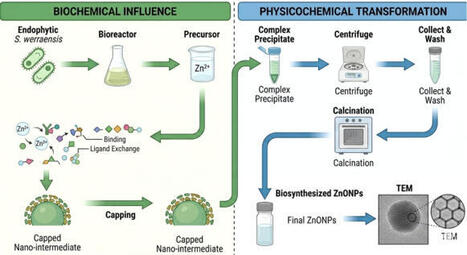
The rising prevalence of multidrug-resistant (MDR) pathogens necessitates the development of sustainable, biocompatible antimicrobial agents. Green synthesis of metal oxide nanoparticles using endophytic microorganisms offers an eco-friendly and bioactive alternative to conventional physical and chemical methods. In this study, zinc oxide nanoparticles (ZnO NPs) were biosynthesized using the cell-free supernatant of Streptomyces werraensis, a novel endophytic actinobacterium isolated from the medicinal plant Passiflora caerulea L. The formation of ZnO NPs was monitored via UV–visible spectroscopy and Fourier Transform Infrared (FTIR) spectroscopy. Morphological and structural characterizations were performed using Transmission Electron Microscopy (TEM), Selected Area Electron Diffraction (SAED), and Dynamic Light Scattering (DLS). The biological potential of ZnO NPs for human health was evaluated through antibacterial assays against a panel of human pathogens and antioxidant assays (DPPH and ABTS). UV–Vis spectra confirmed ZnONP formation with a characteristic band-gap absorption, while FTIR identified proteinaceous and phenolic capping agents. TEM and SAED revealed highly crystalline, predominantly spherical nanoparticles with an average diameter of 136 nm and a wurtzite crystal structure. The biosynthesized ZnO NPs exhibited potent, concentration-dependent antibacterial activity, particularly against Gram-negative strains; Salmonella paratyphi A and Proteus vulgaris showed maximum inhibition zones of 19.0 ± 0.64 mm and 16.4 ± 0.68 mm, respectively, which are comparable to those of commercial ampicillin. Antioxidant assays demonstrated significant radical-scavenging potential, with an IC50 of 22.15 ± 1.2 µg/mL in the ABTS assay, approaching that of ascorbic acid. The findings of the present study demonstrate that S. werraensis-mediated ZnO NPs serve as effective “nanogenerators” of oxidative stress, offering a dual-action therapeutic approach. These results highlight the potential of endophytic actinobacteria as sustainable bio-factories for producing functional nanoparticles with promising antimicrobial potential for treating MDR infections.
|
|
Scooped by
mhryu@live.com
June 10, 4:49 PM
|
River ecosystems, crucial components of the global nitrogen cycle, are increasingly affected by antibiotic pollution. However, the mechanistic interplay between nitrogen cycling and antibiotic resistance genes (ARGs) dissemination remains poorly understood, limiting effective ecological risk assessments. Here, we identify nitrate-reducing bacteria (NRBs), key drivers of denitrification and greenhouse gas mitigation, as dual-functional hubs that co-regulate nitrogen turnover and ARG dissemination under antibiotic stress. By integrating 173 metagenomes and 10 metatranscriptomes from the Yangtze River, we reconstruct 4200 metagenome-assembled genomes (MAGs) and find that NRBs harbor ~69% of actively transcribed ARGs in river microbiomes, with antibiotic pressure as the dominant ecological driver. Simulated microcosms exposed to antibiotic gradients reveal a hormetic response, where environmentally relevant concentrations enhanced both NRB-driven denitrification efficiency and ARG dissemination. Multi-omics analyses further reveal antibiotic-driven horizontal gene transfer as the predominant selective force co-shaping ARG and nitrate reduction gene dynamics, accelerating both nitrogen cycling and ARG spread. These findings establish NRBs as central hubs bridging antibiotic resistance and nitrogen metabolism, providing a mechanistic framework for predicting co-selection dynamics and mitigating cascading ecological impacts. Our work highlights the need to integrate microbial co-metabolic functions into pollution control strategies and redefine ecological risk assessments in antibiotic-polluted ecosystems. Antibiotic pollution and subsequent antibiotic resistance gene dissemination has an unknown effect on nitrogen cycling within river ecosystems. Here, using multi-omics and simulated microcosms, the authors identified nitrate-reducing bacteria as critical mitigators of these two processes.
|
|
Scooped by
mhryu@live.com
June 10, 4:35 PM
|
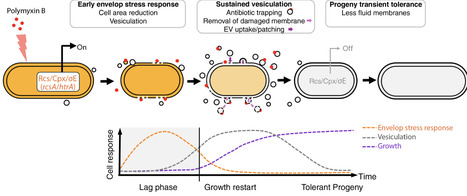
Bacterial extracellular vesicles (EVs) are nanosized lipid structures released under stress, yet their interactions with antibiotics remain poorly understood. We tracked real-time interactions between E. coli, EVs, and fluorescent polymyxin B (Pmb) using single-cell imaging and cytometric approaches. EVs rapidly sequester Pmb, facilitating its removal from bacterial envelopes, and act as plugs by adhering to or fusing with damaged sites. Pmb triggers early Cpx/σE- and Rcs-dependent stress responses, linked to a ∼25% reduction in cell surface area, a ∼50-fold increase in vesiculation, and remodeling of membrane properties. After an adaptive lag phase, sustained EV release supports detoxification and envelope repair, enabling growth recovery and transient tolerance to Pmb. Together, these findings reveal previously unrecognized functions of EVs in membrane repair and tolerance to membrane-active antibiotics.
|
|
Scooped by
mhryu@live.com
June 10, 4:24 PM
|
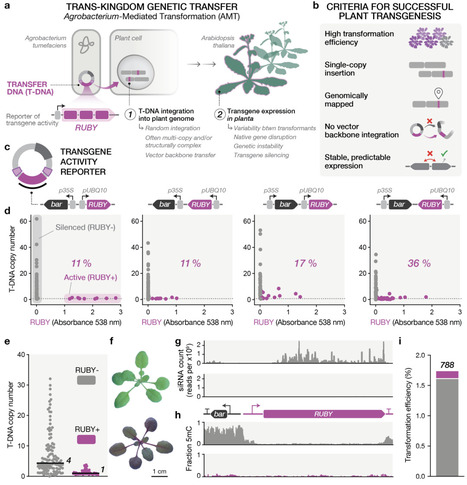
Agrobacterium-mediated transformation is the dominant method for plant transgenesis, yet it frequently produces multi-copy, structurally complex T-DNA insertions associated with transgene silencing, unpredictable expression, and genome instability. Here, leveraging a high-throughput phenotypic reporter, we systematically dissect how T-DNA vector architecture, plasmid biology, and regulatory element choice shape transformation outcomes in Arabidopsis thaliana. We discover a pronounced trade-off between transformation efficiency and T-DNA copy number, uncovering the virulence enhancing overdrive sequence as a major determinant of this relationship. Guided by these insights, we engineered a new T-DNA vector that balances efficient transformation with predominantly single-copy integration. Additionally, we replaced viral elements, such as the widely used CaMV 35S promoter, with Arabidopsis-derived regulatory elements to minimise undesired enhancer effects, and developed a streamlined workflow for efficient T-DNA insertion mapping in the genome. Together, these advances form the T1 vector series, an Arabidopsis-optimised T-DNA vector system that enables clean, single-copy, and readily mappable transgene integration with predictable expression in the first generation after transformation.
|
|
Scooped by
mhryu@live.com
June 10, 4:07 PM
|
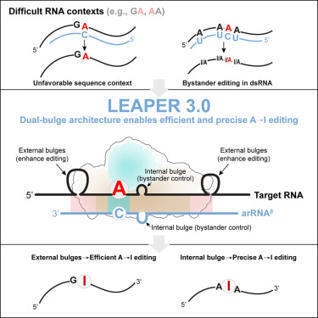
Leveraging endogenous adenosine deaminase (ADAR) enzymes through engineered ADAR-recruiting RNAs (arRNAs) offers a safe, programmable strategy for RNA editing without exogenous enzyme delivery. Yet an incomplete understanding of ADAR’s mechanistic basis has hindered the rational design of arRNAs with improved efficiency and precision. Here, we present LEAPER 3.0 (leveraging endogenous ADAR for programmable editing of RNA), a next-generation RNA-editing platform that integrates AlphaFold 3 structural predictions with systematic biochemical and cellular assays to define the molecular interface between ADAR1 or ADAR2 and double-stranded RNA. These insights enabled the rational optimization of arRNAs to expand the editable sequence range to previously refractory sites, suppress bystander editing within duplex regions, and achieve single-nucleotide discrimination among adjacent adenosines. This work elucidates the structural and mechanistic principles underlying arRNA-mediated editing and establishes a framework for the rational design of highly efficient and precise A-to-I RNA-editing tools.
|
|
Scooped by
mhryu@live.com
June 10, 3:55 PM
|
Genetic circuits for model bacteria often perform poorly in non-canonical hosts, limiting the deployment of regulatory programs in industrially relevant organisms. Here, we engineered an integrase-based cascading toggle switch that enables consistent and programmable gene expression in Pseudomonas putida. The system couples a rhamnose-inducible trigger module driving the Bxb1 serine integrase with a compact, insulated inversion module that provides binary OFF and ON transcriptional states. To expand both output range and modularity, the switching system controls expression of an orthogonal T7 RNA polymerase gene, thereby activating interchangeable PT7-driven target modules. Translation-level tuning of integrase and T7 RNA polymerase gene expression yielded tight OFF behavior and strong induction. Switching was efficient, and phenotypes were maintained stably after inducer removal, supporting its use as a genetic memory element. The platform was extended to control a bioprocess-relevant phenotype by modulating a hyperactive diguanylate cyclase that triggers biofilm formation. Engineering the system in a 2-fluoro-cis,cis-muconic acid production strain enabled switch-mediated catalytic biofilms operated in continuous mode, where the biofilm configuration supported stable chemical production. This work expands the synthetic biology toolbox for Pseudomonas by linking heritable genetic memory to stable microbial phenotypes useful for bioprocesses.
|
|
Scooped by
mhryu@live.com
June 10, 3:44 PM
|
Targeted acoustic stimulation can modulate fungal growth, metabolism, and molecular activity. It offers a promising route to influence fungal performance in agriculture, biotechnology, ecosystem restoration, and medicine. In this opinion article, we review studies showing that acoustic waves can either enhance or suppress fungal processes depending on species and acoustic parameters. Proposed mechanisms include activation of mechanosensitive membrane channels, calcium signalling, and shifts in the pentose phosphate pathway and coenzyme A biosynthetic pathways. Responses vary widely, yet this variation may create opportunities to tailor species- and industry-specific applications. Progress will accelerate with more consistent reporting of acoustic settings, exposure conditions, and fungal traits, thereby improving repeatability and comparability. Acoustic modulation represents an emerging, versatile tool with substantial potential to modulate fungal activity.
|
|
Scooped by
mhryu@live.com
June 10, 3:27 PM
|
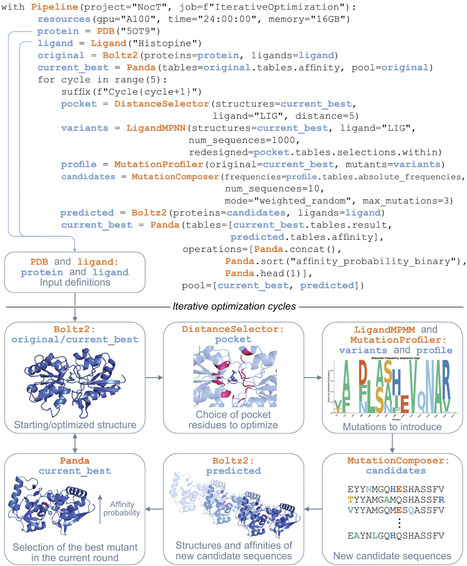
Deep learning methods for protein structure generation, sequence design, and structure and property prediction have created unprecedented opportunities for protein engineering and drug discovery. However, using these tools often requires navigating incompatible software environments, diverse input/output formats, and high-performance computing infrastructure, any of which may hinder adoption by primarily experimental chemical biology laboratories. Here, we present BioPipelines, an open-source Python framework that allows researchers to define multistep computational design workflows in a few lines of code. Additionally, its robust yet modular architecture provides a straightforward way to expand the tool kit with different functionalities, particularly by leveraging coding agents, with little effort. The framework currently integrates over 40 tools encompassing structure generation, sequence design, structure prediction, compound screening, and analysis. The same workflow code can be prototyped interactively in a Jupyter notebook and then submitted for production-scale runs without modification. We demonstrate applications in inverse folding, gene synthesis, de novo protein design, compound library screening, iterative binding site optimization, and fusion-protein linker optimization. We hope that this framework will empower researchers, allowing them to focus on the scientific question rather than computational logistics. BioPipelines is available under the MIT license at https://github.com/locbp-uzh/biopipelines.
|

















1str,