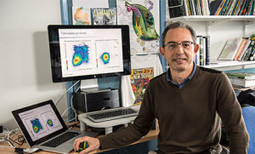
Scientists at the John Innes Centre and The Sainsbury Laboratory reflect on the success of the ERC over the last ten years and the impact that ERC grant
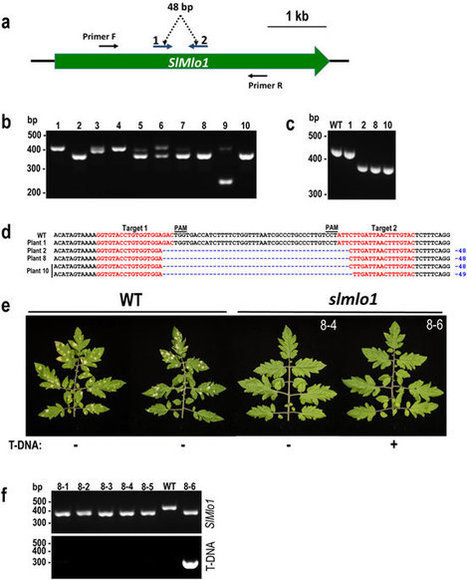
Genome editing has emerged as a technology with a potential to revolutionize plant breeding. In this study, we report on generating, in less than ten months, Tomelo, a non-transgenic tomato variety resistant to the powdery mildew fungal pathogen using the CRISPR/Cas9 technology. We used whole-genome sequencing to show that Tomelo does not carry any foreign DNA sequences but only carries a deletion that is indistinguishable from naturally occurring mutations. We also present evidence for CRISPR/Cas9 being a highly precise tool, as we did not detect off-target mutations in Tomelo. Using our pipeline, mutations can be readily introduced into elite or locally adapted tomato varieties in less than a year with relatively minimal effort and investment.
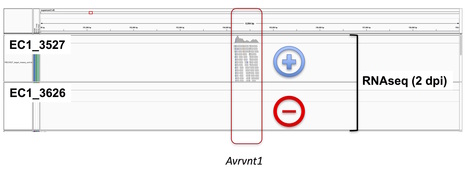
Outbreaks caused by asexual lineages of fungal and oomycete pathogens are an expanding threat to crops, wild animals and natural ecosystems (Fisher et al. 2012, Kupferschmidt 2012). However, the mechanisms underlying genome evolution and phenotypic plasticity in asexual eukaryotic microbes remain poorly understood (Seidl and Thomma 2014). Ever since the 19th century Irish famine, the oomycete Phytophthora infestans has caused recurrent outbreaks on potato and tomato crops that have been primarily caused by the successive rise and migration of pandemic asexual lineages (Cooke et al. 2012, Yoshida et al. 2013, Yoshida et al. 2014). Here, we reveal patterns of genomic and gene expression variation within a P. infestans asexual lineage by compared sibling strains belonging to the South American EC-1 clone that has dominated Andean populations since the 1990s (Forbes et al. 1997, Oyarzun et al. 1998, Delgado et al. 2013, Yoshida et al. 2013, Yoshida et al. 2014). We detected numerous examples of structural variation, nucleotide polymorphisms and gene conversion within the EC-1 clone. Remarkably, 17 genes are not expressed in one of the two EC-1 isolates despite apparent absence of sequence polymorphisms. Among these, silencing of an effector gene was associated with evasion of disease resistance conferred by a potato immune receptor. These results highlight the exceptional genetic and phenotypic plasticity that underpins host adaptation in a pandemic clonal lineage of a eukaryotic plant pathogen.
Oomycetes, or water moulds, are fungal-like organisms phylogenetically related to algae. They cause devastating diseases in both plants and animals. Here, we describe seven oomycete species that are emerging or re-emerging threats to agriculture, horticulture, aquaculture and natural ecosystems. They include the plant pathogens Phytophthora infestans , Phytophthora palmivora , Phytophthora ramorum , Plasmopara obducens , and the animal pathogens Aphanomyces invadans , Saprolegnia parasitica and Halioticida noduliformans . For each species, we describe its pathology, importance and impact, discuss why it is an emerging threat and briefly review current research activities.
This article is part of the themed issue ‘Tackling emerging fungal threats to animal health, food security and ecosystem resilience’.
A lot has gone wrong this year. We don't mean Brexit or the election of Donald Trump, both of which split opinion in Britain and the US.
We mean the thousands of migrants who died in the Med, the war in Syria, Zika virus, terror attacks all over the world, the hottest temperatures ever recorded. And, as if all that wasn't bad enough, David Bowie died.
So from the BBC World Service Inquiry programme here are four things that went right in 2016 from the perspective of four people who helped make them happen.
Four stories united by just one thing: the ambition to achieve the seemingly impossible.
Gene editing
Professor Sophien Kamoun is a plant biologist from Tunisia. He has always been interested in plant diseases, particularly after seeing the devastating effects of pesticides in developing countries.
Every year, thousands die after using pesticides on diseased crops. What if you could create a type of plant that doesn't get diseases?
That's what Sophien Kamoun has been experimenting with in his lab at Norwich University, using a new technique invented in the US that came of age this year - gene editing. It allows scientists to modify the genes of living things like plants.
Professor Kamoun experimented with editing the genes of a tomato plant so that it would no longer be susceptible to a particular disease.
First they isolated the gene that makes the tomato vulnerable to that disease. Then they removed the gene from the genome of the tomato. "And it became resilient to the fungal disease," he says.
Gene editing is an incredibly powerful tool. There are real concerns about how such a technology could be used, but regulate it properly, and you could change the way we feed the world.
"Every year we lose enough food to feed hundreds of millions of people to pathogens and parasites," he says. "If we could make some of our crops more resilient, then that would be an unique achievement."
It is not only plant biologists who are experimenting with gene editing: doctors are using it to reverse the mutations that cause blindness, to stop cancer cells from multiplying and to make cells resistant to the virus that causes AIDS.
It is why some have called gene editing the invention of the century.
A lot has gone wrong this year. We’re not talking about Brexit or the election of Donald Trump – both of which split opinion in Britain and the US – we’re talking about terror attacks, the brutal conflict in Syria, and the thousands of migrants who died trying to reach Europe.
Good things did happen. But the good news was mostly buried under the bad. So for this edition of The Inquiry – our final show of the year – we wanted to find about four things that went right in 2016. And we wanted to talk to the people who made those things happen. That’s it.
Four amazing stories united by one thing: the ambition of a small number of extraordinary people to achieve the seemingly impossible.
Background. In February 2016, a new fungal disease was spotted in wheat fields across eight districts in Bangladesh. The epidemic spread to an estimated 15,000 hectares, about 16 % of the cultivated wheat area in Bangladesh, with yield losses reaching up to 100 %. Within weeks of the onset of the epidemic, we performed transcriptome sequencing of symptomatic leaf samples collected directly from Bangladeshi fields.
Results. Reinoculation of seedlings with strains isolated from infected wheat grains showed wheat blast symptoms on leaves of wheat but not rice. Our phylogenomic and population genomic analyses revealed that the wheat blast outbreak in Bangladesh was most likely caused by a wheat-infecting South American lineage of the blast fungus Magnaporthe oryzae.
Conclusion. Our findings suggest that genomic surveillance can be rapidly applied to monitor plant disease outbreaks and provide valuable information regarding the identity and origin of the infectious agent.
Filamentous plant pathogens deliver effector proteins to host cells to promote infection. The Phytophthora infestans RXLR-type effector PexRD54 binds potato ATG8 via its ATG8-family interacting motif (AIM) and perturbs host selective autophagy. However, the structural basis of this interaction remains unknown. Here we define the crystal structure of PexRD54, which comprises a modular architecture including five tandem repeat domains, with the AIM sequence presented at the disordered C-terminus. To determine the interface between PexRD54 and ATG8, we solved the crystal structure of potato ATG8CL in complex with a peptide comprising the effectors AIM sequence, and established a model of the full-length PexRD54/ATG8CL complex using small angle X-ray scattering. Structure-informed deletion of the PexRD54 tandem domains reveals retention of ATG8CL binding in vitro and in planta. This study offers new insights into structure/function relationships of oomycete RXLR effectors and how these proteins engage with host cell targets to promote disease.
Location: Norwich, United Kingdom Current job/title: Senior Group Leader One word that describes how you work: Starbucks Favorite thing you do at work: Tweet Favorite plant: “benth” aka Nicotiana benthamiana One interesting project you have been working on: Open wheat blast http://wheatblast.net
I studied genetics at Pierre and Marie Curie University in Paris and UC Davis, before working at Wageningen University, The Ohio State University, and The Sainsbury Laboratory (TSL) where I served as Head from 2009-2014. At TSL, my group studies several aspects of plant-pathogen interactions, ranging from genome-level analyses to mechanistic research focused on individual proteins. Our projects are driven by some of the major questions in the field: How do plant pathogens evolve? How do they adapt and specialize on their hosts? How do plant pathogen effectors co-opt host processes? One aim is to narrow the gap between mechanistic and evolutionary research by testing specific hypotheses about how evolution has shaped molecular mechanisms of pathogenicity and immunity.
*What is your workspace setup like?
A standing desk surrounded by piles of papers and stuff, or a sofa in some coffee shop.
*What are some tools, apps, or websites that you use or visit every day? Do you have a favorite resource?
Twitter has become the primary source for all knowledge.
If a magical scientific genie appeared from an erlenmeyer flask in your lab, what would you ask for?
3D structures of protein complexes. Loads of them!
*What have been the biggest productivity tools you’ve been using either for a long time or recently adopted?
Typing or dictating notes on my phone and being able to do so at any time.
*What’s some of the best advice you’ve ever received?
Never worry about things you cannot control.
*What’s the best thing you’ve ever learned?
Doing some basic bioinformatics on my MacBook.
*Music, silence, white noise - what works for you?
Music! My zen playlist.
What do you do when the pipette is down and the computer is powered off?
Travel, food, and sports.
*What do you spend time thinking about that’s not your next proposal, publication, or project deadline?
I’m really excited about the travel plans for this summer.
Plant biology has long been a field of pioneering discoveries with broad impacts. What’s the next pioneering discovery in plant biology?
Synthetic immune receptors.
*If you’re OK sharing, what’s one way readers can get in touch or follow along with your work (email, blog, twitter, etc.)?
An Albugo sings about its relationships with some unwilling (and o occasionally willing) partners. Lyrics by Sophien Kamoun, performed by Jon Baker, inspired by "You Can Call Me Al" by Paul Simon.
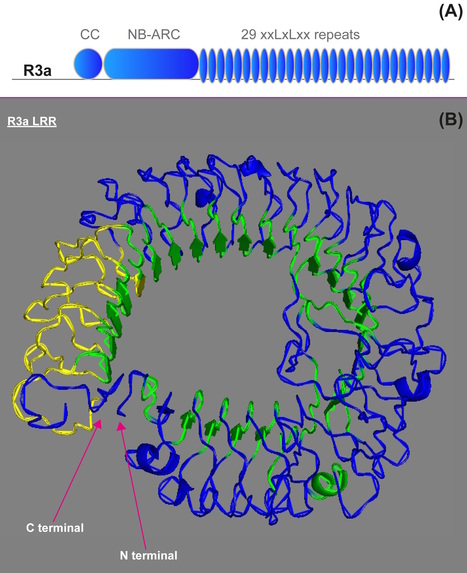
A recent study by Kroj et al. (New Phytologist, 2016) surveyed nucleotide binding-leucine rich repeat (NLR) proteins from plant genomes for the presence of extraneous integrated domains that may serve as decoys or sensors for pathogen effectors. They reported that a FAM75 domain of unknown function occurs near the C-terminus of the potato late blight NLR protein R3a. Here, we investigated in detail the domain architecture of the R3a protein, its potato paralog R3b, and their tomato ortholog I2. We conclude that the R3a, R3b, and I2 proteins do not carry additional domains besides the classic NLR modules, and that the FAM75 domain match is likely a false positive among computationally predicted NLR-integrated domains.
Background. Magnaporthe oryzae (anamorph Pyricularia oryzae) is the causal agent of blast disease of Poaceae crops and their wild relatives. To understand the genetic mechanisms that drive host specialization of M. oryzae, we carried out whole genome resequencing of four M. oryzae isolates from rice (Oryza sativa), one from foxtail millet (Setaria italica), three from wild foxtail millet S. viridis, and one isolate each from finger millet (Eleusine coracana), wheat (Triticum aestivum) and oat (Avena sativa), in addition to an isolate of a sister species M. grisea, that infects the wild grass Digitaria sanguinalis.
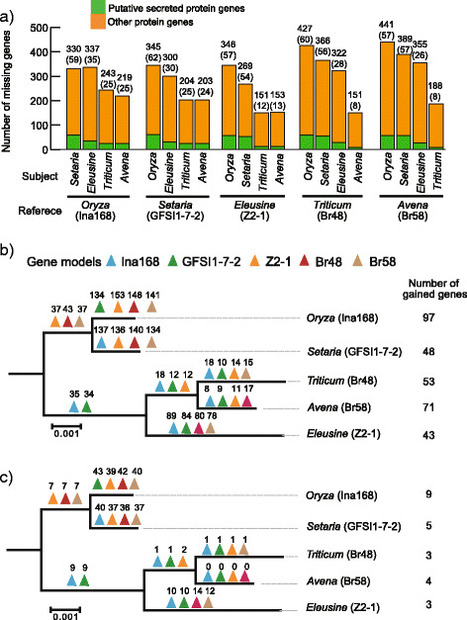
Results. Whole genome sequence comparison confirmed that M. oryzae Oryza and Setaria isolates form a monophyletic and close to another monophyletic group consisting of isolates from Triticum and Avena. This supports previous phylogenetic analysis based on a small number of genes and molecular markers. When comparing the host specific subgroups, 1.2–3.5 % of genes showed presence/absence polymorphisms and 0–6.5 % showed an excess of non-synonymous substitutions. Most of these genes encoded proteins whose functional domains are present in multiple copies in each genome. Therefore, the deleterious effects of these mutations could potentially be compensated by functional redundancy. Unlike the accumulation of nonsynonymous nucleotide substitutions, gene loss appeared to be independent of divergence time. Interestingly, the loss and gain of genes in pathogens from the Oryza and Setaria infecting lineages occurred more frequently when compared to those infecting Triticum and Avena even though the genetic distance between Oryza and Setaria lineages was smaller than that between Triticum and Avena lineages. In addition, genes showing gain/loss and nucleotide polymorphisms are linked to transposable elements highlighting the relationship between genome position and gene evolution in this pathogen species.
Conclusion. Our comparative genomics analyses of host-specific M. oryzae isolates revealed gain and loss of genes as a major evolutionary mechanism driving specialization to Oryza and Setaria. Transposable elements appear to facilitate gene evolution possibly by enhancing chromosomal rearrangements and other forms of genetic variation.
Each year, staple crops around the world suffer massive losses in yield owing to the destruc- tive effects of pathogens. Improving the disease resistance of crops by boosting their immunity has been a key objective of agricultural bio- tech ever since the discovery of plant immune receptors in the 1990s. Nucleotide-binding leucine-rich repeat (NLR) proteins, a family of intracellular immune receptors that recog- nize pathogen molecules, are promising targets for enhancing pathogen resistance. In a recent paper in Science, Kim et al.1 describe a clever twist on this approach in which the host target protein for the pathogen effector is engineered rather than the NLR protein itself (Fig. 1).
Plants are exposed to diverse pathogens and pests, yet most plants are resistant to most plant pathogens. Non-host resistance describes the ability of all members of a plant species to successfully prevent colonization by any given member of a pathogen species. White blister rust caused by Albugo species can overcome non-host resistance and enable secondary infection and reproduction of usually non-virulent pathogens, including the potato late blight pathogen Phytophthora infestans on Arabidopsis thaliana. However, the molecular basis of host defense suppression in this complex plant–microbe interaction is unclear. Here, we investigate specific defense mechanisms in Arabidopsis that are suppressed by Albugo infection.Empty description
Plants are exposed to diverse pathogens and pests, yet most plants are resistant to most plant pathogens. Non-host resistance describes the ability of all members of a plant species to successfully prevent colonization by any given member of a pathogen species. White blister rust caused by Albugo species can overcome non-host resistance and enable secondary infection and reproduction of usually non-virulent pathogens, including the potato late blight pathogen Phytophthora infestans on Arabidopsis thaliana. However, the molecular basis of host defense suppression in this complex plant–microbe interaction is unclear. Here, we investigate specific defense mechanisms in Arabidopsis that are suppressed by Albugo infection.
Fungi and oomycetes are filamentous microorganisms that include a diversity of highly developed pathogens of plants. These are sophisticated modulators of plant processes that secrete an arsenal of effector proteins to target multiple host cell compartments and enable parasitic infection. Genome sequencing revealed complex catalogues of effectors of filamentous pathogens, with some species harboring hundreds of effector genes. Although a large fraction of these effector genes encode secreted proteins with weak or no sequence similarity to known proteins, structural studies have revealed unexpected similarities amid the diversity. This article reviews progress in our understanding of effector structure and function in light of these new insights. We conclude that there is emerging evidence for multiple pathways of evolution of effectors of filamentous plant pathogens but that some families have probably expanded from a common ancestor by duplication and diversification. Conserved folds, such as the oomycete WY and the fungal MAX domains, are not predictive of the precise function of the effectors but serve as a chassis to support protein structural integrity while providing enough plasticity for the effectors to bind different host proteins and evolve unrelated activities inside host cells. Further effector evolution and diversification arise via short linear motifs, domain integration and duplications, and oligomerization.
Filamentous plant pathogens and symbionts invade their host cells but remain enveloped by host-derived membranes. The mechanisms underlying the biogenesis and functions of these host-microbe interfaces are poorly understood. Recently, we showed that PexRD54, an effector from the Irish potato famine pathogen Phytophthora infestans, binds host protein ATG8CL to stimulate autophagosome formation and deplete the selective autophagy receptor Joka2 from ATG8CL complexes. Here, we show that during P. infestans infection, ATG8CL autophagosomes are diverted to the pathogen interface. Our findings are consistent with the view that the pathogen coopts host selective autophagy for its own benefit.
CRISPR-Cas is a recent and powerful addition to the molecular toolbox which allows programmable genome editing. It has been used to modify genes in a wide variety of organisms, but only two alga to date. Here we present a methodology to edit the genome of Thalassiosira pseudonana, a model centric diatom with both ecological significance and high biotechnological potential, using CRISPR-Cas. A single construct was assembled using Golden Gate cloning. Two sgRNAs were used to introduce a precise 37 nt deletion early in the coding region of the urease gene. A high percentage of bi-allelic mutations (≤61.5%) were observed in clones with the CRISPR-Cas construct. Growth of bi-allelic mutants in urea led to a significant reduction in growth rate and cell size compared to growth in nitrate. CRISPR-Cas can precisely and efficiently edit the genome of T. pseudonana. The use of Golden Gate cloning to assemble CRISPR-Cas constructs gives additional flexibility to the CRISPR-Cas method and facilitates modifications to target alternative genes or species.
Selective autophagy is a conserved homeostatic pathway that involves engulfment of specific cargo molecules into specialized organelles called autophagosomes. The ubiquitin-like protein ATG8 is a central player of the autophagy network that decorates autophagosomes and binds to numerous cargo receptors. Although highly conserved across eukaryotes, ATG8 diversified from a single protein in algae to multiple isoforms in higher plants. We present a phylogenetic overview of 376 ATG8 proteins across the green plant lineage that revealed family-specific ATG8 clades. Because these clades differ in fixed amino acid polymorphisms, they provide a mechanistic framework to test whether distinct ATG8 clades are functionally specialized. We propose that ATG8 expansion may have contributed to the diversification of selective autophagy pathways in plants.
Selective autophagy is an ancient membrane-trafficking pathway that is essential for cellular homeostasis.
Selective autophagy involves engulfment of autophagic cargo within double-membrane vesicles called autophagosomes.
Autophagosomes are decorated by ATG8, a ubiquitin-like protein conserved across eukaryotes that is expanded in higher plants.
Selective cargo recruitment is mediated by autophagy receptors that interact with ATG8 via an ATG8 interaction motif (AIM). Specialization of autophagy receptors toward ATG8 variants contributes to selective autophagy.
Although selective autophagy plays important roles in development and stress tolerance, the molecular mechanisms underlying selectivity are currently elusive in plants.
Plant and animal nucleotide-binding domain and leucine-rich repeat-containing (NLR) proteins often function in pairs to mediate innate immunity to pathogens. However, the degree to which NLR proteins form signaling networks beyond genetically linked pairs is poorly understood. In this study, we discovered that a large NLR immune signaling network with a complex genetic architecture confers immunity to oomycetes, bacteria, viruses, nematodes, and insects. The network emerged over 100 million years ago from a linked NLR pair that diversified into up to one half of the NLR of asterid plants. We propose that this NLR network increases robustness of immune signaling to counteract rapidly evolving plant pathogens.
Elicitins are structurally conserved extracellular proteins in Phytophthora and Pythium oomycete pathogen species. They were first described in the late 1980s as abundant proteins in Phytophthora culture filtrates that have the capacity to elicit hypersensitive (HR) cell death and disease resistance in tobacco. Later, they became well-established as having features of microbe-associated molecular patterns (MAMPs) and to elicit defences in a variety of plant species. Research on elicitins culminated in the recent cloning of the elicitin response (ELR) cell surface receptor-like protein, from the wild potato Solanum microdontum, which mediates response to a broad range of elicitins. In this review, we provide an overview on elicitins and the plant responses they elicit. We summarize the state of the art by describing what we consider to be the nine most important features of elicitin biology.
The oomycete pathogen Phytophthora infestans causes potato late blight, and as a potato and tomato specialist pathogen, is seemingly poorly adapted to infect plants outside the Solanaceae. Here, we report the unexpected finding that P. infestans can infect Arabidopsis thaliana when another oomycete pathogen, Albugo laibachii, has colonized the host plant. The behaviour and speed of P. infestans infection in Arabidopsis pre-infected with A. laibachii resemble P. infestans infection of susceptible potato plants. Transcriptional profiling of P. infestans genes during infection revealed a significant overlap in the sets of secreted-protein genes that are induced in P. infestans upon colonization of potato and susceptible Arabidopsis, suggesting major similarities in P. infestans gene expression dynamics on the two plant species. Furthermore, we found haustoria of A. laibachii and P. infestans within the same Arabidopsis cells. This Arabidopsis - A. laibachii - P. infestans tripartite interaction opens up various possibilities to dissect the molecular mechanisms of P. infestans infection and the processes occurring in co-infected Arabidopsis cells.
In February 2016, a new fungal disease was spotted in wheat fields across eight districts in Bangladesh. The epidemic spread to an estimated 15,741 hectares, about 16% of cultivated wheat area in Bangladesh, with yield losses reaching up to 100%. Within weeks of the onset of the epidemic, we performed transcriptome sequencing of symptomatic leaf samples collected directly from Bangladeshi fields. Population genomics analyses revealed that the outbreak was caused by a wheat-infecting South American lineage of the blast fungus Magnaporthe oryzae. We show that genomic surveillance can be rapidly applied to monitor plant disease outbreaks and provide valuable information regarding the identity and origin of the infectious agent.
This week on the blog, Professor Sophien Kamoun describes his work on plant–pathogen interactions at The Sainsbury Lab, UK, and discusses the future of plant disease.
Could you begin by describing the focus of your research on plant pathogens?
We study several aspects of plant–pathogen interactions, ranging from genome-level analyses to mechanistic investigations focused on individual proteins. Our projects are driven by some of the major questions in the field: how do plant pathogens evolve? How do they adapt and specialize to their hosts? How do plant pathogen effectors co-opt host processes?
One personal aim is to narrow the gap between research on the mechanisms and evolution of these processes. We hope to demonstrate how mechanistic research benefits from a robust phylogenetic framework to test specific hypotheses about how evolution has shaped molecular mechanisms of pathogenicity and immunity.
Tree diseases such as sudden oak death, ash dieback and olive quick decline syndrome have been making the news a lot recently. Are diseases like these becoming more common, and if so, why?
It’s well documented that the scale and frequency of emerging plant diseases has increased. There are many factors to blame. Increased global trade is one. Climate change is another. There is no question that we need to increase our surveillance and diagnostics efforts. We’re nowhere near having coordinated responses to new disease outbreaks in plant pathology, especially when it comes to deploying the latest genomics methods. We really need to remedy this.
The wheat blast fungus recently hit Bangladesh. Could you briefly outline how it is being tackled by plant pathologists?
Wheat blast has just emerged this last February in Bangladesh – its first report in Asia. It could spread to neighboring countries and become a major threat to wheat production in South Asia. Thus, we had to act fast. We used an Open Science approach to mobilize collaborators in Bangladesh and the wider blast fungus community, and managed to identify the pathogen strain in just a few weeks. It turned out that the Bangladeshi outbreak was caused by a clone related to the South American lineage of the pathogen. Now that we know the enemy, we can proceed to put in place an informed response plan. It’s challenging but at least we know the nature of the pathogen – a first step in any response plan to a disease outbreak.
Which emerging diseases do you foresee having a large impact on food security in the future?
Obviously, any disease outbreak in the major food crops would be of immediate concern, but we shouldn’t neglect the smaller crops, which are so critical to agriculture in the developing world. This is one of the challenges of plant pathology: how to handle the numerous plants and their many pathogens.
As far as new problems, I view insect pests as being a particular challenge. Our basic understanding of insect–plant interactions is not as well developed as it is for microbial pathogens, and research has somewhat neglected the impact of plant immunity. The range of many insect pests is expanding because of climate change, and we are moving to ban many of the widely used insecticides. This is an area of research I would recommend for an early career scientist.
What advice would you give to a young researcher in this area?
Ask the right questions and look beyond the current trends. Think big. Be ambitious. Don’t shy away from embracing the latest technologies and methods. It’s important to work on real world systems. Thanks to technological advances, genomics, genome editing etc., the advantages of working on model systems are not as obvious as they were in the past.
How can we mitigate the risks to crops from plant diseases in the future?
My general take is to be suspicious of silver bullets. I like to say “Don’t bet against the pathogen”. I believe that for truly sustainable solutions, we need to continuously alter the control methods, for example by regularly releasing new resistant crop varieties. Only then we can keep up with rapidly evolving pathogens. One analogy would be the flu jab, which has a different formulation every year depending on the make-up of the flu virus population.
Is there anything else you’d like to add?
I read that public and private funding of plant science is less than one tenth of biomedical research. Not a great state of affairs when one considers that we will add another two billion people to the planet in the next 30 years. As one of my colleagues once said: “medicine might save you one day; but plants keep you alive everyday”.
The plant pathogenic fungus Fusarium oxysporum secretes an effector that is similar to a plant peptide hormone, underscoring the variety of mechanisms that plant pathogens have evolved to tamper with host physiology.
Plant pathogens cause devastating diseases of crop plants and threaten food security in an era of continuous population growth. Annual losses due to fungal and oomycete diseases amount to enough food calories to feed at least half a billion people. Understanding how plant pathogens infect and colonize plants should help to develop disease-resistant crops. It appears that plant pathogens are sophisticated manipulators of their hosts. They secrete effector molecules that alter host biological processes in a variety of ways, generally promoting the pathogen lifestyle. A new study by Masachis, Segorbe and colleagues describes a new mechanism by which plant pathogens interfere with plant physiology. They discovered that the root-infecting fungus F. oxysporum secretes a peptide similar to the plant regulatory peptide RALF (rapid alkalinization factor) to induce host tissue alkalinization and enhance plant colonization. This study demonstrates that in addition to secreting classical plant hormones (or mimics thereof), fungi have also evolved functional homologues of plant peptides to alter host cellular processes.
A team of scientists in the UK and Bangladesh are turning to the combined knowledge of the global scientific community to address an emerging threat to Asian agriculture.
The target is the fearsome fungal disease wheat blast. The pathogen was spotted in Bangladesh in February this year—its first report in Asia. Wheat is the second major food source in Bangladesh, after rice. The blast disease has, so far, caused up to 90% yield losses in more than 15,000 hectares. Scientists fear that the pathogen could spread further to other wheat growing areas in South Asia.
The UK and Bangladeshi teams are making raw genetic data for the wheat blast pathogen available on a new website—http://www.wheatblast.net—and inviting others to do the same. Professor Sophien Kamoun, of The Sainsbury Laboratory in Norwich, who is leading the project, said that a wide cultural change is needed for scientists to optimally address new threats to food security.
"I have a beef with the way that research is typically done. We need a fundamentally new approach to sharing genetic data for emerging plant diseases," he said. "We need to generate and make data public more rapidly and seek input from a larger crowd because, collectively, we are better able to answer questions."
Professor Kamoun, with colleagues at The Genome Analysis Centre and John Innes Centre in Norwich, and with Professor Tofazzal Islam's Team of Bangabndhu Sheikh Mujubur Rahman Agricultural University (BSMRAU) in Bangladesh, is hoping that the wheatblast.net website, together with an accompanying Facebook page, will provide a hub for information, collaboration and comment. They are basing the site on their successful Open Ash Dieback website, which brought scientists together in the fight against ash dieback disease.
The blast fungus normally infects rice and over 50 types of grasses. Occasionally, a blast fungus strain would jump from one host to another resulting in a new disease. Such a "host jump" to wheat has happened in Brazil in the 1980s. The wheat blast pathogen is now rife in South America, where it infects up to 3 million hectares and causes serious crop losses.
Prof Kamoun and colleagues are working with Professor Tofazzal Islam's team, of the Department of Biotechnology of BSMRAU in Gazipur, Bangladesh. They hope that the genetic data will help determine whether the Bangladeshi wheat-infecting strain has evolved independently from local grass-infecting fungi or was somehow introduced into the country.
Professor Tofazzal Islam said "This pathogen causes a destructive disease on rice and it would be disastrous if the same situation arises now in wheat. Genomic and post-genomic research should clarify the origin of the wheat strain and guide measures for disease management. Prompt responses are needed from the scientific community and the government of Bangladesh for addressing this national crisis to ensure increasing wheat production, which is linked with future food and nutritional security of the nation."
The group of scientists includes Dr Diane Saunders at The Genome Analysis Centre and John Innes Centre who developed a technique last year, known as Field Pathogenomics. To date, Field Pathogenomics has been applied to track another fungal crop disease - yellow rust. The method generates highly-specific genetic information directly from diseased wheat samples to determine the identity of the pathogen strain that's associated with an epidemic. Application of this method to wheat blast should unmask the pathogen in Bangladesh and contribute to a response plan.
The recent wheat blast epidemic in Bangladesh has prompted Professor Nick Talbot, University of Exeter, to post on the wheatblast.net website a set of genetic data generated by his group from worldwide populations of the wheat and rice blast fungus. Prof Talbot said "In an emergency like this one, the community must come together to share data and compare notes. Only then, we will determine the true identity of the pathogen and put in place effective measures in a timely fashion."
Professor Neil Hall, Director of The Genome Analysis Centre said: "It is critical in emerging crises like this that scientific data is rapidly generated and made available as soon as possible. Having an open-access site has already galvanized open exchange of information for the ash dieback disease. The scientific community needs to rally behind open science to respond to recurrent threats to global food security."
To get content containing either thought or leadership enter:
To get content containing both thought and leadership enter:
To get content containing the expression thought leadership enter:
You can enter several keywords and you can refine them whenever you want. Our suggestion engine uses more signals but entering a few keywords here will rapidly give you great content to curate.


 Your new post is loading...