


 Your new post is loading...

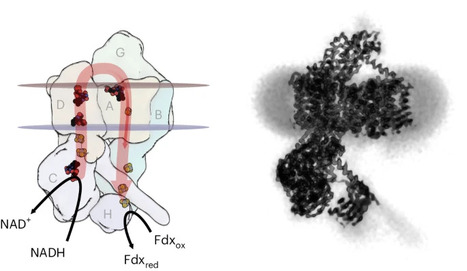
Plants adapt to fluctuating environmental conditions by adjusting their metabolism and gene expression to maintain fitness1. In legumes, nitrogen homeostasis is maintained by balancing nitrogen acquired from soil resources with nitrogen fixation by symbiotic bacteria in root nodules2–8. Here we show that zinc, an essential plant micronutrient, acts as an intracellular second messenger that connects environmental changes to transcription factor control of metabolic activity in root nodules. We identify a transcriptional regulator, FIXATION UNDER NITRATE (FUN), which acts as a sensor, with zinc controlling the transition between an inactive filamentous megastructure and an active transcriptional regulator. Lower zinc concentrations in the nodule, which we show occur in response to higher levels of soil nitrate, dissociates the filament and activates FUN. FUN then directly targets multiple pathways to initiate breakdown of the nodule. The zinc-dependent filamentation mechanism thus establishes a concentration readout to adapt nodule function to the environmental nitrogen conditions. In a wider perspective, these results have implications for understanding the roles of metal ions in integration of environmental signals with plant development and optimizing delivery of fixed nitrogen in legume crops. Zinc acts as a second messenger in root nodules and regulates nitrogen homeostasis by controlling the transition between the active state and the inactive filamentous state of the novel transcriptional regulator FIXATION UNDER NITRATE (FUN).

|
Scooped by
Jean-Michel Ané
June 29, 2024 4:01 AM
|
 Scoop.it!


wegovy kopen online's curator insight,
October 5, 2024 9:05 PM
Wat u moet weten over Ozempic en afslankmedicijnen Hoe wordt Ozempic gebruikt? Ozempic, dat synoniem is geworden met afslankmedicatie, is door de FDA alleen goedgekeurd voor de behandeling van diabetes type 2 (T2DM). Het is belangrijk dat we dit aan onze patiënten communiceren, omdat er veel misinformatie is over wat een door de FDA goedgekeurd medicijn is voor obesitas. We hebben gezien dat patiënten hun zorgverlener vroegen om ze met Ozempic te laten beginnen, en dat hun verzekeringsplan het afwees voor dekking omdat de patiënt geen T2DM had. De populaire cultuur heeft bijgedragen aan dit soort misverstanden dat Ozempic een afslankmedicatie is. Zowel Wegovy als Ozempic zijn Semaglutide, maar in een andere dosering, waarbij Wegovy door de FDA is goedgekeurd voor de behandeling van obesitas. Hetzelfde geldt voor Mounjaro en Zepbound. Beide zijn het antidiabetische medicijn Tirzepatide, maar Zepbound is alleen goedgekeurd voor de behandeling van obesitas. Ozempic Kosten en Toegankelijkheid Nederland Wie moet Wegovy en andere afslankmedicijnen nemen? Mensen die worstelen met een overgewicht body mass index (BMI) van 27 tot 29,9 met één comorbiditeit gerelateerd aan hun overgewicht, zoals hypertensie, of mensen die obesitas hebben ― een BMI van 30 of hoger ― komen in aanmerking voor door de FDA goedgekeurde afslankmedicijnen, waaronder Wegovy, Zepbound, Saxenda, Contrave en Qsymia. Welke andere voordelen biedt Wegovy naast gewichtsverlies? Meer dan de helft van de deelnemers aan de Wegovy-onderzoeken bereikte 15% gewichtsverlies en een derde bereikte 20% of meer. Dit is een indrukwekkende hoeveelheid gewichtsverlies ― iets wat we niet hebben gezien met eerdere afslankmedicijnen. Dit is belangrijk omdat we met een grotere hoeveelheid gewichtsverlies obesitas en de daaraan gerelateerde comorbiditeit effectiever kunnen behandelen. We behandelen T2DM nu veel effectiever - in sommige gevallen keren we het om - en helpen we patiënten om van hun CPAP-apparaat af te komen vanwege obstructieve slaapapneu of verminderen we kniepijn aanzienlijk. Wegovy kan ook een positieve invloed hebben op de cardiovasculaire gezondheid en de gezondheid van de nieren. Hoe werken deze medicijnen bij het reguleren van de eetlust en bieden ze andere gezondheidsvoordelen? De nieuwe klasse afslankmedicijnen, waaronder Wegovy en Zepbound, werken als de gastro-intestinale hormonen die van nature in ons lichaam voorkomen. Deze medicijnen werken op verschillende hersengebieden die betrokken zijn bij gewichtsregulering. Hoewel het verminderen van de dagelijkse calorie-inname en het verhogen van de dagelijkse calorie-output belangrijk zijn voor gewichtsverlies, gaan ze niet ver genoeg bij het beheersen van obesitas. Ze schieten tekort in het beïnvloeden van de paden in de buurt van de hypothalamus die gewicht en eetlust reguleren. Daarom kunnen we, wanneer afslankmedicijnen worden toegevoegd aan een verandering van levensstijl, een groter gewichtsverlies bereiken en behouden, omdat we de ziekte veel effectiever behandelen. Deze medicijnen hebben ook veelbelovende resultaten laten zien bij het beheersen van eetbuienstoornis, depressie en verslaving. Er is meer onderzoek nodig om het werkingsmechanisme beter te begrijpen en om te bepalen hoe we deze medicijnen het beste kunnen inzetten voor onze patiënten. Zijn er negatieve bijwerkingen? Zoals bij alle medicijnen, zijn er potentiële bijwerkingen bij afslankmedicijnen. In Wegovy-onderzoeken meldden deelnemers het vaakst gastro-intestinale bijwerkingen, samen met hoofdpijn en vermoeidheid. Zepbound veroorzaakt ook gastro-intestinale bijwerkingen. Wanneer patiënten goed worden gecontroleerd, begeleid en ondersteund vanuit een standpunt van levensstijlverandering (voeding, fysieke activiteit en gedrag), verdragen ze de medicatie beter. Dit is waar we naar streven met het leefstijlprogramma voor obesitas van Penn State Health, Digital Weight Management. Dit gestructureerde leefstijlprogramma van zes maanden stelt ons in staat om samen te werken met onze patiënten tijdens hun reis naar gewichtsverlies om ervoor te zorgen dat het veilig en effectief is. Moeten mensen hun hele leven afslankmedicijnen blijven gebruiken? Ik krijg deze vraag vaak van patiënten en zorgverleners. Niet veel mensen weten misschien dat obesitas in 2013 door de American Medical Association als ziekte werd erkend. Het is een chronische en terugkerende ziekte, net als hypothyreoïdie of kanker. Zodra u de ziekte behandelt, moet de patiënt de behandeling blijven volgen die op de lange termijn werkt. Als de behandeling wordt gestopt, zal de ziekte terugkeren. Proeven met afslankmedicijnen hebben aangetoond dat stoppen met medicatie leidt tot gewichtstoename. Dat komt doordat de hersenbanen die het gewicht reguleren niet langer worden behandeld door de medicatie. Gevoelens van ongemak bij het levenslang innemen van medicatie zijn begrijpelijk. Ik zou patiënten willen aanmoedigen om hun zorgen te delen met hun zorgverlener. Wat zijn de kosten van Wegovy en soortgelijke medicijnen? Het is een duur medicijn. Zonder dekking kan de patiënt ongeveer $ 1.200 per maand aan winkelprijs voor Wegovy en $ 550 per maand aan winkelprijs voor Zepbound uit eigen zak betalen. Er is veel vooruitgang geboekt in het vergoeden van deze medicijnen door werkgevers vergeleken met tien jaar geleden, maar nog steeds nemen niet alle werkgevers ze op als onderdeel van de verzekeringsvoordelen die ze hun werknemers bieden. Dit geldt ook voor sommige verzekeringsplannen zoals Medicare die geen medicijnen voor gewichtsverlies dekken. Gebrek aan dekking en een grote vraag naar deze medicijnen hebben geleid tot een landelijk tekort aan Wegovy en Zepbound. Helaas hebben we klinieken, apotheken en online programma's voor gewichtsverlies gezien die samengestelde Semaglutide en Tirzepatide aanbieden. Het is belangrijk dat patiënten weten dat deze samengestelde versies niet hetzelfde zijn als de daadwerkelijke medicijnen die door Lilly en Novo Nordisk worden aangeboden. Bovendien is niet aangetoond dat ze veilig of effectief zijn en zijn ze daarom niet door de FDA goedgekeurd. Bent u hoopvol dat er in de niet al te verre toekomst nog betere medicijnen zullen zijn? Daar bestaat geen twijfel over. Dit is een zeer hoopvolle tijd op het gebied van obesitasgeneeskunde. Lange tijd konden we onze patiënten alleen maar veranderingen in levensstijl bieden ― verminder uw calorieën, wees fysiek actief ― en dat is belangrijk. Maar we behandelden niet echt de fysiologie van de ziekte. We optimaliseerden het effect van verandering in levensstijl niet. Met de introductie van het eerste door de FDA goedgekeurde medicijn voor gewichtsverlies in 2012, begonnen we de onderliggende fysiologie van obesitas aan te pakken. En met de introductie van de nieuwe klasse medicijnen zoals Wegovy en Zepbound, doen we veel effectiever werk. Als we verder kijken, zijn er meer medicijnen in de latere fase van klinische onderzoeken die de resultaten van bariatrische chirurgie weerspiegelen. Het is een opwindende tijd, omdat we meer behandelingsopties dan ooit hebben om onze patiënten die worstelen met obesitas aan te bieden. https://pharmaciedepoids.com/ https://pharmaciedepoids.com/boutique-de-saxenda/ https://pharmaciedepoids.com/wp-admin/nav-menus.php?action=edit&... https://pharmaciedepoids.com/Produit-Cat%C3%A9gorie/pilules-de-pert... https://pharmaciedepoids.com/Produit-Cat%C3%A9gorie/tdah/ https://pharmaciedepoids.com/Produit/acheter-adipex-en-ligne/ https://pharmaciedepoids.com/Produit/acheter-saxenda-en-ligne/ https://pharmaciedepoids.com/Produit/acheter-qsymia-en-ligne/ https://pharmaciedepoids.com/Produit/acheter-du-ritalin/ https://pharmaciedepoids.com/Produit/acheter-actiskenan-en-europe/ https://pharmaciedepoids.com/Produit/acheter-sevredol/ https://pharmaciedepoids.com/Produit/acheter-victoza-en-ligne/ https://pharmaciedepoids.com/Produit/acheter-belviq-en-ligne/ https://pharmaciedepoids.com/Produit/acheter-ambien-en-ligne/ https://pharmaciedepoids.com/Produit/acheter-de-lephedrine/ https://pharmaciedepoids.com/Produit/acheter-duromine-en-ligne/ https://pharmaciedepoids.com/Produit/acheter-methadone-en-france/ https://pharmaciedepoids.com/Produit/acheter-morphine-deurope/ https://pharmaciedepoids.com/Produit/mounjaro/ https://pharmaciedepoids.com/Produit/acheter-oxycodone-en-ligne/ https://pharmaciedepoids.com/Produit/acheter-ozempic-1mg-en-ligne/ https://pharmaciedepoids.com/Produit/acheter-ozempic-en-ligne/ https://pharmaciedepoids.com/Produit/acheter-ozempic-2mg-en-ligne/ https://pharmaciedepoids.com/Produit/ozempic-sans-ordonnance/ https://pharmaciedepoids.com/Produit/acheter-saxenda-sans-ordonnance/ https://pharmaciedepoids.com/Produit/acheter-saxenda-3-mg/ https://pharmaciedepoids.com/Produit/acheter-toseina-codeine-sirop/ https://pharmaciedepoids.com/Produit/acheter-vyvanse/ https://pharmaciedepoids.com/Produit/acheter-wegovy/ https://pharmaciedepoids.com/Produit/acheter-wegovy-en-france/ https://pharmaciedepoids.com/Produit/acheter-wegovy-sans-ordonnance/ https://pharmaciedepoids.com/Produit/orlistat-xenical/ https://acquistasubutexonline.com/ https://acquistasubutexonline.com/prodotto/ https://acquistasubutexonline.com/prodotto/acquista-ozempic/ https://acquistasubutexonline.com/prodotto/acquista-saxenda-online/ https://acquistasubutexonline.com/prodotto/acquista-wegovy-in-italia/ https://acquistasubutexonline.com/prodotto/acquista-zepbound/ https://acquistasubutexonline.com/prodotto/acquista-subutex-online/ https://acquistasubutexonline.com/prodotto/acquista-methadone-in-it... https://acquistasubutexonline.com/prodotto/acquista-actiskenan-online/ https://acquistasubutexonline.com/prodotto/acquista-morphine-online/ https://acquistasubutexonline.com/prodotto/acquista-ossicodone-online/ https://acquistasubutexonline.com/prodotto/efedrina-acquisto-online/ https://acquistasubutexonline.com/prodotto/acquista-vyvanse-online/ https://acquistasubutexonline.com/prodotto/acquista-adipex-online/ https://acquistasubutexonline.com/prodotto/acquista-methadone-in-it... https://acquistasubutexonline.com/prodotto/acquista-victoza-online/ https://acquistasubutexonline.com/prodotto/acquista-qsymia-online/ https://ozempiccomprar1mg.com/ https://ozempiccomprar1mg.com/compra-ahora/ https://ozempiccomprar1mg.com/product/ozempic-comprar-sin-receta/ https://ozempiccomprar1mg.com/product/comprar-metadona-en-linea/ https://ozempiccomprar1mg.com/product/comprar-oxicodona-5mg/ https://ozempiccomprar1mg.com/product/comprar-oxycontin-10mg-en-linea/ https://ozempiccomprar1mg.com/product/comprar-depo-testosterone/ https://ozempiccomprar1mg.com/product/comprar-ozempic-online/ https://ozempiccomprar1mg.com/product/comprar-ozempic/ https://ozempiccomprar1mg.com/product/comprar-ozempic-2mg/ https://ozempiccomprar1mg.com/product/comprar-mounjaro-sin-receta/ https://ozempiccomprar1mg.com/product/comprar-saxenda-espana/ https://ozempiccomprar1mg.com/product/comprar-wegovy-en-linea/ https://ozempiccomprar1mg.com/product/comprar-actiskenan/ https://acquistoozempic.com/ https://acquistoozempic.com/acquista-il-tuo-iniettabile-ozempic/ https://acquistoozempic.com/Prodotto/acquista-ozempic-0-25-mg/ https://acquistoozempic.com/Prodotto/acquisto-ozempic-senza-ricetta/ https://acquistoozempic.com/Prodotto/acquista-ozempic-1mg/ https://acquistoozempic.com/Prodotto/acquisto-ephedrine/ https://acquistoozempic.com/Prodotto/acquista-phentermine-online/ https://acquistoozempic.com/Prodotto/acquista-saxenda-online/ https://acquistoozempic.com/Prodotto/acquisto-wegovy-online/ https://acquistoozempic.com/Prodotto/acquista-mounjaro-5-mg/ https://acquistoozempic.com/Prodotto/acquista-zepbound-2-5-mg/ https://acquistoozempic.com/Prodotto/acquista-zepbound-10-mg/ acheter saxenda en ligne acheter saxenda acheter saxenda en France acheter saxenda en Belgique Belgique saxenda acheter Ozempic sansordonnance acheter adipex en ligne acheter saxenda en ligne acheter qsymia en ligne acheter ritalin en ligne acheter actiskenan en ligne acheter sevredol acheter victoza en ligne acheter belviq en ligne acheter adipex en ligne acheter ambien en ligne acheter ephedrine en ligne acheter ritalin en ligne acheter en ligne acheter methadone en france acheter morphine acheter mounjaro en ligne acheter oxycodone en ligne acheter Ozempic 1mg en ligne acheter ozempic en ligne acheter Ozempic 2mg en ligne acheter Ozempic sans ordonnance acheter qsymia en ligne acheter saxenda sans ordonnance acheter saxenda 3 mg acheter toseina codeine sirop acheter vyvanse en ligne acheter wegovy en ligne acheter wegovy en france acheter wegovy sans ordonnance acheter orlistat xenical en ligne acquista saxenda acquista subutex online acquista ozempic acquista qsymia koop ozempic Amsterdam koop ozempic Rotterdam koop ozempic Eindhoven mounjaro koop zepbound koop rybelsus koop saxenda koop wegovy koop oxycodon 40mg koop koop oxycodon koop oxycodon-10 oxycontin koop morfine koop adipex koop koop Depo Testosterone koop oxymetholone 25 mg koop oxymetholone 50 mg acquisto ozempic ozempic prezzo acquistare ozempic 0.5mg acquistare ozempic senza ricetta acquistare ozempic 1mg acquistare ephedrine acquistare phentermine acquistare saxenda acquistare wegovy ozempic comprar 1mg "> acquistare ozempic 1mg comprar ozempic 1mg ozempic comprar sin receta ozempic comprar online ozempic comprar comprar ozempic 2mg comprar mounjaro comprar wegovy comprar saxenda comprar oxycontin-10mg comprar depo testosterone acquista subutex online acquista saxenda acquista subutex acquista victoza acquista qsymia acquista duromine acquista methadone acquista actiskenan acquista morphine acquista oxicodona acquista sevredol acquista dexedrine online acquista pillole acquista ritalin acquista vyvanse efedrina acquisto acquista adipex acquista belviq acquista duromine acquista ozempic acquista qsymia https://gewichtapotheker.com/ https://gewichtapotheker.com/ https://gewichtapotheker.com/product/ozempic-kopen-0-25mg/ https://gewichtapotheker.com/product/ozempic-kopen-0-5mg/ https://gewichtapotheker.com/product/ozempic-kopen-1mg-online/ https://gewichtapotheker.com/product/ozempic-kopen-2mg-online/ https://gewichtapotheker.com/product/wegovy-kopen-online/ https://gewichtapotheker.com/product/mounjaro-kopen/ https://gewichtapotheker.com/product/mounjaro-kopen-5-mg/ https://gewichtapotheker.com/product/saxenda-kopen-online/ https://gewichtapotheker.com/product/saxenda-kopen/ https://gewichtapotheker.com/product/koop-actiskenan-online/ Ozempic kopen Ozempic kopen 0-25mg Ozempic kopen 0-5mg Ozempic kopen 1mg Ozempic kopen 2mg wegovy kopen online mounjaro kopen mounjaro kopen 5-mg saxenda kopen online saxenda kopen actiskenan kopen online Ozempic kopen Ozempic kopen 0-25mg Ozempic kopen 0-5mg Ozempic kopen 1mg Ozempic kopen 2mg wegovy kopen online mounjaro kopen mounjaro kopen 5-mg saxenda kopen online saxenda kopen trulicity kopen online actiskenan kopen online rybelsus kopen online zepbound kopen online rybelsus kopen online morfine kopen online oxycontin kopen online koop oxycodon oxycodone kopen koop oxycodon online oxycodon kopen online zepbound kopen online zepbound kopen online oxymetholone kopen online oxymetholone kopen adipex kopen online depo testosterone kopen https://gewichtapotheker.com/ https://gewichtapotheker.com/product/ozempic-kopen-0-25mg/ https://gewichtapotheker.com/product/ozempic-kopen-0-5mg/ https://gewichtapotheker.com/product/ozempic-kopen-1mg-online/ https://gewichtapotheker.com/product/ozempic-kopen-2mg-online/ https://gewichtapotheker.com/product/wegovy-kopen-online/ https://gewichtapotheker.com/product/mounjaro-kopen/ https://gewichtapotheker.com/product/mounjaro-kopen-5-mg/ https://gewichtapotheker.com/product/saxenda-kopen-online/ https://gewichtapotheker.com/product/saxenda-kopen/ https://gewichtapotheker.com/product/koop-trulicity-online/ https://gewichtapotheker.com/product/koop-actiskenan-online/ https://gewichtapotheker.com/product/rybelsus-kopen-online/ https://gewichtapotheker.com/product/koop-zepbound-online/ https://gewichtapotheker.com/product/koop-rybelsus-online/ https://gewichtapotheker.com/product/koop-morfine-online/ https://gewichtapotheker.com/product/koop-oxycontin-online/ https://gewichtapotheker.com/product/koop-oxycodon-5mg/ https://gewichtapotheker.com/product/oxycodon-kopen-online/ https://gewichtapotheker.com/product/oxycodon-kopen/ https://gewichtapotheker.com/product/koop-oxycodon-10-mg/ https://gewichtapotheker.com/product/koop-depo-testosterone/ https://gewichtapotheker.com/product/koop-zepbound-5-mg/ https://gewichtapotheker.com/product/koop-zepbound-10-mg/ https://gewichtapotheker.com/product/oxymetholone-kopen-online/ https://gewichtapotheker.com/product/koop-anadrol-oxymetholone/ https://gewichtapotheker.com/product/koop-adipex-online/
wegovy kopen online's curator insight,
October 5, 2024 9:11 PM
Wat u moet weten over Ozempic en afslankmedicijnen Hoe wordt Ozempic gebruikt? Ozempic, dat synoniem is geworden met afslankmedicatie, is door de FDA alleen goedgekeurd voor de behandeling van diabetes type 2 (T2DM). Het is belangrijk dat we dit aan onze patiënten communiceren, omdat er veel misinformatie is over wat een door de FDA goedgekeurd medicijn is voor obesitas. We hebben gezien dat patiënten hun zorgverlener vroegen om ze met Ozempic te laten beginnen, en dat hun verzekeringsplan het afwees voor dekking omdat de patiënt geen T2DM had. De populaire cultuur heeft bijgedragen aan dit soort misverstanden dat Ozempic een afslankmedicatie is. Zowel Wegovy als Ozempic zijn Semaglutide, maar in een andere dosering, waarbij Wegovy door de FDA is goedgekeurd voor de behandeling van obesitas. Hetzelfde geldt voor Mounjaro en Zepbound. Beide zijn het antidiabetische medicijn Tirzepatide, maar Zepbound is alleen goedgekeurd voor de behandeling van obesitas. Ozempic Kosten en Toegankelijkheid Nederland Wie moet Wegovy en andere afslankmedicijnen nemen? Mensen die worstelen met een overgewicht body mass index (BMI) van 27 tot 29,9 met één comorbiditeit gerelateerd aan hun overgewicht, zoals hypertensie, of mensen die obesitas hebben ― een BMI van 30 of hoger ― komen in aanmerking voor door de FDA goedgekeurde afslankmedicijnen, waaronder Wegovy, Zepbound, Saxenda, Contrave en Qsymia. Welke andere voordelen biedt Wegovy naast gewichtsverlies? Meer dan de helft van de deelnemers aan de Wegovy-onderzoeken bereikte 15% gewichtsverlies en een derde bereikte 20% of meer. Dit is een indrukwekkende hoeveelheid gewichtsverlies ― iets wat we niet hebben gezien met eerdere afslankmedicijnen. Dit is belangrijk omdat we met een grotere hoeveelheid gewichtsverlies obesitas en de daaraan gerelateerde comorbiditeit effectiever kunnen behandelen. We behandelen T2DM nu veel effectiever - in sommige gevallen keren we het om - en helpen we patiënten om van hun CPAP-apparaat af te komen vanwege obstructieve slaapapneu of verminderen we kniepijn aanzienlijk. Wegovy kan ook een positieve invloed hebben op de cardiovasculaire gezondheid en de gezondheid van de nieren. Hoe werken deze medicijnen bij het reguleren van de eetlust en bieden ze andere gezondheidsvoordelen? De nieuwe klasse afslankmedicijnen, waaronder Wegovy en Zepbound, werken als de gastro-intestinale hormonen die van nature in ons lichaam voorkomen. Deze medicijnen werken op verschillende hersengebieden die betrokken zijn bij gewichtsregulering. Hoewel het verminderen van de dagelijkse calorie-inname en het verhogen van de dagelijkse calorie-output belangrijk zijn voor gewichtsverlies, gaan ze niet ver genoeg bij het beheersen van obesitas. Ze schieten tekort in het beïnvloeden van de paden in de buurt van de hypothalamus die gewicht en eetlust reguleren. Daarom kunnen we, wanneer afslankmedicijnen worden toegevoegd aan een verandering van levensstijl, een groter gewichtsverlies bereiken en behouden, omdat we de ziekte veel effectiever behandelen. Deze medicijnen hebben ook veelbelovende resultaten laten zien bij het beheersen van eetbuienstoornis, depressie en verslaving. Er is meer onderzoek nodig om het werkingsmechanisme beter te begrijpen en om te bepalen hoe we deze medicijnen het beste kunnen inzetten voor onze patiënten. Zijn er negatieve bijwerkingen? Zoals bij alle medicijnen, zijn er potentiële bijwerkingen bij afslankmedicijnen. In Wegovy-onderzoeken meldden deelnemers het vaakst gastro-intestinale bijwerkingen, samen met hoofdpijn en vermoeidheid. Zepbound veroorzaakt ook gastro-intestinale bijwerkingen. Wanneer patiënten goed worden gecontroleerd, begeleid en ondersteund vanuit een standpunt van levensstijlverandering (voeding, fysieke activiteit en gedrag), verdragen ze de medicatie beter. Dit is waar we naar streven met het leefstijlprogramma voor obesitas van Penn State Health, Digital Weight Management. Dit gestructureerde leefstijlprogramma van zes maanden stelt ons in staat om samen te werken met onze patiënten tijdens hun reis naar gewichtsverlies om ervoor te zorgen dat het veilig en effectief is. Moeten mensen hun hele leven afslankmedicijnen blijven gebruiken? Ik krijg deze vraag vaak van patiënten en zorgverleners. Niet veel mensen weten misschien dat obesitas in 2013 door de American Medical Association als ziekte werd erkend. Het is een chronische en terugkerende ziekte, net als hypothyreoïdie of kanker. Zodra u de ziekte behandelt, moet de patiënt de behandeling blijven volgen die op de lange termijn werkt. Als de behandeling wordt gestopt, zal de ziekte terugkeren. Proeven met afslankmedicijnen hebben aangetoond dat stoppen met medicatie leidt tot gewichtstoename. Dat komt doordat de hersenbanen die het gewicht reguleren niet langer worden behandeld door de medicatie. Gevoelens van ongemak bij het levenslang innemen van medicatie zijn begrijpelijk. Ik zou patiënten willen aanmoedigen om hun zorgen te delen met hun zorgverlener. Wat zijn de kosten van Wegovy en soortgelijke medicijnen? Het is een duur medicijn. Zonder dekking kan de patiënt ongeveer $ 1.200 per maand aan winkelprijs voor Wegovy en $ 550 per maand aan winkelprijs voor Zepbound uit eigen zak betalen. Er is veel vooruitgang geboekt in het vergoeden van deze medicijnen door werkgevers vergeleken met tien jaar geleden, maar nog steeds nemen niet alle werkgevers ze op als onderdeel van de verzekeringsvoordelen die ze hun werknemers bieden. Dit geldt ook voor sommige verzekeringsplannen zoals Medicare die geen medicijnen voor gewichtsverlies dekken. Gebrek aan dekking en een grote vraag naar deze medicijnen hebben geleid tot een landelijk tekort aan Wegovy en Zepbound. Helaas hebben we klinieken, apotheken en online programma's voor gewichtsverlies gezien die samengestelde Semaglutide en Tirzepatide aanbieden. Het is belangrijk dat patiënten weten dat deze samengestelde versies niet hetzelfde zijn als de daadwerkelijke medicijnen die door Lilly en Novo Nordisk worden aangeboden. Bovendien is niet aangetoond dat ze veilig of effectief zijn en zijn ze daarom niet door de FDA goedgekeurd. Bent u hoopvol dat er in de niet al te verre toekomst nog betere medicijnen zullen zijn? Daar bestaat geen twijfel over. Dit is een zeer hoopvolle tijd op het gebied van obesitasgeneeskunde. Lange tijd konden we onze patiënten alleen maar veranderingen in levensstijl bieden ― verminder uw calorieën, wees fysiek actief ― en dat is belangrijk. Maar we behandelden niet echt de fysiologie van de ziekte. We optimaliseerden het effect van verandering in levensstijl niet. Met de introductie van het eerste door de FDA goedgekeurde medicijn voor gewichtsverlies in 2012, begonnen we de onderliggende fysiologie van obesitas aan te pakken. En met de introductie van de nieuwe klasse medicijnen zoals Wegovy en Zepbound, doen we veel effectiever werk. Als we verder kijken, zijn er meer medicijnen in de latere fase van klinische onderzoeken die de resultaten van bariatrische chirurgie weerspiegelen. Het is een opwindende tijd, omdat we meer behandelingsopties dan ooit hebben om onze patiënten die worstelen met obesitas aan te bieden. https://pharmaciedepoids.com/ https://pharmaciedepoids.com/boutique-de-saxenda/ https://pharmaciedepoids.com/wp-admin/nav-menus.php?action=edit&... https://pharmaciedepoids.com/Produit-Cat%C3%A9gorie/pilules-de-pert... https://pharmaciedepoids.com/Produit-Cat%C3%A9gorie/tdah/ https://pharmaciedepoids.com/Produit/acheter-adipex-en-ligne/ https://pharmaciedepoids.com/Produit/acheter-saxenda-en-ligne/ https://pharmaciedepoids.com/Produit/acheter-qsymia-en-ligne/ https://pharmaciedepoids.com/Produit/acheter-du-ritalin/ https://pharmaciedepoids.com/Produit/acheter-actiskenan-en-europe/ https://pharmaciedepoids.com/Produit/acheter-sevredol/ https://pharmaciedepoids.com/Produit/acheter-victoza-en-ligne/ https://pharmaciedepoids.com/Produit/acheter-belviq-en-ligne/ https://pharmaciedepoids.com/Produit/acheter-ambien-en-ligne/ https://pharmaciedepoids.com/Produit/acheter-de-lephedrine/ https://pharmaciedepoids.com/Produit/acheter-duromine-en-ligne/ https://pharmaciedepoids.com/Produit/acheter-methadone-en-france/ https://pharmaciedepoids.com/Produit/acheter-morphine-deurope/ https://pharmaciedepoids.com/Produit/mounjaro/ https://pharmaciedepoids.com/Produit/acheter-oxycodone-en-ligne/ https://pharmaciedepoids.com/Produit/acheter-ozempic-1mg-en-ligne/ https://pharmaciedepoids.com/Produit/acheter-ozempic-en-ligne/ https://pharmaciedepoids.com/Produit/acheter-ozempic-2mg-en-ligne/ https://pharmaciedepoids.com/Produit/ozempic-sans-ordonnance/ https://pharmaciedepoids.com/Produit/acheter-saxenda-sans-ordonnance/ https://pharmaciedepoids.com/Produit/acheter-saxenda-3-mg/ https://pharmaciedepoids.com/Produit/acheter-toseina-codeine-sirop/ https://pharmaciedepoids.com/Produit/acheter-vyvanse/ https://pharmaciedepoids.com/Produit/acheter-wegovy/ https://pharmaciedepoids.com/Produit/acheter-wegovy-en-france/ https://pharmaciedepoids.com/Produit/acheter-wegovy-sans-ordonnance/ https://pharmaciedepoids.com/Produit/orlistat-xenical/ https://acquistasubutexonline.com/ https://acquistasubutexonline.com/prodotto/ https://acquistasubutexonline.com/prodotto/acquista-ozempic/ https://acquistasubutexonline.com/prodotto/acquista-saxenda-online/ https://acquistasubutexonline.com/prodotto/acquista-wegovy-in-italia/ https://acquistasubutexonline.com/prodotto/acquista-zepbound/ https://acquistasubutexonline.com/prodotto/acquista-subutex-online/ https://acquistasubutexonline.com/prodotto/acquista-methadone-in-it... https://acquistasubutexonline.com/prodotto/acquista-actiskenan-online/ https://acquistasubutexonline.com/prodotto/acquista-morphine-online/ https://acquistasubutexonline.com/prodotto/acquista-ossicodone-online/ https://acquistasubutexonline.com/prodotto/efedrina-acquisto-online/ https://acquistasubutexonline.com/prodotto/acquista-vyvanse-online/ https://acquistasubutexonline.com/prodotto/acquista-adipex-online/ https://acquistasubutexonline.com/prodotto/acquista-methadone-in-it... https://acquistasubutexonline.com/prodotto/acquista-victoza-online/ https://acquistasubutexonline.com/prodotto/acquista-qsymia-online/ https://ozempiccomprar1mg.com/ https://ozempiccomprar1mg.com/compra-ahora/ https://ozempiccomprar1mg.com/product/ozempic-comprar-sin-receta/ https://ozempiccomprar1mg.com/product/comprar-metadona-en-linea/ https://ozempiccomprar1mg.com/product/comprar-oxicodona-5mg/ https://ozempiccomprar1mg.com/product/comprar-oxycontin-10mg-en-linea/ https://ozempiccomprar1mg.com/product/comprar-depo-testosterone/ https://ozempiccomprar1mg.com/product/comprar-ozempic-online/ https://ozempiccomprar1mg.com/product/comprar-ozempic/ https://ozempiccomprar1mg.com/product/comprar-ozempic-2mg/ https://ozempiccomprar1mg.com/product/comprar-mounjaro-sin-receta/ https://ozempiccomprar1mg.com/product/comprar-saxenda-espana/ https://ozempiccomprar1mg.com/product/comprar-wegovy-en-linea/ https://ozempiccomprar1mg.com/product/comprar-actiskenan/ https://acquistoozempic.com/ https://acquistoozempic.com/acquista-il-tuo-iniettabile-ozempic/ https://acquistoozempic.com/Prodotto/acquista-ozempic-0-25-mg/ https://acquistoozempic.com/Prodotto/acquisto-ozempic-senza-ricetta/ https://acquistoozempic.com/Prodotto/acquista-ozempic-1mg/ https://acquistoozempic.com/Prodotto/acquisto-ephedrine/ https://acquistoozempic.com/Prodotto/acquista-phentermine-online/ https://acquistoozempic.com/Prodotto/acquista-saxenda-online/ https://acquistoozempic.com/Prodotto/acquisto-wegovy-online/ https://acquistoozempic.com/Prodotto/acquista-mounjaro-5-mg/ https://acquistoozempic.com/Prodotto/acquista-zepbound-2-5-mg/ https://acquistoozempic.com/Prodotto/acquista-zepbound-10-mg/ acheter saxenda en ligne acheter saxenda acheter saxenda en France acheter saxenda en Belgique Belgique saxenda acheter Ozempic sansordonnance acheter adipex en ligne acheter saxenda en ligne acheter qsymia en ligne acheter ritalin en ligne acheter actiskenan en ligne acheter sevredol acheter victoza en ligne acheter belviq en ligne acheter adipex en ligne acheter ambien en ligne acheter ephedrine en ligne acheter ritalin en ligne acheter en ligne acheter methadone en france acheter morphine acheter mounjaro en ligne acheter oxycodone en ligne acheter Ozempic 1mg en ligne acheter ozempic en ligne acheter Ozempic 2mg en ligne acheter Ozempic sans ordonnance acheter qsymia en ligne acheter saxenda sans ordonnance acheter saxenda 3 mg acheter toseina codeine sirop acheter vyvanse en ligne acheter wegovy en ligne acheter wegovy en france acheter wegovy sans ordonnance acheter orlistat xenical en ligne acquista saxenda acquista subutex online acquista ozempic acquista qsymia koop ozempic Amsterdam koop ozempic Rotterdam koop ozempic Eindhoven mounjaro koop zepbound koop rybelsus koop saxenda koop wegovy koop oxycodon 40mg koop koop oxycodon koop oxycodon-10 oxycontin koop morfine koop adipex koop koop Depo Testosterone koop oxymetholone 25 mg koop oxymetholone 50 mg acquisto ozempic ozempic prezzo acquistare ozempic 0.5mg acquistare ozempic senza ricetta acquistare ozempic 1mg acquistare ephedrine acquistare phentermine acquistare saxenda acquistare wegovy ozempic comprar 1mg "> acquistare ozempic 1mg comprar ozempic 1mg ozempic comprar sin receta ozempic comprar online ozempic comprar comprar ozempic 2mg comprar mounjaro comprar wegovy comprar saxenda comprar oxycontin-10mg comprar depo testosterone acquista subutex online acquista saxenda acquista subutex acquista victoza acquista qsymia acquista duromine acquista methadone acquista actiskenan acquista morphine acquista oxicodona acquista sevredol acquista dexedrine online acquista pillole acquista ritalin acquista vyvanse efedrina acquisto acquista adipex acquista belviq acquista duromine acquista ozempic acquista qsymia https://gewichtapotheker.com/ https://gewichtapotheker.com/ https://gewichtapotheker.com/product/ozempic-kopen-0-25mg/ https://gewichtapotheker.com/product/ozempic-kopen-0-5mg/ https://gewichtapotheker.com/product/ozempic-kopen-1mg-online/ https://gewichtapotheker.com/product/ozempic-kopen-2mg-online/ https://gewichtapotheker.com/product/wegovy-kopen-online/ https://gewichtapotheker.com/product/mounjaro-kopen/ https://gewichtapotheker.com/product/mounjaro-kopen-5-mg/ https://gewichtapotheker.com/product/saxenda-kopen-online/ https://gewichtapotheker.com/product/saxenda-kopen/ https://gewichtapotheker.com/product/koop-actiskenan-online/ Ozempic kopen Ozempic kopen 0-25mg Ozempic kopen 0-5mg Ozempic kopen 1mg Ozempic kopen 2mg wegovy kopen online mounjaro kopen mounjaro kopen 5-mg saxenda kopen online saxenda kopen actiskenan kopen online Ozempic kopen Ozempic kopen 0-25mg Ozempic kopen 0-5mg Ozempic kopen 1mg Ozempic kopen 2mg wegovy kopen online mounjaro kopen mounjaro kopen 5-mg saxenda kopen online saxenda kopen trulicity kopen online actiskenan kopen online rybelsus kopen online zepbound kopen online rybelsus kopen online morfine kopen online oxycontin kopen online koop oxycodon oxycodone kopen koop oxycodon online oxycodon kopen online zepbound kopen online zepbound kopen online oxymetholone kopen online oxymetholone kopen adipex kopen online depo testosterone kopen https://gewichtapotheker.com/ https://gewichtapotheker.com/product/ozempic-kopen-0-25mg/ https://gewichtapotheker.com/product/ozempic-kopen-0-5mg/ https://gewichtapotheker.com/product/ozempic-kopen-1mg-online/ https://gewichtapotheker.com/product/ozempic-kopen-2mg-online/ https://gewichtapotheker.com/product/wegovy-kopen-online/ https://gewichtapotheker.com/product/mounjaro-kopen/ https://gewichtapotheker.com/product/mounjaro-kopen-5-mg/ https://gewichtapotheker.com/product/saxenda-kopen-online/ https://gewichtapotheker.com/product/saxenda-kopen/ https://gewichtapotheker.com/product/koop-trulicity-online/ https://gewichtapotheker.com/product/koop-actiskenan-online/ https://gewichtapotheker.com/product/rybelsus-kopen-online/ https://gewichtapotheker.com/product/koop-zepbound-online/ https://gewichtapotheker.com/product/koop-rybelsus-online/ https://gewichtapotheker.com/product/koop-morfine-online/ https://gewichtapotheker.com/product/koop-oxycontin-online/ https://gewichtapotheker.com/product/koop-oxycodon-5mg/ https://gewichtapotheker.com/product/oxycodon-kopen-online/ https://gewichtapotheker.com/product/oxycodon-kopen/ https://gewichtapotheker.com/product/koop-oxycodon-10-mg/ https://gewichtapotheker.com/product/koop-depo-testosterone/ https://gewichtapotheker.com/product/koop-zepbound-5-mg/ https://gewichtapotheker.com/product/koop-zepbound-10-mg/ https://gewichtapotheker.com/product/oxymetholone-kopen-online/ https://gewichtapotheker.com/product/koop-anadrol-oxymetholone/ https://gewichtapotheker.com/product/koop-adipex-online/
Sign up to comment









Really novel and exciting mechanism controlling root nodule symbiosis. Fantastic paper in @Nature from @DugaldEReid, @JieshunLin, @PeteBork and coll.