Plant species richness and the presence of certain influential species (sampling effect) drive the stability and functionality of ecosystems as well as primary production and biomass of consumers. However, little is known about these floristic effects on richness and community composition of soil biota in forest habitats owing to methodological constraints. We developed a DNA metabarcoding approach to identify the major eukaryote groups directly from soil with roughly species-level resolution. Using this method, we examined the effects of tree diversity and individual tree species on soil microbial biomass and taxonomic richness of soil biota in two experimental study systems in Finland and Estonia and accounted for edaphic variables and spatial autocorrelation. Our analyses revealed that the effects of tree diversity and individual species on soil biota are largely context dependent. Multiple regression and structural equation modelling suggested that biomass, soil pH, nutrients and tree species directly affect richness of different taxonomic groups. The community composition of most soil organisms was strongly correlated due to similar response to environmental predictors rather than causal relationships. On a local scale, soil resources and tree species have stronger effect on diversity of soil biota than tree species richness per se.
Symbiotes are species that must collaborate with another to survive. But some partners are more equal than others. Martha Foley and Curt Stager talk about how organisms monitor cheaters in symbiotic relationships. This is the first of two conversations about the biological marketplace.
Martha Foley: We’ve talked about the relationship between plants and fungus, the symbiotic relationship. Is that a kind of even-up thing? Symbiosis means they both benefit, but does one come out a little bit ahead on that?
Curt Stager: That’s a really interesting question, and people are just now trying to work out the details of that. As you were saying, symbiosis is where two species interact, and then there are different versions of that. You could even say a parasite is an example of symbiosis, like you take something and you don’t give anything back.
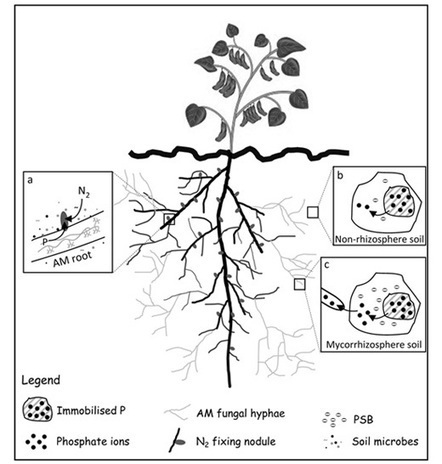
Optimizing the turnover and recycling of nutrients, a fundamental issue for the sustainability and productivity of agro-ecosystems is depending on the functionality of a framework of plant-soil interactions where microbial populations are involved. Both mutualistic symbionts and saprophytic microorganisms living at the root-soil interfaces, the rhizosphere, or in the plant-associated soil, are recognized as essential drivers of nutrient cycling, availability and capture. Among the mutualistic symbionts, arbuscular mycorrhizal (AM) fungi are one of the most influential groups of soil biota because after establishing the AM symbiosis with most plant species they enhance plant nutrient uptake properties. Saprophytic microorganisms are recognized for their abilities to propel nitrogen (N) fixation and/or phosphorus (P) mobilization, two fundamental processes for sustain plant productivity. Mycorrhiza establishment changes the biological and physical-chemical properties of the rhizosphere, developing the so-called mycorrhizosphere. Particularly relevant is the mycorrhizosphere of legume plants since it also involves the symbiosis with N2-fixing nodulating rhizobial bacteria. In this overview of mycorrhizosphere interactions related to nutrient cycling, after describing the protagonist microorganisms, the mechanisms responsible for nutrient acquisition by AM-plants are first analyzed. Then, the processes involved in mycorrhizosphere establishment and functions are described. Finally, the achievements derived from managing selected AM fungi and beneficial bacteria interactions (mycorrhizosphere tailoring) are discussed. The use of 15N and 32P to elucidate the contribution of the mycorrhizosphere components to plant nutrient acquisition is detailed.
The literature and our own data on N2-fixing bacteria forming symbioses with plants and providing convenient models to study the evolution of interspecies (microsymbionts → hosts) altruism are considered in the review. It is presented as a deeply reorganized intraspecies altruism implemented in the clonal population of rhizobia (bacteroids → undifferentiated bacteria) under the control of kin selection induced by plant hosts. The analysis of this model suggests that it is possible to engineer practically valuable rhizobial strains in which high N2-fixing activity is combined with decreased survival outside of plants.
Symbiotic relationships occur naturally throughout the tree of life, either in a commensal, mutualistic or pathogenic manner. The genomes of multiple organisms involved in symbiosis are quickly being sequenced and becoming available, especially those in the microbial world. There are currently numerous databases that offer information of specific organisms or models, but none offer a global understanding on symbiosis and their community complementation and capabilities.
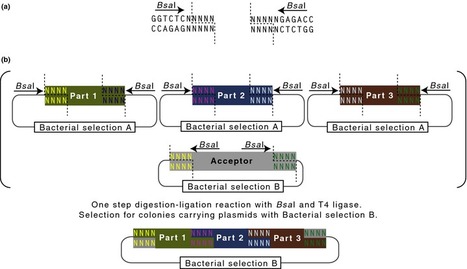
Inventors in the field of mechanical and electronic engineering can access multitudes of components and, thanks to standardization, parts from different manufacturers can be used in combination with each other. The introduction of BioBrick standards for the assembly of characterized DNA sequences was a landmark in microbial engineering, shaping the field of synthetic biology. Here, we describe a standard for Type IIS restriction endonuclease-mediated assembly, defining a common syntax of 12 fusion sites to enable the facile assembly of eukaryotic transcriptional units. This standard has been developed and agreed by representatives and leaders of the international plant science and synthetic biology communities, including inventors, developers and adopters of Type IIS cloning methods. Our vision is of an extensive catalogue of standardized, characterized DNA parts that will accelerate plant bioengineering.
Nitrogen and P transporters. In order to directly acquire N, P, and other nutrients from the environment, fungi can construct membrane transport proteins (i.e., transporters or permeases) to take up relatively small organic compounds such as amino acids (Grenson et al. 1970, Jauniaux and Grenson 1990, Nehls et al. 1999, Wipf et al. 2002, Cappellazzo et al. 2008, Gresham et al. 2010), or mineral nutrients such as phosphate (Versaw and Metzenberg 1995), ammonium (Mitsuzawa 2006), or nitrate (Slot et al. 2007). Fungi can also conduct endocytosis (Dulic et al. 1991, Geli and Riezman 1998, Read and Kalkman 2003, Penalva 2005, Galletta and Cooper 2009, Higuchi et al. 2009), which is another strategy for internalization of nutrients.
Background Opuntia dillenii is an invasive plant well established in the harsh South-Eastern arid zone of Sri Lanka. Evidence suggests it is likely that the endophytic fungal populations of O. dillenii assist the host in overcoming biotic and abiotic stress by producing biologically active metabolites. With this in mind there is potential to discover novel natural products with useful biological activities from this hitherto poorly investigated source. Consequently, an investigation of the antimicrobial activities of the endophytes of O. dillenii, that occupies a unique ecological niche, may well provide useful leads in the discovery of new pharmaceuticals. Methods Endophytic fungi were isolated from the surface sterilized cladodes and flowers of O. dillenii using several nutrient media and the antimicrobial activities were evaluated against three Gram-positive and two Gram-negative bacteria and Candida albicans. The two most bioactive fungi were identified by colony morphology and DNA sequencing. The secondary metabolite of the endophyte Fusarium sp. exhibiting the best activity was isolated via bioassay guided chromatography. The chemical structure was elucidated from the ESIMS and NMR spectroscopic data obtained for the active metabolite. The minimum inhibitory concentrations (MICs) of the active compound were determined. Results Eight endophytic fungi were isolated from O. dillenii and all except one showed antibacterial activities against at least one of the test bacteria. All extracts were inactive against C. albicans. The most bioactive fungus was identified as Fusarium sp. and the second most active as Aspergillus niger. The structure of the major antibacterial compound of the Fusarium sp. was shown to be the tetramic acid derivative, equisetin. The MIC’s for equisetin were 8 μg mL−1 against Bacillus subtilis, 16 μg mL−1 against Staphylococcus aureus and Methicillin Resistant Staphylococcus aureus (MRSA). Conclusions O. dillenii, harbors several endophytic fungi capable of producing antimicrobial substances with selective antibacterial properties. By producing biologically active secondary metabolites, such as equisetin isolated from the endophytic Fusarium sp., the endophytic fungal population may be assisting the host to successfully withstand stressful environmental conditions. Further investigations on the secondary metabolites produced by these endophytes may provide additional drug leads.
In order to recognize interactions between alien vascular plants and soil microorganisms and thus better understand the mechanisms of plant invasions, we examined the mycorrhizal status, arbuscular mycorrhizal fungi (AMF) colonization rate, arbuscular mycorrhiza (AM) morphology and presence of fungal root endophytes in 37 non-native species in Central Europe. We also studied the AMF diversity and chemical properties of soils from under these species. The plant and soil materials were collected in southern Poland. We found that 35 of the species formed AM and their mycorrhizal status depended on species identity. Thirty-three taxa had AM of Arum-type alone. Lycopersicon esculentum showed intermediate AM morphology and Eragrostis albensis developed both Arum and Paris. The mycelia of dark septate endophytes (DSE) were observed in 32 of the species, while sporangia of Olpidium spp. were found in the roots of 10. Thirteen common and worldwide occurring AMF species as well as three unidentified spore morphotypes were isolated from trap cultures established with the soils from under the plant species. Claroideoglomus claroideum, Funneliformis mosseae and Septoglomus constrictum were found the most frequently. The presence of root-inhabiting fungi and the intensity of their colonization were not correlated with soil chemical properties, plant invasion status, their local abundance and habitat type. No relationships were also found between the presence of AMF, DSE and Olpidium spp. These suggest that other edaphic conditions, plant and fungal species identity or the abundance of these fungi in soils might have an impact on the occurrence and intensity of fungal root colonization in the plants under study.
An international team of researchers has discovered how legumes are able to tell helpful and harmful invading bacteria apart. The research has implications for improving the understanding of how other plants, animals and humans interact with bacteria in their environment and defend themselves against hostile infections. These findings can have profound implications for both agricultural research and medical science.
Integration of the concepts of symbiogenesis and synthetic evolutionary theory is the main path for the development of evolutionary biology. It is based on the analysis of cooperative adaptations that evolve under the impacts of symbiotic-specific selective pressures responsible for the formation of super-species hereditary systems — metagenomes, symbiogenomes, and hologenomes. The genetic integration of nonrelated organisms (symbiogenesis) is determined by the inheritance of microsymbionts by hosts resulted in the complication of mutualistic interactions according to the scheme: pleiotropic symbiosis → mutual partner’s exploitation → interspecies altruism. This evolution may result in the loss of genetic individuality in microsymbionts; this loss is expressed as a deep reduction in their genomes. A significant number of the microbial genes may be exported to the host, resulting in the transformation of symbiotic systems into novel, genetically integral organisms.
This study explored the diversity and phylogeny of rhizobia collected from nodules of Sphaerophysa salsula in different geographical regions of Northwest China. The 16S rRNA gene sequences divided the strains into the following distinct groups: Mesorhizobium, Rhizobium and Shinella. The phylogenies of recA and atpD genes showed low correlation with nifH and nodA gene in most species, which indicated that, the gene recombination between species and genera might have been exist. To our knowledge, this is the first study using the multilocus sequencing analysis Sphaerophysa rhizobia in order to understand the relation between genetic diversity and ecology.
The aim of this study was to assess the potential of 18 crude-oil-degrading endophytic bacteria for removal of hydrocarbons and promotion of plant growth. Strains were isolated from Hieracium piloselloides (tall hawkweed), which grows in soil heavily polluted with petroleum hydrocarbons. Bacteria from the genus Pseudomonas were abundant among the isolates. The potential for hydrocarbon degradation was evaluated by polymerase chain reaction (PCR) analyses of the genes alkB, alkH, C23O, P450, and pah. It was found that 88.89% of the endophytic bacteria contained gene-encoding polycyclic aromatic hydrocarbon (PAH) initial dioxygenase, 61% possessed the 2,3-catechol dioxygenase gene, and 39% of strains that were tested had the cytochrome P-450 hydroxylase gene. All isolates were capable of producing indole-3-acetic acid (1.8–76.4 μg/ml). Only 17% of them were able to produce siderophores, excrete cellulase, and solubilize phosphate. Hydrogen cyanide synthesis occurred in 33% of endophytic bacteria. The 1-aminocyclopropane-1-carboxylate deaminase activity in isolates that were screened was in the range of 2.6 to 74.1 μmol α-ketobutyrate/mg/h. This feature of the bacteria indicated that isolates may enhance the phytoremediation process. Data suggest that crude-oil-degrading endophytic bacteria possess potential to be promising candidates for enhancement of phytoremediation of hydrocarbon-contaminated soil. Further evaluation of these bacteria is needed in order to assess the role played in the degradation of petroleum hydrocarbons.
The arbuscular mycorrhizal (AM) symbiosis alters host plant physiology under drought stress, but no information is available on whether or not the AM affects respond to drought locally or systemically. A split-root system was used to obtain AM plants with total or only half root system colonized as well as to induce physiological drought affecting the whole plant or non-physiological drought affecting only the half root system. We analysed the local and/or systemic nature of the AM effects on accumulation of osmoregulatory compounds and aquaporins and on antioxidant systems. Maize plants accumulated proline both, locally in roots affected by drought and systemically when the drought affected the whole root system, being the last effect ampler in AM plants. PIPs (plasma membrane intrinsic proteins) aquaporins were also differently regulated by drought in AM and non-AM root compartments. When the drought affected only the AM root compartment, the rise of lipid peroxidation was restricted to such compartment. On the contrary, when the drought affected the non-AM root fraction, the rise of lipid peroxidation was similar in both root compartments. Thus, the benefits of the AM symbiosis not only rely in a lower oxidative stress in the host plant, but it also restricts locally such oxidative stress.
The legume-rhizobium symbiosis is initiated through activation of the Nod factor-signaling cascade, leading to a rapid reprogramming of host cell developmental pathways. In this work we combine transcriptome sequencing (RNA-seq) with molecular genetics and network analysis to quantify and categorize the transcriptional changes occurring in roots of barrel medic (Medicago truncatula) from minutes to days after inoculation with Sinorhizobium medicae. To identify the nature of the inductive and regulatory cues, we employed mutants with absent or decreased Nod factor sensitivities (nfp and lyk3, respectively) and an ethylene (ET)-insensitive, Nod factor hypersensitive mutant (skl). This unique dataset encompasses nine time points allowing observation of the symbiotic regulation of diverse biological processes with high temporal resolution. Among the many outputs of the study is the early Nod factor-induced, ET-regulated expression of ET signaling and biosynthesis genes. These results suggest that Nod factor signaling activates ET production to attenuate its own signal. Promoter:GUS fusions report ET biosynthesis both in root hairs responding to rhizobium as well as in meristematic tissue during nodule organogenesis and growth, indicating that ET signaling functions at multiple developmental stages during symbiosis. In addition, we identified thousands of novel candidate genes undergoing a Nod-factor dependent, ET-regulated expression. We leveraged the power of this large dataset to model Nod factor and ET-regulated signaling networks using MERLIN, a regulator network inference algorithm. These analyses predict key nodes regulating the biological process impacted by Nod factor perception. We have made these results available to the research community through a searchable online resource.
Extracellular proteins play crucial roles in the interaction between mycorrhizal fungi and their environment. Computational prediction and experimental detection allowed identification of 869 proteins constituting the exoproteome of Hebeloma cylindrosporum. Small secreted proteins (SSPs) and carbohydrate-active enzymes (CAZymes) were the two major classes of extracellular proteins. Twenty-eight per cent of the SSPs were secreted by free-living mycelia and five of the 10 most abundant extracellular proteins were SSPs. By contrast, 63–75% of enzymes involved in nutrient acquisition were secreted. A total of 150 extracellular protein-coding genes were differentially expressed between mycorrhizas and free-living mycelia. SSPs were the most affected. External environmental conditions also affected expression of 199 exoproteome genes in mycorrhizas. SSPs displayed different patterns of regulation in response to presence of a host plant or other environmental signals. Several of the genes most overexpressed in the presence of organic matter encoded oxidoreductases. Hebeloma cylindrosporum has not fully lost its ancestral saprotrophic capacities but rather adapted them not to harm its hosts and to use soil organic nitrogen. The complex and divergent patterns of regulation of SSPs in response to a symbiotic partner and/or organic matter suggest various roles in the biology of mycorrhizal fungi.
Highly diverse microbial assemblages colonize plant roots. It is still poorly understood whether different members of this root microbiome act synergistically by supplying different services (for example, different limiting nutrients) to plants and plant communities. In order to test this, we manipulated the presence of two widespread plant root symbionts, arbuscular mycorrhizal fungi and nitrogen-fixing rhizobia bacteria in model grassland communities established in axenic microcosms. Here, we demonstrate that both symbionts complement each other resulting in increased plant diversity, enhanced seedling recruitment and improved nutrient acquisition compared with a single symbiont situation. Legume seedlings obtained up to 15-fold higher productivity if they formed an association with both symbionts, opposed to productivity they reached with only one symbiont. Our results reveal the importance of functional diversity of symbionts and demonstrate that different members of the root microbiome can complement each other in acquiring different limiting nutrients and in driving important ecosystem functions.
Bacteria secrete macromolecules to manipulate their surrounding environment (abiotic or biotic one) for their own benefit. Among them, the diderms (Gram-negative), face the challenge of protein transport across an additional, important barrier: the outer membrane (OM). Specific pathways have evolved to transfer lipidated polypeptide chains to the OM, for example, the Lol system (Okuda and Tokuda, 2011). These polypeptides are then inserted to the inner OM leaflet via their N-terminal-attached lipid moiety. Some of them adopt a β-barrel fold or polymerize in a specific way to accomplish their complete insertion in the membrane. A large family of protein domains, named secretins (Figure 1; Korotkov et al., 2011), that polymerize to form a channel in the OM, is present in many bacterial secretion systems, including the Type II Secretion System (T2SS), the Type IV pili (both T4aP and T4bP types) and the Type III Secretion System (T3SS).
A blocking primer set based on the technique described by Vestheim and Jarman (2008) was developed to reduce amplification of non-target plant DNA when conducting metagenomic studies on bacterial endophyte communities. Bacterial amplication efficiency was increased 300-fold compared to standard PCR in an Illumina-based study of Sorghastrum nutans leaves.
Cupriavidus nodule symbionts from Mimosa host legumes indigenous to five locations around the Caribbean region were analyzed by sequencing portions of five chromosomal housekeeping loci and five sym plasmid loci in 80 isolates. Nodule symbionts did not form a single clade separated from non-symbiotic reference strains of Cupriavidus and Ralstonia, implying that either convergent losses or independent gains of the trait of legume symbiosis have taken place. Chromosomal genes exhibited significantly higher nucleotide polymorphism and haplotype diversity than sym plasmid loci. A single derived sym plasmid haplotype (A1) was found to predominate in four of the populations, and was shared by multiple housekeeping gene clades. This suggests that one sym plasmid variant has recently spread geographically and has been acquired by diverse chromosomal lineages within the region. Inoculation of two Mimosa host species indicated that strains carrying the predominant A1 haplotype ranked either first or second among the five major sym plasmid haplotype groups with respect to plant growth enhancement. Symbiotic outcomes also varied greatly among chromosomally diverse strains that all shared the A1 haplotype. Thus, chromosomal as well as sym plasmid variants likely contribute to differential interactions with Mimosa host species.
Soybean contains approximately 40% protein in the grain, which is rich in nitrogen (N); therefore, soybean needs for N are high. Soybean is able to fix most of the N it needs through its symbiotic relationship with rhizobia bacteria. It also takes up residual and mineralized N from the soil. Traditionally, soybean has been grown successfully without addition of N fertilizer. N management has been limited to rhizobia inoculation of fields new to soybean. An N "budget" developed from numerous research studies shows that soil and fixed N are generally sufficient to supply N needs at yields up to 60 bu/acre. As yields increase to 80 bu/acre and higher, an N deficit may result. As higher soybean yields become more common due to improvements in genetics and management practices, N additions may be needed to maximize potential yields.
Setaria viridis was recently described as a new monocotyledonous model species for C4 photosynthesis research and genetic transformation. It has biological attributes (rapid life cycle, small genome, diploid, short stature and simple growth requirements) that make it suitable for use as a model plant. We report an alternative method of S. viridis transformation using floral dip to circumvent the necessity of tissue culture phase for transgenic plant regeneration. S. viridis spikes at boot stage were selected to be immersed in Agrobacterium suspension. T1 seeds could be identified in 1.5–2 months after floral dipping. We demonstrated through molecular analysis and RFP expression that seeds and resulting plants from dipped inflorescences were transformed. Our results suggest the feasibility of S. viridis floral dip transformation as a time-saving and cost-effective compared with traditional methods. To our knowledge, this is the first report using floral dip in S. viridis as an Agrobacterium-mediated transformation method.
This video discusses the damage of roots and nitrogen-fixing nodules to varying degrees of water stressed soybean plants. Saturated soils for extended period...
To get content containing either thought or leadership enter:
To get content containing both thought and leadership enter:
To get content containing the expression thought leadership enter:
You can enter several keywords and you can refine them whenever you want. Our suggestion engine uses more signals but entering a few keywords here will rapidly give you great content to curate.


 Your new post is loading...


 Scoop.it!