Your new post is loading...

|
Scooped by
Gilbert C FAURE
April 1, 2021 8:30 AM
|
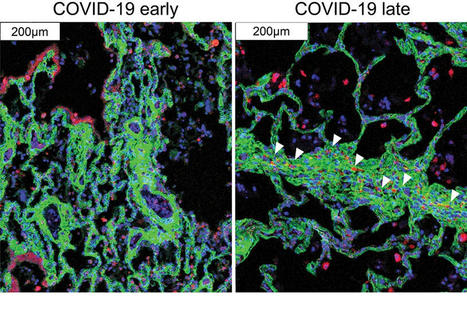
A new imaging technology called ‘high parameter imaging mass cytometry’ developed through a collaborative effort reveals hitherto unseen details in lung pathology due to several infectious diseases including COVID-19.
|
|
Rescooped by
Gilbert C FAURE
from Virus World
March 28, 2021 3:47 AM
|
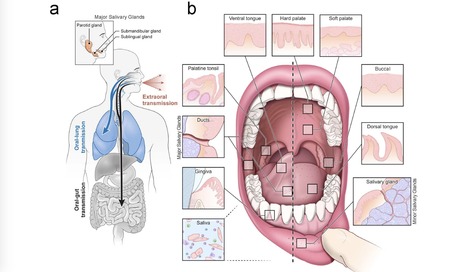
Despite signs of infection—including taste loss, dry mouth and mucosal lesions such as ulcerations, enanthema and macules—the involvement of the oral cavity in coronavirus disease 2019 (COVID-19) is poorly understood. To address this, we generated and analyzed two single-cell RNA sequencing datasets of the human minor salivary glands and gingiva (9 samples, 13,824 cells), identifying 50 cell clusters. Using integrated cell normalization and annotation, we classified 34 unique cell subpopulations between glands and gingiva. Severe acute respiratory syndrome coronavirus 2 (SARS-CoV-2) viral entry factors such as ACE2 and TMPRSS members were broadly enriched in epithelial cells of the glands and oral mucosae. Using orthogonal RNA and protein expression assessments, we confirmed SARS-CoV-2 infection in the glands and mucosae. Saliva from SARS-CoV-2-infected individuals harbored epithelial cells exhibiting ACE2 and TMPRSS expression and sustained SARS-CoV-2 infection. Acellular and cellular salivary fractions from asymptomatic individuals were found to transmit SARS-CoV-2 ex vivo. Matched nasopharyngeal and saliva samples displayed distinct viral shedding dynamics, and salivary viral burden correlated with COVID-19 symptoms, including taste loss. Upon recovery, this asymptomatic cohort exhibited sustained salivary IgG antibodies against SARS-CoV-2. Collectively, these data show that the oral cavity is an important site for SARS-CoV-2 infection and implicate saliva as a potential route of SARS-CoV-2 transmission. Published in Nature Medicine (March 25, 2021): https://doi.org/10.1038/s41591-021-01296-8
Via Juan Lama
|
|
Scooped by
Gilbert C FAURE
March 27, 2021 4:16 AM
|
Jerusalem-based scientist expects approval for humans within 6 months, says advance could simplify vaccination drives and even allow home vaccination using pills sent by mail...
|
|
Scooped by
Gilbert C FAURE
March 27, 2021 4:13 AM
|
Regulatory T cells present in non-lymphoid tissues such as the skin, fat and muscle are distinct from their counterparts in lymphoid tissues. Their functions extend beyond immune surveillance to the control of local metabolism, tissue repair and tissue cell progenitors, as discussed in this Review.
|
|
Scooped by
Gilbert C FAURE
March 27, 2021 4:10 AM
|
A Study of Intranasal ChAdOx1 nCOV-19 - Full Text View.
|
|
Scooped by
Gilbert C FAURE
March 27, 2021 4:09 AM
|
Abstract Diet is one of the strongest modulators of the gut microbiome. However, the complexity of the interactions between diet and the microbial community emphasises the need for a robust study d...
|
|
Scooped by
Gilbert C FAURE
March 26, 2021 3:30 PM
|
During the last 20 years, a new field of research delineating the importance of the microbiota in health and diseases has emerged. Inappropriate host-microbiota interactions have been shown to trigger a wide range of chronic inflammatory diseases, and defining the exact mechanisms behind...
|
|
Scooped by
Gilbert C FAURE
March 23, 2021 3:13 PM
|
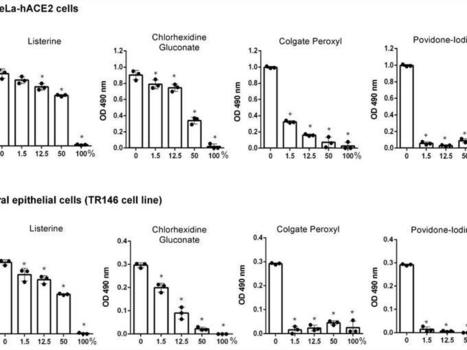
Researchers at Rutgers School of Dental Medicine have found evidence that two types of mouthwash disrupt the COVID-19 virus under laboratory conditions, preventing it from replicating in a human cell.
|
|
Scooped by
Gilbert C FAURE
March 16, 2021 8:59 AM
|
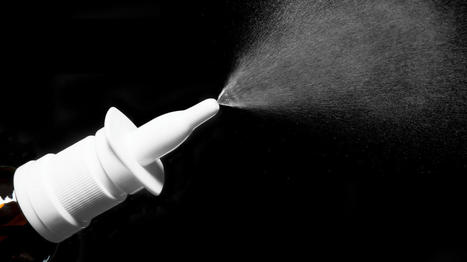
Altimmune has announced additional preclinical data in regards to its single-dose intranasal COVID-19 vaccine candidate, AdCOVID.
|
|
Scooped by
Gilbert C FAURE
March 9, 2021 2:11 PM
|
This webinar series is brought to you by APC Microbiome Ireland, and Atlantia Clinical Trials. Exciting times ahead as we announce this unique event, which will offer industry professionals the opportunity to gain insights not found elsewhere.
|
|
Scooped by
Gilbert C FAURE
March 6, 2021 4:32 AM
|
medRxiv - The Preprint Server for Health Sciences
|
|
Scooped by
Gilbert C FAURE
March 1, 2021 2:06 PM
|
|
|
Scooped by
Gilbert C FAURE
February 28, 2021 1:46 PM
|
Introduction The intestinal microbiota comprises bacteria, fungi, archaea, protists, helminths and viruses that symbiotically inhabit the digestive system. To date, research has provided limited data on the possible association between an active lifestyle and a healthy composition of human...
|
|
|
Scooped by
Gilbert C FAURE
March 29, 2021 2:25 PM
|
Recent studies have provided insights into the pathology and immune response to coronavirus disease 2019 (COVID-19)1–8. However, thorough interrogation of the interplay between infected cells and the immune system at sites of infection is lacking. We use high parameter imaging mass cytometry9 targeting the expression of 36 proteins, to investigate at single cell resolution, the cellular composition and spatial architecture of human acute lung injury including SARS-CoV-2. This spatially resolved, single-cell data unravels the disordered structure of the infected and injured lung alongside the distribution of extensive immune infiltration. Neutrophil and macrophage infiltration are hallmarks of bacterial pneumonia and COVID-19, respectively. We provide evidence that SARS-CoV-2 infects predominantly alveolar epithelial cells and induces a localized hyper-inflammatory cell state associated with lung damage. By leveraging the temporal range of COVID-19 severe fatal disease in relation to the time of symptom onset, we observe increased macrophage extravasation, mesenchymal cells, and fibroblasts abundance concomitant with increased proximity between these cell types as the disease progresses, possibly as an attempt to repair the damaged lung tissue. This spatially resolved single-cell data allowed us to develop a biologically interpretable landscape of lung pathology from a structural, immunological and clinical standpoint. This spatial single-cell landscape enabled the pathophysiological characterization of the human lung from its macroscopic presentation to the single-cell, providing an important basis for the understanding of COVID-19, and lung pathology in general.
|
|
Scooped by
Gilbert C FAURE
March 27, 2021 4:17 AM
|
Date 123: 25 March | 3:30PM GMT / 11:30AM EST / 4:30PM CETToday, there are three marketed nasal vaccines available for human use but many more are in development for both human and veterinary use.Nasal vaccination provides an alternative to the more...
|
|
Scooped by
Gilbert C FAURE
March 27, 2021 4:14 AM
|
medRxiv - The Preprint Server for Health Sciences...
|
|
Scooped by
Gilbert C FAURE
March 27, 2021 4:13 AM
|
Abstract The mononuclear phagocyte system (MPS) is a family of cells of related function that includes bone marrow progenitors, blood monocytes and resident tissue macrophages. Macrophages are effe...
|
|
Scooped by
Gilbert C FAURE
March 27, 2021 4:10 AM
|
Abstract Dysgeusia is the first recognized oral symptom of novel coronavirus disease (COVID‐19). In this review article, we described oral lesions of COVID‐19 patients. We searched PubMed library a...
|
|
Scooped by
Gilbert C FAURE
March 27, 2021 3:32 AM
|
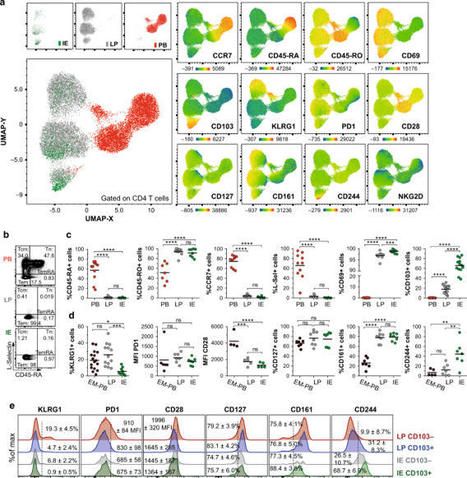
Studies in mice and humans have shown that CD8+ T cell immunosurveillance in non-lymphoid tissues is dominated by resident populations. Whether CD4+ T cells use the same strategies to survey peripheral tissues is less clear. Here, examining the turnover of CD4+ T cells in transplanted duodenum in humans, we demonstrate that the majority of CD4+ T cells were still donor-derived one year after transplantation. In contrast to memory CD4+ T cells in peripheral blood, intestinal CD4+ TRM cells expressed CD69 and CD161, but only a minor fraction expressed CD103. Functionally, intestinal CD4+ TRM cells were very potent cytokine producers; the vast majority being polyfunctional TH1 cells, whereas a minor fraction produced IL-17. Interestingly, a fraction of intestinal CD4+ T cells produced granzyme-B and perforin after activation. Together, we show that the intestinal CD4+ T-cell compartment is dominated by resident populations that survive for more than 1 year. This finding is of high relevance for the development of oral vaccines and therapies for diseases in the gut.
|
|
Scooped by
Gilbert C FAURE
March 26, 2021 3:21 PM
|
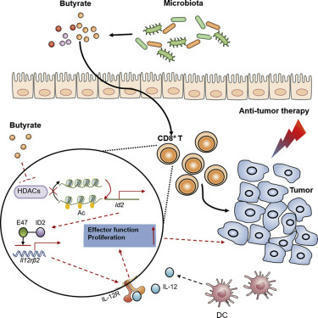
Recent studies in both mice and humans have suggested that gut microbiota could modulate tumor responsiveness to chemo- or immunotherapies.However, t…...
|
|
Scooped by
Gilbert C FAURE
March 23, 2021 2:44 PM
|
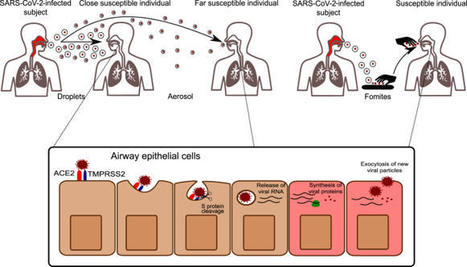
The novel coronavirus SARS-CoV-2 enters into the human body mainly through the ACE2 + TMPRSS2+ nasal epithelial cells. The initial host response to this pathogen occurs in a peculiar immune microenvironment that, starting from the Nasopharynx-Associated Lymphoid Tissue (NALT) system, is the product of a long evolutionary process that is aimed to first recognize exogenous airborne agents. In the present work, we want to critically review the latest molecular and cellular findings on the mucosal response to SARS-CoV-2 in the nasal cavity and in NALT, and to analyze its impact in the subsequent course of COVID-19. Finally, we want to explore the possibility that the regulation of the systemic inflammatory network against the virus can be modulated starting from the initial phases of the nasal and nasopharyngeal response and this may have several clinical and epidemiological implications starting from a mucosal vaccine development.
|
|
Scooped by
Gilbert C FAURE
March 16, 2021 8:57 AM
|
Rokote Laboratories are seeking investment for the vaccine and are already in discussions about clinical trials although no date has been set.
|
|
Scooped by
Gilbert C FAURE
March 9, 2021 11:03 AM
|
The airway epithelium protects us from environmental insults, which we encounter with every breath. Not only does it passively filter large particles, it also senses potential danger and alerts other cells, including immune and nervous cells. Together, these tissues orchestrate the most appropriate response, balancing the need to eliminate the danger with the risk of damage to the host. Each cell subset within the airway epithelium plays its part, and when impaired, may contribute to the development of respiratory disease. Here we highlight recent advances regarding the cellular and functional heterogeneity along the airway epithelium and discuss how we can use this knowledge to design more effective, targeted therapeutics.
|
|
Scooped by
Gilbert C FAURE
March 4, 2021 3:38 AM
|
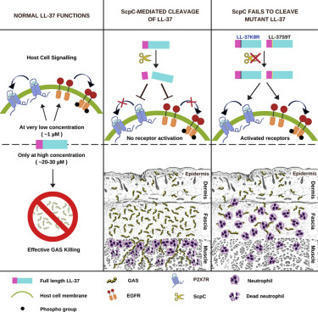
The host-defense peptide LL-37 protects the host against group A Streptococcus (GAS)
infections. Biswas et al. demonstrate that GAS ScpC protease cleaves LL-37. The cleavage
abrogates LL-37-mediated activation of P2X7R and EGFR.
|
|
Scooped by
Gilbert C FAURE
March 1, 2021 5:05 AM
|
Sci Immunol. 2021 Feb 26;6(56):eabb7221. doi: 10.1126/sciimmunol.abb7221. ABSTRACT Mast cells (MCs) play a pathobiologic role in type 2 (T2) allergic inflammatory diseases of the airway, including asthma and chronic rhinosinusitis with nasal polyposis (CRSwNP).
|




 Scoop.it!