Your new post is loading...

|
Scooped by
Gilbert C FAURE
May 19, 2021 1:51 PM
|
Abstract Human milk is elixir for neonates and is a rich source of nutrients and beneficial microbiota required for infant growth and development. Its benefits prompted research into probing the mi...
|
|
Scooped by
Gilbert C FAURE
May 19, 2021 1:48 PM
|
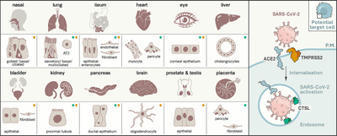
Analyses from single-cell sequencing datasets support the idea that COVID-19 is not just a respiratory disease but an illness that can affect multiple organs.
|
|
Scooped by
Gilbert C FAURE
May 16, 2021 7:27 AM
|
Humans and their microbiota have coevolved a mutually beneficial relationship in which the human host provides a hospitable environment for the microorganisms and the microbiota provides many advantages for the host, including nutritional benefits and protection from pathogen infection1. Maintaining this relationship requires a careful immune balance to contain commensal microorganisms within the lumen while limiting inflammatory anti-commensal responses1,2. Antigen-specific recognition of intestinal microorganisms by T cells has previously been described3,4. Although the local environment shapes the differentiation of effector cells3–5 it is unclear how microbiota-specific T cells are educated in the thymus. Here we show that intestinal colonization in early life leads to the trafficking of microbial antigens from the intestine to the thymus by intestinal dendritic cells, which then induce the expansion of microbiota-specific T cells. Once in the periphery, microbiota-specific T cells have pathogenic potential or can protect against related pathogens. In this way, the developing microbiota shapes and expands the thymic and peripheral T cell repertoire, allowing for enhanced recognition of intestinal microorganisms and pathogens. In young mice, antigens from the gut microbiota are trafficked by CX3CR1+ dendritic cells from the gut to the thymus, where they induce the expansion of T cells that are specific to commensal microorganisms.
|
|
Scooped by
Gilbert C FAURE
May 7, 2021 3:32 AM
|
Optogenetic activation of sympathetic fibers in the colon attenuated colitis and reduced
immune cell abundance. This effect was mediated by endothelial cells, which reduced
their expression of MAdCAM-1, required for immune extravasation.
|
|
Scooped by
Gilbert C FAURE
May 2, 2021 11:58 AM
|
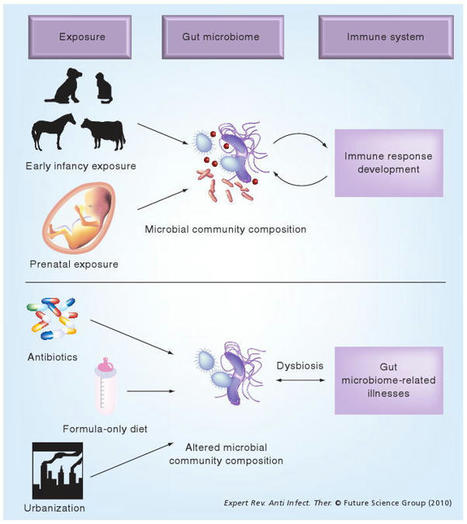
Increasingly, we recognise the importance of the microbiome – the bacterial (and other) flora that lives within us, sometimes in conflict, often in symbiosis, always interacting.
|
|
Scooped by
Gilbert C FAURE
May 1, 2021 10:35 AM
|
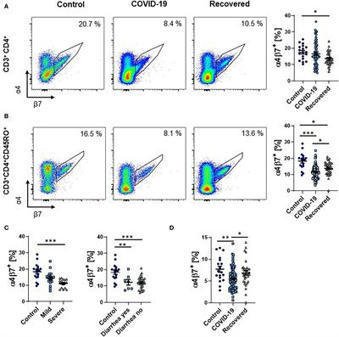
BackgroundInfection with the novel severe acute respiratory syndrome coronavirus 2 (SARS-CoV-2) causes a wide range of symptoms including gastrointestinal manifestations, and intestinal epithelial cells are a target of the virus. However, it is unknown how the intestinal immune system contributes to systemic immune responses in coronavirus disease 2019 (COVID-19).MethodsWe characterized peripheral blood lymphocytes from patients with active COVID-19 and convalescent patients as well as healthy controls by flow cytometry.ResultsThe frequency and absolute number of circulating memory T and B cells expressing the gut homing integrin α4β7 integrin was reduced during COVID-19, whether gastrointestinal symptoms were present or not. While total IgA-expressing B cells were increased, gut-imprinted B cells with IgA expression were stable.ConclusionCOVID-19 is associated with a decrease in circulating adaptive immune cells expressing the key gut homing marker α4β7 suggesting that these cells are preferentially recruited to extra-intestinal tissues independently of α4β7 or that the systemic immune response against SARS-CoV-2 is at least numerically dominated by extraintestinal, particularly pulmonary, immune cell priming.
|
|
Scooped by
Gilbert C FAURE
April 29, 2021 10:12 AM
|
COVID-19, caused by SARS-CoV-2, can result in acute respiratory distress syndrome and multiple-organ failure1–4, but little is known about its pathophysiology. Here, we generated single-cell atlases of 23 lung, 16 kidney, 16 liver and 19 heart COVID-19 autopsy donor tissue samples, and spatial atlases of 14 lung donors. Integrated computational analysis uncovered substantial remodeling in the lung epithelial, immune and stromal compartments, with evidence of multiple paths of failed tissue regeneration, including defective alveolar type 2 differentiation and expansion of fibroblasts and putative TP63+ intrapulmonary basal-like progenitor cells. Viral RNAs were enriched in mononuclear phagocytic and endothelial lung cells which induced specific host programs. Spatial analysis in lung distinguished inflammatory host responses in lung regions with and without viral RNA. Analysis of the other tissue atlases showed transcriptional alterations in multiple cell types in COVID-19 donor heart tissue, and mapped cell types and genes implicated with disease severity based on COVID-19 GWAS. Our foundational dataset elucidates the biological impact of severe SARS-CoV-2 infection across the body, a key step towards new treatments.
|
|
Scooped by
Gilbert C FAURE
April 27, 2021 6:55 AM
|
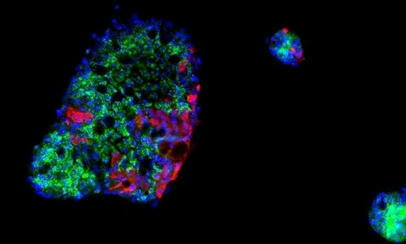
European researchers used 3D tissue models, or organoids, of the human gut to determine that a particular subpopulation of cells is most affected by SARS-CoV-2. The enhanced understanding of those cells mount an immune response to the virus could enhance the search for new COVID-19 therapies, they...
|
|
Scooped by
Gilbert C FAURE
April 25, 2021 4:43 AM
|
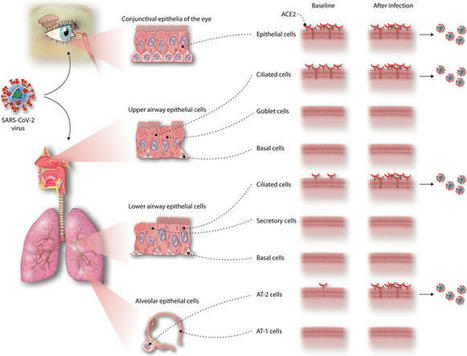
Can we inhibit the initial stages of the infection of the respiratory tract?
|
|
Scooped by
Gilbert C FAURE
April 19, 2021 7:17 AM
|
The human superorganism is a conglomerate of mammalian and microbial cells, with the latter estimated to outnumber the former by ten to one and the microbial genetic repertoire (microbiome) to be approximately 100-times greater than that of the human ...
|
|
Scooped by
Gilbert C FAURE
April 12, 2021 11:58 AM
|
There has been a steep increase in allergic and autoimmune diseases, reaching epidemic proportions and now affecting more than one billion people worldwide. These diseases are more common in industrialized countries, and their prevalence continues to rise in developing countries in parallel to urbanization and industrialization. Intact skin and mucosal barriers are crucial for the maintenance of tissue homeostasis as they protect host tissues from infections, environmental toxins, pollutants and allergens. A defective epithelial barrier has been demonstrated in allergic and autoimmune conditions such as asthma, atopic dermatitis, allergic rhinitis, chronic rhinosinusitis, eosinophilic esophagitis, coeliac disease and inflammatory bowel disease. In addition, leakiness of the gut epithelium is also implicated in systemic autoimmune and metabolic conditions such as diabetes, obesity, multiple sclerosis, rheumatoid arthritis, systemic lupus erythematosus, ankylosing spondylitis and autoimmune hepatitis. Finally, distant inflammatory responses due to a ‘leaky gut’ and microbiome changes are suspected in Alzheimer disease, Parkinson disease, chronic depression and autism spectrum disorders. This article introduces an extended ‘epithelial barrier hypothesis’, which proposes that the increase in epithelial barrier-damaging agents linked to industrialization, urbanization and modern life underlies the rise in allergic, autoimmune and other chronic conditions. Furthermore, it discusses how the immune responses to dysbiotic microbiota that cross the damaged barrier may be involved in the development of these diseases. In this review, Cezmi Akdis discusses how epithelial barrier-damaging agents linked to industrialization, urbanization and modern life may explain the increased prevalence of allergic disease as well as a wide range of autoimmune and metabolic conditions in which immune responses to translocated bacteria have systemic effects.
|
|
Scooped by
Gilbert C FAURE
April 9, 2021 11:14 AM
|
New research into COVID transmission and disease development, as well as a potential game-changing test for sports-related concussions, made saliva this week's top trending clinical topic.
|
|
Scooped by
Gilbert C FAURE
April 3, 2021 4:00 AM
|
Sauerkraut, sourdough, beer...and chocolate? They're all fermented foods that rely on microbes of various types to transform the flavor of their raw ingredients into something totally different.
|
|
|
Scooped by
Gilbert C FAURE
May 19, 2021 1:50 PM
|
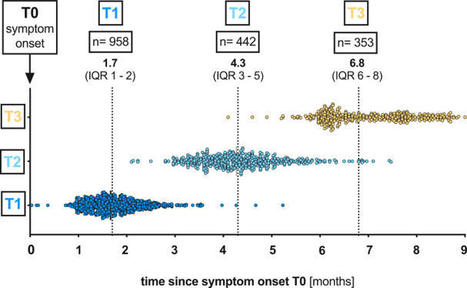
The on-going presence of either shortness of breath, anosmia, ageusia or fatigue as
long-lasting symptoms even in non-hospitalised patients was observed at four and seven
months post-infection and summarised as post-COVID syndrome (PCS).
|
|
Scooped by
Gilbert C FAURE
May 17, 2021 3:41 AM
|
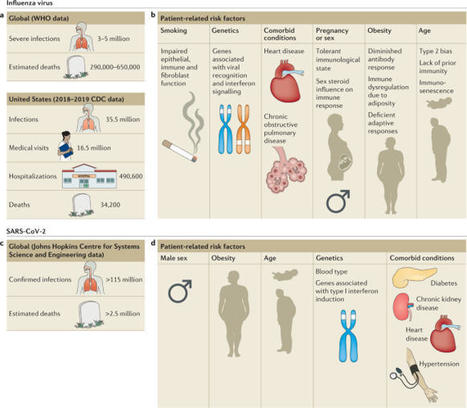
Influenza viruses cause annual epidemics and occasional pandemics of respiratory tract infections that produce a wide spectrum of clinical disease severity in humans. The novel betacoronavirus severe acute respiratory syndrome coronavirus 2 (SARS-CoV-2) emerged in December 2019 and has since caused a pandemic. Both viral and host factors determine the extent and severity of virus-induced lung damage. The host’s response to viral infection is necessary for viral clearance but may be deleterious and contribute to severe disease phenotypes. Similarly, tissue repair mechanisms are required for recovery from infection across the spectrum of disease severity; however, dysregulated repair responses may lead to chronic lung dysfunction. Understanding of the mechanisms of immunopathology and tissue repair following viral lower respiratory tract infection may broaden treatment options. In this Review, we discuss the pathogenesis, the contribution of the host response to severe clinical phenotypes and highlight early and late epithelial repair mechanisms following influenza virus infection, each of which has been well characterized. Although we are still learning about SARS-CoV-2 and its disease manifestations in humans, throughout the Review we discuss what is known about SARS-CoV-2 in the context of this broad knowledge of influenza virus, highlighting the similarities and differences between the respiratory viruses. In this Review, Schultz-Cherry, Thomas and colleagues discuss the pathogenesis of influenza virus and severe acute respiratory syndrome coronavirus 2 (SARS-CoV-2) in the human respiratory tract, the contribution of the host response to severe disease, epithelial repair mechanisms following infection, and current and potential future therapies for influenza virus and SARS-CoV-2 infections.
|
|
Scooped by
Gilbert C FAURE
May 15, 2021 12:29 PM
|
COVID-19 is more severe in pregnant women and can lead to adverse fetal outcomes.
Through histological and gene expression studies of placentas from infected women,
Lu-Culligan et al. find that maternal SARS-CoV-2 infection during term pregnancy and
delivery is associated with immune activation at the maternal-fetal interface even
in the absence of detectable virus in the placenta.
|
|
Scooped by
Gilbert C FAURE
May 7, 2021 3:26 AM
|
The pandemic of severe acute respiratory syndrome coronavirus 2 (SARS-CoV-2) was first reported in Wuhan City, China, in 2019. After that, the outbreak has grown into a global pandemic and definite treatment for the disease, termed coronavirus disease 2019 (COVID-19), is currently unavailable.
|
|
Scooped by
Gilbert C FAURE
May 2, 2021 4:55 AM
|
Cow's milk is one of the most consumed foods in the world because of its high nutritional value. Besides, due to its composition, it is considered...
|
|
Scooped by
Gilbert C FAURE
May 1, 2021 3:02 AM
|
Plus de 250 millions de personnes dans le monde souffrent de troubles anxieux ou dépressifs. Un chiffre e
|
|
Scooped by
Gilbert C FAURE
April 28, 2021 1:35 PM
|
Faecal microbiota transplantation (FMT) is a promising therapy for chronic diseases associated with gut microbiota alterations. FMT cures 90% of recurrent Clostridioides difficile infections. However, in complex diseases, such as inflammatory bowel disease, irritable bowel syndrome and metabolic syndrome, its efficacy remains variable. It is accepted that donor selection and sample administration are key determinants of FMT success, yet little is known about the recipient factors that affect it. In this Perspective, we discuss the effects of recipient parameters, such as genetics, immunity, microbiota and lifestyle, on donor microbiota engraftment and clinical efficacy. Emerging evidence supports the possibility that controlling inflammation in the recipient intestine might facilitate engraftment by reducing host immune system pressure on the newly transferred microbiota. Deciphering FMT engraftment rules and developing novel therapeutic strategies are priorities to alleviate the burden of chronic diseases associated with an altered gut microbiota such as inflammatory bowel disease. The efficacy of faecal microbiota transplantation for the treatment of a range of diseases varies. In this Perspective, Sokol and colleagues discuss the relevance of various recipient factors that influence faecal microbiota transplantation success such as inflammation, immunity and genetics.
|
|
Scooped by
Gilbert C FAURE
April 26, 2021 5:03 AM
|
Tiziana is all set to commence a Phase II trial of its nasal Foralumab in moderate to severe hospitalised Covid-19 patients in Brazil.
As COVID-19 continues to strain public health systems and vaccination programmes race
against new variants that might be more transmissible or capable of evading immune
responses, the urgent need for simple, accessible, and frequent testing remains. Inexpensive,
scalable, and sustainable strategies that allow easily repeatable testing over time
need to be made widely available. This is possible by testing saliva.
Via HAS-veille
|
|
Scooped by
Gilbert C FAURE
April 18, 2021 4:58 AM
|
A recent boom in mucosal-associated invariant T (MAIT) cell research has identified relationships between MAIT cell abundance, function, and clinical outcomes in various malignancies. As they express a variety of immune checkpoint receptors and ligands, and possess strong cytotoxic functions, MAIT...
|
|
Scooped by
Gilbert C FAURE
April 10, 2021 1:39 PM
|
Cholangiocarcinoma (CCA) is a relatively rare malignancy that arises from the epithelial cells of the intrahepatic, perihilar and distal biliary tree. Intrahepatic CCA (ICC) represents the second most common primary liver cancer, after hepatocellular ...

|
Suggested by
LIGHTING
April 6, 2021 11:52 AM
|
|


 Scoop.it!