Your new post is loading...

|
Scooped by
Gilbert C FAURE
July 28, 2022 4:49 AM
|
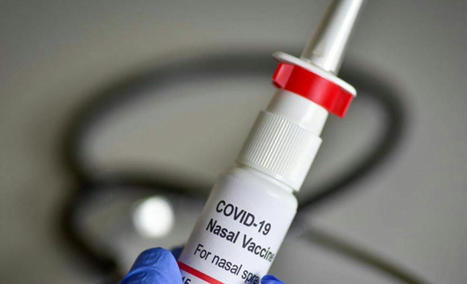
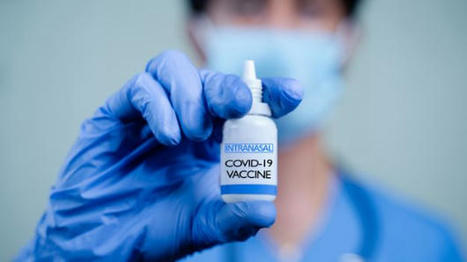
SARS-CoV-2 typically enters the body via the nose or mouth. Because of this, many think a nasal spray vaccine would do a better job of preventing COVID-19 infection and cutting transmission than an injection.
|
|
Scooped by
Gilbert C FAURE
June 29, 2022 2:24 AM
|
Breastfeeding protects against mucosal infections in infants. The underlying mechanisms through which immunity develops in human milk following maternal infection with mucosal pathogens are not well understood. We simulated nasal mucosal influenza infection through live attenuated influenza vaccination (LAIV) and compared immune responses in milk to inactivated influenza vaccination (IIV). Transcriptomic analysis was performed on RNA extracted from human milk cells to evaluate differentially expressed genes and pathways on days 1 and 7 post-vaccination. Both LAIV and IIV vaccines induced influenza-specific IgA that persisted for at least 6 months. Regulation of type I interferon production, toll-like receptor, and pattern recognition receptor signaling pathways were highly upregulated in milk on day 1 following LAIV but not IIV at any time point. Upregulation of innate immunity in human milk may provide timely protection against mucosal infections until antigen-specific immunity develops in the human milk-fed infant.
|
|
Scooped by
Gilbert C FAURE
February 16, 2022 9:24 AM
|
Nasal mucosa is an immune responsive organ evidenced by eliciting both specific local secretory IgA and systemic IgG antibody responses with intra-nasal administration of antigens. Nevertheless, the role of nasal epithelial cells in modulating such responses is unclear.
|
|
Scooped by
Gilbert C FAURE
December 30, 2021 4:11 AM
|
Vaccines in emergency use are efficacious against COVID-19, yet vaccine-induced prevention against nasal SARS-CoV-2 infection remains suboptimal.Since…...
|
|
Scooped by
Gilbert C FAURE
December 11, 2021 1:26 PM
|
The emergence of COVID-19 variants such as delta and omicron have sent scientists scrambling to determine whether existing vaccinations and boosters are still effective against new strains of SARS-Cov-2.
|
|
Scooped by
Gilbert C FAURE
August 7, 2021 12:05 PM
|
Thai virologists at BIOTEC have 2 nasal spray options currently in development that may act as a substitute for Covid-19 vaccines in needle form.
|
|
Scooped by
Gilbert C FAURE
August 2, 2021 3:56 AM
|
Amid concerns over a possible third wave of the coronavirus pandemic and to speed up the vaccination process in the country, an expert panel of India's central drug authority has recommended giving an approval to Bharat Biotech to carry out a study on interchangeability of its Covaxin and the...
|
|
Scooped by
Gilbert C FAURE
June 19, 2021 10:31 AM
|
Pathogenesis of Nasal polyp has been primarily investigated on the basis of sinonasal mucosal immunity. Several inflammatory responses have been reported in nasal polyp pathogenesis to date. In this study the researchers have summarised new research on pathways for developing chronic nasal polyp rhinosinusitis (CRSwNP), which focuses on Th2 inflammation. The th2 inflammation may be driven by Staphylococcus aureus by the production of enterotoxins and a serine protease-like protein. Furthermore, S. aureus affected the activity of the mucosal obstruction directly and increased synthesis of Th2 cytokines by the rapid activation of endogenous epithelial cytokines. The synthesis of innate lymphoid epithelial-derived cytokines, including TSLP, IL-25, and IL-33, promotes th2 reactions. Mast cell produces IL-5, IL-13 and periostin and has a function to play in the pathogenesis of nasal polyps by orchestrating infiltration of eosinophils. The formation of extracellular eosinophil traps and Charcot-Leyden crystals is closely linked with the seriousness of disease and development of viscous mucus plugs. The role of S. aureus in innate and adaptive immunity is increasingly evident and contributes to the inflammation of Th2 in CRSwNP. Innate immunity, like epithelial cytokines, is critical in the production of CRSwNP, inducing different pathways, and must be further examined as Th2-controlled biomarkers. Neutrophilic inflammation has recently begun to be investigated but still remains uncertain. For latest news and updates By signing up, you will receive emails about Physician's Weekly products and you agree to our Terms & Conditions and Privacy Policy. Reference: https://journals.lww.com/co-allergy/Abstract/2020/02000/Th2_inflammatory_responses_in_the_development_of.2.aspx
|
|
Scooped by
Gilbert C FAURE
June 4, 2021 1:41 PM
|
Resistance represents a major challenge for antibody-based therapy for coronavirus disease 2019 (COVID-19)1–4. Here we engineered an immunoglobulin M (IgM) neutralizing antibody (IgM-14) to overcome the resistance encountered by IgG-based therapeutics. IgM-14 is >230-fold more potent than its parental IgG-14 in neutralizing the severe acute respiratory syndrome coronavirus 2 (SARS-CoV-2). IgM-14 potently neutralizes the resistant virus raised by its corresponding IgG-14, the newly emerged United Kingdom B.1.1.7, Brazilian P.1, and South African B.1.351 variants of concern (VOCs), and 21 other receptor-binding domain (RBD) mutants, many of which are resistant to the IgGs that have been authorized for emergency use. Although engineering IgG into IgM enhances antibody potency in general, selection of an optimal epitope is critical for identifying the most effective IgM that can overcome resistance. One single intranasal (IN) dose of 0.044 and 0.4 mg/kg IgM-14 confers prophylactic and therapeutic efficacy against SARS-CoV-2 in mice, respectively. IgM-14, but not IgG-14, also confers potent therapeutic protection against the P.1 and B.1.351 variants. IgM-14 exhibits desirable IN pharmacokinetics and safety in rodents. Our results demonstrate that IN administration of an engineered IgM can improve efficacy, reduce resistance, and simplify the prophylactic and therapeutic treatment of COVID-19.
|
|
Scooped by
Gilbert C FAURE
May 19, 2021 1:52 PM
|
New technologies are expected to enhance nasal vaccines industry growth as particular attention is being paid to designing delivery strategies that take into account the broad range of diseases, populations and healthcare delivery settings that will benefit from the mucosal route of delivery.
|
|
Scooped by
Gilbert C FAURE
March 27, 2021 4:17 AM
|
Date 123: 25 March | 3:30PM GMT / 11:30AM EST / 4:30PM CETToday, there are three marketed nasal vaccines available for human use but many more are in development for both human and veterinary use.Nasal vaccination provides an alternative to the more...
|
|
Scooped by
Gilbert C FAURE
March 1, 2021 5:05 AM
|
Sci Immunol. 2021 Feb 26;6(56):eabb7221. doi: 10.1126/sciimmunol.abb7221. ABSTRACT Mast cells (MCs) play a pathobiologic role in type 2 (T2) allergic inflammatory diseases of the airway, including asthma and chronic rhinosinusitis with nasal polyposis (CRSwNP).
|
|
Rescooped by
Gilbert C FAURE
from Virus World
January 17, 2021 2:14 AM
|
Compared with nasal swabs, saliva tests may better reflect infection deep in the lungs. To the known risk factors for developing severe COVID-19—age, male sex, or any of a series of underlying conditions—a new study adds one more: high levels of the virus in your saliva. Standard COVID-19 tests sample the nasal passage. But several new tests look for SARS-CoV-2, the pandemic coronavirus, in saliva, and the new work finds a striking correlation between high virus levels there and later hospitalization or death. If the results are confirmed, saliva tests could help doctors prioritize which patients in the early stages of the disease should receive medicines that drive down levels of the virus. “I thought it was pretty striking,” says Shane Crotty, a virologist at the La Jolla Institute for Immunology, who was not involved with the research. Crotty notes the results suggest virus levels in saliva reflect viral load deep in the lungs, where the disease does much of its damage in severe cases. “That is a fundamentally valuable insight,” Crotty says. The new work isn’t the first to link the body’s coronavirus load and disease outcome. Several research groups have found a correlation between high viral levels in the nasal passages at the time of a patient’s hospital admission and ultimate disease severity. But other groups have failed to find that same link. The standard test to detect SARS-CoV-2 samples nasal mucus using nasopharyngeal (NP) swabs. The procedure is unpleasant, but it is the customary way to sample respiratory pathogens. In recent months, however, several research groups have developed and received emergency use authorization from the U.S. Food and Drug Administration for tests detecting SARS-CoV-2 in saliva. Yale University researchers were among the first, and the university’s hospitals have been using both saliva and NP swab tests. In both cases, labs analyze the samples using quantitative reverse transcription polymerase chain reaction tests, which can detect genetic material from SARS-CoV-2 and quantify the number of viral particles in each milliliter of sample. Researchers led by Akiko Iwasaki, an immunologist at Yale, compared viral loads in saliva and NP swabs from 154 patients and 109 people without the virus. They divided the patients into groups that had low, medium, and high viral loads as determined by both types of test. Then they compared those results with the severity of symptoms the patients developed later. They found that patients who developed severe disease, were hospitalized, or died were more likely to have had high virus loads in their saliva tests, but not in their NP swabs. Viral load in both saliva and nasal mucus declined over time in patients who recovered, but not in those who died. When Iwasaki and her colleagues reviewed patients’ electronic medical records for markers of disease in the blood, they found that high saliva viral loads correlated with high levels of immune signals such as cytokines and chemokines, nonspecific molecules that ramp up in response to viral infections and have been linked to tissue damage. People with more virus in their saliva also gradually lost certain cells that mount an immune response against viral targets, had lower levels of antibodies targeting the spike protein that the virus uses to enter cells, and were slower to develop the strong immune response needed to knock down the virus in cases where they recovered. The team’s results appeared on 10 January in a preprint that has not been peer reviewed. Iwasaki and her colleagues argue that saliva may be a better predictor of disease outcome than nasal mucus because the latter comes from the upper respiratory tract, whereas severe disease is associated with damage deep in the lungs. “Saliva may better represent what is going on in the lower respiratory tract,” Iwasaki says, because cilia lining the respiratory tract naturally move mucus up from the lungs into the throat, where it mixes with saliva; coughs have the same effect. The results don’t have enough statistical power to reveal how much more likely a person with a high saliva viral load is to develop severe COVID-19, Iwasaki says. She is also eager for other groups to replicate the results, especially because efforts to link high NP swab viral loads with disease progression have had mixed results. If other research confirms the finding, “it would clear away a lot of the fog” around this disease, Crotty says. Monica Gandhi, an infectious disease expert at the University of California, San Francisco, adds that if saliva tests are predictive, they could help doctors identify patients to treat early with either antibodies to reduce viral load or steroids to tamp down overactive nonspecific immune responses. Saliva tests are cheaper and easier than NP tests, but much less widely available. So confirmation of the new results could bolster efforts to make saliva tests more readily available, says Sri Kosuri, CEO of Octant, Inc., a biotech company. “If this study happened in March, we’d be talking about whether we should be doing NP testing at all,” Kosuri says. Preprint available in medRxiv (Jan. 10, 2021): https://doi.org/10.1101/2021.01.04.21249236
Via Juan Lama
|
|
|
Scooped by
Gilbert C FAURE
July 22, 2022 3:59 AM
|
|
|
Scooped by
Gilbert C FAURE
February 19, 2022 2:15 AM
|
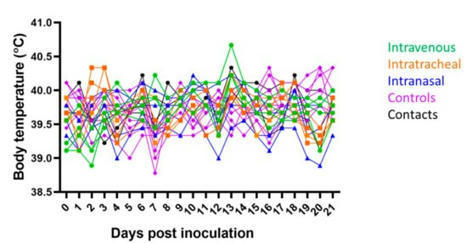
Since the emergence of severe acute respiratory syndrome coronavirus 2 (SARS-CoV-2), the susceptibility of animals and their potential to act as reservoirs or intermediate hosts for the virus has been of significant interest. Pigs are susceptible to multiple coronaviruses and have been used as an animal model for other human infectious diseases. Research groups have experimentally challenged swine with human SARS-CoV-2 isolates with results suggesting limited to no viral replication. For this study, a SARS-CoV-2 isolate obtained from a tiger which is identical to human SARS-CoV-2 isolates detected in New York City and contains the D614G S mutation was utilized for inoculation. Pigs were challenged via intravenous, intratracheal, or intranasal routes of inoculation (n = 4/route). No pigs developed clinical signs, but at least one pig in each group had one or more PCR positive nasal/oral swabs or rectal swabs after inoculation. All pigs in the intravenous group developed a transient neutralizing antibody titer, but only three other challenged pigs developed titers greater than 1:8. No gross or histologic changes were observed in tissue samples collected at necropsy. In addition, no PCR positive samples were positive by virus isolation. Inoculated animals were unable to transmit virus to naïve contact animals. The data from this experiment as well as from other laboratories supports that swine are not likely to play a role in the epidemiology and spread of SARS-CoV-2.
|
|
Scooped by
Gilbert C FAURE
January 21, 2022 6:59 AM
|
The nasal mucosa is the body's first barrier against pathogens entering through the respiratory tract. The respiratory immune system of pigs has more similarities with humans than the mouse respiratory system does, and so was selected as the animal model ...
|
|
Scooped by
Gilbert C FAURE
December 22, 2021 2:26 PM
|
|
|
Scooped by
Gilbert C FAURE
October 4, 2021 1:28 PM
|
In a recent study, researchers conducted a nasopharyngeal microbiota profiling parallelism in an effort to analyze microbiota variations in COVID-19 patients.
|
|
Scooped by
Gilbert C FAURE
August 7, 2021 2:38 AM
|
SARS-CoV-2 infection induces strong type I IFN immunity in the nasopharyngeal cavity of mildly symptomatic COVID-19 patients, but this response is compromised i...
|
|
Scooped by
Gilbert C FAURE
June 19, 2021 10:32 AM
|
Click on the article title to read more.
There are now several monoclonal antibodies, identical copies of a therapeutic antibody produced in large numbers, that are authorized for the treatment of COVID-19. But in the ongoing effort to beat this terrible pandemic, there’s plenty of room for continued improvements in treating infections with SARS-CoV-2, the virus that causes COVID-19.
|
|
Scooped by
Gilbert C FAURE
May 29, 2021 10:26 AM
|
Increased IgE is a typical feature of allergic rhinitis. Local class-switch recombination has been intimated but B cell precursors and mechanisms remain elusive. Here we describe the dynamics underlying the generation of IgE-antibody secreting cells (ASC) in human nasal polyps (NP), mucosal...
|
|
Scooped by
Gilbert C FAURE
April 26, 2021 5:03 AM
|
Tiziana is all set to commence a Phase II trial of its nasal Foralumab in moderate to severe hospitalised Covid-19 patients in Brazil.
|
|
Scooped by
Gilbert C FAURE
March 23, 2021 2:44 PM
|
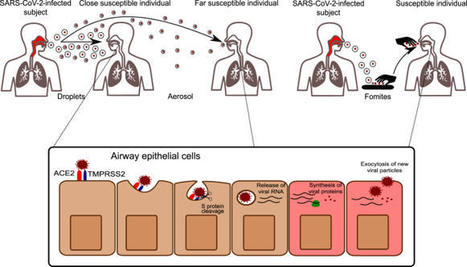
The novel coronavirus SARS-CoV-2 enters into the human body mainly through the ACE2 + TMPRSS2+ nasal epithelial cells. The initial host response to this pathogen occurs in a peculiar immune microenvironment that, starting from the Nasopharynx-Associated Lymphoid Tissue (NALT) system, is the product of a long evolutionary process that is aimed to first recognize exogenous airborne agents. In the present work, we want to critically review the latest molecular and cellular findings on the mucosal response to SARS-CoV-2 in the nasal cavity and in NALT, and to analyze its impact in the subsequent course of COVID-19. Finally, we want to explore the possibility that the regulation of the systemic inflammatory network against the virus can be modulated starting from the initial phases of the nasal and nasopharyngeal response and this may have several clinical and epidemiological implications starting from a mucosal vaccine development.
|
|
Scooped by
Gilbert C FAURE
January 31, 2021 3:46 AM
|
Click on the article title to read more.
|




 Scoop.it!