Your new post is loading...

|
Scooped by
Gilbert C FAURE
August 21, 2022 2:44 AM
|
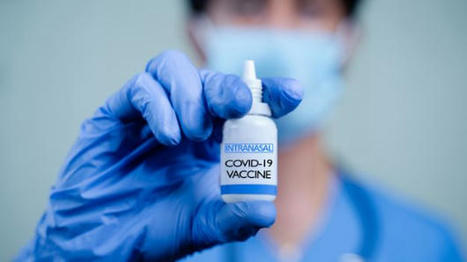
A small spray in to the nose could protect people from COVID-19 and hamstring the pandemic, but the science still faces major challenges.
|
|
Rescooped by
Gilbert C FAURE
from Virus World
August 18, 2022 2:04 PM
|
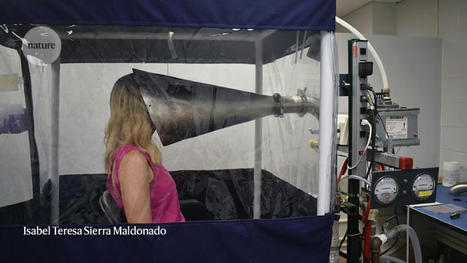
One ‘superspreader’ with Omicron shed three times as much viral RNA as those with Alpha or Delta. People infected with the highly transmissible Alpha, Delta and Omicron variants of SARS-CoV-2 spew out higher amounts of virus than do those infected with other variants, according to a study1. Furthermore, individuals who contract COVID-19 after vaccination, and even after a booster dose, still shed virus into the air. The work was posted on the medRxiv preprint server on 29 July. It has not yet been peer reviewed. “This research showed that all three of those variants that have won the infection race … come out of the body more efficiently when people talk or shout than the earliest strains of the coronavirus,” says John Volckens, a public-health engineer at Colorado State University in Fort Collins. Study co-author Kristen Coleman, who researches emerging infectious diseases at the University of Maryland in College Park, says this means that people should be “pushing governments to invest in improving indoor air quality by improving ventilation and filtration systems”. Breathe out For the study, Coleman and her colleagues recruited 93 people between mid-2020 and early 2022 who were infected with SARS-CoV-2. Participants’ infections were caused by strains including the Alpha variant, which emerged in late 2020, and the later Delta and Omicron variants. All participants with the latter two strains had been fully vaccinated before catching the virus. The infected people faced into a cone-shaped apparatus and sang and shouted — with inevitable coughs and sneezes in between — for 30 minutes, while an attached machine collected the particles they exhaled. The device, called a Gesundheit-II, separated out the fine ‘aerosol’ droplets measuring 5 micrometres or less in diameter, which can linger in the air and leak through cloth and surgical masks. The team found that participants infected with the Alpha, Delta and Omicron variants emitted significantly more viral RNA when exhaling than did people infected with other variants. These include ancestral variants, such as the one first detected in Wuhan, China, and those not associated with increased transmissibility — such as Gamma, which arose in late 2020. For participants with Delta and Omicron, their fine aerosol contained on average five times the amount of virus that was detected in their larger, coarse aerosol. The team also seeded cells in the laboratory with aerosol samples and found that four samples, each from a participant with either Delta or Omicron, infected the cells. Shed virus is not always infectious, says study co-author Jianyu Lai, an epidemiologist at the University of Maryland, and the samples’ ability to infect laboratory cells means that viral RNA in exhaled aerosols can spread the disease. Malin Alsved, an aerosol technology scientist at Lund University in Sweden, says: “I’m bit concerned that they mix all the respiratory [aerosols] — they have breathing, talking, speaking, screaming, coughing, even sneezing in the sample.” Coleman responds that the team combined respiratory samples to mimic a real-life scenario such as being in a restaurant. Going viral The study also highlights variation between individuals in the amounts of exhaled virus, which ranged from non-detectable levels to those associated with ‘superspreaders’. One Omicron-infected participant, for example, shed 1,000 times as much viral RNA through fine aerosol as the maximum level observed in those with Alpha or Delta. The researchers say that the root of these discrepancies remains a mystery but could be related to biological factors such as a person’s age. Behaviour might play a part, too: the study’s superspreader coughed more frequently than others. If new variants are more prone to superspreading, that might drive them to dominate COVID-19 cases. The team notes that people infected with SARS-CoV-2 exhale much lower amounts of viral RNA than do people infected with influenza, a comparable airborne disease. This suggests that SARS-CoV-2 could spin off variants that transmit even more virus. “That is something to be concerned about,” says Alsved. Published in Nature (August 17, 2022): https://doi.org/10.1038/d41586-022-02202-z
Via Juan Lama
|
|
Scooped by
Gilbert C FAURE
August 18, 2022 5:11 AM
|
Dysbiosis of vaginal microbiota is associated with increased HIV-1 acquisition, but the underlying cellular mechanisms remain unclear. Vaginal Langerhans cells (LCs) protect against mucosal HIV-1 infection via autophagy-mediated degradation of HIV-1.
|
|
Scooped by
Gilbert C FAURE
August 18, 2022 5:07 AM
|
Longitudinal analysis of T cell, B cell, and antibody response to four different COVID-19 vaccines in humans, representing three different vaccine technologies, identifies different quantities and quality of CD4+ T cell, CD8+ T cell, and antibody response elicited by mRNA-1273, BNT162b2,...
|
|
Scooped by
Gilbert C FAURE
August 17, 2022 4:51 AM
|
Virus-specific T cells in the nasal cavity might provide an immediate layer of protection against SARS-CoV-2. This study detected SARS-CoV-2–specific nasal-resi
|
|
Scooped by
Gilbert C FAURE
August 13, 2022 11:08 AM
|
The mRNA vaccine platform has offered the greatest potential in fighting the COVID-19 pandemic owing to rapid development, effectiveness, and scalability to meet the global demand. There are many other mRNA vaccines currently being developed against different emerging viral diseases. As with the current COVID-19 vaccines, these mRNA-based vaccine candidates are being developed for parenteral administration via injections. However, most of the emerging viruses colonize the mucosal surfaces prior to systemic infection making it very crucial to target mucosal immunity. Although parenterally administered vaccines would induce a robust systemic immunity, they often provoke a weak mucosal immunity which may not be effective in preventing mucosal infection. In contrast, mucosal administration potentially offers the dual benefit of inducing potent mucosal and systemic immunity which would be more effective in offering protection against mucosal viral infection. There are however many challenges posed by the mucosal environment which impede successful mucosal vaccination. The development of an effective delivery system remains a major challenge to the successful exploitation of mucosal mRNA vaccination. Nonetheless, a number of delivery vehicles have been experimentally harnessed with different degrees of success in the mucosal delivery of mRNA vaccines. In this review, we provide a comprehensive overview of mRNA vaccines and summarise their application in the fight against emerging viral diseases with particular emphasis on COVID-19 mRNA platforms. Furthermore, we discuss the prospects and challenges of mucosal administration of mRNA-based vaccines, and we explore the existing experimental studies on mucosal mRNA vaccine delivery.
|
|
Scooped by
Gilbert C FAURE
August 5, 2022 3:47 AM
|
SARS-CoV-2 mRNA vaccination induces robust humoral and cellular immunity in the circulation; however, it is currently unknown whether it elicits effective immune responses in the respiratory tract, particularly against variants of concern (VOCs), including Omicron.
|
|
Scooped by
Gilbert C FAURE
July 30, 2022 2:49 AM
|
|
|
Scooped by
Gilbert C FAURE
July 28, 2022 4:49 AM
|
SARS-CoV-2 typically enters the body via the nose or mouth. Because of this, many think a nasal spray vaccine would do a better job of preventing COVID-19 infection and cutting transmission than an injection.
|
|
Scooped by
Gilbert C FAURE
July 28, 2022 4:47 AM
|
researchers assess the respiratory mucosal immunity elicited by COVID-19 vaccination.
|
|
Scooped by
Gilbert C FAURE
July 26, 2022 6:22 AM
|
A Science & Innovation webinar, sponsored by Calliditas...
|
|
Scooped by
Gilbert C FAURE
July 26, 2022 4:51 AM
|
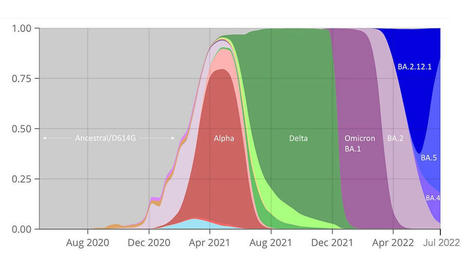
When the vaccines were first introduced in December 2020, the virus they were designed against was altogether different from what it is today. SARS-CoV-2 had little substantive functional evolution from late 2019 until we saw the Alpha variant in the first months of 2021.
|
|
Scooped by
Gilbert C FAURE
July 26, 2022 4:28 AM
|
Lung-resident memory B cells (MBCs) provide rapid protection against reinfection with
airborne pathogens. Gregoire et al. demonstrate that two MBC subsets with discrete transcriptional programs reside in the lung peribronchial niche: “bona fide” virus-specific MBCs, which dominate recall...
|
|
|
Scooped by
Gilbert C FAURE
August 19, 2022 7:36 AM
|
Ages of celiac disease: From changing environment to improved diagnostics...
|
|
Scooped by
Gilbert C FAURE
August 18, 2022 5:11 AM
|
Analysis: a bivalent vaccine has been approved and research is being carried out into possible pan-coronavirus vaccines...
|
|
Scooped by
Gilbert C FAURE
August 18, 2022 5:08 AM
|
Article Text Article menu PDF Editorial Mucosal associated invariant T cells in ARDS: MAIT cells set fire to macrophages via cytokines Dong Hyun Kim1, Bonah Kim1, http://orcid.org/0000-0002-5347-9591Won-Woo Lee1,2,3 Laboratory of Autoimmunity and Inflammation (LAI), Department of Biomedical Sciences, Seoul National University College of Medicine, Seoul, Republic of Korea Department of Microbiology and Immunology, Seoul National University College of Medicine, Seoul, Republic of Korea Cancer Research Institute, Ischemic/Hypoxic Disease Institute, and Institute of Infectious Diseases, Seoul National University College of Medicine, Seoul, Republic of Korea Correspondence to Dr Won-Woo Lee, Department of Microbiology and Immunology, Seoul National University College of Medicine, Seoul, Republic of Korea; wonwoolee{at}snu.ac.kr http://dx.doi.org/10.1136/thoraxjnl-2022-218696 Statistics from Altmetric.com Request Permissions If you wish to reuse any or all of this article please use the link below which will take you to the Copyright Clearance Center’s RightsLink service. You will be able to get a quick price and instant permission to reuse the content in many different ways. Mucosal-associated invariant T (MAIT) cells are evolutionarily conserved innate-like T cells that play an important role in the maintenance of homeostasis of mucosal and non-mucosal barriers.1 They are highly abundant in the liver and blood and are also present in mucosal tissues. MAIT cells express a semi-invariant T cell receptor (TCR) recognising precursor derivatives of the riboflavin (vitamin B2) biosynthetic pathway, presented by the evolutionarily conserved, monomorphic major histocompatibility complex (MHC) class I-related protein-1 (MR1).1 Since these derivatives are strictly found in riboflavin-synthesising bacteria and yeasts, MAIT cells mediate a broad and potent antimicrobial reactivity.1 Activated MAIT cells rapidly secret proinflammatory cytokines, such as interleukin-17 (IL-17), interferon-γ (IFN-γ), and tumor necrosis factor (TNF) and exert cytolytic activity against cells presenting bacterial ligands on MR1.2 Additionally, MAIT cells can be activated in a TCR/MR1-independent manner by several cytokines, including IL-12, IL-15, IL-18 and type I interferons.2 3 In this issue of Thorax, Kim and colleagues4 broaden our understanding of the pathological role of MAIT cells in acute respiratory distress syndrome (ARDS). ARDS is an acute respiratory illness featured by bilateral chest radiographical opacities with severe hypoxemia due to non-cardiogenic pulmonary oedema.5 ,6 ARDS occurs most often in the setting of pneumonia, non-pulmonary sepsis, aspiration of gastric contents or severe trauma. The authors demonstrate that the frequency … View Full Text FootnotesContributors Conceptualisation: DHK, BK and W-WL. Writing—original draft: DHK and BK, writing—manuscript: W-WL. Funding acquisition: W-WL. Supervision: W-WL. All authors have read and approved the final manuscript.Funding This work was supported by the National Research Foundation of Korea (NRF) funded by Ministry of Science and ICT, grant number 2021M3A9I2080493.Competing interests None declared.Provenance and peer review Commissioned; externally peer reviewed. Linked Articles Critical careAltered distribution, activation and increased IL-17 production of mucosal-associated invariant T cells in patients with acute respiratory distress syndrome Tae-Ok Kim Ki-Jeong Park Young-Nan Cho Hye-Mi Jin Young-Goun Jo Hyo Shin Kim Jae Kyun Ju Hong-Joon Shin Bo-Gun Kho Seung-Jung Kee Yong-Wook Park Thorax 2022; 77 865-872 Published Online First: 27 Jan 2022. doi: 10.1136/thoraxjnl-2021-217724 Read the full text or download the PDF: Subscribe Log in
|
|
Scooped by
Gilbert C FAURE
August 18, 2022 5:06 AM
|
Coeliac disease is an autoimmune disorder that primarily affects the small intestine,
and is caused by the ingestion of gluten in genetically susceptible individuals. Prevalence
in the general population ranges from 0·5% to 2%, with an average of about 1%.
|
|
Scooped by
Gilbert C FAURE
August 17, 2022 3:46 AM
|
Human milk constitutes a secretion with unique functions of both nourishing the nursling and providing protection against enteric and respiratory infections, mainly due to its content of secretory IgA antibodies but also due to the presence of a plethora of bioactive factors.
|
|
Scooped by
Gilbert C FAURE
August 7, 2022 4:14 AM
|
Associations between age and the human microbiota are robust and reproducible. The microbial composition at several body sites can predict human chronological age relatively accurately. Although it is largely unknown why specific microorganisms are more abundant at certain ages, human microbiota research has elucidated a series of microbial community transformations that occur between birth and death. In this Review, we explore microbial succession in the healthy human microbiota from the cradle to the grave. We discuss the stages from primary succession at birth, to disruptions by disease or antibiotic use, to microbial expansion at death. We address how these successions differ by body site and by domain (bacteria, fungi or viruses). We also review experimental tools that microbiota researchers use to conduct this work. Finally, we discuss future directions for studying the microbiota’s relationship with age, including designing consistent, well-powered, longitudinal studies, performing robust statistical analyses and improving characterization of non-bacterial microorganisms. The human microbiota can undergo dramatic changes during different phases of life (for example, during colonization after birth, after disturbances or in old age). In this Review, Knight and colleagues discuss the microbiota successions that occur from the cradle to the grave.
|
|
Scooped by
Gilbert C FAURE
August 5, 2022 3:47 AM
|
Science for Kids: Secretory immunoglobulin A in preterm infants: determination of normal values in breast milk and stool...
|
|
Scooped by
Gilbert C FAURE
July 28, 2022 4:50 AM
|
Dozens of intranasally delivered vaccines targeting SARS-CoV-2 are in development. Could they pave the way for widespread nasal vaccination in the future?
|
|
Scooped by
Gilbert C FAURE
July 28, 2022 4:48 AM
|
Differentiation of intestinal T helper 17 (Th17) cells, which contribute to mucosal barrier protection from invasive pathogens, is dependent on colonization with distinct commensal bacteria.Segmented filamentous bacteria (SFB) are sufficient to support Th17 cell differentiation in mouse, but the ...
|
|
Scooped by
Gilbert C FAURE
July 27, 2022 3:27 AM
|
The White House on Tuesday held a summit with vaccine makers and scientists as it pushed for "next generation" COVID-19 vaccines that offer broader and more durable protection against the virus.
|
|
Scooped by
Gilbert C FAURE
July 26, 2022 5:24 AM
|
Lipid nanoparticles have limitations in inhaled drug delivery, including low pulmonary
bioavailability and unoptimized formulation. Lung-derived extracellular vesicles (Lung-Exos)
may be naturally equipped for drug delivery to the lung.
|
|
Scooped by
Gilbert C FAURE
July 26, 2022 4:29 AM
|
Dr Sudaxshina Murdan (UCL School of Pharmacy) and Dr Ruth Griffin (University of Nottingham) launch the Mucosal Vaccines Network.
|


 Scoop.it!