


Medical errors are the 3rd leading cause of death in the US. While Singapore has developed a solid reputation as a healthcare hub, issues continue to surface, including how the wrong donor’s sperm was used in an in-vitro fertilization operation last year. The healthcare industry needs to maximize visibility into its assets to deliver the right care to the right patient at the right time.


 Your new post is loading...




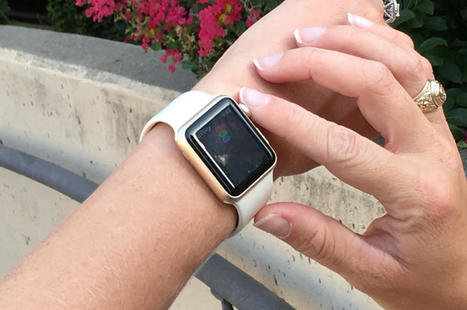



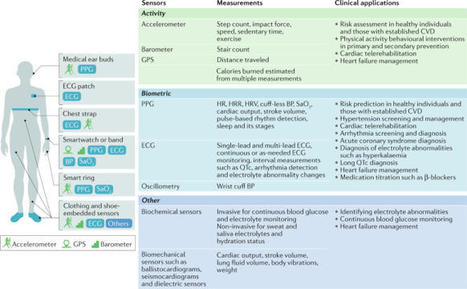
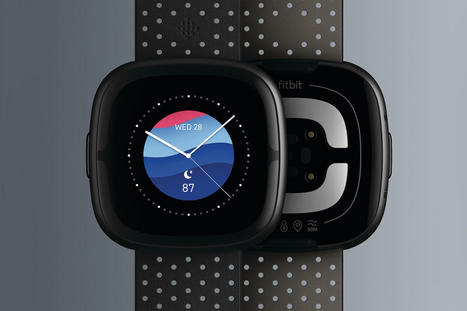
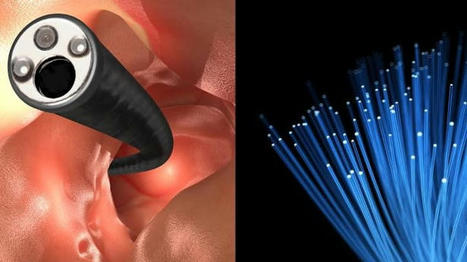
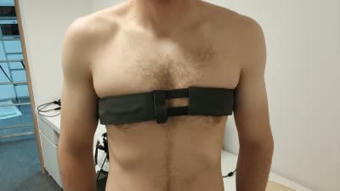




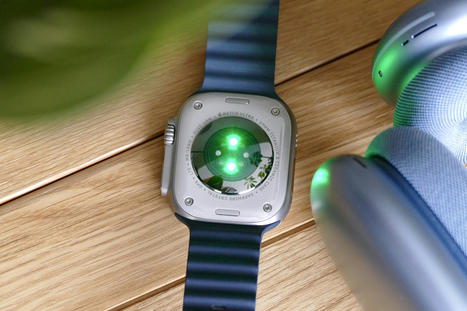

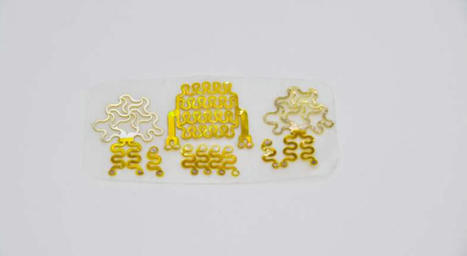





Wearables: Sullivan asserts that MedTech is revolutionizing the healthcare industry by taking over the traditional ways of delivering patient care in Asia Pacific, and wearables technology is one of them. For example, barcode wristbands are used in monitoring patient care as they can encapsulate all the data required to offer the right medication at the right time, minimizing the risks of mislabelling bio-samples and more. Real-time RFID or BLE technology-based locationing wearables are also extending visibility into the entire patient caregiver journey and into every aspect of the health facility for healthcare providers. "In a hospital where time is of the essence, wearables equip healthcare providers with greater efficiencies by cutting down on the need for manual managing and tracking of processes. This, in turn, allows for more time dedicated to patient care and building strategies that can improve how they operate," he suggests. Hospitals, like any enterprise or organization, have to ensure that their equipment are in working order, on top of the pressure of having to save lives. With the right solutions in place, hospitals can keep better track of their assets and are therefore better able to manage their assets. Arming medical facilities with the critical intelligence results in better decisions and improved outcomes. For Sullivan, the key is issuing unique RFID tags to every hospital asset - this will enable doctors to track the availability of each respective equipment in real-time and schedule surgeries or tests accordingly. "The ability to anticipate demand allows healthcare staff to administer resources where they’re needed most, ensuring hospitals get the most out of their existing assets and positively influencing their bottom line," Sullivan states.
Medical errors: With long working hours, challenging working conditions, and the need to simultaneous treat a multitude of patients with different complications and symptoms, it is perhaps not surprising that human errors often occur in the healthcare industry. According to researchers from Johns Hopkins Medicine, preventable medical errors are the third leading cause of death in the U.S., with more than 250,000 Americans dying every year from medical oversights. IoT is helping to automate manual processes throughout the patient care workflow and helps reduce preventable medical error risks by allowing healthcare providers to easily attach smart labels such as barcodes, RFID tags, and sensors to almost anyone and anything – including clinicians, patients, equipment and medications – and link them to the internet, giving them digital voices. "This lets organizations put in place frameworks that ensure that staff administer the right medications to the right patients at the right times and in the right doses through multiple verification steps, minimizing the chance of human error occurring. This can also be applied when blood needs to be drawn for tests: nurses can use mobile computers to view the tests that are needed, scan patient wristbands to confirm their IDs, be guided through the steps required for blood collection, and immediately print barcode labels to be affixed to the samples," says Sullivan.