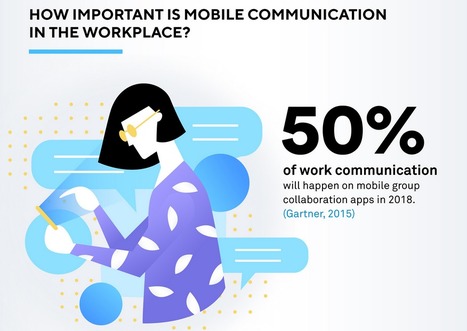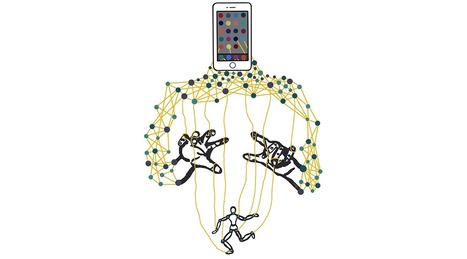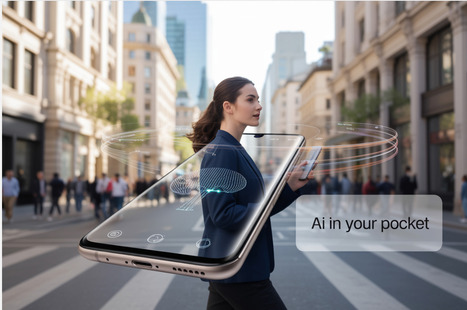

AI and mobile technology are converging in powerful ways, reshaping how individuals and businesses interact, communicate, work, and make decisions. Here's a high-level overview of how AI is transforming the mobile ecosystem:
🔍 1. AI-Enhanced User Experiences
-
Smart Assistants: Siri, Google Assistant, and Alexa rely on natural language processing (NLP) to interpret voice commands and personalize responses.
-
Predictive Text & Autocorrect: AI models (like GBoard or SwiftKey) learn from user input to offer more accurate text predictions and corrections.
-
Facial Recognition: AI-driven biometric systems like Apple’s Face ID use neural networks to enable secure and convenient mobile access.
📲 2. AI in Mobile Apps
-
Personalization Engines: Apps like Netflix, Spotify, and TikTok use AI to tailor content recommendations to individual behavior.
-
Health & Fitness: Apps like Fitbit and Apple Health use AI to detect patterns, suggest goals, and even predict health anomalies.
-
Photo & Video Enhancement: AI in mobile cameras (e.g., in iPhones or Pixel phones) adjusts lighting, enhances clarity, removes background noise, and even creates portrait effects in real time.
🧠 3. AI at the Edge (On-Device AI)
-
Privacy-Preserving AI: Apple’s Neural Engine and Google’s Tensor Processing Unit (TPU) enable on-device AI, allowing models to run locally for privacy and speed.
-
Offline Functionality: On-device AI supports offline translation, photo categorization, and other features without a cloud connection.
💼 4. Business Applications
-
AI-Powered Mobile CRM: Tools like Salesforce Mobile and HubSpot use AI to prioritize leads and suggest communication strategies.
-
Field Service & Remote Work: Mobile apps with AI (like AR-enhanced repair guides or object recognition tools) help workers diagnose issues or guide customers remotely.
-
Retail & Marketing: Mobile apps use AI to deliver hyper-targeted ads, offer personalized discounts, and analyze customer sentiment in real-time.
🔐 5. Security & Fraud Detection
-
Biometric Authentication: AI powers fingerprint, voice, and facial recognition for secure access.
-
Threat Detection: AI monitors mobile network behavior to detect anomalies or security breaches (especially in fintech and banking apps).
📈 6. Emerging Trends
-
Generative AI in Mobile: Apps like ChatGPT, Replika, and Lensa bring generative AI into users’ pockets for chat, creativity, and productivity.
-
AI-Powered Wearables: Smartwatches and health trackers are increasingly integrating AI to offer real-time recommendations or early warning signs (e.g., for atrial fibrillation).
-
Voice-Only Interfaces: AI is paving the way for "zero UI" mobile interactions where voice or gestures replace screens.
The fusion of AI and mobile technology is creating a paradigm shift in how we live, work, and communicate. From hyper-personalized user experiences and real-time predictive insights to enhanced mobile security and edge computing, AI is no longer just a back-end innovation—it’s now embedded directly into our pockets. As mobile devices become smarter and more intuitive, they are transforming industries, enabling new forms of business communication, and empowering users with tools that were once unimaginable. This convergence isn’t just a trend—it’s the future of digital interaction, and it’s unfolding faster than ever.


 Your new post is loading...