



We have not coded for the human in education, and so, unless we know how to seek it out past digital platforms, algorithms, and surveillance tools, the human is largely left out of online learning.

 Your new post is loading...
 Scoop.it! We have not coded for the human in education, and so, unless we know how to seek it out past digital platforms, algorithms, and surveillance tools, the human is largely left out of online learning. 
No comment yet.
Sign up to comment
Scoop.it!

If there’s one thing we’ve learned from the massive rush to move courses online this spring, it’s that a sudden change to fully online, even in the year 2020, isn’t easy. Here, Jared Stein proposes an important takeaway from the pandemic: Blended learning environments can help us prepare for the future.
Scoop.it!
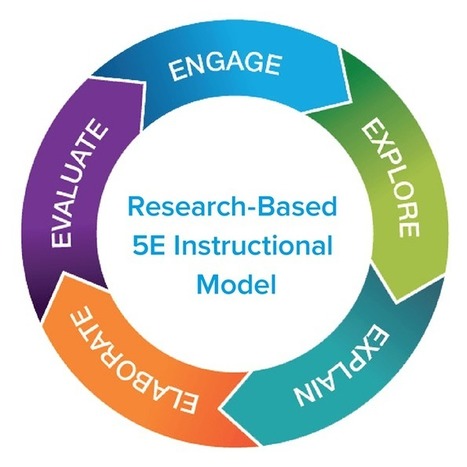
Digital learning is not the answer to every learning challenge. The key I have found is to start small, pick my tools carefully, set realistic expectations, deliver on them, and then share your success stories. Learn from the experience and be ready to scale and share it with your fellow colleagues. Via Nik Peachey
Scoop.it!

Feedback is a powerful construct in the design of quality online learning, and quantified dimensions of learners’ feedback experiences can be leverage
Scoop.it!

The University of Sydney relies on Zoom now more than ever to drive internal collaboration and deliver its curriculum to students.
Scoop.it!

If the pandemic had struck ten or twenty years ago, our ability to interact with students would be severely limited compared with the tools and technology we have today.
Scoop.it!

When Eric Yuan founded Zoom, he set out to create a 'frictionless' video conferencing app to be used by businesses. But then a global pandemic turned Zoom into a household name.
Peter Mellow's insight:
From Webex to ZOOM. Interesting conversation about UX and how things just need to work. Users don't care about tech, they care about connections.
Scoop.it!
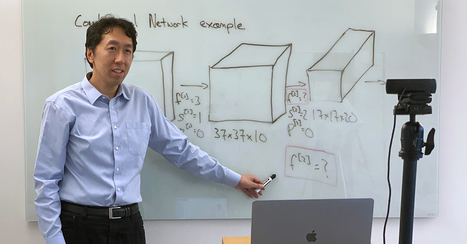
A guide for educators to transition from teaching in the classroom to teaching online with minimal planning and effort. Recent events have accelerated
Scoop.it!

Learning is often a social process, taking place through dialogue, discussion and other forms of interpersonal interaction. Even when it happen
Scoop.it!

Tips on how to create a sense of belonging in an online classroom and remote learning
Scoop.it!
Our first and hopefully last pandemic Chatty Awards compares Facebook Rooms, FaceTime, Google Meet, Houseparty, Skype and Zoom — and crowns some surprising winners
Scoop.it!

With many of us changing how we work due to the lockdown, many people might be
Scoop.it!

From determining a remote learning strategy to planning for the new normal and enabling standards-based practices, these five phases describe the progress institutions are making toward excellence in teaching and learning online.
|
Scoop.it!

Institutional responses to the coronavirus pandemic have provided CIOs with an opportunity to talk with other campus leaders about digital transformat
Scoop.it!

While some students thrived, many others flailed in the digital learning environment
Scoop.it!
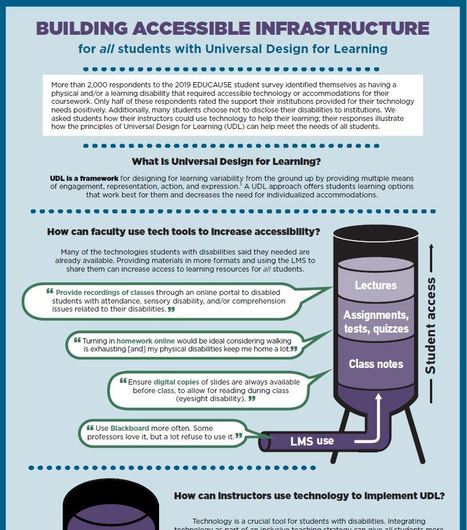
Technology in higher education can be both an aid and a challenge for students with disabilities. Institutions and instructors can take steps to ensur

Kristi Newgarden's curator insight,
June 5, 2020 9:57 AM
Good information for faculty new to online. Sharing this with faculty taking CSCU's Best Practices of Online Pedagogy course with me this summer.
Scoop.it!

As most universities digitise all their teaching, they are finding it very difficult to deliver education online. Gorgi Krlev offers three challenges to conventional wisdom
Scoop.it!

Quality assurance measures can help institutions successfully bridge the gap between emergency remote instruction and quality online learning.
Scoop.it!

“The lecture video delivers me in a way the student has complete control over, making it self-evidently better.” Says Stanford’s Professor of Mathematics Keith Devlin. He’s a MOOC veteran, who delivers Stanford’s ‘Introduction to Mathematical Thinking’ on Coursera. We have to understand is why this is so. What makes a recorded lecture ‘self-evidently better’.
Scoop.it!

From
zillearn

The third module in the digital learning series: Supporting online learners.
Scoop.it!

Participation is crucial in any learning environment, and a Zoom session is no different. Participation encourages attention, which is a requisite for learning. If students aren’t attending to the content or discussions on offer, they have no chance of encoding that content and then being able to use it at a later time: in other…
Scoop.it!

Let students get to know you, require interaction and other strategies.
Scoop.it!

With teachers and students separated, maintaining a sense of community relies on some of the same practices they used in the classroom.
Scoop.it!

Educational institutions are spaces for learning, but more specifically, they are spaces for social learning. And so our role as educators and administrators of educational institutions has to be focused on building community in addition to offering courses, designing curriculum, and credentialing.
Scoop.it!

Video lectures may have worked as a stop-gap measure in the emergency move to online learning, but they just don't cut it for the long term. Here are nine ways to bring distance education courses to the next level.
|






