


Le Club Digital Santé s'associe à la 3ème édition du salon Silver Economy Expo du 24 au 26 novembre.

 Your new post is loading...
 Scoop.it! Le Club Digital Santé s'associe à la 3ème édition du salon Silver Economy Expo du 24 au 26 novembre. 
No comment yet.
Sign up to comment
Scoop.it!

Le laboratoire Sanofi met à disposition des professionnels de santé une plateforme d'information centralisée sur le diabète : Diabeteanalytics.fr.
Scoop.it!

Imagine: You’ve been trying to keep your cholesterol low, but constant business travel means too many fast food meals and not enough exercise. What if you received recommendations on healthier restaurants nearby—from your watch? And, what if that watch also encouraged you to take a 20-minute walk? Or what if it realized that you actually hate walks and would rather take a yoga class around the block that starts at 7 p.m.?This may be the future of better health, at least if IBM’s Watson has its way. The cognitive computing wunderkind, known for its winning turn on Jeopardy!, is pairing its artificial intelligence with the mobile sensing power of Apple’s smartwatch AAPL -1.10% to create a health platform that can interact and adapt to each individual user. It’s the first time Watson’s super computing power will be used with the Apple Watch to transform how people manage their wellbeing. It all happens within an app called CaféWell Concierge, Powered by Watson.The app, developed by Welltok of Denver, takes advantage of Watson’s natural language capabilities to allow CaféWell Concierge to become more personalized over time as the cognitive computer reasons and learns. Users can talk directly to the app to ask questions about health, nutrition, exercise or even IBM’s health benefit details and get quick answers. Via Alex Butler
Scoop.it!
Milo, Leka, robot de téléprésence: la robotique à destination des enfants autistes et des personnes âgées se développe. Le point sur les innovations en France.
Scoop.it!

A new study in JCO explores how oncologists use social media, shedding light on the kind of professional knowledge clinicians seek when visiting sites such as Twitter and Facebook and identifying barriers to using social media. Via Isabelle Delignière-Léglise
Scoop.it!

Les technologies BIG DATA offrent la possibilité de transformer la pratique médicale et le système de soin de façon générale. Découvrons les ensemble ! @bthepull #hcsmeufr #BigData Via Festival Communication Santé
Scoop.it!

Où que l’on regarde, l’intelligence artificielle (AI) monte en puissance, l’humaine raison cède du terrain. Un gigantesque changement s’organise. Dans la finance, l’industrie automobile ou en médecine, c’est à propos de l’IA que les grands groupes se livrent déjà la guerre du futur. Chez nous, rares sont les décideurs à saisir l’ampleur du
Scoop.it!

A l’occasion de la Journée mondiale du psoriasis, le laboratoire LEO Pharma lance la campagne de mobilisation #DecouvrezLePsoriasis.
Scoop.it!
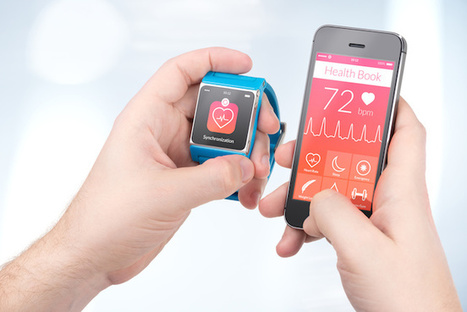
Les synergies entre IBM et Apple vont prendre une nouvelle tournure et concerner l’interne. Les salariés d’IBM pourront...
Scoop.it!

IBM's cognitive computing system, Watson, is more than just a champion Jeopardy contestant. Here's how Watson is being used to power a variety of practical applications. Via Chanfimao
Scoop.it!

Differential Medicine est le rendez vous de fin d'année des disrupteurs de la santé les 3 et 4 décembre à Paris pour parler du futur de la médecine.
Scoop.it!

Le Conseil national du numérique (CNNum) a remis le 13 octobre 2015 son rapport sur “La santé, bien commun de la société numérique”à Marisol Touraine.
Scoop.it!
RECEVEZ NOS ACTUALITES PAR MAILGoGlasses est le premier site français spécialisé sur les lunettes et casques connectés. Recevez chaque dimanche matin ...
|
Scoop.it!
Scoop.it!

ILI (Implant, Logiciel, Imagerie) est un projet collaboratif pour la restauration anatomique peu invasive des fractures vertébrales. Ce projet a permis la mise au point d'implant innovant : le SpineJack®. A ce jour, déja 20 000 exemplaires de cet implant ont été implantés près de dans 15 pays
Scoop.it!
Cirrus Media has been publishing content for Australian healthcare professionals for over 30 years. Each month we reach an audience of more than 40,000 unique … Via Plus91
Scoop.it!

La startup française Urban Hello lance REMI, un objet connecté en forme de réveil qui vise à apprendre aux enfants à dormir paisiblement.
Scoop.it!

Social media is becoming increasingly prevalent, including in our field of radiation oncology. Facebook, Twitter, Instagram, blogs are used more now than they ever have been. In this age of social media, it makes sense that we utilize Facebook and Twitter for more than just keeping in touch with old friends or following celebrities. Social media can also be used to promote positive change around the world. Via Plus91
Scoop.it!

NutriKabi : application mobile dédiée à la nutrition clinique en oncologie, réanimation, chirurgie et néphrologie par le laboratoire Fresenius Kabi
Scoop.it!

Are you involved with influencer marketing campaigns? Do you know how to meet disclosure and compliance requirements? By following a few simple guidelines, you can maintain transparency while producing brand-sponsored content that engages consumers. In this article you’ll discover how to make sure your content meets Federal Trade Commission (FTC), Food and Drug Administration (FDA) and Google requirements. What Compliance Means for You In September 2014 the FTC sent warning letters to more than 60 companies as part of what it called Operation Full Disclosure. While the warnings focused on print and broadcast advertisements, the move signaled that the commission may start regulating more companies on all media that it finds to be out of compliance with accepted standards and practices. Discover how to ensure your social media content meets FTC, FDA and Google requirements.
Take note of this positioning, especially when it comes to your digital advertising on social channels. The FTC issued updated guidance on .com Disclosures in March 2013, and gave its clearest direction yet in June 2015 for endorsement disclosures in its What People Are Asking FAQ page. Many see this as a necessary step of enforcement by the commission. While the FTC monitors compliance with truth-in-advertising laws, your company must also work to stay abreast of regulations from other agencies and organizations(such as the FDA and Google) when producing compensated content. Compliance with these regulations ultimately falls on the sponsor rather than the content producer. Consequently, if you’re working with bloggers or YouTube video bloggers, you must have audit mechanisms in place to ensure those producing content on your behalf maintain compliance. Compliance, however, is not as difficult as it might seem. The following simple tips will help you keep your content compliant without making it stiff or unappealing to the consumer. #1: FTC: Disclose Clearly and Conspicuously The FTC really has only one guideline when it comes to disclosure: Disclose early, clearly and conspicuously. When you publish Blog posts, you should include a simple, clear and easy-to-find disclosure near the top of the post right below the title, as seen in this Almost Supermom post. Include your disclosures in an easy-to-find place. If you record or broadcast video content should, at minimum, have a clear and conspicuous disclosure right at the beginning. While not mandated, the FTC says disclosures that appear regularly throughout the video would be even better. At minimum, include a clear and conspicuous disclosure at the beginning of your videos. While the FTC also does not mandate specific wording of disclosures, it still requires disclosures, even in the shortest form of media. On Twitter, for example, include #ad in a tweet or “Ad:” at the beginning of your tweet. It’s the safest way to comply when using short-form content. On Twitter, include “Ad:” at the beginning of the tweet or use the hashtag #ad. While some companies worry that these disclosures will impact their content’s authenticity, disclosure statements actually have the opposite effect. Used appropriately, disclosures note the influence that compensation may have on the person producing the content. However, savvy readers recognize that compensated content is an effective way for creators to fund the creation of content. And ethical bloggers will only accept compensation for content their readers want to consume in the first place. #2: Google: Use NoFollow Tags for Links in Sponsored Posts Google, the arbiter of all things search, has worked for years to keep compensated content from unduly affecting search rankings. To that end, you should ensure all of the links in a compensated blog post contain NoFollow tags. This designation tells Google’s algorithm to ignore those links when calculating page rank for the links’ target pages. You can insert this link manually by adding rel=”nofollow” in the HTML code. The result looks like this: Here’s what your link should look like. Many online publishing systems make this easier with plugins that manage the tagging process automatically. A search for “NoFollow” in the WordPress plugin library yielded 298 results. There are WordPress plugins available to help you make sure that links in sponsored posts contain NoFollow tags. When you contract with influencers to product content on your behalf, be sure to require NoFollow links in your set of initial instructions. #3: FDA: Discuss On-Label Benefits and Potential Side Effects To protect consumer health, the FDA has created strict regulations for the claims that brands are allowed to make for prescription and over-the-counter (OTC) products. You can clearly see the effect of these regulations in the lengthy listing of potential side effects in drug commercials on TV and in print ads. In much the same way that the spirit of traditional advertising laws still apply to new social media, these traditional FDA regulations still govern emerging media. Kim Kardashian illustrated this in a recent Instagram post for morning sickness medication Diclegis. This ad did not comply with FDA guidelines. A paid promoter for Diclegis, Kardashian failed to include the required list of potential side effects. Even though Kardashian posted a link to safety information provided by the manufacturer, the FDA found that Kardashian’s post “misleadingly fails to provide material information about the consequences that may result from the use of the drug and suggests that it is safer than has been demonstrated.” Consequently, Kardashian had to remove the first post and replace it with a corrective ad that was in line with FDA guidance. This corrective ad complies with FDA guidelines. The limited space for medical claims and warnings on social media platforms like Twitter presents special challenges to pharmaceutical brands. If you’re a pharmaceutical brand and you find your contracted influencers cannot adequately discuss on-label benefits and potential side effects on a given platform, you should most likely avoid that platform in favor of one more accommodating to your message. An appropriate platform will give you enough space to discuss the product brand name, its proper medical name, on-label benefits and potential side effects. For these reasons, blog posts and long-form videos hold the most potential for pharmaceutical brands. Conclusion Overall, you should embrace and maintain transparency in your sponsorship of content on social platforms. Transparency in all content is critical to maintaining your readers’ and followers’ trust. In the end, loyal readers and consumers alike appreciate knowing about any sponsorship tied to content, and agree that appropriate disclosures preserve authenticity in the resulting content.
Via Plus91
Scoop.it!

Touch Surgery est la première application de formation chirurgicale et d’entrainement virtuel dans le monde disponible gratuitement sur iOS et Android. Via Festival Communication Santé
Scoop.it!

Visiomed annonce l'intégration de sa gamme de dispositifs médicaux de santé connectée au sein de Validic, la plateforme américaine de collecte de données patient issues d'obje...
Scoop.it!

La Tribune publie chaque jour des extraits issus des analyses diffusées sur X...
Scoop.it!

The healthcare world loves to talk about “patient engagement,” and how important it is for professionals to improve the industry. That’s a good thing. There can be no hope of reforming a system if those who use it aren’t onboard with the changes and aren’t actively participating in their own care. Establishing social media channels and engaging with patients online can help drive patient engagement. But social media can be a double-edged sword. Prudent health care organizations realize this and have established protocols to deal with a potential crisis. We really don’t need a better crisis case study than how the recent fear of an Ebola epidemic spread far and wide on social media, leading to unfounded rumors taking flight and challenging organizations to be as responsive as they could to what was happening in their hospitals. This article is featured in O'Dwyer's Oct. '15 Healthcare PR Magazine The Centers for Disease Control, for example, set up a Twitter chat to let the public ask and get their questions answered by experts. A medical crisis like the Ebola virus was an opportunity to ensure that patients got accurate information and unwarranted fears were tamped down as quickly as possible — somewhat like putting out small brush fires before they explode. Whether you’re a physician, the head of a health system or a hospital, you’re currently part of the social media conversation, regardless of whether you have a voice on those channels or not. Patients, local officials, staff and members of the community are talking about you online. As a result, it’s critical to have an established presence on social media so your organization’s voice is represented in the conversation — especially when crisis strikes. Here are are few tips to help navigate a healthcare crisis online. Involve social media teams in crisis planning. This is key. All too often, organizational silos prevail and the crisis planning arm of an organization collaborates with the social media team only after a crisis strikes. Without drills to practice responding to potential crises, there is often a lack of clarity about who is doing what when it comes to responding on social media. Keep in mind that in an emergency, patients, staff and members of the media will turn to your social media channels for updates and information. Make sure your team is at the table and in the loop. Establish a chain of command. Is a patient in the hospital and live-tweeting a bad experience to thousands of followers? It’s critical that your social media team can contact a member of the patient advocate team to set things right. Is someone making threats on your Facebook wall? You’ll want to notify security of the posts so they can investigate. It’s also good to have a dedicated email address for social media complaints. Take it “offline.” If someone posts to one of your channels in anger, don’t ask follow-up questions in public. It makes far more sense to tell the user you want to know more specifics, and ask him or her to email you privately. It demonstrates to the individual and others that your organization is being highly responsive, and most users who are after more than simply venting in public, will take advantage of the address to voice their concerns specifically. This can also help make it less likely that any HIPAA rules would be violated. Know that some issues will start on social media. And you never know what will set it off. It could be something as basic as a patient who had a bad experience or had to wait more than an acceptable amount of time to be seen by a doctor, or an employee union organizing a protest, or a beloved doctor being laid off. All it takes is one post to damage your organization’s reputation. The “see something, say something” adage certainly applies in this situation, just as it does in the airport. If you are actively “listening” you will be better able to deflect and deflate the issue quickly and effectively. Monitoring is critical. Obviously, it’s wise to keep an eye on patients posting to your Facebook wall or tagging your Twitter handle. But there are patients who may be talking about you without you being aware of it. There are effective monitoring tools available, such as Nuvi or Topsy, so you can see more of the online conversation and chime in as appropriate. They may be a worthwhile investment for your organization. Don’t hide. It’s tempting to delete or hide a negative comment on Facebook. Don’t do it. Rather than helping to dampen the criticism, it can do quite the opposite, because now the crisis will be two-fold: not only do others believe your organization did whatever first inspired the negative comments, users believe you have something to hide. Consumers respect an organization when it replies to negative feedback — no matter how unreasonable — by asking for more details. There are some possible exceptions, however, including racist, homophobic, or otherwise offensive images or posts. Your organization may want to compile some clear community guidelines to which they can later refer if angry users asks why his or her post was deleted. Plan ahead. Is your facility undergoing renovation or expansion? Will you be reducing your workforce or cutting back on nursing shifts? Are you closing a unit of your hospital? Your patients will notice these issues and want answers. Be proactive and prepare responses or provide information in advance. This goes back to the first point — make sure that the social team is aware of an upcoming issue. With enough advance notice and planning, they can prepare tweets, Facebook posts and potential responses to the negative comments that may come their way. Social media is an incredible tool to engage patients in their own healthcare, and professionals working in this industry can use these platforms to share information and improve the health system. But it’s important to remember that social media is just that — social. You will have to answer questions and critics on these channels, and may have to address a crisis or two. The risks of social media are well worth the reward of reinforcing the relationship between the healthcare industry and patients. Via Plus91
Scoop.it!

I was watching the movie Her for the second time and I was fascinated again about the scene in which the main character played by Joaquin Phoenix got his new operating system with artificial intelligence (AI) and started working with that. I couldn’t stop thinking about the ways I could use such an AI system in my life and how it actually could make me a better doctor. Don’t get me wrong, I think empathy and great communication with patients can make a doctor better, but as the amount of medical information is exponentially growing; as the time for dealing with patients and information is getting less, it is becoming humanly impossible to keep up. If I could devote the time it takes now to deal with technology (inputting information, looking for papers, etc.) to patients, that would be a huge step towards becoming better. Here are 10 ways AI could make me a better doctor and consequently live a better life. 1) Eradicate waiting time: Not only do patients have long wait times for their doctors, but doctors lose a lot of time everyday waiting for something (patients, lab results, etc.). An AI system that makes my schedule as efficient as possible directing me to the next logical task would be a jackpot. 2) Prioritize my emails: I deal with about 200 e-mails every single day. I try to teach Gmail how to mark an e-mail important or categorize them automatically into social media messages, newsletters and personal e-mails, it’s still a challenge. In Her, the AI system prioritized all the 3000 unread e-mails in a second. 3) Find me the information I need: I think I have mastered the skill of searching for information online using Google and different kinds of search engines for different tasks; however, it still takes time. What if an AI OS could answer my questions immediately by looking up the answer online? 4) Keep me up-to-date: There are 23 million papers on Pubmed.com. If I could read 3-4 papers of my field of interest per week, I couldn’t finish in a lifetime and meanwhile millions of new studies would come out. I need an AI to show me what I should really read that day. Now my curated social media networks do this job, although I’m sure it would be much more accurate with AI. 5) Work when I don’t: I can fulfil my online tasks (e-mails, reading papers, searching for information) when I use my PC or laptop, and I can do most of these on my smartphone. When I don’t use any of these, I obviously cannot work. An AI system could work on these when I don’t have any device in hand. 6) Help me make hard decisions rational: A doctor faces a series of critical decisions every day. The best we can do is to make those decisions as informed as possible. Some of them are still hard to make. I can ask people of whom I value their opinions and that’s it. Imagine discussing these with an AI system that is even more rational than you are. 7) Help patients with urgent matters reach me: A doctor has a lot of calls, in-person questions, e-mails and even messages from social media channels on a daily basis. In this noise of information, not every urgent matter can reach you. What if an AI OS could select the crucial ones out of the mess and direct your attention to it when it’s actually needed. 9) Help me collaborate more: In Her, the AI collected the letters the main character wrote and compiled them into one manuscript which she sent to a publisher that she thought would be willing to publish it. Similarly an AI could find the most potential collaborators and invite them to work on a paper or study I otherwise work on. This way, opening up my networks even more. 10) Do administrative work: A strong percentage of an average doctor’s day is spent with administrative stuff. An AI could learn how to do it properly and do it better than me by time. It could write down my thoughts and compile them anytime just as if I decided to sit down and write them down saving me an enormous amount of time.
Via Plus91
|






