Your new post is loading...

|
Scooped by
Gilbert C FAURE
October 12, 2022 10:26 AM
|
Researchers explore the potential association between SARS-CoV-2 infection and immune-mediated inflammatory diseases.
|
|
Scooped by
Gilbert C FAURE
September 28, 2022 2:53 AM
|
|
|
Scooped by
Gilbert C FAURE
September 22, 2022 1:53 PM
|
IL-1RA and Myocarditis after SARS-CoV-2 Vaccination Neutralizing autoantibodies to interleukin-1 receptor antagonist were present in the circulation of the majority of patients wit
|
|
Scooped by
Gilbert C FAURE
September 16, 2022 4:02 AM
|
Type I interferons have been suspected for decades to have a crucial role in the pathogenesis of systemic lupus erythematosus (SLE). Evidence has now overturned several long-held assumptions about how type I interferons are regulated and cause pathological conditions, providing a new view of SLE pathogenesis that resolves longstanding clinical dilemmas. This evidence includes data on interferons in relation to genetic predisposition and epigenetic regulation. Importantly, data are now available on the role of interferons in the early phases of the disease and the importance of non-haematopoietic cellular sources of type I interferons, such as keratinocytes, renal tubular cells, glial cells and synovial stromal cells, as well as local responses to type I interferons within these tissues. These local effects are found not only in inflamed target organs in established SLE, but also in histologically normal skin during asymptomatic preclinical phases, suggesting a role in disease initiation. In terms of clinical application, evidence relating to biomarkers to characterize the type I interferon system is complex, and, notably, interferon-blocking therapies are now licensed for the treatment of SLE. Collectively, the available data enable us to propose a model of disease pathogenesis that invokes the unique value of interferon-targeted therapies. Accordingly, future approaches in SLE involving disease reclassification and preventative strategies in preclinical phases should be investigated. In this Review, Psarras, Wittmann and Vital discuss evidence of the production of type I interferons by cells and tissues other than haematopoietic cells. These interferons can have local effects, and their roles in the pathogenesis of systemic lupus erythematosus suggest the value of interferon-blocking therapies for treatment of this condition.
|
|
Scooped by
Gilbert C FAURE
September 5, 2022 2:47 PM
|
Health sciences; Clinical finding; Disease...
|
|
Scooped by
Gilbert C FAURE
August 27, 2022 8:40 AM
|
Systemic lupus erythematosus (SLE) and primary Sjögren’s syndrome (pSS) are two autoimmune diseases characterised by the production of pathogenic autoreactive antibodies. Their aetiology is poorly understood. Nevertheless, they have been shown to involve several factors, such as infections and epigenetic mechanisms. They also likely involve a physiological process known as glycosylation. Both SLE T cell markers and pSS-associated autoantibodies exhibit abnormal glycosylation. Such dysregulation suggests that defective glycosylation may also occur in B cells, thereby modifying their behaviour and reactivity. This study aimed to investigate B cell subset glycosylation in SLE, pSS and healthy donors and to extend the glycan profile to serum proteins and immunoglobulins. We used optimised lectin-based tests to demonstrate specific glycosylation profiles on B cell subsets that were specifically altered in both diseases. Compared to the healthy donor B cells, the SLE B cells exhibited hypofucosylation, whereas only the pSS B cells exhibited hyposialylation. Additionally, the SLE B lymphocytes had more galactose linked to N-acetylglucosamine or N-acetylgalactosamine (Gal-GlcNAc/Gal-GalNAc) residues on their cell surface markers. Interestingly, some similar alterations were observed in serum proteins, including immunoglobulins. These findings indicate that any perturbation of the natural glycosylation process in B cells could result in the development of pathogeni
|
|
Scooped by
Gilbert C FAURE
August 17, 2022 6:55 AM
|
Key Clinical Points Primary Sjögren’s Syndrome A diagnosis of primary Sjögren’s syndrome is often made on the basis of a classic triad of symptoms: dryness of the mouth and eyes, fatigue, an
|
|
Scooped by
Gilbert C FAURE
August 12, 2022 9:47 AM
|
Primary Biliary Cholangitis (PBC) is a rare, chronic and auto-immune condition which affects the liver. If left untreated, PBC can lead to live
|
|
Scooped by
Gilbert C FAURE
August 8, 2022 4:17 AM
|
Visual summaries, data visualisations, and illustrated explorations to enhance and complement work published across our journals.
|
|
Scooped by
Gilbert C FAURE
August 3, 2022 8:25 AM
|
IntroductionPrimary Sjögren’s Syndrome (PSS) is a chronic disease characterised by symptoms of oral and ocular dryness, pain, fatigue, anxiety and depression. PSS patients can be subclassified by the pattern of severity of these five key symptoms using the Newcastle Sjögren’s Stratification Tool (NSST). Although PSS is often associated with one or more comorbidities, the relationship between comorbidities, polypharmacy, and PSS symptom burden is unclear. Using data from the UK Primary Sjögren’s Syndrome Registry (UKPSSR) we describe the landscape of polypharmacy and comorbidities in PSS.MethodsThe UKPSSR is research biobank of clinically well-defined PSS patients where clinical, demographic, comorbidities and concomitant medications data are recorded. Patients were subclassified into the four NSST subgroups: Low Symptom Burden (LSB), High Symptom Burden (HSB), Dryness Dominated Fatigue (DDF) and Pain Dominated Fatigue (PDF). Group analyses of comorbid conditions and polypharmacy scores were performed. Comorbidity and Polypharmacy Scores (CPS) were modelled as a function of age, sex, symptom duration, body mass index (BMI), current immunosuppressant and hydroxychloroquine prescriptions and NSST subgroup.ResultsThere were marked differences in the number and the nature of comorbidities associated with the NSST subgroups. LSB and DDF patients were characterized by fewer comorbidities and medications. In contrast, HSB and PDF patients were associated with more comorbiditie
|
|
Scooped by
Gilbert C FAURE
July 24, 2022 9:59 AM
|
|
|
Scooped by
Gilbert C FAURE
April 30, 2022 1:10 AM
|
Autoimmune diabetes arises spontaneously in Non-Obese Diabetic (NOD) mice, and the pathophysiology of this disease shares many similarities with human type 1 diabetes. Since its generation in 1980, the NOD mouse, derived from the Cataract Shinogi strain, has represented the gold standard of spontaneous disease models, allowing to investigate autoimmune diabetes disease progression and susceptibility traits, as well as to test a wide array of potential treatments and therapies. Beyond autoimmune diabetes, NOD mice also exhibit polyautoimmunity, presenting with a low incidence of autoimmune thyroiditis and Sjögren’s syndrome. Genetic manipulation of the NOD strain has led to the generation of new mouse models facilitating the study of these and other autoimmune pathologies. For instance, following deletion of specific genes or via insertion of resistance alleles at genetic loci, NOD mice can become fully resistant to autoimmune diabetes; yet the newly generated diabetes-resistant NOD strains often show a high incidence of other autoimmune diseases. This suggests that the NOD genetic background is highly autoimmune-prone and that genetic manipulations can shift the autoimmune response from the pancreas to other organs. Overall, multiple NOD variant strains have become invaluable tools for understanding the pathophysiology of and for dissecting the genetic susceptibility of organ-specific autoimmune diseases. An interesting commonality to all autoimmune diseases developing i
|
|
Scooped by
Gilbert C FAURE
April 20, 2022 4:31 AM
|
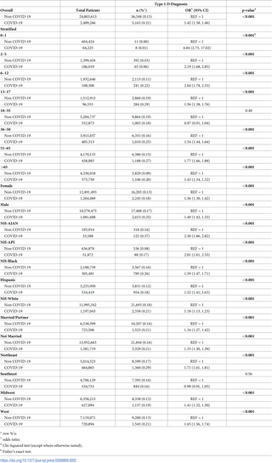
Objective To assess the risk of new-onset type 1 diabetes mellitus (T1D) diagnosis following COVID-19 diagnosis and the impact of COVID-19 diagnosis on the risk of diabetic ketoacidosis (DKA) in patients with prior T1D diagnosis.
|
|
|
Scooped by
Gilbert C FAURE
October 9, 2022 6:28 AM
|
|
|
Scooped by
Gilbert C FAURE
September 24, 2022 8:31 AM
|
Anti-neutrophil cytoplasmic antibody (ANCA)-associated vasculitis (AAV) comprises granulomatosis with polyangiitis (GPA), microscopic polyangiitis (MPA) and eosinophilic granulomatosis with polyangiitis (EGPA), that share features of pauci-immune small-vessel vasculitis and the positivity of ANCA targeting proteinase-3 (PR3-ANCA) or myeloperoxidase (MPO-ANCA). AAV syndromes are rare, complex diseases and their aetio-pathogenesis is mainly driven by the interaction between environmental and genetic factors. In patients with GPA and MPA, the genetic associations are stronger with ANCA specificity (PR3- versus MPO-ANCA) than with the clinical diagnosis, which, in keeping with the known clinical and prognostic differences between PR3-ANCA-positive and MPO-ANCA-positive patients, supports an ANCA-based re-classification of these disorders. EGPA is also made up of genetically distinct subsets, which can be stratified on ANCA-status (MPO ANCA-positive versus ANCA-negative); these subsets differ in clinical phenotype and possibly in their response to treatment. Interestingly, MPO-ANCA-positive patients with either MPA or EGPA have overlapping genetic determinants, thus strengthening the concept that this EGPA subset is closely related to the other AAV syndromes. The genetics of AAV provides us with essential information to understand its varied phenotype. This Review discusses the main findings of genetic association studies in AAV, their pathogenic implications and their potential effect on classification, management and prognosis. In this Review, the authors summarize the genetic factors associated with anti-neutrophil cytoplasmic antibody (ANCA)-associated vasculitis (AAV). They describe the findings from genetic association studies, their pathogenic significance and their implications for the classification, management and prognosis of AAV.
|
|
Scooped by
Gilbert C FAURE
September 19, 2022 6:10 AM
|
Severe cases of COVID-19 are characterized by an inflammatory burst, which is accompanied by multiorgan failure. The elderly population has higher risk for severe or fatal outcome for COVID-19. Inflammatory mediators facilitate the immune system to combat viral infection by producing antibodies against viral antigens. Several studies reported that the pro-inflammatory state and tissue damage in COVID-19 also promotes autoimmunity by autoantibody generation. We hypothesized that a subset of these autoantibodies targets cardiac antigens. Here we aimed to detect anti-cardiac autoantibodies in severe COVID-19 patients during hospitalization. For this purpose, 104 COVID-19 patients were recruited, while 40 heart failure patients with dilated cardiomyopathy and 20 patients with severe aortic stenosis served as controls. Patients were tested for anti-cardiac autoantibodies, using human heart homogenate as a bait. Follow-up samples were available in 29 COVID-19 patients. Anti-cardiac autoantibodies were detected in 68% (71 out of 104) of severe COVID-19 patients. Overall, 39% of COVID-19 patients had anti-cardiac IgG autoantibodies, while 51% had anti-cardiac autoantibodies of IgM isotype. Both IgG and IgM anti-cardiac autoantibodies were observed in 22% of cases, and multiple cardiac antigens were targeted in 38% of COVID-19 patients. These anti-cardiac autoantibodies targeted a diverse set of myocardial proteins, without apparent selectivity. As controls, heart failure patients (with dilated cardiomyopathy) had similar occurrence of IgG (45%, p = 0.57) autoantibodies, while significantly lower occurrence of IgM autoantibodies (30%, p = 0.03). Patients with advanced aortic stenosis had significantly lower number of both IgG (11%, p = 0.03) and IgM (10%, p < 0.01) type anti-cardiac autoantibodies than that in COVID-19 patients. Furthermore, we detected changes in the anti-cardiac autoantibody profile in 7 COVID-19 patients during hospital treatment. Surprisingly, the presence of these anti-cardiac autoantibodies did not affect the clinical outcome and the prevalence of the autoantibodies did not differ between the elderly (over 65 years) and the patients younger than 65 years of age. Our results demonstrate that the majority of hospitalized COVID-19 patients produce novel anti-cardiac IgM autoantibodies. COVID-19 also reactivates resident IgG autoantibodies. These autoantibodies may promote autoimmune reactions, which can complicate post-COVID recuperation, contributing to post-acute sequelae of COVID-19 (long COVID).
|
|
Scooped by
Gilbert C FAURE
September 16, 2022 2:24 AM
|
|
|
Scooped by
Gilbert C FAURE
September 1, 2022 2:35 PM
|
Sex-chromosomes and hormones might drive changes in Treg-cell frequency and function.
Young post-pubertal men have a more anti-inflammatory Treg-cell profile, which could
explain inflammatory disease susceptibilities, and inform sex-tailored therapeutic
strategies.
|
|
Scooped by
Gilbert C FAURE
August 21, 2022 8:48 AM
|
Drug-induced autoimmune hepatitis: A minireview...
|
|
Scooped by
Gilbert C FAURE
August 13, 2022 2:36 AM
|
|
|
Scooped by
Gilbert C FAURE
August 9, 2022 9:56 AM
|
The pathogenic role of the interleukin 21 (IL-21) in different autoimmune diseases, such as multiple sclerosis (MS), has been extensively studied. However, its pleiotropic nature makes it a cytokine that may exhibit different activity depending on the immunological stage of the disease.
|
|
Scooped by
Gilbert C FAURE
August 8, 2022 4:16 AM
|
Diabetes is a general term for disorders characterised by polyuria. It usually refers to diabetes mellitus, a common chronic syndrome of impaired carbohydrate, protein, and fat metabolism owing to insufficient secretion of insulin and/or target-tissue insulin resistance.
|
|
Scooped by
Gilbert C FAURE
July 27, 2022 4:48 AM
|
|
|
Scooped by
Gilbert C FAURE
May 30, 2022 8:30 AM
|
Objective: We aimed to evaluate the anti-CD4 IgG role in the poor immune recovery of immunologica...
|
|
Scooped by
Gilbert C FAURE
April 22, 2022 5:04 AM
|
Background and AimsMetalloproteinases (MMPs) are involved in many distinct processes in the liver. Matrix metalloproteinase-3 (MMP-3) plays an important role in connective tissue remodeling, degradation of collagen (types II, III, IV, IX, and X), proteoglycans, fibronectin, laminin, and elastin. In addition, MMP-3 can also activate other MMPs such as MMP-1, MMP-7, and MMP-9. Primary biliary cholangitis (PBC) is a cholestatic, autoimmune liver disease, characterized by the progressive destruction of intrahepatic bile ducts, leading to cholestasis, fibrosis, cirrhosis, and liver failure. Fibrosis is the result of an imbalance between production and degradation of the extracellular matrix surrounding hepatocytes. Our aim in the present study was to determine whether the measurement of serum MMP-3 is clinically useful for assessing ongoing liver fibrosis in patients with PBC.MethodsThe MMP-3 concentration was determined in 182 PBC patients and 80 non-PBC controls using a commercially available ELISA kit.ResultsHigher concentrations of MMP-3 were found in 61% of PBC patients. PBC subjects had greater MMP-3 levels than controls: 68.9 ± 62.6 vs 21.3 ± 7.4 ng/mL, p < 0.001 for healthy subjects; 68.9 ± 62.6 vs 22.7 ± 7.6 ng/mL, p = 0.022 for autoimmune hepatitis controls; and 68.9 ± 62.6 vs 37.2 ± 17.4 ng/mL, p = 0.002 for primary sclerosing cholangitis controls. The serum MMP-3 concentration was significantly elevated in patients with higher bilirubin concentration (107.6 ± 85.
|


 Scoop.it!