Your new post is loading...

|
Scooped by
Gilbert C FAURE
April 20, 2020 3:06 AM
|
Type 1 diabetes (T1D) is an autoimmune disease, which is characterized by the destruction of islet β cells in the pancreas triggered by genetic and environmental factors. In past decades, extensive familial and genome‐wide association ...
|
|
Scooped by
Gilbert C FAURE
April 18, 2020 10:27 AM
|
Coagulopathy in Critical Illness with Covid-19 The authors describe a 69-year-old man with Covid-19 diagnosed in January 2020 in Wuhan, China, along with two other critically ill patients with Covi...
|
|
Scooped by
Gilbert C FAURE
April 16, 2020 2:39 PM
|
|
|
Scooped by
Gilbert C FAURE
April 10, 2020 2:50 PM
|
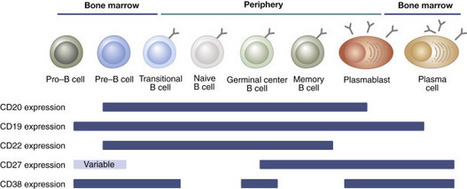
Celiac disease (CeD) is a common gastrointestinal disorder that can be diagnosed at any age. The disease is associated with intake of cereal gluten proteins, and the diagnostic scheme initially relied on elimination-provocation diets, typical of food intolerances. This has changed. Currently, diagnosis in pediatric patients can be made solely on the basis of the presence of high serum concentrations of autoantibodies (antibodies that recognize “self” antigens) to transglutaminase 2 (TG2, also known as TGM2 ), a cytosolic enzyme with broad tissue expression. Accumulating evidence indicates that these autoantibodies are formed as a result of an adaptive immune response to gluten and that interactions between gluten-specific T cells and TG2-specific B cells are important for development of CeD. No other human autoantibodies are better diagnostic markers for disease than TG2-specific antibodies. Without knowledge of disease dependence on dietary gluten, the presence of these autoantibodies would categorize CeD as an archetypical autoimmune disease rather than a food intolerance. Although autoimmune disorders are a collection of heterogeneous conditions, for which a single unifying mechanism is unlikely, some autoimmune diseases might share key pathogenic processes with CeD. Indeed, a provocative idea is that immune reactions to exogenous antigens can drive autoimmune diseases other than CeD (1). Environmental factors such as viral or bacterial infections have often been associated with development of autoimmunity. Yet, CeD is the only autoimmune disease for which pathogenic T cell epitopes originating from an exogenous antigen (gluten) have been identified. CeD shows strong association to certain genetic variants (allotypes) of major histocompatibility complex (MHC) class II molecules that mediate antigen presentation to CD4+ T cells. Hence, gluten-reactive CD4+ T cells are considered key pathogenic players in CeD. These CD4+ T cells reside in the gut lamina propria and release proinflammatory cytokines in response to gluten in the diet. As recently demonstrated in a mouse model of CeD, cytokines from CD4+ T cells control the action of cytotoxic intraepithelial lymphocytes (2). The result is release of cytotoxic molecules that kill epithelial cells and thus cause the typical destruction of the small intestinal tissue structure that is seen in CeD. The gluten epitopes that are recognized by the CD4+ T cells uniformly contain negatively charged glutamate residues that are important for binding to the CeD-associated MHC class II molecules. The glutamate residues are introduced into gluten peptides through deamidation, a posttranslational modification that is catalyzed by TG2. The dual role of TG2 in CeD as the target of autoantibodies and responsible for creating T cell epitopes can be explained in the context of T cell–B cell collaboration. TG2-specific B cells can take up TG2-gluten complexes through B cell receptor (BCR)–mediated endocytosis. Deamidated gluten peptides may then be presented to CD4+ T cells in a complex with MHC class II molecules on the surface of the B cells. The outcome is mutual activation of B cells and T cells, resulting in production of TG2-specific antibodies by the B cells and release of proinflammatory cytokines by the T cells (see the figure). The generation of autoantibodies in CeD implies breaking of B cell self-tolerance to TG2. However, a recent study in genetically modified mice expressing a CeD patient–derived, TG2-specific BCR suggested that there is no active induction of B cell tolerance to TG2 under normal conditions (3). The reason for the lack of tolerance induction is probably that TG2 is a cytosolic enzyme and that TG2-reactive B cells are therefore not exposed to extracellular antigen during their development. Hence, TG2-reactive naïve B cells are most likely continuously present both in CeD and in healthy individuals. In CeD, such B cells receive activation signals from gluten-reactive effector T cells. We hypothesize that once efficient T cell–B cell collaboration has been established, autoimmunity and tissue damage could ensue, in CeD and likely also in other autoimmune diseases. Although T cell–B cell interactions have been implicated in other autoimmune diseases, the well-characterized target epitopes in CeD offer distinct possibilities for studying pathogenic mechanisms. Hence, collaboration between TG2-specific B cells and gluten-specific T cells has been demonstrated both in vitro and in vivo (3). Gluten presentation by TG2-specific B cells was shown to depend on the TG2 epitope that is recgnized by the BCR (4). Thus, targeting of some TG2 epitopes allowed more efficient presentation of gluten on MHC class II than others, and antibody production against those epitopes correlated with the onset of clinical disease. Efficient T cell–B cell interactions therefore seem to be important for CeD development, and B cells are likely to be the main antigenpresenting cells (APCs) for pathogenic CD4+ T cells in inductive lymphoid structures. In addition, B-lineage cells may be involved in antigen presentation in nonlymphoid tissues. Plasma cells were recently identified as the main cell type presenting an immunodominant gluten epitope in gut biopsies of CeD patients (5). Plasma cells are terminally differentiated B cells whose main function is to secrete antibodies. However, plasma cells secreting immunoglobulin A (IgA) and IgM antibodies also express cell-surface immunoglobulins (6), which serve as functional BCRs (7), allowing receptor-mediated uptake of cognate antigen. Although the ability of plasma cells to stimulate CD4+ T cells has yet to be demonstrated, these observations suggest that they may act as APCs for tissue-resident CD4+ effector T cells in CeD. A role of B cells as the main APCs in CeD is supported by characteristics of gluten-reactive CD4+ T cells in blood and gut biopsies of CeD patients. These cells were recently described to have a distinct phenotype with features resembling those of T follicular helper (TFH) cells that are specialized for providing activation signals to B cells and that rely on B cell interactions for their differentiation (8). Thus, the CD4+ T cells expressed high amounts of the cytokine interleukin-21 and C-X-C motif chemokine ligand 13 (CXCL13), which are important for activating and attracting B cells. But, they lacked expression of the chemokine receptor CXCR5, which is required for homing to B cell follicles. A similar expression profile was observed in CD4+ T cells of patients with other autoimmune dieseases, including systemic lupus erythematosus (SLE) (8) and rheumatoid arthritis (9). The lack of CXCR5 expression suggests that inductive T cell–B cell interactions take place not in conventional germinal centers (GCs) in secondary lymphoid organs, but rather at extrafollicular sites such as the border between the T cell zone and the B cell follicle in lymph nodes or Peyer's patches of the gut. Extrafollicular activation of B cells in CeD is supported by the observation that TG2-specific antibodies rapidly disappear when patients start a gluten-free diet, indicating that GC-dependent long-lived plasma cells are not generated. Furthermore, these antibodies contain relatively few mutations, consistent with B cells being activated extrafollicularly rather than in GCs (6). Curiously, activated B cells in SLE patients were also found to lack CXCR5, consistent with a non–GC-dependent origin (10). Similarities between CeD and other autoimmune diseases may not be restricted to immune cell phenotypes and interactions. Common mechanisms could also guide the targeting of antigens. Similar to the deamidation of gluten in CeD, posttranslational modifications of antigens have been implicated in other autoimmune diseases. Yet, it remains to be established whether T cells specific to modified (self )-peptides are controlling tissue destruction in patients or if posttranslational modifications are a side effect of autoimmune reactions. Posttranslational modifications can potentially create neoepitopes that the immune system perceives as foreign, thereby facilitating escape of autoreactive cells from tolerance. The underlying mechanisms of neoepitope formation and their potential role in autoimmunity are poorly understood. Environmental factors such as smoking and viral infections are candidate triggers that may induce inflammatory tissue alterations, accompanied by dysregulation of posttranslational modifications and formation of neoantigens that could lead to autoimmunity. A prominent example of the connection between viral infections and autoimmunity is the association of Epstein-Barr virus (EBV) infection with development of multiple sclerosis (MS) (11)—a demyelinating autoimmune disease that affects the central nervous system. EBV persists in a latent state in memory B cells, which could serve as a permanent reservoir of viral antigens that can stimulate other immune cells. The disease is traditionally considered T cell mediated. Nevertheless, B cell depletion therapy with CD20-specific antibodies has a beneficial effect and limits relapses in MS, suggesting that B cells play an important role. If persistent viral antigens are important drivers of autoimmunity, a possible explanation for the clinical observations is that EBV-infected B cells are depleted by anti-CD20 therapy, thereby effectively removing the driving antigen (12). In this case, B cell depletion in MS would resemble the exclusion of gluten from the diet of CeD patients. Although intriguing, it has not been proven experimentally that viral antigens can drive autoimmune disease. Thus, the exact role of EBV in MS remains unclear, and it is not established whether EBV-specific T cells are pathogenic or if EBV-infected B cells in the central nervous system give rise to inflammation. Antibody production is typically considered the main function of B cells. However, B cells can play additional roles in regulation of immune reactions through secretion of cytokines or antigen presentation. Indeed, because anti-CD20 therapy does not deplete plasma cells, the clinical benefits of the treatment in MS strongly suggest that B cells have pathogenic involvement independent of antibody production. Circulating B cells in MS patients were shown to stimulate autoreactive, potentially pathogenic T cells that home to the brain (13). In addition, ablation of MHC class II expression specifically on B cells in mice resulted in amelioration of symptoms in experimental autoimmune encephalomyelitis, the primary mouse model of MS (14). Similar findings were also obtained in a mouse model of SLE (15), suggesting that antigen presentation by B cells to CD4+ T cells plays a key role in development of destructive immune reactions, at least in some autoimmune diseases. Dendritic cells are usually credited as the main APCs for T cells during an immune response. However, B cells are receiving increased attention as potent APCs in several autoimmune diseases. The main limitation to our understanding of pathogenic T cell–B cell interactions is the lack of well-defined target antigens in most autoimmune disorders. Characterization of T cell and B cell specificities will allow the study of disease-relevant immune cells that potentially can be targeted. Another major challenge is to understand why some people develop autoimmunity. Genetic predisposition is part of the answer, but environmental factors also play a role, possibly both by triggering and driving autoimmune reactions. Defining such factors is crucial for efficient treatment and prevention of autoimmune diseases. It is important to note that autoimmune disorders are a heterogeneous group of diseases with different manifestations and etiologies. Nevertheless, the mechanisms that are beginning to be unraveled in CeD could be relevant for other autoimmune conditions. http://www.sciencemag.org/about/science-licenses-journal-article-reuse This is an article distributed under the terms of the Science Journals Default License. References and Notes ↵ L. M. Sollid, B. Jabri, Nat. Rev. Immunol. 13, 294 (2013).OpenUrlCrossRefPubMed ↵ V. Abadie et al., Nature 578, 600 (2020).OpenUrl ↵ M. F. du Pré et al., J. Exp. Med. 217, e20190860 (2020).OpenUrl ↵ R. Iversen et al., Proc. Natl. Acad. Sci. U.S.A. 116, 15134 (2019). ↵ L. S. Høydahl et al., Gastroenterology 156, 1428 (2019).OpenUrl ↵ R. Di Niro et al., Nat. Med. 18, 441 (2012).OpenUrlCrossRefPubMed ↵ D. Pinto et al., Blood 121, 4110 (2013). ↵ A. Christophersen et al., Nat. Med. 25, 734 (2019).OpenUrlCrossRef ↵ D. A. Rao et al., Nature 542, 110 (2017).OpenUrlCrossRef ↵ S. A. Jenks et al., Immunity 49, 725 (2018).OpenUrl ↵ L. I. Levin, K. L. Munger, E. J. O'Reilly, K. I. Falk, A. Ascherio, Ann. Neurol. 67, 824 (2010). ↵ U. C. Meier et al., Clin. Exp. Immunol. 167, 1 (2012).OpenUrlCrossRefPubMed ↵ I. Jelcic et al., Cell 175, 85 (2018).OpenUrlCrossRef ↵ N. Molnarfi et al., J. Exp. Med. 210, 2921 (2013). ↵ J. R. Giles et al., J. Immunol. 195, 2571 (2015). Acknowledgments: The authors are supported by the University of Oslo World-leading research program on human immunology (WL-IMMUNOLOGY) and by grants from the South-Eastern Norway Regional Health Authority (project 2016113), the European Commission (project ERC-2010-Ad-268541), and Stiftelsen KG Jebsen (SKGJ-MED-017).
The Fc receptors and their interaction with immunoglobulin and innate immune opsonins such as CRP are key players in humoral and cellular immune responses. As the effector mechanism for some therapeutic monoclonal antibodies and often a contributor to ...
Via Krishan Maggon
|
|
Scooped by
Gilbert C FAURE
March 31, 2020 2:26 PM
|
Immunologists at St. Jude Children's Research Hospital have created a database that identifies gene-regulatory mechanisms in immune cells that facilitate Type 1 diabetes. The findings were published today in Nature Immunology.
|
|
Scooped by
Gilbert C FAURE
March 28, 2020 2:49 PM
|
Abstract We read with interest the article ‘’Myositis Autoantibodies: A Comparison of Results from the Oklahoma Medical Research Foundation Myositis Panel to the Euroimmun Research Line Blot’’ by M...
The different mechanisms that trigger the autoimmune attack to the thyroid between Hashimoto’s thyroiditis (HT) and Graves’ disease (GD) are still unclear. The aim of this study was to recognize thyroid antigens specific CD8+ T-cell epitopes and explore the relationship between these epitopes and thyroid autoantibodies, duration and classification in these two diseases. Free thiiodothyronine, free tetraiodothyronine, thyroid-stimulating hormone, TgAb, and TPOAb were all measured by immunochemiluminometric assays, while TRAb was tested by radioimmunoassay. HLA class I peptide affinity algorithms were applied to predict candidate thyroid autoantigen peptides that blind to HLA-A*0201. The ELISpot assay was used to detect Tg-, TPO-, and TSHR-specific CD8+ T cells. We demonstrated that TG-6 was a novel HLA-A*0201-restricted CTL epitope in GD. TG-6, TG-7, TG-10, TG-11, and TPO-6 were immunodominant in GD patients compared with HT patients (TG-6: 38.5 vs. 8%, P = 0.034; TG-7, TG-10, TG-11, and TPO-6: 23.1 vs. 0%, P = 0.034). The immunodominance of TG-6 in GD patients was more evident than healthy controls (HC) (TG-6: 35.8 vs. 0%, P = 0.011), but there was no statistically significant difference between HT patients and HC. Subgroup analyses revealed the T-cell responsiveness to TG-6 was stronger in TgAb-negative HT patients (0 vs. 40%, P = 0.033). However, there was no correlation showed for TPOAb, TRAb, medication and duration in both HT and GD patients. We report for the first time that both diseases, HT and GD, recognize different antigen-specific CD8-positive T cells. Tg maybe the dominant thyroid autoantigen contributing to breaking tolerance in GD. It could improve our knowledge of autoimmune thyroid diseases pathogenesis as well as offer new therapeutical tools in terms of peptide vaccine therapy.
Via Krishan Maggon
|
|
Scooped by
Gilbert C FAURE
March 11, 2020 3:18 PM
|
View and download Interferon and lupus 2020.pdf on DocDroid
|
|
Scooped by
Gilbert C FAURE
March 9, 2020 2:16 PM
|
PubMed comprises more than 30 million citations for biomedical literature from MEDLINE, life science journals, and online books. Citations may include links to full-text content from PubMed Central and publisher web sites.
|
|
Scooped by
Gilbert C FAURE
March 8, 2020 1:10 PM
|
Lupus nephritis (LN) is a form of glomerulonephritis that constitutes one of the most severe organ manifestations of the autoimmune disease systemic lupus erythematosus (SLE). Most patients with SLE who develop LN do so within 5 years of an SLE diagnosis and, in many cases, LN is the presenting manifestation resulting in the diagnosis of SLE. Understanding of the genetic and pathogenetic basis of LN has improved substantially over the past few decades. Treatment of LN usually involves immunosuppressive therapy, typically with mycophenolate mofetil or cyclophosphamide and with glucocorticoids, although these treatments are not uniformly effective. Despite increased knowledge of disease pathogenesis and improved treatment options, LN remains a substantial cause of morbidity and death among patients with SLE. Within 10 years of an initial SLE diagnosis, 5–20% of patients with LN develop end-stage kidney disease, and the multiple comorbidities associated with immunosuppressive treatment, including infections, osteoporosis and cardiovascular and reproductive effects, remain a concern. Clearly, early and accurate diagnosis of LN and prompt initiation of therapy are of vital importance to improve outcomes in patients with SLE. Lupus nephritis is an inflammation of the kidneys caused by the autoimmune disease systemic lupus erythematosus. This Primer reviews the epidemiology of lupus nephritis, its pathogenesis and advances in its treatment.
|
|
Scooped by
Gilbert C FAURE
March 5, 2020 2:08 PM
|
Objective To describe the associations between autoantibodies, clinical presentation, and outcomes among patients with systemic sclerosis (SSc) in order to develop a novel SSc classification scheme...
|
|
Scooped by
Gilbert C FAURE
March 5, 2020 7:02 AM
|
Summary Toll‐like receptors (TLRs) are evolutionarily conserved receptors essential for the host defence against pathogens. Both immune and non‐immune cells can express TLRs, although at different ...
|
|
|
Scooped by
Gilbert C FAURE
April 20, 2020 3:05 AM
|
Autoantibody Reversion: Changing Risk Categories in Multiple-Autoantibody–Positive Individuals Michelle So, Colin O’Rourke, Henry T. Bahnson, Carla J.Greenbaum, Cate Speake Diabetes Care Apr 2020,…...
|
|
Scooped by
Gilbert C FAURE
April 18, 2020 10:18 AM
|
Abstract Background The use of serological markers to diagnose inflammatory bowel disease (IBD) in humans is well‐established. Because of the frequency of IBD in dogs and resources required for its...
|
|
Scooped by
Gilbert C FAURE
April 10, 2020 3:06 PM
|
The diagnostic assessment of patients with Interstitial Lung Disease (ILD) can be challenging due to the large number of possible causes. Moreover, the diagnostic approach can be limited by the severity of the disease, which may not allow invasive exams.
|
|
Scooped by
Gilbert C FAURE
April 10, 2020 2:35 PM
|
Coagulopathy in Critical Illness with Covid-19 The authors describe a 69-year-old man with Covid-19 diagnosed in January 2020 in Wuhan, China, along with two other critically ill patients with Covi...
B-cell depletion with anti-CD20 monoclonal antibodies is widely used for the treatment
of autoimmune diseases. This review will discuss mechanisms contributing to success
or failure of B-cell depletion therapy in antibody-mediated autoimmune diseases.
Via Krishan Maggon
|
|
Scooped by
Gilbert C FAURE
March 29, 2020 4:36 AM
|
PubMed comprises more than 30 million citations for biomedical literature from MEDLINE, life science journals, and online books. Citations may include links to full-text content from PubMed Central and publisher web sites.
|
|
Scooped by
Gilbert C FAURE
March 26, 2020 2:48 PM
|
Lupus nephritis (LN) is a common manifestation of systemic lupus erythematosus that can lead to irreversible renal impairment. Although the prognosis of LN has improved substantially over the past 50 years, outcomes have plateaued in the USA in the past 20 years as immunosuppressive therapies have failed to reverse disease in more than half of treated patients. This failure might reflect disease complexity and heterogeneity, as well as social and economic barriers to health-care access that can delay intervention until after damage has already occurred. LN progression is still poorly understood and involves multiple cell types and both immune and non-immune mechanisms. Single-cell analysis of intrinsic renal cells and infiltrating cells from patients with LN is a new approach that will help to define the pathways of renal injury at a cellular level. Although many new immune-modulating therapies are being tested in the clinic, the development of therapies to improve regeneration of the injured kidney and to prevent fibrosis requires a better understanding of the mechanisms of LN progression. This mechanistic understanding, together with the development of clinical measures to evaluate risk and detect early disease and better access to expert health-care providers, should improve outcomes for patients with LN. Lupus nephritis is a serious and currently irreversible complication of systemic lupus erythematosus that is a leading cause of mortality. New biomarkers and therapies are being developed to improve the monitoring and treatment of this disease.
The metabolism of healthy murine and more recently human immune cells has been investigated with an increasing amount of details. These studies have revealed the challenges presented by immune cell
Via Krishan Maggon
|
|
Scooped by
Gilbert C FAURE
March 10, 2020 4:08 AM
|
The nature of autoantigens that trigger autoimmune diseases has been much discussed, but direct biochemical identification is lacking for most. Addressing this question demands unbiased examination of the self-peptides displayed by a defined autoimmune major histocompatibility complex class II (MHC-II) molecule. Here, we examined the immunopeptidome of the pancreatic islets in non-obese diabetic mice, which spontaneously develop autoimmune diabetes based on the I-Ag7 variant of MHC-II. The relevant peptides that induced pathogenic CD4+ T cells at the initiation of diabetes derived from proinsulin. These peptides were also found in the MHC-II peptidome of the pancreatic lymph nodes and spleen. The proinsulin-derived peptides followed a trajectory from their generation and exocytosis in β cells to uptake and presentation in islets and peripheral sites. Such a pathway generated conventional epitopes but also resulted in the presentation of post-translationally modified peptides, including deamidated sequences. These analyses reveal the key features of a restricted component in the self-MHC-II peptidome that caused autoreactivity. Unanue and colleagues examine the immunopeptidome of pancreatic islets in non-obese diabetic (NOD) mice, which spontaneously develop autoimmune diabetes, to reveal the key features of a restricted component in the self-MHC-II peptidome that causes autoreactivity.
|
|
Scooped by
Gilbert C FAURE
March 9, 2020 10:00 AM
|
The many clinical aspects of anti-p200 pemphigoid are not well-characterized. We aimed to analyze and correlate known existing data on the epidemiological, clinical, histological, and immunological features of anti-p200 pemphigoid. We performed a revie
Systemic lupus erythematosus (SLE) is a clinically and genetically heterogeneous autoimmune disease. The etiology of lupus and the contribution of genetic, environmental, infectious and hormonal factors to this phenotype have yet to be elucidated.
Via Krishan Maggon
|
|
Scooped by
Gilbert C FAURE
March 5, 2020 2:07 PM
|
Abstract Background and Aims Anti‐mitochondrial antibodies (AMA) are closely linked to primary biliary cholangitis (PBC). The prevalence of AMA in the general population is low, and AMA positivity ...
|


 Scoop.it!