Your new post is loading...

|
Scooped by
Gilbert C FAURE
July 24, 2020 3:25 AM
|
Autoimmune hepatitis (AIH) is a chameleon disease with varied presentations, course
of disease and somewhat unpredictable treatment response between individuals. Understanding
how to stratify patients who require further escalation of therapy will help clinicians
manage these patients.
|
|
Scooped by
Gilbert C FAURE
July 3, 2020 2:39 PM
|
To investigate the fine epitope(s) of anti-C1q A08 antibodies and their roles in complement activation in lupus nephritis, C1q A08 and related peptides with various amino acid sequences around A08 were synthesized. Anti-C1q A08 antibodies from 10 lupus nephritis patients were purified from plasmapheresis samples, and four monoclonal antibodies against C1q A08 were screened and identified from mouse hybridoma cells, to study the fine epitope(s) of C1q A08 using ELISA and Biolayer Interferometry (BLI). The biofunction of anti-C1q A08 antibodies for complement classical pathway activation was investigated by C3 activation assay. Anti-C1q A08 antibodies and anti-C1q antibodies were also detected in the sera of female BALB/C mice immunized by C1q A08 peptides. None of the anti-C1q A08 antibodies, which were affinity purified from the 10 lupus nephritis patients, could bind intact C1q coated on microtitre plates, neither could the anti-C1q antibodies bind to C1q A08 peptides coupled on resin, indicating that the human anti-C1q antibodies and anti-C1q A08 antibodies may recognize different epitopes of C1q. One of the four C1q A08 mAbs (32-4) bound to the six amino acids of N-terminus of C1q A08, while another C1q A08 mAb (17-9) bound to eight or 10 amino acids of C-terminus of A08. The third and fourth C1q A08 mAb (1A12 and 4B11) bound to the whole sequence of A08. Only 32-4 mAb bound to the intact C1q coating on an ELISA plate, whereas 17-9 mAb, 1A12 mAb, and 4B11 mAb coul
|
|
Scooped by
Gilbert C FAURE
June 25, 2020 6:42 AM
|
Evidence from tissue studies and some people with COVID-19 shows that the virus damages insulin-producing cells.
|
|
Scooped by
Gilbert C FAURE
June 7, 2020 8:49 AM
|
BackgroundInterstitial lung disease (ILD) is a common pathologic consequence of the idiopathic inflammatory myopathies, and it may be the initial presentation of autoimmune disease in many cases. There are no well-established guidelines to direct ...
|
|
Scooped by
Gilbert C FAURE
May 31, 2020 2:46 PM
|
In December, 2019, an outbreak of the novel coronavirus (SARS-CoV-2) that causes coronavirus
disease 2019 (COVID-19) occurred in Wuhan, China,1 and soon spread all over the world.
Rapid and accurate diagnosis of SARS-CoV-2 infection is the cornerstone of all efforts
to stem its advancement.
|
|
Scooped by
Gilbert C FAURE
May 19, 2020 2:59 AM
|
A recent FMI study shows the effect of COVID-19 on Antinuclear Antibody Test Market: Global Industry Analysis and Review of Antinuclear Antibody Test Market for 2020-2030...
|
|
Scooped by
Gilbert C FAURE
May 16, 2020 2:30 PM
|
PubMed comprises more than 30 million citations for biomedical literature from MEDLINE, life science journals, and online books. Citations may include links to full-text content from PubMed Central and publisher web sites.
|
|
Scooped by
Gilbert C FAURE
May 9, 2020 11:41 AM
|
|
|
Scooped by
Gilbert C FAURE
May 5, 2020 12:04 PM
|
Antiphospholipid syndrome (APS) is a multisystem autoimmune condition characterized by vascular thromboses and/or pregnancy loss associated with persistently positive antiphospholipid antibodies (aPL).
|
|
Scooped by
Gilbert C FAURE
April 27, 2020 3:43 AM
|
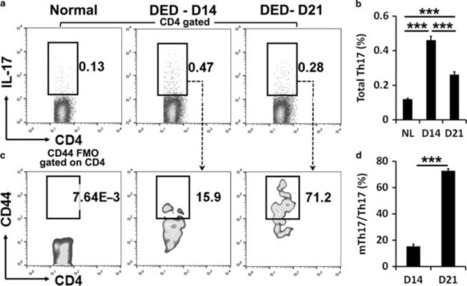
Long-lived memory T-helper 17 (Th17) cells actively mediate the chronic inflammation in autoimmune disorders, including dry eye disease (DED). The mechanisms responsible for the maintenance and reactivation of these cells in autoimmunity have been subject of investigation.
KEY POINTS
A focused hepatic BCR repertoire is generated during cholestatic liver disease.
Blockade of BAFF reshapes BCR repertoire and reduces autoantibody production.
Depletion of B cells reduces both the hepatic fibrosis and autoantibody production.
Abstract
Defects in biliary transport proteins, MDR3 in humans and Mdr2 in mice, can lead to a spectrum of cholestatic liver disorders. Although B cell disorders and the aberrant Ab production are the leading extrahepatic manifestations of cholestatic liver diseases, the mechanism underlying this phenomenon is incompletely understood. Using mice with deficiency of Mdr2 that progressively develop cholestatic liver disease, we investigated the contributions of BAFF to aberrant IgG autoantibody production and hepatic fibrosis. In Mdr2−/− mice, hepatic B lymphocytes constitutively produced IgG during fibrosis progression, which correlated with elevated serum levels of BAFF, antinuclear Abs (ANA) and immune complexes. The elevated BAFF and ANA titers were also detected in human patients with primary sclerosing cholangitis and hepatobiliary cholangiopathies. Consistent with the higher BAFF levels, liver-specific selection of the focused BCR IgH repertoire was found on hepatic B cells in Mdr2−/− mice. Interestingly, the administration of anti-BAFF mAb in Mdr2−/− mice altered the BCR repertoire on hepatic B lymphocytes and resulted in reduced ANA and immune complex titers. However, anti-BAFF treatment did not attenuate hepatic fibrosis as measured by collagen deposition, hepatic expressions of collagen-1a, α-smooth muscle actin, and mononuclear cell infiltration (CD11b+ Ly-6chi monocytes and CD11b+ Gr1+ neutrophils). Importantly, depletion of B cells by anti-CD20 mAb reduced both hepatic fibrosis and serum levels of ANA and immune complexes. Our findings implicate B cells as the potential therapeutic targets for hepatic fibrosis and targeting BAFF specifically for attenuating the autoantibody production associated with cholestatic liver disease.
Via Krishan Maggon
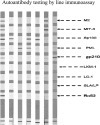
Abnormal liver function tests are frequently seen in patients with multiple sclerosis (MS) and their origin at times is attributed to the possible co-occurrence or the de novo induction of autoimmune liver diseases (AILD), namely autoimmune hepatitis (AIH) and primary biliary cholangitis (PBC), but comprehensive analysis of AILD-related autoantibody has not been carried out. To assess the presence of AILD-related autoantibodies in a well-defined cohort of MS patients, and to assess their clinical significance. 133 MS (93 female) patients (102 RRMS, 27 SPMS, and 5 PPMS), mean age 42.7 ± 11.9 SD years, mean duration of disease 11.2 ± 7.2 years were studied. 150 age and sex-matched healthy individuals were tested as normal controls (NCs).Autoantibody testing was performed by indirect immunofluorescence (IF) using triple tissue and HEp-2, a multiparametric line immunoassay detecting anti-LKM1(anti-CYP2D6), anti-LC1(anti-FTCD), soluble liver antigen/liver-pancreas(anti-SLA/LP), AMA-M2, and AMA-MIT3 (BPO), PBC-specific ANA (anti-gp210, anti-sp100 and anti-PML), and ELISA for anti-F-actin SMA and anti-dsDNA antibodies. Reactivity to at least one autoantibody was more frequent in MS patients compared to NCs (30/133, 22.6% vs 12/150, 8%) NCs (p = 0.00058). SMAs by IIF were more frequent in MS patients (18/133, 13.53%) compared to NCs (6/150, 4%, p = 0.002%). The AIH-1 related anti-F-actin SMA by ELISA were present in 21 (15.8%), at relatively low titres (all but three of the SMA-VG pattern by IF); anti-dsDNA in 3 (2.3%), and anti-SLA/LP in none; AIH-2 anti-LKM1 autoantibodies in 1 (0.8%, negative by IF), and anti-LC1 in none; PBC-specific AMA-M2 in 2 (1.5%, both negative for AMA-MIT3 and AMA by IF) and PBC-specific ANA anti-PML in 6 (4.5%), anti-sp100 in 1 (0.8%) and anti-gp210 in 1 (0.8%). Amongst the 30 MS patients with at least one autoantibody positivity, only 4 (3%) had overt AILD (2 AIH-1 and 2 PBC). Autoantibody positivity did not differ between naïve MS patients and patients under treatment. Despite the relatively frequent presence of liver autoantibodies, tested either by IF or molecular assays, overt AILD is rather infrequent discouraging autoantibody screening strategies of MS patients in the absence of clinical suspicion.
Via Krishan Maggon
Abstract Objectives Ectopic lymphoid structures (ELS) develop at sites of infection, autoimmunity and cancer. In patients with Sjogren's syndrome (SS), ELS support autoreactive B‐cell activation an...
Via Krishan Maggon
|
|
|
Scooped by
Gilbert C FAURE
July 14, 2020 3:00 AM
|
One principal characteristic of the autoimmune hepatitis (AIH), like for many other
autoimmune diseases, is the accumulation of autoantibodies produced by B lymphocytes
following their interaction with autoreactive CD4 T lymphocytes. In this study we
identify and characterized with high resolution these CD4 T cells. This will be essential
to track, delineate and potentially target them during AIH.
|
|
Scooped by
Gilbert C FAURE
June 30, 2020 6:21 AM
|
AbstractBackground. Anti-CD20 B-cell depletion has not shown superior efficacy to standard immunosuppression in patients with systemic lupus erythematosus (SLE
|
|
Scooped by
Gilbert C FAURE
June 21, 2020 8:59 AM
|
Tocilizumab (TCZ) in New-onset Type 1 Diabetes - Full Text View.
Angiotensin-converting enzyme (ACE) 2, a homolog of ACE, converts angiotensin (Ang) II into Ang(1-7), and the vasoprotective effects of Ang(1-7) have been documented. We explored the hypothesis that serum autoantibodies to ACE2 predispose patients with ...
Via Krishan Maggon
|
|
Scooped by
Gilbert C FAURE
May 24, 2020 11:59 AM
|
Cutaneous vasculitis is an inflammatory disease affecting the dermal blood vessel walls. The skin is a privileged organ in the setting of vasculitis since it is easily accessible for physical examination and safe biopsy, allowing an accurate characterization of inflammatory lesions.
|
|
Scooped by
Gilbert C FAURE
May 16, 2020 2:31 PM
|
As of May 6, 2020, nearly 3·7 million people have been infected and around 260 000 people have died from coronavirus disease 2019 (COVID-19) worldwide.1 Almost all COVID-19-related serious consequences feature pneumonia.2 In the first large series of hospitalised patients (n=138) with COVID-19 in...
|
|
Scooped by
Gilbert C FAURE
May 15, 2020 2:59 PM
|
Abstract Background The laboratory detection of lupus anticoagulants (LA) in anticoagulated patients represents a challenge and there is no consensus on the types of assays/procedures to be adopted...
|
|
Scooped by
Gilbert C FAURE
May 5, 2020 12:04 PM
|
Fugger et al. present their perspective on the most promising therapeutic avenues
for autoimmune diseases, highlighting the need for disease-specific and even patient-specific
approaches. They argue that we need to rethink clinical trial design for these complex,
highly variable diseases.

|
Suggested by
LIGHTING
April 30, 2020 3:48 AM
|
B cell therapy in lupus nephritis
BackgroundTubulointerstitial inflammation (TII) in lupus nephritis is associated with a worse prognosis. Vimentin, a filamental antigen, is commonly targeted by in situ activated B-cells in TII. Th...
Via Krishan Maggon
|
|
Scooped by
Gilbert C FAURE
April 24, 2020 4:43 AM
|
Abstract Properdin is the only one positive regulator of the complement system. In this study, we characterize the prevalence, functional consequences and disease associations of autoantibodies aga...
Via Krishan Maggon
|