

autoantibody anti-interferons

AUTOIMMUNITY
20.9K views |
+20 today

 Your new post is loading...
 Scoop.it! 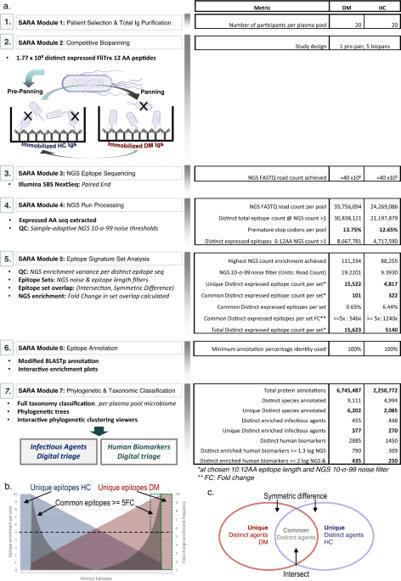
Megremis, Walker at al. identify immunogenic epitopes in dermatomyositis patients. They identify antibodies recognizing a wider diversity of microbial antigens including poxviruses, and autoantibodies recognizing a large portion of the human proteome. 
Scoop.it!

Antiphospholipid syndrome (APS) is a hypercoagulation condition associated with the incidence of heterogenic antiphospholipid antibodies (aPLs), which non-specifically affect hemostasis processes. APS is clinically manifested by recurrent arterial and venous thromboses and reproduction losses.
Scoop.it!

Neutrophil extracellular traps (NETs) are a network of extracellular fibers, compounds of chromatin, neutrophil DNA and histones, which are covered with antimicrobial enzymes with granular components.

Diedler Quentin's curator insight,
January 9, 1:12 AM
Les neutrophil extracellular traps (NETs) sont des structures libérées par les neutrophiles, composées d’ADN, d’histones et d’enzymes antimicrobiennes. Leur formation, appelée NETose, dépend de l’autophagie et de la production de ROS via la NADPH oxydase. Si ce mécanisme est essentiel à la défense antimicrobienne, son activation excessive favorise l’inflammation, l’auto-immunité et la thrombose. Dans le syndrome des antiphospholipides (APS), les anticorps antiphospholipides, en particulier les anticorps anti-β2-glycoprotéine I, activent directement les neutrophiles et induisent la libération de NETs. Ces structures contribuent à la thrombose en activant les plaquettes, le facteur tissulaire et plusieurs voies de la coagulation, tout en inhibant la fibrinolyse. Une production accrue de NETs est surtout observée chez les patients présentant une triple positivité aPL, associée à un risque thrombotique plus élevé. Les NETs jouent également un rôle dans les complications obstétricales de l’APS, via l’activation du complément, l’inflammation placentaire et la perte fœtale. Plusieurs traitements utilisés en APS, tels que les héparines et l’hydroxychloroquine, exercent une partie de leur effet bénéfique en limitant la NETose ou en favorisant la dégradation des NETs.
En résumé, les NETs représentent un lien central entre auto-immunité, inflammation et thrombose dans l’APS, et constituent une cible prometteuse pour le développement de stratégies thérapeutiques plus spécifiques.
Scoop.it!

Patients with systemic sclerosis (SSc) who express autoantibodies to centromeric proteins (CENPs) are at risk of developing pulmonary vascular disease and pulmonary arterial hypertension without fibrosis.
Scoop.it!

<b><i>Background:</i></b> Lupus nephritis (LN) is the most severe organ manifestations of systemic lupus erythematosus (SLE).Although increased knowledge of the disease pathogenesis has improved trea...
Scoop.it!

Systemic lupus erythematosus (SLE) is a heterogeneous autoimmune disease. While its etiology remains elusive, current understanding suggests a multifactorial process with contributions by genetic, immunologic, hormonal, and environmental factors.
Scoop.it!
Systemic lupus erythematosus (SLE) is an autoimmune disease that often occurs in females of child-bearing age. It involves multiple systems and severely threatens human life.One of the typical characteristics of SLE is the formation of immune complexes with autoantibodies produced by B cells that...
Scoop.it!

Discover the world’s best science and medicine | Nature.com
Scoop.it!

From
liu

Daniel Appelgren is investigating a type of renal disease in which the immune system attacks and damages the kidneys. He has been awarded a grant of SEK 1.25 million from the Ingrid Asp Foundation to carry out renal research at LiU.
Scoop.it!

The cryopyrin-associated periodic syndromes (CAPS) are usually caused by heterozygous NLRP3 gene variants, resulting in excessive inflammasome activation with subsequent overproduction of interleukin (IL)-1β.
Scoop.it!

Count Down to WED Conference 2021: Meet Dr.Jérôme Honnorat From mailchi.mp –...
Scoop.it!

Venous thromboembolism (VTE) is major health problem and is sometimes complicated by lethal pulmonary embolism (PE). Disturbances of the coagulation and anticoagulation systems are important risk factors for VTE.
|
Scoop.it!

Pemphigus is an autoimmune blistering disease mediated by autoantibodies directed against desmogleins. We recently showed that first-line treatment wi…
Scoop.it!
EUROIMMUN, a PerkinElmer, Inc.company, today announced the launch of the EUROPatternTM Microscope Live (EPML) compact immunofluorescence microscope,...
Scoop.it!

We do not know exactly. There is no mechanism in place, in fact, to systematically collect data about the prevalence and incidence of autoimmune diseases (as it exists for infectious diseases and cancers). In addition, since we do not have a complete and universally acceptable list of autoimmune diseases, it is difficult to collect data about something that is not clearly defined. Scholars have, however, made estimates based of the US prevalence of autoimmune diseases based on published papers and primary data collected from smaller countries that have excellent epidemiological resources (such as the Scandinavian countries). These estimates suggest that all autoimmune diseases combined affect about 3% of the US population, thus approximately 10 million people. To put this estimate into perspective, look at the table below based on the current US population of 329 million.
Scoop.it!

Arthritis is a common clinical feature of systemic lupus erythematosus (SLE) and is usually non‐erosive as opposed to rheumatoid arthritis (RA). While RA synovial pathology has been extensivel
Scoop.it!
The approach described here provides a direction for precise, customised approaches to treat RA and can likely be applied to other systemic autoimmune diseases.
Scoop.it!

Autoimmune hepatitis is an immune-mediated disorder characterised by hypergammaglobulinaemia,
Scoop.it!

Abstract Type 1 diabetes (T1D) is a chronic metabolic disease caused by the autoimmune destruction of insulin‐producing β‐cells. Ever since the 1920s, the fate of patients suffering from T1D was dr...
Scoop.it!

Inflammatory responses initiate rapid production of IL-1 family cytokines, including IL-18. This cytokine is produced at high levels in inflammatory diseases, including allergy and autoimmunity, and is known to induce IgE production in mice.
Scoop.it!

Evidence is growing that self-attacking ‘autoantibodies’ could be the key to understanding some of the worst cases of SARS-CoV-2 infection. More than a year after COVID-19 emerged, many mysteries persist about the disease: why do some people get so much sicker than others? Why does lung damage sometimes continue to worsen well after the body seems to have cleared the SARS-CoV-2 virus? And what is behind the extended, multi-organ illness that lasts for months in people with ‘long COVID’? A growing number of studies suggest that some of these questions might be explained by the immune system mistakenly turning against the body — a phenomenon known as autoimmunity. “This is a rapidly evolving area, but all the evidence is converging,” says Aaron Ring, an immunologist at the Yale School of Medicine in New Haven, Connecticut.
Early in the pandemic, researchers suggested that some people have an overactive immune response to COVID infection. Immune-system signalling proteins called cytokines can ramp up to dangerous levels, leading to ‘cytokine storms’ and damage to the body’s own cells. Clinical trials have now shown that some drugs that broadly dampen immune activity seem to reduce death rates in critically ill people, if administered at the right time. But scientists studying COVID are increasingly also highlighting the role of autoantibodies: rogue antibodies that attack either elements of the body’s immune defences or specific proteins in organs such as the heart. In contrast to cytokine storms, which tend to cause systemic, short-duration problems, autoantibodies are thought to result in targeted, longer-term damage, says immunologist Akiko Iwasaki, a colleague of Ring’s at Yale. Even healthy people make autoantibodies, but not generally in large amounts, and the molecules don’t usually seem to cause damage or attack the immune system. Yet researchers also have evidence that nefarious autoantibodies do have a role in many infectious diseases. There are several theories to explain how autoimmunity might emerge from COVID and other infections. Some people might be predisposed to producing autoantibodies that can then wreak havoc during an infection. Alternatively, infections could even trigger the production of autoantibodies. If researchers can establish the link, they might be able to come up with avenues for treatment, both for the repercussions of COVID and for other diseases caused by viruses. Finding autoantibodiesIn late September, a group led by Jean-Laurent Casanova at the Rockefeller University in New York City reported that more than 10% of 987 individuals with severe COVID-19 had antibodies that attacked and blocked the action of type 1 interferon molecules, which normally help to bolster the immune response against foreign pathogens1. That was a striking proportion, the researchers say, because people’s antibody repertoires are normally very dissimilar, and no one in a control group for the study had these antibodies. The researchers also saw the antibodies in people before their COVID-19 infection, so Casanova thinks that some people could be genetically predisposed to produce them. And the autoantibodies were more common in men than women — a possible factor in why COVID seems to hit men harder. The first evidence suggesting that autoantibodies against interferon might put people at higher risk of infectious disease was published in 1984, and evidence has accumulated since then, Casanova says. But now COVID is drawing more attention to the connection. “Now people understand the problem,” he says, “and all of a sudden they realize that what my lab has been doing for 25 years is actually pretty meaningful.” Casanova is now screening 40,000 people to see how many have pre-existing autoantibodies and determine whether their distribution by age, ancestry and gender matches that of severe COVID. Other research groups have supported Casanova’s autoantibody connection. Iwasaki, Ring and others screened 194 patients and hospital workers with varying severities of COVID for a wide range of autoantibodies. Their study, which was posted online in December and has not yet been peer reviewed, found a higher prevalence of autoantibodies against the immune system in infected individuals than in uninfected people. They found autoantibodies that attacked B cells, as well as some that attacked interferon.....
Published in Nature (Jan. 19, 2021): https://doi.org/10.1038/d41586-021-00149-1 Via Juan Lama
Scoop.it!

A rare kind of antibody, known as anti-glutamic acid decarboxylase (GAD) autoantibody, is found in some patients. The antibody works against the GAD enzyme, which is essential in the formation of gamma aminobutyric acid (GABA), an inhibitory neurotransmitter ...
|






