Your new post is loading...

|
Scooped by
Dr. Stefan Gruenwald
February 20, 2019 12:24 PM
|
Airborne Wind Energy Systems (AWES) are a new kind of technology to harvest wind energy. The expensive and heavy tower and rotor of a conventional wind turbine are here substituted by a light tether and an aircraft (flexible giant kites or large drones), respectively. In the so-called ground generation scheme, AWES use the tension force of the tether to move an electrical generator on the ground whereas, in fly generation scenarios, the electrical energy is produced by wind turbines onboard the aircraft and transmitted to the ground by a conductive tether. In both cases, AWES present low installation and material costs and operate at high altitude (over 500 meters) where winds are more intense and less intermittent. They also present a low visual impact and their easier transportation make them suitable for producing energy in remote and difficult access areas. "AWES are disruptive technologies that operate at high altitudes and generate electrical energy," explains Gonzalo Sánchez Arriaga, Ramón y Cajal research fellow at the department of Bioengineering and Aerospace Engineering at the UC3M. "They combine well-known disciplines from electrical engineering and aeronautics, such as the design of electric machines, aeroelasticity and control, with novel and non-conventional disciplines related to drones and tether dynamics," he adds. Within this framework, the UC3M researchers have presented a novel flight simulator for AWES in a scientific article recently published in Applied Mathematical Modelling. "The simulator can be used to study the behaviour of AWES, optimise their design and find the trajectories maximizing the generation of energy," explains Mr. Ricardo Borobia Moreno, aerospace engineer from the Flight Mechanics Area at the Spanish National Institute of Aerospace Technology (INTA) and studying a PhD in the department of Bioengineering and Aerospace Engineering at UC3M. The software, owned by UC3M, is registered and can be freely downloaded and used for research purposes by other groups. Along with the simulator, the researchers have developed a flight testbed for AWES. Two kitesurf kites have been equipped with several instruments and key information, such as the position and speed of the kite, attack and sideslip angles, and tether tensions, have been recorded throughout many flights. The experimental data were then used to validate different software tools, such as the aforementioned simulator and an estimator of the different parameters characterizing the state of the kite at each instant. "The preparation of the testbed has required a significant investment of time, effort and resources, but it has also raised the interest from a large number of our students. Besides research, the project has enriched our teaching activities, as many of them have carried out their undergraduate and master final projects on AWES," comments Gonzalo Sánchez Arriaga, who teaches the Flight Mechanics course in the Aerospace Engineering Degree at UC3M.
|
|
Scooped by
Dr. Stefan Gruenwald
February 20, 2019 12:18 PM
|
The great white shark is one of the most recognized marine creatures on Earth, generating widespread public fascination and media attention, including spawning one of the most successful movies in Hollywood history. This shark possesses notable characteristics, including its massive size (up to 20 feet and 7,000 pounds) and diving to nearly 4,000 foot depths. Great whites are also a big conservation concern given their relatively low numbers in the world’s oceans. Longevity clues are tucked away in the great white shark's genome. Certain adaptations identified in the fish’s DNA linked to wound healing, cancer protection, and a long life. In a major scientific step to understand the biology of this iconic apex predator and sharks in general, the entire genome of the white shark has now been decoded in detail. A team led by scientists from Nova Southeastern University’s (NSU) Save Our Seas Foundation Shark Research Center and Guy Harvey Research Institute (GHRI), Cornell University College of Veterinary Medicine, and Monterey Bay Aquarium, completed the white shark genome and compared it to genomes from a variety of other vertebrates, including the giant whale shark and humans. The findings are reported in the ‘Latest Articles’ section of the journal Proceedings of the National Academy of Sciences, USA.
|
|
Scooped by
Dr. Stefan Gruenwald
February 14, 2019 12:47 AM
|
Casual stargazers may look at the black area among stars and think that there’s nothing there except empty space. But the night sky hides many secrets invisible to the naked eye. Less than a year into its mission, a sky-survey camera in Southern California shows just how full the sky is. The Zwicky Transient Facility, based at the Palomar Observatory in San Diego County, has identified over a thousand new objects and phenomena in the night sky, including more than 1,100 new supernovae and 50 near-Earth asteroids, as well as binary star systems and black holes. Operated by Caltech, the ZTF is a public-private partnership between the National Science Foundation and a consortium of nine other institutions around the globe, including the University of Washington. The ZTF collaboration’s six latest papers, which describe these discoveries as well as the ZTF’s data mining, sorting and alert systems, have been accepted for publication in the journal Publications of the Astronomical Society of the Pacific. Eric Bellm, the ZTF survey scientist and a research assistant professor of astronomy at UW, is lead author on a paper describing the ZTF’s technical systems and major findings since the survey began on March 20, 2018. Maria Patterson, a data scientist formerly with the UW Department of Astronomy’s DIRAC Institute, is lead author on another paper describing the ZTF’s alert system for notifying science teams of possible new objects in the sky or significant changes to existing objects. “The ZTF mission is to identify changes in the night sky and alert the astronomical field of these discoveries as quickly as possible,” said Bellm, who is also a fellow with the DIRAC Institute. “The results and specifications reported in these six papers demonstrate that the ZTF has in place a pipeline to identify new objects, as well as analyze and disseminate information about them quickly to the astronomy community.”
|
|
Rescooped by
Dr. Stefan Gruenwald
from Papers
February 13, 2019 11:26 AM
|
A new paper in Nature Machine Intelligence and a video produced by Nature shows how small programs can help deconvolve signals and data: https://www.nature.com/articles/s42256-018-0005-0 and https://www.youtube.com/watch?v=rkmz7DAA-t8. Most machine learning approaches extract statistical features from data, rather than the underlying causal mechanisms. A different approach analyses information in a general way by extracting recursive patterns from data using generative models under the paradigm of computability and algorithmic information theory. Complex behavior emerges from interactions between objects produced by different generating mechanisms. Yet to decode their causal origin(s) from observations remains one of the most fundamental challenges in science. The authors of the paper introduce a universal, unsupervised and parameter-free model-oriented approach, based on the seminal concept and the first principles of algorithmic probability, to decompose an observation into its most likely algorithmic generative models. This approach uses a perturbation-based causal calculus to infer model representations. They were able to demonstrate its ability to deconvolve interacting mechanisms regardless of whether the resultant objects are bit strings, space–time evolution diagrams, images or networks. Although this is mostly a conceptual contribution and an algorithmic framework, the researchers also provide numerical evidence evaluating the ability of these methods to extract models from data produced by discrete dynamical systems such as cellular automata and complex networks. The authors think that these separating techniques can contribute to tackling the challenge of causation, thus complementing statistically oriented approaches.
Via Complexity Digest
|
|
Scooped by
Dr. Stefan Gruenwald
February 12, 2019 11:04 PM
|
Australian-led group of astronomers - including Associate Professor Daniel Zucker from the Department of Physics and Astronomy - working with European collaborators has revealed the “DNA” of more than 340,000 stars in the Milky Way, which should help them find the siblings of the Sun, now scattered across the sky. This is a major announcement from an ambitious Galactic Archaeology survey, called GALAH, launched in late 2013 as part of a quest to uncover the formation and evolution of galaxies.
When complete, GALAH will investigate more than a million stars. The GALAH survey used the HERMES spectrograph at the Australian Astronomical Observatory’s (AAO) 3.9-meter Anglo-Australian Telescope near Coonabarabran, NSW, to collect spectra for the 340,000 stars.
The GALAH Survey today makes its first major public data release. The ‘DNA’ collected traces the ancestry of stars, showing astronomers how the Universe went from having only hydrogen and helium - just after the Big Bang - to being filled today with all the elements we have here on Earth that are necessary for life. “No other survey has been able to measure as many elements for as many stars as GALAH,” said Dr Gayandhi De Silva, of the University of Sydney and AAO, the HERMES instrument scientist who oversaw the groups working on today’s major data release. “This data will enable such discoveries as the original star clusters of the Galaxy, including the Sun's birth cluster and solar siblings - there is no other dataset like this ever collected anywhere else in the world,” Dr De Silva said.
|
|
Scooped by
Dr. Stefan Gruenwald
February 11, 2019 2:18 PM
|
Phage peptides used for the communication system involve six amino acids. Various phages make their own small peptide as a signal to other viruses.This peptide system hasthree genes—aimP makes the signal peptide; aimR makes the receptor for the peptide; and aimX a regulator molecule that can slow down the process if too many bacteria are being killed. This system allows the phage to know how many infections have occurred to determine whether to kill or go quiet. Previous studies of Lambda phage for E. coli showed that this decision appeared to be related to the amount of food available and the number of phages present. Bacteria usually use peptides as signals for their quorum sensing. Other details of the mechanism include the fact that aimP is secreted from the cell into the extra cellular space with two combining into a dimer there. AimR as a dimer then stimulates AimX. - In bacteria, the peptide binds to a receptor that alters the genetic behavior of the cell.
- The phage system works when the three peptides are produced:
- AimR becomes a dimer and then stimulates more AimX.
- AimX blocks blocks the genetic pathway to insert the DNA into the bacteria and instead produces the kill cycle in as yet unknown mechanism.
- AimP stays in the extra cellular space as a dimer.
- When a new phage enters a bacteria, some of the peptides are taken in with it by a transporter. Inside the cell these bind to AimR receptor, which goes from a dimer to a monomer becoming inactive. This stops the AimX inhibition of lysogeny (quiet insertion) and produces the quiet state.
|
|
Scooped by
Dr. Stefan Gruenwald
February 11, 2019 12:21 PM
|
Rotational mapping and glint are two proposed methods to directly detect liquid water on the surface of habitable exoplanets. However, false positives for both methods may prevent the unambiguous detection of exoplanet oceans. A group of astrophysicists used simulations of "Earth as an exoplanet" to introduce a combination of multi-wavelength, multiphase, time-series direct-imaging observations and accompanying analyses that may improve the robustness of exoplanet ocean detection by spatially mapping the ocean glint signal. As the planet rotates, the glint spot appears to "blink" as Lambertian scattering continents interrupt the specular reflection from the ocean. This manifests itself as a strong source of periodic variability in crescent-phase reflected light curves. The scientists inverted these light curves to constrain the longitudinal slice maps and apparent albedo of two surfaces at both quadrature and crescent phase. At crescent phase, the retrieved apparent albedo of ocean-bearing longitudinal slices increased by a factor of 5, compared to the albedo at quadrature phase, due to the contribution from glint. The land-bearing slices exhibit no significant change in apparent albedo with phase. The presence of forward-scattering clouds in our simulated observation increases the overall reflectivity toward crescent, but clouds do not correlate with any specific surfaces, thereby allowing for the phase-dependent glint effect to be interpreted as distinct from cloud scattering. Retrieving the same longitudinal map at quadrature and crescent phases may be used to tie changes in the apparent albedo with phase back to specific geographic surfaces, although this requires ideal geometries. It is estimated that crescent-phase time-dependent glint detections are feasible for between 1-10 habitable zone exoplanets orbiting the nearest G, K, and M dwarfs using a space-based, high-contrast, direct-imaging telescope with a diameter >6 m.
|
|
Scooped by
Dr. Stefan Gruenwald
February 10, 2019 12:41 PM
|
The discovery of a new to science species of rare and primitive arthropod from the depths of a cave that was covered by a thick ice sheet until recently is certain to raise questions. In their study, published in the open-access journal Subterranean Biology, entomologist Alberto Sendra and local caver Craig Wagnell describe a new species of cave-dwelling, insect-like campodeid dipluran from the island of Vancouver (Canada) and discuss its origin. According to the study, the dipluran’s presence could either mean that terrestrial arthropods have indeed been able to survive within the deep subterranean habitats during the Last Glacial Maximum period some 26,500 years ago or it is the result of related species having dispersed to the area during the deglaciation, making their way from as far as Asia. Contrary to most people’s expectations, the new creature was discovered only an easy hike away from the nearest town of Port Alberni (Vancouver Island, British Columbia). There, cavers Craig Wagnell, Tawney Lem and Felix Ossigi-Bonanno from the Central Island Caving Club, together with Alberto Sendra, Alcala University (Spain), reported a remarkable, previously unknown species of dipluran from a couple of caves recently unearthed in the small limestone karstic area.
|
|
Scooped by
Dr. Stefan Gruenwald
February 9, 2019 11:55 PM
|
Despite decades of innovation in fabrics with high-tech thermal properties that keep marathon runners cool or alpine hikers warm, there has never been a material that changes its insulating properties in response to the environment. Until now. University of Maryland researchers have created a fabric that can automatically regulate the amount of heat that passes through it. When conditions are warm and moist, such as those near a sweating body, the fabric allows infrared radiation (heat) to pass through. When conditions become cooler and drier, the fabric reduces the heat that escapes. The development was reported in the February 8, 2019 issue of the journal Science. The researchers created the fabric from specially engineered yarn coated with a conductive metal. Under hot, humid conditions, the strands of yarn compact and activate the coating, which changes the way the fabric interacts with infrared radiation. They refer to the action as "gating" of infrared radiation, which acts as a tunable blind to transmit or block heat. "This is the first technology that allows us to dynamically gate infrared radiation," said YuHuang Wang, a professor of chemistry and biochemistry at UMD and one of the paper's corresponding authors who directed the studies. The base yarn for this new textile is created with fibers made of two different synthetic materials -- one absorbs water and the other repels it. The strands are coated with carbon nanotubes, a special class of lightweight, carbon-based, conductive metal. Because materials in the fibers both resist and absorb water, the fibers warp when exposed to humidity such as that surrounding a sweating body. That distortion brings the strands of yarn closer together, which does two things. First, it opens the pores in the fabric. This has a small cooling effect because it allows heat to escape. Second, and most importantly, it modifies the electromagnetic coupling between the carbon nanotubes in the coating.
|
|
Scooped by
Dr. Stefan Gruenwald
February 9, 2019 11:47 PM
|
An albatross chick sits along a white sand beach at the Midway Atoll Wildlife Refuge amid plastic that covers the area even though it is not inhabited by humans. It is evidence of a global plastic problem. The United Nations estimates that more than 8 million tons of plastics flow into the oceans each year. A new chemical conversion process could transform the world’s polyolefin waste, a form of plastic, into useful products, such as clean fuels and other items.
A new chemical conversion process developed by Purdue University researchers could transform the world’s polyolefin waste, a form of plastic, into useful products, such as clean fuels and other items. Wang, Kai Jin, a graduate student, and Wan-Ting (Grace) Chen, a postdoctoral researcher at Purdue, are the inventors of the technology, which can convert more than 90 percent of polyolefin waste into many different products, including pure polymers, naphtha, fuels, or monomers. The team is collaborating with Gozdem Kilaz, an assistant professor in the School of Engineering Technology, and her doctoral research assistant, Petr Vozka, in the Fuel Laboratory of Renewable Energy of the School of Engineering Technology, to optimize the conversion process to produce high-quality gasoline or diesel fuels. “Our strategy is to create a driving force for recycling by converting polyolefin waste into a wide range of valuable products, including polymers, naphtha (a mixture of hydrocarbons), or clean fuels,” said Linda Wang, the Maxine Spencer Nichols Professor in the Davidson School of Chemical Engineering at Purdue University and leader of the research team developing this technology. “Our conversion technology has the potential to boost the profits of the recycling industry and shrink the world’s plastic waste stock.”
The conversion process incorporates selective extraction and hydrothermal liquefaction. Once the plastic is converted into naphtha, it can be used as a feedstock for other chemicals or further separated into specialty solvents or other products. The clean fuels derived from the polyolefin waste generated each year can satisfy 4 percent of the annual demand for gasoline or diesel fuels. Some results of Wang’s study were published Jan. 29 in ACS Sustainable Chemistry and Engineering. A video about the process is available here.
|
|
Scooped by
Dr. Stefan Gruenwald
February 9, 2019 11:27 PM
|
If the sight of a doctor flicking a needle makes you cringe, you may be better off going with your gut, according to a team of researchers at MIT and Harvard. The team is working to knock out the need for painful, anxiety-inducing shots by having patients gulp a pill instead. But not just any pill, but an autonomous one that can right itself in your gut while packing a tiny, spring-loaded shot of drugs that it then injects directly into the thick wall of your stomach. The painless prick could deliver therapeutic payloads that normally wouldn’t survive the harsh, acidic environment of the stomach. By doing so, it would make life a lot easier for needle-fearing patients and for those who depend on frequent drug injections, such as people with diabetes who take daily insulin shots, the researchers say. In a report in the February 8 2019 issue of Science, the researchers reveal a prototype of their autonomous pill along with positive results from tests in pig stomachs where they tried delivering insulin. While the research is still in the very early stages, the data so far hints that their self-righting pill—about the size of a pea—could one day work in patients. “The drug delivery efficacy achieved with this technology suggests that this method could supplant subcutaneous injections for insulin and justifies further evaluation for other bio-macromolecules,” the researchers concluded. To come up with their prototype, the researchers cribbed the wobbly, self-orienting design from the leopard tortoise. The reptiles’ knobby shells help them roll out of life-threatening danger when they find themselves upside down. Taking the basic idea, the researchers engineered a capsule, vaguely acorn shaped, that will teeter to an upright position from any other position. In the first tests, the researchers tried delivering insulin. They engineered the capsule to have a spring-loaded, 1.7-millimeter needle, made of compacted, dried insulin. The compressed spring sits at the top of the knob with a vent to the outside world. It’s fixed in place with caramelized sugar, which dissolves on exposure to stomach acid, unleashing the spring and the drug spike. And because the capsule is self-orienting, the shot of drug is set up to fire directly into the 4mm- to 6mm-wall of the stomach, which has no pain receptors. In tests in pigs, the pokey pill successfully delivered a gut punch, even when the researchers tilted and rotated the animals. The pigs’ blood-sugar levels went down, suggesting that insulin delivery worked. Further testing showed that the insulin was shelf stable for 16 weeks, and the researchers saw no evidence of damage or perforation of the pig’s stomachs. But there was one big hiccup—one that’s a bit hard to swallow. The pill only worked when the animals were fasting. If they had food or liquid in their tummies, the pill didn’t work. The researchers suggest that the failure may be due to food particles and other gunk clogging up the capsule’s vent, thus preventing the spring from firing. They designed a valved silicone membrane to try to prevent that, but the capsule will need far more testing. Further testing should also address if repeated or daily gut pricks could lead to inflammation or injury, the researchers note.
“Still, the [pill] represents a platform with the potential to deliver a broad range of biologic drugs, including but not limited to other protein- and nucleic acid–based therapies,” the researchers conclude.
Science, 2018. DOI: 10.1126/science.aau2277 (About DOIs).
|
|
Scooped by
Dr. Stefan Gruenwald
February 9, 2019 11:17 PM
|
New Caledonian crows can pre-plan three behaviors into the future. The implications of these results go far beyond explaining these smart bird's behavior. New Caledonian crows have so far sparked such interest because they are a highly useful model species to understand the evolution of tool use. Recent results mean that scientists can now use these birds to understand something even more fundamental: the evolution of planning itself. Planning is one of the most powerful cognitive abilities humans have. When combined with our tool use it has allowed us to reach the heights of civilization we currently enjoy. This combination is therefore at the heart of what is means to be human. Now we know another species, a tool-using crow, living on an island in the Pacific, can also combine these abilities. Understanding their story, of how they came to be able to possess these skills, will teach us much about our own story, about why we evolved to think the way we do today.
|
|
Scooped by
Dr. Stefan Gruenwald
February 9, 2019 11:09 PM
|
During its routine yearly monitoring of the weather on our solar system's outer planets, NASA's Hubble Space Telescope has uncovered a new mysterious dark storm on Neptune and provided a fresh look at a long-lived storm circling around the north polar region on Uranus. Like Earth, Uranus and Neptune have seasons, which likely drive some of the features in their atmospheres. But their seasons are much longer than on Earth, spanning decades rather than months. The new Hubble view of Neptune shows the dark storm, seen at top center. Appearing during the planet's southern summer, the feature is the fourth and latest mysterious dark vortex captured by Hubble since 1993. Two other dark storms were discovered by the Voyager 2 spacecraft in 1989 as it flew by the remote planet. Since then, only Hubble has had the sensitivity in blue light to track these elusive features, which have appeared and faded quickly. A study led by University of California, Berkeley, undergraduate student Andrew Hsu estimated that the dark spots appear every four to six years at different latitudes and disappear after about two years. Hubble uncovered the latest storm in September 2018 in Neptune's northern hemisphere. The feature is roughly 6,800 miles across. To the right of the dark feature are bright white "companion clouds." Hubble has observed similar clouds accompanying previous vortices. The bright clouds form when the flow of ambient air is perturbed and diverted upward over the dark vortex, causing gases to freeze into methane ice crystals. These clouds are similar to clouds that appear as pancake-shaped features when air is pushed over mountains on Earth (though Neptune has no solid surface). The long, thin cloud to the left of the dark spot is a transient feature that is not part of the storm system. It's unclear how these storms form. But like Jupiter's Great Red Spot, the dark vortices swirl in an anti-cyclonic direction and seem to dredge up material from deeper levels in the ice giant's atmosphere.
|
|
|
Rescooped by
Dr. Stefan Gruenwald
from Popular Science
February 20, 2019 12:22 PM
|
Machine learning is changing biology. Harvard’s Mohammed AlQuraishi discusses how academic researchers can cope. It was with a strangely deflated feeling in his gut that Harvard biologist Mohammed AlQuraishi made his way to Cancun for a scientific conference in December. Strange because a major advance had just been made in his field, something that might normally make him happy. Deflated because the advance hadn’t been made by him or by any of his fellow academic researchers. It had been made by a machine. DeepMind, an AI company that Google bought in 2014, had outperformed all the researchers who’d submitted entries to the Critical Assessment of Structure Prediction (CASP) conference, which is basically a fancy science contest for grown-ups. Every two years, researchers working on one of the biggest puzzles in biochemistry, known as the protein folding problem, try to prove how good their predictive powers are by submitting a prediction about the 3D shapes that certain proteins will take. That might seem like a weird thing to forecast, but it’s actually crucial for how scientists develop new drugs. DeepMind has a pretty clear explanation of how this works. By harnessing the power of machine learning, DeepMind won the CASP contest by a huge margin. What this advance represents for both biochemistry and machine learning is fascinating and important. But even more intriguing to me was a blog post AlQuraishi wrote in the aftermath of the conference, which was highlighted in a New York Times article.
Via Neelima Sinha
|
|
Scooped by
Dr. Stefan Gruenwald
February 20, 2019 11:39 AM
|
It used to take decades to accumulate 50 million users for a new product, but now it can be done in just days thanks to the power of network effects. Imagine it’s the year 1960, and you’re an entrepreneur that’s about to launch the next big thing. Let’s assume that your product is actually pretty revolutionary, and that you’re going to receive widespread buzz and word-of-mouth traction. How quickly do you think it could be adopted by millions of users? Before the internet and consumption of digital goods, the use of a product could only spread as fast as you could manufacture the physical good. You would first need many millions of dollars in capital, a plant, a workforce, and inventory. Then, once the product is ready for distribution, you’d need mass advertising, word-of-mouth, sales channels, and press coverage to stand a chance. Even then, if the product is really revolutionary, you’re looking at a decade or more for it to get widespread adoption. Automobiles took 62 years to be adopted by 50 million users. The telephone took three years just to be in the homes of 50,000 people. But these are both physical goods that need raw materials, skilled workers to produce, and economies of scale. They are made of atoms – and atoms must abide by the laws of physics. In the modern era, you don’t have to produce a physical good. All you need to do is produce a useful piece of code that be replicated or re-used indefinitely at a marginal cost near zero, and it can spread like a wildfire. As you can see, the transition from physical to digital goods has affected adoption rates, but so has the growing power of network effects. Based on Metcalfe’s Law, the effect of a network is proportional to the square of the number of connected users of the system (n2). Within this context, it simply means that each additional user of a good or service adds additional value to others in that network. New goods or services in the digital realm can harness this network effect to gain users at unprecedented rates. It’s why social media, apps, and the internet were able to take off so quick. It’s also why the augmented reality game Pokémon Go was able to reach a mind-blowing 50 million users in just 19 days.
|
|
Scooped by
Dr. Stefan Gruenwald
February 14, 2019 12:44 AM
|
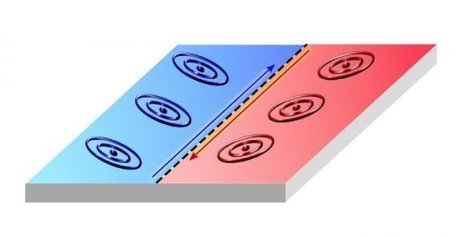
Scientist have found they can turn on and off the flow of current in a bismuth crystal subjected to a high magnetic field, making a new type of controllable quantum wire. Princeton researchers have demonstrated a new way of making controllable "quantum wires" in the presence of a magnetic field, according to a new study published in Nature. The researchers detected channels of conducting electrons that form between two quantum states on the surface of a bismuth crystal subjected to a high magnetic field. These two states consist of electrons moving in elliptical orbits with different orientations. To the team's surprise, they found that the current flow in these channels can be turned on and off, making these channels a new type of controllable quantum wire. "These channels are remarkable because they spontaneously form at the boundaries between different quantum states in which electrons collectively align their elliptical orbits," said Ali Yazdani, the Class of 1909 Professor of Physics and director of the Princeton Center for Complex Materials, who headed the research. "It is exciting to see how the interaction between electrons in the channels strongly dictates whether or not they can conduct." The researchers used a scanning tunneling microscope -- a device capable of imaging individual atoms and mapping the motion of electrons on a material's surface -- to visualize electron behaviors on the surface of a crystal made of pure bismuth. With this instrument, the team directly imaged the electrons' motions in the presence of a magnetic field thousands of times larger that of a refrigerator magnet. The application of the large magnetic field forces electrons to move in elliptical orbits, instead of the more typical flow of electrons parallel to the direction of an electric field. The team found that the conducting channels form at the boundary, which they call a valley-polarized domain wall, between two regions on the crystal where the electron orbits switch orientations abruptly. Mallika Randeria, a graduate student in the Department of Physics, who carried out the experiments, said: "We find that there are two-lane and four-lane channels in which the electrons can flow, depending on the precise value of the magnetic field." She and her colleagues observed that when electrons are tuned to move in a four-lane channel, they get stuck, but they can flow unimpeded when they are confined to only a two-lane channel.
|
|
Scooped by
Dr. Stefan Gruenwald
February 12, 2019 11:08 PM
|
A recent study used machine learning technology to analyze eight leading models of human origins and evolution, and the program identified evidence in the human genome of a “ghost population” of human ancestors. The analysis suggests that a previously unknown and long-extinct group of hominins interbred with Homo sapiens in Asia and Oceania somewhere along the long, winding road of human evolutionary history, leaving behind only fragmented traces in modern human DNA. The study, published in Nature Communications, is one of the first examples of how machine learning can help reveal clues to our own origins. By poring through vast amounts of genomic data left behind in fossilized bones and comparing it with DNA in modern humans, scientists can begin to fill in some of the gaps of our species’ evolutionary history. In this case, the results seem to match paleoanthropology theories that were developed from studying human ancestor fossils found in the ground. The new data suggest that the mysterious hominin was likely descended from an admixture of Neanderthals and Denisovans (who were only identified as a unique species on the human family tree in 2010). Such a species in our evolutionary past would look a lot like the fossil of a 90,000-year-old teenage girl from Siberia's Denisova cave. Her remains were described last summer as the only known example of a first-generation hybrid between the two species, with a Neanderthal mother and a Denisovan father. “It's exactly the kind of individual we expect to find at the origin of this population, however this should not be just a single individual but a whole population,” says study co-author Jaume Bertranpetit, an evolutionary biologist at Barcelona's Pompeu Fabra University.
|
|
Scooped by
Dr. Stefan Gruenwald
February 12, 2019 11:00 PM
|
Since, in 1995 the first extrasolar planet was discovered almost 4,000 planets have been found around the nearest stars. This allows us to study a large variety of configurations for these planetary systems. The evolution of the planets orbiting other stars can be affected, mainly, by two phenomena: the evaporation of the upper layers of the planet due to the effect of the X-rays and ultraviolet emitted by the central star, and by the impacts of other celestial bodies of the size of a planet. The former effect has been observed a number of times in extrasolar systems, but until now there have been no proof of the existence of major impacts, as has apparently occurred in the Kepler 107 system. The central star, Kepler 107, is a bit bigger than the Sun, and has four planets rotating around it; it was the two innermost planets which drew the interest of the astrophysicists. Using data from NASA's Kepler satellite and from the National Galileo Telescope (TNG) at the Roque de los Muchachos Observatory (Garafía, La Palma, Canary Islands), the team determined the parameters of the star, and measured the radii and masses of these planets. Although the innermost two have similar radii their masses are very different. In fact the second is three times denser than the first. The extraordinarily high density of the planet Kepler 107c is more than double that of the Earth. This exceptional density for a planet has intrigued researchers, and suggests that its metallic core, its densest part, is anomalously big for a planet. This would be still considered normal if it were not for the prediction that photo-evaporation causes the densest planet in a system to be the nearest to its star. To explain how it is possible that, in this case, the nearest has only half the density of the second, the hypothesis was proposed that the planet Kepler 107c was formed as the result of a major impact. This impact must have ripped away its outer layers, thus leaving the central core as a much bigger fraction than before. After tests carried out via simulations, this hypothesis seems to be the most likely. This study will allow us to better understand the formation and evolution of exoplanets. Specifically it picks out the importance of the relationship between stellar physics and exoplanetary research. "We need to know the star to better understand the planets which are in orbit around it" says Savita Mathur, a researcher at the IAC in Tenerife, and one of the authors of the article. "In this study we made a seismic analysis to estimate the parameters of the star which hosts the planet. Asteroseismology is playing a key role in the field of the exoplanets, because it has been shown that it is one of the best methods for a precise characterization of the stars." That is why during the past decade it has become one of the main methods for characterizing stars, and it will remain so in the coming years, thanks to the space missions for discovering exoplanets: TESS (NASA) and PLATO (ESA).
Why your brain is like an ant colony: they both get wiser and more stable by using collective memory for learning. Like a brain, an ant colony operates without central control. Each is a set of interacting individuals, either neurons or ants, using simple chemical interactions that in the aggregate generate their behaviour. People use their brains to remember. Can ant colonies do that? This question leads to another question: what is memory? For people, memory is the capacity to recall something that happened in the past. We also ask computers to reproduce past actions – the blending of the idea of the computer as brain and brain as computer has led us to take ‘memory’ to mean something like the information stored on a hard drive. We know that our memory relies on changes in how much a set of linked neurons stimulate each other; that it is reinforced somehow during sleep; and that recent and long-term memory involve different circuits of connected neurons. But there is much we still don’t know about how those neural events come together, whether there are stored representations that we use to talk about something that happened in the past, or how we can keep performing a previously learned task such as reading or riding a bicycle. Any living being can exhibit the simplest form of memory, a change due to past events. Look at a tree that has lost a branch. It remembers by how it grows around the wound, leaving traces in the pattern of the bark and the shape of the tree. You might be able to describe the last time you had the flu, or you might not. Either way, in some sense your body ‘remembers’, because some of your cells now have different antibodies, molecular receptors, which fit that particular virus. Past events can alter the behavior of both individual ants and ant colonies. Individual carpenter ants offered a sugar treat remembered its location for a few minutes; they were likely to return to where the food had been. Another species, the Sahara Desert ant, meanders around the barren desert, searching for food. It appears that an ant of this species can remember how far it walked, or how many steps it took, since the last time it was at the nest. A red wood ant colony remembers its trail system leading to the same trees, year after year, although no single ant does. In the forests of Europe, they forage in high trees to feed on the excretions of aphids that in turn feed on the tree. Their nests are enormous mounds of pine needles situated in the same place for decades, occupied by many generations of colonies. Each ant tends to take the same trail day after day to the same tree. During the long winter, the ants huddle together under the snow. The Finnish myrmecologist Rainer Rosengren showed that when the ants emerge in the spring, an older ant goes out with a young one along the older ant’s habitual trail. The older ant dies and the younger ant adopts that trail as its own, thus leading the colony to remember, or reproduce, the previous year’s trails.
Via june holley
|
|
Scooped by
Dr. Stefan Gruenwald
February 11, 2019 11:06 AM
|
A new study has revealed how a group of deep-sea microbes provides clues to the evolution of life on Earth, according to a recent paper in The ISME Journal. Researchers used cutting-edge molecular methods to study these microbes, which thrive in the hot, oxygen-free fluids that flow through Earth’s crust. Called Hydrothermarchaeota, this group of microbes lives in such an extreme environment that they have never been cultivated in a laboratory for study. A research team from Bigelow Laboratory for Ocean Sciences, the University of Hawai‘i at Mānoa, and the Department of Energy Joint Genome Institute bypassed the problem of cultivation with genetic sequencing methods called genomics, a suite of novel techniques used to sequence large groups of genetic information. They found that Hydrothermarchaeota may obtain energy by processing carbon monoxide and sulfate, which is an overlooked metabolic strategy. The microbes use energy from this process to grow as a form of chemosynthesis. "The majority of life on Earth is microbial, and most microbes have never been cultivated," said Beth Orcutt, a senior research scientist at Bigelow Laboratory and one of the study’s senior authors. "These findings emphasize why single cell genomics are such important tools for discovering how a huge proportion of life functions." Analyzing Hydrothermarchaeota genomes revealed that these microbes belong to the group of single-celled life known as archaea and evolved early in the history of life on Earth – as did their unusual metabolic processes. These observations suggest that the subsurface ocean crust is an important habitat for understanding how life evolved on Earth, and potentially other planets.
|
|
Scooped by
Dr. Stefan Gruenwald
February 10, 2019 12:36 PM
|
Advance marks critical step toward brain-computer interfaces that hold immense promise for those with limited or no ability to speak. In a scientific first, Columbia neuroengineers have created a system that translates thought into intelligible, recognizable speech. By monitoring someone's brain activity, the technology can reconstruct the words a person hears with unprecedented clarity. This breakthrough, which harnesses the power of speech synthesizers and artificial intelligence, could lead to new ways for computers to communicate directly with the brain. It also lays the groundwork for helping people who cannot speak, such as those living with as amyotrophic lateral sclerosis (ALS) or recovering from stroke, regain their ability to communicate with the outside world. These findings were published today in Scientific Reports. "Our voices help connect us to our friends, family and the world around us, which is why losing the power of one's voice due to injury or disease is so devastating," said Nima Mesgarani, PhD, the paper's senior author and a principal investigator at Columbia University's Mortimer B. Zuckerman Mind Brain Behavior Institute. "With today's study, we have a potential way to restore that power. We've shown that, with the right technology, these people's thoughts could be decoded and understood by any listener." Decades of research has shown that when people speak -- or even imagine speaking -- telltale patterns of activity appear in their brain. Distinct (but recognizable) pattern of signals also emerge when we listen to someone speak, or imagine listening. Experts, trying to record and decode these patterns, see a future in which thoughts need not remain hidden inside the brain -- but instead could be translated into verbal speech at will. But accomplishing this feat has proven challenging. Early efforts to decode brain signals by Dr. Mesgarani and others focused on simple computer models that analyzed spectrograms, which are visual representations of sound frequencies. But because this approach has failed to produce anything resembling intelligible speech, Dr. Mesgarani's team turned instead to a vocoder, a computer algorithm that can synthesize speech after being trained on recordings of people talking. "This is the same technology used by Amazon Echo and Apple Siri to give verbal responses to our questions," said Dr. Mesgarani, who is also an associate professor of electrical engineering at Columbia's Fu Foundation School of Engineering and Applied Science.
|
|
Scooped by
Dr. Stefan Gruenwald
February 9, 2019 11:50 PM
|
Computational method helps scientists examine microbes at a larger, more comprehensive scale than previously possible. During the Zika virus outbreak of 2015–16, public health officials scrambled to contain the epidemic and curb the pathogen’s devastating effects on pregnant women. At the same time, scientists around the globe tried to understand the genetics of this mysterious virus. The problem was, there just aren’t many Zika virus particles in the blood of a sick patient. Looking for it in clinical samples can be like fishing for a minnow in an ocean. A new computational method developed by Broad Institute scientists helps overcome this hurdle. Built in the lab of Broad Institute researcher Pardis Sabeti, the “CATCH” method can be used to design molecular “baits” for any virus known to infect humans and all their known strains, including those that are present in low abundance in clinical samples, such as Zika. The approach can help small sequencing centers around the globe conduct disease surveillance more efficiently and cost-effectively, which can provide crucial information for controlling outbreaks. The new study was led by MIT graduate student Hayden Metsky and postdoctoral researcher Katie Siddle, and it appears online in Nature Biotechnology.
|
|
Scooped by
Dr. Stefan Gruenwald
February 9, 2019 11:32 PM
|
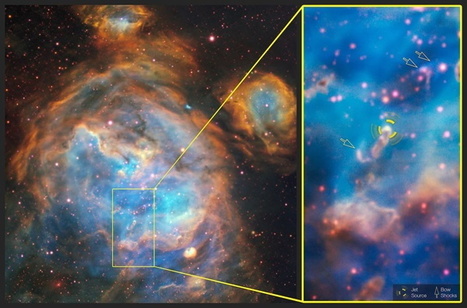
Found within a star-forming region in the Large Magellanic Cloud, the new observation marks the first time the jet of a young and massive extragalactic star has been captured in visible light. The Large Magellanic Cloud (LMC) is one of the most beautiful cosmic sights that a southern observer can take in with their naked eye. At just over 150,000 light-years from Earth, this large(ish) satellite galaxy of the Milky Way is roughly 14,000 light-years wide and bursting with newly formed stars.
Recently, astronomers homed in on a particularly fertile region of the LMC named LHA 120-N 180B — informally known as N180 B. This nebula, which serves as a sort of stellar nursery, is chock full of ionized hydrogen, or H II. By studying such a glowing glob of gas, not only do astronomers gain insight into what's going on in the area, it also makes for a particularly stunning image, like the one seen above. The newly discovered jet, known as HH 1177, is seen here bursting from its source — a young, massive star within a star-forming region of the Large Magellanic Cloud. But deep inside N180 B hides a smaller yet equally breathtaking sight. Using the Multi Unit Spectroscopic Explorer (MUSE) instrument on the ESO's Very Large Telescope, researchers probed the nebula N180 B and spotted a fledgling star firing a huge jet into space. The jet of this young star — which is about 12 times the mass of the Sun — is nearly 33 light-years long, making it one of the longest such jets observed to date. Furthermore, this is the first time astronomers have used visible light to spot such a jet around a newly formed star — at least in a galaxy other than the Milky Way. According to a press release from the ESO, such jets are typically found bursting from stellar accretion disks, which are chaotically swirling whirlpools of hot gas and dust that surround many young stars. By analyzing the jet, dubbed HH 1177, astronomers recognized that it's extremely narrow, or collimated, much like a laser beam. Though such narrow jets have commonly been observed around low-mass baby stars, very few have been found around young, high-mass stars (greater than eight solar masses) — though they have seen them before. However, by finding this rare example of a high-mass infant star shooting a powerful jet from its accretion disk, astronomers have collected yet another piece of evidence that suggests little stars are not the only ones that throw tantrums in their early years.
|
|
Scooped by
Dr. Stefan Gruenwald
February 9, 2019 11:23 PM
|
New research shows that a tiny, unsuspecting species of fish can pass a test that’s widely considered the gold standard of intelligence. As far as we can tell, only a few of the most intelligent non-human animals pass this mirror self-recognition test: great apes (gorillas, chimpanzees, bonobos, and orangutans), bottlenose dolphins, and Asian elephants, and a handful of others. In light of the unexpected new findings, some researchers are arguing it’s time for scientists to rethink how they test animal intelligence. Researchers observed the cleaner wrasse trying to clean marks off itself and exhibiting signs of self-recognition while looking in a mirror. In doing so, the fish appears to pass the test for "mirror self-recognition," a test that has long been considered a hallmark of self-awareness in animals. When researchers uncovered mirrors in the fishes’ tanks, seven out of 10 of the fish in the study attacked it, meaning they probably viewed their reflections as rivals. But over the course of a week, they attacked the mirror less and less often and eventually stopped almost entirely. As this behavior died down, another took its place: The wrasses began swimming upside-down, which has never been observed before in either solo wrasses or groups. The fish, it seemed, were inspecting their reflections in a new way. Things got even more interesting when the researchers put a mark on the fishes’ throats that they could only see in the mirror. Rather than biting at the reflection, as a cleaner wrasse would when cleaning another fish (a move that would mean the fish failed the test), the fish appeared to try to scrape the mark off themselves by diving to the bottom of the tank and scraping their own throats on the aquarium pebbles. When the researchers used a transparent mark, or removed the mirror, the first didn’t seem to notice it, suggesting that seeing the mark in the mirror was the cue that led the fish to try to clean themselves.
|
|
Scooped by
Dr. Stefan Gruenwald
February 9, 2019 11:11 PM
|
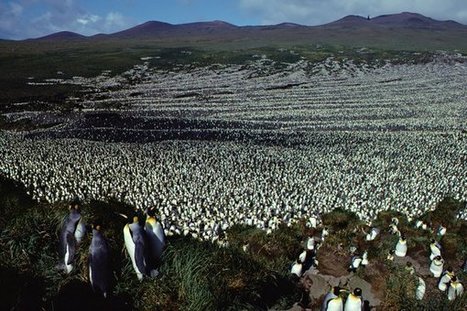
For thousands of years, penguins have darted through the waters of the southern oceans, chasing fish and surfacing to nest on islands and landmasses sprinkled from the Galápagos to the Antarctic. Today there are around 20 penguin species, ranging from the playful Adelie to the stately Emperor. But there once were other penguins, including a previously unknown subspecies of dwarf yellow-eyed penguin in New Zealand. You won’t be seeing it any time soon. It’s extinct, apparently wiped out by humans hundreds of years ago. “We suspect that these Megadyptes penguins were on their way to becoming a full new species,” said Theresa Cole, a graduate student at University of Otago in New Zealand and co-author of a paper about this bird and another newly discovered extinct subspecies of crested penguin. “But they just didn’t get a chance, because people ate them.”
|