Your new post is loading...

|
Scooped by
Dr. Stefan Gruenwald
May 13, 2019 1:55 PM
|
A spectrograph is an instrument that separates light into its various wavelengths, and a newly built one in Chile will serve as the most powerful planet-hunting tool ever used. The Echelle SPectrograph for Rocky Exoplanet and Stable Spectroscopic Observations (ESPRESSO) is a massive device connected to the European Southern Observatory’s Very Large Telescope in Chile. Based on the light the instrument detects, researchers can determine the radial velocity of stars in far-off areas of the galaxy. They can then look for variations in this speed that would be caused by planets. “You imagine that you have a star which is low in the universe, so it’s traveling by its own. So it will travel with a constant speed,” Francesco Pepe, principal investigator on the project,told CBC News. “If there is a planet around this star, then by gravitational pull, the heavier the planet and the closer to the star, the easier it is that it will produce a larger gravitational pull, so the signal will be bigger.” ESPRESSO is hunting, specifically, for potentially habitable planets. So far, it has found dozens of rocky planets similar to Earth during its “maiden voyage,” but the planet-hunting tool still needs to undergo an extensive calibration phase to ensure everything is working as planned. Different Approaches Both ESPRESSO and the forthcoming James Webb Space Telescope (JWST) will scour the far reaches of space for habitable planets, but each has distinct advantages and disadvantages as a planet-hunting tool. ESPRESSO has the advantage of being located on Earth, so anything that might go wrong with the instrument can more easily be fixed. However, that advantage comes at a cost — because it is terrestrial, the instrument has a much more difficult time seeing past Earth’s atmosphere.
|
|
Scooped by
Dr. Stefan Gruenwald
May 13, 2019 11:55 AM
|
The fund-raising event for the Metropolitan Museum of Art in New York is famous for the impressive, wild, and avant-garde looks worn by some of the biggest celebrities. This year, five of the outfits flaunted massive 3D-printed components, all created by designer Zac Posen in collaboration with GE Additive and Protolabs. The four gowns and one headdress, worn by the likes of Jourdan Dunn and Katie Holmes, took six months to put together. Each of the women wearing the 3D-printed outfits was scanned in advance to ensure that the pieces could be modeled with design software to perfectly fit her body. The pieces were primarily created using stereolithography (SLA) to get the high-quality finishes Posen was seeking. This method of 3D printing uses an ultraviolet laser to slowly cure a pool of resin. One layer at a time, the laser fires into the resin in a pattern dictated by a computer in which the 3D model has been loaded. The result is a hardened, smooth sculpture that is then painted or polished. The most intensive look, modeled after rose petals and worn by British model Jourdan Dunn, took more than 1,100 hours to create. “We never intended for these parts to be easy, and we wanted to push the limit a bit,” says Eric Utley, an applications engineer at Protolabs.
|
|
Scooped by
Dr. Stefan Gruenwald
May 13, 2019 11:50 AM
|
At a major AI research conference, one researcher laid out how existing AI techniques might be used to analyze causal relationships in data. The AI research community has gathered recently in New Orleans for the International Conference on Learning Representations (ICLR, pronounced “eye-clear”), one of its major annual conferences. There are over 3,000 attendees and 1,500 paper submissions, making it one of the most important forums for exchanging new ideas within the field. This year, 2019, the talks and accepted papers are heavily focused on tackling four major challenges in deep learning: fairness, security, generalizability, and causality. If you’ve been following along with MIT Technology Review’s coverage, you’ll recognize the first three. We’ve talked about how machine-learning algorithms in their current state are biased, susceptible to adversarial attacks, and incredibly limited in their ability to generalize the patterns they find in a training data set for multiple applications. Now the research community is busy trying to make the technology sophisticated enough to mitigate these weaknesses. What we haven’t talked about much is the final challenge: causality. This is something researchers have puzzled over for some time. Machine learning is great at finding correlations in data, but can it ever figure out causation? Such an achievement would be a huge milestone: if algorithms could help us shed light on the causes and effects of different phenomena in complex systems, they would deepen our understanding of the world and unlock more powerful tools to influence it.
|
|
Scooped by
Dr. Stefan Gruenwald
May 10, 2019 3:43 AM
|
Researchers have discovered that the solutions to a famous mathematical function called the Riemann zeta function correspond to the solutions of another, different kind of function that may make it easier to solve one of the biggest problems in mathematics: the Riemann hypothesis. If the results can be rigorously verified, then it would finally prove the Riemann hypothesis, which is worth a $1,000,000 Millennium Prize from the Clay Mathematics Institute. While the Riemann hypothesis dates back to 1859, for the past 100 years or so mathematicians have been trying to find an operator function like the one discovered here, as it is considered a key step in the proof. "To our knowledge, this is the first time that an explicit—and perhaps surprisingly relatively simple—operator has been identified whose eigenvalues ['solutions' in matrix terminology] correspond exactly to the nontrivial zeros of the Riemann zeta function," Dorje Brody, a mathematical physicist at Brunel University London and coauthor of the new study, told Phys.org. What still remains to be proven is the second key step: that all of the eigenvalues are real numbers rather than imaginary ones. If future work can prove this, then it would finally prove the Riemann hypothesis.
|
|
Scooped by
Dr. Stefan Gruenwald
May 7, 2019 4:21 PM
|
Nanoparticles (NPs) are a promising platform for drug delivery to treat a variety of diseases including cancer, cardiovascular disease and inflammation. Yet the efficiency of NP transfer to the diseased tissue of interest is limited due to an assortment of physiological barriers. One significant hurdle is the transport of NPs to precisely reach the target tissue of interest. In a recent study, S. Schuerle and a team of interdisciplinary researchers at the departments of Translational Medicine, Biophysics, Engineering Robotics, Nanomedicine and Electronics, in Switzerland, the U.K. and the U.S. developed two distinct microrobot-based micro-propellers to address the challenge. They used rotating magnetic fields (RMFs) to power the devices and create local fluid convection to overcome the diffusion-limited transport of nanoparticles. During the first experimental approach, they used a single synthetic magnetic microrobot as an artificial bacterial flagellum (ABF) and then used swarms of a naturally occurring magnetotactic bacteria (MTB) to create a "living ferrofluid" by exploiting the ferrohydrodynamics. Using both approaches the scientists enhanced the transport of NPs in a microfluidic model of blood extravasation (movement of a drug from blood vessels to the external tissue) and tissue penetration in microchannels surrounded by a collagen matrix to create a biomimetic tissue-vessel interface in the lab. The results of the study are now published in Science Advances. Nanoparticles (NPs) are increasingly popular in nanomedicine due to biomedical research potential as carriers in drug deliverythat surpass the limits of conventional medicine. While NPs are designed to alter the pharmacokinetics and biodistribution of existing drugs, they are impeded by physiological barriers, which prevent successful accumulation at the sites of disease, limiting their therapeutic effects in vivo. During cancer therapy, for instance, drug carriers encounter abnormal vessels that surround the tumor architecture for ineffective intravenous drug release.
|
|
Scooped by
Dr. Stefan Gruenwald
May 7, 2019 4:09 PM
|
A Northwestern University team investigated a set of spherical nucleic acids (SNAs) for their potential to stimulate cancer-quelling immune responses. After comparing a series of compositionally identical yet structurally different vaccines by testing them on multiple animal models, the researchers found the structure of SNAs in one vaccine dramatically outperformed the others, which ranged from ineffective to nearly curative. Vaccines with the superior structure completely eliminated tumors in 30% of animals and improved their overall survival from cancer. The vaccine also protected the animals from reemerging tumors. "This observation shows the importance of chemical structure and three-dimensional presentation of active components in the design of vaccines,” said Northwestern’s Chad A. Mirkin, who co-led the study. “This information will help us rationally design SNA vaccines that can raise the strongest possible anti-cancer immune responses. Having a clear design strategy also will accelerate the development of vaccines for many types of cancer and potentially other diseases.” The study will be published in the Proceedings of the National Academy of Sciences ("Rational vaccinology with spherical nucleic acids").
|
|
Scooped by
Dr. Stefan Gruenwald
April 30, 2019 10:43 AM
|
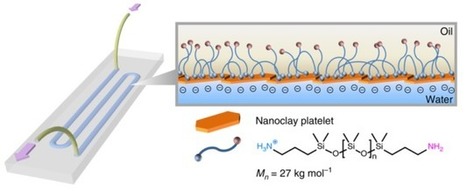
Researchers at Berkeley Lab have 3D-printed an all-liquid "lab on a chip" that can make battery materials or screen drug candidates. Researchers at DOE's Lawrence Berkeley National Laboratory (Berkeley Lab) have 3D-printed an all-liquid device that, with the click of a button, can be repeatedly reconfigured on demand to serve a wide range of applications -- from making battery materials to screening drug candidates. "What we demonstrated is remarkable. Our 3D-printed device can be programmed to carry out multistep, complex chemical reactions on demand," said Brett Helms, a staff scientist in Berkeley Lab's Materials Sciences Division and Molecular Foundry, who led the study. "What's even more amazing is that this versatile platform can be reconfigured to efficiently and precisely combine molecules to form very specific products, such as organic battery materials." The study's findings, which were reported in the journal Nature Communications, is the latest in a series of experiments at Berkeley Lab that fabricate all-liquid materials with a 3D printer. Last year, a study co-authored by Helms and Thomas Russell, a visiting researcher from the University of Massachusetts at Amherst who leads the Adaptive Interfacial Assemblies Toward Structured Liquids Program in Berkeley Lab's Materials Sciences Division, pioneered a new technique for printing various liquid structures -- from droplets to swirling threads of liquid -- within another liquid. "After that successful demonstration, a bunch of us got together to brainstorm on how we could use liquid printing to fabricate a functioning device," said Helms. "Then it occurred to us: If we can print liquids in defined channels and flow contents through them without destroying them, then we could make useful fluidic devices for a wide range of applications, from new types of miniaturized chemical laboratories to even batteries and electronic devices." To make the 3D-printable fluidic device, lead author Wenqian Feng, a postdoctoral researcher in Berkeley Lab's Materials Sciences Division, designed a specially patterned glass substrate. When two liquids -- one containing nanoscale clay particles, another containing polymer particles -- are printed onto the substrate, they come together at the interface of the two liquids and within milliseconds form a very thin channel or tube about 1 millimeter in diameter. Once the channels are formed, catalysts can be placed in different channels of the device. The user can then 3D-print bridges between channels, connecting them so that a chemical flowing through them encounters catalysts in a specific order, setting off a cascade of chemical reactions to make specific chemical compounds. And when controlled by a computer, this complex process can be automated "to execute tasks associated with catalyst placement, build liquid bridges within the device, and run reaction sequences needed to make molecules," said Russell.
|
|
Scooped by
Dr. Stefan Gruenwald
April 30, 2019 10:38 AM
|
Research has shown that people who are born blind or become blind early in life often have a more nuanced sense of hearing, especially when it comes to musical abilities and tracking moving objects in space (imagine crossing a busy road using sound alone). For decades scientists have wondered what changes in the brain might underlie these enhanced auditory abilities. Now, a pair of research papers published the week of April 22 from the University of Washington -- one in the Journal of Neuroscience, the other in the Proceedings of the National Academy of Sciences -- use functional MRI to identify two differences in the brains of blind individuals that might be responsible for their abilities to make better use of auditory information. "There's this idea that blind people are good at auditory tasks, because they have to make their way in the world without visual information. We wanted to explore how this happens in the brain," said Ione Fine, a UW professor of psychology and the senior author on both studies. Instead of simply looking to see which parts of the brain were most active while listening, both studies examined the sensitivity of the brain to subtle differences in auditory frequency. "We weren't measuring how rapidly neurons fire, but rather how accurately populations of neurons represent information about sound," said Kelly Chang, a graduate student in the UW Department of Psychology and lead author on the Journal of Neuroscience paper. That study found that in the auditory cortex, individuals who are blind showed narrower neural "tuning" than sighted subjects in discerning small differences in sound frequency. "This is the first study to show that blindness results in plasticity in the auditory cortex. This is important because this is an area of the brain that receives very similar auditory information in blind and sighted individuals," Fine said. "But in blind individuals, more information needs to be extracted from sound -- and this region seems to develop enhanced capacities as a result. "This provides an elegant example of how the development of abilities within infant brains is influenced by the environment they grow up in."
|
|
Scooped by
Dr. Stefan Gruenwald
April 30, 2019 10:34 AM
|
Scientists have invented a new “synthetic antibody” that could make screening for diseases easier and less expensive than current go-to methods. Writing in the journal Nano Letters, a team led by Markita Landry of Berkeley Lab and UC Berkeley describes how peptoids – synthetically produced molecules, first created by Ron Zuckermann at Berkeley Lab’s Molecular Foundry, that are similar to protein-building peptides – and tiny cylinders of carbon atoms known as single-walled carbon nanotubes (SWNTs) can be combined to selectively bind a target protein. The resulting nanoparticle assembly fluoresces under near-infrared fluorescence microscopy, thus allowing for target protein quantification just like a biologically derived antibody. The researchers demonstrated that their peptoid-SWNT assemblies remain stably bound to their target when tested in samples with a wide range of pH, salt concentrations, and temperatures; and when exposed to various protein-digesting enzymes – conditions no conventional antibodies could be expected to function in. “This new platform encourages us to look to synthetic chemistry and nanomaterials science to create molecules that bind biological markers for diseases like cancer or viral infections,” said Landry. “The stability of purely synthetic recognition elements could facilitate easier disease diagnosis. They could also have safety applications by detecting hazardous chemicals in water or food.”
|
|
Scooped by
Dr. Stefan Gruenwald
April 30, 2019 12:31 AM
|
Scientists on NASA’s Juno mission have observed massive amounts of energy swirling over Jupiter’s polar regions that contribute to the giant planet’s powerful auroras – only not in ways the researchers expected.
Examining data collected by the ultraviolet spectrograph and energetic-particle detector instruments aboard the Jupiter-orbiting Juno spacecraft, a team led by Barry Mauk of the Johns Hopkins University Applied Physics Laboratory, Laurel, Maryland, observed signatures of powerful electric potentials, aligned with Jupiter’s magnetic field, that accelerate electrons toward the Jovian atmosphere at energies up to 400,000 electron volts. This is 10 to 30 times higher than the largest auroral potentials observed at Earth, where only several thousands of volts are typically needed to generate the most intense auroras -- known as discrete auroras -- the dazzling, twisting, snake-like northern and southern lights seen in places like Alaska and Canada, Northern Europe, and many other northern and southern polar regions.
Jupiter has the most powerful auroras in the solar system, so the team was not surprised that electric potentials play a role in their generation. What’s puzzling the researchers, Mauk said, is that despite the magnitudes of these potentials at Jupiter, they are observed only sometimes and are not the source of the most intense auroras, as they are at Earth.
“At Jupiter, the brightest auroras are caused by some kind of turbulent acceleration process that we do not understand very well,” said Mauk, who leads the investigation team for the APL-built Jupiter Energetic Particle Detector Instrument (JEDI). “There are hints in our latest data indicating that as the power density of the auroral generation becomes stronger and stronger, the process becomes unstable and a new acceleration process takes over. But we’ll have to keep looking at the data.”
Scientists consider Jupiter to be a physics lab of sorts for worlds beyond our solar system, saying the ability of Jupiter to accelerate charged particles to immense energies has implications for how more distant astrophysical systems accelerate particles. But what they learn about the forces driving Jupiter’s auroras and shaping its space weather environment also has practical implications in our own planetary backyard.
“The highest energies that we are observing within Jupiter’s auroral regions are formidable. These energetic particles that create the auroras are part of the story in understanding Jupiter’s radiation belts, which pose such a challenge to Juno and to upcoming spacecraft missions to Jupiter under development,” said Mauk. “Engineering around the debilitating effects of radiation has always been a challenge to spacecraft engineers for missions at Earth and elsewhere in the solar system. What we learn here, and from spacecraft like NASA’s Van Allen Probes and Magnetospheric Multiscale mission (MMS) that are exploring Earth’s magnetosphere, will teach us a lot about space weather and protecting spacecraft and astronauts in harsh space environments. Comparing the processes at Jupiter and Earth is incredibly valuable in testing our ideas of how planetary physics works.”
|
|
Scooped by
Dr. Stefan Gruenwald
April 29, 2019 10:11 PM
|
After drawing both praise and skepticism, the team of astronomers who discovered NGC 1052-DF2 – the very first known galaxy to contain little to no dark matter – are back with stronger evidence about its bizarre nature. Dark matter is a mysterious, invisible substance that typically dominates the makeup of galaxies; finding an object that’s missing dark matter is unprecedented, and came as a complete surprise. “If there’s one object, you always have a little voice in the back of your mind saying, ‘but what if you’re wrong?’ Even though we did all the checks we could think of, we were worried that nature had thrown us for a loop and had conspired to make something look really special whereas it was really something more mundane,” said team leader Pieter van Dokkum, Sol Goldman Family Professor of Astronomy at Yale University. Now, van Dokkum’s team has not one, but two, new studies supporting their initial observations, demonstrating that dark matter is in fact separable from galaxies. “The fact that we’re seeing something that’s just completely new is what’s so fascinating,” said Danieli, who first spotted the galaxy about two years ago. “No one knew that such galaxies existed, and the best thing in the world for an astronomy student is to discover an object, whether it’s a planet, a star, or a galaxy, that no one knew about or even thought about.” In the first study, the team confirmed their initial observations of NGC 1052-DF2, or DF2 for short, which show dark matter is practically absent in the galaxy. Using W. M. Keck Observatory’s Keck Cosmic Web Imager (KCWI), they gathered more precise measurements and found that the globular clusters inside the galaxy are indeed moving at a speed consistent with the mass of the galaxy’s normal matter. If there were dark matter in DF2, the clusters would be moving much faster. “KCWI is unique because of the combination of its large survey area,” said lead author Danieli. “The instrument not only allows us to see the whole galaxy at once, its high spectral resolution also enables us to measure the mass accurately. There is no other instrument in the world that has those two properties!” In the second study, the team used Keck Observatory’s Low Resolution Imaging Spectrometer (LRIS) to find another galaxy devoid of dark matter, named NGC 1052-DF4, or DF4 for short. “Discovering a second galaxy with very little to no dark matter is just as exciting as the initial discovery of DF2,” said van Dokkum, who is the lead author on the DF4 paper. “This means the chances of finding more of these galaxies are now higher than we previously thought. Since we have no good ideas for how these galaxies were formed, I hope these discoveries will encourage more scientists to work on this puzzle.” The team’s results are published in The Astrophysical Journal Letters; the first study appears in today’s issue, while the second study appears in the March 20th issue.
|
|
Scooped by
Dr. Stefan Gruenwald
April 26, 2019 9:29 PM
|
That Tesla Roadster? It's actually a stealth space library launched to space aboard the Falcon Heavy rocket thanks to a tweet sent to Elon Musk. Humanity's first-ever permanent space library was effectively founded this week, as the three books of Isaac Asimov's Foundation Trilogy blasted into the solar system. The novels weren't really expected to make it to space. They weren't deliberately chosen. But they will probably be out there for millions of years, zipping around the sun, moving out past Mars 20 times faster than a bullet — and they almost certainly won't be the last. Another reason you might have missed the news is because the library's curator — an entrepreneur with a fitting space name, Nova Spivack — wasn't allowed to send out so much as a press release in advance of the launch, despite it being a triumph for his young knowledge-preserving nonprofit, the Arch Mission Foundation. "We agreed to secrecy," Spivack tells Mashable, before thanking SpaceX, and its CEO Elon Musk, for letting him speak out post-launch about his part in what he calls "the most epic brilliant piece of performance art in world history." An improbable library Not only is this a milestone in the history of human literature — the story of how they got there is fascinating, improbable, and proves the worth of sending Elon Musk a tweet. It's also fantastically ironic, given that Asimov's classic Foundation Trilogy is about a super-planned, millennium-long scheme to save the galaxy, that there was absolutely no plan or intention to launch the books into space, at least at first. "We really just did it as a test," Spivack says of creating the disk. "If we'd known it would go to space, we would have put more stuff on it."
|
|
Scooped by
Dr. Stefan Gruenwald
April 25, 2019 5:14 PM
|
The XENON1T detector is mainly used to detect dark matter particles deep underground. But a research team led by Zurich physicists, among others, has now managed to observe an extremely rare process using the detector – the decay of the Xenon-124 atom, which has an enormously long half-life of 1.8 x 10 to the power of 22 years. The rarest decay process ever measured Until now, researchers using this detector have not yet observed any dark matter particles, but they have now managed to observe the decay of the Xenon-124 atom for the first time. The half-life time measured – i.e. the time span after which half of the radioactive atoms originally present in a sample have decayed away – is over a trillion times longer than the age of the universe, which is almost 14 billion years old. The observed process is therefore the rarest process in the universe ever to be directly seen happening in a detector. “The fact that we managed to directly observe this process demonstrates how powerful our detection method actually is – also for rare physical phenomena which are not from dark matter,” says Professor Laura Baudis, astroparticle physicist at the University of Zurich, who is one of the leading scientists on the XENON1T experiment. A phenomenon that is hard to demonstrate The observed process is called a double electron capture: The atomic nucleus of Xenon-124 consists of 54 positively charged protons and 70 neutral neutrons, which are surrounded by several atomic shells occupied by negatively charged electrons. In double electron capture, two protons in the nucleus simultaneously “catch” two electrons from the innermost atomic shell, transform into two neutrons, and emit two neutrinos. As two electrons are then missing in the atomic shell, the other electrons reorganize themselves, with the energy released being carried away by X-rays. However, this is a very rare process which is usually hidden by signals from the omnipresent “normal” radioactivity – in the sealed-off environment of the underground laboratory, however, it has now been possible to observe the process. Around 1,500 meters deep in the Italian Gran Sasso mountains is the underground laboratory LNGS (Laboratori Nazionali del Gran Sasso), in which scientists search for dark matter particles in a lab sealed off from any radioactivity interference. Their tool is the XENON1T detector, the central part of which consists of a cylindrical tank of about one meter in length filled with 3,200 kilograms of liquid xenon at a temperature of -95 degrees Celsius. The XENON1T experiment With the XENON1T detector, physicists originally wanted to detect dark matter particles. Theoretical considerations predict that dark matter should very rarely “collide” with a xenon atom in the tank of the detector which is filled with liquid xenon. It thereby transfers energy to the atomic nucleus which subsequently excites other xenon atoms and causes them to emit light. These very faint signals of ultraviolet light and the minute amount of electrical charge which is released by the collision process are detected by means of sensitive light sensors. The detector was switched off for upgrading in 2018: The three times larger active detector mass along with further modifications will boost the new XENONnT detector’s sensitivity considerably. The XENON1T detector is an international project involving around 160 researchers. In Switzerland the experiment receives funding from the SNSF and the University of Zurich. International support comes from Germany, the USA, Italy, Israel, Portugal, France, Sweden, the Netherlands and from the European Union.
|
|
|
Scooped by
Dr. Stefan Gruenwald
May 13, 2019 1:50 PM
|
So far we’ve seen when you will die and how other people tend to die. Now let’s put the two together to see how and when you will die, given your sex, race, and age. The Underlying Cause of Death database is maintained by the Centers for Disease Control and Prevention. It provides data for the number of people who died in the United States between 1999 and 2014. The records are based on death certificates, which require an entry for a single cause of death. The CDC classifies the causes into 113 subcategories, which fit under the umbrella of 20 categories of disease and external causes. More specifically, the CDC uses the International Statistical Classification of Diseases and Related Health Problems (ICD), which is published by the World Health Organization. The simulation below covers the main categories, or chapters, as they’re referred to by the ICD. Enter your sex, race, and age. Each dot represents one of your simulated lives, and as each year passes, more of your simulated selves pass away. Color corresponds to cause of death, and the bars on the right keep track of the cumulative percentages. By the end, you’re left with the chances that you will die of each cause.
|
|
Scooped by
Dr. Stefan Gruenwald
May 13, 2019 11:53 AM
|
The chip on show at Amazon’s MARS event—alongside karate-chopping robots and Martian bases—is many times more efficient than conventional silicon chips. Newly designed chips, like the ones being developed in Sze’s lab, may be crucial to future progress in AI—including stuff like the drones and robots found at MARS. Until now, AI software has largely run on graphical chips, but new hardware could make AI algorithms more powerful, which would unlock new applications. New AI chips could make warehouse robots more common or let smartphones create photo-realistic augmented-reality scenery. Sze’s chips are both extremely efficient and flexible in their design, something that is crucial for a field that’s evolving incredibly quickly. The microchips are designed to squeeze more out of the “deep-learning” AI algorithms that have already turned the world upside down. And in the process, they may inspire those algorithms themselves to evolve. “We need new hardware because Moore’s law has slowed down,” Sze says, referring to the axiom coined by Intel cofounder Gordon Moore that predicted that the number of transistors on a chip will double roughly every 18 months—leading to a commensurate performance boost in computer power. This law is increasingly now running into the physical limits that come with engineering components at an atomic scale. And it is spurring new interest in alternative architectures and approaches to computing. The high stakes attached to investing in next-generation AI chips—and maintaining America’s dominance in chipmaking overall—aren’t lost on the US government. Sze’s microchips are being developed with funding from a Defense Advanced Research Projects Agency (DARPA) program meant to help develop new AI chip designs (see “The out-there AI ideas designed to keep the US ahead of China”). But innovation in chipmaking has been spurred mostly by the emergence of deep learning, a very powerful way for machines to learn to perform useful tasks. Instead of giving a computer a set of rules to follow, a machine basically programs itself. Training data is fed into a large, simulated artificial neural network, which is then tweaked so that it produces the desired result. With enough training, a deep-learning system can find subtle and abstract patterns in data. The technique is applied to an ever-growing array of practical tasks, from face recognition on smartphones to predicting disease from medical images. The new chip race Deep learning is not so reliant on Moore’s law. Neural nets run many mathematical computations in parallel, so they run far more effectively on the specialized video-game graphics chips that perform parallel computations for rendering 3-D imagery. But microchips designed specifically for the computations that underpin deep learning should be even more powerful. The potential for new chip architectures to improve AI has stirred up a level of entrepreneurial activity that the chip industry hasn’t seen in decades (see “The Race to Power AI’s Silicon Brains” and “China has never had a real chip industry. Making AI chips could change that”).
|
|
Scooped by
Dr. Stefan Gruenwald
May 10, 2019 4:28 AM
|
Scientists in Cambridge plan to set up a research centre to develop new ways to repair the Earth's climate. It will investigate radical approaches such as refreezing the Earth's poles and removing CO2 from the atmosphere. The center is being created because of fears that current approaches will not on their own stop dangerous and irreversible damage to the planet. The initiative is the first of its kind in the world and could lead to dramatic reductions in carbon emissions. The initiative is co-ordinated by the government's former chief scientific adviser, Prof Sir David King. "What we do over the next 10 years will determine the future of humanity for the next 10,000 years. There is no major center in the world that would be focused on this one big issue," he told BBC News. Some of the approaches described by Sir David are often known collectively as geoengineering. Dr Emily Shuckburgh, a climate scientist at Cambridge University, said the new center's mission would be to "solve the climate problem". "It has to be done. And we can't fail on it," she said. The Centre for Climate Repair is part of the university's Carbon Neutral Futures Initiative, led by Dr Shuckburgh. It will bring together scientists and engineers with social scientists. "This really is one of the most important challenges of our time, and we know we need to be responding to it with all our efforts," Dr Shuckburgh told BBC News.
|
|
Scooped by
Dr. Stefan Gruenwald
May 7, 2019 5:54 PM
|
What happens when an algorithm can ask neurons what they want to see? What specific features should visual neurons encode, given the infinity of real-world images and the limited number of neurons available to represent them? Neuroscientists now investigated neuronal selectivity in monkey inferotemporal cortex via the vast hypothesis space of a generative deep neural network, avoiding assumptions about features or semantic categories. A genetic algorithm searched this space for stimuli that maximized neuronal firing. This led to the evolution of rich synthetic images of objects with complex combinations of shapes, colors, and textures, sometimes resembling animals or familiar people, other times revealing novel patterns that did not map to any clear semantic category. These results expand our conception of the dictionary of features encoded in the cortex, and the approach can potentially reveal the internal representations of any system whose input can be captured by a generative model.
|
|
Scooped by
Dr. Stefan Gruenwald
May 7, 2019 4:13 PM
|
Florida is one of a few remaining strongholds for the smalltooth sawfish in the world, pictured here in Everglades National Park. A second species, the largetooth sawfish used to populate America’s coastline, but hasn’t been seen since 1961. All five species of sawfish are endangered.
|
|
Scooped by
Dr. Stefan Gruenwald
May 2, 2019 10:27 AM
|
Scientists find surprising way to affect information storage properties in metal alloy. Sometimes scientific discoveries can be found along well-trodden paths. That proved the case for a cobalt-iron alloy material commonly found in hard disk drives. As reported in a recent issue of Physical Review Letters, researchers from the U.S. Department of Energy's (DOE) Argonne National Laboratory, along with Oakland University in Michigan and Fudan University in China, have found a surprising quantum effect in this alloy. The effect involves the ability to control the direction of electron spin, and it could allow scientists to develop more powerful and energy-efficient materials for information storage. By changing the electron spin direction in a material, the researchers were able to alter its magnetic state. This greater control of magnetization allows more information to be stored and retrieved in a smaller space. Greater control could also yield additional applications, such as more energy-efficient electric motors, generators and magnetic bearings. The effect the researchers discovered has to do with "damping," in which the direction of electron spin controls how the material dissipates energy. "When you drive your car down a flat highway with no wind, the dissipating energy from drag is the same regardless of the direction you travel," said Argonne materials scientist Olle Heinonen, an author of the study. "With the effect we discovered, it's like your car experiences more drag if you're traveling north-south than if you're traveling east-west." "In technical terms, we discovered a sizable effect from magnetic damping in nanoscale layers of cobalt-iron alloy coated on one side of a magnesium oxide substrate," added Argonne materials scientist Axel Hoffmann, another author of the study. "By controlling the electron spin, magnetic damping dictates the rate of energy dissipation, controlling aspects of the magnetization."
|
|
Scooped by
Dr. Stefan Gruenwald
April 30, 2019 10:41 AM
|
For the first time, researchers at the Netherlands Institute for Neuroscience were able to test the theory of empathy in rats. Researchers have found that the rat brain activates the same cells when they observe the pain of others as when they experience pain themselves. In addition, without activity of these 'mirror neurons,' the animals no longer share the pain of others. Finding the neural basis for sharing the emotions of others is an exciting step towards understanding empathy. Why is it that we can get sad, when we see someone else crying? Why is it that we wince, when a friend cuts his finger? Researchers from the Netherlands Institute for Neuroscience have found that the rat brain activates the same cells when they observe the pain of others as when they experience pain themselves. In addition, without activity of these "mirror neurons," the animals no longer share the pain of others. As many psychiatric disorders are characterized by a lack of empathy, finding the neural basis for sharing the emotions of others, and being able to modify how much an animal shares the emotions of others, is an exciting step towards understanding empathy and these disorders. The findings will be published in the leading journal Current Biology on April 11th, 2019. Human neuroimaging studies have shown that when we experience pain ourselves, we activate a region of the brain called "the cingulate cortex." When we see someone else in pain, we reactivate the same region. On the basis of this, researchers formulated two speculations: (a) the cingulate cortex contains mirror neurons, i.e. neurons that trigger our own feeling of pain and are reactivated when we see the pain of others, and (b) that this is the reason why we wince and feel pain while seeing the pain of others. This intuitively plausible theory of empathy however remained untested because it is not possible to record the activity of individual brain cells in humans. Moreover, it is not possible to modulate brain activity in the human cingulate cortex to determine whether this brain region is responsible for empathy.
|
|
Scooped by
Dr. Stefan Gruenwald
April 30, 2019 10:36 AM
|
A simple injection that can help regrow damaged tissue has long been the dream of physicians and patients alike. A new study from researchers at UBC Okanagan moves that dream closer to reality with a device that makes encapsulating cells much faster, cheaper and more effective. "The idea of injecting different kinds of tissue cells is not a new one," says Keekyoung Kim, assistant professor of engineering at UBC Okanagan and study co-author. "It's an enticing concept because by introducing cells into damaged tissue, we can supercharge the body's own processes to regrow and repair an injury." Kim says everything from broken bones to torn ligaments could benefit from this kind of approach and suggests even whole organs could be repaired as the technology improves. The problem, he says, is that cells on their own are delicate and tend not to survive when injected directly into the body. "It turns out that to ensure cell survival, they need to be encased in a coating that protects them from physical damage and from the body's own immune system," says Mohamed Gamal, doctoral student in biomedical engineering and study lead author. "But it has been extremely difficult to do that kind of cell encapsulation, which has until now been done in a very costly, time consuming and wasteful process." Kim and Gamal have solved that problem by developing an automated encapsulation device that encases many cells in a microgel using a specialized blue laser and purifies them to produce a clean useable sample in just a few minutes. The advantage of their system is that over 85 per cent of the cells survive and the process can be easily scaled up. "Research in this area has been hampered by the cost and lack of availability of mass-produced cell encapsulated microgels," says Kim. "We've solved that problem and our system could provide thousands or even tens of thousands of cell-encapsulated microgels rapidly, supercharging this field of bioengineering." In addition to developing a system that's quick and efficient, Gamal says the equipment is made up of readily available and inexpensive components. "Any lab doing this kind of work could set up a similar system anywhere from a few hundred to a couple of thousand dollars, which is pretty affordable for lab equipment," says Gamal.
|
|
Scooped by
Dr. Stefan Gruenwald
April 30, 2019 10:28 AM
|
A swarm of microrobots, directed by magnets, can break apart and remove dental biofilm, or plaque, from a tooth, thanks to a partnership led by Dental Medicine’s Hyun (Michel) Koo and Engineering’s Edward Steager. A visit to the dentist typically involves time-consuming and sometimes unpleasant scraping with mechanical tools to remove plaque from teeth. What if, instead, a dentist could deploy a small army of tiny robots to precisely and non-invasively remove that buildup? A team of engineers, dentists, and biologists from the University of Pennsylvania developed a microscopic robotic cleaning crew. With two types of robotic systems -- one designed to work on surfaces and the other to operate inside confined spaces -- the scientists showed that robots with catalytic activity could ably destroy biofilms, sticky amalgamations of bacteria enmeshed in a protective scaffolding. Such robotic biofilm-removal systems could be valuable in a wide range of potential applications, from keeping water pipes and catheters clean to reducing the risk of tooth decay, endodontic infections, and implant contamination. The work, published in Science Robotics, was led by Hyun (Michel) Koo of the School of Dental Medicine and Edward Steager of the School of Engineering and Applied Science. "This was a truly synergistic and multidisciplinary interaction," says Koo. "We're leveraging the expertise of microbiologists and clinician-scientists as well as engineers to design the best microbial eradication system possible. This is important to other biomedical fields facing drug-resistant biofilms as we approach a post-antibiotic era." "Treating biofilms that occur on teeth requires a great deal of manual labor, both on the part of the consumer and the professional," adds Steager. "We hope to improve treatment options as well as reduce the difficulty of care." Biofilms can arise on biological surfaces, such as on a tooth or in a joint or on objects, like water pipes, implants, or catheters. Wherever biofilms form, they are notoriously difficult to remove, as the sticky matrix that holds the bacteria provides protection from antimicrobial agents. In previous work, Koo and colleagues have made headway at breaking down the biofilm matrix with a variety of outside-the-box methods. One strategy has been to employ iron-oxide-containing nanoparticles that work catalytically, activating hydrogen peroxide to release free radicals that can kill bacteria and destroy biofilms in a targeted fashion.
|
|
Scooped by
Dr. Stefan Gruenwald
April 29, 2019 10:13 PM
|
The largest bacteriophages ever found in humans target bacteria found primarily in people who eat non-Western, hunter-gatherer diets. These “megaphages” — which have genomes about 10 times larger than the average phage and twice as big as any phage previously found in humans — were found in the human intestinal tract, but only from humans who eat a non-Western, high-fiber, low-fat diet. Tellingly, they were also found in the guts of baboons and a pig, demonstrating that phages — which can carry genes that affect human health — can move between humans and animals and perhaps carry disease. “Phage are well-known to carry genes that cause disease and genes that code for antibiotic resistance,” said Jill Banfield, who leads the Innovative Genomics Institute’s microbiology initiative and is a UC Berkeley professor of earth and planetary science and of environmental science, policy and management. “The movement of megaphages along with the movement of their host bacteria raises the possibility that disease also can move between animals and humans, and that the capacity for this is much larger with megaphage.” And because most biologists do not consider viruses to be “living,” the fact that megaphages are bigger than lifeforms like bacteria blurs the distinction between what is alive and what isn’t. “These huge entities fill the gap between what we think of as non-life and life, and in a sense, we have mostly missed them,” Banfield said. Banfield and her colleagues reported their findings online Jan. 28 in the journal Nature Microbiology. Banfield is a pioneer of metagenomic sequencing, that is, simultaneously sequencing all the genes from a soup of all the organisms in a community. She and her colleagues then reconstruct the genomes of each creature in the community, often turning up microbes never before seen. By exploring microbial communities in mine runoff, geysers, the human intestinal tract and deep underground, she has discovered so many new microbes through metagenomic sequencing that the tree of life has had to be redesigned to accommodate them all.
|
|
Scooped by
Dr. Stefan Gruenwald
April 27, 2019 1:07 AM
|
Can you remember what you did yesterday? If not, you might want to take a lesson from Nasa poissoniana, a star-shaped flowering plant from the Peruvian Andes with an unusual skill set. These plants can gymnastically wave around their stamens — the organs they use for fertilization — to maximize the distribution of their pollen. More surprisingly, a study published last month in Plant Signaling and Behavior suggests that individual plants can adjust the timing of these movements based on their previous experiences with pollinators. In other words, they remember the past, and try to repeat it. The discovery joins others recently painting an ever-broader picture of what plants can sense, learn and do. The study, although small and preliminary, “presents a promising and intriguing new system to study plant memory,” said Peter Crisp, a plant geneticist at the University of Minnesota who was not involved. Nasa poissoniana belongs to a subfamily of plants called Loasoideae. They’re known for their polychrome blooms, as well as for the “really painful” stinging hairs on their stems, says Tilo Henning, one of the study’s lead authors.
|
|
Scooped by
Dr. Stefan Gruenwald
April 25, 2019 5:31 PM
|
AI-powered video technology is becoming ubiquitous, tracking our faces and bodies through stores, offices, and public spaces. In some countries the technology constitutes a powerful new layer of policing and government surveillance. Fortunately, as some researchers from the Belgian university KU Leuven have just shown, you can often hide from an AI video system with the aid of a simple color printout. Who said that? The researchers showed that the image they designed can hide a whole person from an AI-powered computer-vision system. They demonstrated it on a popular open-source object recognition system called YoLo(v2). Hide and seek: The trick could conceivably let crooks hide from security cameras, or offer dissidents a way to dodge government scrutiny. “What our work proves is that it is possible to bypass camera surveillance systems using adversarial patches,” says Wiebe Van Ranst, one of the authors. Get lost: Van Ranst says it shouldn’t be too hard to adapt the approach to off-the-shelf video surveillance systems. “At the moment we also need to know which detector is in use. What we’d like to do in the future is generate a patch that works on multiple detectors at the same time,” he told MIT Technology Review. “If this works, chances are high that the patch will also work on the detector that is in use in the surveillance system.” Fool’s errand: The deception demonstrated by the Belgian team exploits what’s known as adversarial machine learning. Most computer vision relies on training a (convolutional) neural network to recognize different things by feeding it examples and tweaking its parameters until it classifies objects correctly. By feeding examples into a trained deep neural net and monitoring the output, it is possible to infer what types of images confuse or fool the system. Eyes everywhere: The work is significant because AI is increasingly found in everyday surveillance cameras and software. It’s even being used to obviate the need for a checkout line in some experimental stores, including ones operated by Amazon. And in China the technology is emerging as a powerful new means of catching criminals as well as, more troublingly, tracking certain ethnic groups.
|