Your new post is loading...

|
Scooped by
Dr. Stefan Gruenwald
August 30, 2019 12:37 PM
|
The most precise clock ever flown in space may not inspire thrills, but it could be the key to safely sending people to Mars. NASA has activated its Deep Space Atomic Clock currently in orbit around the Earth. The next generation tool could be critical for helping future astronauts safely navigate to Mars and beyond. Atomic clocks are extremely valuable for accurately measuring the time it takes for a radio signal to travel between two points, which helps us measure distance. For space travel, the loss of even a fraction of a second means the difference between getting to your destination and missing it by thousands of miles. But most atomic clocks are ill-equipped for space travel: they’re too big to send into space (think refrigerator-sized contraptions), and fluctuations in temperature and other environmental conditions can severely distort the behavior of the clock’s neutrally-charged atoms. NASA’s Deep Space Atomic Clock, launched into orbit in June by SpaceX’s third Falcon Heavy mission, is 50 times more stable than even the more accurate navigation clocks currently in use. It should lose no more than one second every 10 million years. To boot, the clock is remarkably easy to fly into space, weighing just 39 pounds and measuring less than a foot in length. If the year-long testing goes well, NASA and other spaceflight institutions will basically have a new standard for navigating spacecraft to distant worlds. The implications mean getting astronauts to Mars more safely and confidently, but also extend to future missions exploring worlds both within and outside the solar system.
|
|
Scooped by
Dr. Stefan Gruenwald
August 29, 2019 10:26 PM
|
Lab-made quakes suggested that we should see hints of activity before a big event, but this pattern has been elusive in nature—until now. For decades, scientists have searched for clues that would signal an impending earthquake. Teams have analyzed electromagnetic activity, weather patterns, and more only to scratch them off the list as potential harbingers of rocky destruction. The only possible precursors that stood out were foreshocks, the tiny temblors that can occur before a larger main event. In lab experiments, foreshocks have been observed leading up to almost all simulated earthquakes. But this pattern has been missing in real earthquake data, vexing seismologists. Now, though, a high-resolution catalog of millions of earthquakes in Southern California may have cracked the mystery. In a recent study in Geophysical Research Letters, scientists examined a massive dataset of the region’s big and small rumbles, and they report a distinct increase in seismic activity in the weeks and days leading up to the majority of earthquakes. The findings not only reconcile laboratory studies with real-world quakes, they also build confidence in the idea that foreshocks could one day be used as early warning signs, inching us closer to improving earthquake forecasts down the road. “It’s very much a first step and big leap forward in improving our understanding of earthquake processes,” says Wendy Bohon, a geologist at the Incorporated Research Institutions for Seismology who was not a part of the study.
|
|
Scooped by
Dr. Stefan Gruenwald
August 27, 2019 4:10 PM
|
By creating millions of virtual universes and comparing them to observations of actual galaxies, a UA-led research team has made discoveries that present a powerful new approach for studying galaxy formation. A University of Arizona-led team of scientists generated millions of different universes on a supercomputer, each of which obeyed different physical theories for how galaxies should form. How do galaxies such as our Milky Way come into existence? How do they grow and change over time? The science behind galaxy formation has remained a puzzle for decades, but a University of Arizona-led team of scientists is one step closer to finding answers thanks to supercomputer simulations.
Observing real galaxies in space can only provide snapshots in time, so researchers who want to study how galaxies evolve over billions of years have to revert to computer simulations. Traditionally, astronomers have used this approach to invent and test new theories of galaxy formation, one-by-one. Peter Behroozi, an assistant professor at the UA Steward Observatory, and his team overcame this hurdle by generating millions of different universes on a supercomputer, each of which obeyed different physical theories for how galaxies should form.
The findings, published in the Monthly Notices of the Royal Astronomical Society, challenge fundamental ideas about the role dark matter plays in galaxy formation, how galaxies evolve over time and how they give birth to stars.
"On the computer, we can create many different universes and compare them to the actual one, and that lets us infer which rules lead to the one we see," said Behroozi, the study's lead author.
The study is the first to create self-consistent universes that are such exact replicas of the real one: computer simulations that each represent a sizeable chunk of the actual cosmos, containing 12 million galaxies and spanning the time from 400 million years after the Big Bang to the present day.
Each "Ex-Machina" universe was put through a series of tests to evaluate how similar galaxies appeared in the generated universe compared to the true universe. The universes most similar to our own all had similar underlying physical rules, demonstrating a powerful new approach for studying galaxy formation.
The results from the "UniverseMachine," as the authors call their approach, have helped resolve the long-standing paradox of why galaxies cease to form new stars even when they retain plenty of hydrogen gas, the raw material from which stars are forged.
|
|
Scooped by
Dr. Stefan Gruenwald
August 27, 2019 4:04 PM
|
Using Giant Meterwave Radio Telescope (GMRT), astronomers have observed the magnetar XTE J1810−197 after its recent radio outburst to investigate its emission. Results of the study, presented in a paper published August 12, offer more insights into the nature of this magnetar. Magnetars are neutron stars with extremely strong magnetic fields, more than quadrillion times stronger than magnetic field of Earth. Decay of magnetic fields in magnetars powers the emission of high-energy electromagnetic radiation, for instance, in the form of X-rays orradio waves. With a spin period of around 5.54 seconds and magnetic field strength at a level of 2 trillion G, XTE J1810−197 (also known as PSR J1809−1943) was detected as the first of only four known magnetars to emit radio pulsations. In 2003, an X-ray outburst from XTE J1810−197 was observed, while one year later, radio emission from this source was discovered. Afterward, the object showcased highly variable pulsed radio emission until late 2008, when it entered a radio-quiet state. XTE J1810−197 reactivated on December 8, 2018, when a bright pulsed radio signal at 1.52 GHz was detected from this source. Shortly after the second radio outburst, a team of astronomers led by Yogesh Maan of the Netherlands Institute for Radio Astronomy in Dwingeloo, the Netherlands, commenced an observational campaign of XTE J1810−197 with GMRT in order to uncover the properties of the radio emission from this magnetar. "We have presented the spiky emission properties of the magnetar XTE J1810−197 as well as its flux density evolution and low-frequency spectrum in the early phases of the recent outburst (December 2018)," the astronomers wrote in the paper.
|
|
Scooped by
Dr. Stefan Gruenwald
August 20, 2019 9:10 PM
|
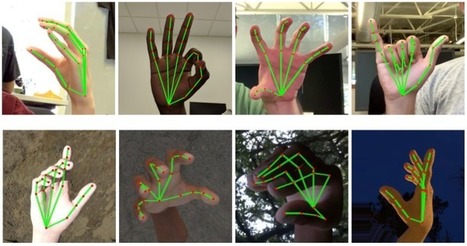
Millions of people communicate using sign language, but so far projects to capture its complex gestures and translate them to verbal speech have had limited success. A new advance in real-time hand tracking from Google’s AI labs,however, could be the breakthrough some have been waiting for. The new technique uses a few clever shortcuts and, of course, the increasing general efficiency of machine learning systems to produce, in real time, a highly accurate map of the hand and all its fingers, using nothing but a smartphone and its camera. “Whereas current state-of-the-art approaches rely primarily on powerful desktop environments for inference, our method achieves real-time performance on a mobile phone, and even scales to multiple hands,” write Google researchers Valentin Bazarevsky and Fan Zhang in a blog post. “Robust real-time hand perception is a decidedly challenging computer vision task, as hands often occlude themselves or each other (e.g. finger/palm occlusions and hand shakes) and lack high contrast patterns.” Not only that, but hand movements are often quick, subtle or both — not necessarily the kind of thing that computers are good at catching in real time. Basically it’s just super hard to do right, and doing it right is hard to do fast. Even with multi-camera, depth-sensing rigs like those used by SignAll have trouble tracking every movement. But that isn’t stopping them.
|
|
Scooped by
Dr. Stefan Gruenwald
August 19, 2019 12:44 PM
|
Tensor networks take a central role in quantum physics as they can provide an efficient approximation to specific classes of quantum states. The associated graphical language can also easily describe and pictorially reason about quantum circuits, channels, protocols and open systems. In a recent study, A. Jahn and a research team in the departments of complex quantum systems, materials and energy and mathematics and computer science in Germany introduced a versatile and efficient framework to study tensor networks by extending previous tools. The researchers used bulk tiling (computing geometric technique) in their work to obtain highly accurate critical data and established a link between holographic quantum error-correcting codes and tensor networks. They expect the work to stimulate further investigations of tensor network models to capture bulk-boundary correspondences. The results are now published onScience Advances. The AdS/CFT correspondence, which stands for anti-de Sitter/conformal field theory correspondence, is one of the largest areas of research in string theory, and is an example in the context of bulk-boundary dualities in which a holographic duality exists between gravity in a bulk space and a critical quantum field on its boundary. This correspondence that relates two very different theories was originally formulated by physicist Juan M. Maldacena in 1997, and is considered a significantly important result in string theory within the last 20 years. A key feature of these dualities is the relationship between bulk geometry and boundary entanglement entropies, which physicists had previously illuminated using the Ryu-Takayanagi formula. Since it is important to understand entanglement in the context of AdS/CFT, researchers realized the necessity of tensor networks as an ideal framework to construct holographic toy models, such as the multiscale entanglement renormalization ansatz simulation (MERA). Physicists had previously explored the realization that quantum error correction could be facilitated by a holographic duality, which further connected to ideas from quantum information theory. Although researchers did successfully construct several tensor network models to reproduce a variety of aspects on AdS/CFT, they still lacked a general understanding of the features and limits of tensor network holography. Specific obstacles to the process include the potentially large parameter spaces of tensor networks and the considerable computational costs involved.
|
|
Scooped by
Dr. Stefan Gruenwald
August 16, 2019 2:07 PM
|
Deep learning has had enormous success on perceptual tasks but still struggles in providing a model for inference. To address this gap, we have been developing networks that support memory, attention, composition, and reasoning. Our MACnet and NSM designs provide a strong prior for explicitly iterative reasoning, enabling them to learn explainable, structured reasoning, as well as achieve good generalization from a modest amount of data. The Neural State Machine (NSM) design also emphasizes the use of a more symbolic form of internal computation, represented as attention over symbols, which have distributed representations. Such designs impose structural priors on the operation of networks and encourage certain kinds of modularity and generalization. We demonstrate the models’ strength, robustness, and data efficiency on the CLEVR dataset for visual reasoning (Johnson et al. 2016), VQA-CP, which emphasizes disentanglement (Agrawal et al. 2018), and our own GQA (Hudson and Manning 2019). Joint work with Drew Hudson.
|
|
Scooped by
Dr. Stefan Gruenwald
August 16, 2019 1:42 PM
|
Stem cells balance cellular fates through asymmetric and symmetric divisions in order to self-renew or to generate downstream progenitors. Symmetric commitment divisions in stem cells are required for rapid regeneration during tissue damage and stress. The control of symmetric commitment remains poorly defined. Using single-cell RNA sequencing (scRNA-seq) in combination with transcriptomic profiling of HSPCs (hematopoietic stem and progenitor cells) from control and m6A methyltransferase Mettl3 conditional knockout mice, researchers now found that m6A-deficient hematopoietic stem cells (HSCs) fail to symmetrically differentiate. Dividing HSCs are expanded and are blocked in an intermediate state that molecularly and functionally resembles multipotent progenitors. Mechanistically, RNA methylation controls Myc mRNA abundance in differentiating HSCs. Scientists now identified MYC as a marker for HSC asymmetric and symmetric commitment. Overall, these results indicate that RNA methylation controls symmetric commitment and cell identity of HSCs and may provide a general mechanism for how stem cells regulate differentiation fate choice.
|
|
Scooped by
Dr. Stefan Gruenwald
August 16, 2019 1:03 PM
|
As climate change ramps into high gear, global temperature records are being smashed left and right. July was the hottest month ever recorded on Earth. That's the word from the National Oceanic and Atmospheric Administration (NOAA), which tallied up global land and sea temperature recordings from 2019's seventh month and compared them to its 140-year data set, stretching back to 1880. The global average temperature for the month was 1.71 degrees Fahrenheit (0.95 degrees Celsius) above the 20th century average of 60.4 F (15.8 C). It was 0.05 F (0.03 C) warmer than the previous record, set in July 2016. This new global heat record shouldn't be too surprising to anyone who read the news last month. A punishing heat wave swept across Europe and then settled over Greenland, where it triggered hundreds of billions of tons of ice melt. Sea ice in both the Arctic and Antarctic regions reached 41-year lows as well, according to NOAA. The most unusual average temperatures took place in Alaska, western Canada and central Russia, where temperatures were at least 3.6 F (2 C) warmer than average, according to NOAA. January to July 2019 on land was the third warmest such period on record, NOAA reported, with global temperatures reaching 2.63 F (1.46 C) above average, behind only 2016 and 2017 marks. Sea temperatures during that period were the second highest ever, behind only 2016's. Meanwhile, global carbon emissions continue to hit new peaks, with 2018 having set a new record for total output. Another global temperature map shows that early the entire planet has been much warmer than average in 2019 so far (Image credit: NOAA). In 2018, the Intergovernmental Panel on Climate Change (IPCC), made up of scientists from all over the world, said that it's crucial to stop global temperatures from warming beyond 2.7 F (1.5 C) above average. "One of the key messages that comes out very strongly from this report is that we are already seeing the consequences of 1 C [1.8 F] of global warming through more extreme weather, rising sea levels and diminishing Arctic sea ice, among other changes," Panmao Zhai, co-chair of IPCC Working Group I, said at the time. To hold warming below that 2.7 F threshold, the IPCC said, will require "rapid, far-reaching and unprecedented changes in all aspects of society." Ongoing efforts to reduce carbon are good news, but they're not enough, the IPCC said.
|
|
Scooped by
Dr. Stefan Gruenwald
August 16, 2019 12:26 PM
|
When it comes to exoplanets, the search for water is paramount, thanks to its vital role in the evolution of life as we know it. However, finding the life-giving liquid on other worlds is an ongoing challenge.
For nearly a decade, scientists have probed the composition of planets as the worlds are shredded and consumed by white dwarf stars. Because heavy elements quickly sink below the hydrogen- and helium-rich stellar surface, any metals (all elements not hydrogen or helium) detected in the star must come from planetary debris falling into it. Thanks to this process, astronomers know more about the interiors of dead exoplanets than they do about Earth’s composition.
What, then, are scientists looking for? Water is the key ingredient for life on Earth. So, when we search for life on worlds in our solar system, water’s presence usually dictates our interest. It’s no surprise, then, that astronomers looking for potentially habitable worlds around other stars key in on the possibility of water.
Often, the search for exoplanets focuses on the habitable zone, the region around a star where water could stay liquid on a planet’s surface. Unfortunately, it will be a long time before any of our telescopes can resolve the surface of a world light-years away. Instruments like NASA’s Hubble Space Telescope probe other worlds, searching for signs of water in their atmospheres. But despite identifying thousands of planets and planet candidates beyond the solar system, scientists can glean only the thinnest of data about them.
Most of the identified planets were originally found and studied using the transit method, which examines how an object blocks light from the star. Unfortunately, this can provide only the size of the world. Others were found using the radial velocity method, which measures how much a planet tugs on its star, thus revealing its mass. If scientists follow up on a transiting world with a radial velocity measurement — and they have in many cases — then they can use the mass and size to calculate the planet’s average density, providing a rough estimate of its composition and perhaps a clue whether water is present.
|
|
Scooped by
Dr. Stefan Gruenwald
August 15, 2019 2:53 PM
|
Mathematical model suggests dark matter may have been produced before the big bang during cosmic inflation, when space was expanding rapidly Researchers believe dark matter makes up about 80% of the universe's mass, but its origins and composition remain among the most elusive mysteries in modern physics. A new Johns Hopkins University study suggests dark matter may have existed before the big bang. The study, published in Physical Review Letters, presents a new idea of how dark matter was created and how it might be identified during astronomical observations. "The study revealed a new connection between particle physics and astronomy," says Tommi Tenkanen, a postdoctoral fellow in JHU'sDepartment of Physics and Astronomy and the study's author. "If dark matter consists of new particles that were born before the big bang, they affect the way galaxies are distributed in the sky in a unique way. This connection may be used to reveal their identity and make conclusions about the times before the big bang, too." While not much is known about its origins, astronomers have shown that dark matter plays a crucial role in the formation of galaxies and galaxy clusters. Though not directly observable, scientists know dark matter exists by its gravitation effects on how visible matter moves and is distributed in space. For a long time, researchers believed that dark matter must be a byproduct of the big bang. Scientists have long sought this kind of dark matter, but so far all experimental searches have been unsuccessful. "If dark matter were truly a remnant of the big bang, then in many cases researchers should have seen a direct signal of dark matter in different particle physics experiments already," Tenkanen says. Using a new, simple mathematical framework, the study shows that dark matter may have been produced before the big bang during an era known as the cosmic inflation when space was expanding very rapidly. The rapid expansion is believed to lead to copious production of certain types of particles called scalars. So far, only one scalar particle has been discovered, the famous Higgs boson. "We do not know what dark matter is, but if it has anything to do with any scalar particles, it may be older than the big bang," Tenkanen explains. "With the proposed mathematical scenario, we don't have to assume new types of interactions between visible and dark matter beyond gravity, which we already know is there."
|
|
Scooped by
Dr. Stefan Gruenwald
August 15, 2019 2:47 PM
|
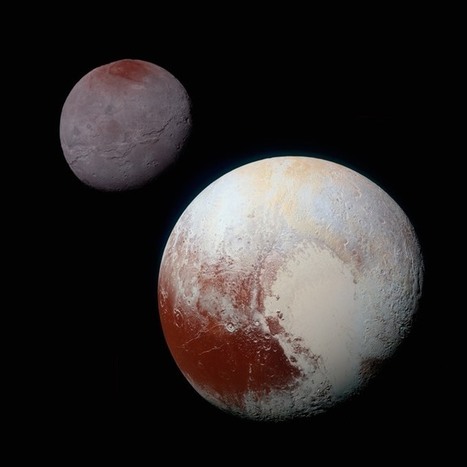
Several people and missions who paved the way for the historic exploration of Pluto and the Kuiper Belt — the farthest worlds ever explored — are honored in the second set of official Pluto feature names approved by the International Astronomical Union (IAU), the international authority for naming celestial bodies and their surface features. The new names were proposed by NASA’s New Horizons team, which carried out the first reconnaissance of Pluto and its moons with the New Horizons spacecraft in 2015. Along with a short list of official names the IAU had already approved, the mission science team had been using these and other place names informally to describe the many regions, mountain ranges, plains, valleys and craters discovered during the first close-up look at Pluto’s surface. The IAU approved the first set of 14 feature names for Pluto in 2017, as well as a set of names for Pluto’s largest moon, Charon, in 2018. The team gathered many of the naming ideas during an online campaign in 2015. The 14 newest Pluto feature names are listed alphabetically below. The names pay homage to underworld mythology, pioneering space missions that led to the capability to conduct New Horizons, historic pioneers who crossed new horizons in the exploration of Earth, and scientists and engineers associated with the study and exploration of Pluto and the Kuiper Belt. Alcyonia Lacus, a possible frozen nitrogen lake on Pluto’s surface, is named for the bottomless lake in or in the vicinity of Lerna, a region of Greece known for springs and swamps; the Alcyonian lake was one of the entrances to the underworld in Greek mythology. Elcano Montes is a mountain range honoring Juan Sebastián Elcano (1476 – 1526), the Spanish explorer who in 1522 completed the first circumnavigation of the Earth (a voyage started in 1519 by Magellan). Hunahpu Valles is a system of canyons named for one of the Hero Twins in Mayan mythology, who defeated the lords of the underworld in a ball game. Khare crater honors planetary scientist Bishun Khare (1933 – 2013), an expert on the chemistry of planetary atmospheres who did laboratory work leading to several seminal papers on tholins — the organic molecules that probably account for the darkest and reddest regions on Pluto. Kiladze crater honors Rolan Kiladze (1931 – 2010), the Georgian (Caucasus) astronomer who made pioneering early investigations the dynamics, astrometry and photometry of Pluto.
|
|
Scooped by
Dr. Stefan Gruenwald
August 15, 2019 2:41 PM
|
A colossal, head-on collision between Jupiter and a still-forming planet in the early solar system, about 4.5 billion years ago, could explain surprising readings from NASA's Juno spacecraft, according to a study this week in the journal Nature. Astronomers from Rice University and China’s Sun Yat-sen University say their head-on impact scenario can explain Juno’s previously puzzling gravitational readings, which suggest that Jupiter’s core is less dense and more extended that expected. “This is puzzling,” said Rice astronomer and study co-author Andrea Isella. “It suggests that something happened that stirred up the core, and that’s where the giant impact comes into play.” Isella said leading theories of planet formation suggest Jupiter began as a dense, rocky or icy planet that later gathered its thick atmosphere from the primordial disk of gas and dust that birthed our sun. Isella said he was skeptical when study lead author Shang-Fei Liu first suggested the idea that the data could be explained by a giant impact that stirred Jupiter’s core, mixing the dense contents of its core with less dense layers above. Liu, a former postdoctoral researcher in Isella’s group, is now a member of the faculty at Sun Yat-sen in Zhuhai, China. “It sounded very unlikely to me,” Isella recalled, “like a one-in-a-trillion probability. But Shang-Fei convinced me, by shear calculation, that this was not so improbable.” The research team ran thousands of computer simulations and found that a fast-growing Jupiter can have perturbed the orbits of nearby “planetary embryos,” protoplanets that were in the early stages of planet formation. Liu said the calculations included estimates of the probability of collisions under different scenarios and distribution of impact angles. In all cases, Liu and colleagues found there was at least a 40% chance that Jupiter would swallow a planetary embryo within its first few million years. In addition, Jupiter mass-produced “strong gravitational focusing” that made head-on collisions more common than grazing ones.
|
|
|
Scooped by
Dr. Stefan Gruenwald
August 30, 2019 12:05 AM
|
22 candidate GW events in the first 4 months of O3! LIGO is just four months into its third observing run (O3) and there’s already a lot to be excited about. O3 began on April 1st, 2019 with high expectations for detections thanks to a series of upgrades that were made to both instruments after LIGO’s second observing run ended on August 25th, 2017. Also joining O3 on April 1st was Virgo, the European-based gravitational-wave detector, located at the European Gravitational Observatory (EGO) in Italy, which almost doubled its sensitivity since its last run. This is the first LIGO run using ‘squeezed light’ – specially prepared photon states that use the Heisenberg uncertainty principle to reduce the noise at high frequencies. In addition, mirrors were upgraded, the main laser power was increased, and other changes were made to bring up the sensitivity. These improvements were expected to increase LIGO’s range by around 60%, enabling it to detect merging binary neutron stars (BNS) to a distance of 120-170 megaparsecs (Mpc), or 390-550 million light years. Binary black hole (BBH) mergers would be detectable at much greater distances because the waves they make are much higher in amplitude. At the outset of O3, LIGO Livingston had already surpassed the lower 120 Mpc benchmark, reaching 140 Mpc (450 million light years distant), where they have remained for most of the run so far. LIGO Hanford (LHO) has maintained a range of just under 120 Mpc. We believe we know why LHO is not as sensitive, and some changes to improve the sensitivity will be implemented in an upcoming commissioning break when LIGO will temporarily halt the observing run (from October 1 to 31, with the run resuming on November 1). Other more serious improvements will have to wait until O3 has ended in May 2020, but are in the queue. So how have these improvements impacted actual detections? Detection estimates calculated prior to O3 suggested that LIGO would detect at least a few BBH mergers per month, and possibly one BNS merger each month. At 18 weeks into O3, it seems that this estimate was pretty good. By July 31st, 2019, LIGO had sent out 25 alerts to possible detections, three have since been retracted, leaving us with 22 ‘candidate’ gravitational wave events. We call them “candidates” because we still need time to vet all of them. If all candidates are verified, then the number of detections made by LIGO in just the first third of O3 will double the number of detections made in its first two runs combined. See also: www.gwcat.cardiffgravity.org/skymaps
|
|
Scooped by
Dr. Stefan Gruenwald
August 27, 2019 4:14 PM
|
A man in Florida has lost 25% of his skin after developing a life-threatening infection with flesh-eating bacteria, according to news reports. The 50-year-old-man, David Ireland, first showed signs of illness on Aug. 16, when he developed flu-like symptoms, including aches and fever, according to Fox News. His symptoms quickly worsened, and by Aug. 20, he was in extreme pain and was rushed to the emergency room. "He was fine one minute and sick the next," Jody Ireland, David's wife, told Fox News. David Ireland was diagnoed with necrotizing fasciitis, more commonly known as "flesh-eating" bacteria, which can destroy skin and muscle tissue. He is now in critical condition and has undergone three surgeries that removed about 25% of his skin, from his ankle to his torso, according to Newsweek. Necrotizing fasciitis is a serious infection that spreads quickly in the body and can result in the loss of limbs and even death, according to the Centers for Disease Control and Prevention (CDC). Several types of bacteria can cause necrotizing fasciitis, but the most common cause is a bacterium called group A Streptococcus, or group A strep. It's this bacterium that's causing Ireland's infection, his family said. Most commonly, people get necrotizing fasciitis when the bacteria enter the body through breaks in the skin, including cuts, scrapes, burns and surgical wounds, the CDC said. In Ireland's case, the bacteria may have entered his body through an open wound on his leg, Fox News reported. He also has diabetes, which puts him at greater risk for developing this infection.
|
|
Scooped by
Dr. Stefan Gruenwald
August 27, 2019 4:07 PM
|
Scientists are using nanoparticle screening on personal care products and finding previously thought toxic chemicals may not be harmful. In a paper published in Biomicrofluidics researchers successfully used microchips to demonstrate titanium dioxide, a chemical found in most sunscreens, not only is nontoxic but also offers protection against ultraviolet damage to skin cells. Because of their miniscule size, nanoparticles of a material don't have the same physical, chemical, mechanical or optical properties as the same material would on a bigger scale. This means that something that might not be toxic on a bigger scale could be toxic on a smaller scale and vice versa. Author Craig Priest said a nanomaterial included in a personal care product may remain on the body for many hours and be exposed to air, moisture, light and heat along with sweat, oils and wax from the skin. This could either enhance or diminish toxicity. The authors chose to investigate UV radiation for its simplicity and for its potential for inclusion in a multiparameter study between nanoparticles and external stressors, such as sunlight. Previous nanotoxicity screening methods were laborious and time-consuming. Microfluidic devices present an optimistic future for nanoparticle analysis, offering reduced cost, small sample volumes, controllability and reproducibility. "Nanoparticles are found in many products and vary greatly. The exact size, shape, material and surface properties determine whether a particle is safe or harmful, but the vast number of property combinations means that screening is extremely difficult," Priest said. The scientists built upon previous research, which tested microfluidic screening processes for chemicals, such as potassium cyanide, cycloheximide and chemotherapy drugs. A major advantage of using microfluidic devices is their ability to carry out multiple tests using small sample volumes in a compact microchip format.
|
|
Scooped by
Dr. Stefan Gruenwald
August 27, 2019 4:01 PM
|
A cancer therapy invented at Rice University has crossed a milestone in clinical trials, a major development in a decades-long quest to develop a treatment that destroys tumors without the debilitating side effects of chemotherapy, invasive surgery and radiation. Thirteen of the first 15 prostate cancer patients treated in a clinical trial of the nanoparticle-based, focal therapy showed no detectable signs of cancer a year after treatment, according to a study published this week in the Proceedings of the National Academy of Sciences (PNAS). The paper presents the results from 16 patients who were treated at the Icahn School of Medicine at Mount Sinai in New York. It is believed to be the first published clinical study of a photothermal cancer therapy — one that uses illuminated nanoparticles to heat and destroy tumors — in a refereed scientific journal, said the study’s authors. In the study, 16 men ages 58 to 79 with low- to intermediate-risk localized prostate cancer agreed to participate in a trial of AuroLase Therapy, a focal ablation treatment that uses gold nanoparticles to heat and destroy tumors. Fifteen of the 16 patients underwent the two-day treatment, receiving an intravenous infusion of nanoparticles on day one and undergoing an image-guided ablation treatment on day two. All of the patients went home on the day of the treatment and returned for follow-up tests at three months, six months and one year after treatment. Of the 15 who completed treatment, only two showed detectable signs of cancer in follow-up biopsies and MRIs one year later. “Gold-silica nanoshell infusion allows for a focused therapy that treats the cancer while sparing the rest of the prostate, thus preserving a patient’s quality of life by reducing unwanted side effects, which could include erectile dysfunction and/or the leakage of urine,” said study lead author and trial principal investigator Dr. Ardeshir Rastinehad, associate professor of urology and radiology at the Icahn School of Medicine at Mount Sinai.
|
|
Scooped by
Dr. Stefan Gruenwald
August 19, 2019 1:06 PM
|
An international research team in which Uppsala University and the Swedish University of Agricultural Sciences (SLU) are participating has for the first time reconstructed the tree of life for all the world’s approximately 140 passerine families. The passerines include more than 6,000 species, making it the largest bird group by far. The family includes all small birds, such as chickadees, thrushes and finches as well as corvids. The study is based on a large amount of DNA data from one to four species per family and has used these DNA sequences in combination with fossil data to estimate the age of the different branches of the tree. The tree confirms many of the relationships between the families obtained in previous studies, but it also reveals a number of new forks in branches of the tree. One of the authors of the study is Professor Per Alström at the Department of Ecology and Genetics, Uppsala University, and the Swedish Species Information Centre, SLU. “One of the most enjoyable results for me personally is that there is now strong support for positioning the spotted wren-babbler as a ‘sister’ to several large families, such as thrushes, flycatchers, starlings and others. I was involved in ‘discovering’ the spotted wren-babbler’s unique status as a single species in a family a few years ago. Its lineage separated from its closest relatives about 25 million years ago, right after Asia was first colonised by passerines.” The research also shows that the passerines separated from their closest relatives, parrots, about 55 million years ago and that the three main branches of passerines (New Zealand wrens, only 2 species in New Zealand; the Tyranni clade, about 1,000 species, mainly in South America; and oscines, about 5,000 species all over the world) separated about 45 million years ago from a common origin in the Australia region. From there, they have colonised the world. The Tyranni probably spread in a first round via Asia to North America and from there to South America, and much later the oscines spread in several waves all over the world. It is hard to tell what factors affected the passerines evolution, but the results at least suggest that their divergence was not solely influenced by climate changes and colonisation of new lands. Three main groups of passerines, comprising approximately 56 per cent of all species, increased significantly in number in Australia, Africa and Eurasia beginning with the transition between the Oligocene and Miocene epochs about 23 million years ago. This could possibly be connected with the expansion of grassland and scrubland during the Miocene epoch, which may have offered new habitats in which species could evolve and have fragmented contiguous forest areas – two factors that could have favoured the evolution of new lineages. Oliveros et al. (2019) Earth history and the passerine superradiation, PNAS: http://www.pnas.org/cgi/doi/10.1073/pnas.1813206116
|
|
Scooped by
Dr. Stefan Gruenwald
August 19, 2019 12:42 PM
|
Friction results from a set of complex processes that act together to resist relative motion. Despite this complexity, friction is often described using simple phenomenological expressions that relate normal and lateral forces via the friction coefficient. The defined parameter encompasses multiple, sometimes competing effects. To better understand the origins of friction, Zhe Chen and an interdisciplinary team of researchers in the departments of chemical engineering, mechanical engineering and materials research studied a chemically and topographically well-defined interface between silica and graphite using a single-layer graphene step edge setup. The research team identified the separate contributions of physical and chemical processes to friction and showed that a single friction coefficientcould be separated into two terms corresponding to these effects. The results provided insight into the chemical and topographic origins of friction as an avenue of tuning surfaces by leveraging competing frictional processes. The findings are now published on Science Advances. Friction occurs at the interface between any two solid surfaces in contact and moving at different speeds or directions. Since friction can correspond to wasted energy, scientists use the parameter to determine the efficiency and useful lifetime of all moving systems from biological to the aeronautical. Frictional force (Ff) is often linearly proportional to the applied load (L) at the microscale and the proportionality of this relationship, known as the coefficient of friction (COF) is symbolized by µ and expressed as Amonton's Law. Adhesive forces (Fa) can become significant at the nanoscale to introduce an additional term for molecular mechanisms of tribology in thin films. While the expression is phenomenologically simple and has held value in experiments for decades, the actual mechanisms of determining the magnitude of the COF are very complicated. Physicists had previously proposed friction to have purely physical origins with related chemical processes to occur in sliding surfaces. But the interplay in the observed friction is thus far only poorly understood, since friction is typically associated with surface wear alone. In the present work, therefore, Chen et al. used a chemically and topographically well-defined interface to identify the contributions of physical and chemical processes to friction without accounting for surface wear to obtain fundamental insights into the origin of the frequently reported but poorly understood COF (coefficient of friction).
|
|
Scooped by
Dr. Stefan Gruenwald
August 16, 2019 1:57 PM
|
Immunotherapy can take a lot of forms, from checkpoint inhibitors to CAR-T therapy. One of the forerunners in cancer immunotherapy is known as a cancer vaccine. Most vaccines prevent against viral and bacterial infections. However, the broad definition of a vaccine is simply an agent that stimulates an immune response against a particular disease causing agent, including cancer cells. This is also why injecting patients with a bacteria can help shrink tumors; infections stimulate the immune system to be on high-alert for threats, and occasionally, the immune reaction to an infection will spread to recognize tumors and eradicate tumor cells. Essentially, Dr. Coley’s toxin injections acted as a rudimentary vaccine. One modern vaccine known to prevent cancer is Gardasil, which was approved in 2006, and protects against four strains of human papilloma virus that are responsible for the majority of cervical cancers. Similar to a traditional vaccine, Gardasil protects against a virus that is linked to cancer initiation. Most cancers are not linked to a viral infection, but that doesn’t necessarily mean we can’t use vaccinations to treat them. Researchers are currently working on developing vaccines to treat cancer after it has been established, rather than to prevent cancer. In order to make a vaccine, you have to have a small part of the disease causing agent (bacteria, traditionally, or tumors in a cancer vaccine) that the immune system will recognize, this is called an antigen. In cancer, these antigens arise from mutations in normal proteins, these new antigens are called neoantigens. However, every patient’s cancer has unique mutations, and even within a single patient cancer cells can have different mutations. Therefore, each patient has a unique set of neoantigens, so there will never be a “one size fits all” vaccine for cancer therapy. However, it may be possible to characterize individual tumors for mutations and develop personalized medicine, such as vaccines tailored to each patient. Recently, a pilot clinical study of 25 patients was conducted to test personalized cancer vaccines against ovarian cancer. This study focused on dendritic cells, which serve the purpose of presenting antigens to T cells, that attack diseased tissue. For this study, dendritic cells were harvested from patient’s blood and stimulated with mashed up tumor tissue in the laboratory. This tumor tissue contains the antigens that dendritic cells can use to teach T cells to recognize and kill tumors. This process allows the dendritic cells to take up and process neoantigens from the tumor tissue. The dendritic cells are then collected and injected back into the patient’s lymph nodes, the areas of the body where immune cells interact and coordinate a robust immune response. T cells travel from the lymph node in search of the antigens/mutations they’ve been trained to recognize and eliminate those threats. In most patients, this vaccine was combined with standard of care treatments: bevacizumab, a targeted therapy against growth factors that feed cancer, and cyclophosphamide, an immunosuppressive chemotherapy agent.
|
|
Scooped by
Dr. Stefan Gruenwald
August 16, 2019 1:40 PM
|
Professor Ian Stewart, a mathematician from the University of Warwick, is a self-confessed Star Wars enthusiast, but he does have one intergalactic-axe to grind. Here he explains – with maths – why one of the most iconic chases in space just couldn’t happen. In 1772 Joseph-Louis Lagrange proved that if a planet circles the Sun, a small body can stay at rest in their combined gravitational field in precisely five different places. Three of these ‘Lagrange points’ lie on the line joining planet and Sun. The other two are more interesting: they lie close to the planet’s orbit, 60 degrees ahead of it and 60 degrees behind it. It turns out that the asteroids know this, ands there are two ‘clumps’ around those points, further out than the main asteroid belt. Johann Palisa suggested naming these asteroids after participants in the Trojan war. Nearly all of the Greeks are 60 degrees ahead of Jupiter, and most Trojans are 60 degrees behind it. About 3,900 Greeks and 2,000 Trojans are known. Both of these Lagrange points are known as Trojan points — the Greeks don’t get any credit. Closely associated with Jupiter’s Trojans and Greeks is another fascinating family of asteroids, the Hildas. These orbit the Sun three times while Jupiter goes round twice, a 3:2 resonance. They circulate slowly relative to the Trojans and Jupiter along an equilateral triangle that rotates at the same rate as Jupiter. Their orbits suggest that Jupiter initially formed about 10 per cent further from the Sun than it is now, and then migrated inwards. The Hilda asteroids (adj. Hildian) are a dynamical group of more than 4000 asteroids located beyond the asteroid belt in a 3:2 orbital resonance with Jupiter.[1][2] The namesake is the asteroid 153 Hilda. Hildas move in their elliptical orbits so that their aphelia put them opposite Jupiter (at L3), or 60° ahead of or behind Jupiter at the L4 and L5 Lagrangian points.[3] Over three successive orbits each Hilda asteroid approaches all of these three points in sequence. A Hilda's orbit has a semi-major axisbetween 3.7 and 4.2 AU (the average over a long time span is 3.97), an eccentricity less than 0.3, and an inclination less than 20°.[4] Two collisional families exist within the Hilda group: the Hilda family and the Schubart family. The namesake for the latter family is 1911 Schubart.[5]
|
|
Scooped by
Dr. Stefan Gruenwald
August 16, 2019 12:35 PM
|
If lightning strikes near the North Pole, and no one is around to hear it, does it make a sound? Yes, because there’s a global array of sensors that’s always listening, pinpointing lightning strikes in time and space from as far away as 6,000 miles. Recently, the North Pole played host to a rare thunderstorm, an event that may become less rare as climate change ramps up. And it would have gone entirely unnoticed by faraway humans if it weren’t for the assistance of a company called Vaisala, which operates the sensor network and uses it to triangulate a lightning strike, feeding the data to outfits like the National Weather Service. “This is a relatively new system, and so our ability to detect lightning that far north has drastically improved over the last 5 to 10 years,” says Alex Young, a meteorologist with the National Weather Service in Fairbanks, Alaska. “As opposed to: who knows if an event like this happened 30 years ago?”
|
|
Scooped by
Dr. Stefan Gruenwald
August 16, 2019 12:06 PM
|
CRISPR-Cas is pretty popular with those wanting a relatively quick and easy way to delete, replace or modify single genes in cells. More recently, it’s been used to systematically increase or decrease the activity of individual genes. The problem, say Swiss researchers, is that it can only modify one gene at a time. Now, a team led by Randall Platt from ETH Zurich in Basel says it has raised the bar by developing and demonstrating in experiments a process that can modify 25 target sites within genes in a cell at once. "Our method enables us, for the first time, to systematically modify entire gene networks in a single step," Platt says. Moreover, he adds, it paves the way for complex, large-scale cell programming. The CRISPR-Cas method requires an enzyme known as a Cas and a small RNA molecule. Its sequence of nucleobases serves as an "address label", directing the enzyme with utmost precision to its designated site of action on the chromosomes. Platt and colleagues say they created a plasmid, or a circular DNA molecule, that stores the blueprint of the Cas enzyme and numerous RNA address molecules, arranged in sequences: in other words, a longer address list. In their experiments, they inserted this plasmid into human cells, demonstrating , they say, that several genes can be modified and regulated simultaneously. The findings are reported in the journal Nature Methods.
|
|
Scooped by
Dr. Stefan Gruenwald
August 15, 2019 2:51 PM
|
A previously unknown family of metabolites may also have antimicrobial properties. The most famous mechanism for biofluorescence is green fluorescent protein (GFP). In 1961, Osamu Shimomura and Frank Johnson isolated the protein from jellyfish that glowed greenin sunlight, yellow under a light bulb, and fluorescent green under UV light. (Shimomura shared the 2008 Nobel Prize in Chemistry for this work.) GFP contains a special chromophore that absorbs and emits light. Shining UV or blue light on the chromophore causes it to absorb the energy, become excited, and then emit the excess energy as green light. GFP has since become a standard tagging tool for researchers all over the globe, enabling them to study biological processes previously invisible to the naked eye at the cellular level. Corals, too, can fluoresce very prettily in a wide range of hues, and the proteins that cause this are in the same family as GFP. The new compounds found in the skin of swell sharks (Cephaloscyllium ventriosum) and chain cat sharks (Scyliorhinus retifer) are similar to GFP and its family of proteins, in that they emit a bright, green fluorescence when a certain wavelength of light is shown on them (typically UV light). "The difference is that our molecules are small metabolites, whereas GFP is a protein," said co-author Jason Crawford of Yale University. Metabolites are substances produced during metabolism(digestion or other bodily chemical processes) that are responsible for any number of bodily functions.
|
|
Scooped by
Dr. Stefan Gruenwald
August 15, 2019 2:44 PM
|
Fedor is the name of a Russian human-like robot which will be sent to the ISS. Formally known as Final Experimental Demonstration Research it will be sent to the ISS via an unmanned Soyuz MS-14 spacecraft in a few weeks. The robot can 'crawl, stand up after falling down, take and leave driver's seat in a car, use tools and operate in a regular building'. It is six foot tall and weighs 233 pounds when not carrying extra cargo. It is also capable of carrying up to 44 pounds of cargo. It mimics the movement of a human, who will remain on Earth, and is versatile enough that footage has emerged of it lifting weights, walking, driving and using tools. Russian experts hope it will one day be able to help build a base on the moon. Fedor was first unveiled in December 2016 and is part of Vladimir Putin's strategic plan to conquer the moon for Russia. Putin's deputy premier, Dmitry Rogozin, claimed the war in Syria had shown Russia the importance of robots in difficult environments, and promised Fedor would make its space debut in five years - a deadline it will soon meet. Previously, Putin has instructed his space chiefs to make a first landing on the moon within 15 years.
|