Your new post is loading...

|
Scooped by
Dr. Stefan Gruenwald
September 17, 2019 12:58 PM
|
A new method allows researchers to detect multiple tones from a black hole ringing like a bell—something that most astrophysicists thought would not be possible for a decade or more. The finding confirms Einstein’s theory of general relativity and may help to revolutionize scientists’ understanding of black holes. Black holes emerge in an agitated state from the violent astrophysical processes that birth them. Just like a struck bell, a disturbed black hole emits gravitational waves at characteristic tones that fade away as the hole settles. By measuring these tones, the team validates Einstein’s theory of general relativity that predicts that the pitch and decay rate of these tones are uniquely set by the black hole’s mass and rotation speed (spin). The scientists tested Einstein’s prediction by reanalyzing data from the first gravitational waves detected in a black hole merger event. The analysis led to the identification of two independent tones emitted by a newly born black hole. The pitch and decay rates of these tones are in line with Einstein’s theory. “Previously it was believed these tones were too faint to be detected, yet now we are able to detect them and this opens the door for us to study the ‘ringing’ of black holes,” says Farr, associate professor in the physics and astronomy department at Stony Brook University and group leader for gravitational wave astronomy at the Flatiron Institute’s Center for Computational Astrophysics in New York City. He explains that this was a direct test of properties of the black holes that form in these merger events and that the tones come from the region very close to the “event horizon” of the newly formed black hole, which makes them sensitive to the properties of gravity in this extreme environment. Currently there are two observatories internationally that detect cosmic gravitational waves, including those from black holes—LIGO and Virgo—and scientists had thought they were insufficiently sensitive to pick up or define multiple “tones” from merger events. Farr says that the with new data analysis and LIGO and Virgo continuing to observe black hole mergers, tests from the observatories will become ever more precise, likely leading to additional detection of black hole tones and better understanding of these exotic objects. The findings will appear in the Physical Review Letters.
|
|
Scooped by
Dr. Stefan Gruenwald
September 17, 2019 12:50 PM
|
Today the whole world is trying to push supercomputer technology to the exascale level, i.e. a billion billion calculations per second. In Europe, this exascale vision will be made possible with contributions by the Horizon 2020 Programme of the EU in projects such as ExaNeSt, which built a first ‘straw man’ prototype in 2016. The ExaNeSt Consortium consists of twelve partners across seven EU countries, each of them with expertise in a core technology needed for innovation to reach exascale. ExaNeSt has taken a sensible integrated approach to co-design the hardware and software that is needed to enable the prototype to run in real-life evaluations. The prototype is now successfully built, demonstrating energy efficiency in a High-Performance Computing (HPC) testbed: the energy consumed for solving a given problem on this new platform is 3 to 10 times lower than what traditional HPC processors of the same time generation consume for solving the same problem. The substantial prototype has been validated through the execution of full HPC applications from materials science, climate forecasting, computational fluid dynamics, astrophysics, neuroscience, and a database.
|
|
Scooped by
Dr. Stefan Gruenwald
September 17, 2019 10:48 AM
|
Astronomers using the GBT have discovered the most massive neutron star to date, a rapidly spinning pulsar approximately 4,600 light-years from Earth. This record-breaking object is teetering on the edge of existence, approaching the theoretical maximum mass possible for a neutron star. Neutron stars – the compressed remains of massive stars gone supernova – are the densest “normal” objects in the known universe. (Black holes are technically denser, but far from normal.) Just a single sugar-cube worth of neutron-star material would weigh 100 million tons here on Earth, or about the same as the entire human population. Though astronomers and physicists have studied and marveled at these objects for decades, many mysteries remain about the nature of their interiors: Do crushed neutrons become “superfluid” and flow freely? Do they breakdown into a soup of subatomic quarks or other exotic particles? What is the tipping point when gravity wins out over matter and forms a black hole? A team of astronomers using the National Science Foundation’s (NSF) Green Bank Telescope (GBT) has brought us closer to finding the answers. The researchers, members of the NANOGrav Physics Frontiers Center, discovered that a rapidly rotating millisecond pulsar, called J0740+6620, is the most massive neutron star ever measured, packing 2.17 times the mass of our Sun into a sphere only 30 kilometers across. This measurement approaches the limits of how massive and compact a single object can become without crushing itself down into a black hole. Recent work involving gravitational waves observed from colliding neutron stars by LIGO suggests that 2.17 solar masses might be very near that limit. “Neutron stars are as mysterious as they are fascinating,” said Thankful Cromartie, a graduate student at the University of Virginia and Grote Reber pre-doctoral fellow at the National Radio Astronomy Observatory in Charlottesville, Virginia. “These city-sized objects are essentially ginormous atomic nuclei. They are so massive that their interiors take on weird properties. Finding the maximum mass that physics and nature will allow can teach us a great deal about this otherwise inaccessible realm in astrophysics.” Pulsars get their name because of the twin beams of radio waves they emit from their magnetic poles. These beams sweep across space in a lighthouse-like fashion. Some rotate hundreds of times each second. Since pulsars spin with such phenomenal speed and regularity, astronomers can use them as the cosmic equivalent of atomic clocks. Such precise timekeeping helps astronomers study the nature of spacetime, measure the masses of stellar objects, and improve their understanding of general relativity.
|
|
Scooped by
Dr. Stefan Gruenwald
September 11, 2019 6:36 PM
|
Recently, a team of astronomers from University College London detected water vapor in the atmosphere of a “super-Earth” planet outside our own solar system. This is the first time water has been detected in the atmosphere of an exoplanet that is not a gas giant, which the researchers say makes it the most habitable exoplanet currently known. The planet, known by the catchy name K2-18b, is 110 light years away and orbits a red dwarf star about half the size of the sun. The planet is twice the size of Earth, eight times as massive, and orbits its host star once every 33 days. “This is the only planet outside the solar system that has the correct temperature to support water and has an atmosphere that has water in it, making this planet the best candidate for habitability that we know right now,” says Angelos Tsiaras, an astronomer at University College London and the lead author of the study published today in Nature Astronomy. A planet’s atmosphere holds many tantalizing clues. It can help determine if there are oceans on the surface, or if there’s a surface at all. It can tell you about a planet’s structure and evolution. And it can reveal whether a planet is capable of sustaining life. In this case, the data suggests that K2-18b either has a dense rocky core and a thick atmosphere, like Neptune, or is covered in a planet-wide ocean. The detection of water vapor in the atmosphere of K2-18b brings some clarity to this exoplanet, but like any big discovery, the data raised more questions than it answered. For example, the researchers developed three models that fit the observational data and led to wildly different estimates of atmospheric water. In one model, the planet has a hydrogen-rich atmosphere with a lot of water and nothing else. Another had a lot of hydrogen and nitrogen, and very little water. The third model had a bit of water floating around in the upper atmosphere, but a lot of high-altitude clouds that obscured any water that may have been lower in the atmosphere. So how much water is in the atmosphere of K2-18b? According to the models, it could be anywhere between 0.01 percent to 50 percent of the atmosphere. To detect K2-18b’s vapor, astronomers used a custom algorithm to analyze data that the Hubble Space Telescope collected in 2016 and 2017. By observing how the light from an exoplanet’s host star changes as the planet passes in front of it, they can pick up signatures of its atmosphere. Different atmospheric molecules absorb different amounts of light, and water in particular produces a strong signal, even if it’s present in only small amounts. But there are limitations. The Hubble camera used to study K2-18b can detect wavelengths associated with water, but not all other molecules. It can see water in the atmosphere and little else, making it a bit like a photographer taking pictures in one color. To learn how much water vapor is in the atmosphere, or what it’s like on the surface, you need access to a broader spectrum of wavelengths. The UCL astronomers used Hubble data collected by a group of researchers led by Björn Benneke, an astronomer at the University of Montreal’s Institute for Research on Exoplanets. Hubble data becomes public after a year, and although Benneke says his team has been analyzing K2-18b for nearly three years and originally commissioned the observation, the UCL team swooped in on the data and published its own analysis first.
|
|
Scooped by
Dr. Stefan Gruenwald
September 9, 2019 10:35 PM
|
In another indication of the frightening pace at which nano and biotechnology is now moving, scientists have developed a technique that gives mice a near infra-red spectrum of vision, allowing them to see in the dark. Night goggles use infrared light and researchers have found a similar effect can be achieved by injecting specially designed ‘nanoparticles’ directly into the eyes of mice. And humans could follow. After injection, the nanoparticles that gave the mice ‘super sight’ sit at the back of their retinas. From that position, they convert near infrared light that is normally invisible to the eye into a form of visible light. Effectively meaning the mice could see in the dark in a way similar to how they would if fitted with a set of high-tech night goggles like those used in the military. Over several weeks, the body gradually removes the nanoparticles without any visible ill effects on the mice. Further research is still required before the technique can be judged to genuinely have no side effects but the initial findings are highly promising. If that does prove to be the case, there is no obvious reason why the biotech technique couldn’t then be applied to humans. That could potentially mean professionals that today need to use often bulky night vision equipment, such as special forces, would instead be given a ‘night vision jab’. The researchers behind the study, from the University of Massachusetts, this week presented their findings at the autumn meeting of the American Chemical Society. The mice were first trained to swim through a water maze, following triangular signs and ignoring circular ‘red herrings’. The signs were illuminated by normal, everyday visible light. After they had been injected with the nanoparticles, the signs were instead lit with infrared light that would not ordinarily have been visible to the mice. But they were able to see and follow them.
|
|
Scooped by
Dr. Stefan Gruenwald
September 9, 2019 10:27 PM
|
In 2010, astronomers discovered two giant blobs centered on the core of our Milky Way galaxy. Their origins are still a mystery, but however they got there, the blobs are emitting copious amounts of high-energy radiation. Fermi Bubbles are two enormous orbs of gas and cosmic rays that tower over the Milky Way, covering a region roughly as large as the galaxy itself. These giant space bubbles may be fueled by a strong outflow of matter from the center of the Milky Way. (Image: © NASA Goddard) In 2010, astronomers working with the Fermi Gamma-ray Space Telescope announced the discovery of two giant blobs. These blobs were centered on the core of the Milky Way galaxy, but they extended above and below the plane of our galactic home for over 25,000 light-years. Their origins are still a mystery, but however they got there, they are emitting copious amounts of high-energy radiation. More recently, the IceCube array in Antarctica has reported 10 super-duper-high-energy neutrinos sourced from the bubbles, leading some astrophysicists to speculate that some crazy subatomic interactions are afoot. The end result: the Fermi Bubbles are even more mysterious than we thought. It's not easy to make big balls of hot gas. For starters, you need energy, and a lot of it. The kind of energy that can spread hot gas to a distance of over 25,000 light-years doesn't come easily to a typical galaxy. However, the peculiar orientation of the Fermi Bubbles — extending evenly above and below our galactic center — is a strong clue that they might be tied our central supermassive black hole, known as Sagittarius A*. Perhaps millions of years ago, Sag A* (the more common name for our giant black hole, because who wants to keep typing or saying "Sagittarius" all the time?) ate a giant meal and got a bad case of indigestion, with the infalling material heating up, twisting around in a complicated dance of electric and magnetic forces, and managing to escape the clutches of the event horizon before falling in. That material, energized beyond belief, raced away from the center of the galaxy, riding on jets of particles accelerated to nearly the speed of light. As they fled to safety, these particles spread and thinned out, but maintained their energetic state to the present day. Or perhaps a star wandered too close to Sag A* and was ripped to shreds, releasing all that potent gravitational energy in a single violent episode, leading to the formation of the bubbles. Or maybe it had nothing to do with Sag A* itself, but the multitude of stars in the core — perhaps dozens or hundreds of those densely packed stars went supernova at around the same time, ejecting these plumes of gas beyond the confines of the galactic more.
|
|
Scooped by
Dr. Stefan Gruenwald
September 9, 2019 10:18 PM
|
"This is a whole sequence of planets that can give us insight into the evolution of planets... It's just a gold mine. Astronomers have updated climate models for the seven planets around the star TRAPPIST-1. The work also could help astronomers better use the limited, expensive resources of the James Webb Space Telescope, now expected to launch in 2021. “We are modeling unfamiliar atmospheres, not just assuming that the things we see in the solar system will look the same way around another star,” says Andrew Lincowski, a doctoral student at the University of Washington and lead author of a paper published in the Astrophysical Journal. “We conducted this research to show what these different types of atmospheres could look like.” The team found that due to an extremely hot, bright early stellar phase, all seven of the star’s worlds may have evolved like Venus, with any early oceans they may have had evaporating and leaving dense, uninhabitable atmospheres. However, one planet, TRAPPIST-1 e, could be an Earthlike ocean world worth further study, as previous research has indicated. TRAPPIST-1, 39 light-years or about 235 trillion miles away, is about as small as a star can be and still be a star. A relatively cool “M dwarf” star—the most common type in the universe—it has about 9% the mass of the sun and about 12% its radius. TRAPPIST-1 has a radius only a little bigger than the planet Jupiter, though it is much greater in mass. All seven of TRAPPIST-1’s planets are about the size of Earth and researchers believe three of them—planets labeled e, f and g—are in its habitable zone, that swath of space around a star where a rocky planet could have liquid water on its surface, giving life a chance. TRAPPIST-1 d rides the inner edge of the habitable zone, while farther out, TRAPPIST-1 h, orbits just past that zone’s outer edge. “This is a whole sequence of planets that can give us insight into the evolution of planets, in particular around a star that’s very different from ours, with different light coming off of it,” Lincowski says. “It’s just a gold mine.” Previous papers have modeled TRAPPIST-1 worlds, Lincowski says, but for the new work, he and colleagues “tried to do the most rigorous physical modeling that we could in terms of radiation and chemistry—trying to get the physics and chemistry as right as possible.” The team’s radiation and chemistry models create spectral, or wavelength, signatures for each possible atmospheric gas, allowing observers to better predict where to look for such gases in exoplanet atmospheres. Lincowski says when traces of gases are actually detected by the Webb telescope, or others, some day, “astronomers will use the observed bumps and wiggles in the spectra to infer which gases are present—and compare that to work like ours to say something about the planet’s composition, environment and perhaps its evolutionary history.” People are used to thinking about the habitability of a planet around stars similar to the sun. “But M dwarf stars are very different, so you really have to think about the chemical effects on the atmosphere(s) and how that chemistry affects the climate,” Lincowski says. Combining terrestrial climate modeling with photochemistry models, the researchers simulated environmental states for each of TRAPPIST-1’s worlds. Their modeling indicates that: - TRAPPIST-1 b, the closest to the star, is a blazing world too hot even for clouds of sulfuric acid, as on Venus, to form.
- Planets c and d receive slightly more energy from their star than Venus and Earth do from the sun and could be Venus-like, with a dense, uninhabitable atmosphere.
- TRAPPIST-1 e is the most likely of the seven to host liquid water on a temperate surface, and would be an excellent choice for further study with habitability in mind.
- The outer planets f, g and h could be Venus-like or could be frozen, depending on how much water formed on the planet during its evolution.
In actuality, any or all of TRAPPIST-1’s planets could be Venus-like, with any water or oceans long burned away, Lincowski says. He explained that when water evaporates from a planet’s surface, ultraviolet light from the star breaks apart the water molecules, releasing hydrogen, which is the lightest element and can escape a planet’s gravity. This could leave behind a lot of oxygen, which could remain in the atmosphere and irreversibly remove water from the planet. Such a planet may have a thick oxygen atmosphere — but not one generated by life, and different from anything yet observed.
|
|
Scooped by
Dr. Stefan Gruenwald
September 9, 2019 10:12 PM
|
Bioengineers and life scientists incorporate hybridoma technology to produce large numbers of identical antibodies, and develop new antibody therapeutics and diagnostics. Recent preclinical and clinical studies on the technology highlight the importance of antibody isotypes for therapeutic efficacy. In a new study, a research team in Netherlands have developed a versatile Clustered Regularly Interspaced Short Palindrome Repeats (CRISPR) and homology directed repair (HDR) platform to rapidly engineer immunoglobin domains and form recombinant hybridomas that secrete designer antibodies of a preferred format, species or isotype. In the study, Johan M. S. van der Schoot and colleagues at the interdisciplinary departments of immunology, proteomics, immunohematology, translational immunology and medical oncology, used the platform to form recombinant hybridomas, chimeras and mutants. The stable antibody products retained their antigen specificity. The research team believes the versatile platform will facilitate mass-scale antibody engineering for the scientific community to empower preclinical antibody research. The work is now published onScience Advances. Monoclonal antibodies (mAb) have revolutionized the medical field with applications to treat diseases that were once deemed incurable. Hybridoma technology is widely used since 1975 for mAb discovery, screening and production, as immortal cell lines that can produce large quantities of mAbs for new antibody-based therapies. Scientists had generated, validated and facilitated a large number of hybridomas in the past decade for preclinical research, where the mAb format and isotypes were important to understand their performance in preclinical models. Genetically engineered mAbs are typically produced with recombinant technology, where the variable domains should be sequenced, cloned into plasmids and expressed in transient systems. These processes are time-consuming, challenging and expensive, leading to outsourced work at contract research companies, which hamper the process of academic early-stage antibody development and preclinical research. In its mechanism of action, the constant antibody domains forming the fragment crystallizable – (Fc) domain are central to the therapeutic efficacy of mAbs since they engage with specific Fc receptors (FcRs). Preceding research work had highlighted the central role of Fc in antibody-based therapeutics to emphasize this role. Since its advent, CRISPR and associated protein Cas-9 (CRISPR-Cas9)-targeted genome editing technology has opened multitudes of exciting opportunities for gene therapy, immunotherapy and bioengineering. Researchers had used CRISPR-Cas9 to modulate mAb expression in hybridomas, generate a hybridoma platform and engineer hybridomas to introduce antibody modification. However, a platform for versatile and effective Fc substitution from foreign species within hybridomas with constant domains remains to be genetically engineered.
|
|
Scooped by
Dr. Stefan Gruenwald
September 9, 2019 10:06 PM
|
China's Five-hundred-meter Aperture Spherical Radio Telescope, known as FAST, is the world's most sensitive listening device. The single-dish radio telescope is made of 4,450 individual panels that scan the sky, detecting the universe's whispers and shouts. It's cradled in a natural Earth depression the size of 30 soccer fields. It has more than twice the collecting area of the world's previous largest radio telescope, the 305-meter dish in Arecibo, Puerto Rico. With construction completed in 2016, FAST has undergone rigorous testing and has one more hurdle before it's considered fully operational.
At the end of September, the $171 million USD (1.2 billion CNY) project will undergo the final review process in China, called the National Construction Acceptance.
"We fully expect a successful review at the national level, and then we'll transition from being a construction project to a full facility," said Li Di, FAST's chief scientist and leader of the radio astronomy division of the National Astronomical Observatories of Chinese Academy of Sciences (NAOC). NAOC oversees FAST.
"Once we pass this review, FAST becomes an accepted telescope for exploring the Universe," said Jiang Peng, FAST's chief engineer and deputy director of FAST Operation and Development Center, NAOC. "Fast has been open to Chinese astronomers since April 2019. After the National Construction Acceptance, it will be open to astronomers across the world."
|
|
Scooped by
Dr. Stefan Gruenwald
September 1, 2019 7:18 PM
|
A piping hot planet discovered by NASA’s Transiting Exoplanet Survey Satellite (TESS) has pointed the way to additional worlds orbiting the same star, one of which is located in the star’s habitable zone. If made of rock, this planet may be around twice Earth’s size. The new worlds orbit a star named GJ 357, an M-type dwarf about one-third the Sun’s mass and size and about 40% cooler that our star. The system is located 31 light-years away in the constellation Hydra. In February, TESS cameras caught the star dimming slightly every 3.9 days, revealing the presence of a transiting exoplanet — a world beyond our solar system — that passes across the face of its star during every orbit and briefly dims the star’s light. “In a way, these planets were hiding in measurements made at numerous observatories over many years,” said Rafael Luque, a doctoral student at the Institute of Astrophysics of the Canary Islands (IAC) on Tenerife who led the discovery team. “It took TESS to point us to an interesting star where we could uncover them.” The transits TESS observed belong to GJ 357 b, a planet about 22% larger than Earth. It orbits 11 times closer to its star than Mercury does our Sun. This gives it an equilibrium temperature — calculated without accounting for the additional warming effects of a possible atmosphere — of around 490 degrees Fahrenheit (254 degrees Celsius). “We describe GJ 357 b as a ‘hot Earth,’” explains co-author Enric Pallé, an astrophysicist at the IAC and Luque’s doctoral supervisor. “Although it cannot host life, it is noteworthy as the third-nearest transiting exoplanet known to date and one of the best rocky planets we have for measuring the composition of any atmosphere it may possess.” But while researchers were looking at ground-based data to confirm the existence of the hot Earth, they uncovered two additional worlds. The farthest-known planet, named GJ 357 d, is especially intriguing. “GJ 357 d is located within the outer edge of its star’s habitable zone, where it receives about the same amount of stellar energy from its star as Mars does from the Sun,” said co-author Diana Kossakowski at the Max Planck Institute for Astronomy in Heidelberg, Germany. “If the planet has a dense atmosphere, which will take future studies to determine, it could trap enough heat to warm the planet and allow liquid water on its surface.” Without an atmosphere, it has an equilibrium temperature of -64 F (-53 C), which would make the planet seem more glacial than habitable. The planet weighs at least 6.1 times Earth’s mass, and orbits the star every 55.7 days at a range about 20% of Earth’s distance from the Sun. The planet’s size and composition are unknown, but a rocky world with this mass would range from about one to two times Earth’s size. Even through TESS monitored the star for about a month, Luque’s team predicts any transit would have occurred outside the TESS observing window. GJ 357 c, the middle planet, has a mass at least 3.4 times Earth’s, orbits the star every 9.1 days at a distance a bit more than twice that of the transiting planet, and has an equilibrium temperature around 260 F (127 C). TESS did not observe transits from this planet, which suggests its orbit is slightly tilted — perhaps by less than 1 degree — relative to the hot Earth’s orbit, so it never passes across the star from our perspective. To confirm the presence of GJ 357 b and discover its neighbors, Luque and his colleagues turned to existing ground-based measurements of the star’s radial velocity, or the speed of its motion along our line of sight. An orbiting planet produces a gravitational tug on its star, which results in a small reflex motion that astronomers can detect through tiny color changes in the starlight. Astronomers have searched for planets around bright stars using radial velocity data for decades, and they often make these lengthy, precise observations publicly available for use by other astronomers. Luque’s team examined ground-based data stretching back to 1998 from the European Southern Observatory and the Las Campanas Observatory in Chile, the W.M. Keck Observatory in Hawaii, and the Calar Alto Observatory in Spain, among many others. A paper describing the findings was published on Wednesday, July 31, in the journal Astronomy & Astrophysics and is available online.
|
|
Scooped by
Dr. Stefan Gruenwald
August 30, 2019 1:54 PM
|
Spider webs are already strong enough to restrain small insects unlucky enough to fly into them, and soon, they may be capable of carrying the weight of a person. In a new study published in 2D Materials, Nicola Pugno at the University of Trento in Italy and his team detail how they cranked arachnids’ already impressive metabolic process up to 11 by adding graphene and carbon nanotubes to a spider’s drinking water. Afterward, the spider produced silk as it normally would, but the silk was five times stronger, putting it on par with the likes of pure carbon fibers and Kevlar — the strongest materials on Earth. “We already know that there are biominerals present in the protein matrices and hard tissues of insects, which gives them high strength and hardness in their jaws, mandibles, and teeth, for example,” Pugno told The Sydney Morning Herald. “So our study looked at whether spider silk’s properties could be ‘enhanced’ by artificially incorporating various different nanomaterials into the silk’s biological protein structures.” The enhanced webbing is still in the early phases of research, and Pugno’s results were derived from just a small amount of spider silk, so far more testing is required. If all goes as hoped, the research could eventually lead to millions of enhanced spiders producing webbing that can be used to make parachutes, rope, cables, and more.
|
|
Scooped by
Dr. Stefan Gruenwald
August 30, 2019 12:51 PM
|
First-in-human clinical trial of a new form of immunotherapy to treat neuroblastoma produces promising results. Neuroblastoma is the most common extracranial solid cancer in children, and patients with high-risk disease are challenging to treat. In April, during the annual meeting of the American Society of Cell & Gene Therapy (ASGCT), researchers at Baylor College of Medicine released promising initial findings from the first two patients treated in a Phase 1, first-in-human clinical trial of a new form of immunotherapy to treat neuroblastoma. Dr. Andras Heczey, assistant professor of pediatrics – hematology and oncology, and Dr. Leonid Metelitsa, professor of pediatrics – oncology, both at Baylor College of Medicine and Texas Children’s Hospital, have been studying natural killer T cells (NKTs) and neuroblastoma for years with the goal of making research breakthroughs that lead to new therapies. “This trial marks the first time highly pure and genetically engineered NKTs are being evaluated in humans to define their safety parameters and measure antitumor activity. For both patients thus far, these infusions have been safe and very well tolerated, further boosting our enthusiasm,” Heczey said. NKTs are a subgroup of white blood cells that can enter tumor tissues and indirectly suppress tumor growth by attacking tumor-supportive macrophages. GD2 is a molecule that is found on the surface of almost all neuroblastoma cells. Heczey, Metelitsa and colleagues have genetically engineered NKT cells to express a protein known as the GD2-specific chimeric antigen receptor (GD2-CAR), which enables these immune cells to directly kill neuroblastoma cells by targeting GD2. The GD2-CAR construct also includes a mediator known as interleukin-15, which should enable NKTs to function better in the low-oxygen tumor microenvironment and last longer following infusion into patients. “GD2-CAR-engineered NKTs recognize GD2 on the cell surface of neuroblastoma cells, which they destroy specifically and effectively in the laboratory setting while maintaining their ability to indirectly attack neuroblastoma by eliminating tumor-associated macrophages,” Heczey said. “There is tremendous promise in this therapy, and this clinical trial is helping to determine how to best implement it for patients.”
|
|
Scooped by
Dr. Stefan Gruenwald
August 30, 2019 12:42 PM
|
Nonprofit research firm OpenAI released a new language model capable of generating convincing passages of prose. So convincing in fact that the researchers won't be open-sourcing the code to stall its potential weaponization as a means of mass-producing fake news. (Read the full story from senior AI editor Will Knight here.) While the impressive results are a remarkable leap beyond existing language models, the technique used to achieve them isn’t exactly new. Instead, the breakthrough is primarily driven by feeding the algorithm ever more training data—a trick that has also been responsible for most of the other recent advancements in teaching AI to process and compose text. “It’s kind of surprising people in terms of what you can do with more data and bigger models,” says Percy Liang, a computer science professor at Stanford.
The passages of text that the model produces are good enough to masquerade as something human-written. But this ability should not be confused with a genuine understanding of language—the holy grail of the subfield of AI known as natural language processing (NLP). (An analog exists in computer vision too: an algorithm doesn’t need to master visual comprehension to synthesize highly realistic images.) In fact, how we even get machines to that level of understanding has remained largely elusive to NLP researchers. That goal could take years, even decades, to achieve, surmises Liang, and will likely involve techniques that don’t yet exist. There are currently four different philosophies of language that drive the development of NLP techniques. This review details them.
|
|
|
Scooped by
Dr. Stefan Gruenwald
September 17, 2019 12:53 PM
|
An international team of scientists has announced a breakthrough in its quest to measure the mass of the neutrino, one of the most abundant, yet elusive, elementary particles in our universe. At the 2019 Topics in Astroparticle and Underground Physics conference in Toyama, Japan, leaders from the KATRIN experiment reported Sept. 13 2019 that the estimated range for the rest mass of the neutrino is no larger than about 1 electron volt, or eV. These inaugural results obtained earlier this year by the Karlsruhe Tritium Neutrino experiment — or KATRIN — cut the mass range for the neutrino by more than half by lowering the upper limit of the neutrino’s mass from 2 eV to about 1 eV. The lower limit for the neutrino mass, 0.02 eV, was set by previous experiments by other groups. “Knowing the mass of the neutrino will allow scientists to answer fundamental questions in cosmology, astrophysics and particle physics, such as how the universe evolved or what physics exists beyond the Standard Model,” said Hamish Robertson, a KATRIN scientist and professor emeritus of physics at the University of Washington. “These findings by the KATRIN collaboration reduce the previous mass range for the neutrino by a factor of two, place more stringent criteria on what the neutrino’s mass actually is, and provide a path forward to measure its value definitively.”
|
|
Scooped by
Dr. Stefan Gruenwald
September 17, 2019 10:49 AM
|
A pair of researchers with the Scripps Research Institute has suggested that RNA and DNA got their start billions of years ago from RNA-DNA chimeras that contained RNA and DNA building blocks. In their paper published in the journal Nature Chemistry, Subhendu Bhowmik and Ramanarayanan Krishnamurthy outline their theory and argue that it makes more sense than the traditional explanation for how life got its start on Earth. For many years, the consensus among scientists looking to understand the origins of life has been that a pre-RNA precursor with building blocks arose in the prebiotic soup. After that, the building blocks somehow formed into pre-RNA and eventually into actual RNA. Once that happened, there was a transition to both RNA and DNA. One major stumbling block to proving that such a scenario led to the development of life has been the inability to explain how RNA could replicate itself in a sustainable way. In this new effort, Bhowmik and Krishnamurthy suggest it did not have to, because RNA and DNA came about in a different way. In their view, the building blocks of RNA and DNA were both in the prebiotic soup. Over time, those building blocks formed into double-stranded chimeric RNA-DNA strands. And over more time, those chimeras transitioned into pure RNA and DNA. To bolster their theory, the researchers note that prior studies have shown that hybrid molecules made of RNA and DNA building blocks were less stable than either RNA or DNA—some believe this demonstrates why RNA and then DNA became the basis for life. Bhowmik and Krishnamurthy disagreed, suggesting instead that the weaker hybrid molecules would make it easier for nature to transition to pure RNA and DNA. This meant the molecules were not subject to the replication problem with pure RNA. Testing in the lab showed that when RNA-DNA chimeras replicate, they preferentially form into separate RNA and DNA molecules, rather than new chimeras. They acknowledge that no known living creature has any sort of chimeric RNA-DNA in its genome—but they also point out that other researchers have been able to force it into an E. coli genome. And some other microorganisms make them seemingly by accident—but then very quickly eliminate them.
|
|
Scooped by
Dr. Stefan Gruenwald
September 11, 2019 6:39 PM
|
Imagine you are 27 years old and you start feeling ill. Ill enough that you go to the hospital, and after waiting for lab results you learn you’re HIV positive. Two weeks later you find out that’s not even the worst of it. You’ve got leukemia too.
Under any circumstances it would be a lot to take in. Especially in China, where HIV/AIDS is highly stigmatized. But for one young man living there, who this happened to in the late spring of 2016, there was one small but significant silver lining to this double whammy of a diagnosis. He would be eligible to participate in the first-ever clinical trial to assess the safety of trying to cure both the cancer and the infection in a single procedure using the gene-editing tool called CRISPR.
In July of 2017, doctors in Beijing blasted the patient with chemicals and radiation to wipe out his bone marrow, making space for millions of stem cells they then pumped into his body through an IV. These new stem cells, donated by a healthy fellow countryman, would replace the patient’s unhealthy ones, hopefully resolving his cancer. But unlike any other routine bone marrow transplant, this time researchers edited those stem cells with CRISPR to cripple a gene called CCR5 encoding a chemokine receptor, without which HIV can’t infect immune cells.
Now, more than two years later, the patient is in good health, his cancer in full remission, as researchers report today in the New England Journal of Medicine. The edited stem cells survived and are still keeping his body supplied with all the necessary blood and immune cells, and a small percentage of them continue to carry the protective CCR5 mutation. Not enough to have cured him of HIV, though—he remains infected and on antiretroviral drugs to keep the virus in check. Still, experts say the new case study shows this use of CRISPR appears to be safe in humans and moves the field one step closer toward creating drug-free HIV treatments.
“The safety profile appears to be acceptable,” pioneering cancer researcher Carl June wrote in an accompanying editorial, noting that the editing appeared to be precise, and that the engineered stem cells didn’t provoke an immune response in the patient. June did offer a caveat that the study’s single patient offered only limited data to draw on.
|
|
Scooped by
Dr. Stefan Gruenwald
September 9, 2019 10:39 PM
|
Neutrinos come in three different flavors made up of a mix of three neutrino masses. While the differences between the masses are known, little information was available about the mass of the lightest species until now. It is important to better understand neutrinos and the processes through which they obtain their mass as they could reveal secrets about astrophysics, including how the universe is held together, why it is expanding and what dark matter is made of. First author, Dr Arthur Loureiro (UCL Physics and Astronomy), said: "A hundred billion neutrinos fly through your thumb from the Sun every second, even at night. These are very weakly interactive ghosts that we know little about. What we do know is that as they move, they can change between their three flavors, and this can only happen if at least two of their masses are non-zero." "The three flavors can be compared to ice cream where you have one scoop containing strawberry, chocolate and vanilla. Three flavors are always present but in different ratios, and the changing ratio-and the weird behavior of the particle-can only be explained by neutrinos having a mass." The concept that neutrinos have mass is a relatively new one with the discovery in 1998 earning Professor Takaaki Kajita and Professor Arthur B. McDonald the 2015 Nobel Prize in Physics. Even so, the Standard Model used by modern physics has yet to be updated to assign neutrinos a mass. The study, published in Physical Review Letters by researchers from UCL, Universidade Federal do Rio de Janeiro, Institut d'Astrophysique de Paris and Universidade de Sao Paulo, sets an upper limit for the mass of the lightest neutrino for the first time. The particle could technically have no mass as a lower limit is yet to be determined. The team used an innovative approach to calculate the mass of neutrinos by using data collected by both cosmologists and particle physicists. This included using data from 1.1 million galaxies from the Baryon Oscillation Spectroscopic Survey (BOSS) to measure the rate of expansion of the universe, and constraints from particle accelerator experiments. "We used information from a variety of sources including space- and ground-based telescopes observing the first light of the Universe (the cosmic microwave background radiation), exploding stars, the largest 3D map of galaxies in the Universe, particle accelerators, nuclear reactors, and more," said Dr Loureiro. "As neutrinos are abundant but tiny and elusive, we needed every piece of knowledge available to calculate their mass and our method could be applied to other big questions puzzling cosmologists and particle physicists alike." The researchers used the information to prepare a framework in which to mathematically model the mass of neutrinos and used UCL's supercomputer, Grace, to calculate the maximum possible mass of the lightest neutrino to be 0.086 eV (95% CI), which is equivalent to 1.5 x 10-37 Kg. They calculated that three neutrino flavors together have an upper bound of 0.26 eV (95% CI). Second author, PhD student Andrei Cuceu (UCL Physics and Astronomy), said: "We used more than half a million computing hours to process the data; this is equivalent to almost 60 years on a single processor. This project pushed the limits for big data analysis in cosmology."
|
|
Scooped by
Dr. Stefan Gruenwald
September 9, 2019 10:30 PM
|
The Texas Advanced Computing Center (TACC) at The University of Texas at Austin today launched Frontera, the fastest supercomputer at any university and the 5th most powerful system in the world. TACC is also home to Stampede2, the second fastest supercomputer at any American university. The launch of Frontera solidifies UT Austin among the world's academic leaders in this realm. Joined by representatives from the National Science Foundation (NSF)—which funded the system with a $60 million award—UT Austin, and technology partners Dell Technologies, Intel, Mellanox Technologies, DataDirect Networks, NVIDIA, IBM, CoolIT and Green Revolution Cooling, TACC inaugurated a new era of academic supercomputing with a resource that will help the nation's top scientists explore science at the largest scale and make the next generation of discoveries. "Scientific challenges demand computing and data at the largest and most complex scales possible. That's what Frontera is all about," said Jim Kurose, assistant director for Computer and Information Science and Engineering at NSF. "Frontera's leadership-class computing capability will support the most computationally challenging science applications that U.S. scientists are working on today." Frontera has been supporting science applications since June and has already enabled more than three dozen teams to conduct research on a range of topics from black hole physics to climate modeling to drug design, employing simulation, data analysis, and artificial intelligence at a scale not previously possible. First announced in August 2018, Frontera was built in early 2019, and earned the #5 spot on the twice-annual TOP500 list in June, achieving 23.5 PetaFLOPS (23.5 thousand million million floating-point operations per second) on the high-performance LINPACK benchmark, a measure of the system's computing power. Olexandr Isayev, a chemist from the University of North Carolina, used Frontera to run more than three million atomic force field calculations in less than 24 hours—a major achievement in high-speed quantum computation. The calculations are part of an effort to train an artificial intelligence system that can predict the likely characteristics of new drug compounds and identify compounds with the ability to target specific cells.
|
|
Scooped by
Dr. Stefan Gruenwald
September 9, 2019 10:25 PM
|
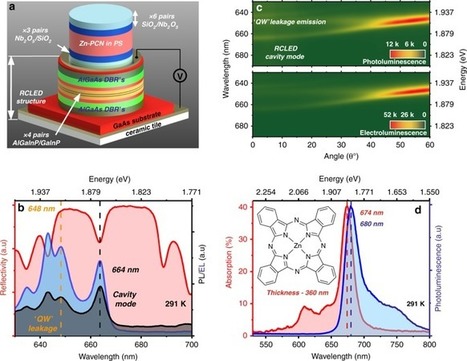
Polaritons are quasi-particles composed of a superposition of excitons and photons that can be created within a strongly coupled optical microcavity. Researchers now describe a structure in which a strongly coupled microcavity containing an organic semiconductor is coupled to a second microcavity containing a series of weakly coupled inorganic quantum wells. They were able to show that optical hybridization occurs between the optical modes of the two cavities, creating a delocalized polaritonic state. By electrically injecting electron–hole pairs into the inorganic quantum-well system, they were able to transfer energy between the cavities and populate organic-exciton polaritons. This approach represents a new strategy to create highly efficient devices for emerging ‘polaritonic’ technologies.
|
|
Scooped by
Dr. Stefan Gruenwald
September 9, 2019 10:14 PM
|
York University researchers have made a precise measurement of the size of the proton – a crucial step towards solving a mystery that has preoccupied scientists around the world for the past decade. Scientists thought they knew the size of the proton, but that changed in 2010 when a team of physicists measured the proton-radius value to be four percent smaller than expected, which confused the scientific community. Since then, the world’s physicists have been scrambling to resolve the proton-radius puzzle – the inconsistency between these two proton-radius values. This puzzle is an important unsolved problem in fundamental physics today. Now, a study published in the journal Science finds a new measurement for the size of the proton at 0.833 femtometers, which is just under one trillionth of a millimeter. This measurement is approximately five percent smaller than the previously-accepted radius value from before 2010. The study, led by researchers in York University’s Faculty of Science, presents a new electron-based measurement of how far the proton’s positive charge extends, and it confirms the 2010 finding that the proton is smaller than previously believed. “The level of precision required to determine the proton size made this the most difficult measurement our laboratory has ever attempted,” said Distinguished Research Professor Eric Hessels, Department of Physics & Astronomy, who led the study.
|
|
Scooped by
Dr. Stefan Gruenwald
September 9, 2019 10:10 PM
|
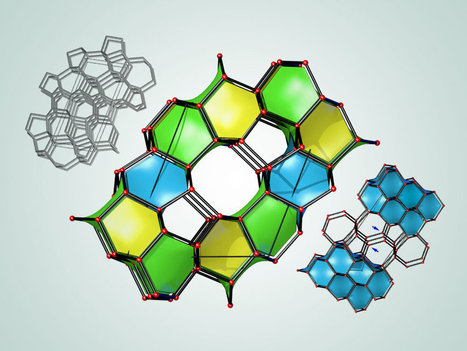
Superhard materials can slice, drill and polish other objects. They also hold potential for creating scratch-resistant coatings that could help keep expensive equipment safe from damage. Now, science is opening the door to the development of new materials with these seductive qualities. Researchers have used computational techniques to identify 43 previously unknown forms of carbon that are thought to be stable and superhard—including several predicted to be slightly harder than or nearly as hard as diamonds. Each new carbon variety consists of carbon atoms arranged in a distinct pattern in a crystal lattice. The study—published on Sept. 3, 2019, in the journal npj Computational Materials—combines computational predictions of crystal structures with machine learning to hunt for novel materials. The work is theoretical research, meaning that scientists have predicted the new carbon structures but have not created them yet. "Diamonds are right now the hardest material that is commercially available, but they are very expensive," says University at Buffalo chemist Eva Zurek. "I have colleagues who do high-pressure experiments in the lab, squeezing materials between diamonds, and they complain about how expensive it is when the diamonds break. "We would like to find something harder than a diamond. If you could find other materials that are hard, potentially you could make them cheaper. They might also have useful properties that diamonds don't have. Maybe they will interact differently with heat or electricity, for example."
|
|
Scooped by
Dr. Stefan Gruenwald
September 1, 2019 7:28 PM
|
NASA’s Exoplanet Exploration Program, the search for planets and life beyond our solar system. A trip down the list of exoplanets found so far is a wild ride. These planets beyond our solar system, whether orbiting other stars or floating freely between them, can make the planets closer to home look tame by comparison. “Hot Jupiters” are star-hugging, infernal worlds. “Super Earths” are super mysterious. Frozen planets, gas giants that make Jupiter look puny, or small, rocky planets in Earth’s size range but in tight orbits around red dwarf stars – the catalog keeps growing, and soon, that growth will become exponential. The more than 3,900 exoplanets confirmed so far are really a tiny sampling of what could amount to trillions in our galaxy. And they likely will be joined by tens of thousands more that are expected to be discovered by NASA’s TESS space telescope (the Transiting Exoplanet Survey Satellite). Astronomers who analyze data from the last exoplanet survey, by NASA’s Kepler space telescope, can already paint a demographic portrait of what TESS will likely find. According to NASA’s Exoplanet Archive, of the 3,924 exoplanets confirmed so far, 1,665 can be classed as “Neptune-like” – gaseous worlds around the size of Neptune. The rest of the breakdown: - 1,213 earn the title of gas giant, like Jupiter or Saturn.
- 878 are classified as super Earths, a reference only to their size – larger than Earth and smaller than Neptune – but not suggesting they are necessarily similar to our home planet. The true nature of these planets remains shrouded in uncertainty because we have nothing like them in our own solar system – and yet, they are among the most common planet types found so far in the galaxy.
- 156 of the confirmed exoplanets are considered terrestrial, that is, rocky planets about the size of Earth; further investigation will determine whether some of them possess atmospheres, oceans, or other signs of habitability.
- 12 are simply classed as “unknown.” In other words, their presence has been detected by one of several indirect methods, but we know little else about them.
More variety is hidden within these broad categories. Hot Jupiters, for instance, were among the first planet types found – gas giants like Jupiter, yes, but orbiting so close to their stars that their temperatures soar into the thousands of degrees (Fahrenheit or Celsius). These large planets make such tight orbits that they cause a pronounced “wobble” in their stars, their gravity tugging them first this way, then that. That made them easier to detect in the early days of planet hunting.
|
|
Scooped by
Dr. Stefan Gruenwald
August 31, 2019 7:18 PM
|
3D scaffolds laden with plant cells could improve the processing of naturally-sourced pharmaceutical compounds. Computer-controlled 3D printing is now enabling the custom manufacture of many different products and structures, including tissue scaffolds that are designed to grow artificial tissues and organs in the lab. Researchers are busy exploring the performance of porous designs that contain different cells and growth factors, with the aim of repairing or replacing damaged parts of the body. But the possibilities for this fast-evolving medical technique doesn’t stop there. Experts are also investigating whether the technology is compatible with plant cells, which could, for example, help to nurture active agents for pharmaceuticals, food and cosmetics. Michael Gelinsky and his team at the Centre for Translational Bone, Joint and Soft Tissue Research at the University of Dresden in Germany have found that a bioink developed for printing human cells could be adapted to fabricate 3D plant cell cultures. “Having demonstrated bioprinting of human mesenchymal stroma cells with a novel and self-made alginate/methylcellulose bioink, we wanted to try other cell types to explore the applicability of this new blend,” explains Gelinsky. Gelinsky and his team tested the concept by printing a cube-shaped mesh with a bioink loaded with basil cells. Reporting their results in the journal Biofabrication, the scientists observed that the majority of cells survived 3D plotting and cross-linking of the structure. What’s more, the embedded cells displayed high viability and metabolic activity during the investigated cultivation period of 20 days. There are some fascinating applications to consider. The green bioprinted cubes could help developers to optimize the extraction of plant-based compounds, plus the work could come full circle and benefit the function of conventional scaffolds. “As both plants and algae produce oxygen by photosynthesis, green bioprinting has the potential to keep mammalian cell cultures, or even tissues, alive,” says Gelinsky. “This feature could be of special interest for applications in space.”
|
|
Rescooped by
Dr. Stefan Gruenwald
from Fantastic Maps
August 30, 2019 1:44 PM
|
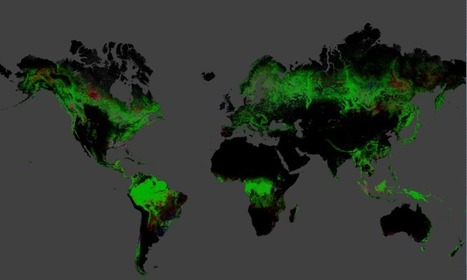
Brazil has managed to cut deforestation in half since 2000. But that's been offset by increasing forest loss in other countries. Results from time-series analysis of Landsat images characterizing forest extent and change. Trees are defined as vegetation taller than 5m in height and are expressed as a percentage per output grid cell as ‘2000 Percent Tree Cover’. ‘Forest Cover Loss’ is defined as a stand-replacement disturbance, or a change from a forest to non-forest state, during the period 2000–2018. ‘Forest Cover Gain’ is defined as the inverse of loss, or a non-forest to forest change entirely within the period 2000–2012. ‘Forest Loss Year’ is a disaggregation of total ‘Forest Loss’ to annual time scales. Reference 2000 and 2018 imagery are median observations from a set of quality assessment-passed growing season observations. You can inspect the maps in closer detail at this site.
Via Seth Dixon
|
|
Scooped by
Dr. Stefan Gruenwald
August 30, 2019 12:48 PM
|
Unusually high numbers of U.S. lymphoma patients are choosing experimental treatments over expensive cell therapies sold by Gilead Sciences Inc (GILD.O) and Novartis AG (NOVN.S), new data shows, helping explain why sales of the two products have not met rosy expectations. Both Gilead’s Yescarta and Novartis’s Kymriah - which are part of a class of therapies known in the medical field as “CAR-T” - were approved in 2017. But government and private health plans have balked at their high price of at least $373,000 for a one-time treatment before hospital costs, which can bring the bill for a single patient to over a million dollars. Sales of both CAR-Ts - billed as potential blockbusters at their launch - have been slow to ramp up. In the second quarter, Novartis, which has struggled to meet U.S. manufacturing specifications, posted $58 million in Kymriah sales, while Gilead reported Yescarta sales of $120 million. The novel treatments take immune system cells from each individual patient and re-engineer them to better fight certain blood cancers, keeping nearly 40 percent of patients alive for more than two years, according to some studies. Yet the federal government’s Medicare health plan for seniors, estimated to cover more than half of lymphoma patients eligible for a CAR-T, is still figuring out payment terms after nearly two years of delay. Private insurers are only covering the cell therapies on a case-by-case basis, rather than setting standard coverage guidelines as they usually do for new drugs. From May 2017 and December 2018, one quarter of nearly 900 adult lymphoma patients treated with CAR-Ts were enrolled in clinical trials, according to healthcare consultancy Vizient Inc. That is unusual since patients generally seek to use treatments approved by health regulators before considering an experimental drug being tested in trials. A recent National Cancer Institute study estimated that no more than 8 percent of all cancer patients participate in trials. Vizient analyzed health insurance claims from 58 major U.S. hospitals, including most of the centers authorized to administer CAR-Ts. The consultancy found that medical bills for clinical trial patients, who receive the cell therapies free of charge from the drugmaker, were about 50% percent lower than costs for people treated with Yescarta or Kymriah on a commercial basis. CAR-T patients are almost always admitted to a hospital to monitor for severe side effects. “Inadequate inpatient reimbursement, especially for Medicare patients, can be a significant deterrent for hospitals to use commercially approved CAR-Ts,” Jennifer Tedaldi, associate principal at consulting firm ZS Associates, told Reuters. She said some hospitals instead refer patients to clinical trials, or choose not to use CAR-Ts at all.
|