Your new post is loading...

|
Scooped by
Dr. Stefan Gruenwald
October 31, 2019 12:22 PM
|
The thing about carbon dioxide is that it flows freely across the surface of water—the water can both absorb the gas and give it off. In a typical river, organisms are consuming organic material and giving off CO2, or respirating, just like humans do. Thus the river becomes a net carbon producer, because it’s saturated with so much CO2 that the water just can’t dissolve any more CO2 from the air. Same goes for ponds and lakes the world over—they’re greenhouse gas emitters. Glacial meltwater, on the other hand, doesn’t have this organic respiration, so it can dissolve more CO2 from the air. The sediments that the meltwater picks up along the way in turn consume the CO2 that’s dissolved in the water. “You get the sediments mixing into the water and mixing with the carbon dioxide from the atmosphere that results in a change in the chemistry of the river as it moves downstream,” says St. Pierre, head of the study. When the sediment reacts with the CO2, some of material dissolves, so the river itself becomes a meandering carbon sink—to an impressive degree, in fact.
|
|
Scooped by
Dr. Stefan Gruenwald
October 31, 2019 12:14 PM
|
Scientist have developed a lithium ion battery that charges at an elevated temperature to increase reaction rate but keeps the cell cool during discharge, showing the potential to add 200 miles of driving range to an electric car in 10 minutes. If scaled, the design is one potential strategy to alleviate concerns that all-electric vehicles lack sufficient cruise range to safely reach a destination without stalling mid-journey. The Pennsylvania State University researchers present the work October 30 in the journal Joule. Scientists have recognized the need to design electric vehicle batteries capable of charging extremely fast in order to meet the needs of drivers. However, such a speedy charge rate would require a battery to rapidly take in 400 kilowatts of energy, a feat that current vehicles cannot accomplish because it risks lithium plating (the formation of metallic lithium around the anode), which would severely deteriorate battery life. While conventional lithium batteries are charged and discharged at the same temperature, the researchers found they could circumvent the lithium plating issue by charging the battery to an elevated temperature of 60 degrees Celsius for a few minutes, then discharging it at cooler temperatures. "In addition to fast charging, this design allows us to limit the battery's exposure time to the elevated charge temperature, thus generating a very long cycle life," says senior author Chao-Yang Wang, a mechanical engineer at The Pennsylvania State University. "The key is to realize rapid heating; otherwise, the battery will stay at elevated temperatures for too long, causing severe degradation." In order to shorten heat time and heat the entire battery at a uniform temperature, Wang and colleagues outfitted a lithium ion battery design with a self-heating nickel structure that preheats in less than thirty seconds. To test their model, they charged three graphite pouch cells designed for hybrid electric vehicles at 40, 49, and 60 degrees Celsius, as well as a control at 20 degrees Celsius, using various cooling strategies to maintain constant charge temperatures. To confirm that lithium plating did not occur, they later fully discharged the cells and opened them for analysis.
|
|
Scooped by
Dr. Stefan Gruenwald
October 21, 2019 11:12 AM
|
Neural networks cut modeling times of complex biological circuits to enable new insights into their inner workings. Biomedical engineers at Duke University have devised a machine learning approach to modeling the interactions between complex variables in engineered bacteria that would otherwise be too cumbersome to predict. Their algorithms are generalizable to many kinds of biological systems. In the new study, the researchers trained a neural network to predict the circular patterns that would be created by a biological circuit embedded into a bacterial culture. The system worked 30,000 times faster than the existing computational model. To further improve accuracy, the team devised a method for retraining the machine learning model multiple times to compare their answers. Then they used it to solve a second biological system that is computationally demanding in a different way, showing the algorithm can work for disparate challenges. The results appear online on September 25 in the journal Nature Communications. "This work was inspired by Google showing that neural networks could learn to beat a human in the board game Go," said Lingchong You, professor of biomedical engineering at Duke. "Even though the game has simple rules, there are far too many possibilities for a computer to calculate the best next option deterministically," You said. "I wondered if such an approach could be useful in coping with certain aspects of biological complexity confronting us." The challenge facing You and his postdoctoral associate Shangying Wang was determining what set of parameters could produce a specific pattern in a bacteria culture following an engineered gene circuit. In previous work, You's laboratory programmed bacteria to produce proteins that, depending on the specifics of the culture's growth, interact with one another to form rings. By controlling variables such as the size of the growth environment and the amount of nutrients provided, the researchers found they could control the ring's thickness, how long it took to appear and other characteristics. By changing any number of dozens of potential variables, the researchers discovered they could do more, such as causing the formation of two or even three rings. But because a single computer simulation took five minutes, it became impractical to search any large design space for a specific result. For their study, the system consisted of 13 bacterial variables such as the rates of growth, diffusion, protein degradation and cellular movement. Just to calculate six values per parameter would take a single computer more than 600 years. Running it on a parallel computer cluster with hundreds of nodes might cut that run-time down to several months, but machine learning can cut it down to hours. "The model we use is slow because it has to take into account intermediate steps in time at a small enough rate to be accurate," said You. "But we don't always care about the intermediate steps. We just want the end results for certain applications. And we can (go back to) figure out the intermediate steps if we find the end results interesting."
|
|
Scooped by
Dr. Stefan Gruenwald
October 20, 2019 5:09 PM
|
As Zika spreads throughout the world, the call for rapid development of therapeutics to treat Zika rings loud and clear. Taking a step further in identifying a possible therapeutic candidate, a team of researchers at Duke-NUS Medical School (Duke-NUS), in collaboration with scientists from the University of North Carolina, have discovered the mechanism by which C10, a human antibody previously identified to react with the Dengue virus, prevents Zika infection at a cellular level. Previously, C10 was identified as one of the most potent antibodies able to neutralize Zika infection. Now, Associate Prof Lok Shee-Mei and her team at the Emerging Infectious Disease Program of Duke-NUS have taken it one step further by determining how C10 is able to prevent Zika infection. To infect a cell, virus particles usually undergo two main steps, docking and fusion, which are also common targets for disruption when developing viral therapeutics. During docking, the virus particle identifies specific sites on the cell and binds to them. With Zika infection, docking then initiates the cell to take the virus in via an endosome -- a separate compartment within the cell body. Proteins within the virus coat undergo structural changes to fuse with the membrane of the endosome, thereby releasing the virus genome into the cell, and completing the fusion step of infection. Using a method called cryoelectron microscopy, which allows for the visualization of extremely small particles and their interactions, the team visualized C10 interacting with the Zika virus under different pHs, so as to mimic the different environments both the antibody and virus will find themselves in throughout infection. They showed that C10 binds to the main protein that makes up the Zika virus coat, regardless of pH, and locks these proteins into place, preventing the structural changes required for the fusion step of infection. Without a fusion of the virus to the endosome, viral DNA is prevented from entering the cell, and infection is thwarted. "Hopefully, these results will further accelerate the development of C10 as a Zika therapy to combat its effects of microcephaly and Guillain-Barré syndrome. This should emphasize the need for further studies of the effect of C10 on Zika infection in animal models," commented Dr Lok. "By defining the structural basis for neutralization, these studies provide further support for the idea that this antibody will protect against Zika infection, potentially leading to a new therapy to treat this dreaded disease," says Ralph Baric, PhD, professor in the Department of Epidemiology at UNC's Gillings School of Global Public Health.
|
|
Scooped by
Dr. Stefan Gruenwald
October 19, 2019 3:02 PM
|
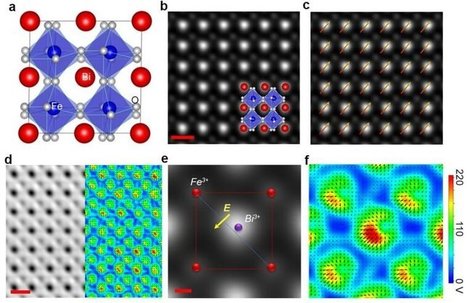
Researchers at the University of California, Irvine have developed a new scanning transmission electron microscopy method that enables visualization of the electric charge density of materials at sub-angstrom resolution. With this technique, the UCI scientists were able to observe electron distribution between atoms and molecules and uncover clues to the origins of ferroelectricity, the capacity of certain crystals to possess spontaneous electric polarization that can be switched by the application of an electric field. The research, which is highlighted in a study published today in Nature, also revealed the mechanism of charge transfer between two materials. "This method is an advancement in electron microscopy—from detecting atoms to imaging electrons—that could help us engineer new materials with desired properties and functionalities for devices used in data storage, energy conversion and quantum computing," said team leader Xiaoqing Pan, UCI's Henry Samueli Endowed Chair in Engineering and a professor of both materials science & engineering and physics & astronomy. Employing a new aberration-corrected scanning transmission electron microscope with a fine electron probe measuring half an angstrom and a fast-direct electron detection camera, his group was able to acquire a 2-D raster image of diffraction patterns from a region of interest in the sample. As obtained, the data sets are 4-D, since they consist of 2-D diffraction patterns from each probe location in a 2-D scanning area. "With our new microscope, we can routinely form an electron probe as small as 0.6 angstrom, and our high-speed camera with angular resolution can acquire 4-D STEM images with 512 x 512 pixels at greater than 300 frames per second," Pan said. "Using this technique, we can see the electron charge distribution between atoms in two different perovskite oxides, non-polar strontium titanate and ferroelectric bismuth ferrite."
|
|
Scooped by
Dr. Stefan Gruenwald
October 19, 2019 2:59 PM
|
A new scanning transmission electron microscopy technique developed by scientists from the University of California, Irvine allows the electric charge density of materials to be visualized at sub-angstrom resolution. The UCI researchers used this technique to view electron distribution between molecules and atoms and unravel clues to the roots of ferroelectricity. Ferroelectricity is the potential of specific crystals to exhibit spontaneous electric polarization that can be switched by applying an electric field. The study, which has been described in a research paper published recently in Nature, also demonstrated the charge transfer mechanism between two materials. “This method is an advancement in electron microscopy—from detecting atoms to imaging electrons—that could help us engineer new materials with desired properties and functionalities for devices used in data storage, energy conversion and quantum computing,” stated team leader Xiaoqing Pan, UCI’s Henry Samueli Endowed Chair in Engineering and a professor of both Materials Science & Engineering and Physics & Astronomy. His team used a new aberration-corrected scanning transmission electron microscope with a fine electron probe measuring half an angstrom and a fast direct electron detection camera to obtain a 2D raster image of diffraction patterns from an area of interest in the sample. When acquired, the data sets are 4D as they contain 2D diffraction patterns from each probe site in a 2D scanning area.
|
|
Scooped by
Dr. Stefan Gruenwald
October 19, 2019 2:56 PM
|
A team of UO physicists has drummed up a new way of measuring light: using microscopic drums to hear light. The technology out of the Alemán Lab, known as a "graphene nanomechanical bolometer," leverages a promising new method and material to detect nearly every color of light at high speeds and high temperatures. "This tool is the fastest and most sensitive in its class," said Benjamín Alemán, a professor of physics and a member of the UO's Center for Optical, Molecular, and Quantum Science and an associate of the Phil and Penny Knight Campus for Accelerating Scientific Impact. The device offers an alternative to the conventional way of using electricity to measure light, as found in devices like a smartphone's camera. Instead, this mechanical method captures the vibrations of infinitesimally thin drums that are caused by light. The physicists obtain measurements by listening to the sound of the light absorbed by the drumhead. The way the technology works is similar to the effect of banging a drum on a hot day. As the instrument heats up under the piping sun, the drumhead membrane will expand and its pitch changes, emitting a different tone than it would at cooler temperatures. The waves of light do the same thing to the mechanical bolometers. As light hits the device's drumhead, the membrane heats up, expands, and the vibrational pitch changes. The physicists can track these pitch changes to measure how much light hits the device. "This is a very new way of detecting light," said David Miller, a doctoral student in the Alemán Lab. "We're using a purely mechanical method to turn light into sound. This has the advantage of being able to see a much broader range of light."
|
|
Scooped by
Dr. Stefan Gruenwald
October 14, 2019 2:37 PM
|
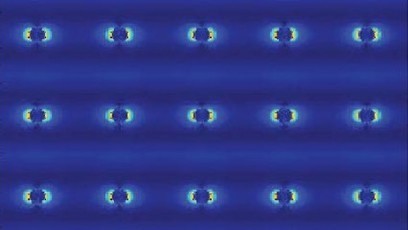
Quantum computers with the ability to perform complex calculations, encrypt data more securely and more quickly predict the spread of viruses, may be within closer reach thanks to a new discovery by Johns Hopkins researchers. "We've found that a certain superconducting material contains special properties that could be the building blocks for technology of the future," says Yufan Li, a postdoctoral fellow in the Department of Physics & Astronomy at The Johns Hopkins University and the paper's first author. The findings will be published October 11, 2019, in the journal Science. Today's computers use bits, represented by an electrical voltage or current pulse, to store information. Bits exist in two states, either "0" or "1." Quantum computers, based on the laws of quantum mechanics, use quantum bits, or qubits, which do not only use two states, but a superposition of two states. This ability to use such qubits makes quantum computers much more powerful than existing computers when solving certain types of problems, such as those relating to artificial intelligence, drug development, cryptography, financial modeling and weather forecasting. A famous example of qubit is Schrodinger's cat, a hypothetical cat that may be simultaneously dead and alive. "A more realistic, tangible implementation of qubit can be a ring made of superconducting material, known as flux qubit, where two states with clockwise- and counterclockwise-flowing electric currents may exist simultaneously," says Chia-Ling Chien, Professor of Physics at The Johns Hopkins University and another author on the paper. In order to exist between two states, qubits using traditional superconductors require a very precise external magnetic field be applied on each qubit, thus making them difficult to operate in a practical manner. In the new study, Li and colleagues found that a ring of β-Bi2Pd already naturally exists between two states in the absence of an external magnetic field. Current can inherently circulate both clockwise and counterclockwise, simultaneously, through a ring of β-Bi2Pd. Adds Li: "A ring of β-Bi2Pd already exists in the ideal state and doesn't require any additional modifications to work. This could be a game changer." The next step, says Li, is to look for Majorana fermions within β-Bi2Pd; Majorana fermions are particles that are also anti-particles of themselves and are needed for the next level of disruption-resistant quantum computers: topological quantum computers. Majorana fermions depend on a special type of superconducting material--a so-called spin-triplet superconductor with two electrons in each pair aligning their spins in a parallel fashion--that has thus far been elusive to scientists. Now, through a series of experiments, Li and colleagues found that thin films of β-Bi2Pd have the special properties necessary for the future of quantum computing. Scientists have yet to discover the intrinsic spin-triplet superconductor needed to advance quantum computing forward, but Li is hopeful that the discovery of β-Bi2Pd's special properties, will lead to finding Majorana fermions in the material next.
|
|
Scooped by
Dr. Stefan Gruenwald
October 14, 2019 2:33 PM
|
University of New Mexico researchers find decreasing the density of nanoparticles in ordered arrays produces exceptional field enhancements. Controlling the interactions between light and matter has been a long-standing ambition for scientists seeking to develop and advance numerous technologies that are fundamental to society. With the boom of nanotechnology in recent years, the nanoscale manipulation of light has become both, a promising pathway to continue this advancement, as well as a unique challenge due to new behaviors that appear when the dimensions of structures become comparable to the wavelength of light. Scientists in the Theoretical Nanophotonics Group at The University of New Mexico’s Department of Physics and Astronomy have made an exciting new advancement to this end, in a pioneering research effort titled “Analysis of the Limits of the Near-Field Produced by Nanoparticle Arrays,” published recently in the journal, ACS Nano, a top journal in the field of nanotechnology. The group, led by Assistant Professor Alejandro Manjavacas, studied how the optical response of periodic arrays of metallic nanostructures can be manipulated to produce strong electric fields in their vicinity. The arrays they studied are composed of silver nanoparticles, tiny spheres of silver that are hundreds of times smaller than the thickness of a human hair, placed in a repeating pattern, though their results apply to nanostructures made of other materials as well. Because of the strong interactions between each of the nanospheres, these systems can be used for different applications, ranging from vivid, high-resolution color printing to biosensing that could revolutionize healthcare.
|
|
Scooped by
Dr. Stefan Gruenwald
October 14, 2019 2:30 PM
|
Fossils discovered in Thailand represent a new genus and species of predatory dinosaur, according to a study released October 9, 2019 in the open-access journal PLOS ONE by Duangsuda Chokchaloemwong of Nakhon Ratchasima Rajabhat University, Thailand and colleagues. Carcharodontosaurs were a widespread and successful group of large predatory dinosaurs during the Jurassic and Cretaceous Periods and were important members of ecosystems on multiple continents. However, the fossil record of these animals is notably lacking from the Early Cretaceous of Asia, with no definite carcharodontosaurs known from Southeast Asia. In this study, Chokchaloemwong and colleagues describe fossil material from the Khok Kruat geologic formation in Khorat, Thailand, dating to the Early Cretaceous. These fossils include remains of the skull, backbone, limbs, and hips of at least four individual dinosaurs, and morphological comparison with known species led the authors to identify these remains as belonging to a previously unknown genus and species of carcharodontosaur which they named Siamraptor suwati. Phylogenetic analysis indicates that Siamraptor is a basal member of the carcharodontosaurs, meaning it represents a very early evolutionary split from the rest of the group. It is also the first definitive carcharodontosaur known from Southeast Asia, and combined with similarly-aged finds from Europe and Africa, it reveals that this group of dinosaurs had already spread to three continents by the Early Cretaceous. The authors summarize their work as follows: "A Siam predator: New carnivorous dinosaur Siamraptor suwati discovered in Thailand was not only a terrible predator but also extremely fast.
|
|
Scooped by
Dr. Stefan Gruenwald
October 13, 2019 9:53 PM
|
Contrary to popular belief, cartilage in human joints can repair itself through a process similar to that used by creatures such as salamanders and zebrafish to regenerate limbs, researchers at Duke Health found. Published in the journal Science Advances, the researchers identified a mechanism for cartilage repair that appears to be more robust in ankle joints and less so in hips. The finding could potentially lead to treatments for osteoarthritis, the most common joint disorder in the world. “We believe that an understanding of this ‘salamander-like’ regenerative capacity in humans, and the critically missing components of this regulatory circuit, could provide the foundation for new approaches to repair joint tissues and possibly whole human limbs,” said senior author Virginia Byers Kraus, M.D., Ph.D., a professor in the departments of Medicine, Pathology and Orthopedic Surgery at Duke. Kraus and colleagues, including lead author Ming-Feng Hsueh, Ph.D., devised a way to determine the age of proteins using internal molecular clocks integral to amino acids, which convert one form to another with predictable regularity. Newly created proteins in tissue have few or no amino acid conversions; older proteins have many. Understanding this process enabled the researchers to use sensitive mass spectrometry to identify when key proteins in human cartilage, including collagens, were young, middle-aged or old. They found that the age of cartilage largely depended on where it resided in the body. Cartilage in ankles is young, it’s middle-aged in the knee and old in the hips. This correlation between the age of human cartilage and its location in the body aligns with how limb repair occurs in certain animals, which more readily regenerate at the furthest tips, including the ends of legs or tails. The finding also helps explain why injuries to people’s knees and, especially, hips take a long time to recover and often develop into arthritis, while ankle injuries heal quicker and less often become severely arthritic.
|
|
Scooped by
Dr. Stefan Gruenwald
October 9, 2019 1:45 PM
|
Quantum simulation is a crucial tool in areas where classical computers are inefficient. In this work, the authors use a Nuclear Magnetic Resonance quantum simulator to simulate the local dynamics of quantum spacetime as an attempt to exploit quantum information to study loop quantum gravity. Quantum simulation has demonstrated its irreplaceable role in many fields, where it is difficult for classical computers to do much at all. On a four-qubit Nuclear Magnetic Resonance (NMR) quantum simulator, a group of physicists now experimentally simulated the spin-network states by simulating quantum spacetime tetrahedra. The fidelities of these experimentally prepared quantum tetrahedra were found to be all above 95%. The researchers then used the quantum tetradedra to simulate a spinfoam vertex amplitude, which displayed the local dynamics of quantum spacetime. By measuring the geometric properties on the corresponding quantum tetrahedra and simulating their interaction, this experiment served as a basic module that represents the Feynman diagram vertex in the spinfoam formulation of Loop Quantum Gravity(LQG), which in turn is an initial attempt to study LQG by quantum information processing.
|
|
Scooped by
Dr. Stefan Gruenwald
October 8, 2019 1:40 PM
|
Almost as soon as we learn to talk, we learn to swear, says Emma Byrne, author of "Swearing is Good for You." Our closest cousins, chimpanzees, are fond of a bit of swearing. What’s more, swearing seems to spontaneously emerge just as soon as they - and we - have language and a taboo. There have been several attempts to teach chimpanzees sign language. The most successful by far are the heroic ones run by behaviorists Roger and Deborah Fouts. They were committed enough to foster several, living with them as if they were members of their own family, for many years. They started in 1966 with a ten month old fosterling, Washoe, who they immediately began to teach sign language and to potty train. Almost immediately, she started to use the sign DIRTY, intended for all things scatalogical, as an insult and an interjection. She spontaneously developed a potty mouth. It might seem like a stretch to talk about chimpanzees as having taboos, but Washoe and the rest of her chimpanzee family became incredibly fastidious about their toilet habits. Washoe was so thoroughly toilet trained that that she wouldn’t even defecate in the woods, holding it in until one of the humans in the group offered her an empty coffee can to use as a potty. We also know that toilet-trained chimpanzees lie if they’re caught accidentally (or deliberately) making a mess away from their toilet. DIRTY GOOD is the name that Washoe herself came up with for her potty. This name, which she invented herself, shows how nuanced her understanding of the excretion taboo was: pooing in a potty is necessary and acceptable, but crap out of context is shameful and wrong. Washoe and the other chimpanzees began to use DIRTY as an insult, when they were angry or frustrated. The humans never used it that way about the chimpanzees; the use of DIRTY as a curse by the chimpanzees was spontaneous. For example Washoe signed DIRTY ROGER when Fouts wouldn’t let her out of her cage and DIRTY MONKEY at a macaque who threatened her. It’s my hypothesis that the combination of learning a language and the excretion taboo is all it takes for swearing to emerge. That said, I can’t imagine anyone being brave enough to test my conjecture. In the wild, chimpanzees deliberately defecate on humans as a way of marking their territory, so trying to recreate the Fouts’ study without the potty training step would be a grim challenge. English speaking toddlers tend to show a similar pattern, however, commonly using “poo face” or “doodoo head” as soon as they’re potty trained - again, not something they’re likely to have heard from parents. I can’t wait for my daughter to reach that stage: research from the 1930s shows that among toddlers, the development of a pottymouth comes with at least one fringe benefit. Swearing replaces biting, hitting, screaming and breath-holding as ways of externalising strong feelings in human children, and in chimpanzees too. The chimpanzees only seem to have had the one sign that they used as swearing - probably because it was their only taboo. When Washoe hit adolescence she began masturbating, but the research team decided that discretion was the better part of valor and didn’t intervene, so there was no equivalent of the copulatory taboo that accounts for so much human swearing.
|
|
|
Scooped by
Dr. Stefan Gruenwald
October 31, 2019 12:16 PM
|
The U.S. Air Force's unmanned X-37B space plane has flown four clandestine missions to date, carrying secret payloads on long-duration flights in Earth orbit. The robotic vehicle resembles NASA's famous space shuttle but is much smaller. The X-37B is about 29 feet (8.8 meters) long and 9.5 feet (2.9 m) tall, with a wingspan just less than 15 feet (4.6 m). At launch, it weighs 11,000 lbs. (4,990 kilograms). The X-37B's payload bay (the area in which the cargo is packed) measures 7 feet long by 4 feet wide (2.1 by 1.2 m) — about the size of a pickup truck bed. Just what the X-37B carries in there is unclear, however. Air Force officials generally comment only on the overall goals of the program, stressing that each payload is classified. "The primary objectives of the X-37B are twofold: reusable spacecraft technologies for America's future in space and operating experiments which can be returned to, and examined, on Earth," states an X-37B fact sheet produced by the Air Force. Like the space shuttle, the solar-powered X-37B space plane launches vertically, with the aid of a rocket, and cruises back to Earth for a runway landing. The diminutive space plane is designed to operate at altitudes ranging from 110 to 500 miles (177 to 805 km).
|
|
Scooped by
Dr. Stefan Gruenwald
October 27, 2019 8:42 PM
|
Generative Adversarial Networks (GAN) are a relatively new concept in Machine Learning, introduced for the first time in 2014. Their goal is to synthesize artificial samples, such as images, that are indistinguishable from authentic images. A common example of a GAN application is to generate artificial face images by learning from a dataset of celebrity faces. While GAN images became more realistic over time, one of their main challenges is controlling their output, i.e. changing specific features such pose, face shape and hair style in an image of a face. A new paper by NVIDIA, A Style-Based Generator Architecture for GANs (StyleGAN), presents a novel model which addresses this challenge. StyleGAN generates the artificial image gradually, starting from a very low resolution and continuing to a high resolution (1024×1024). By modifying the input of each level separately, it controls the visual features that are expressed in that level, from coarse features (pose, face shape) to fine details (hair color), without affecting other levels. This technique not only allows for a better understanding of the generated output, but also produces state-of-the-art results – high-res images that look more authentic than previously generated images.
|
|
Scooped by
Dr. Stefan Gruenwald
October 20, 2019 5:57 PM
|
Researchers have developed a tiny nanolaser that can fit and function inside of living tissues, such as deep-brain tissues, without harming them. Just 50 to 150 nanometers thick, the laser is about 1/1,000th the thickness of a single human hair. At this size, the laser can fit and function inside living tissues, with the potential to sense disease biomarkers or perhaps treat deep-brain neurological disorders, such as epilepsy. Developed by researchers at Northwestern and Columbia Universities, the nanolaser shows specific promise for imaging in living tissues. Not only is it made mostly of glass, which is intrinsically biocompatible, the laser can also be excited with longer wavelengths of light and emit at shorter wavelengths. "Longer wavelengths of light are needed for bioimaging because they can penetrate farther into tissues than visible wavelength photons," said Northwestern's Teri Odom, who co-led the research. "But shorter wavelengths of light are often desirable at those same deep areas. We have designed an optically clean system that can effectively deliver visible laser light at penetration depths accessible to longer wavelengths." The nanolaser also can operate in extremely confined spaces, including quantum circuits and microprocessors for ultra-fast and low-power electronics. The paper was published on Sept. 23, 2019 in the journal Nature Materials. Odom co-led the work with P. James Schuck at Columbia University's School of Engineering. While many applications require increasingly small lasers, researchers continually run into the same roadblock: Nanolasers tend to be much less efficient than their macroscopic counterparts. And these lasers typically need shorter wavelengths, such as ultraviolet light, to power them. "This is bad because the unconventional environments in which people want to use small lasers are highly susceptible to damage from UV light and the excess heat generated by inefficient operation," said Schuck, an associate professor of mechanical engineering. Odom, Schuck and their teams were able to achieve a nanolaser platform that solves these issues by using photon upconversion. In upconversion, low-energy photons are absorbed and converted into one photon with higher energy. In this project, the team started with low-energy, "bio-friendly" infrared photons and upconverted them to visible laser beams. The resulting laser can function under low powers and is vertically much smaller than the wavelength of light. "Our nanolaser is transparent but can generate visible photons when optically pumped with light our eyes cannot see," said Odom, the Charles E. and Emma H. Morrison Professor of Chemistry in Northwestern's Weinberg College of Arts and Sciences. "The continuous wave, low-power characteristics will open numerous new applications, especially in biological imaging."
|
|
Scooped by
Dr. Stefan Gruenwald
October 19, 2019 3:06 PM
|
Here's the reality: We're messing up the Earth and any far-out ideas of colonizing another orb when we're done with our own are wishful thinking. That's according to Michel Mayor, an astrophysicist who was a co-recipient of the Nobel Prize in physics this year for discovering the first planet orbiting a sun-like star outside of our solar system. "If we are talking about exoplanets, things should be clear: We will not migrate there," he told Agence France-Presse (AFP). He said he felt the need to "kill all the statements that say, 'OK, we will go to a livable planet if one day life is not possible on Earth.'" All of the known exoplanets, or planets outside of our solar system, are too far away to feasibly travel to, he said. "Even in the very optimistic case of a livable planet that is not too far, say a few dozen light years, which is not a lot, it's in the neighbourhood, the time to go there is considerable," he added. Mayor shared half of the Nobel Prize this year along with Didier Queloz for discovering the first exoplanet in October 1995. Using novel instruments at the Haute-Provence Observatory in southern France, they detected a gas giant similar to Jupiter, which they named 51 Pegasi b. (The other half of the prize was awarded to James Peebles of Princeton University for his work in dark matter and dark energy). Since then, over 4,000 other exoplanets have been found in the Milky Way, but apparently, none of them can be feasibly reached. Stephen Kane, a professor of planetary astrophysics at the University of California in Riverside, agrees with Mayor. "The sad reality is that, at this point in human history, all stars are effectively at a distance of infinity," Kane told Live Science. "We struggle very hard as a species to reach the Earth's moon." We might be able to send people to Mars in the next 50 years, but "I would be very surprised if humanity made it to the orbit of Jupiter within the next few centuries," he said. Since the distance to the nearest star outside of our solar system is about 70,000 times greater than the distance to Jupiter, "all stars are effectively out of reach."
|
|
Scooped by
Dr. Stefan Gruenwald
October 19, 2019 3:01 PM
|
MIT astronomers have used a giant galaxy cluster as X-ray magnifying lens for first time. With this technique, they spotted a tiny dwarf galaxy in the first, super-energetic stages of star formation. While galaxy clusters have been used to magnify objects at optical wavelengths, this is the first time scientists have leveraged these massive gravitational giants to zoom in on extreme, distant, X-ray-emitting phenomena. What they detected appears to be a blue speck of an infant galaxy, about 1/10,000 the size of our Milky Way, in the midst of churning out its first stars — supermassive, cosmically short-lived objects that emit high-energy X-rays, which the researchers detected in the form of a bright blue arc. “It’s this little blue smudge, meaning it’s a very small galaxy that contains a lot of super-hot, very massive young stars that formed recently,” says Matthew Bayliss, a research scientist in MIT’s Kavli Institute for Astrophysics and Space Research. “This galaxy is similar to the very first galaxies that formed in the universe … the kind of which no one has ever seen in X-ray in the distant universe before.” Bayliss says the detection of this single, distant galaxy is proof that scientists can use galaxy clusters as natural X-ray magnifiers, to pick out extreme, highly energetic phenomena in the universe’s early history. “With this technique, we could, in the future, zoom in on a distant galaxy and age-date different parts of it — to say, this part has stars that formed 200 million years ago, versus another part that formed 50 million years ago, and pick them apart in a way you cannot otherwise do,” says Bayliss, who will be moving on to the University of Cincinnati as an assistant professor of physics.
|
|
Scooped by
Dr. Stefan Gruenwald
October 19, 2019 2:58 PM
|
Researchers show, for the first time, the ability to globally align single-wall carbon nanotubes along a common axis. A University of Wyoming researcher and his team have shown, for the first time, the ability to globally align single-wall carbon nanotubes along a common axis. This discovery can be valuable in many areas of technology, such as electronics, optics, composite materials, nanotechnology and other applications of materials science. “Unlike previous efforts to align nanotubes using nanotube solution filtration, we created an automated system that could create multiple aligned films at one time,” says William Rice, an assistant professor in UW’s Department of Physics and Astronomy. “Automating the filtration system also had the effect that we could precisely control the filtration flow rate, which produced higher alignment.” Rice was corresponding author of a paper, titled “Global Alignment of Solution-Based, Single-Wall Carbon Nanotube Films via Machine-Vision Controlled Filtration,” which was published in Nano Letters ("Global Alignment of Solution-Based Single-Wall Carbon Nanotube Films via Machine-Vision Controlled Filtration").
|
|
Scooped by
Dr. Stefan Gruenwald
October 14, 2019 2:41 PM
|
Professor Michel Mayor and Professor Didier Queloz, both working in Switzerland, were awarded for discovering the first exoplanet orbiting a sun-like star other than our own in 1995. 51 Pegasi b is a gaseous ball similar to Jupiter and was discovered by the professors at the Haute-Provence Observatory in southern France in 1995. Since this initial discovery, over 4,000 exoplanets have been found – 1,900 of which have been confirmed. Professor Queloz and Professor Mayor's discovery is now regarded as a pivotal moment in astronomy that changed our understanding of our place in the universe. No planet other than those in our own solar system had ever been found before. 'The chemistry that led to life has to happen elsewhere. So I am a strong believer that there must be life elsewhere. Life doesn't just mean a green man coming to you, life started way before animals were crawling on the surface of earth.' He says he is certain that in 100 years time aliens will be known to us but says that it is very 'realistic' that within 30 years scientists could develop a machine to allow us to detect aliens in distant solar systems. Professor Queloz was awarded the Nobel Prize in Physics along with his research partner Dr Michel Mayor, the Swiss duo discovered 51 Pegasi b at the University of Geneva in 1995. Theirs was the first confirmation of the existence of an exoplanet, which is one which orbits a star other than our Sun. It is now regarded as a pivotal moment in astronomy because no planet other than those in our own solar system had ever been found before. Since the discovery, Professor Queloz has successfully developed the Doppler technique to be more precise, leading to the discovery of further 1,900 or so confirmed exoplanets. One 10th of those were discovered by Professor Queloz himself.
|
|
Scooped by
Dr. Stefan Gruenwald
October 14, 2019 2:35 PM
|
The word “Universe” comes from the Latin “Universum”, which was used by Roman authors to refer to the cosmos as they knew them. This consisted of the Earth and all life as well as the Moon, the Sun, the planets that they knew about (Mercury, Venus, Mars, Jupiter, Saturn) and the stars.
The term “cosmos”, on the other hand, is derived from the Greek word kosmos, which means "order" or “the world”. Other words commonly used to define all of known-existence include “Nature” (from the Germanic word natur) and the English word “everything” (self-explanatory).
Today, the word Universe is used by scientists to refer to all existing matter and space. This includes the Solar System, the Milky Way, all known galaxies, and superstructures. In terms of modern science and astrophysics, it also includes all time, space, matter, energy, and the fundamental forces that bind them.
Cosmology, on the other hand, is used to describe the study of the Universe (or cosmos) and the forces that bind it. Thanks to thousands of years of scholarship, what we know about the physical Universe has grown by leaps and bounds. And yet, there is still so much that we don't understand.
|
|
Scooped by
Dr. Stefan Gruenwald
October 14, 2019 2:32 PM
|
Astronomers at the University of California, Riverside, have discovered that powerful winds driven by supermassive black holes in the centers of dwarf galaxies have a significant impact on the evolution of these galaxies by suppressing star formation. Dwarf galaxies are small galaxies that contain between 100 million to a few billion stars. In contrast, the Milky Way has 200-400 billion stars. Dwarf galaxies are the most abundant galaxy type in the universe and often orbit larger galaxies. The team of three astronomers was surprised by the strength of the detected winds. “We expected we would need observations with much higher resolution and sensitivity, and we had planned on obtaining these as a follow-up to our initial observations,” said Gabriela Canalizo, a professor of physics and astronomy at UC Riverside, who led the research team. “But we could see the signs strongly and clearly in the initial observations. The winds were stronger than we had anticipated.” Canalizo explained that astronomers have suspected for the past couple of decades that supermassive black holes at the centers of large galaxies can have a profound influence on the way large galaxies grow and age. “Our findings now indicate that their effect can be just as dramatic, if not more dramatic, in dwarf galaxies in the universe,” she said. Study results are being published on October 11, 2019, in The Astrophysical Journal.
|
|
Scooped by
Dr. Stefan Gruenwald
October 13, 2019 10:02 PM
|
Farmers have always done their best to maximize yield, whether that be cramming another row of corn onto a field or breeding beefier cattle, but pig farmers in China are really taking things to a new level. As Bloomberg reports, some pig farmers in the country have bred their animals into an almost unrecognizable state, and boy are they big. On a farm owned by a man named Pang Cong, one particularly supersized pig weighs in at over 1,100 pounds, making it bigger than a polar bear. Pork prices are currently high in many parts of China due to an illness that rapidly swept through farms and claimed the lives of countless animals. Now, the farms with healthy pigs are doing their best to meet the demand, and are getting top dollar for their animals as a bonus. Pang’s farm is a relatively small-scale operation, but his big pigs still fetch a hefty sum, with the largest ones selling for over 10,000 yuan, or roughly $1,400. That’s big money for small farming operations, and the larger farmers in the region have taken notice, placing an emphasis on breeding larger and larger animals. As the country recovers from the effects of the swine fever that wiped out so many animals, prices will likely stabilize a bit, but the trend of breeding bigger pigs may well be here to stay. Once farmers begin placing an emphasis on bigger livestock during breeding, turning back the clock isn’t just difficult, it may also seem like a bad business move. This is to say nothing for the health of the animals, of course. As the pigs get larger and the yield goes up, the animals are likely to be increasingly uncomfortable, as their skeletal structure and internal organs aren’t necessarily built to deal with the strain.
|
|
Scooped by
Dr. Stefan Gruenwald
October 13, 2019 9:33 PM
|
Sleep is crucial for our survival, and many diseases are linked to long-term poor sleep quality. Before we can use sleep to enhance our health and performance and alleviate diseases associated with poor sleep, a greater understanding of sleep regulation is necessary. Researchers had identified a while ago a mutation in the β 1-adrenergic receptor gene (ADRB1) in humans who require fewer hours of sleep than most. In vitro, this mutation leads to decreased protein stability and dampened signaling in response to agonist treatment. In vivo, the mice carrying the same mutation demonstrated short sleep behavior. The scientists found that this receptor is highly expressed in the dorsal pons and that these ADRB1 + neurons are active during rapid eye movement (REM) sleep and wakefulness. Activating these neurons can lead to wakefulness, and the activity of these neurons is affected by the mutation. These results highlight the important role of β 1-adrenergic receptors in sleep/wake regulation. After a decade of searching, the UC San Francisco scientists who identified the only human gene known to promote “natural short sleep” – lifelong, nightly sleep that lasts just four to six hours yet leaves individuals feeling fully rested – have discovered a second. “Before we identified the first short-sleep gene, people really weren’t thinking about sleep duration in genetic terms,” said Ying-Hui Fu, PhD, professor of neurology and a member of the UCSF Weill Institute for Neurosciences. Fu led the research teams that discovered both short sleep genes, the newest of which is described in a paper published Aug. 28, 2019, in the journal Neuron. According to Fu, many scientists once thought that certain sleep behaviors couldn’t be studied genetically. “Sleep can be difficult to study using the tools of human genetics because people use alarms, coffee and pills to alter their natural sleep cycles,” she said. These sleep disruptors, the thinking went, made it difficult for researchers to distinguish between people who naturally sleep for less than six hours and those who do so only with the aid of an artificial stimulant. Natural short sleepers remained a mystery until 2009, when a study conducted by Fu’s team discovered that people who had inherited a particular mutation in a gene called DEC2 averaged only 6.25 hours of sleep per night; study participants lacking the mutation averaged 8.06 hours. This finding provided the first conclusive evidence that natural short sleep is, at least in some cases, genetic. But this mutation is rare, so while it helped explain some natural short sleepers, it couldn’t account for all of them.
|
|
Scooped by
Dr. Stefan Gruenwald
October 9, 2019 11:56 AM
|
Cosmologist James Peebles wins the 2019 Nobel Prize in Physics for his contributions to theories of how our universe began and evolved. He describes these ideas in this article, which he co-wrote for Scientific American in 1994. At a particular instant roughly 15 billion years ago, all the matter and energy we can observe, concentrated in a region smaller than a dime, began to expand and cool at an incredibly rapid rate. By the time the temperature had dropped to 100 million times that of the sun’s core, the forces of nature assumed their present properties, and the elementary particles known as quarks roamed freely in a sea of energy. When the universe had expanded an additional 1,000 times, all the matter we can measure filled a region the size of the solar system. At that time, the free quarks became confined in neutrons and protons. After the universe had grown by another factor of 1,000, protons and neutrons combined to form atomic nuclei, including most of the helium and deuterium present today. All of this occurred within the first minute of the expansion. Conditions were still too hot, however, for atomic nuclei to capture electrons. Neutral atoms appeared in abundance only after the expansion had continued for 300,000 years and the universe was 1,000 times smaller than it is now. The neutral atoms then began to coalesce into gas clouds, which later evolved into stars. By the time the universe had expanded to one fifth its present size, the stars had formed groups recognizable as young galaxies.
|